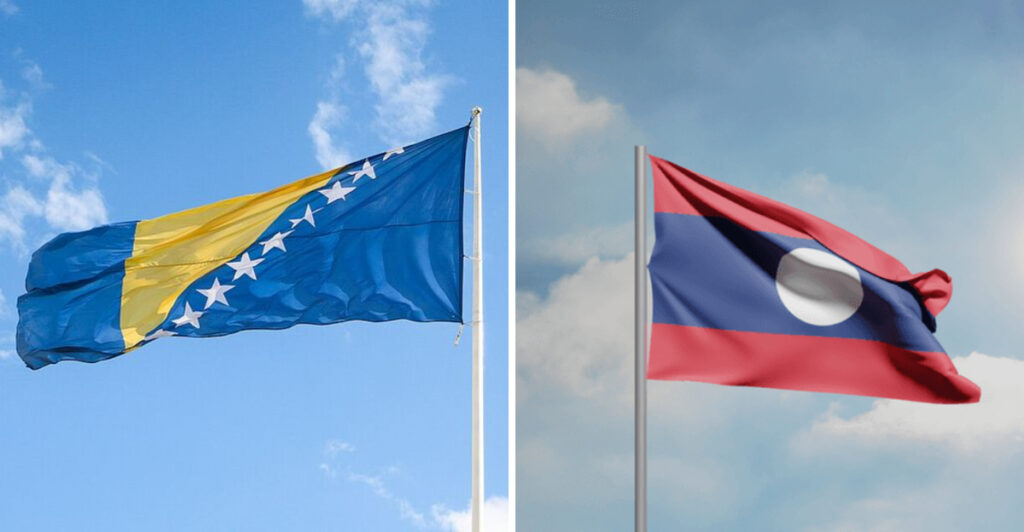
Height varies dramatically around the world, and the differences between countries can be surprisingly large. Scientists and researchers have studied average male heights across nations for decades, uncovering fascinating patterns tied to genetics, diet, and living conditions.
Some countries consistently produce some of the tallest men on earth, while others sit at the opposite end of the spectrum. Whether you are curious about where your country stands or just love interesting facts, this ranking is worth exploring.
Netherlands – ~183.8 cm (Tallest)
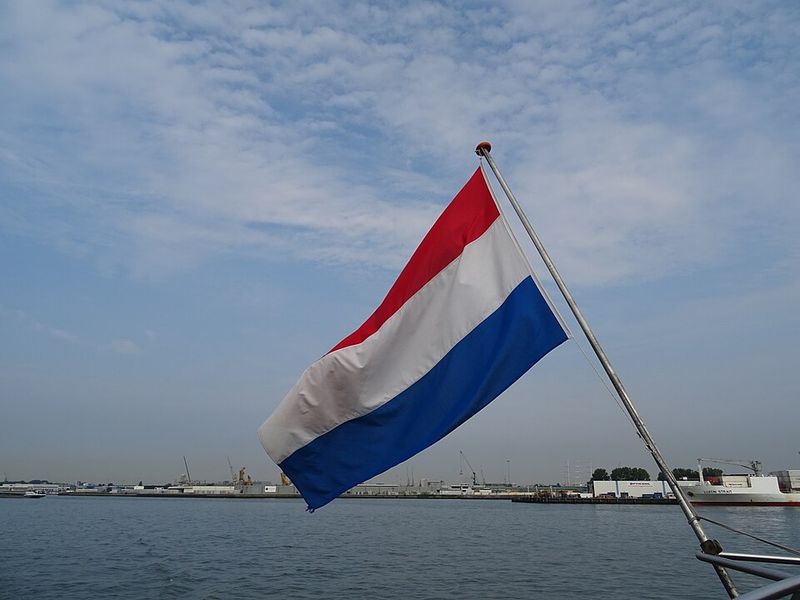
Ask anyone which country produces the tallest men on earth, and the Netherlands almost always tops the list. Dutch men average around 183.8 cm, making them the tallest male population ever recorded by researchers.
That is roughly 6 feet and half an inch, which is impressive by any global standard.
Experts credit this remarkable height to a combination of excellent nutrition, a strong dairy industry, and favorable genetics developed over many generations. The Dutch diet has historically been rich in protein and calcium, both critical for bone growth during childhood and adolescence.
Interestingly, Dutch men were not always this tall. In the 1800s, they were actually considered quite short compared to Europeans.
Their dramatic rise in average height over roughly 150 years is one of the most studied cases in human growth research worldwide.
Montenegro – ~183.3 cm
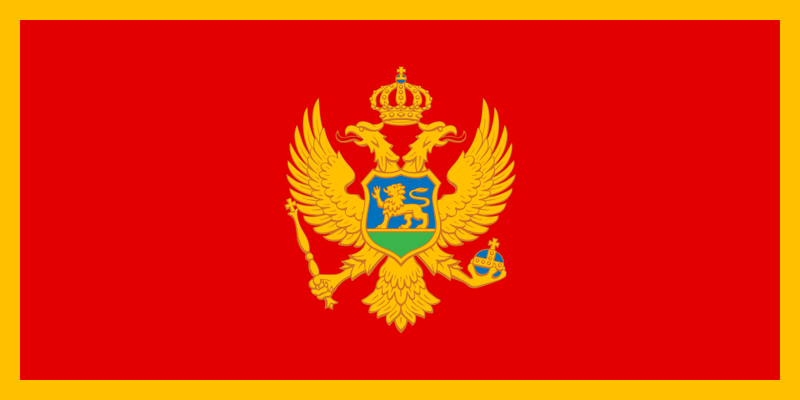
Tucked into the western Balkans along the Adriatic coast, Montenegro is a small country that punches well above its weight when it comes to male height. Men here average around 183.3 cm, placing Montenegro firmly among the tallest populations in the entire world.
Researchers believe the Dinaric Alps region, which includes Montenegro, has long been home to some of Europe’s tallest people. Historical records and anthropological studies consistently confirm that men from this mountainous area have carried impressive stature for centuries, long before modern nutrition science existed.
Local diet plays a role too. Traditional Montenegrin meals include generous amounts of lamb, beef, dairy products, and fresh vegetables, all of which support healthy bone development.
Combined with a physically active lifestyle shaped by rugged terrain, it is easy to see why Montenegrin men reach such notable heights.
Bosnia & Herzegovina – ~182.5 cm

Bosnia and Herzegovina shares the same Dinaric Alps region that makes its Balkan neighbors so tall, and the numbers reflect that clearly. Bosnian men average approximately 182.5 cm, placing this small country among the world’s top three tallest male populations.
The Dinaric people have fascinated anthropologists for well over a century. Studies dating back to the early 1900s noted that men from this region were remarkably tall compared to most of Europe, suggesting that genetics rooted in this specific geographic area contribute heavily to the pattern.
Modern nutrition has only strengthened those genetic advantages. Bosnia’s traditional diet features hearty meat dishes, dairy, and legumes that provide solid nutritional foundations for growing children.
While the country has faced significant economic challenges in recent decades, its population continues to rank among the tallest on earth, which remains a genuine point of national pride.
Denmark – ~181.9 cm
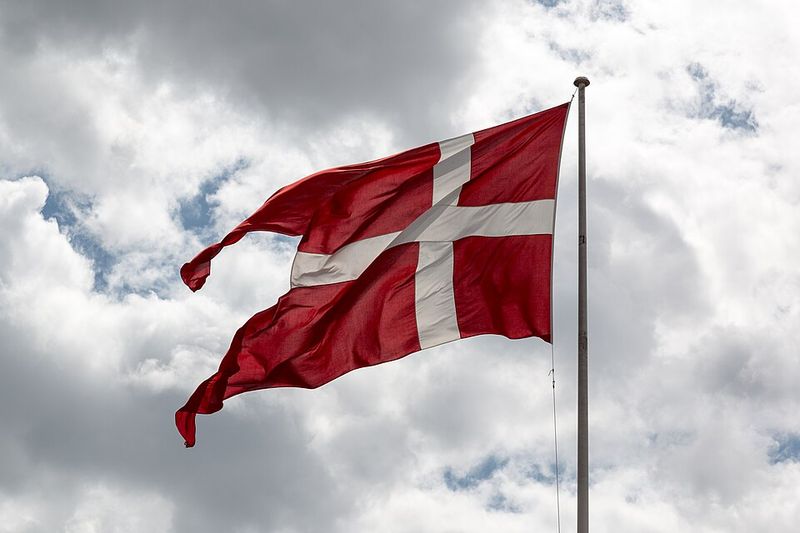
Scandinavia has long been associated with tall, fair-featured people, and Denmark lives up to that reputation without question. Danish men average around 181.9 cm, making Denmark one of the tallest countries in Northern Europe and the world overall.
Denmark’s high average height is supported by one of the best public health and nutrition systems in the world. Danish children grow up with consistent access to high-quality food, excellent healthcare, and strong social support systems, all of which directly influence how tall a population grows over generations.
Fun fact: Denmark has been ranked among the world’s happiest countries for years. Researchers suggest that low stress levels, good sleep habits, and strong community bonds may also contribute to optimal growth during childhood.
When a population thrives physically and emotionally, it tends to grow taller, and Denmark is a textbook example of exactly that principle in action.
Serbia – ~182.0 cm
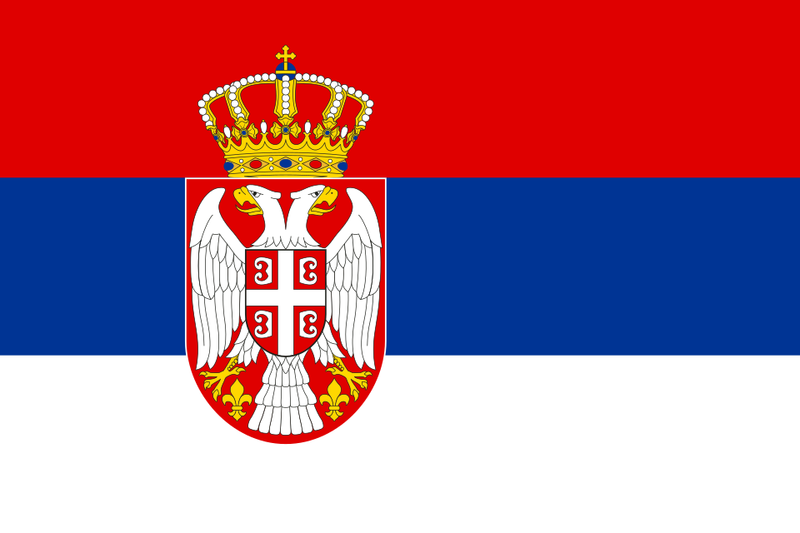
Serbia sits comfortably among the world’s tallest nations, with men averaging around 182.0 cm. Like its Balkan neighbors, Serbia benefits from the genetic legacy of the Dinaric Alps region, which has produced some of the tallest people in recorded European history.
Serbian culture places strong emphasis on physical activity, hearty eating, and outdoor lifestyles, all of which support healthy development during the critical growing years. Traditional Serbian cuisine includes protein-rich foods like grilled meats, cheese, and legumes that fuel strong bone and muscle development from a young age.
Serbia has also produced a notable number of elite athletes across basketball, tennis, volleyball, and water polo, sports where height and physical conditioning provide clear competitive advantages. Novak Djokovic, one of the greatest tennis players ever, stands at 188 cm, making him a fitting ambassador for a country that consistently ranks among the tallest in the world.
Croatia – ~181.7 cm
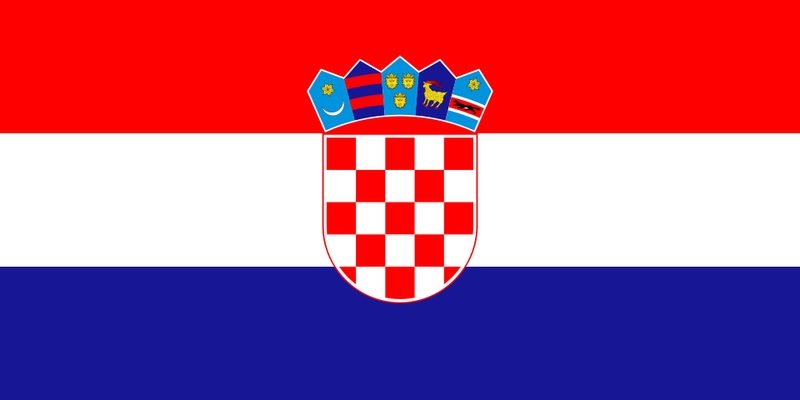
Croatia’s Adriatic coastline is famous for its beauty, but the country also deserves recognition for something less talked about: it is home to one of the tallest male populations on the planet. Croatian men average approximately 181.7 cm, ranking Croatia among the top seven globally.
Like several of its Balkan neighbors, Croatia shares roots in the Dinaric Alps region, where tall stature has been documented for generations. Historical anthropological surveys from the 19th and early 20th centuries repeatedly identified this region as a hotspot for exceptional human height, and modern data continues to confirm those early findings.
Croatia’s Mediterranean diet, which features seafood, olive oil, fresh produce, and lean meats, provides excellent nutritional support for healthy growth. The country has also produced several world-class basketball players who stand well above average height, reflecting a genetic and environmental combination that clearly favors tall physical development.
Iceland – ~181.5 cm
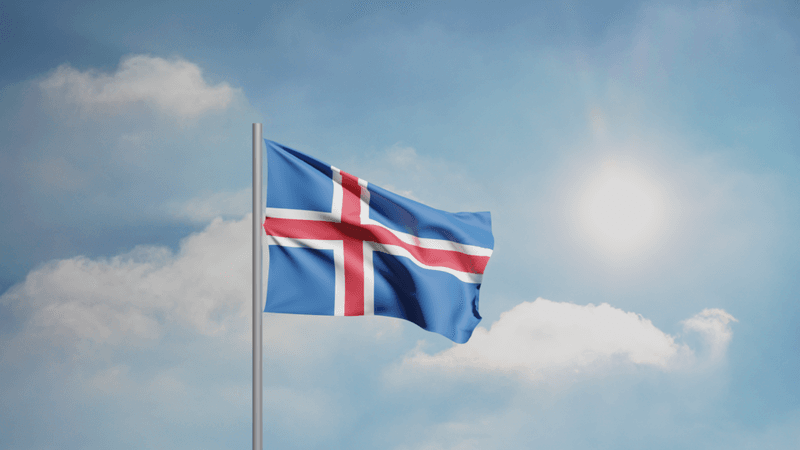
Iceland may be a remote island nation with a small population, but its men rank among the tallest in the world, averaging around 181.5 cm. For a country of only about 370,000 people, that is a genuinely remarkable achievement in the global height rankings.
Iceland’s Viking heritage is often cited as a contributing factor to its tall population. Norse settlers who arrived over a thousand years ago were historically described as large and physically formidable, and those genetic traits appear to have carried forward across many generations of a relatively isolated population.
Modern Iceland also boasts one of the highest standards of living globally, with universal healthcare, excellent nutrition, and strong social welfare systems. Children grow up with consistent access to fish, dairy, and protein-rich foods, all of which are essential for reaching full genetic height potential.
Iceland proves that even small nations can stand very tall on the world stage.
Timor-Leste – ~160.1 cm

Timor-Leste, also known as East Timor, is one of the world’s youngest nations and records the lowest average male height globally at approximately 160.1 cm. Located in Southeast Asia near Indonesia, this small island country has faced decades of conflict and poverty that have significantly affected its population’s overall health and nutrition.
Chronic malnutrition is a serious ongoing challenge in Timor-Leste. A large percentage of children under five suffer from stunted growth due to insufficient protein, vitamins, and minerals during critical developmental years.
When the body is deprived of essential nutrients early in life, it simply cannot reach its full genetic height potential.
International aid organizations have been working in Timor-Leste for years to improve food security and maternal nutrition. Progress is being made, but meaningful change takes generations to show up in population-wide height averages.
The country’s story is a powerful reminder of how closely human growth is tied to social stability and access to proper food.
Laos – ~162.8 cm
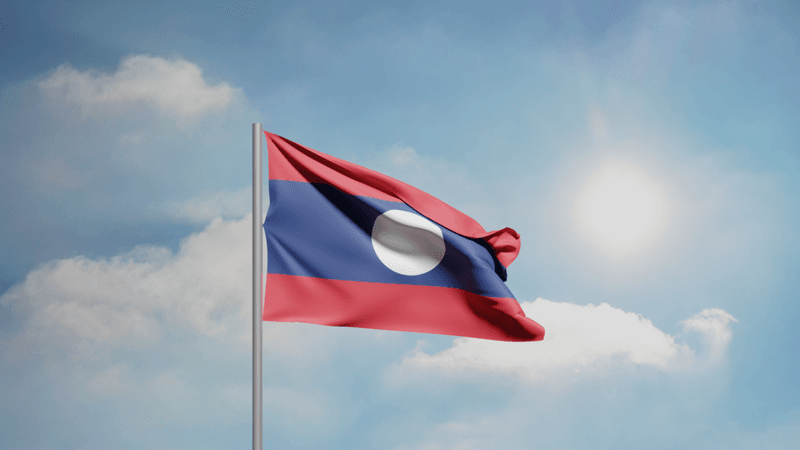
Landlocked in the heart of Southeast Asia, Laos is a country of stunning natural beauty and rich cultural heritage. However, it also carries one of the lowest average male heights in the world at approximately 162.8 cm, a figure closely linked to persistent nutritional challenges facing the population.
A significant portion of Laos remains rural, with many families relying on subsistence farming. Access to diverse, protein-rich foods can be limited in these areas, meaning children may not always receive the full range of nutrients needed for optimal growth during their developmental years.
Government and international health programs have been working to improve child nutrition across Laos, with particular focus on reducing iron deficiency, improving maternal health, and increasing access to fortified foods. These efforts are gradually shifting outcomes for younger generations.
Laos offers a clear example of how geography, economy, and access to resources combine to shape something as personal as how tall a person grows.
Yemen – ~163.0 cm

Yemen sits near the southern tip of the Arabian Peninsula and records an average male height of approximately 163.0 cm, placing it among the shortest male populations in the world. Years of devastating conflict have severely disrupted food supplies, healthcare systems, and economic stability across the country.
The humanitarian crisis in Yemen has been described by the United Nations as one of the worst in modern history. Widespread food insecurity means that many Yemeni children grow up without consistent access to the calories and nutrients essential for healthy physical development, directly contributing to lower average heights across the population.
Before the conflict intensified, Yemen already faced challenges related to poverty and malnutrition. The compounding effect of war on top of existing nutritional deficits has made improving population health outcomes extremely difficult.
Yemen’s position on this list is less about genetics and far more about the devastating real-world consequences of prolonged humanitarian crisis on human development.
Bangladesh – ~163.2 cm
Bangladesh is one of the most densely populated countries on earth, home to over 170 million people in a relatively small geographic area. Men here average around 163.2 cm, a figure shaped by a complex mix of genetics, diet, and economic factors that have defined life in this South Asian nation for generations.
Rice is the dominant staple in the Bangladeshi diet, and while it provides calories, it is not particularly rich in the proteins and micronutrients most critical for bone growth. Many families, particularly in rural areas, have limited access to meat, dairy, and diverse vegetables, which can restrict how fully children develop physically during their growing years.
Bangladesh has made impressive economic progress in recent decades, significantly reducing poverty rates and improving access to healthcare. Younger generations are already showing slight increases in average height compared to their parents, suggesting that continued development and better nutrition may gradually shift these numbers upward over time.
Nepal – ~164.4 cm

Nepal is home to some of the world’s highest mountains, but its men rank among the shorter populations globally, averaging approximately 164.4 cm. Sitting between two giant neighbors, India and China, Nepal is a landlocked country where geography has historically shaped both diet and economic opportunity in significant ways.
Many Nepali communities live at high altitudes where agriculture is challenging and food variety can be limited. Diets in rural mountain areas often rely heavily on lentils, rice, and vegetables, which can leave gaps in protein and calcium intake that matter enormously during childhood growth phases.
Urban Nepal is changing rapidly, with improved access to diverse foods, better healthcare, and rising incomes gradually improving overall nutrition. Studies suggest that Nepali children in cities are growing taller than previous generations, reflecting the powerful influence of improved living standards.
Nepal’s height data is a fascinating snapshot of how environment and elevation shape human biology in very real ways.
Guatemala – ~164.4 cm
Guatemala shares the 164.4 cm average with Nepal, tying for the fifth-shortest male population in this ranking. As the most populous country in Central America, Guatemala has long struggled with high rates of chronic malnutrition, particularly among indigenous communities in rural highland regions.
Stunting, which refers to impaired growth and development in children caused by poor nutrition and repeated infections, is a serious public health concern in Guatemala. The country has one of the highest stunting rates in Latin America, meaning a significant portion of children never reach their full physical growth potential due to inadequate nutrition during their earliest years.
Guatemala’s indigenous Maya population, which makes up a large share of the country’s total population, tends to have shorter average statures that are also influenced by genetic ancestry. Programs focused on improving maternal nutrition, food security, and early childhood development are ongoing, with meaningful progress being made in some regions despite persistent challenges.
Madagascar – ~164.5 cm
Madagascar, the large island nation off the southeastern coast of Africa, records an average male height of approximately 164.5 cm, placing it among the world’s shortest male populations. The Malagasy people have a unique genetic background that blends African and Southeast Asian ancestry, reflecting the island’s fascinating and unusual settlement history.
The country faces significant food security challenges, with a large rural population dependent on subsistence agriculture. Rice is the primary staple, and access to protein-rich foods like meat, fish, eggs, and dairy is inconsistent across many parts of the island, particularly in inland and southern regions prone to drought and food shortages.
Madagascar is one of the world’s poorest countries by income, and economic constraints directly limit what families can provide nutritionally for their children. Despite these challenges, Madagascar’s unique cultural identity and remarkable biodiversity make it one of Africa’s most extraordinary nations, even if its men sit near the bottom of global height rankings.
Share this story