New Jersey does not always get credit for its wild places, but tucked inside the Pine Barrens, there is a 7,600-acre stretch of forest, wetlands, and sandy roads that quietly delivers more than most people expect. This area sits near Hammonton, and it draws hikers, hunters, anglers, and off-road explorers who want space without crowds.
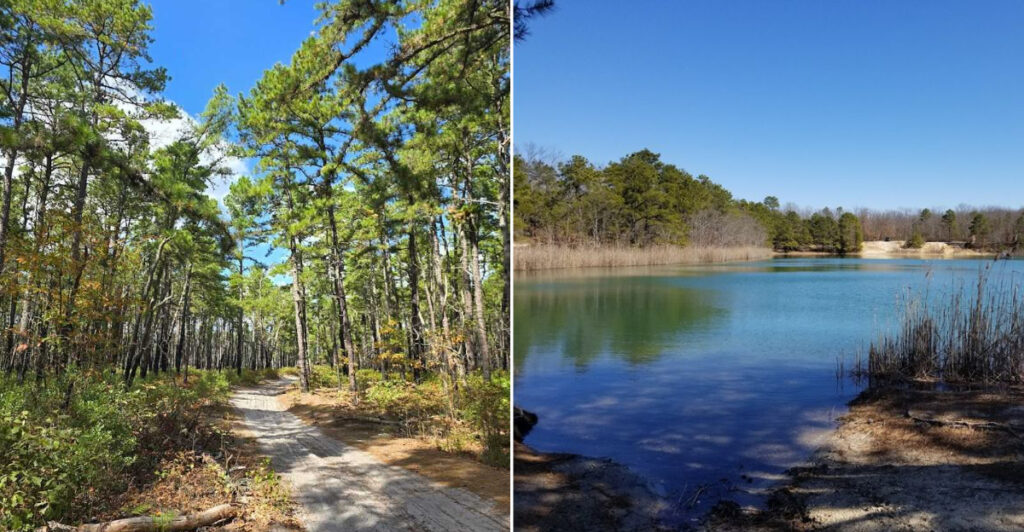
What makes this place stand out is not just its size. The Great Egg Harbor River runs through the property, and along its banks lies the Blue Hole, a naturally clear freshwater pool that has built up a reputation all its own.
Forest roads cut through hardwood stands and pine groves, connecting one corner of the area to the next. This is not a manicured park with paved paths and visitor centers.
It is the kind of place where you show up, pick a direction, and see what the trees have been hiding.
Where to Find It and How to Get Started
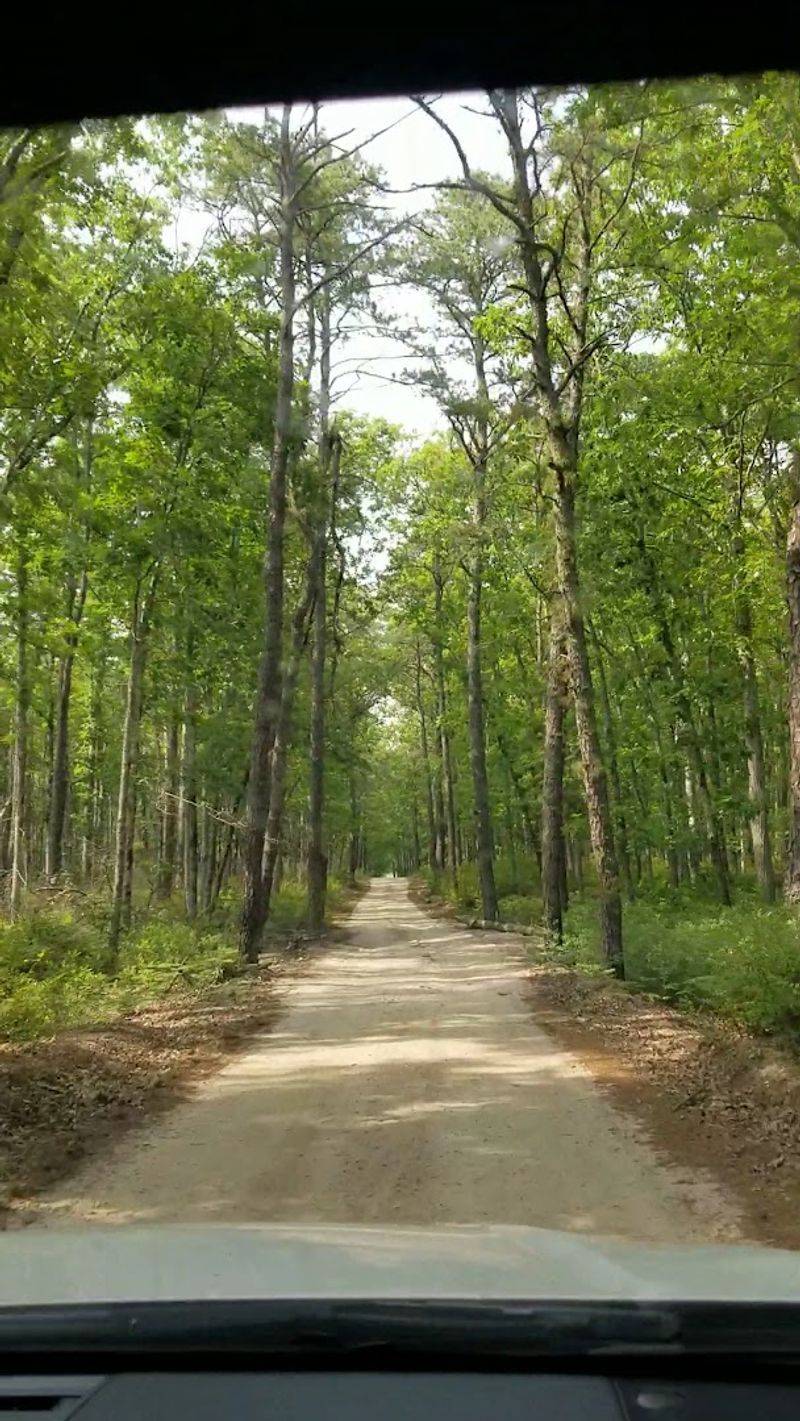
The Winslow Fish and Wildlife Management Area is located at Atsion Batsto Rd, Hammonton, NJ 08037, sitting within Atlantic County in the heart of the New Jersey Pine Barrens. The area is managed by the New Jersey Division of Fish and Wildlife, and access is open to the public year-round without an entry fee.
Getting there is straightforward. Hammonton is easily reachable from Routes 30 and 206, and the management area spreads across a wide section of forest between several county roads.
There are no formal trailheads with maps posted at kiosks, so arriving with a downloaded map or a GPS unit is a practical move.
Parking is informal along the sandy pull-offs near the main fire lines and forest roads. The area covers enough ground that first-time visitors often spend a full day and still do not cover every corner.
Planning ahead makes the difference between a productive trip and a confusing one.
The Blue Hole and the Great Egg Harbor River
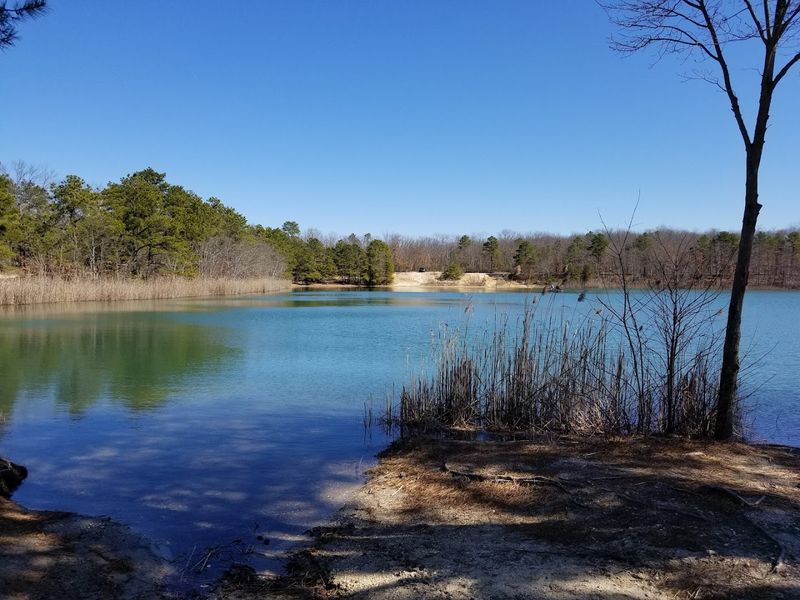
The Blue Hole is the feature that tends to stop people mid-scroll when they first read about this area. Sitting along the Great Egg Harbor River within the Winslow WMA boundaries, this naturally occurring freshwater pool is known for water clarity that seems almost out of place in the middle of a pine forest.
The water holds a blue-green tint that comes from the sandy bottom and the relatively low tannin content compared to other Pine Barrens waterways. It is cold year-round, fed by groundwater and the river itself.
The Blue Hole has collected local legend over the decades, with stories circulating about its depth and mysterious currents, though most of those tales belong more to folklore than geology.
The river itself offers kayaking opportunities, though navigating around fallen trees and overhanging branches requires patience and some paddling experience. Spring and fall tend to offer the most manageable water levels for those exploring by boat.
A Forest Built From More Than Just Pines
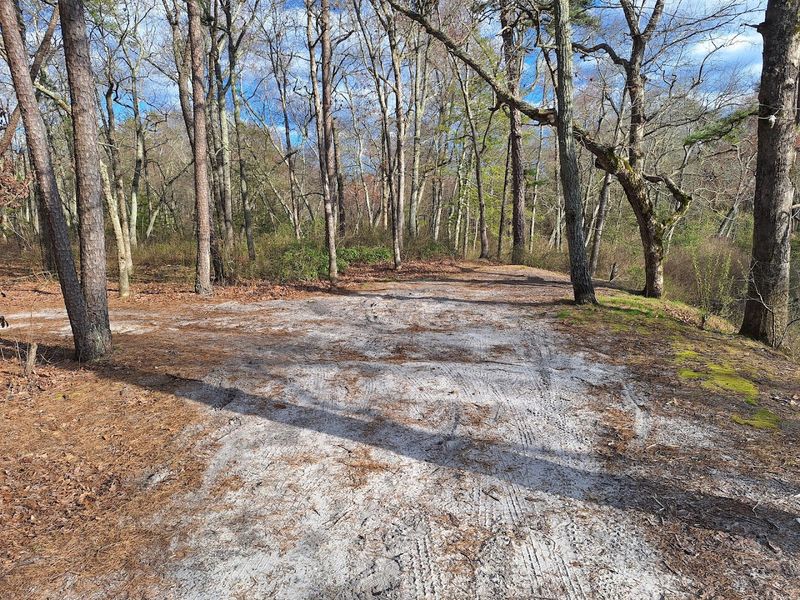
Not every corner of the Winslow WMA looks the same, and that variety is part of what keeps repeat visitors coming back. The landscape shifts between pitch pine and scrub oak uplands, Atlantic white cedar swamps, and sections of mixed hardwood forest that feel entirely different underfoot.
Wetland areas and low-lying swampy zones break up the drier sandy stretches, creating habitat diversity that supports a wide range of wildlife. Deer move through the hardwood edges at dusk, black snakes turn up along the sandy roads in warmer months, and wild cranberries grow in the boggy areas, a detail that catches most first-time visitors completely off guard.
Wildflowers push through the sandy soil in spring and early summer, dotting the roadsides with color. The terrain is not dramatic in elevation, but the constant shift between forest types gives the area a layered quality that rewards those who slow down and pay attention to what surrounds them.
The Sandy Road Network That Connects It All
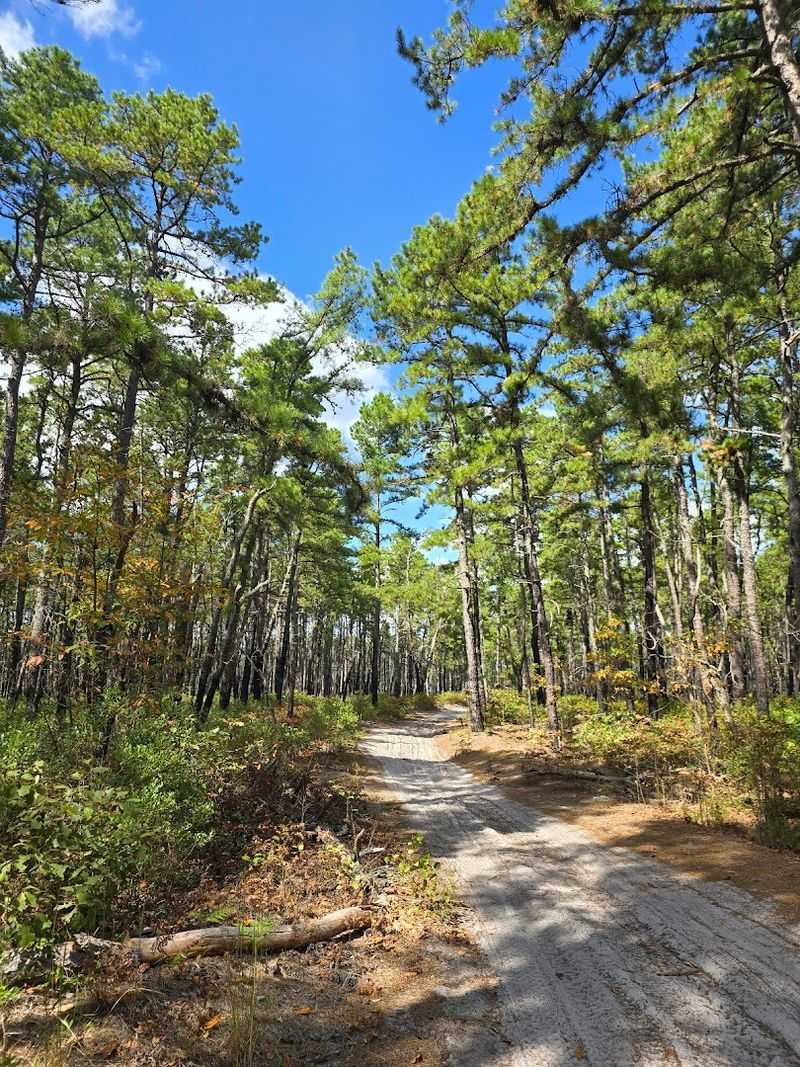
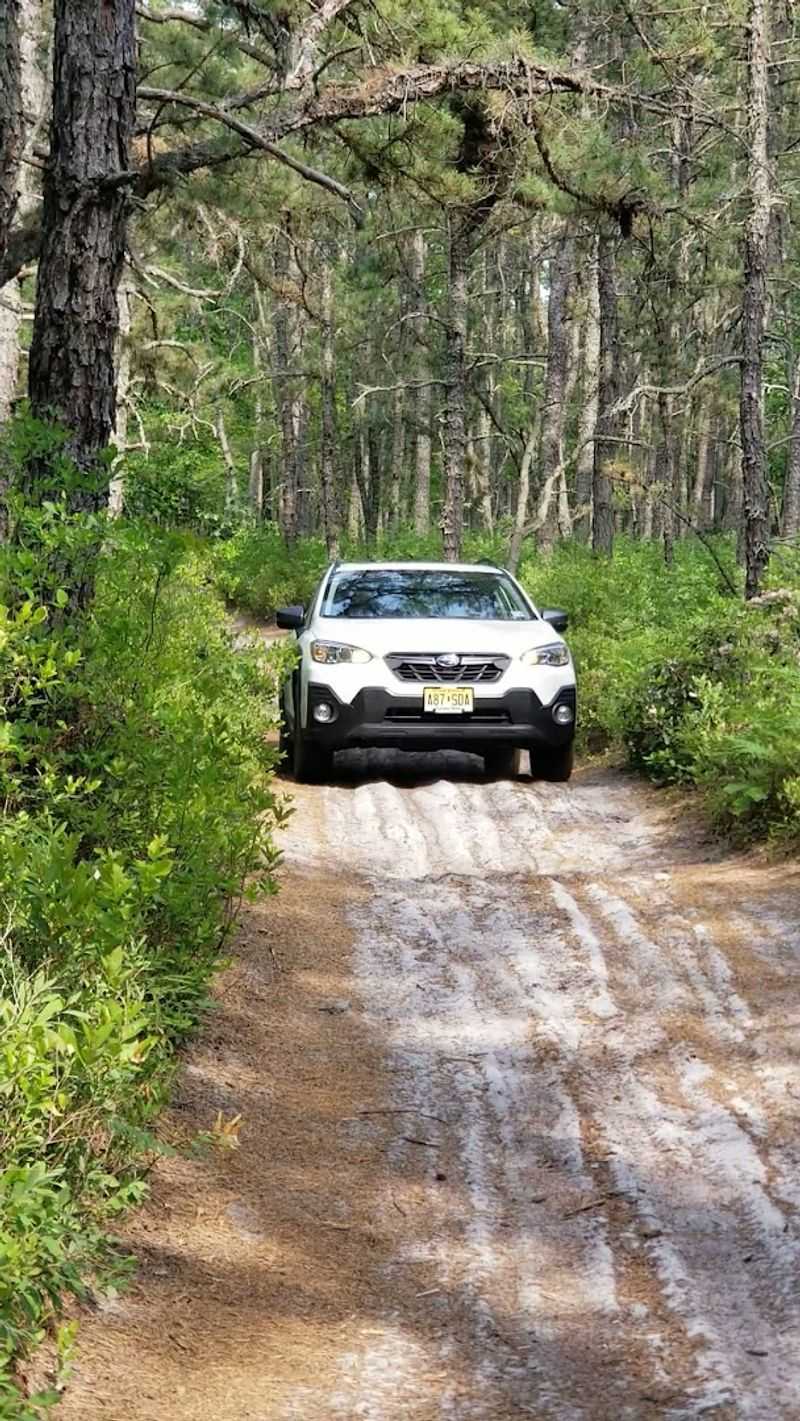
One of the defining features of the Winslow WMA is its network of sandy forest roads, also called fire lines, that run through the property in a rough grid pattern. These roads range from well-graded main routes that a standard two-wheel-drive vehicle can handle to narrower, softer tracks where four-wheel drive and a bit of confidence go a long way.
Seasonal changes matter here more than in most places. What looks like a dry, navigable road in September can become a water-filled channel after heavy rain or snowmelt.
A driver who underestimates those conditions can end up with serious vehicle trouble, as the sandy substrate gives way quickly under a stuck tire.
The roads are open to hiking and biking as well, making them accessible to people who prefer to explore without a vehicle. Cyclists in particular find the flat terrain and quiet atmosphere a solid combination for longer rides through the pines.
Fishing Opportunities Across the Area
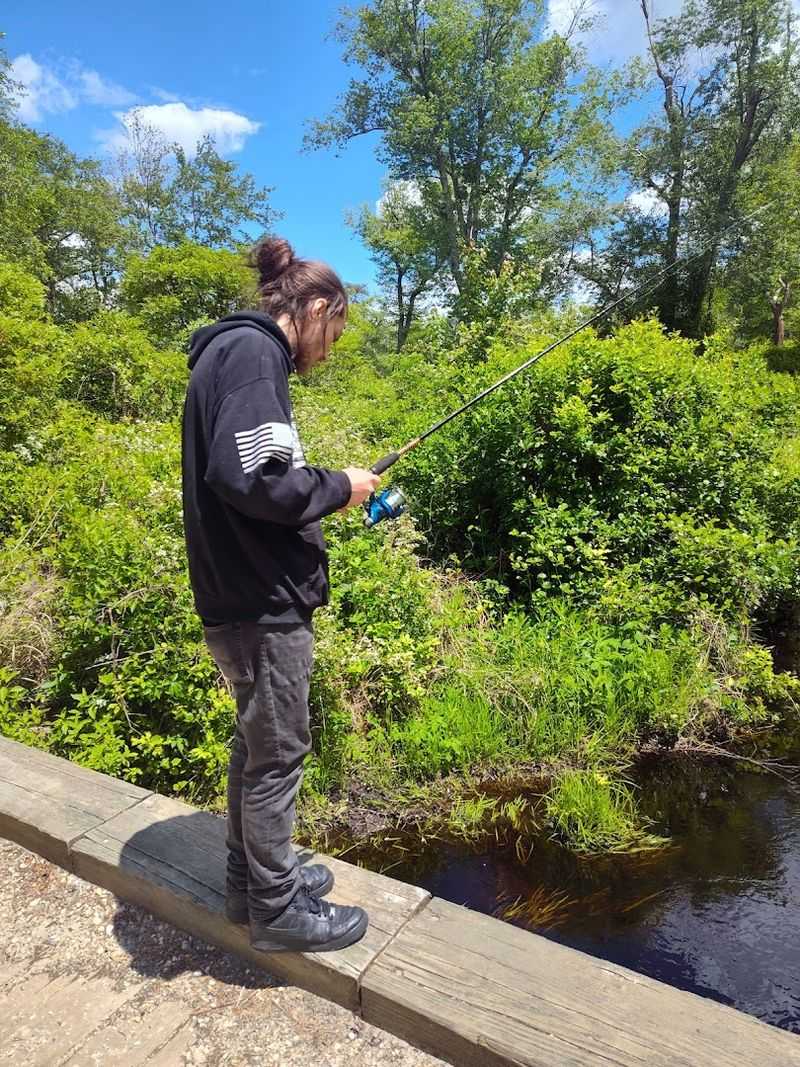
Fishing is one of the most consistent draws at the Winslow WMA, and the area delivers across multiple water bodies. The lakes within the management area hold catfish, bass, and other freshwater species, with early morning hours offering the most active bite before the water settles into stillness as the day warms up.
Catfish in the 18- to 20-inch range have been pulled from these waters, with some fish pushing past four pounds. Early risers tend to have the best results, with action tapering off noticeably once the sun climbs higher.
That pattern holds true across most of the warm-weather months.
A valid New Jersey fishing license is required for anyone 16 and older, and regulations apply to specific species and seasons. The water clarity in some sections of the area is notably high, which makes sight-fishing a realistic option in the shallower stretches along the river and near some of the smaller pond edges.
Hunting Seasons and What They Mean for Every Visitor
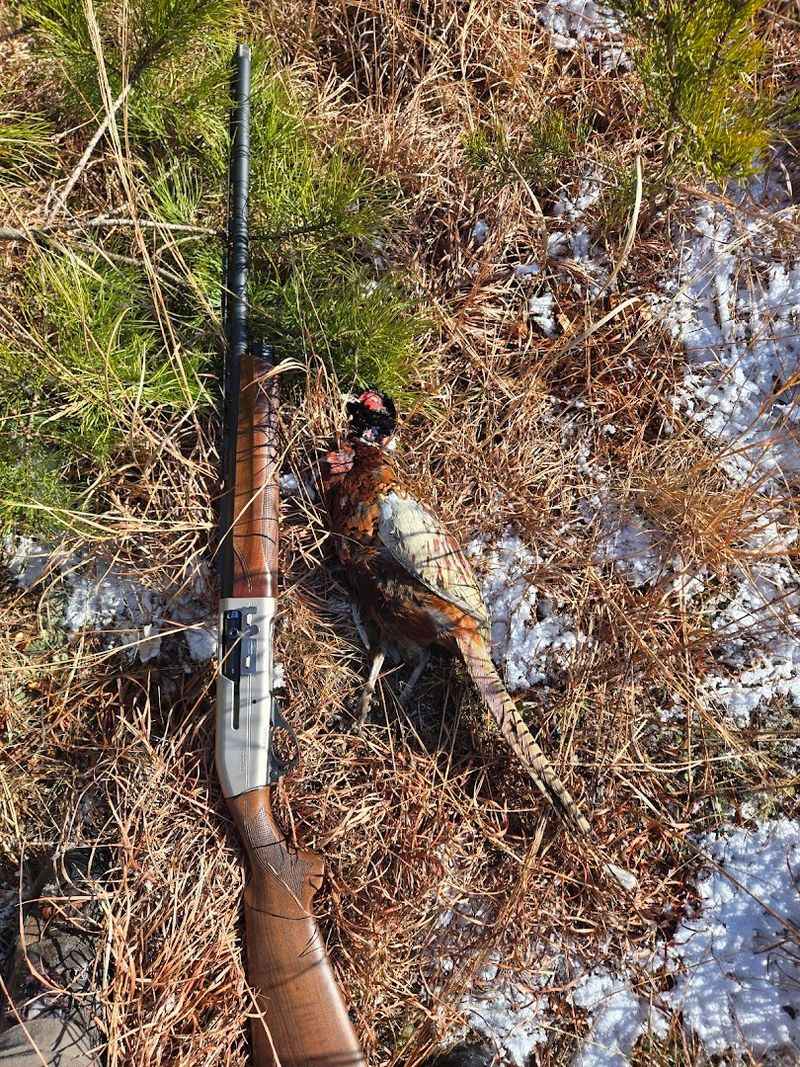
Hunting is a central use of the Winslow WMA, and the management area is stocked and managed with that purpose clearly in mind. Deer, turkey, and small game seasons bring a steady stream of hunters throughout fall and into winter, and the area is large enough to absorb significant activity without feeling overrun in most sections.
For non-hunters using the area during active seasons, wearing blaze orange is a practical precaution that most experienced visitors already know to take. Choosing weekdays over weekends, or mornings outside of peak hunting hours, reduces the chance of overlapping heavily with active hunting parties in the same section of woods.
The diversity of habitat, from upland pine to swampy lowland, gives hunters a range of terrain to work across. Anyone planning a first trip during fall or early winter should check the New Jersey Division of Fish and Wildlife website for current season dates and any area-specific regulations that apply.
Hiking Without a Marked Trail System
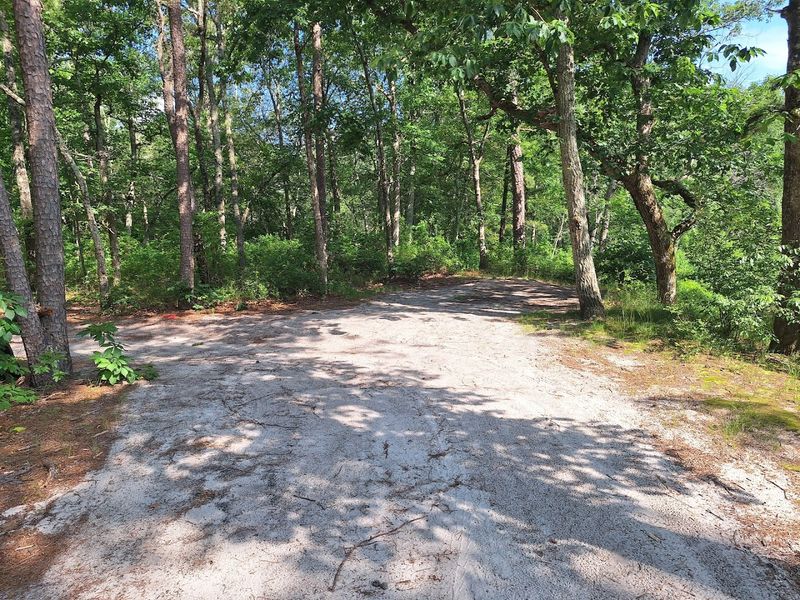
The Winslow WMA does not operate with a formal marked trail system the way a state park might, and that is actually part of the appeal for hikers who prefer self-directed exploration over color-coded blazes. The fire roads and forest paths provide plenty of mileage, and combining multiple roads into a loop is easy enough with a downloaded map or satellite view loaded before the trip.
The terrain is flat by most measures, which makes long-distance hiking accessible to a wide range of fitness levels. The sandy surface adds a bit of resistance underfoot, which some hikers appreciate as a low-impact workout over longer distances.
Tick awareness is a genuine concern here, especially from late spring through early fall. Long pants tucked into socks and a thorough check after any outing are standard practices for anyone spending time in the brush.
Spring and fall offer the most comfortable conditions overall for extended hikes through the area.
Wildlife That Calls the WMA Home
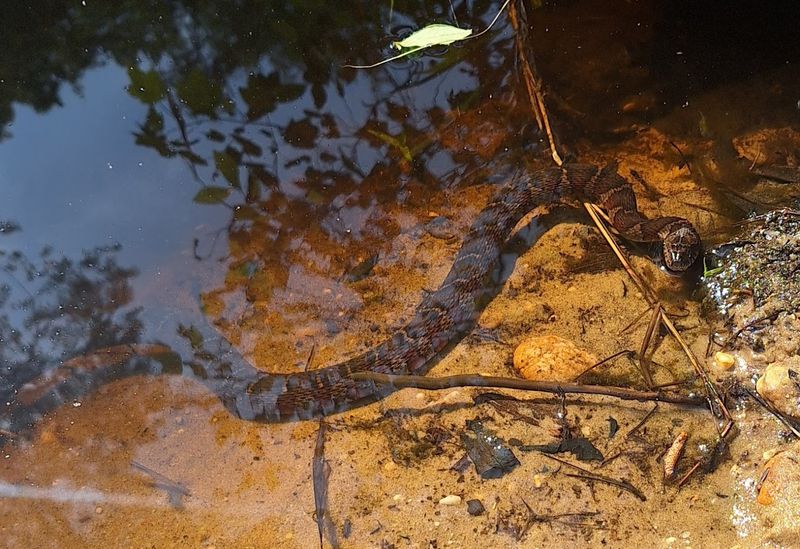
The variety of habitats packed into the Winslow WMA creates conditions that support a wide range of wildlife. White-tailed deer are the most commonly spotted large mammals, moving through the hardwood edges and crossing the sandy roads at dawn and dusk.
Black rat snakes show up along the warmer road surfaces during spring and summer, often surprising hikers who are not expecting to share the path.
Bird activity is strong throughout the year. The Pine Barrens support a mix of resident and migratory species, including raptors that work the open road corridors for small prey.
The wetland zones add waterfowl and wading birds to the mix, particularly during migration periods in spring and fall.
Wild cranberries growing in the boggy sections add a botanical layer to the wildlife experience that most people do not anticipate. The coyote population in the broader Pine Barrens region uses the area as well, though sightings are far less common than the tracks they leave behind on sandy roads.
Planning a Visit and What to Bring
A well-prepared visit to the Winslow WMA starts before leaving the driveway. The area has no facilities on-site, meaning no restrooms, no water fountains, and no rangers stationed at an entrance booth.
Everything needed for the day comes in with the visitor and goes out the same way.
Water is the top priority, especially in warmer months when the sandy terrain and open sun can make hydration a real concern. Bug spray rated for ticks is a close second, particularly from May through September.
A printed or downloaded map of the fire road network prevents the kind of wrong-turn confusion that can turn a two-hour hike into a much longer afternoon.
Leave-no-trace principles apply here, and the area benefits from visitors who carry out everything they bring in. The management area stays clean and accessible when people treat it that way.
Respecting other users, whether hunters, hikers, or cyclists, keeps the experience positive for everyone who shares the space.
Share this story