 Unearth The Voyage
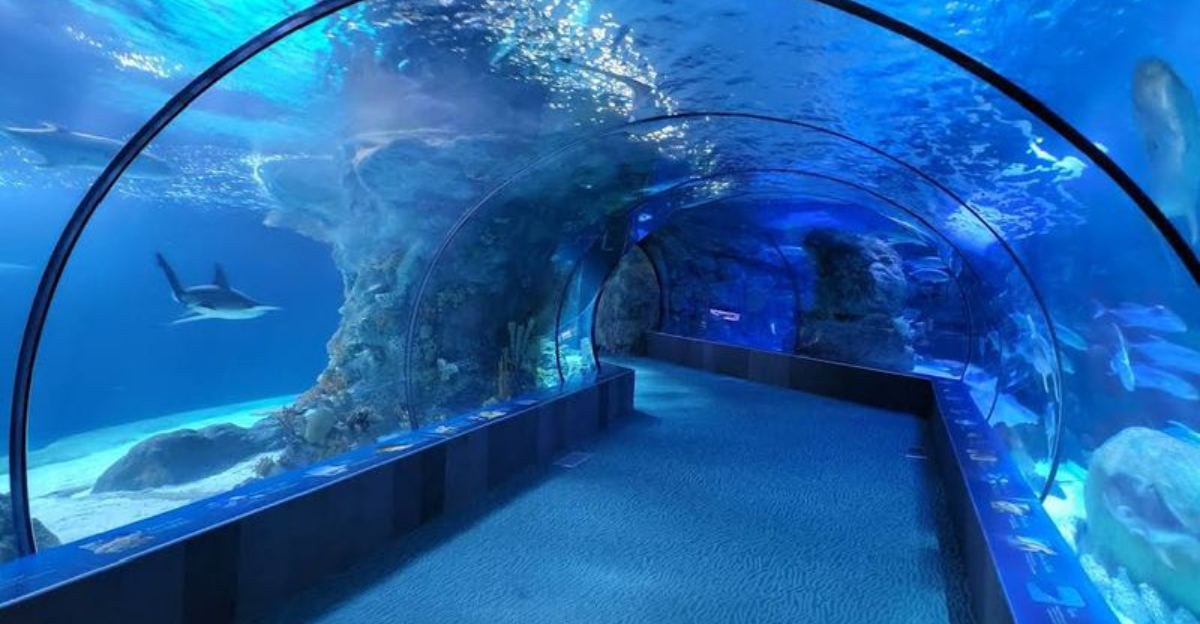
Nebraska might not be the first state that pops into your head when you think about world-class animal encounters, but one zoo in Omaha is quietly earning a reputation that rivals the biggest names in the country. The aquarium alone features sharks, giant sea turtles, and walls of colorful fish that make your jaw drop before you even reach the other exhibits.
And trust me, there are a lot of other exhibits. From a massive desert dome to an indoor rainforest buzzing with bats, this place packs more wow-worthy moments into a single day than most destinations manage in a weekend.
Rated 4.8 stars across tens of thousands of reviews, this is not a spot you stumble upon by accident. You plan for it, and it still surprises you.
Where It All Begins: Address, Location, and First Impressions
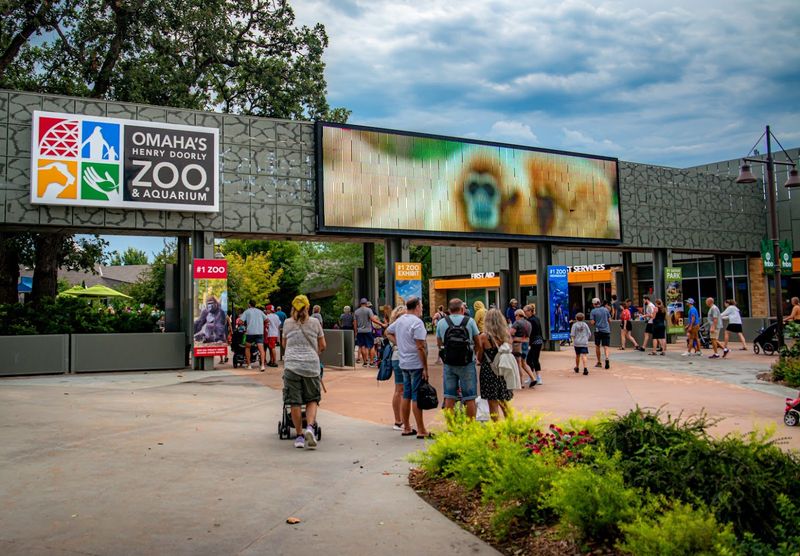
There is something about pulling up to a place that has earned a national reputation and realizing it looks even better in person. Omaha’s Henry Doorly Zoo and Aquarium sits at 3701 S 10th St, Omaha, NE 68107, and the scale of the property hits you immediately.
The parking lot is free, which is already a pleasant surprise compared to most major attractions.
The zoo opens at 10 AM every day of the week, closing at 4 PM, so arriving right at opening gives you the best shot at beating the crowds to the most popular indoor exhibits. Buying tickets online ahead of time is a smart move, since the physical ticket lines can stretch considerably on busy weekends.
Once you are through the gate, a map becomes your best friend because the grounds are genuinely enormous.
The zoo has earned top rankings nationally for years, and that reputation draws visitors from far beyond Nebraska. Some guests travel six hours or more just for a day here.
The staff greets everyone warmly, and the well-marked paths make navigating the property feel manageable even on your first visit. First impressions here tend to stick.
The Aquarium That Steals the Show
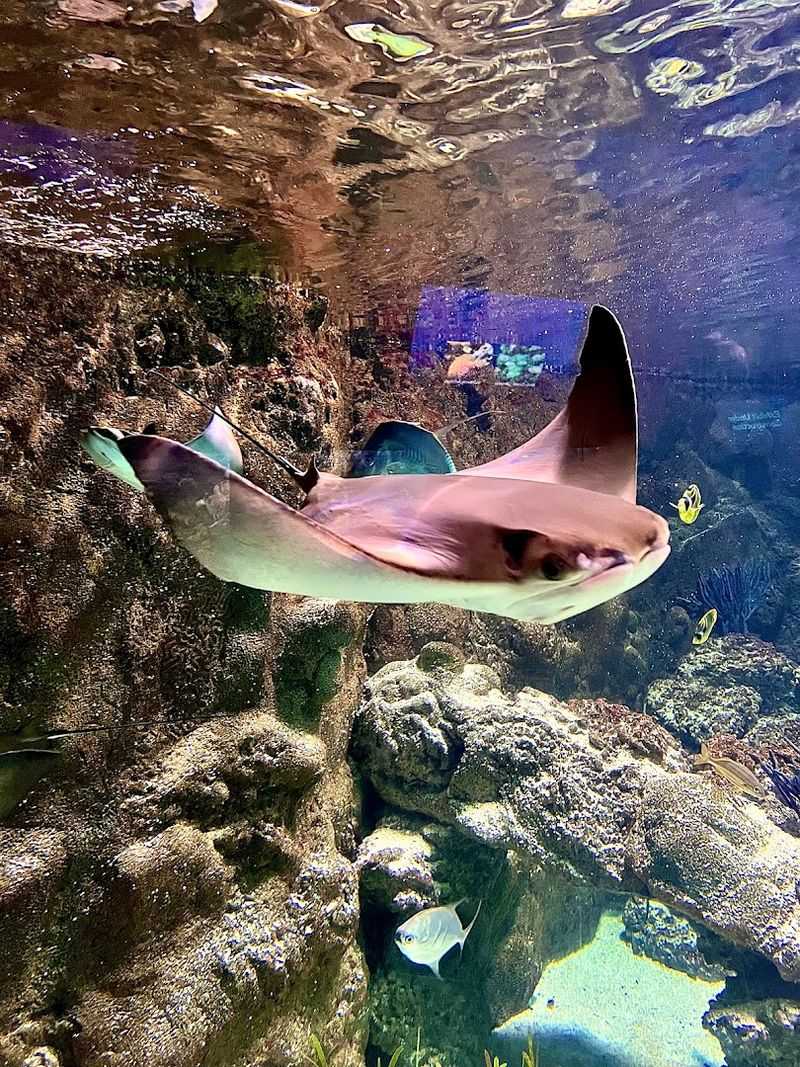
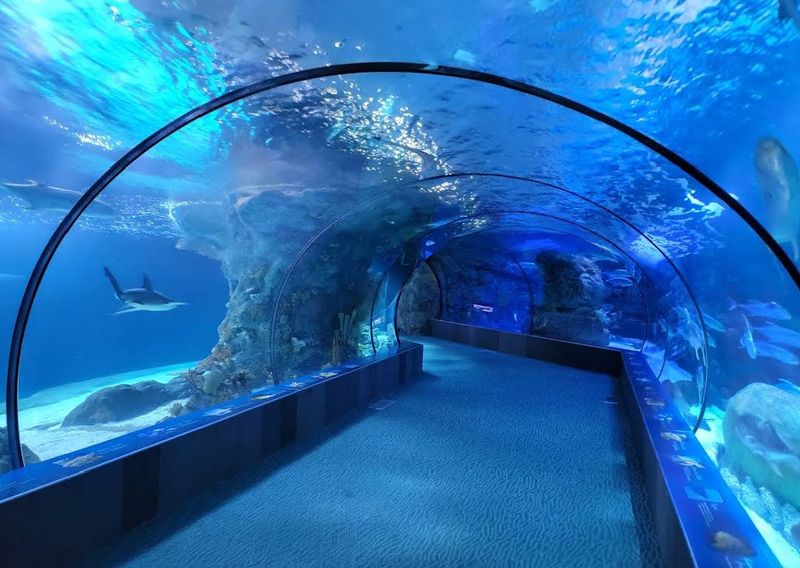
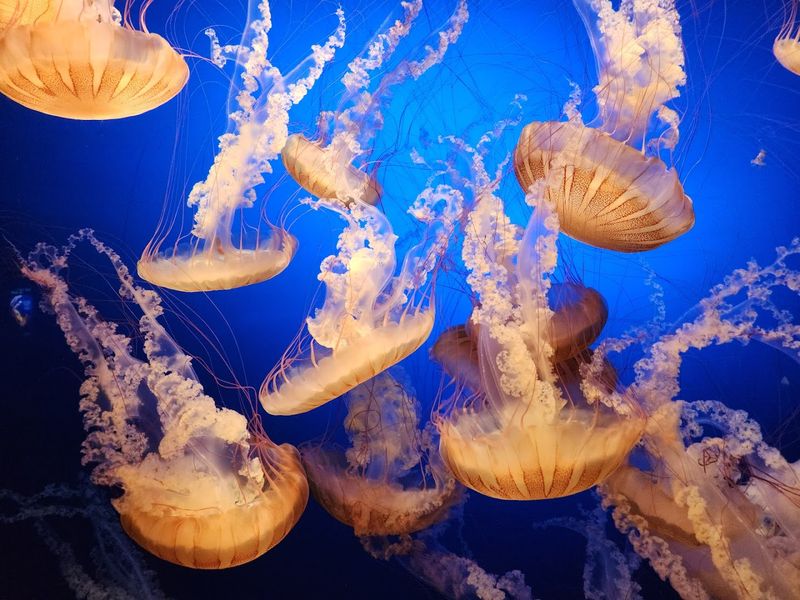
Honestly, the aquarium at this zoo deserves its own article. The tanks are massive, filled with sharks gliding overhead, giant sea turtles moving with surprising grace, and schools of fish in every color you can think of.
The blue glow of the water creates a calm, almost hypnotic atmosphere that makes it easy to linger far longer than you planned.
The layout takes you through different ocean zones, each one introducing a new cast of underwater characters. Visitors consistently call this their favorite part of the entire zoo, and after spending time here, that reaction makes complete sense.
The Aquarium Cafe nearby serves food that is genuinely better than typical zoo fare, with fresh salads and hot pasta dishes that hit the spot mid-visit.
One practical tip worth knowing: the aquarium gets crowded as the day goes on, so heading there first thing after the gates open gives you a much more relaxed experience. The lighting inside is designed to highlight the animals rather than the crowd, and every tank feels thoughtfully curated.
This is the kind of aquarium that makes you forget you are inside a zoo at all.
The Desert Dome: A Climate You Did Not Expect in Nebraska
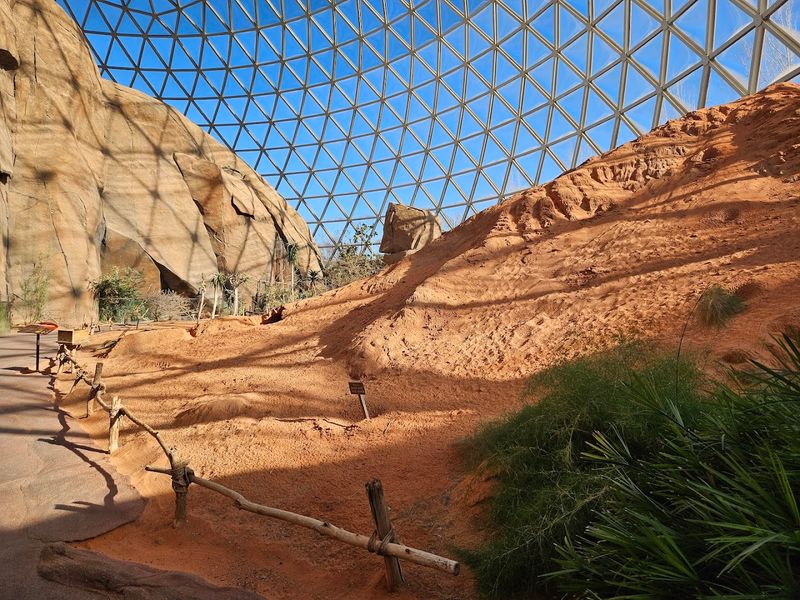
The Desert Dome is the kind of structure that stops you mid-step the first time you see it. From the outside, it looks like a giant glass bubble rising out of the Nebraska landscape.
On the inside, it transforms into a convincing desert ecosystem complete with heat, sand, dry plants, and animals that thrive in arid conditions. Bats hang from the upper reaches of the dome, which surprises most first-time visitors in the best possible way.
The dome covers an impressive amount of ground and gives desert-dwelling species far more room to exist naturally than you might expect from an indoor exhibit. The nocturnal section tucked beneath the dome is a particular highlight, featuring creatures that most people have never seen in person.
The low-light environment is designed to mimic nighttime conditions so the animals behave as they naturally would.
Getting to the Desert Dome early is a consistent recommendation from repeat visitors, since it draws large crowds later in the afternoon. The combination of the dome’s architecture and the living landscape inside creates a visual experience that feels genuinely transportive.
Few zoo exhibits anywhere in the country match what this dome delivers on a consistent basis.
Lush and Wild: The Indoor Rainforest Experience
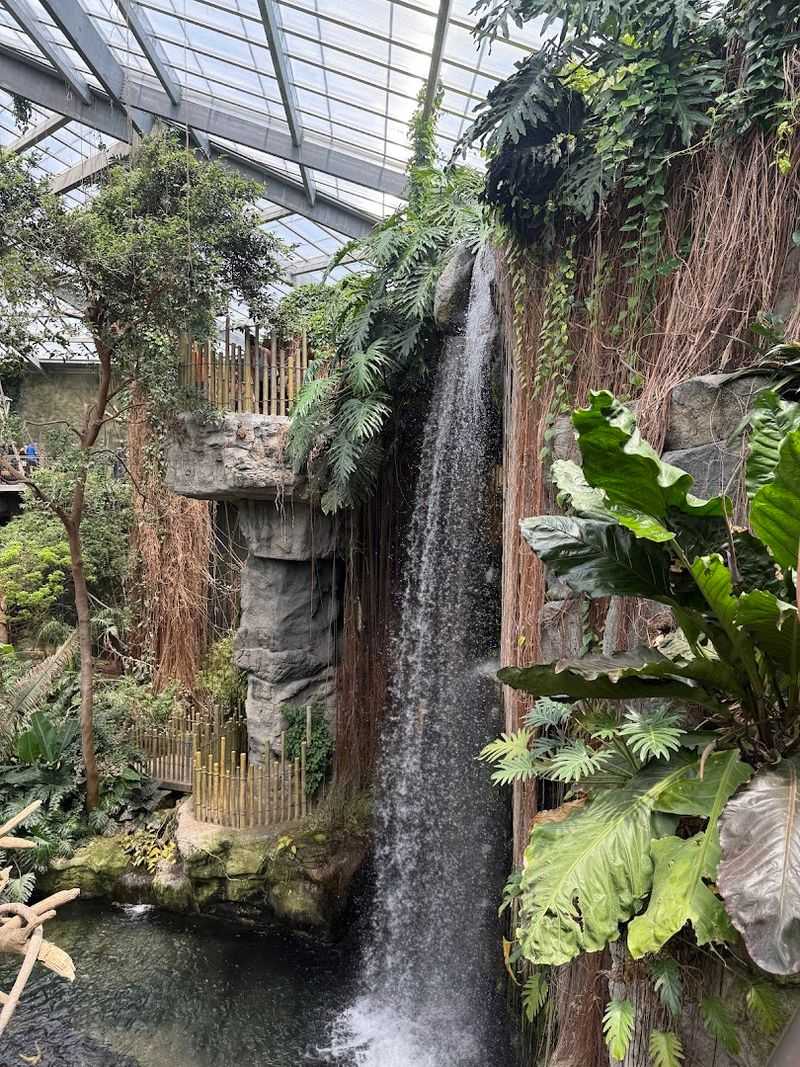
The rainforest building at this zoo is the kind of place where you genuinely forget you are in the middle of the Great Plains. Tall trees stretch toward a glass ceiling, humidity wraps around you the moment you walk through the doors, and the sounds of birds and rustling leaves replace the outside world entirely.
Bats fly freely overhead, which tends to generate equal parts gasps and grins from visitors of all ages.
Orangutans and gorillas have enclosures within this section that are designed with serious attention to the animals’ well-being. Watching a gorilla nap in a shaft of light or an orangutan study its surroundings with calm intelligence is a reminder of how remarkable these animals are up close.
The bird dome nearby adds another layer to the experience, with species flying at eye level and occasionally swooping low enough to make you duck.
The rainforest section works beautifully as a rainy-day destination since the entire experience is sheltered and climate-controlled. Even visitors who arrived primarily for the aquarium tend to spend far more time here than they originally planned.
The layered ecosystem on display rewards slow exploration and patience, and every corner seems to hide something new worth noticing.
Gorillas, Orangutans, and the Primate Complex Worth Slowing Down For
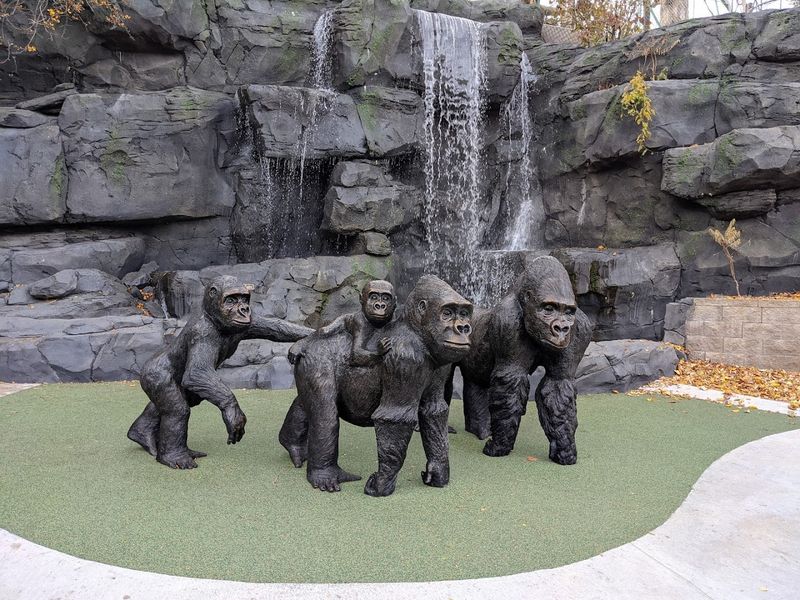
Few things at this zoo generate as much genuine laughter and quiet awe in equal measure as the primate section. The gorillas here are known for their relaxed, expressive personalities.
One moment they are lumbering across their habitat with total indifference to the crowd, and the next they press close to the glass with a look that feels almost conversational.
The enclosures are spacious and naturalistic, with climbing structures, vegetation, and enough visual complexity to keep the animals mentally engaged. This is a zoo that clearly prioritizes animal welfare alongside visitor experience, and the primate habitats are one of the clearest examples of that philosophy in action.
The gorilla section alone is a reason to add extra time to your visit plan.
Orangutans share the complex and bring their own brand of quiet charm. Their deliberate, thoughtful movements are fascinating to watch, especially when they interact with enrichment items placed in their environment.
Children tend to be absolutely riveted here, and adults often find themselves just as captivated. The primate section sits near the rainforest building, making it a natural stop on the way through that part of the zoo.
Plan to stay longer than you think you need to.
The African Savanna: Wide Open Space for Elephants and Giraffes
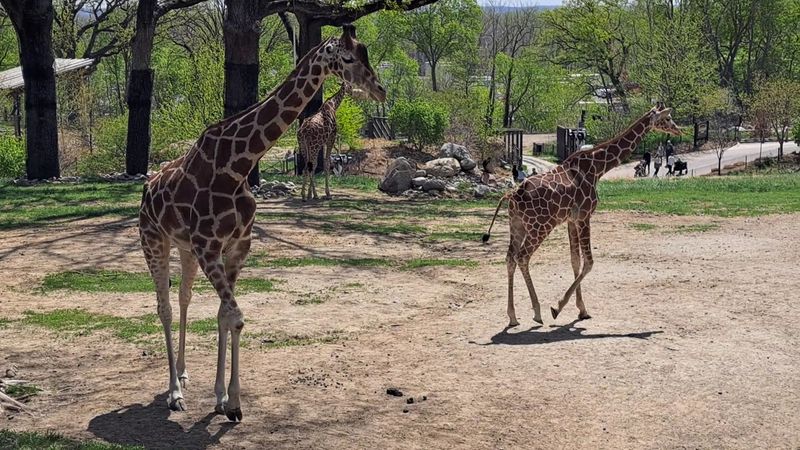
The African Savanna section of this zoo is where the scale of the property really sinks in. Elephants move through a habitat that is genuinely massive, with room to roam, swim, and interact in ways that feel far removed from the cramped enclosures of older zoo designs.
Watching them play freely in the water is one of those moments that stays with you long after you have left.
Giraffes have their own scenic exhibit nearby, and the open layout gives visitors unobstructed views of these animals at their full, towering height. The giraffe enclosure is particularly popular with families, and the sight of one leaning down to investigate a visitor is a memory that children tend to talk about for years.
The African area also connects to some of the zoo’s food options, which are convenient for a mid-afternoon break.
The food in this section runs on the pricier side compared to what you might pack yourself, so bringing snacks is a practical move that many regular visitors recommend. The safari-style landscape throughout this part of the zoo is beautifully maintained and gives the whole area a cohesive, immersive feel.
The sheer scale of the elephant habitat in particular sets this zoo apart from many others across the country.
Sea Otters, Penguins, and the Aquatic Exhibits That Keep You Rooted to the Spot
The sea otter exhibit at this zoo has a reputation for being one of those spots where you plan to spend five minutes and end up staying for thirty. Otters are naturally theatrical animals, and the ones here seem to know they have an audience.
They float, tumble, and chase each other through the water with an energy that is genuinely infectious and hard to walk away from.
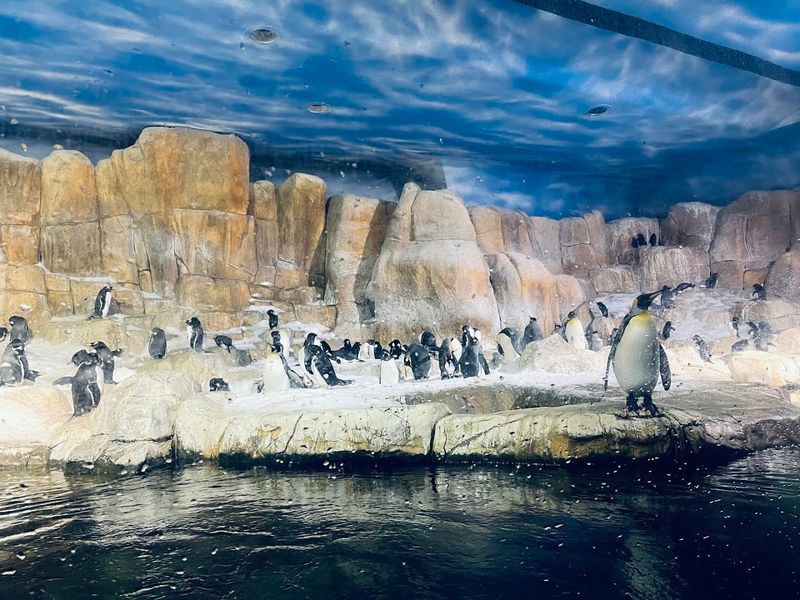
The penguin exhibit nearby brings a completely different kind of charm. Watching penguins launch themselves off a ledge and torpedo through the water with precision is one of the more visually striking things you will see during a full day at the zoo.
The viewing angles are designed to let you follow their underwater movements, which adds a lot to the experience compared to exhibits where you only see the animals from above.
Both of these exhibits tend to be most active in the cooler parts of the day, so timing your visit to the aquatic section in the morning pays off. Seal and sea lion exhibits round out this area of the zoo and add even more variety to what is already a rich collection of aquatic life.
The combination makes this corner of the zoo feel like a mini marine park in its own right.
The Butterfly Pavilion: Peaceful, Colorful, and Surprisingly Moving
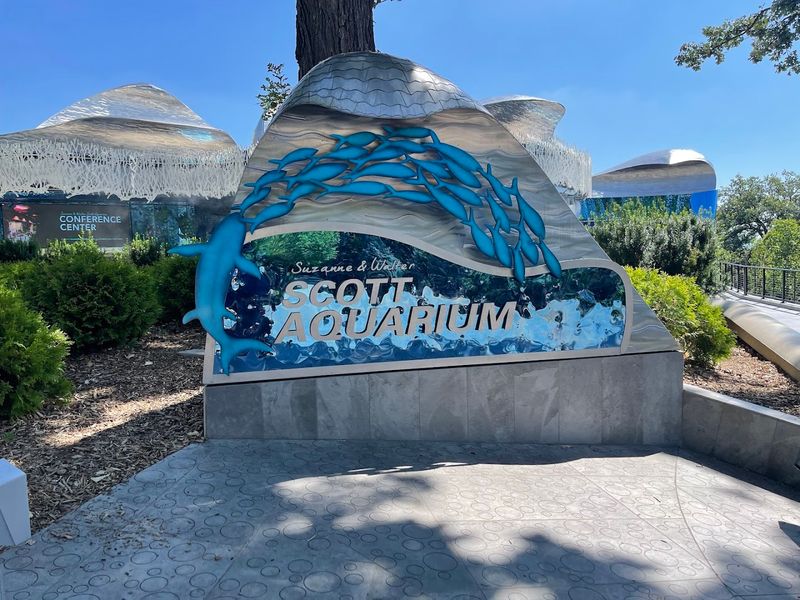
The butterfly pavilion is one of those exhibits that catches visitors off guard with how genuinely peaceful it feels. After the energy of the primate section and the sensory richness of the aquarium, stepping into a space filled with quietly drifting butterflies and flowering plants feels like a deliberate exhale.
The pavilion is warm, fragrant, and filled with dozens of species in colors that seem almost too vivid to be real.
Butterflies land on shoulders, camera lenses, and outstretched hands with zero hesitation, which makes this one of the most interactive exhibits in the entire zoo. Children are particularly delighted by this, but adults tend to be equally charmed.
The plants inside the pavilion are lush and well-maintained, creating a backdrop that feels more like a botanical garden than a zoo exhibit.
The pavilion works beautifully as a midday stop when the outdoor exhibits are at their busiest and you want a quieter moment. It does not take a long time to move through, but most visitors end up lingering far longer than they expected.
The combination of natural beauty, close animal interaction, and sensory calm makes the butterfly pavilion one of the most talked-about highlights across the entire property.
Getting Around: The Train, Skyfari, and Other Ways to Navigate the Grounds
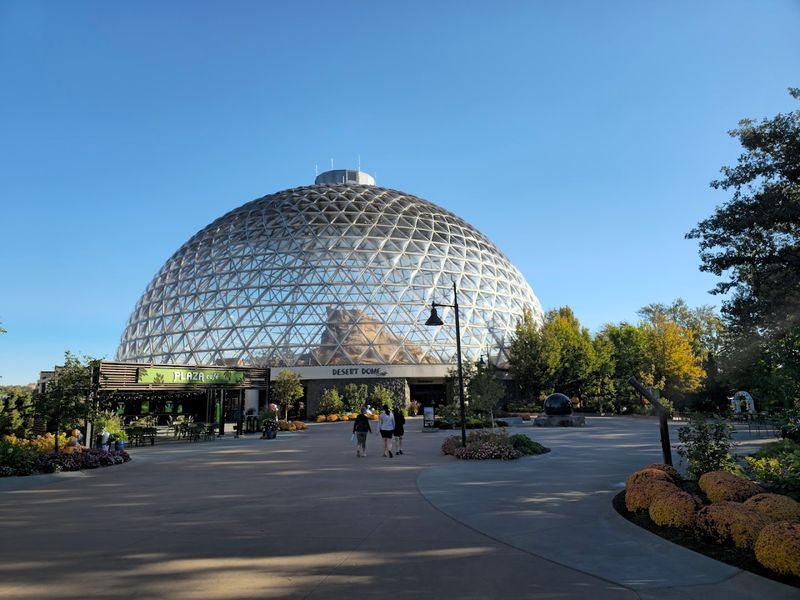
This zoo is large enough that your feet will let you know about it by early afternoon. The grounds cover serious acreage, and while the paths are well-marked and easy to follow, covering everything on foot in a single day is a genuine endurance challenge.
Thankfully, the zoo offers several transportation options that make the experience more manageable without cutting anything short.
The train is a classic zoo staple done well here, winding through sections of the property and offering riders a chance to rest while still taking in the scenery. The Skyfari aerial ride gives a bird’s-eye perspective of the zoo that is hard to replicate from the ground, and it doubles as a convenient way to cross the property without backtracking.
Both rides cost a small additional fee per stop, typically around a dollar or so each.
A carousel rounds out the ride options and tends to be a hit with younger visitors. Many families find that combining the transportation options with strategic planning, hitting the aquarium and Desert Dome first before the crowds build, leads to the most satisfying full-day experience.
Comfortable shoes are non-negotiable, and bringing a refillable water bottle saves both money and effort throughout the day.
IMAX Theater: When the Zoo Adds a Cinema to the Mix
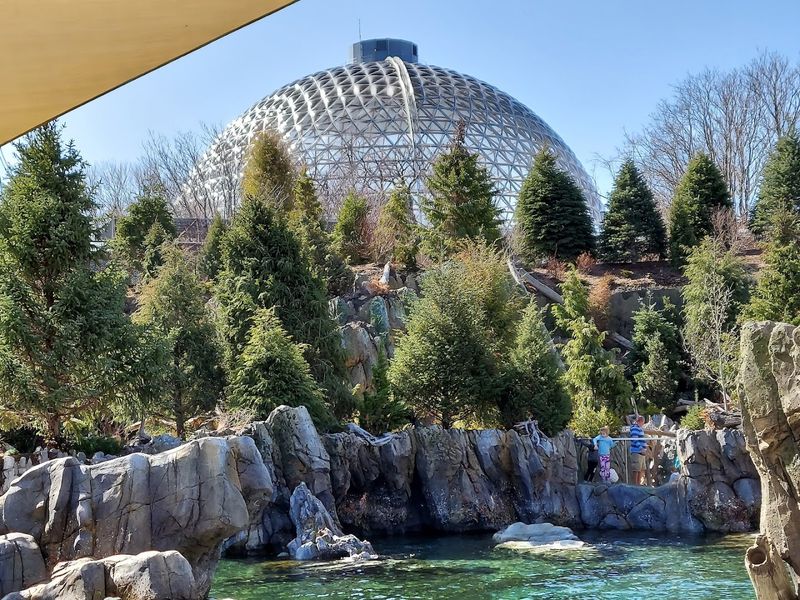
Not many zoos can say they have a fully functioning IMAX theater on their grounds, but this one does. The films shown typically focus on wildlife and natural environments, covering topics like ocean ecosystems and elephant behavior in the kind of sweeping visual detail that the IMAX format was built for.
Seeing ocean footage on a screen that size after already spending time at the aquarium creates a satisfying kind of continuity to the day.
The theater provides a welcome break from walking, especially during the hotter parts of a summer afternoon. Films run at scheduled times, so checking the schedule at the start of your visit and building a screening into your plan is worth the small amount of extra coordination.
The productions shown here are consistently described as both informative and visually stunning by visitors who catch them.
Ticket options that bundle zoo admission with the IMAX experience tend to offer better value than purchasing separately at the door. The theater is well-maintained and the sound system delivers the kind of immersive audio that makes wildlife footage feel genuinely alive.
For visitors who want to extend their experience beyond the exhibits, the IMAX adds a dimension to the day that feels like a natural complement to everything else on the property.
Practical Tips: Tickets, Timing, Food, and What to Bring
A few practical details can make the difference between a great visit and an exhausting one. Buying tickets online before you arrive is the single most consistent piece of advice from repeat visitors, since the physical ticket lines at the entrance can add significant time to your morning.
The zoo’s website at omahazoo.com makes the process straightforward, and digital tickets work smoothly at the gates.
The zoo allows guests to bring their own food and non-alcoholic drinks into most areas, which is a genuinely helpful policy given that on-site concessions, while better than average, are priced at a premium. Packing snacks and a refillable water bottle keeps costs down and energy up throughout a long day.
Food and beverages are restricted in certain exhibit areas, so following posted guidelines helps keep the animals safe.
Arriving at opening time, which is 10 AM every day of the week, gives you a clear advantage in beating crowds to the most popular indoor attractions. Winter visits mean some outdoor exhibits will be closed due to cold weather, so planning a summer or fall trip maximizes what you can see.
The zoo’s free parking is a genuine bonus that sets it apart from many comparable attractions across the country.
Why This Zoo Belongs on Your Travel List, Even If Nebraska Was Not on Your Radar
Nebraska rarely tops the list of must-visit states for travelers planning a big trip, but the zoo in Omaha has a way of rewriting that assumption quickly. Visitors who grew up near the San Diego Zoo, one of the most celebrated animal parks in the world, routinely describe this zoo as its equal and in some areas its superior.
That is not a comparison made lightly, and it reflects just how seriously this institution takes its mission.
The zoo draws guests from across the region and well beyond. People drive from neighboring states, and some purchase season passes despite living hours away because the value and quality of the experience justify the trip more than once a year.
The combination of indoor exhibits, outdoor habitats, aquatic life, and entertainment options like the IMAX and the rides creates a destination that functions more like a full-day resort than a traditional zoo.
For anyone traveling through the Midwest or specifically visiting Omaha, skipping this zoo would be a decision you would likely regret. The aquarium alone is worth the drive, and everything else is a bonus that keeps stacking up the longer you stay.
Some places earn their reputation quietly over time, and this is very much one of them.



