 Unearth The Voyage
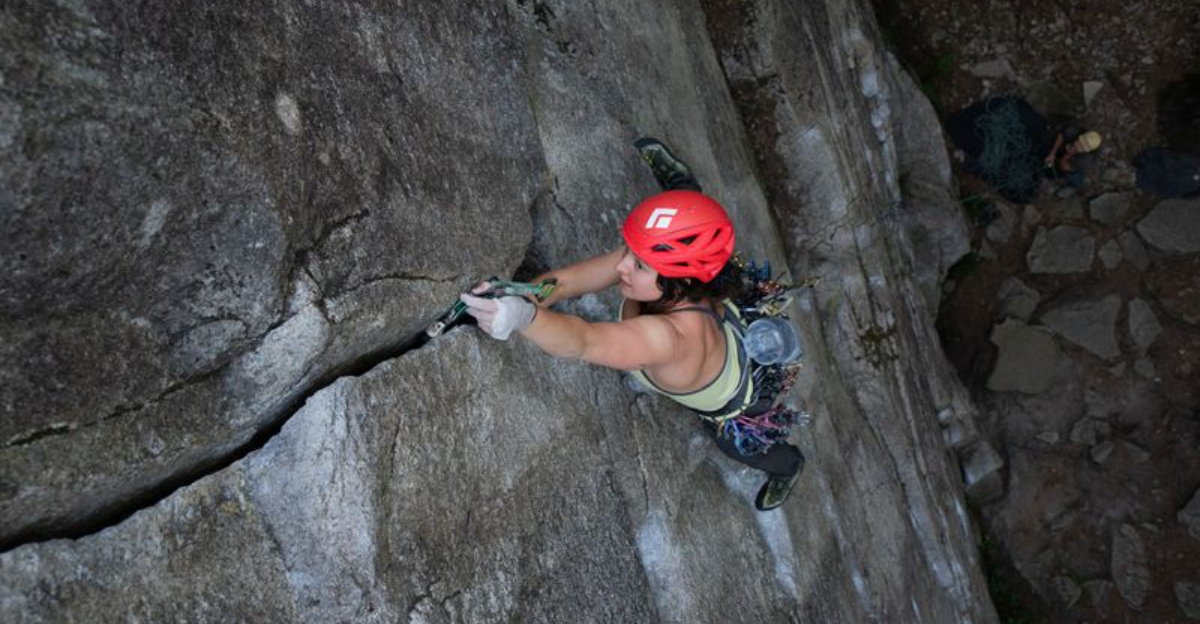
Getting started in rock climbing means gathering the right gear to keep you safe and confident on the wall. Whether you plan to scale indoor gyms, outdoor cliffs, or boulder over crash pads, having quality equipment makes all the difference. This guide walks you through the essential tools every new climber needs to begin their vertical adventure with confidence.
1. Climbing Shoes (Essential: All styles)

Purpose-built shoes give you friction and precision on holds, transforming how your feet grip the rock. Beginners do well with neutral or moderate downturn and a comfortable fit that feels snug but not painful.
Try several models because fit varies by brand and last shape. Expect sticky rubber soles and a secure closure system, whether lace, Velcro, or slipper style.
Your first pair should prioritize comfort over aggressive performance so you can focus on learning technique.
2. Chalk & Chalk Bag (Essential: All styles)

Chalk, made from magnesium carbonate, keeps hands dry and improves your grip when things get sweaty. A small, cinchable bag with a brush holder is standard equipment at any crag or gym.
Liquid chalk is handy in humid gyms or as a base layer outdoors to reduce mess. Bring a soft brush to clean holds, which is good etiquette and improves friction for everyone.
Keeping your hands dry can mean the difference between sticking a move and slipping off.
3. Helmet (Essential: Sport/Trad; Recommended: Bouldering outdoors)
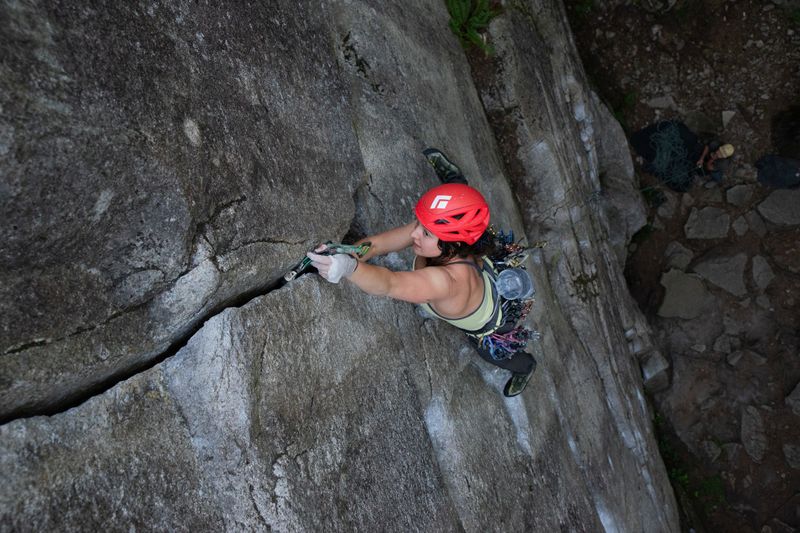
Protecting your head against rockfall and impacts is non-negotiable when climbing outdoors. Look for climbing-certified helmets marked with UIAA or CE standards, typically EN 12492.
Styles include foam models that are light and comfy, plus hybrid designs with a durable shell for extra protection. Fit should be stable whether you are wearing a beanie or not.
Never skip the helmet, even if you think the route looks clean and safe above you.
4. Harness (Essential: Sport/Trad)

A harness distributes load across your body and lets you tie in safely to the rope. Check for climbing certification marks like UIAA or CE, specifically EN 12277 for harnesses.
Features to consider include adjustable leg loops, ample gear loops, a haul loop, and a comfortable waist belt. A basic all-around harness is perfect for starting out without overwhelming options.
Make sure it fits snugly over the clothes you will climb in, with room for seasonal layering.
5. Belay Device (Essential: Sport/Trad)

You need a belay device to manage rope tension and catch a climber safely. Two main types exist: tubular devices like an ATC are light, versatile, and great for learning, plus you can rappel with them.
Assisted-braking devices add a safety margin when used correctly by applying extra friction. Pair your device with an HMS pear-shaped locking carabiner rated to climbing standards.
Check the kN ratings stamped on the carabiner spine to confirm strength.
6. Locking & Non-Locking Carabiners (Essential: Sport/Trad)
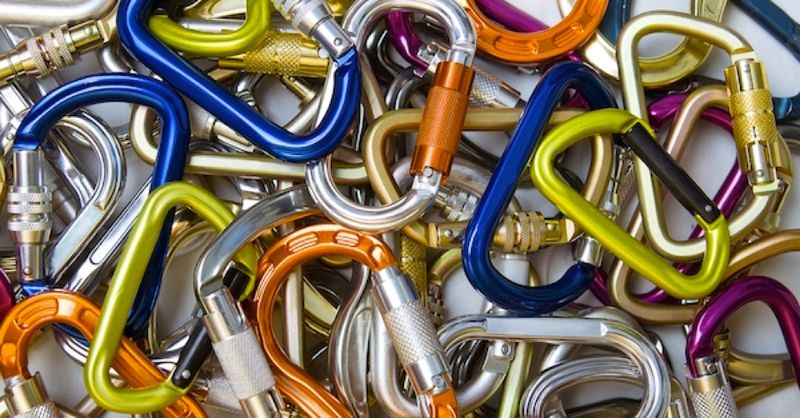
Locking carabiners are essential for belaying, personal anchors, and critical connections where you cannot risk accidental opening. HMS and auto-lock styles are common choices.
Non-locking carabiners work well for general use, racking gear, and building anchors where load direction is controlled. Look for major-axis strength commonly between 20 and 25+ kN, stamped clearly on each carabiner.
Only use carabiners certified for climbing with UIAA or CE marks for safety.
7. Dynamic Climbing Rope (Essential: Sport/Trad)

A single dynamic rope meeting UIAA or CE standards, specifically EN 892, is standard for sport climbing. Length matters: 60 meters is common, but 70 meters is increasingly useful at many crags, so always confirm route and rappel lengths beforehand.
Diameter around 9.5 to 10.2 millimeters balances handling, durability, and weight for beginners. Use a rope bag or tarp to keep it clean and protect it from grit and UV damage between sessions.
8. Quickdraws (Essential: Sport)
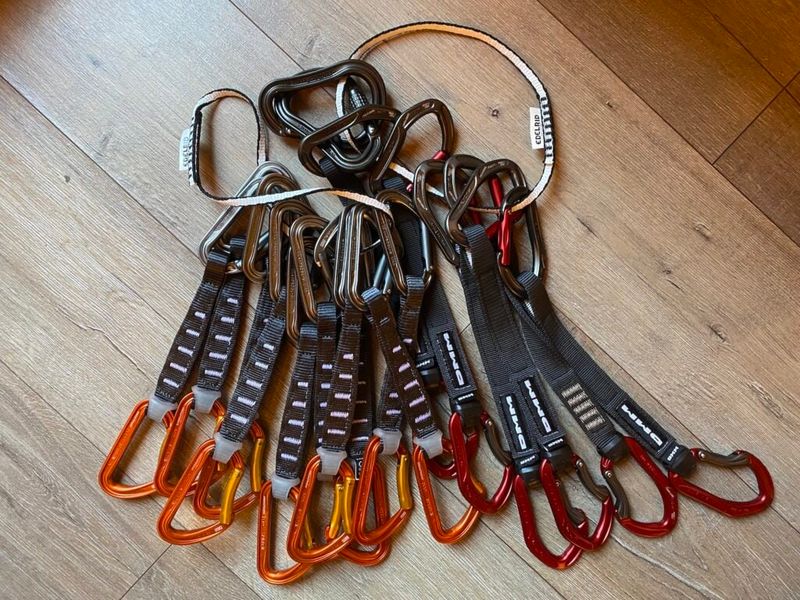
Quickdraws connect your rope to pre-placed bolts on sport routes, forming the lifeline as you climb. A basic starter set is 10 to 12 draws, plus one or two longer alpine draws for reducing rope drag on wandering routes.
Look for solid gates or wire gates with clean noses to minimize snags and fumbling. All quickdraws must be rated for climbing with UIAA or CE certification.
Investing in quality draws means smoother clipping and greater peace of mind.
9. Personal Anchor / Slings & Cordelette (Essential: Sport/Trad)
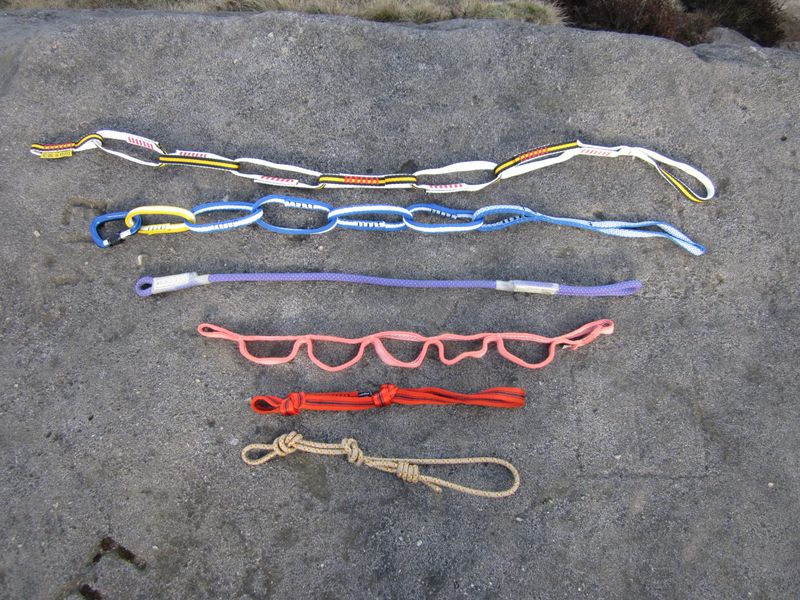
Personal anchors let you clip yourself securely to anchors at the top of routes or while building multi-pitch systems. Options include a sewn personal anchor system or daisy designed specifically for climbing use.
Alternatively, carry 120 centimeter and 60 centimeter slings made of nylon or Dyneema, plus a 7 millimeter or 6 millimeter cordelette segment for building anchors. Only use climbing-rated materials with proper certifications.
Learn correct rigging techniques before relying on these systems in the field.
10. Protection for Trad Climbing (Essential: Trad)

Venturing beyond sport bolts means you will need removable protection to build your own anchors in cracks. Cams, or spring-loaded camming devices, come in a range covering common crack sizes from finger to fist width.
Nuts and stoppers wedge into constrictions for solid placements. A nut tool helps you clean placements without damaging the rock or your gear.
All pieces must be climbing-rated with UIAA or CE marks, and proper placement requires skill, judgment, and instruction.
11. Crash Pad (Essential: Bouldering)

A folding foam pad cushions ground falls when you are bouldering without ropes, turning hard landings into manageable ones. Look for good foam density that absorbs impact, a solid hinge design that folds easily, durable fabric, and comfortable carry straps.
Multiple pads or a spotter improve landing coverage and safety, especially on uneven terrain. Investing in a quality crash pad protects your ankles, knees, and confidence as you push your limits on problems.
12. Rope Bag/Tarp (Recommended: Sport/Trad)
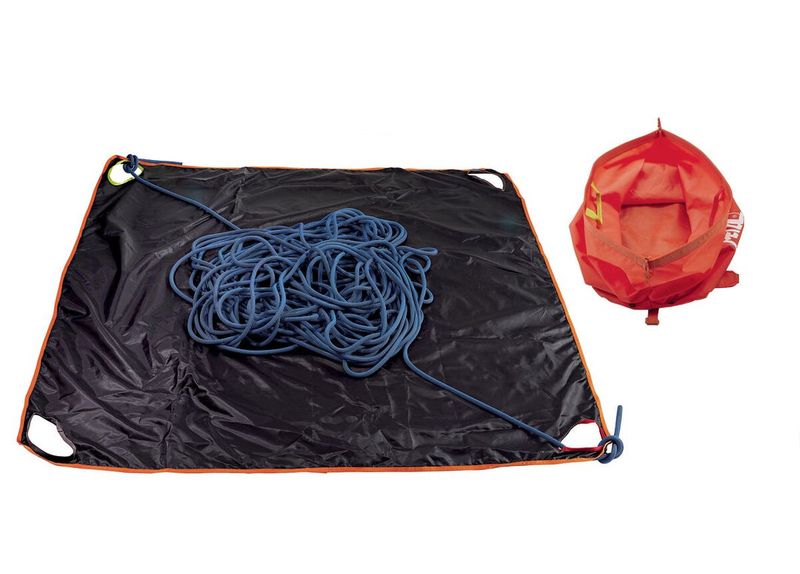
A rope bag keeps your rope clean and reduces tangles, which saves time and extends rope life. Many models include built-in tarps, padded straps, and tie-in points so you can flake your rope and go without extra hassle.
Keeping dirt and grit out of the sheath prevents internal damage to the core fibers. A clean rope also feeds more smoothly through your belay device.
Treat your rope well, and it will serve you safely for many seasons of climbing.
13. Climbing Tape, Skin Care & Small First-Aid (Recommended: All styles)
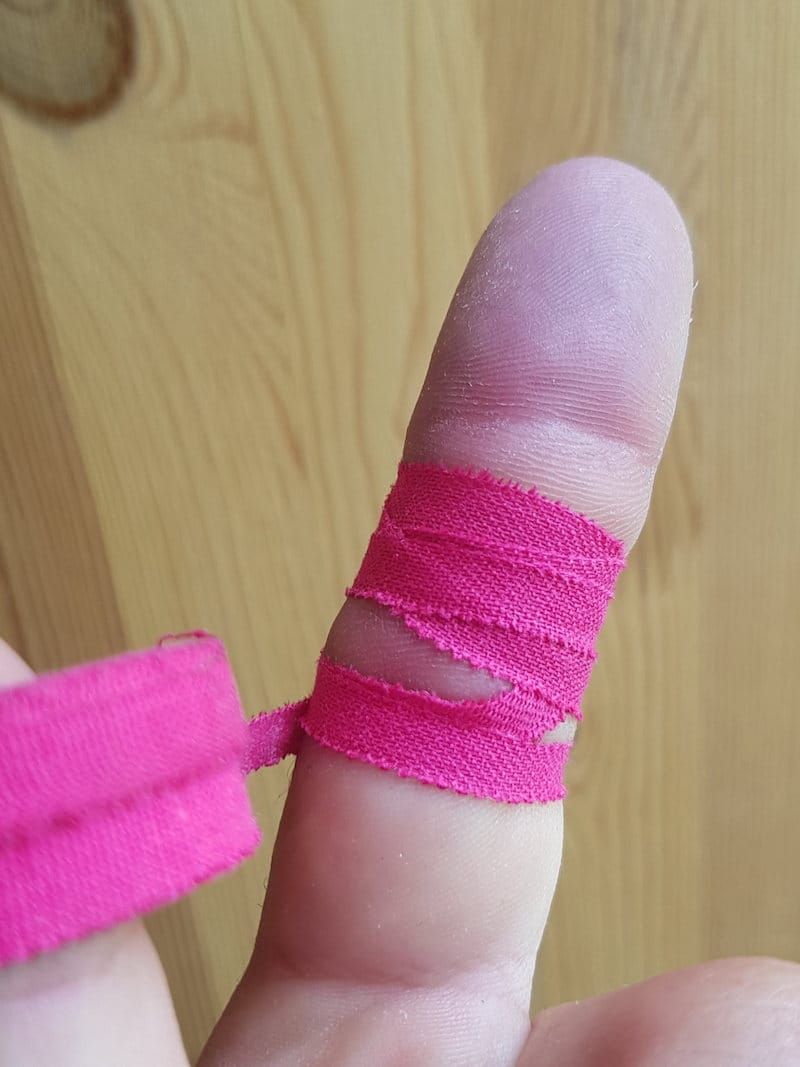
Tape, typically one to one and a half inches wide, helps you manage flappers and provides finger support when tendons feel tender. A skin file or pumice stone plus balm keeps calluses under control so they do not tear mid-climb.
A compact first-aid kit with blister care, bandages, and antiseptic wipes covers the basics without adding bulk. Keep it lightweight but purposeful, ready for minor scrapes and hot spots.
Taking care of your skin means more climbing days and fewer painful interruptions.
14. Guidebook or App + Local Ethics (Recommended: All styles)

A current guidebook or digital topo app helps you find routes, rappel lengths, and closures before you arrive. Always check local access notes, seasonal raptor closures, wildfire updates, and bolting or cleaning etiquette specific to each crag.
Follow Leave No Trace principles and crag-specific rules to preserve access for future climbers. Respecting the environment and local community keeps climbing areas open and welcoming.
Knowledge of ethics is as important as any piece of gear you carry.
15. Weather-Appropriate Layers & Approach Footwear (Recommended: All styles)

Bring breathable layers, sun protection like a hat, sunglasses, and sunscreen, plus sturdy approach shoes for rocky trails leading to the crag. A small backpack in the 20 to 30 liter range is ideal for carrying water, snacks, and extra layers without feeling bulky.
Weather can change quickly in the mountains, so pack smart and stay comfortable. Proper approach footwear protects your ankles and saves your climbing shoes for the wall.



