 Unearth The Voyage
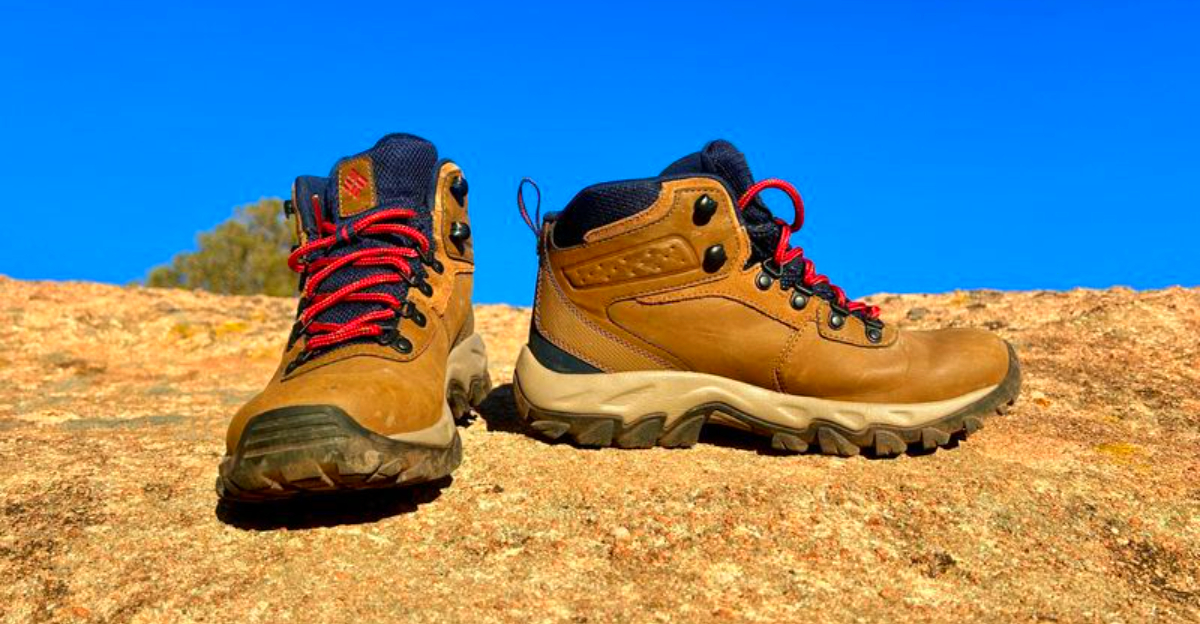
When you’re logging mile after mile on the Pacific Crest Trail, gear matters – but so does your budget. I wanted hiking shoes that wouldn’t break the bank or my feet. Enter the Columbia Newton Ridge Plus II Waterproof Hiking Shoe. At under $75 (yes, really – when they’re on sale), I didn’t expect much. But after weeks on the trail, unexpected downpours, and more than one muddy scramble, I’ve got to say – these shoes earned my respect. Here’s what I’ve learned after testing them across long days and rough terrain:
1. They’re Waterproof Enough for Rainy Trail Days
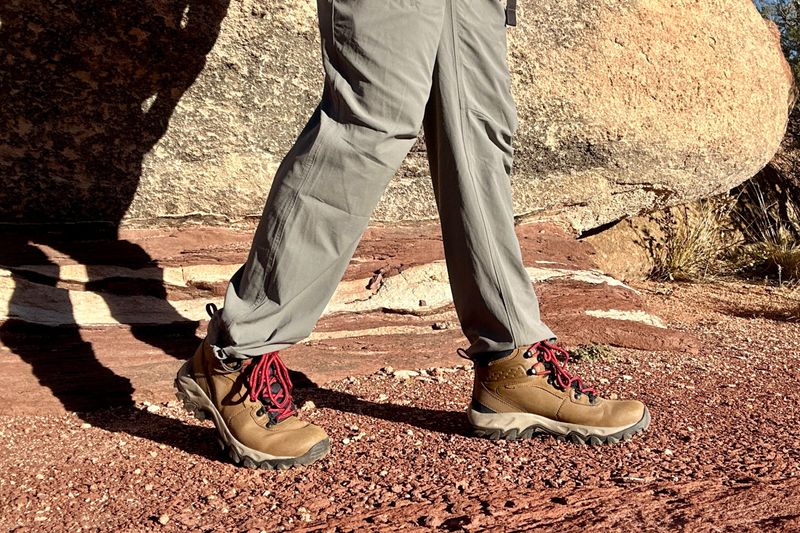
I hit a stretch of the PCT near Crater Lake where it rained for two days straight. Other hikers were drying socks over their stoves at night, but my feet stayed warm and dry. The waterproofing on these shoes isn’t invincible, but it’s solid enough for the kind of wet trail conditions you’ll actually run into – like misty mornings, puddle-hopping, or hiking through soggy underbrush. I never had that awful squish-squish feeling in my steps. For under $75, I assumed I’d be sacrificing decent waterproofing, but Columbia pulled it off. Just don’t dunk them in a river or expect them to handle waist-deep water – they’re shoes, not magic.
2. Shockingly Comfortable Right Out of the Box
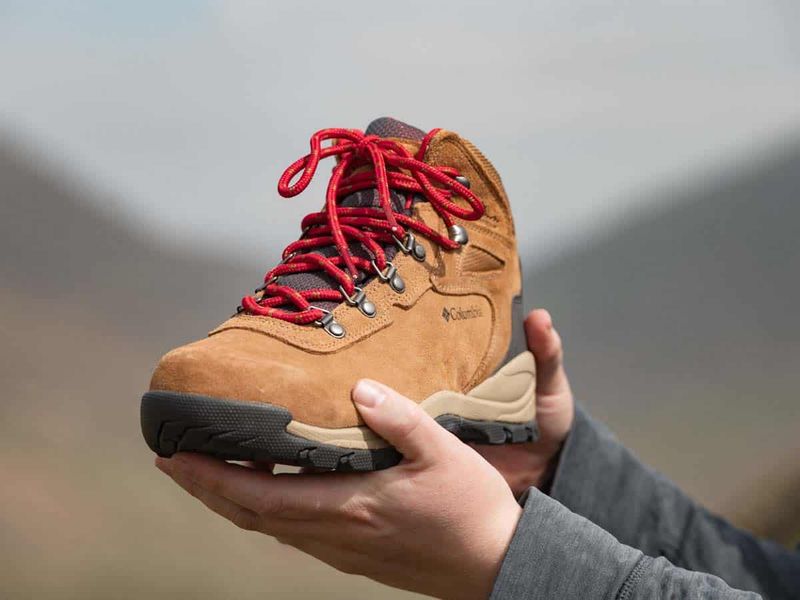
I’m always wary of hiking shoes that promise “instant comfort.” Usually, that means they’re too soft and wear down quickly, or worse, they rub in places you don’t notice until you’re halfway into a long hike. These were different. I took them out for a 10-mile hike on day one, and they felt like I’d already broken them in. The fit around the heel and arch was snug without being tight, and the cushioning was just enough to soften rocky paths without feeling spongy. No blisters, no hot spots – just happy feet. I didn’t expect that level of comfort from a budget shoe, especially one I bought during a sale.
3. Grippy Soles You Can Trust on Wet Rock

I tested these shoes on everything from dusty desert paths to wet granite slabs, and the traction was impressively consistent. One morning, I crossed a slick, algae-coated bridge after a thunderstorm, bracing for a slip – but I didn’t. The rubber soles grip surprisingly well on wet rock, loose gravel, and even damp leaves. They’re not mountaineering boots, of course, but for trail hikers and backpackers, the grip feels reliable. On the PCT, confidence underfoot matters. When you’re tired and carrying weight, you want shoes that won’t betray you on a downhill scramble. These felt secure, which made me move faster and trust my steps more.
4. Lightweight – But Not Flimsy

The sweet spot for hiking shoes is finding something that’s light enough to keep your legs fresh, but not so minimalist that you feel every pebble underfoot. These hit that balance perfectly. They’re noticeably lighter than many mid-range hiking shoes I’ve worn in the past, but still offer enough structure to carry a loaded pack over uneven terrain. I wore them during several 15+ mile days with a full pack, and my legs didn’t feel as wrecked at the end as they usually do. They’re especially good for hikers who don’t want to lug around clunky boots but still need support when the trail turns unpredictable.
5. They Dry Faster Than You’d Think
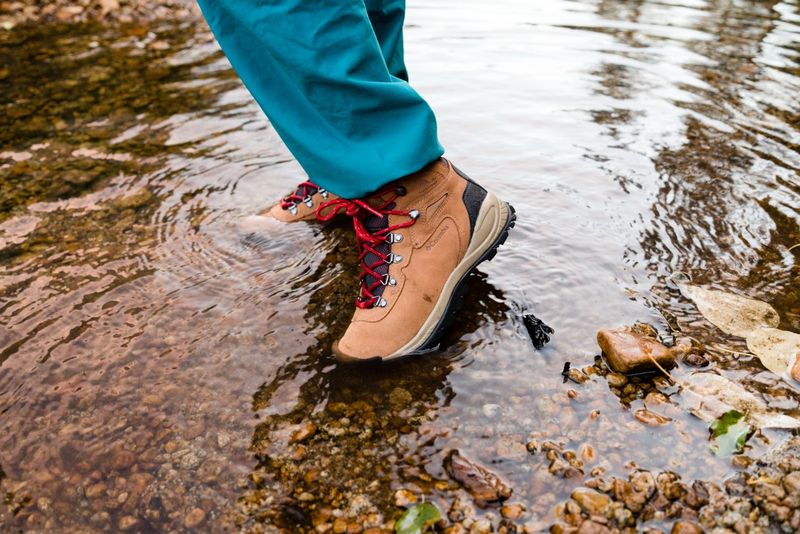
Even waterproof shoes can get wet – whether it’s from crossing a stream or a surprise storm that soaks your socks. What impressed me about these was how quickly they bounced back. I stepped into ankle-deep water by mistake one morning and expected to be dealing with soggy feet all day. Instead, I took them off at lunch, let them air out in the sun for about an hour, and they were dry enough to keep going comfortably. The lining doesn’t hold moisture like some shoes do, and the synthetic materials help with airflow. If you’re moving daily and can’t afford slow-drying gear, this is a win.
6. Surprisingly Durable for the Price
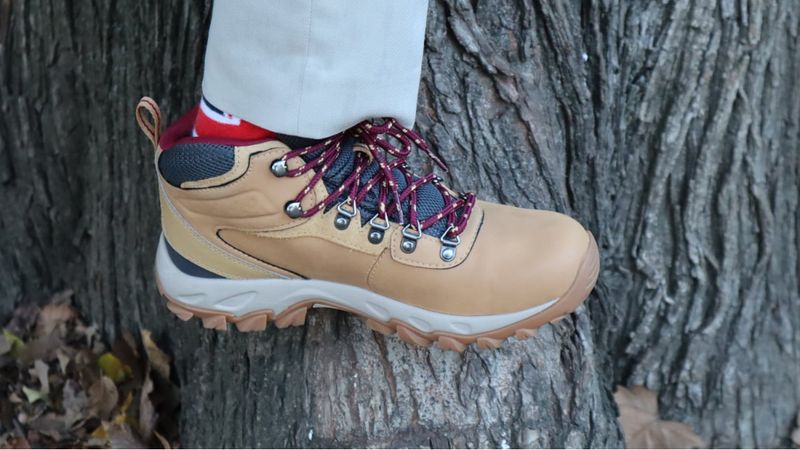
When I first bought them, I fully expected to destroy them within a couple hundred miles. After all, they were on sale for under $75 – how good could they be? Turns out, pretty good. The tread wore down slower than I thought it would, the upper held together through trail dust and scrapes, and the toe guard never peeled or separated. I logged more than 100 miles in them before noticing any significant wear, and even then, they were still totally usable. Are they built to last 1,000 miles? Probably not. But for section hikes, day treks, or anyone on a budget, they hold their own.
7. Understated Look – Great for Travel Too
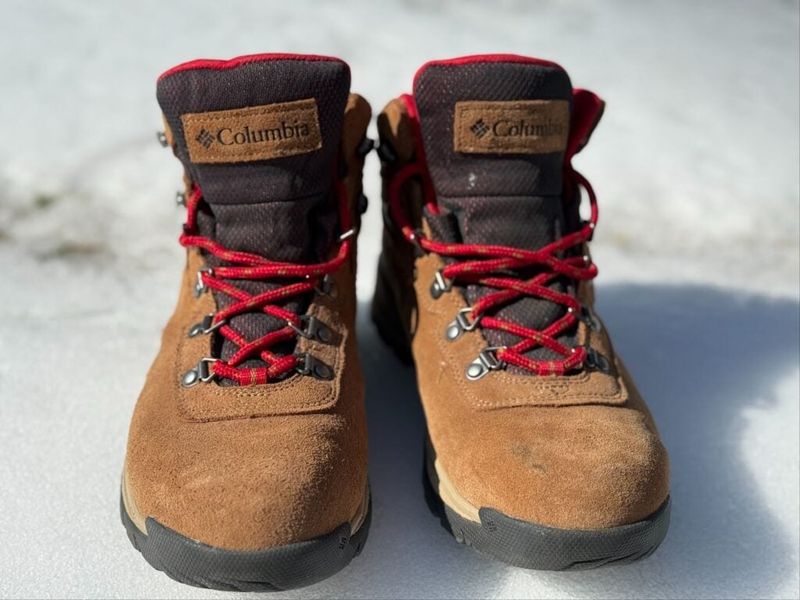
These aren’t flashy. No neon laces, no rugged space-boot design. They just look like normal, good-looking trail shoes. That made them perfect for days when I went from trail to town – I didn’t feel out of place walking into a diner or grocery store. If you’re doing a long hike with town stops, or backpacking Europe and hiking between cities, this kind of “blends in anywhere” look is incredibly convenient. I even wore them on a flight – they were comfortable enough and didn’t scream “backpacker.” Bonus: they pack down better than a boot and don’t hog space in your bag.
8. Actually Affordable – and Worth Every Penny
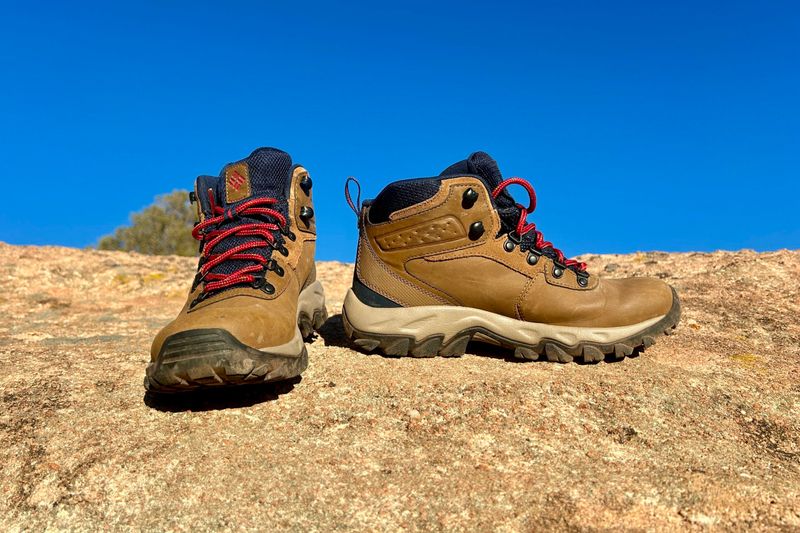
Let’s be real — most good hiking shoes cost way more than $75. But if you catch these during seasonal sales or markdowns (which happens often), you’ll get serious value. I bought mine online during a spring gear event, and I’ve seen them discounted regularly since. For a shoe that checks all the boxes – waterproof, comfortable, grippy, durable – that price is kind of incredible. Especially when you consider how easy it is to burn cash on gear that underperforms. If you’re starting out, building a kit on a budget, or just tired of overpaying for trail shoes, these are worth grabbing when you spot the deal.



