 Unearth The Voyage
Cape May, New Jersey has long been known for its Victorian architecture and seaside charm, but tucked just off the main tourist trail sits a place that takes history seriously in the most hands-on way possible. A sprawling open-air living history village brings the years between 1789 and 1840 back to life through real historic buildings, working craftspeople, and demonstrations that go far beyond dusty museum displays.
This is not a theme park with actors reading from scripts. Every building has a story, every craftsperson knows their trade, and every corner of the property holds something worth slowing down for.
Whether history is your passion or you just want a genuinely different afternoon in South Jersey, this place delivers the kind of experience that sticks with you long after you have driven home.
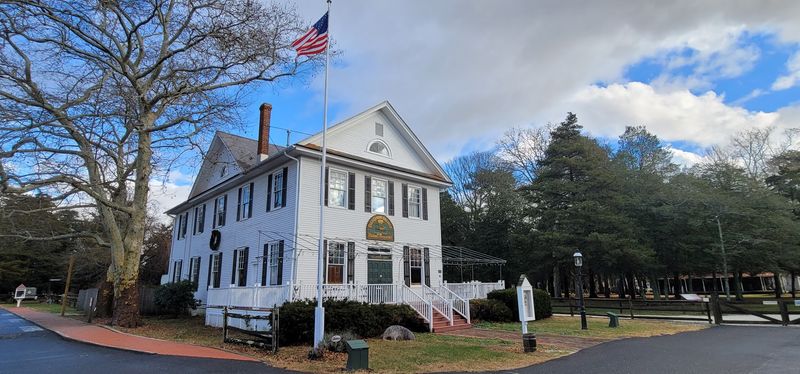
Right off the beaten path in Cape May, New Jersey, Historic Cold Spring Village sits at 735 Seashore Rd, Cape May, NJ 08204, making it easy to find and convenient to reach from the main Cape May corridor.
The parking area is close to the entrance, so arriving with kids or a lot to carry is not a problem. The welcome center greets every guest before they head into the grounds, and the staff there can orient first-timers with a quick overview of the layout.
The village is open Friday through Thursday from 10 AM to 4 PM, and it is closed on Saturdays and Sundays during certain seasons, so checking the schedule at hcsv.org before planning a trip is a smart move.
Admission fees apply to enter the historic grounds, though discounts are available for seniors and veterans, and purchasing tickets online ahead of time tends to make the whole process faster and smoother.
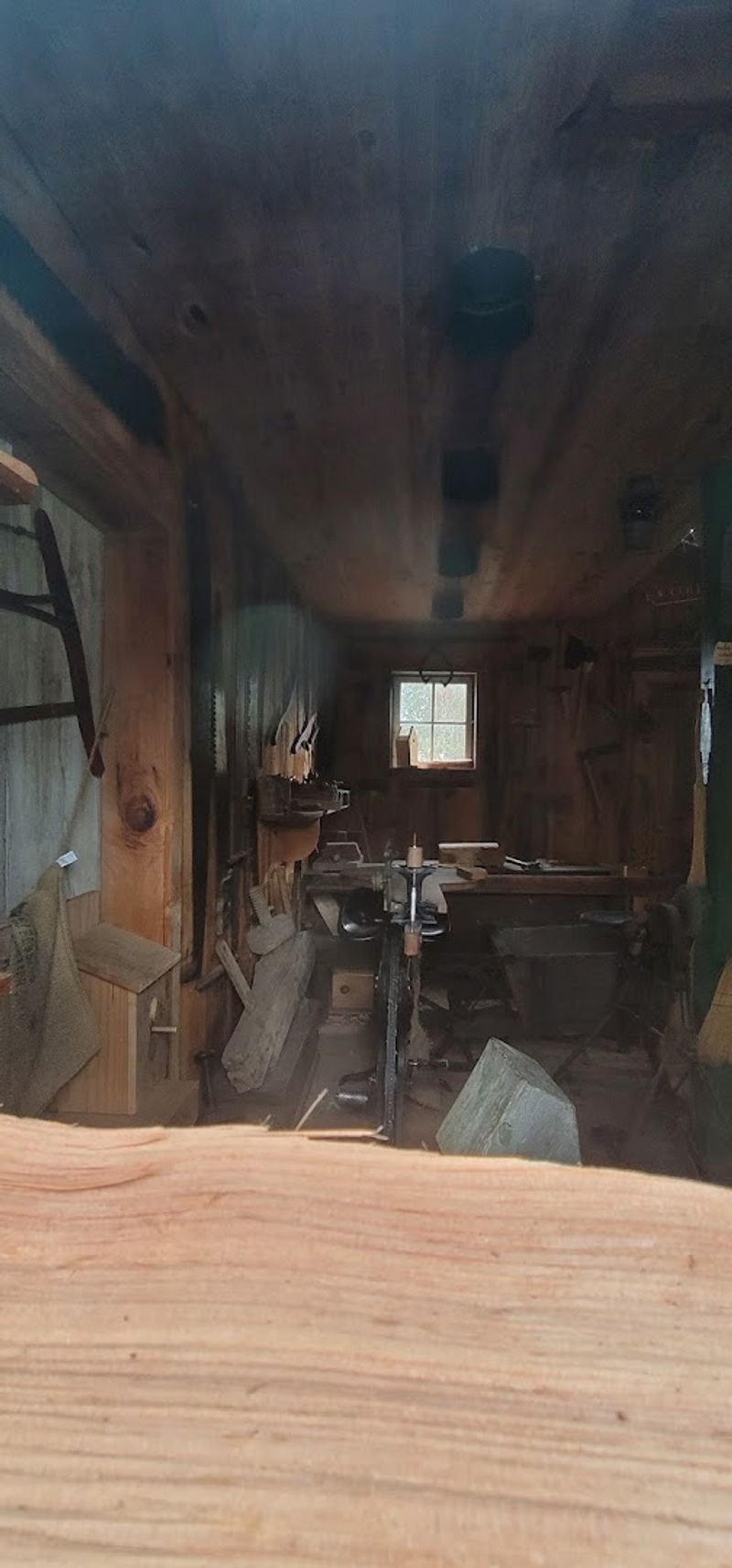
The concept behind Historic Cold Spring Village is straightforward but ambitious: collect authentic historic structures from the surrounding region, relocate them to one site, and bring them back to life with working demonstrations and period-accurate interpretation.
The village was originally founded by Dr. and Mrs. Joseph Salvatore, who later donated it to Cape May County. After a period under county management, the property was eventually returned, and it now operates as a nonprofit organization dedicated to preserving and sharing early American history.
The period covered spans from 1789 to 1840, which puts the focus squarely on the first decades of American independence. That makes the village not just a collection of old buildings but a focused educational environment tied to a specific and formative chapter of the nation’s story.
Every structure on the property was transported from its original location, which means the history embedded in each building is genuine rather than reconstructed from scratch.
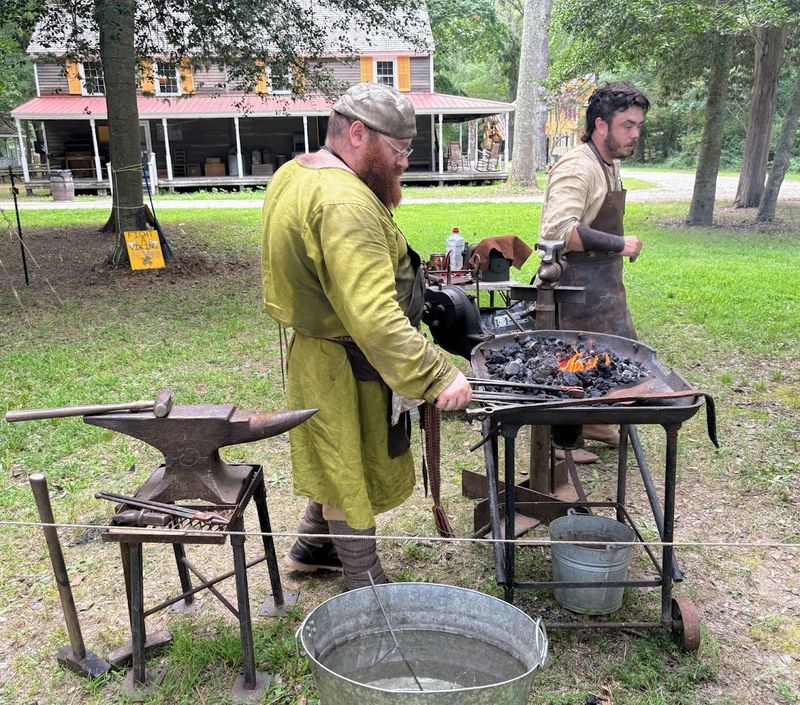
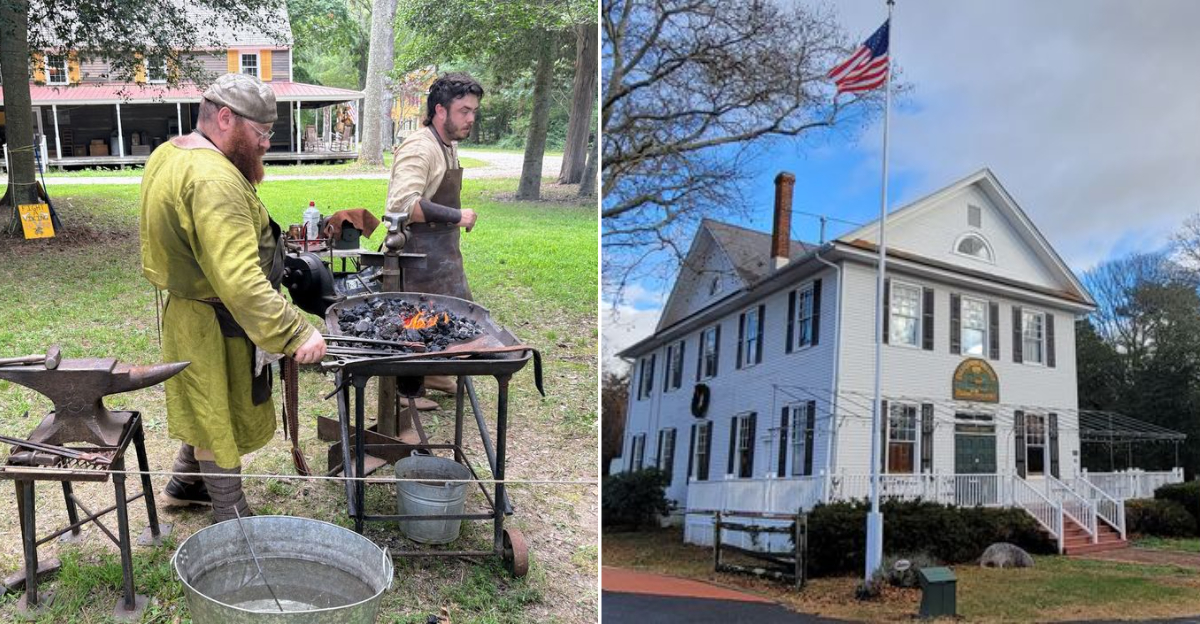
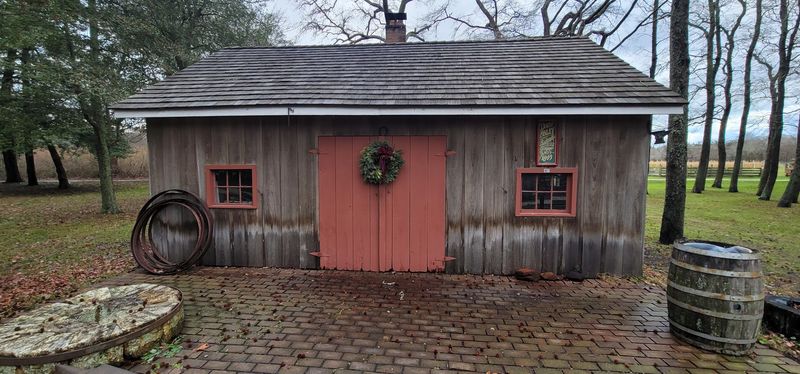
The blacksmith shop is one of the most consistently talked-about stops in the village, and the reason is simple: watching someone shape iron with tools that predate electricity is genuinely compelling in a way that no video or textbook can replicate.
The interpreter on duty does not just stand nearby and explain what a blacksmith does. The forge is lit, the hammer is moving, and the work is real.
That commitment to authentic demonstration is what separates this kind of living history from a more passive museum experience.
Blacksmithing during the 1789 to 1840 period was an essential trade. Communities depended on blacksmiths for tools, hardware, horseshoes, and dozens of other practical items that kept farms and households functioning.
Seeing that process up close, in a building that actually dates from the era being represented, gives the whole demonstration a weight that a modern recreation simply could not match. It is one of those stops that tends to hold people longer than they expected.
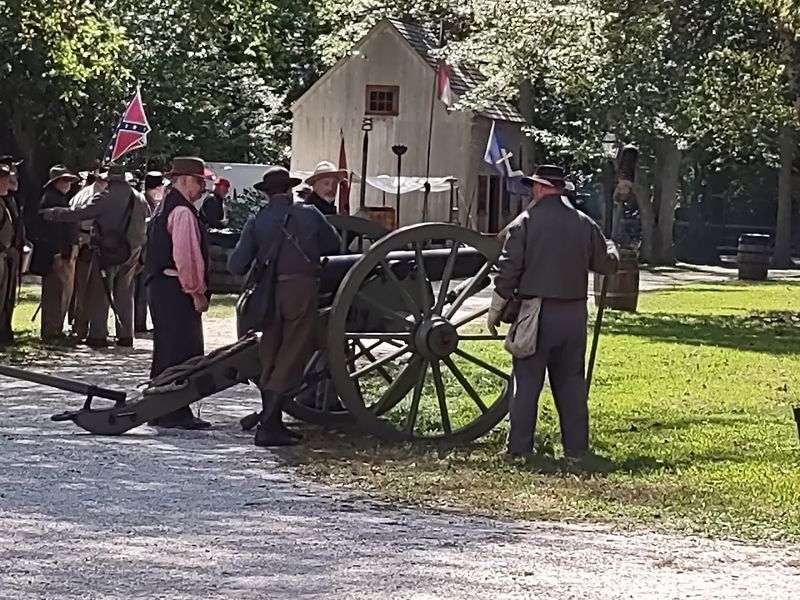
Long before digital publishing existed, printing was a meticulous craft that required patience, precision, and a deep knowledge of movable type. The print shop at Historic Cold Spring Village puts that process front and center in a way that makes the history of communication feel genuinely fascinating.
The interpreter stationed here is known for being especially knowledgeable and engaging, walking guests through the mechanics of period printing with clear explanations and live demonstrations that hold the attention of both adults and younger visitors.
Each letter had to be set individually into a frame before any page could be printed, and the press itself required physical effort to operate. The whole process was slow by modern standards but revolutionary for its time, making books, pamphlets, and newspapers far more accessible than they had been in earlier centuries.
The print shop tends to be a highlight for families, partly because the interpreter makes the subject approachable and partly because the machinery itself is just interesting to look at up close.
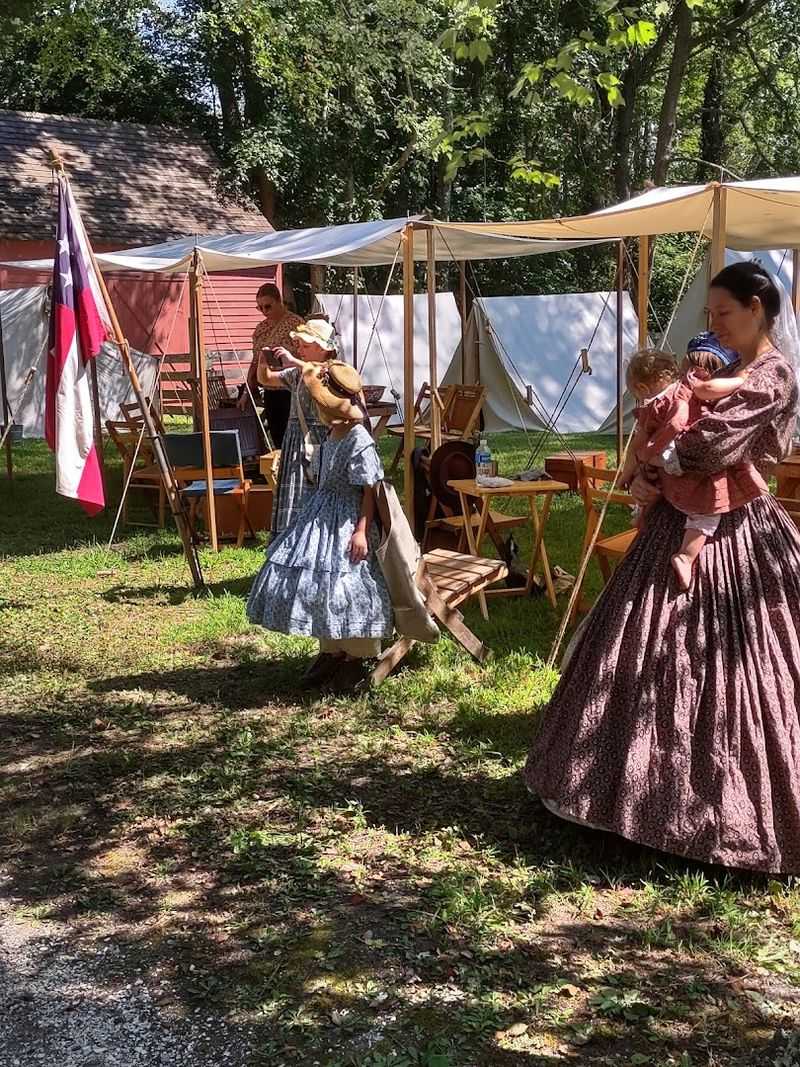
Bookbinding is one of those crafts that most people have never watched in person, which makes the bookbinder’s station at Historic Cold Spring Village a genuinely eye-opening stop. Before mass production, every book was assembled by hand, with pages folded, sewn, and covered through a process that required both skill and time.
The interpreter at this station walks guests through each step of the binding process, explaining how materials were sourced and prepared during the early American period. The level of detail in these explanations tends to surprise people who assumed bookbinding was a fairly simple trade.
What makes this stop particularly engaging is the combination of the physical craft and the broader story it tells about literacy, education, and the spread of ideas in the late 18th and early 19th centuries. Books were not cheap or easy to come by, which made the bookbinder’s work genuinely important to the communities they served.
Handmade baskets and other crafted items are also available for purchase throughout the village.
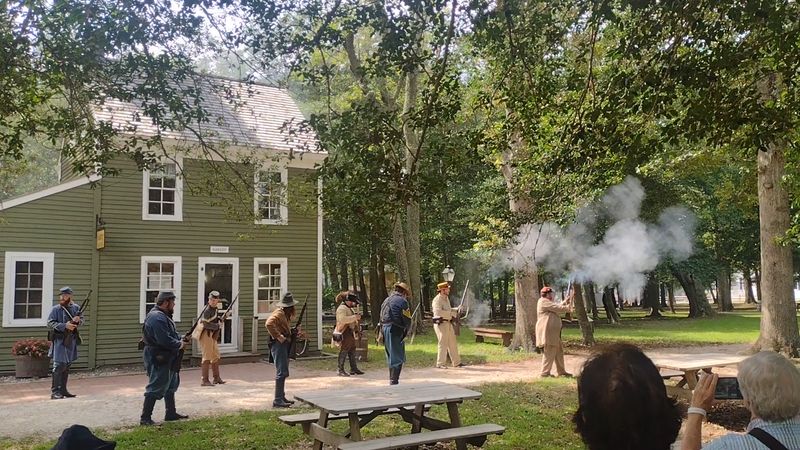
At the tinsmith’s station, the demonstration is as practical as it gets: the interpreter on duty is actually making tin lamps using tools and techniques from the early 1800s, and those finished lamps are available for purchase in the gift shop. That connection between the craft being demonstrated and the finished product on the shelf is a nice touch that makes the whole experience feel grounded.
Tin was a widely used material during the 1789 to 1840 period because it was relatively affordable, durable, and workable with basic tools. Tinsmiths produced everything from household containers to lanterns, and their work was in constant demand across rural and coastal communities alike.
Watching the shaping and cutting process up close makes clear how much skill is involved in what might look like a simple task. The interpreter is happy to explain the process and answer questions, and the finished lamps on display give visitors a concrete sense of what the craft produces.
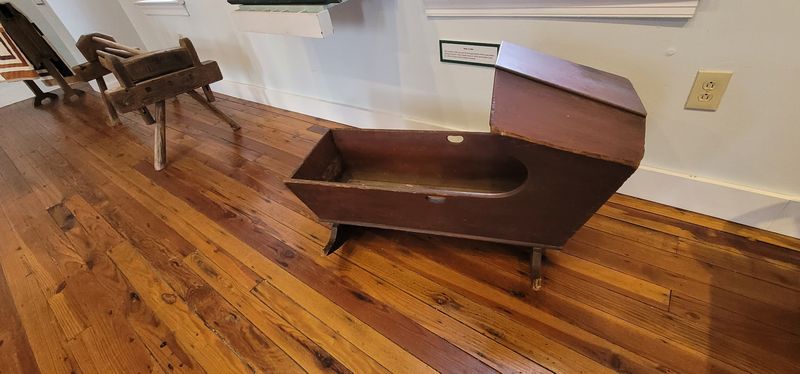
Not every building at Historic Cold Spring Village is focused on a specific trade. Some of the most interesting structures are the ones that capture everyday community life during the early American period, and the schoolhouse, general store, and jail are three of the best examples.
The schoolhouse gives a clear picture of what education looked like before public school systems were standardized. One room, one teacher, and students of multiple ages all learning together was the norm across much of early America, and the building itself reflects that reality.
The general store demonstrates how communities sourced goods before modern supply chains existed, while the jail offers a look at early law enforcement and civic order that tends to generate a lot of questions from younger visitors in particular.
Each structure has an interpreter present who can explain the history of the building itself, where it originally stood, and what role it played in the community it once served. That context turns each stop into a small, focused history lesson.
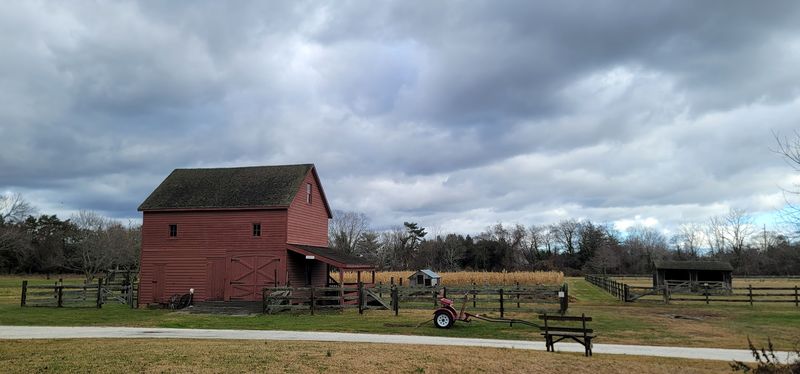
Agriculture was the backbone of early American life, and the small farm area at Historic Cold Spring Village makes that point in the most direct way possible: with actual animals. Sheep, cows, pigs, chickens, and a horse named Levi are all part of the village, and Levi is available for carriage rides around the property.
For younger visitors especially, this section of the village tends to be a favorite. Getting close to farm animals in a historic setting adds a layer of reality to the educational experience that no exhibit or display can fully replicate.
The presence of livestock also reinforces a key point about the 1789 to 1840 period: farms were not just a source of food but the central economic and social unit of most American communities. Nearly every family had some connection to agricultural work, whether they lived in rural areas or small towns.
Carriage rides with Levi offer a relaxed way to see the property from a slightly different angle while adding to the period atmosphere of the whole visit.
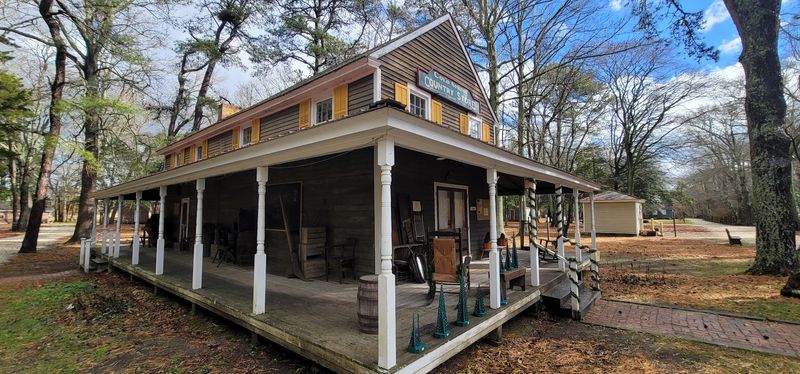
When the sun goes down, Historic Cold Spring Village takes on a completely different character. The ghost tours offered here have developed a strong following, and they are consistently described as among the best paranormal tours available anywhere in the Cape May area.
The tours are guided and led by knowledgeable staff who know the history of each building on the property in considerable depth. The stories told during these walks are tied to specific structures and specific periods, which gives them a grounded quality that goes beyond generic ghost-story entertainment.
The village also incorporates paranormal elements into its broader programming, and staff members who engage with that side of the property do so with genuine seriousness rather than as a performance. For guests who are not interested in that aspect, it is easy to focus on the historic interpretation instead.
Ghost tours are typically offered on Friday evenings, and advance ticket purchase is recommended. Checking the schedule at hcsv.org before planning an evening visit is the best way to secure a spot.
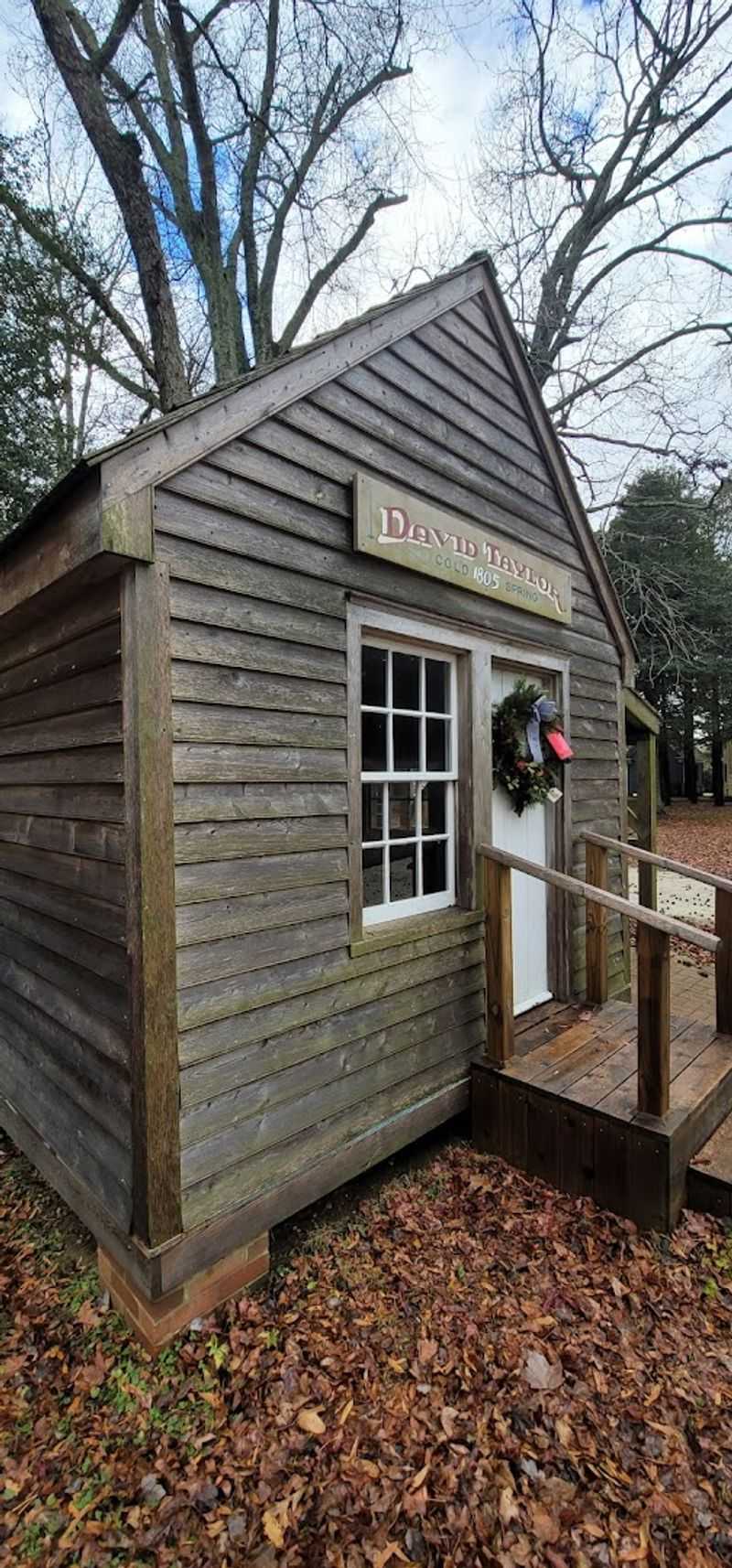
After covering a lot of ground through the historic buildings and craft demonstrations, most visitors find that the bakery and ice cream parlor inside the village is a welcome stop. Fresh baked bread comes out of an outdoor oven, and the process of watching that happen adds another layer of period authenticity to the day.
Corn on the cob cooked over an open flame is another option available on the grounds, and it fits naturally into the early American theme of the whole property. These are not just concession options but part of the overall experience the village works to create.
The welcome center also has a snack bar for lighter options, so there are multiple places to grab something during a visit. For guests planning a longer stay, knowing that food is available on-site makes it easier to pace the day without needing to leave and come back.
Both cash and credit cards are accepted throughout the village, which is a practical detail worth knowing before arriving.
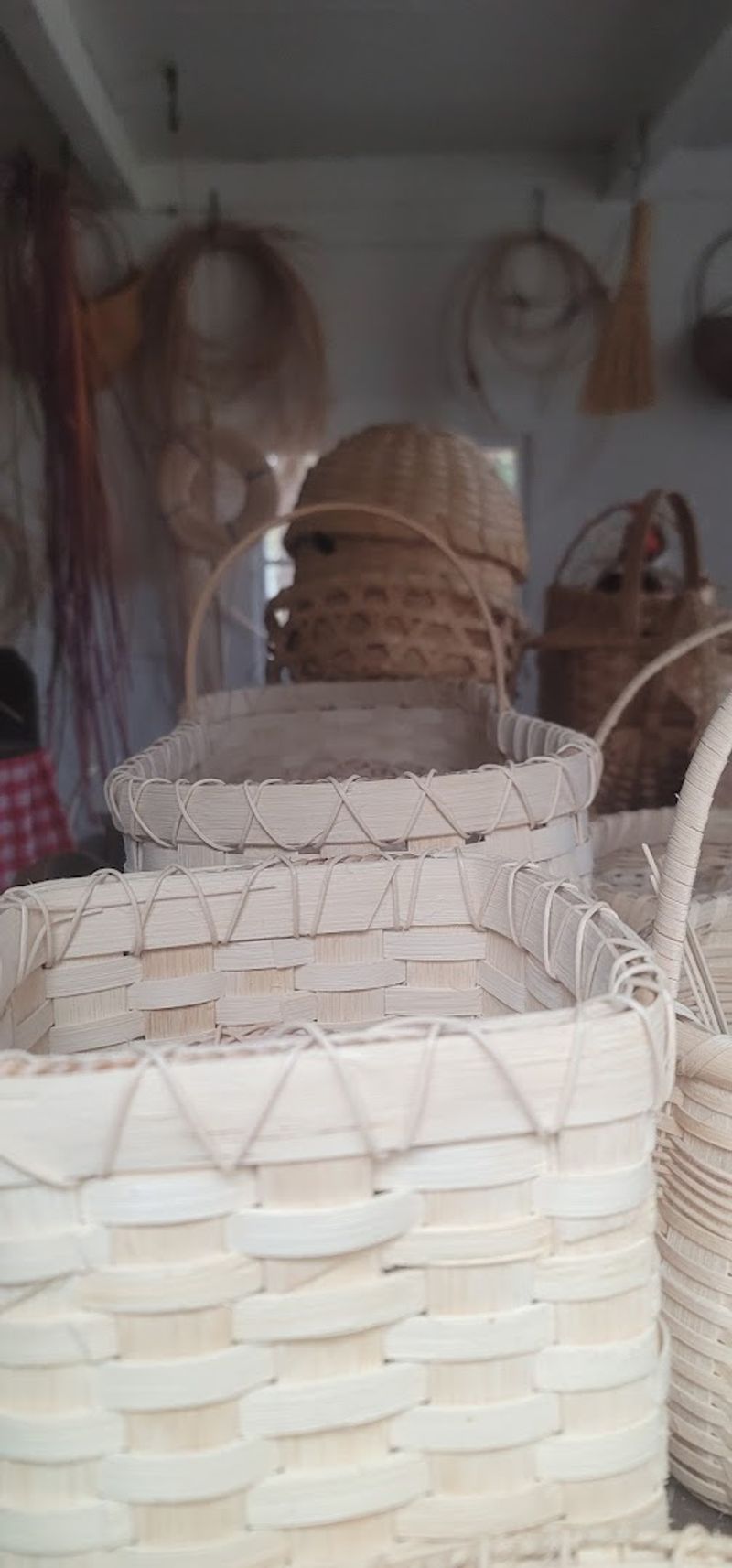
The blacksmith and print shop tend to get a lot of attention, but some of the quieter craft stations at Historic Cold Spring Village are just as rewarding. The pottery studio, weaving demonstration, and wicker work are three examples of trades that shaped daily life in the early American period but rarely get much coverage in standard history curricula.
Pottery was essential for food storage, cooking, and water transport in communities that had no access to modern packaging or refrigeration. Watching a potter work at a wheel using period techniques makes that practical reality very clear.
Weaving and textile production were similarly central to household life during the 1789 to 1840 period. Fabric was not easily purchased, and many families produced their own cloth from raw materials like wool and flax.
The spinning and weaving demonstrations at the village walk through that process step by step.
Wicker work, meanwhile, produced baskets and containers that were used for everything from carrying goods to storing food, and handmade baskets from the village are available for purchase as a functional souvenir.
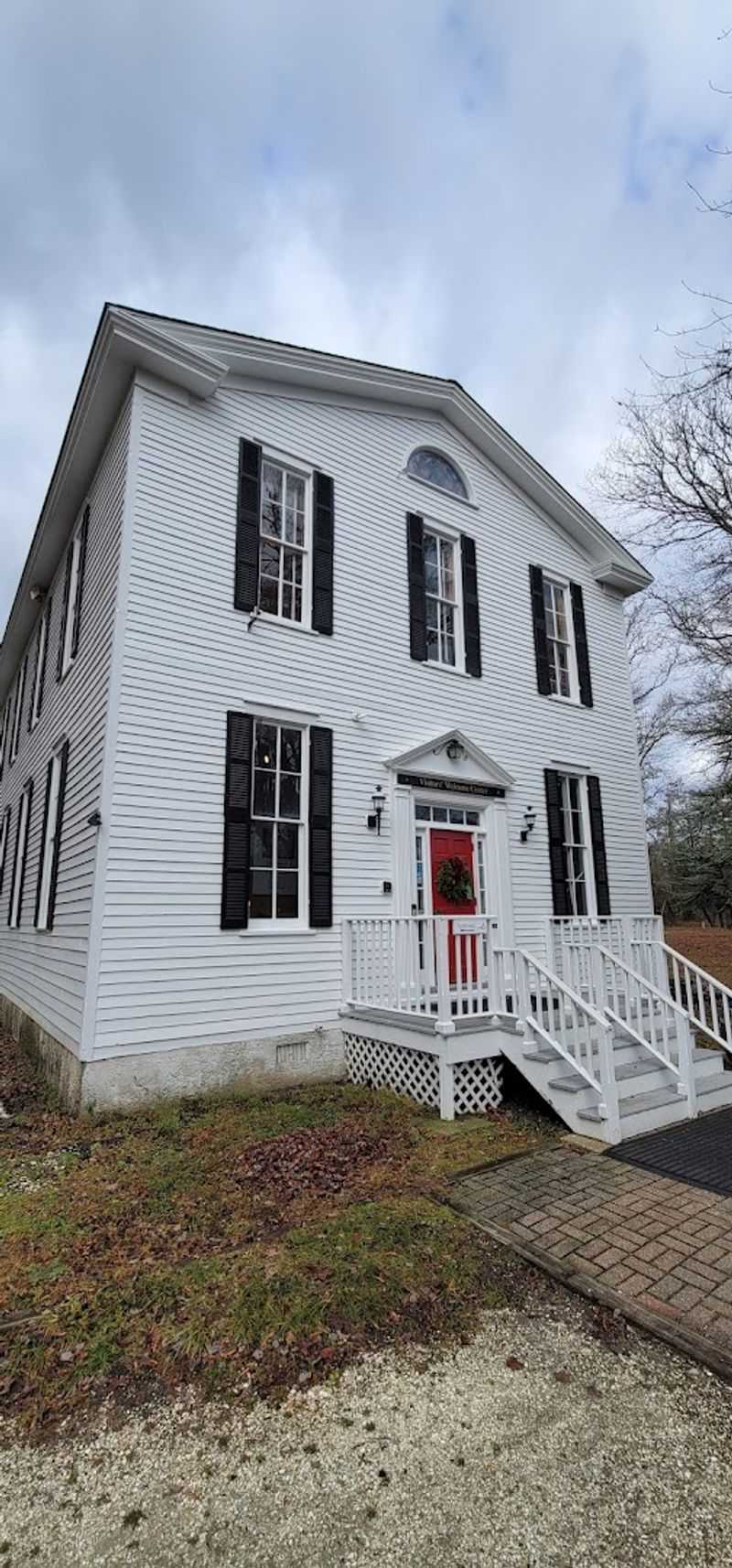
One of the more nuanced aspects of the village’s programming is the way it addresses different economic levels of early American society rather than presenting a single, uniform picture of life in the 1789 to 1840 period. The inn and the upper-middle-class cottage are two structures that illustrate this range particularly well.
The cottage interpreter walks visitors through what daily life looked like for a family with some financial stability during this era, covering furnishings, household routines, and the social expectations that shaped how people of that class lived and interacted.
The inn, by contrast, gives a picture of the commercial and social life that grew up around travel and trade in early America. Inns were community hubs as much as lodging options, and the building reflects that dual role.
Having interpreters present in both structures who can explain the specific history and provenance of each building adds a layer of depth that makes the comparison between different social experiences feel concrete rather than abstract.
Families with children consistently find that Historic Cold Spring Village works well for younger visitors, and the reason comes down to the interactive format. Kids who might lose interest in a traditional museum setting tend to stay engaged here because there is always something happening in front of them rather than behind glass.
The farm animals are an obvious draw for the youngest visitors, but the craft demonstrations hold attention across a wider age range. Watching someone make a tin lamp or bind a book by hand is inherently interesting to a curious kid, and most of the interpreters are comfortable engaging with children directly.
The property is clean, well-maintained, and easy to navigate, which matters when managing a family visit. Parking close to the entrance reduces the stress of arrival, and having food options inside the grounds means the day does not have to end just because someone gets hungry.
Purchasing tickets online in advance tends to make the entry process faster and easier, which is worth doing for families planning a busy summer day.
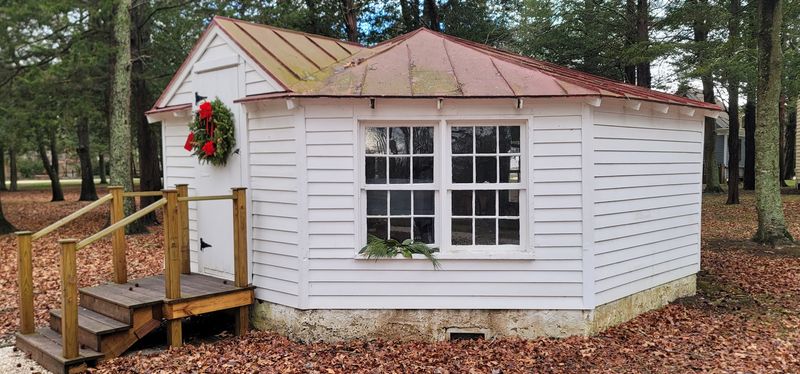
A few practical details can make a real difference in how a visit to Historic Cold Spring Village goes. The village is open Friday through Thursday from 10 AM to 4 PM, with Saturday and Sunday closures during certain periods, so verifying the current schedule at hcsv.org before heading out is always a good first step.
The grounds are large enough that a full visit can easily fill three to four hours, especially if guests spend time at multiple craft stations and take a carriage ride with Levi. Arriving earlier in the day gives more time to cover the property without feeling rushed toward closing.
Admission fees apply for entry to the historic grounds, with discounts available for seniors and veterans. The brewery adjacent to the parking area is accessible separately and does not require a village admission ticket, which is useful to know for guests who want to extend the afternoon after their tour.
Both cash and credit cards are accepted on the grounds, and the gift shop carries handmade items produced by the village’s own craftspeople.



