New Mexico is not exactly the first place most people think of when they picture crystal-clear alpine lakes. The state is famous for its desert landscapes, red rock formations, and endless sunshine, so finding water this pure and this blue feels almost like a trick of the light.
Tucked high in the Sangre de Cristo Mountains, there is a lake so remote and so remarkably clear that most New Mexico residents have never even heard of it. The hike to reach it is no casual afternoon stroll, and that is exactly why it stays so unspoiled.
Those who make the journey earn something rare: a quiet, high-altitude lake that looks like it belongs in Colorado or the Swiss Alps, not the Land of Enchantment. This article breaks down everything worth knowing before you lace up your boots and head toward one of the most rewarding destinations in the entire state.
The Water Clarity That Sets This Lake Apart
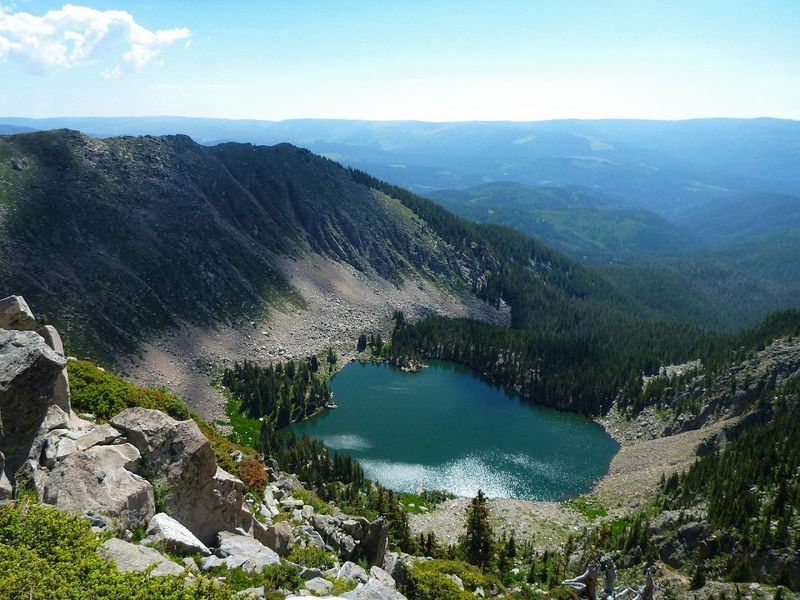
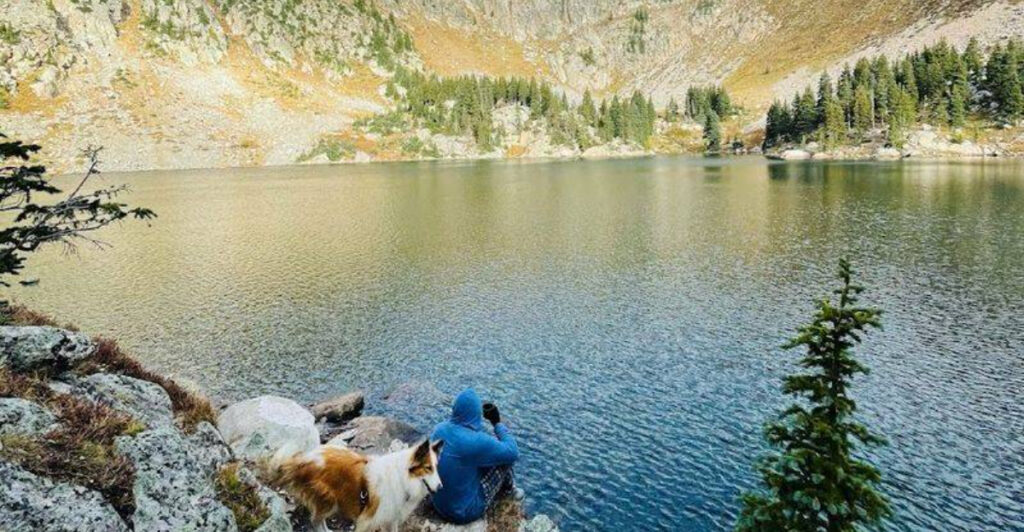
What makes Lake Katherine genuinely stand out among New Mexico’s water bodies is the clarity of the water itself. The lake sits in a high-elevation granite basin, fed primarily by snowmelt and filtered through rocky terrain with very little sediment.
The result is water so transparent that the rocky bottom is visible even at considerable depth. On calm days, the surface acts almost like a mirror, reflecting the surrounding peaks and sky with remarkable precision.
There are no roads feeding runoff into this lake, no agricultural fields nearby, and no development along its shores. That combination of natural filtration and total absence of human infrastructure keeps the water in a condition that is genuinely rare anywhere in the American Southwest.
For anyone who has only seen New Mexico’s rivers and reservoirs, the clarity here can come as a real surprise. The lake earns its reputation simply by existing the way it does.
How Hard Is the Hike to Get There
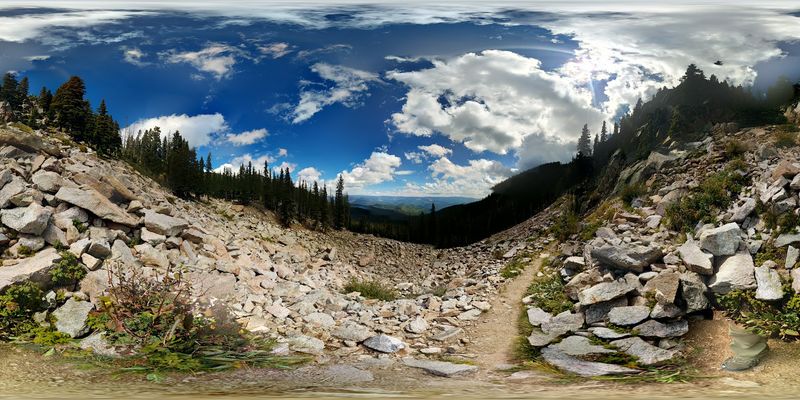
There is no gentle way to put this: the trail to Lake Katherine is demanding. The round-trip distance runs approximately 12 to 14 miles depending on the specific route chosen, and the elevation gain is substantial, climbing several thousand feet through switchbacks, narrow ridgelines, and exposed saddles.
Some sections of the trail narrow to roughly eight inches wide with steep drop-offs on one side. The trail crosses through heavily forested zones, open rocky terrain, and high-altitude saddle crossings that require careful footing at all times.
Plan for a full day on the trail. Most hikers report that reaching the lake takes around six to seven hours one way, which means an early start is not just recommended, it is necessary.
Starting at dawn gives you time to reach the lake, rest, and return before afternoon weather rolls in.
The payoff at the end of all that effort is a lake that genuinely justifies every difficult step of the journey.
What Weather Conditions to Expect Up High
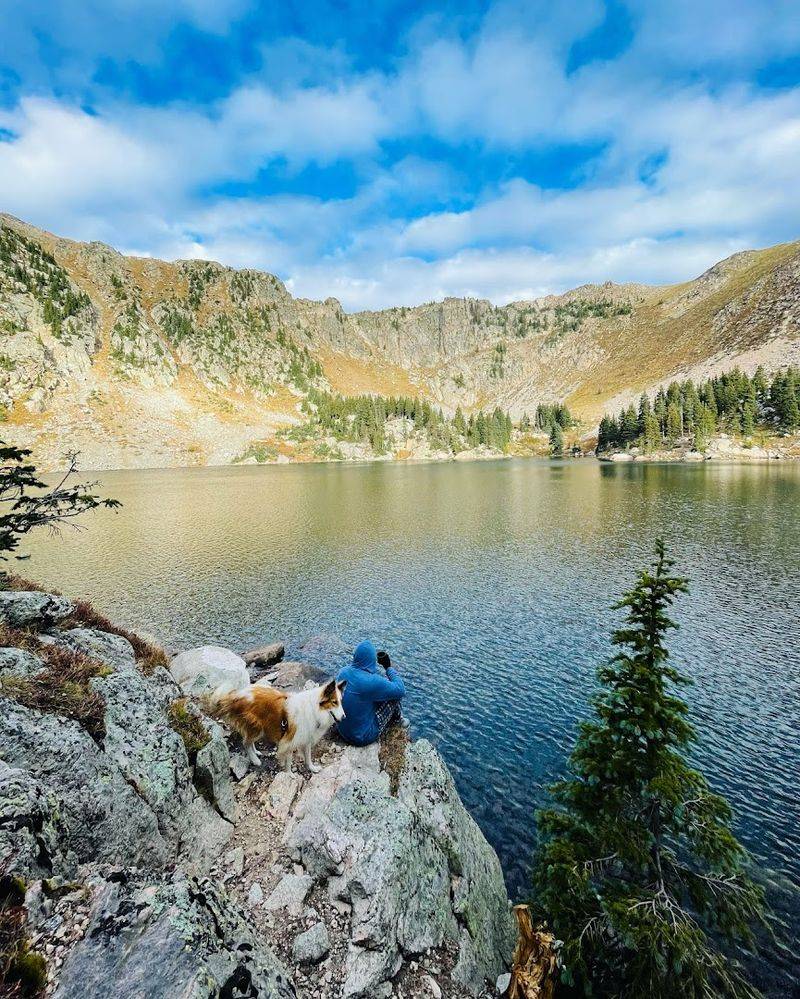
Weather at high elevation in New Mexico operates by its own rules, and Lake Katherine sits well above the zone where conditions can change without much warning. Summer afternoons frequently bring thunderstorms, and at nearly 12,000 feet, those storms arrive fast and carry real force.
Hikers have reported experiencing rain, hail, and temperatures dropping to the upper 30s Fahrenheit even during summer months. Lightning is a genuine concern on the exposed saddle sections of the trail, which offer no shelter and nowhere to hide.
The smart approach is to start the hike very early in the morning, aiming to reach the lake and begin the return trip before early afternoon. Checking a detailed mountain weather forecast the night before is not optional, it is essential planning.
Layers matter here even in July. A warm base layer, a waterproof shell, and a hat can be the difference between a great trip and a miserable one at this altitude.
Backpacking and Overnight Camping at the Lake
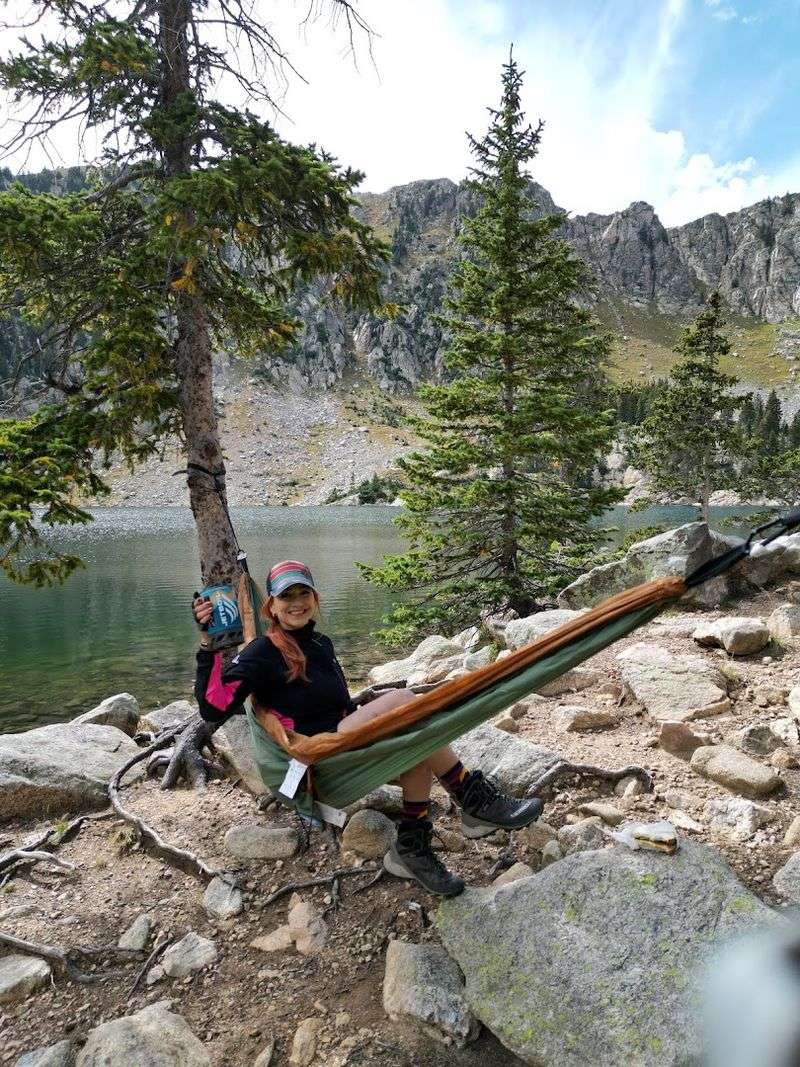
Lake Katherine is not only a day hike destination. The area welcomes backpackers who want to spend a night or more at elevation, and the experience of waking up beside that clear water at nearly 12,000 feet is something that sticks with people long after they return to lower ground.
Camping in the Pecos Wilderness follows Leave No Trace principles, and permits or fees may be required depending on current Forest Service regulations. Checking with the Santa Fe National Forest office before the trip ensures you have the most current information on any required passes.
Nights at this elevation are cold regardless of the season. Temperatures frequently drop well below comfortable camping range even in midsummer, so a three-season sleeping bag rated for low temperatures is a minimum requirement.
Arriving early enough to secure a good campsite near the lake shore is a common tip among those who have made this overnight trip, as the best spots fill up on busy weekends.
What to Pack Before You Hit the Trail
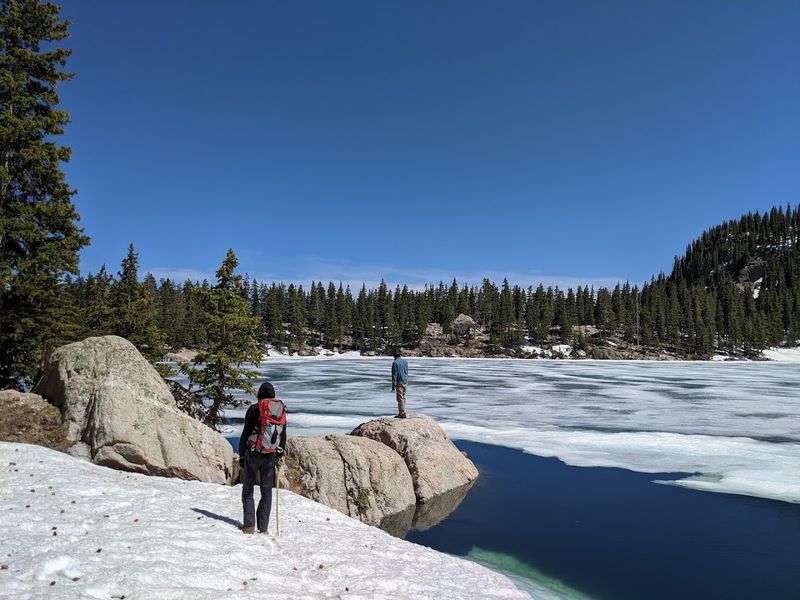
Preparation separates a successful Lake Katherine trip from a dangerous one. The distance and elevation demand more than the average day hike kit, and forgetting key items here means there is no convenience store halfway up the mountain to bail you out.
Water is the most critical item to plan carefully. Carrying enough water for the full round trip is heavy, so many hikers bring a reliable water filter to use from streams along the trail.
Trekking poles make a significant difference on the steep switchbacks and the narrow ridge sections where balance matters.
High-energy foods that do not require cooking are ideal for the trail itself. Layers of clothing are non-negotiable given how quickly temperatures drop at altitude.
A basic first aid kit, a headlamp with extra batteries, a map of the trail, and a fully charged phone with offline maps downloaded round out the essentials.
Overpacking is far less of a problem here than underpacking.
Why This Lake Stays So Quiet and Uncrowded
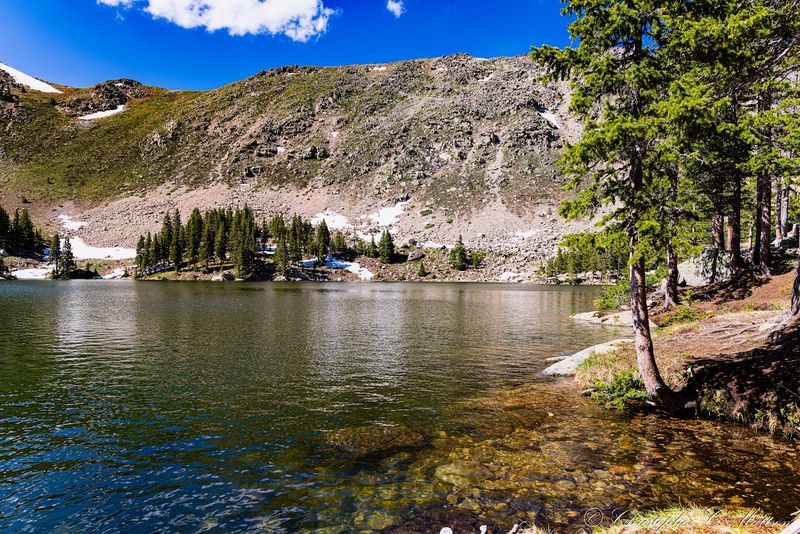
The difficulty of the trail functions as a natural filter for the kind of foot traffic the lake receives. Unlike easily accessible lakes that get crowded on summer weekends, Lake Katherine demands enough effort that only committed hikers make it to the shore.
The Pecos Wilderness designation adds another layer of protection. No motorized vehicles, no mountain bikes, and no shortcuts exist within the wilderness boundary.
Every person at that lake got there the same way: on foot, under their own effort, over many hours.
That shared effort creates a particular atmosphere among the people who do show up. There tends to be a mutual respect among hikers who all understand what it took to get there.
Conversations happen naturally, and the pace is slower than at trailhead parking lots.
The lake rewards patience and planning more than almost any other destination in northern New Mexico, and that quality is precisely what keeps it feeling like a discovery rather than a tourist attraction.
Where Exactly This Hidden Lake Is Located
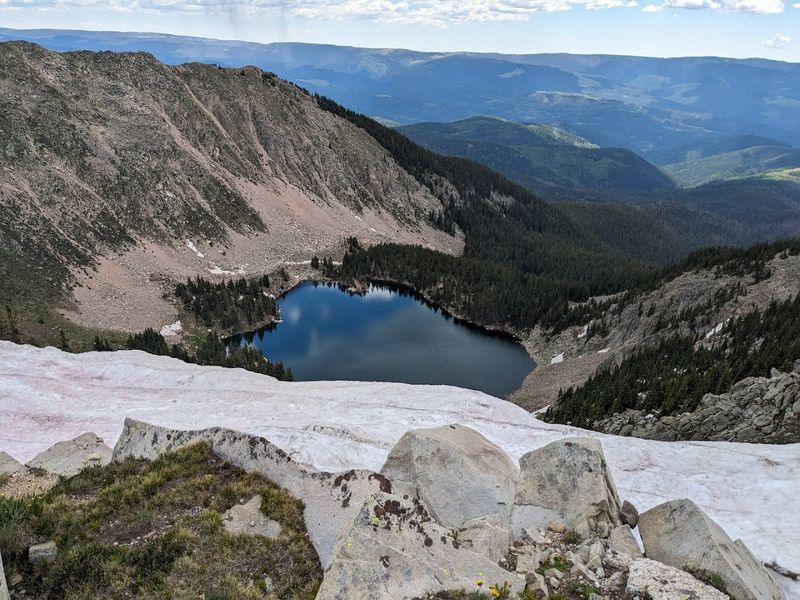
High above the town of Santa Fe, New Mexico, Lake Katherine sits within the Pecos Wilderness area of the Santa Fe National Forest, located in New Mexico 87506. The lake rests at an elevation of approximately 11,742 feet above sea level, making it one of the highest lakes in the state.
The trailhead most commonly used to reach the lake is the Stewart Lake Trailhead, accessed via the Hyde Park Road corridor northeast of Santa Fe. Getting to the trailhead itself requires driving up winding mountain roads that gain significant elevation before you even take a single step on the trail.
The lake is not visible from any road and cannot be reached by vehicle. Its position deep within a protected wilderness area is a big part of why the water stays so clean and the shoreline remains largely untouched.
This is as off-grid as New Mexico gets.
Share this story