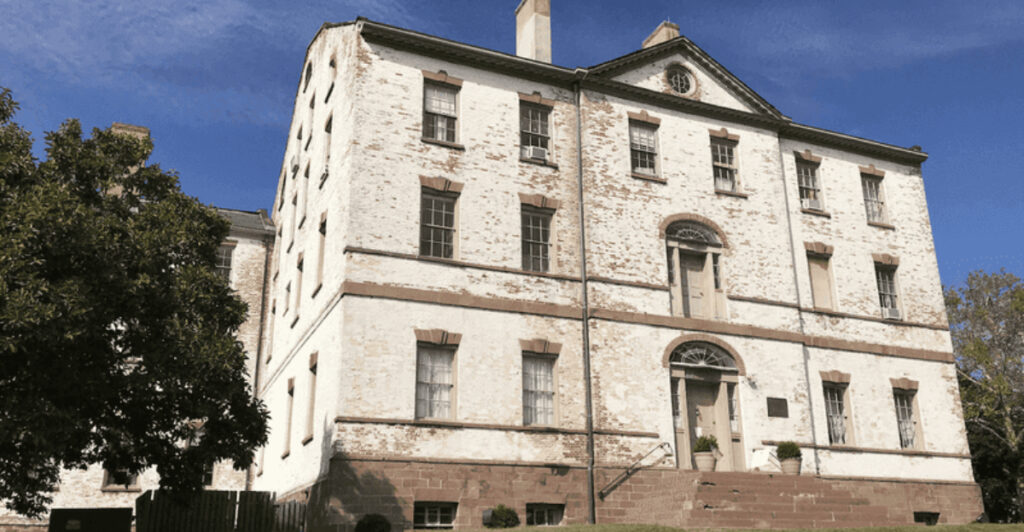
New Jersey holds a lot of surprises, but few are as quietly dramatic as a Georgian mansion sitting on a quiet street in Perth Amboy. This is the place where Benjamin Franklin’s son, William Franklin, served as New Jersey’s last royal governor before the American Revolution tore their family apart forever.
The house at the center of it all still stands, open to those curious enough to seek it out. Built in 1764, it carries more than two centuries of stories within its walls, from colonial politics to family heartbreak to the birth of a new nation.
Whether you know the full history or are hearing about it for the first time, this landmark has a way of pulling people in and keeping them thinking long after they leave.
The Franklin Family Fault Line
Benjamin Franklin is one of the most celebrated figures in American history, but his relationship with his son William is one of the Revolution’s most painful personal stories.
William Franklin served as New Jersey’s royal governor from 1763 to 1776, living in the Proprietary House during that period. While his father championed independence, William remained loyal to the British Crown, a choice that permanently fractured their relationship.
William was eventually arrested by Patriot forces in 1776 and held as a prisoner. He never reconciled meaningfully with his father before Benjamin Franklin passed away in 1790.
The house where William once hosted colonial dignitaries and managed the affairs of a royal province now stands as a quiet monument to that divide.
Touring the mansion with this family backstory in mind gives the whole experience a weight that goes well beyond architecture or furniture. History here is personal, not just political.
A Building That Refused to Disappear
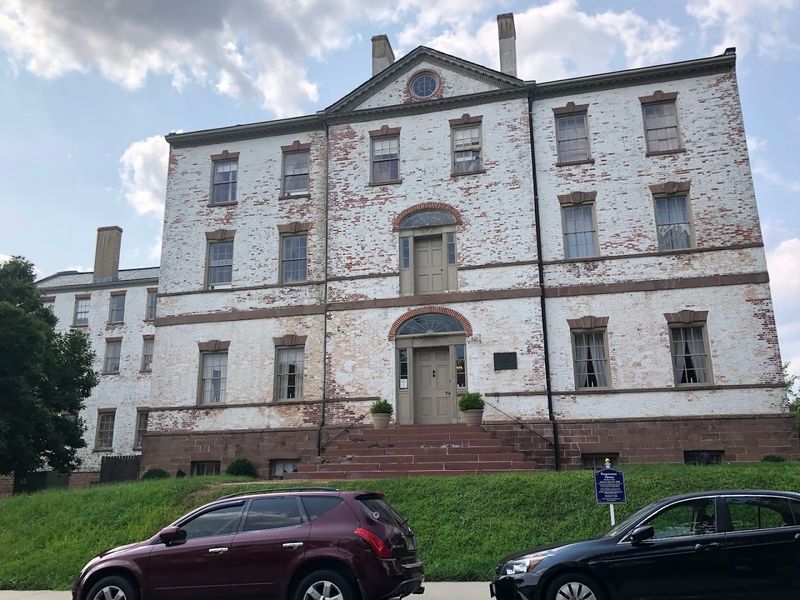
Not every 18th-century building makes it to the 21st century in one piece. The Proprietary House has had a complicated survival story, passing through multiple owners and uses over the centuries.
After the Revolution, the mansion served various purposes including use as a hotel and later as a home for multiple families. By the 20th century, it had fallen into serious disrepair, and there were real concerns about whether it could be saved at all.
A dedicated preservation effort led by community members and historians eventually turned things around. The Proprietary House Association took on the work of restoring and maintaining the building, turning it into the museum it is today.
That kind of grassroots commitment to preservation is part of what makes visiting feel meaningful. The house exists because people cared enough to fight for it across generations.
That persistence is its own kind of history worth appreciating alongside the colonial artifacts inside.
Georgian Architecture With a Story in Every Detail
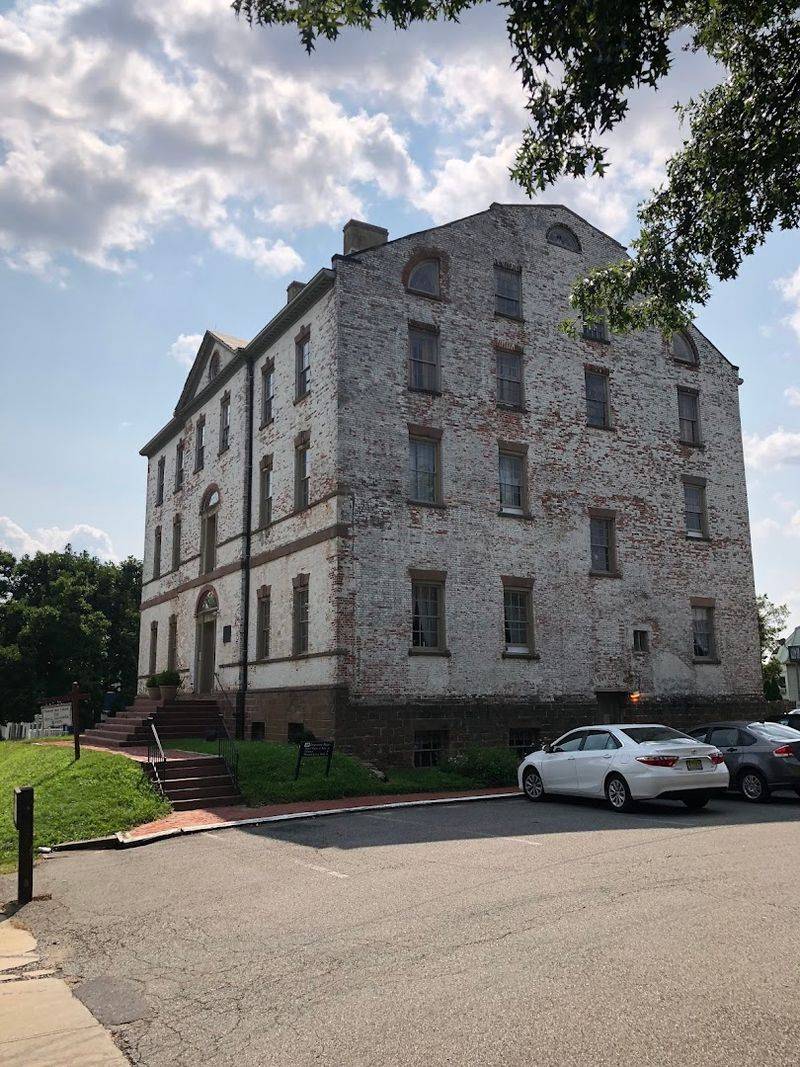
The structure itself is a lesson in 18th-century craftsmanship. The Proprietary House was designed in the Georgian style, which was the dominant architectural approach in colonial America and Britain during that era.
Georgian buildings are known for their symmetry, brick construction, and formal proportions. The Proprietary House follows those principles closely, with a balanced facade and period-appropriate detailing that has been carefully maintained through restoration work.
What makes this building particularly significant is that it was purpose-built as a governor’s residence, not converted from an earlier structure. That means every design choice was intentional, meant to project authority, stability, and colonial prestige.
Walking around the exterior gives a clear picture of how architecture was used as a political statement in pre-Revolutionary America.
The building was meant to say something specific about British governance in New Jersey, and even now, stripped of that political context, it still communicates a kind of formal dignity that is hard to overlook.
Tours That Actually Bring the Past to Life
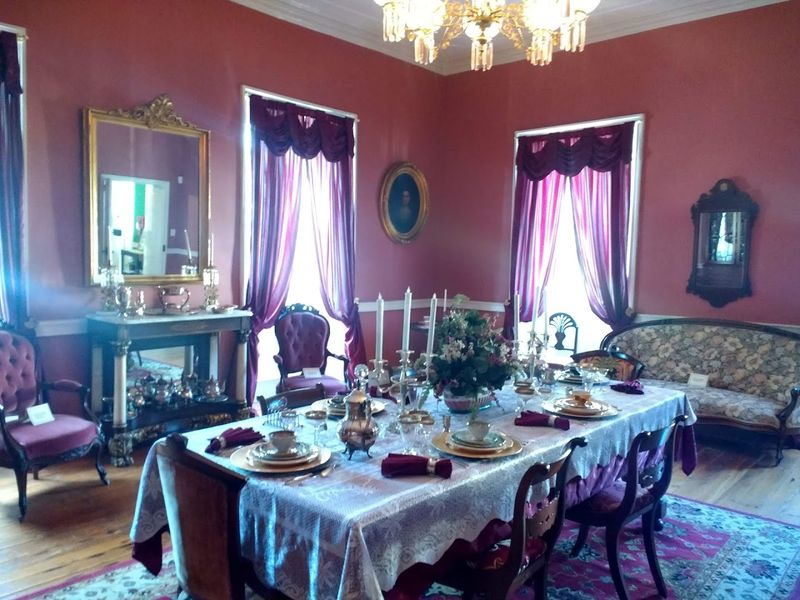
The Proprietary House offers scheduled tours and by-appointment group experiences that go well beyond a standard walk-through. The guides here are notably knowledgeable about the colonial period and the specific history of the house and its residents.
Tour groups are walked through the mansion’s rooms with context provided about who lived there, what decisions were made within those walls, and how the house fits into the broader story of the American Revolution.
The Historical Experience tour has been particularly praised for the way it connects dates and names to real human stories, making the colonial period feel immediate rather than distant.
Groups of varying sizes can be accommodated, and the experience is designed to work for both history enthusiasts and people who are simply curious about the area.
For school groups or families looking for something more engaging than a typical museum visit, the guided format here offers a genuinely immersive alternative to reading about history from a plaque.
Sunday Hours and How to Plan Your Visit
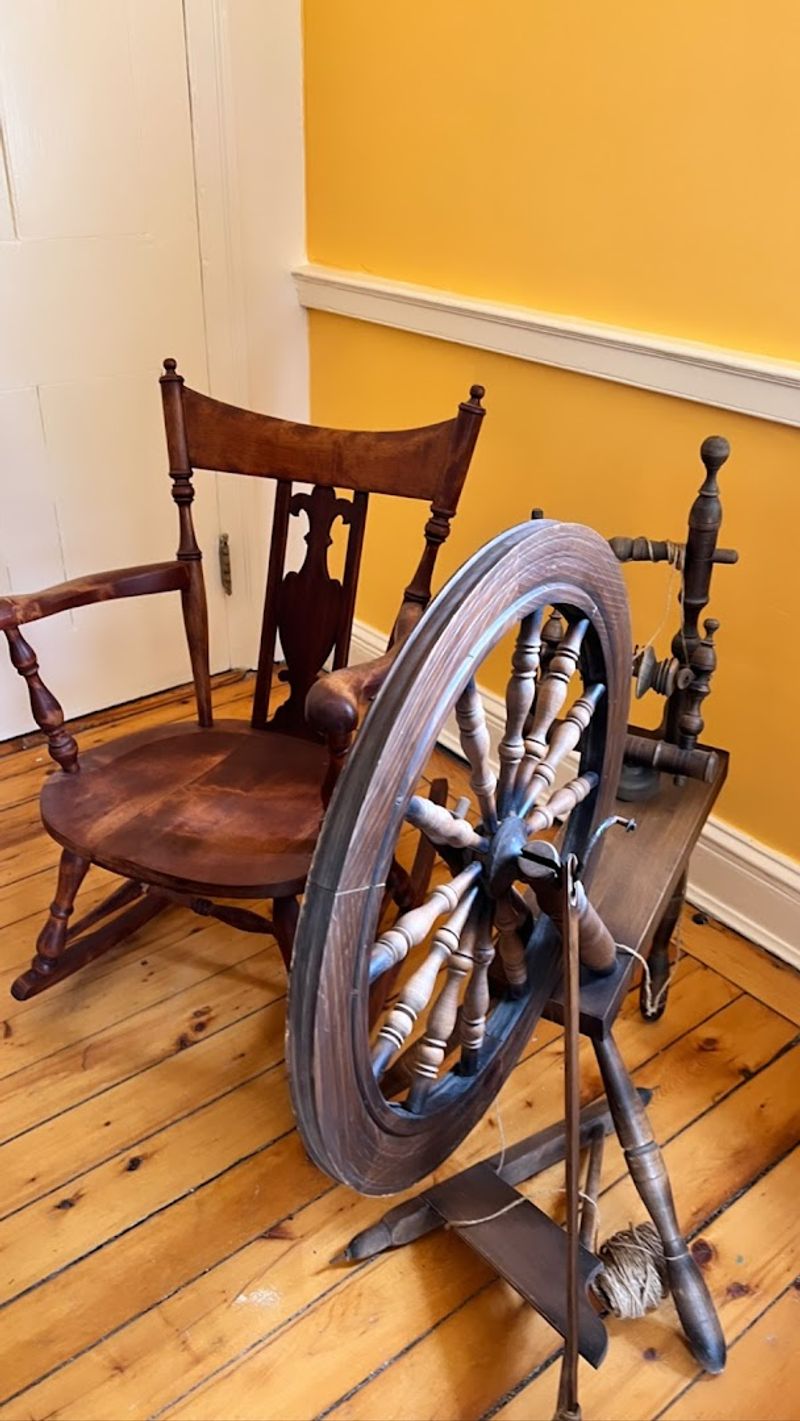
Planning a visit to the Proprietary House requires a bit of advance thought, because the public hours are limited. The museum is currently open on Sundays from 1 to 4 PM, with other days available by appointment for groups meeting a minimum size requirement.
The website at theproprietaryhouse.org is the most reliable place to check for updated hours, special events, and tour availability. The organization has worked to keep that information current after earlier confusion about scheduling.
Parking is available nearby, and the location on Kearny Avenue is accessible from major routes into Perth Amboy. The city itself has a number of other historic sites worth exploring before or after the mansion tour.
Arriving during the Sunday open hours is the easiest option for most visitors, but groups wanting a more in-depth experience are encouraged to reach out directly to arrange a dedicated session.
A little planning ahead makes the difference between a quick look and a genuinely memorable afternoon.
The Tea Room That Keeps Getting Mentioned
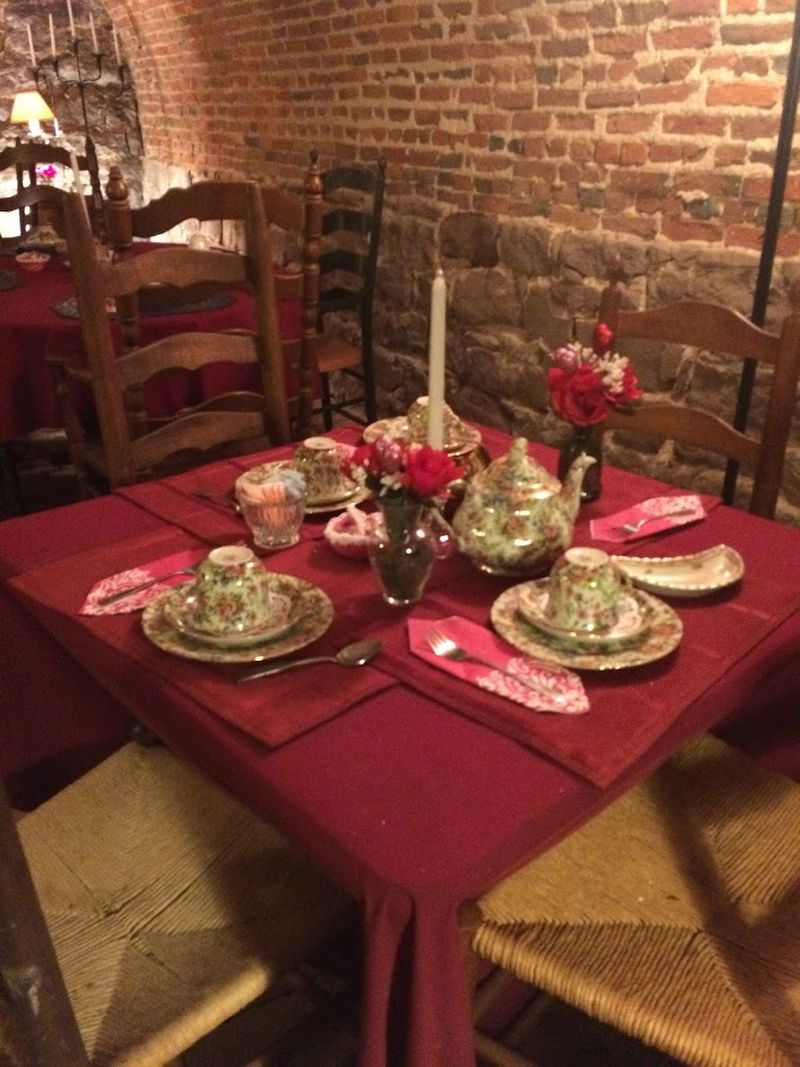
Among the many things people talk about after visiting the Proprietary House, the tea room comes up with striking consistency. The basement level of the mansion has hosted tea gatherings that pair the colonial setting with a genuinely welcoming atmosphere.
Complimentary desserts have accompanied some of these sessions, and the room itself is decorated in keeping with the period aesthetic of the rest of the house.
Tea time has historically been offered on certain weekday afternoons, though visitors should confirm current availability on the official website before planning around it.
The concept fits naturally with the house’s history. Tea culture was central to colonial social life, and serving it in a space that dates to 1764 gives the whole experience an authenticity that a modern tearoom simply cannot replicate.
For those who want to combine a bit of history with a quiet, unhurried afternoon, the tea room has earned its reputation as one of the more distinctive things the Proprietary House has to offer.
Special Events That Change the Calendar
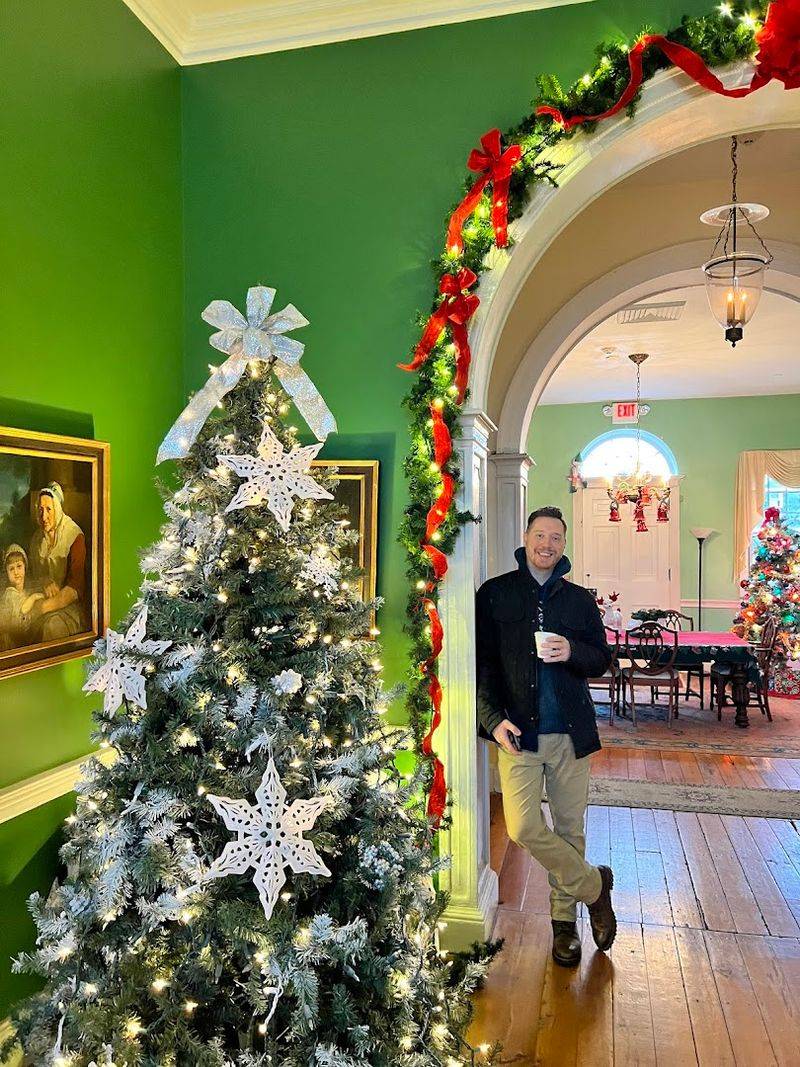
The Proprietary House does not limit itself to standard museum hours and guided tours. Throughout the year, the organization hosts a range of events that draw people back repeatedly, even those who have already done the standard tour.
The Christmas season decoration of the mansion has been a particular draw, with the interior transformed using period-appropriate holiday decor that turns the already impressive rooms into something even more striking.
Events like Twelfth Night Trivia, featuring New Jersey history with a knowledgeable historian leading the session, have brought out enthusiastic crowds looking for something more interactive than a passive museum experience.
Walking tours of Perth Amboy organized through the Proprietary House have also proven popular, extending the historical exploration beyond the mansion’s walls and into the surrounding neighborhood.
Keeping an eye on the museum’s website and social media pages is the best way to catch upcoming events before they fill up, since some of the more unique offerings tend to attract early interest.
Perth Amboy’s Deeper Historical Context
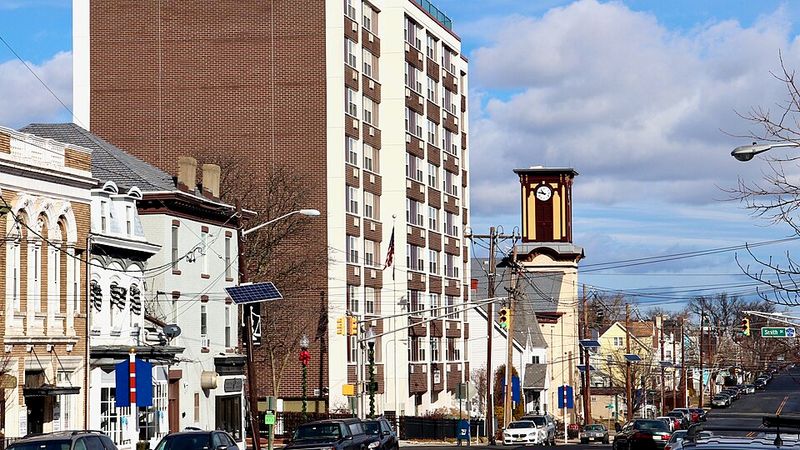
The Proprietary House does not exist in isolation. Perth Amboy has one of the richest colonial histories of any city in New Jersey, and understanding that context makes the mansion even more significant.
Perth Amboy served as the capital of East Jersey during the colonial period and was one of the most important port cities in the region. Its location on the Raritan Bay made it a center of trade, politics, and social life long before the Revolution.
The city was home to a number of influential colonial figures, and the Proprietary House was the social and political hub of that world during William Franklin’s tenure as governor.
Walking the streets around the mansion today, it is possible to find other historic markers and buildings that connect to the same era.
Perth Amboy rewards curious visitors who take the time to explore beyond any single site, and the Proprietary House makes an ideal starting point for that kind of deeper historical exploration.
What the Walls Witnessed Before the Revolution
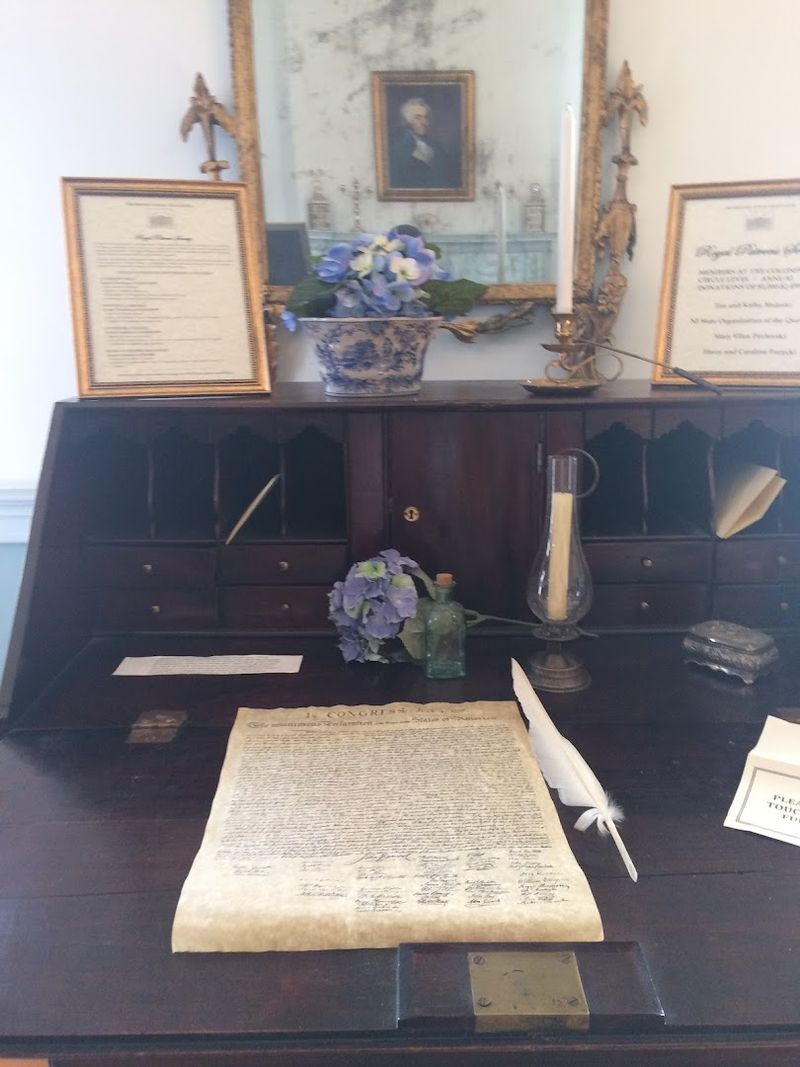
Before the first shots of the American Revolution were fired, the Proprietary House was one of the most politically active addresses in the colonies. William Franklin used it as the center of his gubernatorial operations, hosting meetings and receiving officials from across the region.
New Jersey’s colonial government operated in a world of competing loyalties, and the mansion was at the center of those tensions. Franklin worked to maintain order and British authority even as colonial resistance was building around him.
The house witnessed debates, decisions, and social gatherings that reflected the complexity of colonial politics in the years leading up to independence.
Understanding that the rooms now preserved as a museum were once active working spaces of governance gives the whole tour a different kind of weight.
This was not just someone’s home. It was a seat of power during one of the most consequential periods in American history, and that distinction is woven into every part of the building.
The Curious Case of the Ghost Stories
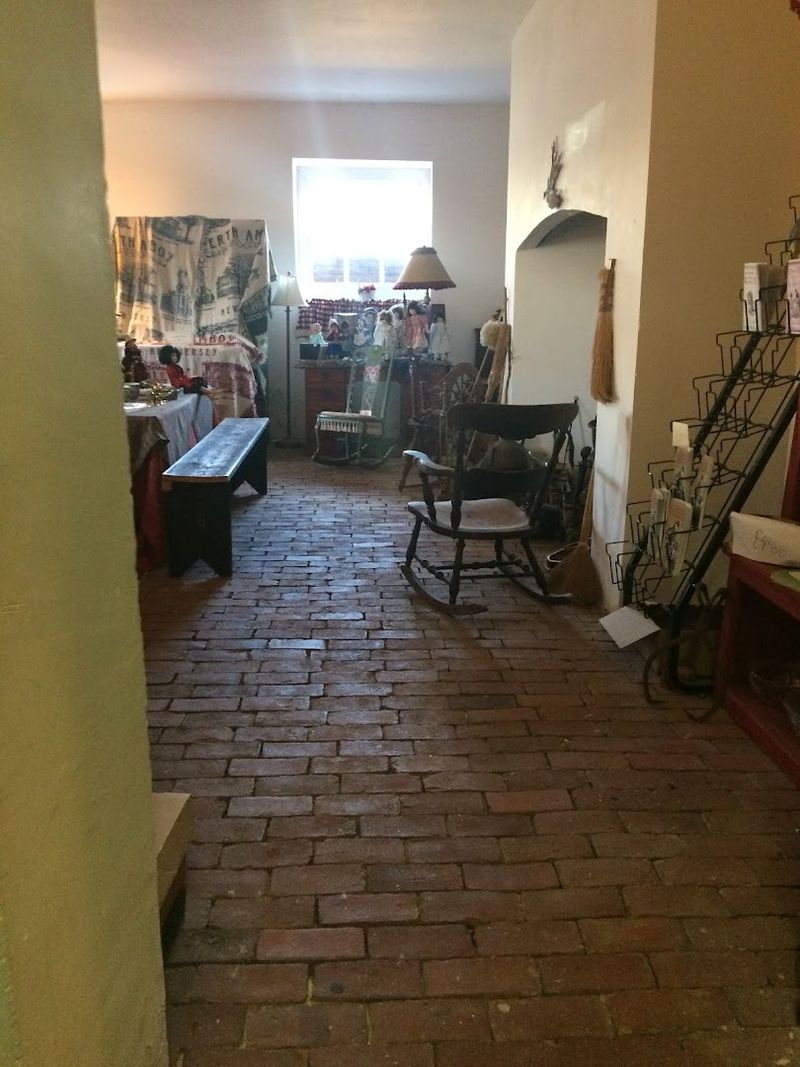
No historic building with more than two centuries of history escapes without at least a few ghost stories attached to it, and the Proprietary House is no exception.
Over the years, people have reported unusual experiences both inside and around the building, including accounts of figures visible in the windows at night. These stories have circulated through the local community for generations and have become part of the mansion’s informal reputation.
The organization that runs the museum tends to focus on documented history rather than speculation, but the stories persist and add a layer of local folklore to an already layered place.
For those who are drawn to historic buildings with a bit of atmospheric mystery attached, the Proprietary House certainly qualifies. The combination of genuine historical weight and local legend gives it a personality that goes beyond most standard museum experiences.
Whether the stories hold any truth is something each visitor tends to decide for themselves after spending time inside.
A Family Rift That Shaped a Nation
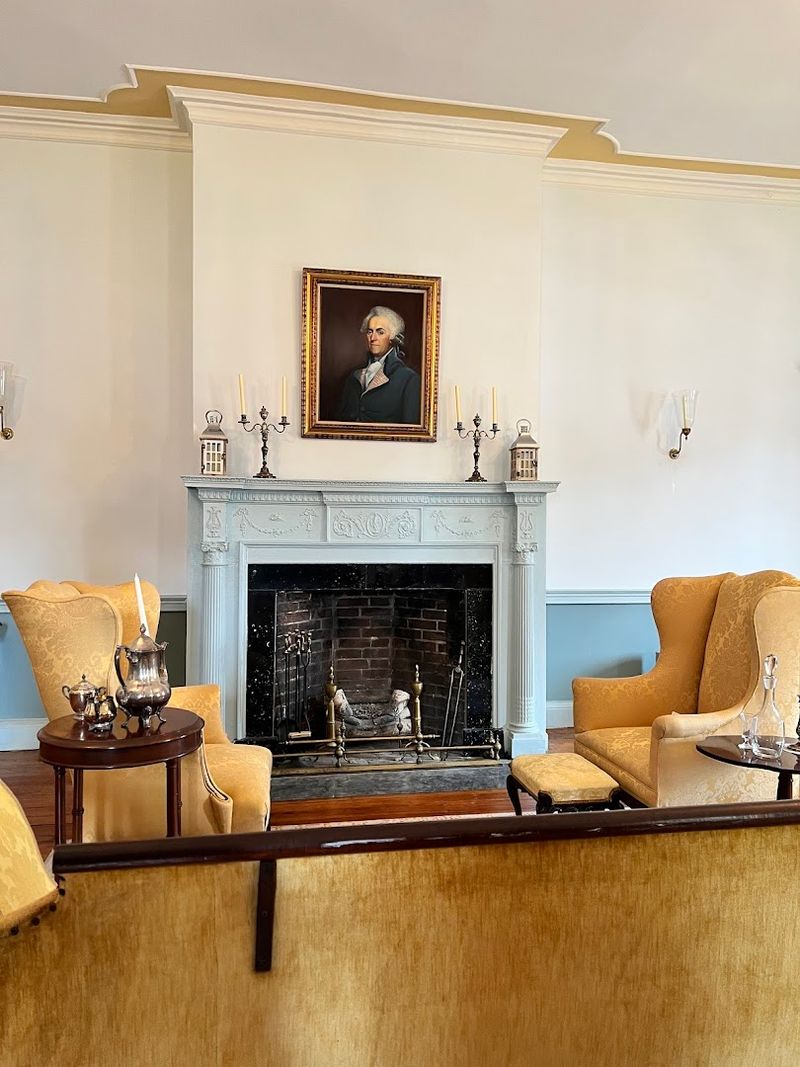
The story of Benjamin and William Franklin is not just a family drama. It is a window into the impossible choices the American Revolution forced on real people with real relationships.
Benjamin Franklin spent years in London trying to negotiate between the colonies and the British government before ultimately committing to independence. His son William took the opposite path, believing that loyalty to the Crown was both practical and principled.
When the Revolution began in earnest, William was removed from his position as governor and held under house arrest before being transferred to Connecticut as a prisoner. Father and son exchanged letters but never fully repaired the breach.
The Proprietary House is the physical location where William’s chapter of that story played out, giving visitors a concrete place to connect with what would otherwise remain an abstract historical conflict.
Standing in the rooms where William Franklin once worked makes the human cost of the Revolution feel immediate in a way that textbooks rarely achieve.
Why This Place Still Matters Today
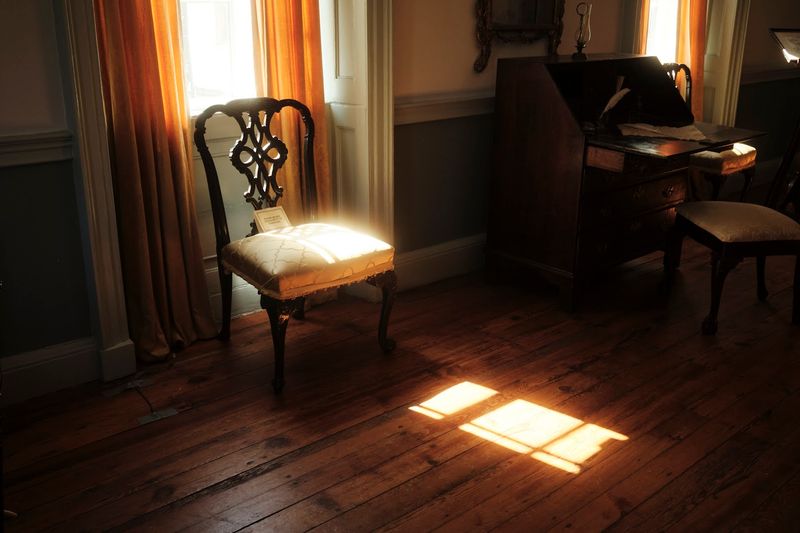
There is no shortage of historic sites in New Jersey, but the Proprietary House occupies a specific niche that few others can match. It represents the end of royal governance in New Jersey and the personal cost that political change imposed on the people who lived through it.
The story of William Franklin is not taught as widely as it deserves to be, and the museum works to fill that gap by keeping his story and the house’s history accessible to the public.
School groups, history enthusiasts, and casual visitors all find something worthwhile here, partly because the guides are skilled at adjusting the depth of the narrative to match the audience.
In an era when many people learn history through screens, having a physical place that connects the present to 1764 offers something genuinely different.
The Proprietary House is not trying to compete with larger institutions. It is doing something smaller and, in many ways, more honest: telling one specific story as accurately and compellingly as possible.
Planning the Visit: Practical Tips Worth Knowing
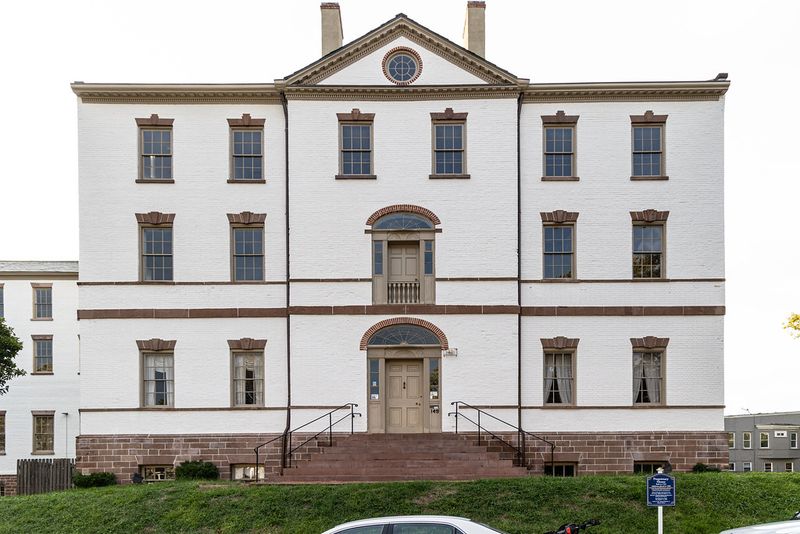
A few practical details can make the difference between a smooth visit and a frustrating one. The Proprietary House is open to the public on Sundays from 1 to 4 PM, with group tours available on other days by appointment when a minimum number of participants is met.
Tours are free, which makes the experience accessible to a wide range of visitors. Checking the official website at theproprietaryhouse.org before visiting is strongly recommended, as hours and special event schedules are updated there regularly.
The mansion is located in a walkable part of Perth Amboy, so combining the visit with a broader exploration of the historic downtown area is a natural option.
Groups with specific interests, such as Revolutionary War history or colonial architecture, may want to contact the organization in advance to tailor the experience.
The Proprietary House rewards visitors who come prepared with even a basic understanding of William Franklin’s story, since that context transforms a tour of old rooms into something genuinely affecting and worth the trip.
Where History Still Has a Street Address
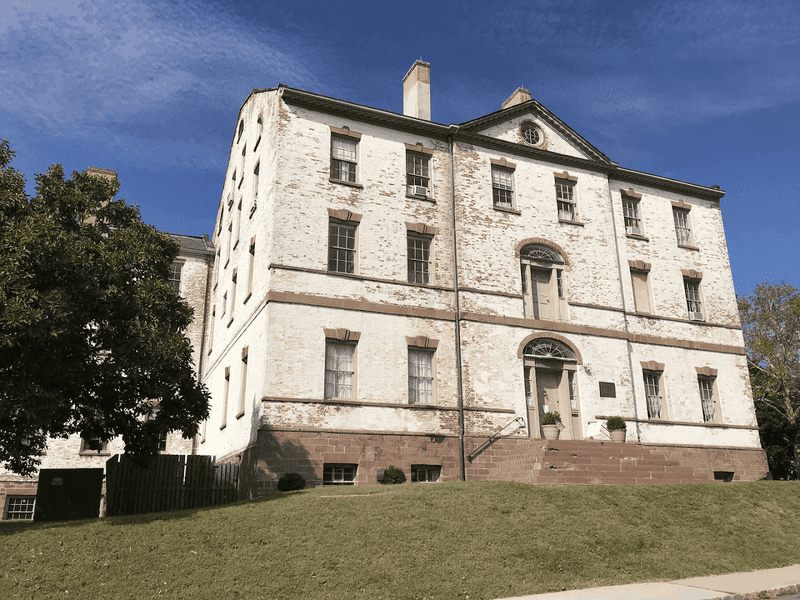
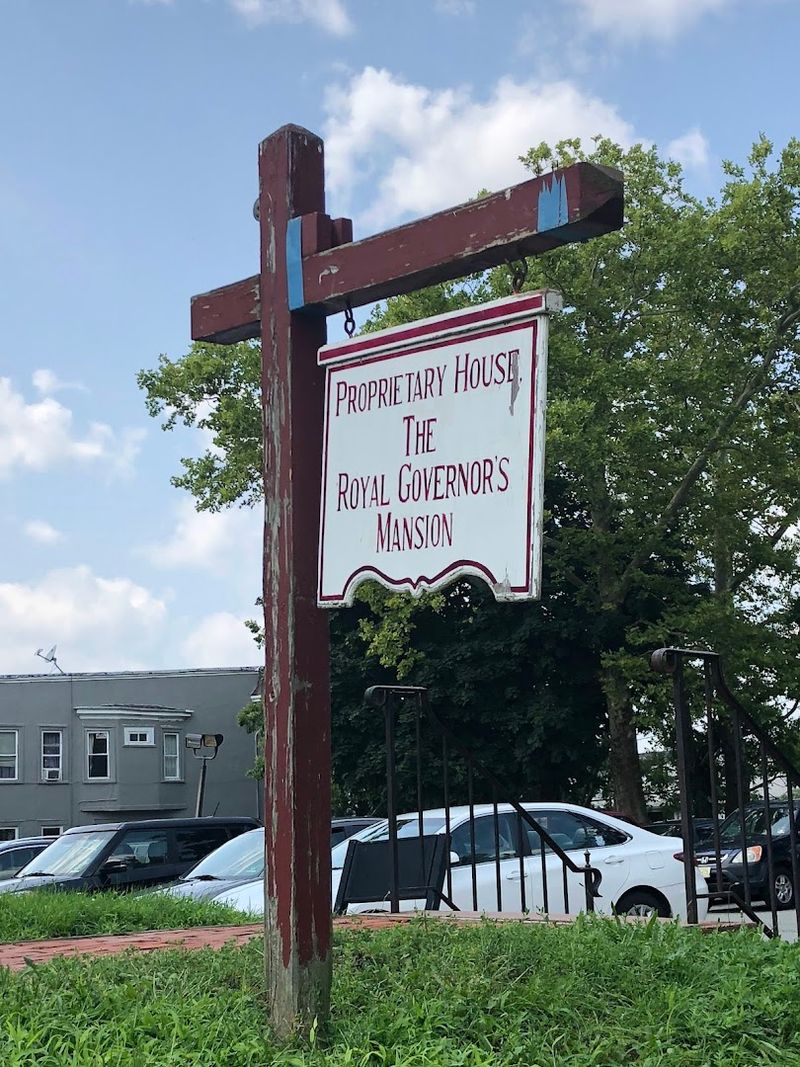
Most historic landmarks get reduced to a paragraph in a textbook. The Proprietary House at 149 Kearny Ave, Perth Amboy, NJ 08861 is the kind of place that refuses to be summarized so easily.
Built in 1764, this Georgian-style mansion was constructed as the official residence of New Jersey’s royal governor, making it one of the last remaining colonial governor’s mansions in the entire United States.
Perth Amboy itself was once the colonial capital of East Jersey, so the house carries not just personal history but political history tied directly to the founding of the nation.
The building has survived wars, ownership changes, and centuries of wear, yet it still stands on Kearny Avenue as a functioning museum open to the public.
For anyone curious about what American life looked like before the Revolution changed everything, this address is one of the most honest answers New Jersey can offer.
Share this story