There is a lake in western North Carolina where the water runs so clear you can see straight to the bottom, and the Blue Ridge Mountains rise up behind it like a painted backdrop that nobody asked for but everyone is grateful to have. I had heard about it from a few people before I finally made the trip, and honestly, I kept putting it off because I assumed the hype was exaggerated.
It was not. Lake James sits in McDowell County and covers 6,812 acres of some of the most quietly spectacular scenery I have come across in this state.
This article walks you through everything that makes it worth the drive, from the soft sandy beaches to the hiking trails, the wildlife, and the kind of peaceful atmosphere that is surprisingly hard to find at a lake this beautiful.
Where It All Begins: Location and First Impressions
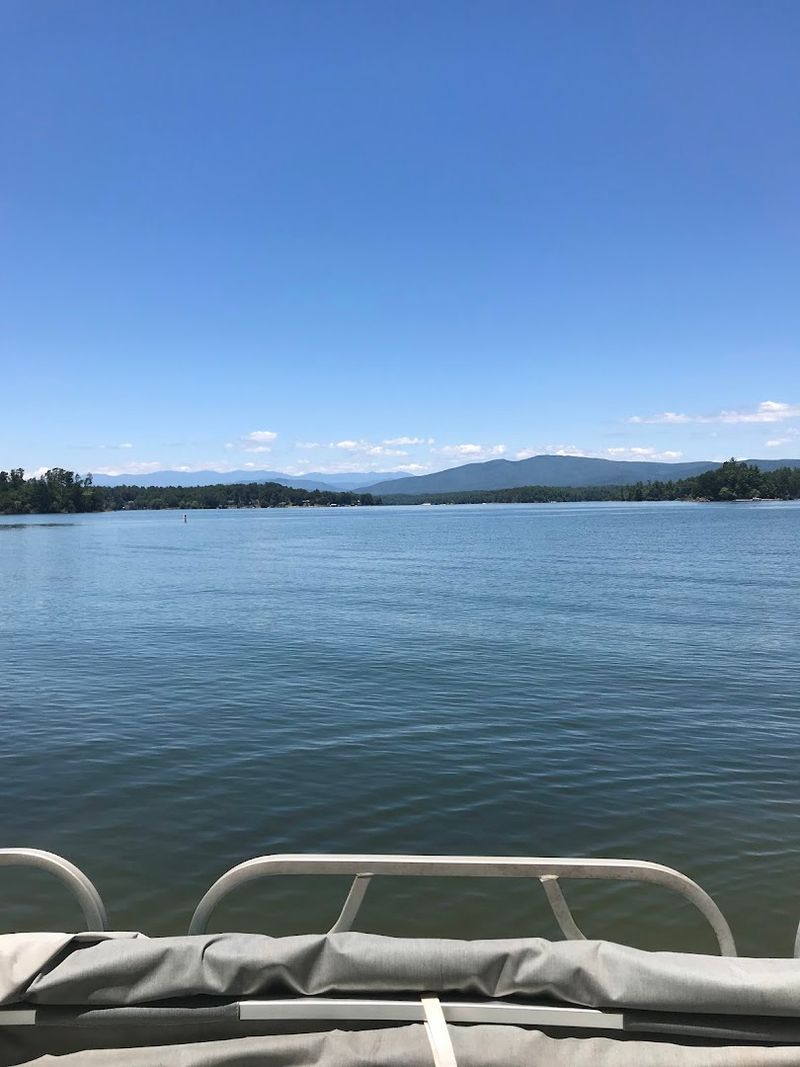
The address for Lake James State Park is in North Carolina 28761, in McDowell County, nestled right at the foothills of the Blue Ridge Mountains in the western part of the state. The moment you pull up and get your first unobstructed view of the water, something about the scene just stops you in your tracks.
The lake was created in the early 1920s when Duke Power dammed the Linville and Catawba Rivers, forming what became one of the most visually striking reservoirs in the entire Southeast. At 6,812 acres, it is not a small body of water, yet it never feels overcrowded or industrial.
Unlike some of the busier lakes you find closer to Charlotte or Raleigh, Lake James has a quieter, more natural energy. The surrounding forest stays thick and green, the shoreline is mostly undeveloped, and the mountain views from virtually every angle are genuinely hard to believe.
I have visited lakes across many states, including several in Oklahoma, and this one holds its own against all of them.
The Water Clarity That Keeps People Coming Back
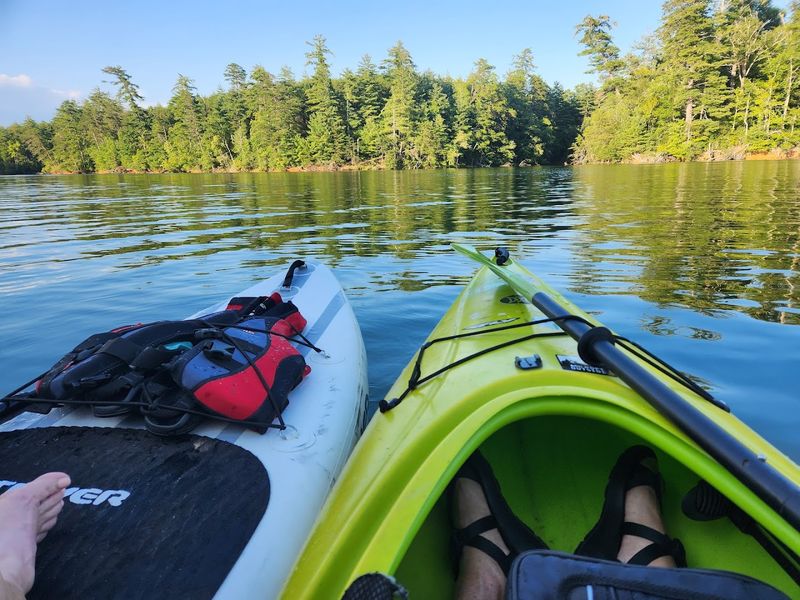
Most lakes in the South have water that ranges from murky green to outright brown, so the first time you actually look down into Lake James and see the sandy bottom several feet below, it genuinely surprises you. The clarity here is not a seasonal fluke or a lucky day.
It is consistent, and it is one of the most talked-about features of the entire park.
The water stays clean partly because of the lake’s location within a largely forested watershed that limits agricultural and urban runoff. Duke Energy, which still manages the reservoir, has long prioritized water quality as part of its stewardship of the Catawba River system.
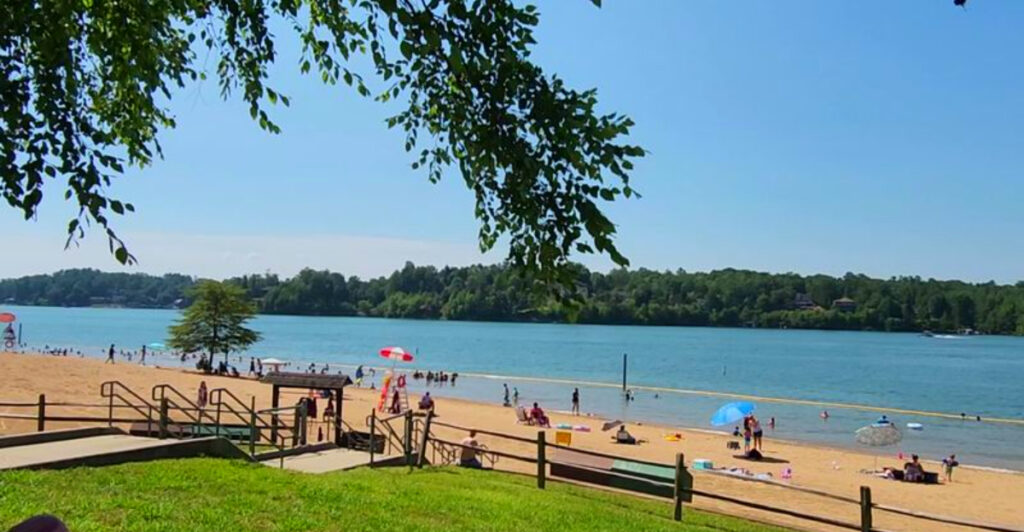
Swimming in water this clear feels different from a typical lake swim. You can watch fish dart around your feet, spot the texture of the sandy bottom, and feel confident that what you are swimming in is genuinely fresh and clean.
Families with young children especially appreciate this, since the water’s transparency makes it much easier to keep an eye on kids. The beaches here also have soft sand, which is a detail that adds a lot to the overall experience.
Mountain Views That Frame Every Moment
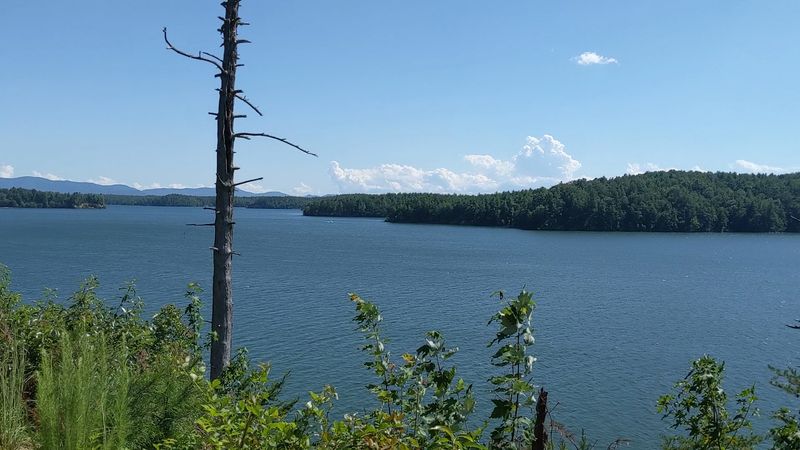
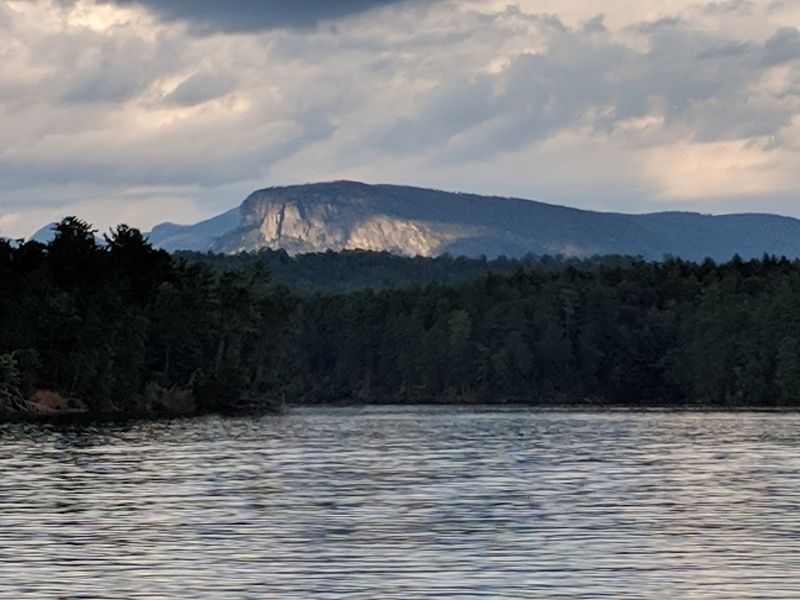
Few lakes in the eastern United States offer mountain views that feel this close and this dramatic. At Lake James, the Blue Ridge Mountains are not some distant smudge on the horizon.
They frame the entire northern and western edges of the lake with a ridgeline that changes color depending on the season and the time of day.
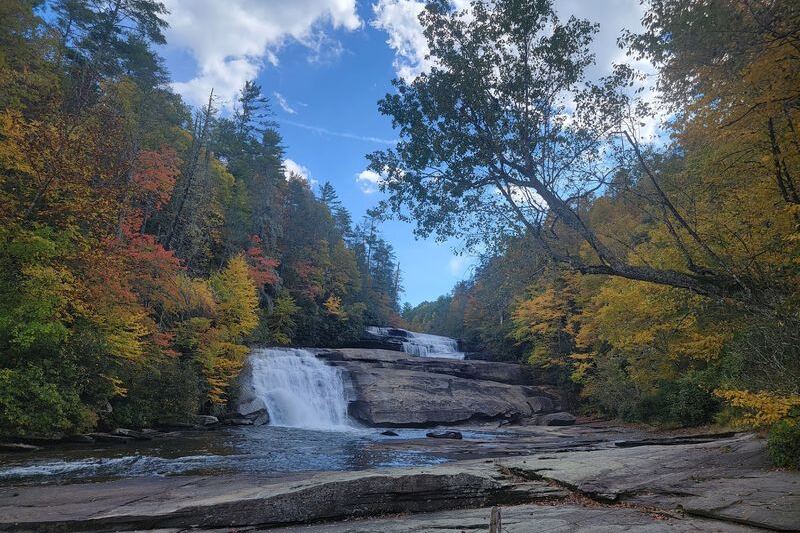
In summer, the mountains are a deep, layered green. By October, they shift into gold, orange, and deep red tones that reflect off the water in a way that makes even casual photographers put down their sandwiches and reach for their cameras.
Winter visits bring a stripped-down version of the view, where bare trees reveal the true shape of the ridges.
The Pisgah National Forest borders much of the lake’s northern shore, which means the mountains you are looking at are largely protected land. That fact alone guarantees that the view will not be interrupted by development anytime soon.
Sitting on the beach and watching the light shift across those ridges in the late afternoon is the kind of simple, unhurried pleasure that most people forget they needed until they are right in the middle of it.
Trails That Circle the Shoreline and Beyond
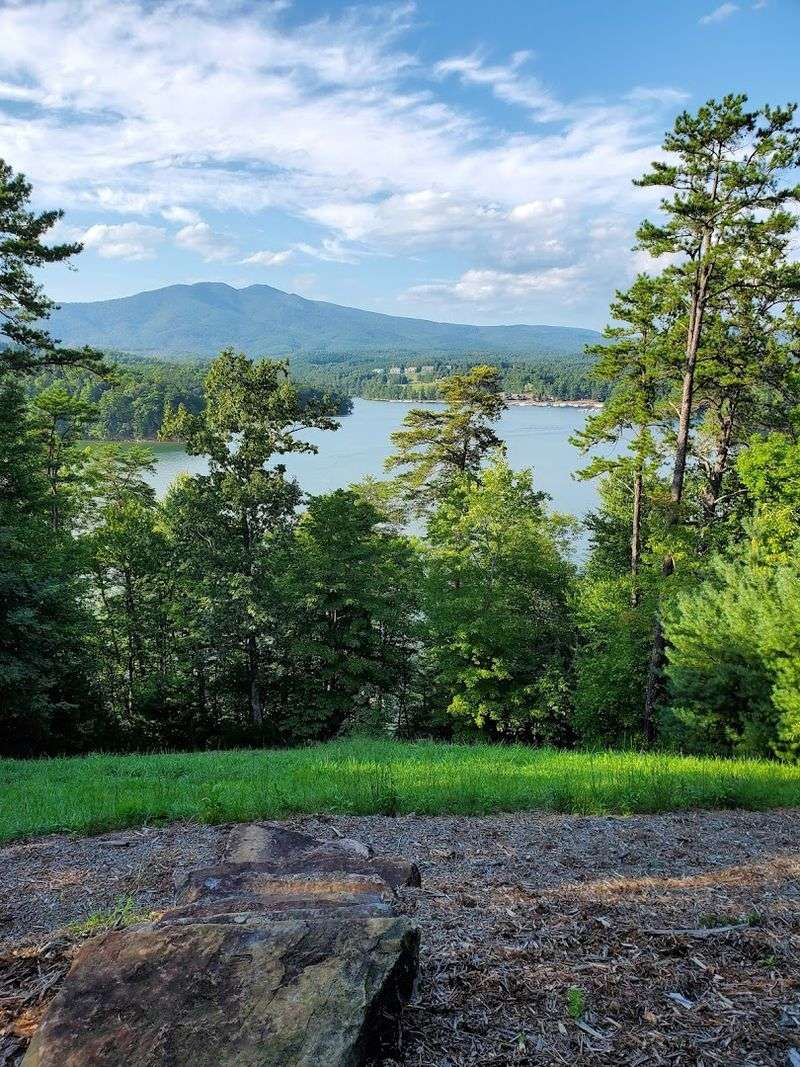
Twenty-five miles of trails surround Lake James, and they cover a satisfying range of terrain, from easy lakeside walks to more demanding routes that climb into the foothills above the water. The Fonta Flora State Trail is one of the standout options here, winding through forest and along the lake’s edge with views that keep rewarding you the further you go.
The trail system connects to a broader greenway network that eventually links to Morganton and beyond, making Lake James a key piece of a much larger outdoor recreation corridor in western North Carolina. For day hikers, there are shorter loops that work well for families, casual walkers, or anyone who just wants to stretch their legs between swims.
I did one of the lakeside trails on a weekday morning when the park was quiet, and the combination of forest shade, bird sounds, and occasional water views made it feel like a genuinely restorative experience rather than just exercise. Bikers also use several of the trails, and the terrain is varied enough to keep things interesting.
If you have never hiked with a lake and mountain backdrop simultaneously, this is a strong place to start that particular habit.
Boating, Kayaking, and Getting Out on the Water
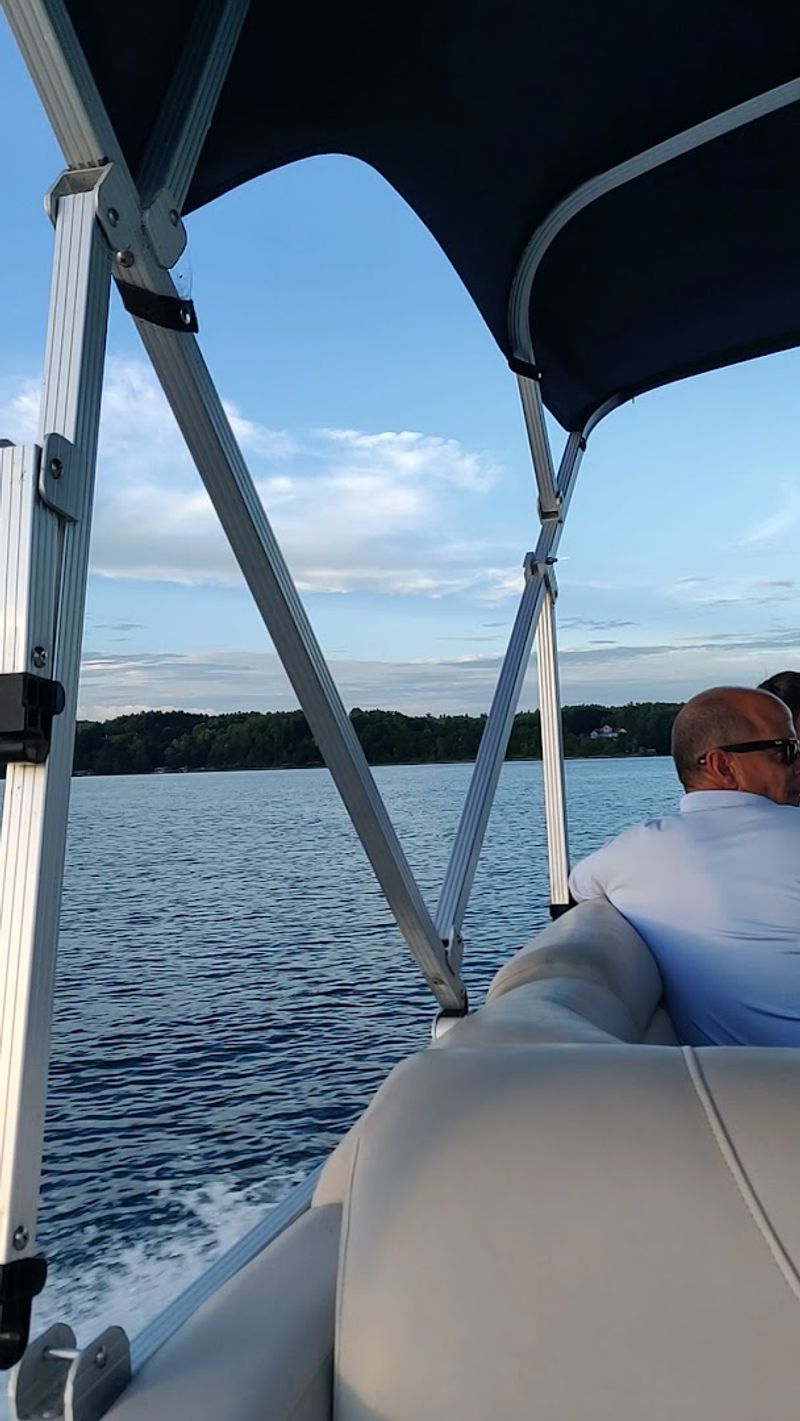
Getting out onto the water at Lake James is one of those experiences that shifts your entire perspective on the place. From the shore, the lake looks beautiful.
From the middle of it, looking back at the mountains and the tree-lined banks, the whole scene becomes something else entirely.
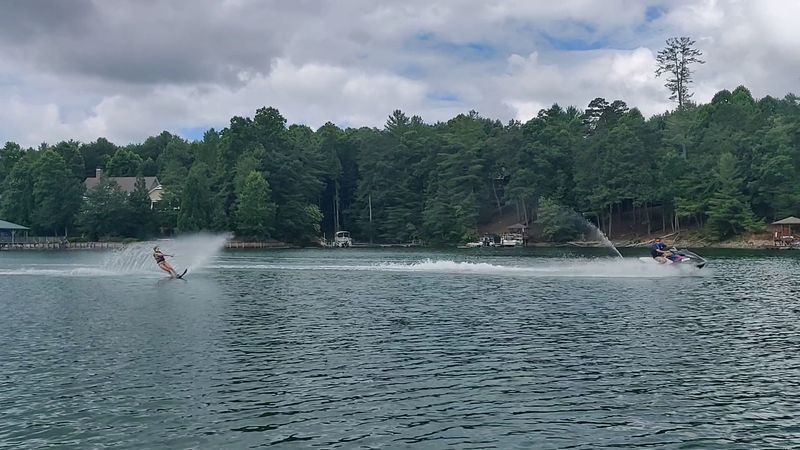
The park has boat ramps that make launching straightforward, and the lake is large enough that you can spend a full day on the water without covering the same ground twice. Motorboats, pontoons, kayaks, and canoes all share the surface, and the lake has enough space that it rarely feels congested even on busy summer weekends.
Kayak rentals have been available through the park, which is a convenient option for visitors who do not own their own equipment. The calmer coves and inlets along the northern shore are particularly good for paddling, since they offer shelter from wind and a slower, more intimate view of the forest and shoreline.
One long-time visitor mentioned that beaching a boat on one of the lake’s small islands for a mid-day break is a tradition worth adopting. Having seen the islands from the trail, I completely understand the appeal.
Fishing the Catawba Chain’s First Link
Lake James holds a notable distinction in the region. It is the first lake in the Catawba River chain, a sequence of eleven lakes that runs through both North Carolina and South Carolina.
That position at the head of the chain, fed directly by the Linville and Catawba Rivers, gives it a freshwater quality that anglers consistently appreciate.
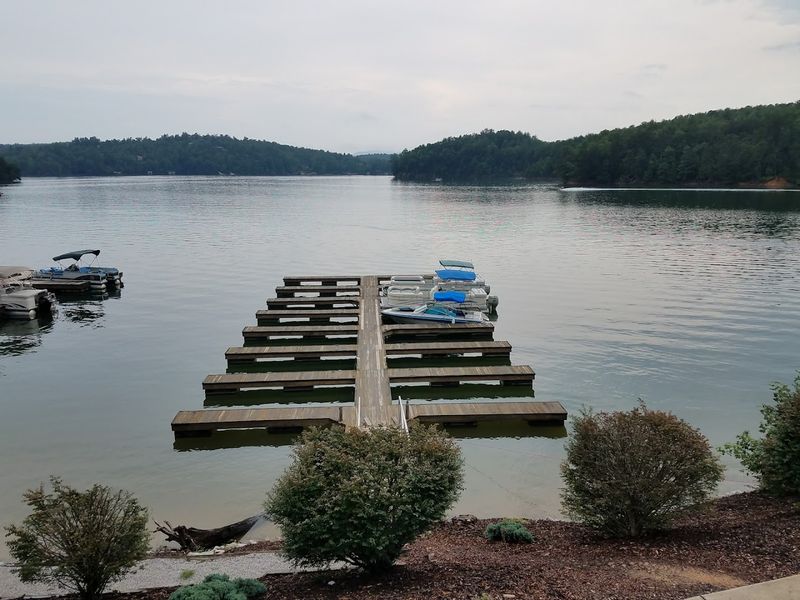
The lake supports a healthy population of largemouth bass, smallmouth bass, catfish, crappie, and various other species. Fishing from the dock and pier at the state park is a popular option for visitors who prefer to stay on solid ground, while boat anglers tend to work the deeper channels and the brushy coves near the upper ends of the lake.
Night fishing is also a draw here, particularly for those targeting catfish along the Linville and Black Bear arms of the lake. The park has designated fishing areas, and the combination of clean water and relatively undisturbed habitat means the fish population stays robust.
Whether you are an experienced angler or someone teaching a child to fish for the first time, the lake offers enough variety to make a full day of it without much effort.
Camping Under the Stars With Mountains on Three Sides
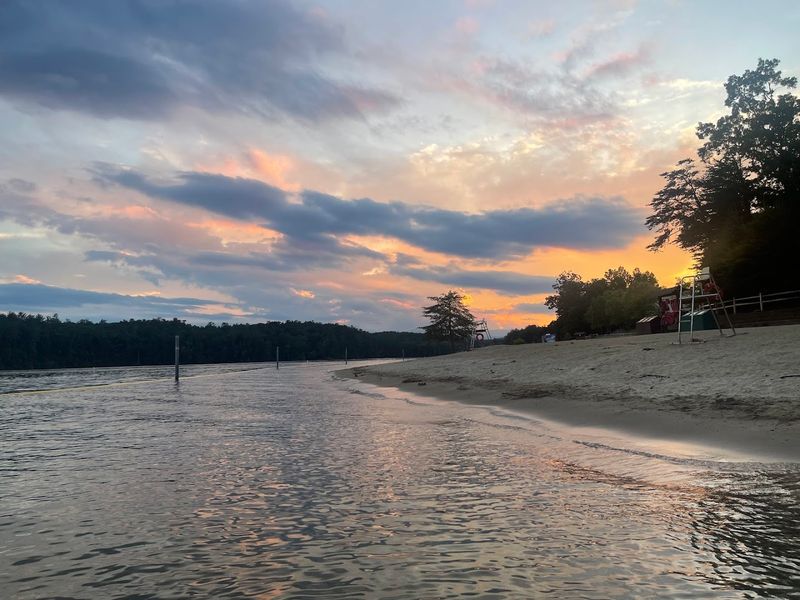
Spending a night at Lake James changes how you think about the place. The daytime crowds thin out, the water settles into a flat calm, and the mountain ridges turn dark against a sky that, away from city lights, fills up with stars in a way that genuinely impresses even seasoned campers.
Lake James State Park has developed campgrounds with sites for tent camping and some options for larger setups. The campgrounds are close enough to the water that you can hear the lake at night, which is either deeply relaxing or the best kind of background noise depending on your perspective.
Either way, it works.
The park also has facilities like restrooms and access to the beach from the camping area, which makes it practical for families who want comfort alongside the outdoor experience. Reservations are recommended during summer weekends, since the campground fills up faster than you might expect.
The fall camping season here is particularly underrated. Cooler temperatures, fewer visitors, and the added visual drama of the autumn foliage make a late-September or October camping trip at Lake James one of the better decisions you can make in western North Carolina.
A Family-Friendly Atmosphere That Actually Delivers
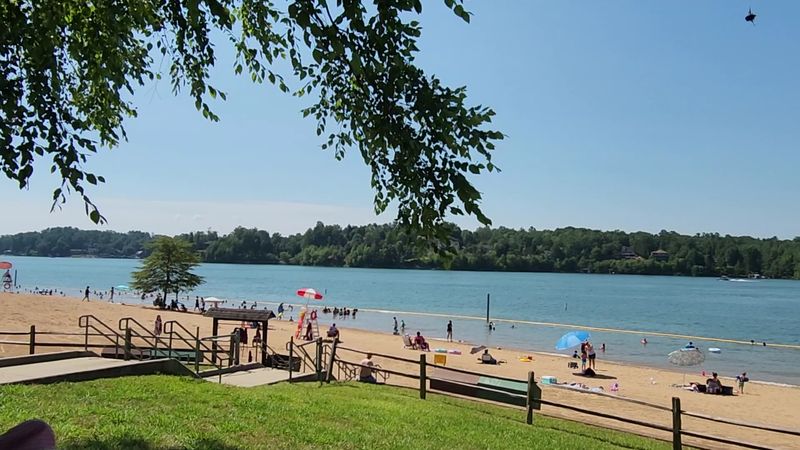
The phrase “family-friendly” gets attached to so many places that it has nearly lost its meaning. At Lake James, though, it actually describes something real and specific.
The beach areas have soft sand, shallow entry points for young swimmers, and enough open space that kids can run around without getting in anyone’s way.
Picnic areas are scattered throughout the park with grills and tables, making it easy to set up for a full day without needing to pack everything from scratch. Pets are welcome in most areas of the park as long as they are kept on a leash, which is a detail that makes a significant difference for families who do not want to leave their dogs at home.
The park’s trails are accessible for a wide range of fitness levels, and the lake’s calm coves are safe enough for supervised children to swim in without constant anxiety. The overall atmosphere is relaxed without being neglected.
The grounds are well maintained, the facilities are clean, and the natural setting does most of the heavy lifting in terms of entertainment. I have seen similar setups at state parks in Oklahoma and elsewhere, but Lake James delivers the full package in a setting that is genuinely hard to match.
Fall Foliage and the Off-Season Magic
Most people think of Lake James as a summer destination, and summer is undeniably great here. But the fall version of this lake is something that more people should know about.
By mid-October, the trees along the shoreline and up the mountain slopes are fully committed to their seasonal display, and the lake acts as a mirror for all of it.
The reflection of the fall canopy on the still water creates a kind of double landscape that photographers and casual visitors alike find hard to stop looking at. Hiking in October here means walking through tunnels of color with lake views opening up between the trees at regular intervals.
Winter visits have their own appeal too. The park stays open year-round, and the colder months bring a stripped-back stillness to the place that feels completely different from the summer energy.
Fishing remains productive, the trails are uncrowded, and the mountain views actually improve once the leaves drop and the full shape of the ridgeline becomes visible. A few visitors have noted that a winter trip to Lake James feels like having the whole place to yourself, which, after a busy summer season, is exactly the kind of reset some people are looking for.
Practical Tips for Planning Your Visit
A few practical details can make the difference between a smooth visit and a frustrating one at Lake James. The park charges a small per-vehicle entrance fee, and a year pass is available that covers multiple state parks across North Carolina, including access to kayak rentals at participating locations.
If you plan to visit more than twice in a season, the annual pass is almost certainly worth the math.
Arrive early on summer weekends. The parking lots at the most popular beach access points fill up by mid-morning, and latecomers sometimes have to wait or park further out and walk in.
Weekday visits are noticeably quieter and more relaxed across the board.
Check the park’s current conditions before heading out, since some sections of the park were affected by Hurricane Helene and access has been modified in certain areas. The western side of the lake has remained open, but it is worth confirming which facilities are fully operational before you make the drive.
Cell service in the area can be limited, so downloading trail maps ahead of time is a smart move. The park is about two hours from Charlotte, making it a very manageable day trip or weekend escape from the city, and considerably more rewarding than a similar drive toward Oklahoma or any flatland alternative.
Share this story