Summer travel in Europe sounds amazing until you are standing in a security line that stretches around the corner with a flight boarding in 20 minutes. European airports handle millions of extra passengers every summer, and the pressure shows up fast in the form of delays, long queues, crowded terminals, and missed connections.
Some airports handle the surge better than others, but a handful of hubs consistently make the experience harder than it needs to be. Whether you are flying for the first time or you are a seasoned traveler, knowing which airports to prepare for can save you a lot of stress.
This list covers the airports across Europe where summer travel tends to get the most complicated, based on delay data, passenger volume, border processing concerns, and general traveler experience during peak season.
Lisbon Humberto Delgado Airport, Portugal
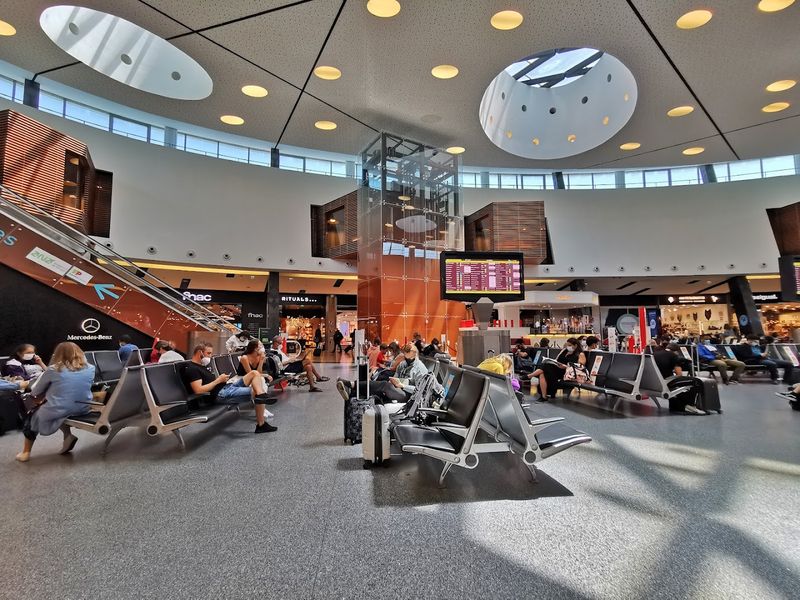
Portugal has become one of Europe’s most sought-after destinations, and Lisbon’s main airport is feeling every bit of that pressure. Eurocontrol-linked reporting named Lisbon among the worst major European airports for delayed departures in 2025, and it also ranked poorly for late arrivals.
That is a double problem for travelers who have tight schedules.
The airport footprint has long been considered too small for the demand it handles. While Portugal works toward longer-term expansion plans, including discussions about a second Lisbon airport, the current facility continues to absorb growing passenger numbers without a proportional increase in capacity.
Summer travelers flying through Lisbon should build in extra buffer time before connections. Arriving early for departures, especially during July and August, is genuinely useful advice here.
The city itself is worth every bit of the effort, but the airport journey requires patience and realistic expectations about timing.
London Heathrow Airport, United Kingdom
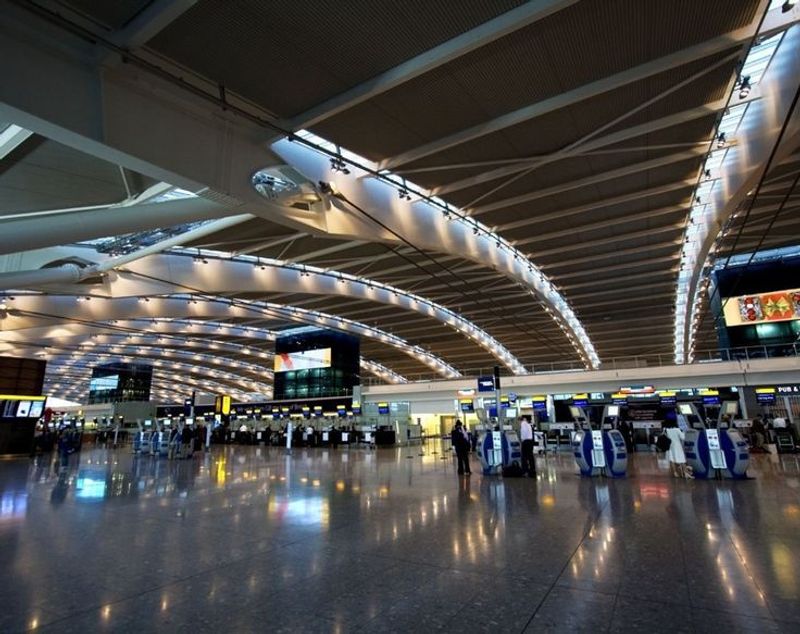
Few airports in the world carry the kind of weight that Heathrow does. The airport handled a record 84.5 million passengers in 2025, keeping it firmly among Europe’s busiest and most intense passenger hubs.
That number is not just a statistic; it translates directly into what travelers experience at the gate, in security, and at baggage claim.
Multiple terminals, enormous international connections, and strict slot pressure all contribute to the complexity. If you are changing flights here, give yourself more time than you think you need.
School holiday periods in July and August push the airport to its limits, and even small disruptions can ripple into longer delays across the network.
Heathrow has strong facilities, good signage, and experienced staff, but the sheer scale can overwhelm first-time visitors. Knowing which terminal your flight departs from before you arrive is one simple step that can save serious stress.
Paris Charles de Gaulle Airport, France
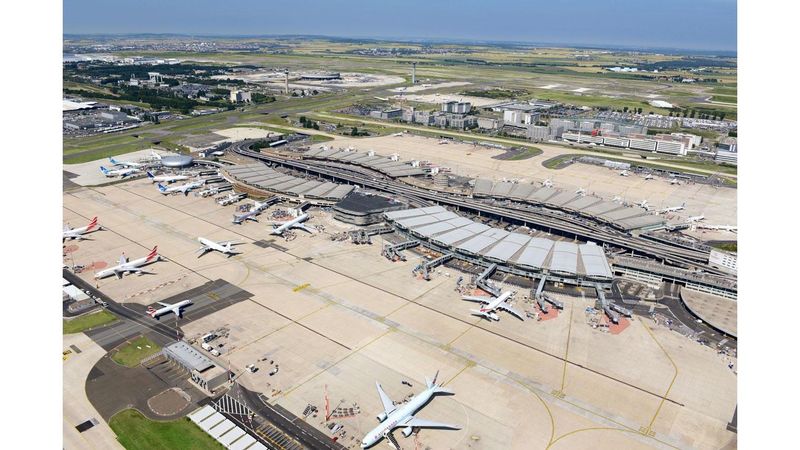
Charles de Gaulle has a reputation that precedes it, and for frequent flyers it is not always a flattering one. Eurocontrol listed Paris CDG among the top airports by daily flight traffic in 2025, which means the volume of movement through this airport is genuinely enormous on any given summer day.
The airport is also famous for something less glamorous than its Parisian setting: long walks between gates, confusing terminal transfers, and tight connection windows that can feel impossible when a previous flight lands late. First-time visitors often underestimate how much time they need to move between terminals.
CDG operates as a major hub for Air France and a key connecting point for transatlantic routes, so delays here can affect travelers far beyond France. Booking connections with generous layover times is one of the most practical things you can do before flying through Paris this summer.
Amsterdam Schiphol Airport, Netherlands
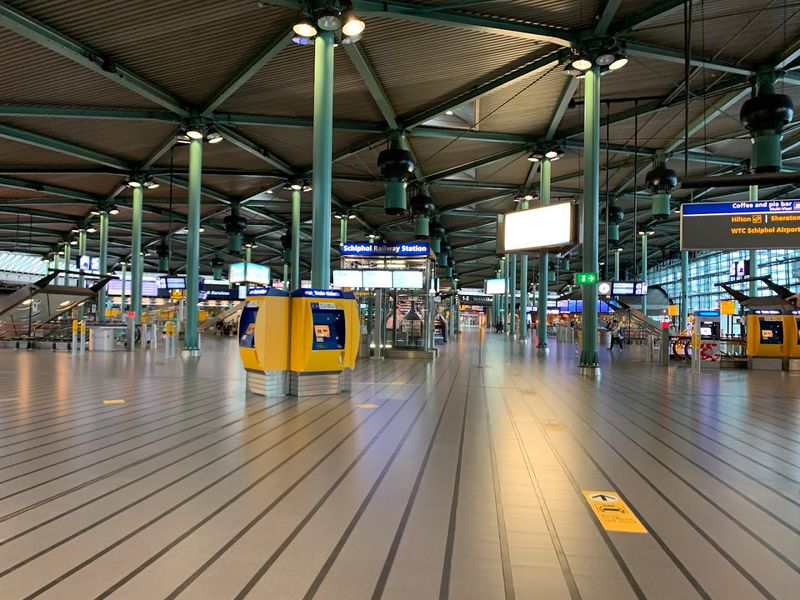
Schiphol has a reputation for being one of Europe’s more organized major airports, but high traffic volume can quickly turn small operational hiccups into significant travel headaches. The airport reported 68.8 million passengers in 2025 and serves 300 destinations across five continents, making it a critical connecting point for travelers across the globe.
One growing concern for summer 2025 is the rollout of the Entry/Exit System for non-EU travelers. Schiphol has been mentioned among airports where longer queues linked to these new biometric border checks are expected to add processing time during peak arrival and departure banks.
For travelers connecting through Amsterdam, that extra time at passport control matters.
Booking morning flights when possible, downloading your boarding pass in advance, and knowing your terminal layout before you arrive are all practical steps worth taking. Schiphol is a well-run airport, but summer volume tests even the best systems.
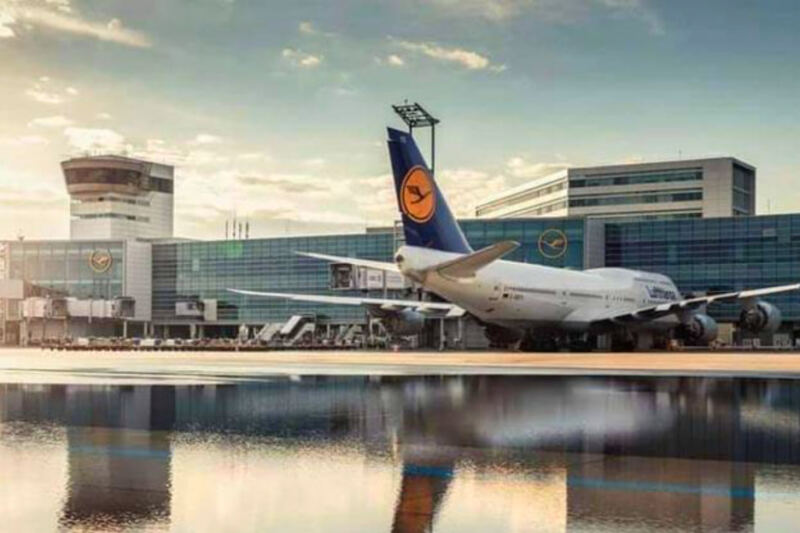
Frankfurt Airport, Germany
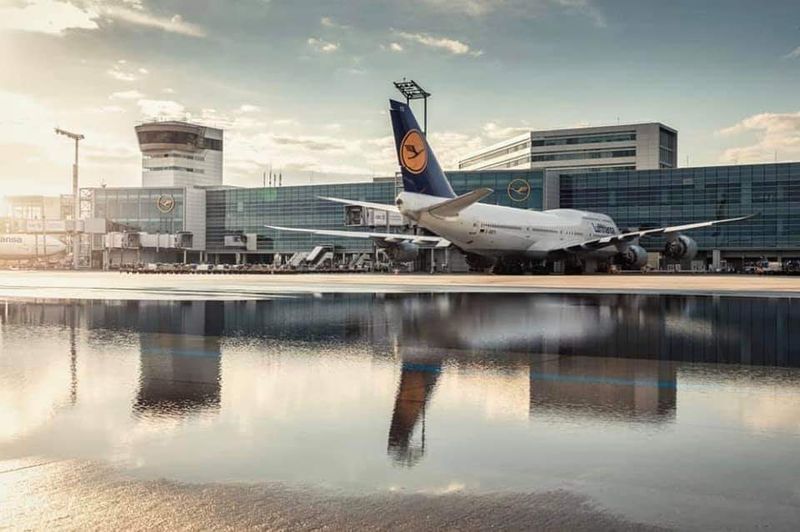
Frankfurt is where European aviation gets serious. As one of the continent’s primary connecting hubs, it consistently ranks near the top of Europe’s airport traffic lists for daily flight movements, and that level of activity creates real challenges for travelers with tight transfer windows.
The complexity of the airport itself is a major factor. Long terminal walks, busy security checkpoints, passport control lines, and multiple satellite buildings mean that moving from one gate to another can take far longer than expected.
Experienced flyers know to check their gate assignment early and start moving before the boarding announcement.
Frankfurt also handles a heavy mix of long-haul international arrivals and short-haul European connections, which means different passport control requirements can stack up in the same busy hour. Missing a connection at Frankfurt is frustrating because rebooking options, while available, often mean a long wait in a very large building.
London Gatwick Airport, United Kingdom
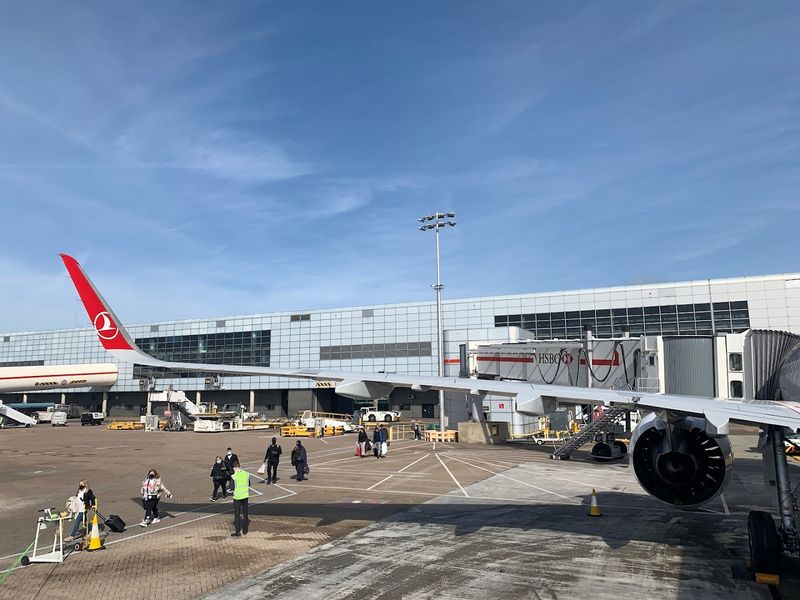
Gatwick does not get the same attention as Heathrow, but it handles its own serious volume of summer traffic. The airport serves a heavy mix of leisure routes, low-cost carriers, and long-haul services, and that combination means the terminals can feel packed well before most people’s flights even start boarding.
Summer disruptions at Gatwick tend to spread quickly. Many of the routes it serves are high-demand holiday destinations, and when delays start building on one bank of flights, the knock-on effect fills the departure lounges fast.
Travelers heading to Mediterranean resorts, Greek islands, or Spanish beach destinations often pass through Gatwick in large groups at similar times.
One practical note worth remembering: Gatwick has two terminals, the North and the South, connected by a transit shuttle. Arriving at the wrong terminal adds time you may not have during a busy travel day.
Double-checking your terminal before you leave home is genuinely worthwhile.
Manchester Airport, United Kingdom
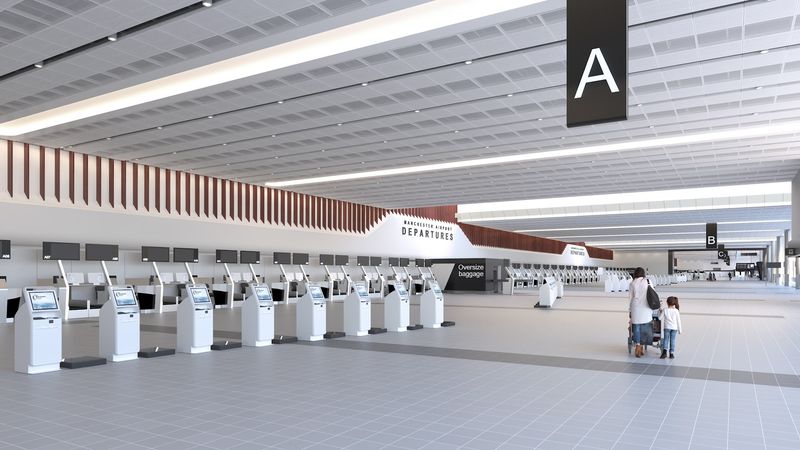
Outside of London, Manchester is the UK’s busiest airport, and that regional importance creates its own kind of pressure. The airport serves more than 32 million passengers annually and acts as the main international gateway for a large portion of northern England.
When things run smoothly, it works well. When delays hit, the effect is felt by a lot of people at once.
Recent reporting has highlighted ongoing delay concerns at Manchester, particularly during peak summer travel windows. Early-morning queues at security, crowded check-in areas, and busy boarding gates can combine to make departures feel rushed and stressful, especially for families traveling with young children or a lot of luggage.
Terminal 2 has been undergoing significant development in recent years, and while improvements are ongoing, construction-related changes can occasionally affect passenger flow. Arriving with plenty of time before your flight is especially useful at Manchester during July and August.
Nice Cote d’Azur Airport, France

Flying into Nice should feel like the beginning of something wonderful, given its setting on the French Riviera. The reality for many summer travelers, though, is that Nice airport comes with a real delay problem.
Eurocontrol-linked reporting named Nice among the European airports with the worst delayed departures in 2025, which is a notable finding for a relatively mid-sized facility.
The airport serves one of Europe’s most popular leisure regions, drawing crowds heading to the Riviera coastline, Monaco, Cannes, and nearby resort towns. That concentrated demand during summer months puts serious strain on the airport’s capacity to handle departures on schedule.
Nice has two terminals, and the airport is compact by major-hub standards. That means when things back up, the congestion becomes visible quickly.
Travelers flying home from a Riviera holiday should budget extra time and avoid cutting their last beach day too close to their departure window.
Zurich Airport, Switzerland
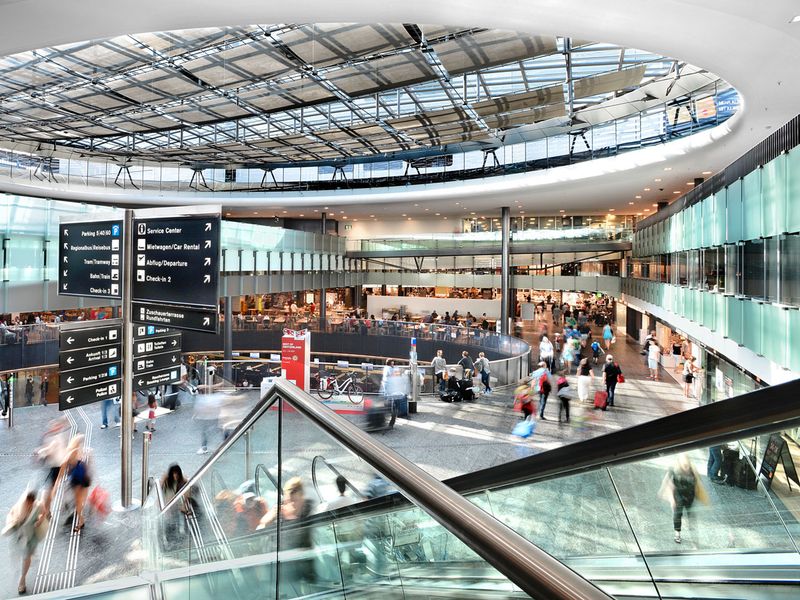
Switzerland’s reputation for precision and efficiency makes Zurich Airport one of the more surprising entries on this list. The assumption that everything will run perfectly can make any disruption feel worse than it might elsewhere.
Eurocontrol-linked reporting placed Zurich among the European airports with the worst delayed departures in 2025, which challenges the idea that Swiss airports are automatically stress-free.
The stress at Zurich often comes from a gap between expectation and reality. Travelers who plan tight connections because they trust the system can find themselves caught when delays stack up during busy summer windows.
Passport control waits and security queues during peak periods are also factors that catch some visitors off guard.
Zurich is still a well-run, clean, and navigable airport. The shopping and dining options are genuinely good, which helps during a wait.
But summer travelers should treat it with the same caution they would apply to any major European hub.
Munich Airport, Germany
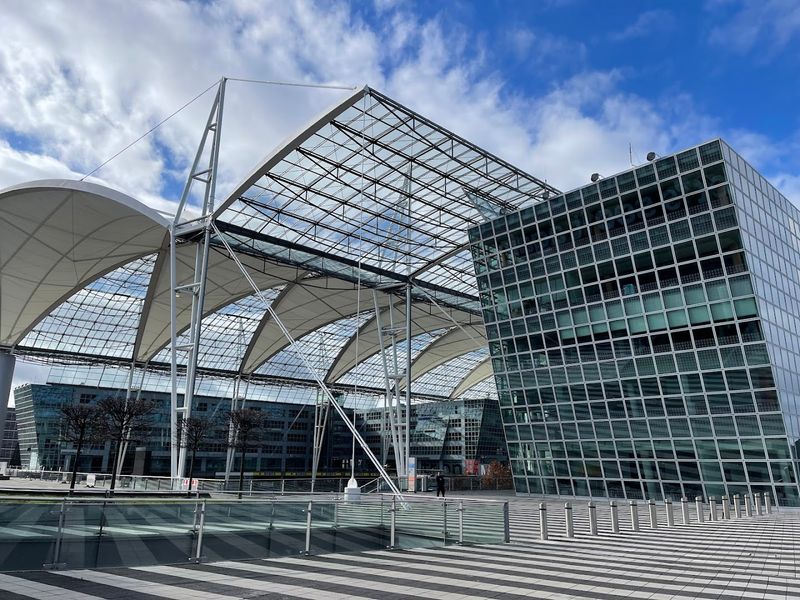
Munich is generally considered one of Europe’s better-run major airports, but that does not make it immune to summer stress. Its role as a key connecting hub for Lufthansa and Star Alliance partners means it handles enormous transfer traffic, and long walking distances between gates can catch travelers off guard when time is short.
The airport has also been noted among facilities affected by broader European border-processing concerns tied to the Entry/Exit System rollout. Non-EU travelers moving through Schengen border checks at Munich may encounter longer processing times during peak summer periods, which adds pressure to already tight connection windows.
Munich’s two main terminals are connected by an underground people mover, and the satellite building adds another transit step for some departures. Understanding your gate location before landing is worth the two minutes it takes.
The airport is efficient overall, but summer volume stretches every system, and Munich is not an exception.
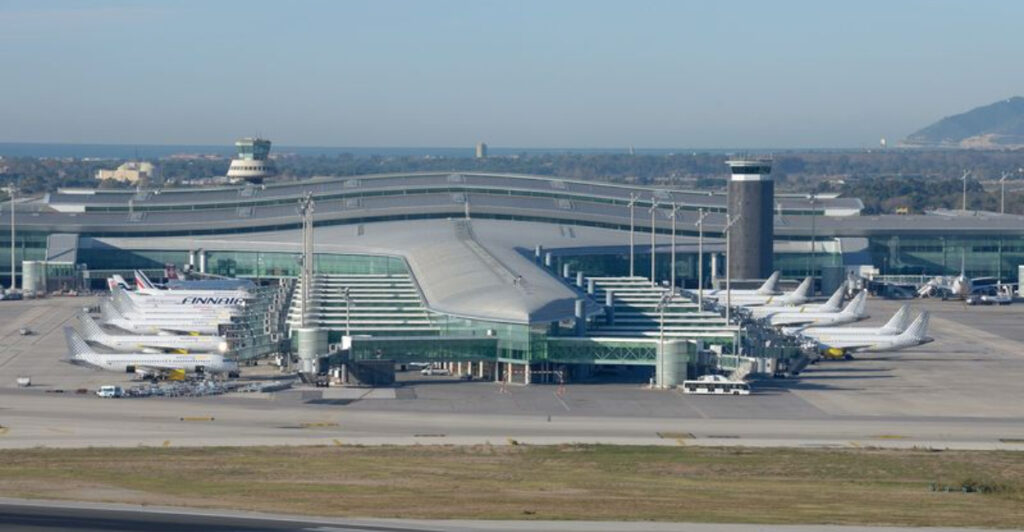
Barcelona El Prat Airport, Spain
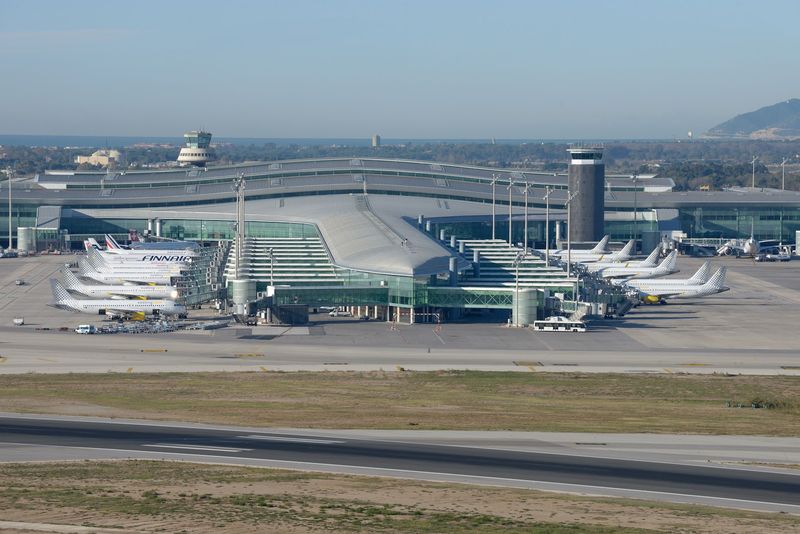
Barcelona El Prat handles an extraordinary mix of traffic. City-break visitors, cruise passengers, beach travelers, international business routes, and major long-haul connections all flow through the same facility, and in summer that combination creates a noticeably chaotic energy in the terminals.
Spanish airports have been highlighted in reporting about longer border queues connected to Europe’s Entry/Exit System, with Spain among the countries experiencing notable pressure during peak periods. For non-EU travelers arriving or departing through Barcelona, that means passport control can become a significant time factor.
El Prat has two main terminals, T1 and T2, which are not walking distance from each other. Travelers connecting between airlines that use different terminals need to factor in transfer time carefully.
The airport is large, and while it has good facilities, the volume of summer passengers can make even simple tasks like finding a seat before boarding feel like a challenge.
Palma de Mallorca Airport, Spain
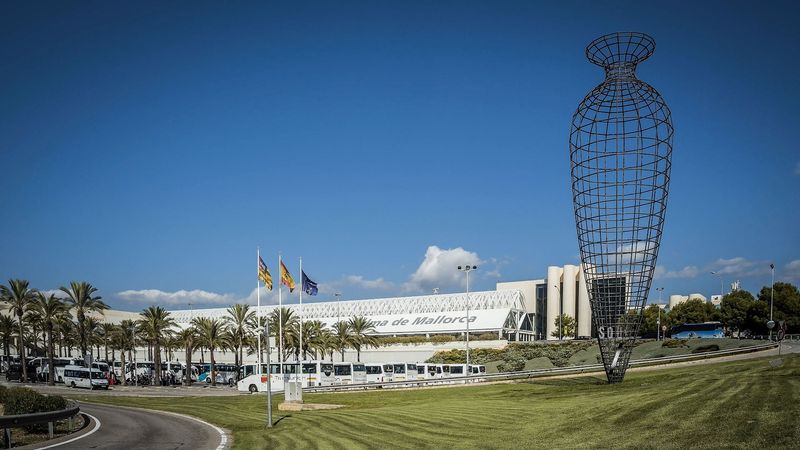
Palma de Mallorca Airport is one of those places where the entire character of the facility changes between winter and summer. The airport serves a major holiday island, and traffic arrives in concentrated waves, particularly on Saturdays and during school holiday breaks when entire charter flights land within short windows of each other.
Recent reporting specifically named Palma among the airports facing some of the most serious queue concerns related to the Entry/Exit System during the summer period. When holiday crowds, new biometric border checks, and delayed inbound flights arrive at the same time, the result can be a very long and uncomfortable wait at passport control.
Travelers flying into or out of Palma this summer should treat arrival and departure times conservatively. Giving yourself a full extra hour beyond what seems necessary is not overcautious here.
The island is a fantastic destination, but the airport is genuinely one of Europe’s most pressure-tested during peak season.
Milan Bergamo Airport, Italy
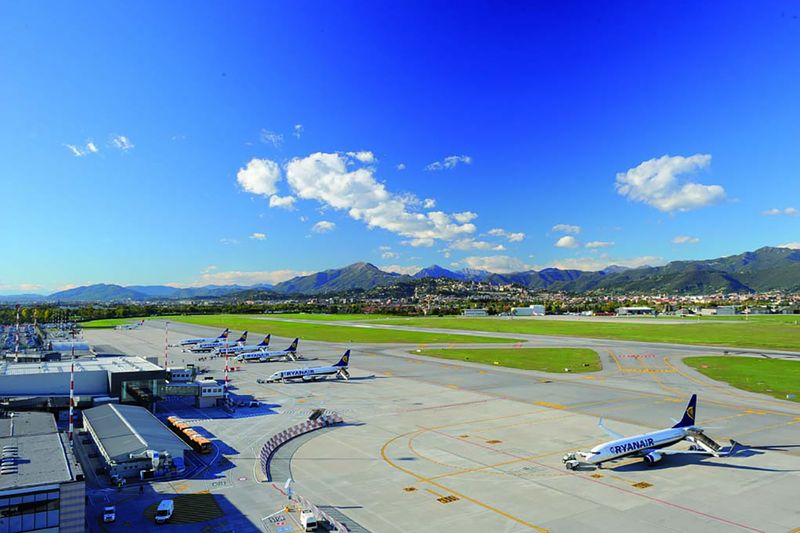
Ryanair made Milan Bergamo one of its key Italian bases, and that low-cost carrier relationship defines the airport’s entire atmosphere. Packed departure areas, strict boarding processes, and minimal dwell space are part of the daily reality here, and in summer those conditions intensify considerably.
Milan Bergamo was specifically named in recent reporting about airports facing significant summer queue issues under the Entry/Exit System. As a popular gateway for budget travelers entering or leaving the Schengen zone, the airport is particularly exposed to the kind of processing delays that new biometric checks can create during high-volume periods.
The low-cost airport rhythm also means there is very little margin for error. Early morning departures, short turnaround times, and gates that fill up fast leave little room for delays to be absorbed gracefully.
Travelers using Bergamo should check in online, arrive early, and not count on having quiet time before boarding.
Rome Fiumicino Airport, Italy
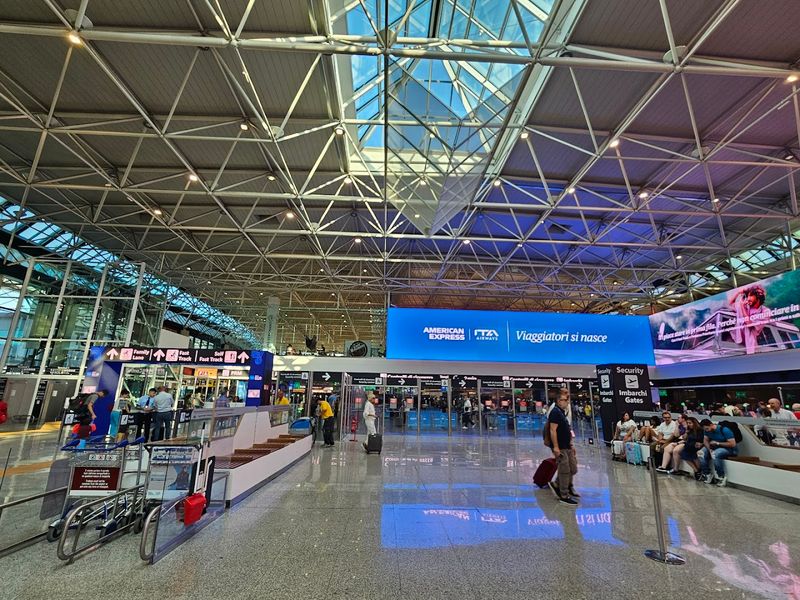
Italy’s main international gateway has been under growing pressure as biometric border checks become part of the arrival process. Reporting from The Times noted that processing times linked to the Entry/Exit System had doubled at Rome Fiumicino, a significant change for an airport that already handles tens of thousands of passengers daily during peak tourist season.
Rome is one of the world’s most visited cities, and the airport reflects that demand. Tourist-season crowds, international arrivals from long-haul flights, and domestic connections all converge here during summer months.
The combination can make passport control lines feel genuinely lengthy, especially for non-EU travelers arriving on popular morning and afternoon flight banks.
Fiumicino is a large, functional airport with multiple terminals and good transport links into the city. But travelers should resist the temptation to plan a tight schedule around arrival.
Building in extra time at the border is one of the most practical things you can do when flying into Rome this summer.
Athens International Airport, Greece
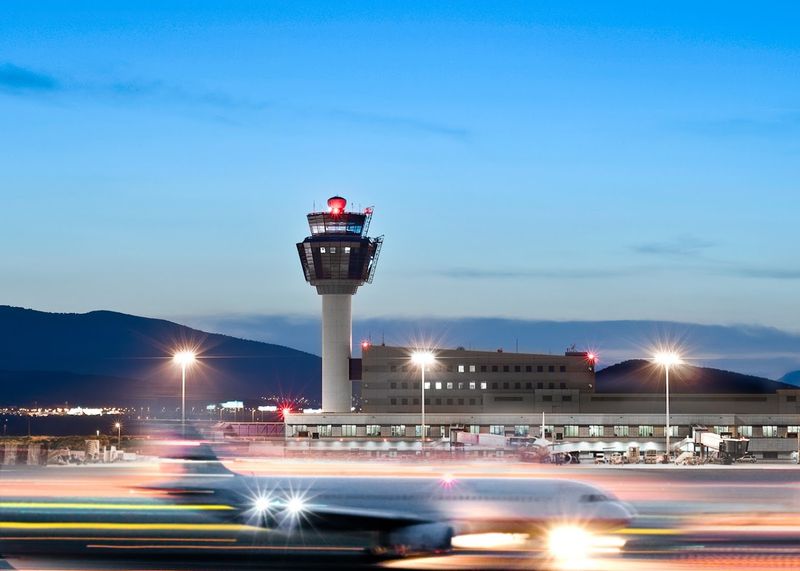
Athens has grown into a major year-round destination, but summer is when the airport truly tests its limits. Eurocontrol-linked reporting named Athens among the worst-affected airports for late arrivals in 2025, which is a meaningful finding for travelers whose Greek itineraries depend on reaching island ferries or domestic connections on time.
The airport serves as the hub for both international arrivals and onward travel to the Greek islands, so a delayed inbound flight can ripple outward into ferry bookings, hotel check-ins, and domestic island-hopper schedules. Even a moderate delay can feel significant when it disrupts a carefully planned island-hopping route.
Athens International is a modern, well-equipped airport with clear signage and decent facilities. The challenge is not the building itself but the traffic it handles during July and August.
Travelers heading to Santorini, Mykonos, Crete, or other island destinations should plan arrival buffers and avoid booking the last ferry of the day immediately after an international flight.
Brussels Airport, Belgium
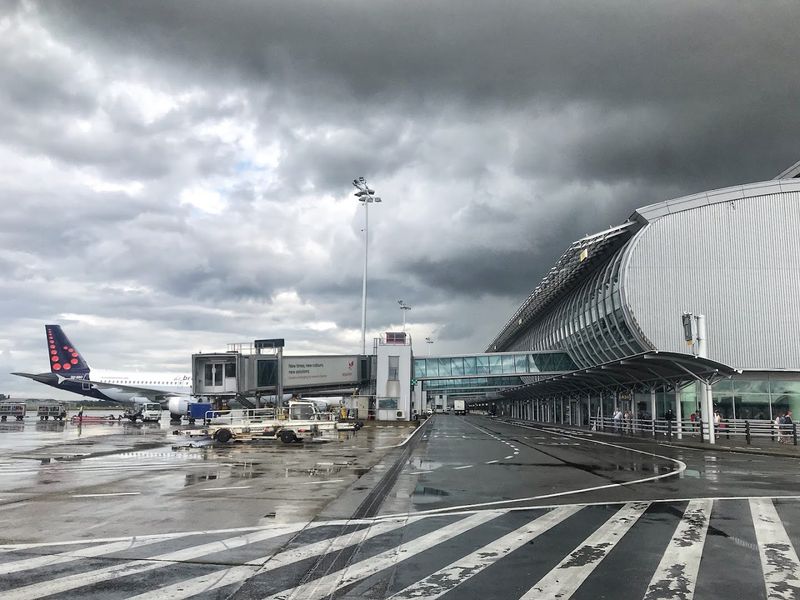
Brussels Airport occupies an unusual position in European aviation. It handles business travelers, EU institution-related traffic, leisure routes, and significant international connections, all moving through a single main terminal.
That mix creates a complex passenger profile that can be harder to manage during peak summer periods.
Reporting has highlighted serious queue concerns at Brussels, including long waits during busy holiday travel days, particularly for passengers flying outside the Schengen zone. The airport’s role as a gateway for EU-related travel means it sees a consistent baseline of activity that summer leisure travel stacks on top of, rather than replacing.
Travelers flying through Brussels should give themselves extra time, especially for non-Schengen departures and arrivals. The airport is open, active, and well-connected to the city center via train, which is a genuine advantage.
However, treating Brussels as a stress-free quick stop during summer peak weeks is a gamble that does not always pay off.
Share this story