There is a park in Toms River, New Jersey, that stretches across forested land, follows a winding river, and somehow manages to offer something different every single month of the year. Whether you have lived in Ocean County your whole life or are just passing through, this place has a way of pulling people back again and again.
The sections ahead cover everything worth knowing, from the trails and wildlife to the best times to visit and the hidden corners that most people walk right past.
Where the Park Begins: Address, Location, and Layout
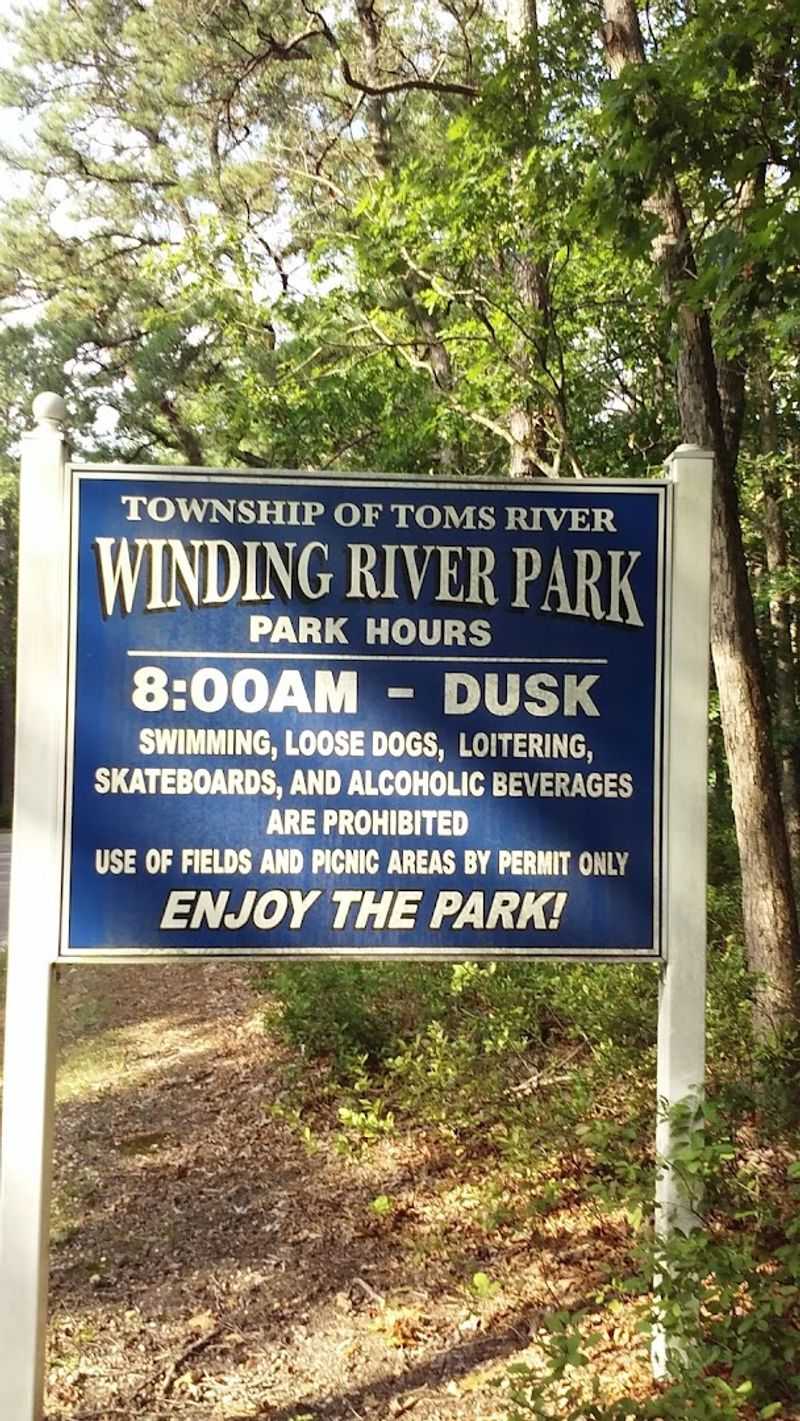
Winding River Park sits at 50 NJ-37 W, Toms River, NJ 08753, right off the busy Route 37 corridor in Ocean County, New Jersey. The south entrance along Route 37 is easy to find, and the park also connects to a north entrance near Oak Ridge Parkway, giving visitors two access points to the same green space.
The layout is straightforward but covers a lot of ground. A paved main trail runs approximately 3.4 miles out and back, connecting the south gate to the north gate with the Winding River flowing alongside much of the route.
Multiple parking lots are spread across the property, and the park opens daily at 7 AM and closes at 8 PM, making it accessible for early morning walkers and after-school family outings alike.
Restrooms are available at both ends of the main trail, so longer visits are comfortable for everyone, including young children and older adults.
A Park That Has Been Part of the Community for Generations
Long before Route 37 became one of the busiest roads in Ocean County, the land that Winding River Park now occupies was already valued for its natural character. The park has grown into a multi-generational gathering spot, with adults who came here as children now bringing their own kids to the same playgrounds and trails.
That kind of continuity is not common for public parks, and it speaks to how well the space has been maintained and how consistently it serves the community. The paved trail, the softball fields, the picnic shelters, and the playgrounds have all become fixtures in the daily routines of Toms River residents.
Dover Township, which is the official municipal name for Toms River, manages the park through the township’s recreation division, and the steady upkeep over the years has helped it hold onto its appeal across different age groups and changing seasons.
The Main Trail: Paved, Flat, and Surprisingly Long
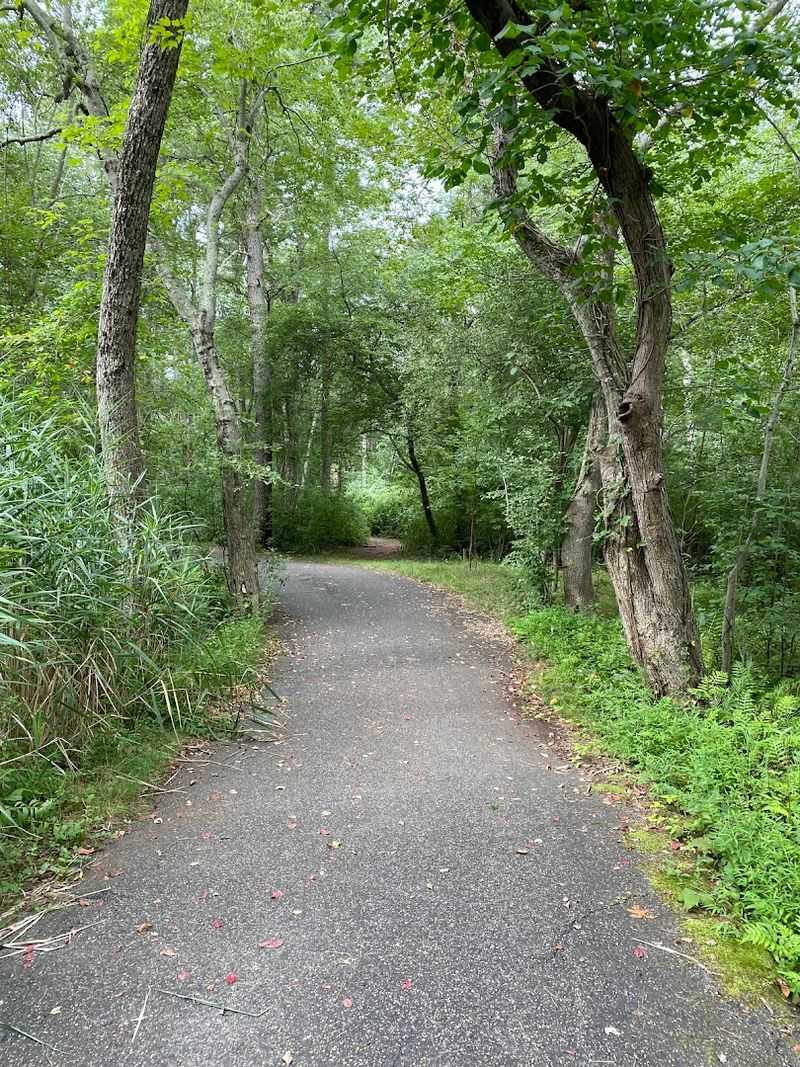
The main trail at this park is one of its biggest draws, and it earns that reputation honestly. The paved path runs about 3.4 miles out and back, keeping a flat grade throughout that makes it accessible for strollers, wheelchairs, cyclists, and casual walkers without a lot of hiking experience.
Mileage markers are posted along the route so walkers and joggers can track their progress without guessing. Trash cans and benches appear at regular intervals, which keeps the trail clean and gives visitors a place to rest whenever they need one.
The path is wide enough that foot traffic and bike traffic coexist without much friction, even on busier weekend mornings.
Off the main paved route, unpaved branch trails cut into the wooded sections of the park, offering a rougher and more exploratory experience for those who want to step away from the smooth surface and get a closer look at the natural surroundings.
Wildlife Along the Way: Deer, Snakes, and Painted Rocks
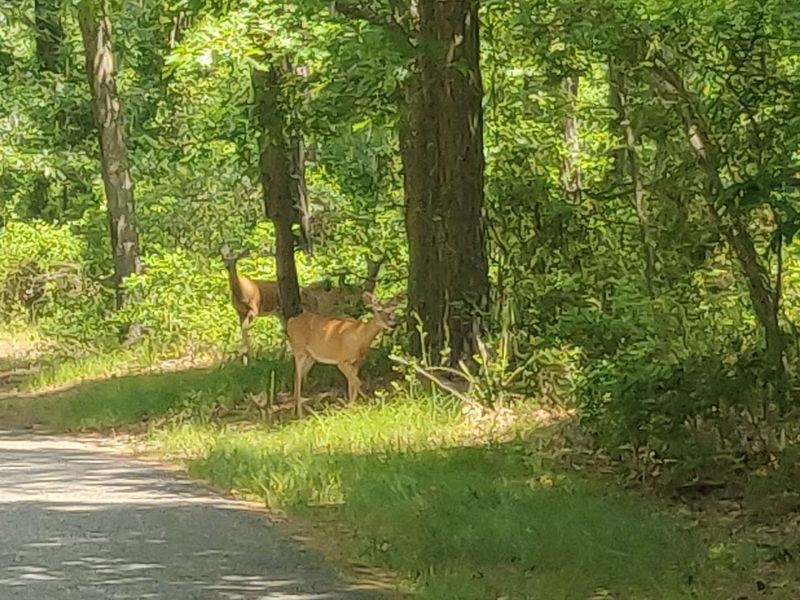
Wildlife sightings are a regular part of a walk through Winding River Park. Deer are frequently spotted grazing near the tree line, and they have grown so accustomed to foot traffic that they often stay put and simply watch as people pass by on the main trail.
The river corridor also supports black water snakes, which are non-venomous but can startle unprepared visitors who sit on benches near the water’s edge. Awareness of the surroundings goes a long way toward making wildlife encounters feel interesting rather than alarming.
Beyond animals, the park has developed a quiet tradition of painted rocks and shells left along the trails by community members. These small, decorated stones often carry uplifting messages or creative artwork, and finding one tucked beside a bench or resting near the river has become a small but genuine highlight for families exploring the park for the first time.
The Faerie Garden: A Whimsical Corner Most People Miss
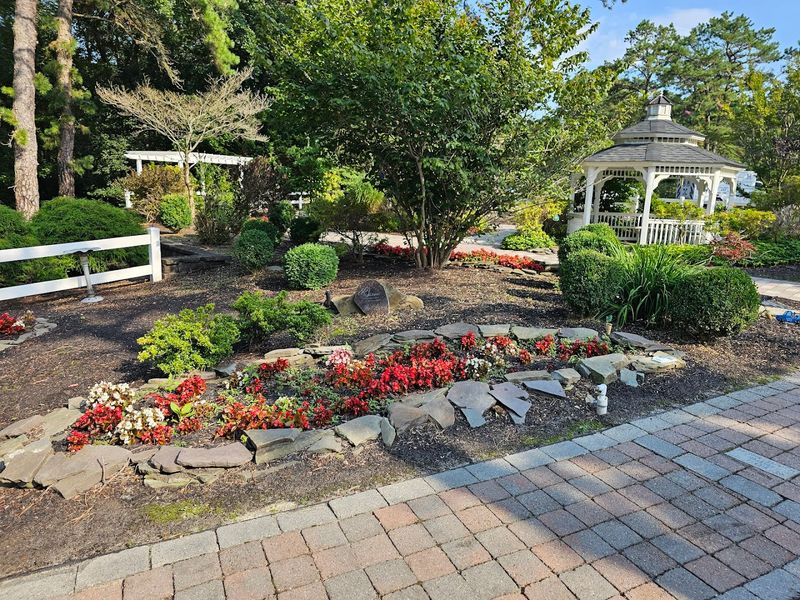
Tucked somewhere along the wooded sections of the park, a small and unofficial faerie garden has existed for years, maintained by community members whose identities remain unknown to most visitors. Tiny handmade structures, miniature doors attached to tree bases, and small trinkets arranged among the roots make up a collection that changes over time as some pieces fall into disrepair and new ones appear nearby.
Nobody officially manages this corner of the park, which is part of what makes it so charming. It exists purely because people decided to create it and keep adding to it, turning an ordinary stretch of trail into something that children genuinely get excited about discovering.
The faerie garden is not marked on any sign or map, so finding it requires a little exploration of the side paths. For families with young children, it has become one of those unexpected park moments that kids talk about long after the visit is over.
Playgrounds and Picnic Areas Built for Real Family Days Out
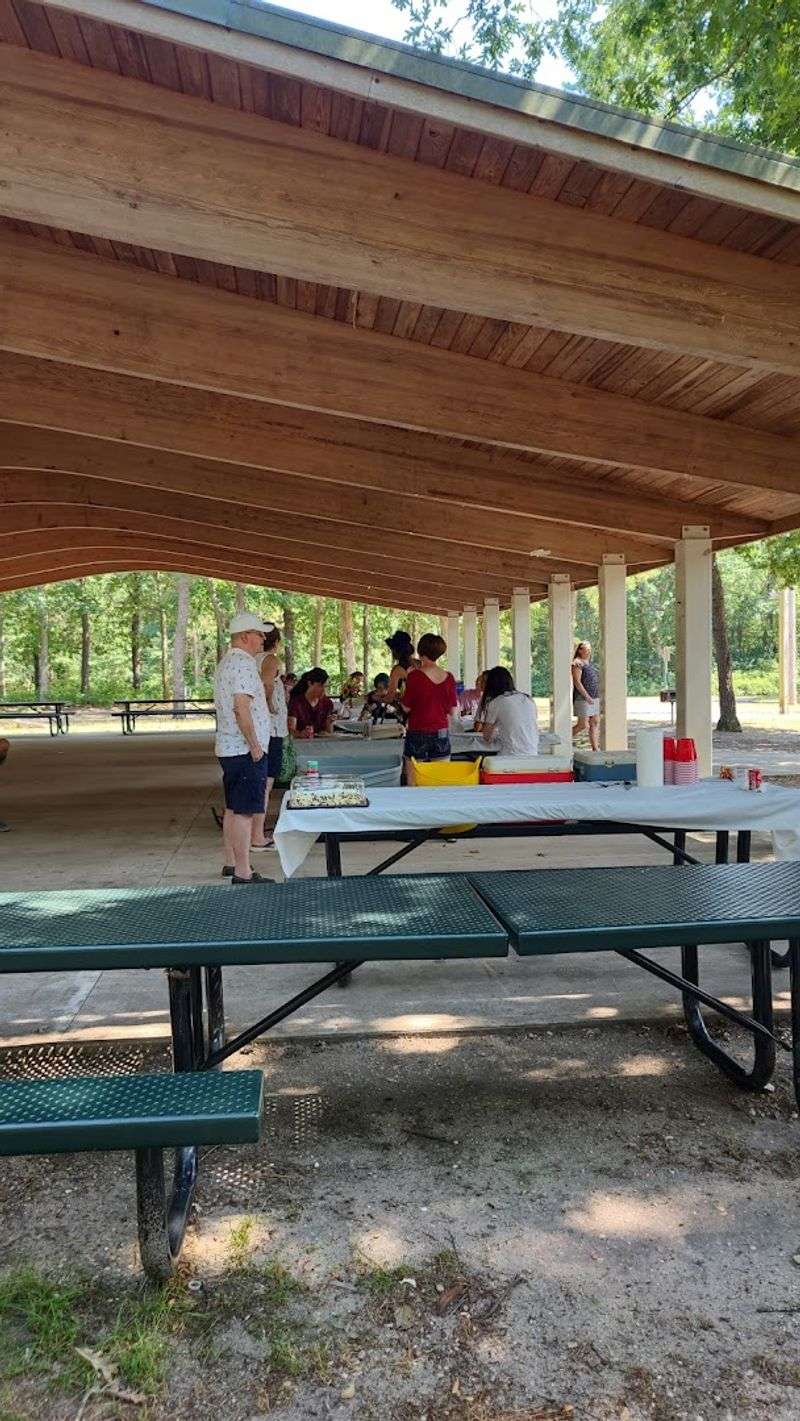
Both the south entrance near Route 37 and the north entrance near Oak Ridge Parkway feature playground equipment and covered picnic shelters, which means families do not have to walk far from the parking lot to find a comfortable setup for a full afternoon outside.
The picnic areas come with multiple tables and enough space to accommodate larger gatherings, making them practical for birthday parties, school group outings, or casual weekend get-togethers. The covered shelters add weather protection that extends usability even on cloudy or lightly rainy days.
The playgrounds themselves are suited for younger children and provide a natural stopping point during longer trail walks. Many families use the south entrance picnic area as a base camp of sorts, setting up their belongings there before heading out on the main trail and returning to eat once the walk is done.
It is a simple system that works well for groups with mixed ages and energy levels.
Softball Fields and Active Recreation Beyond the Trails

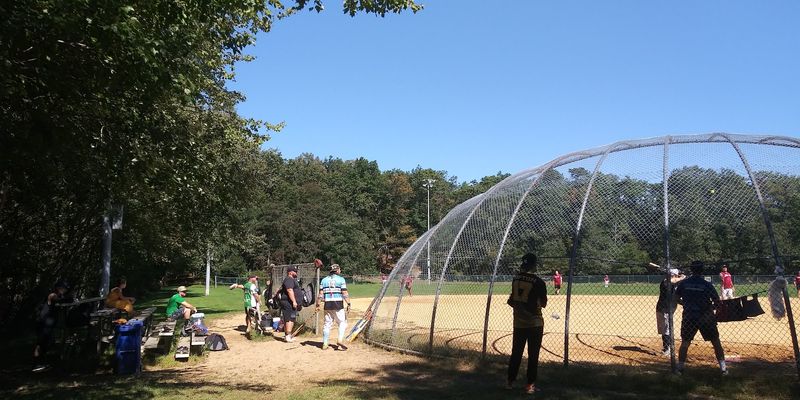
Winding River Park is not only for walkers and cyclists. The property includes softball fields that serve organized leagues and casual games throughout the warmer months, adding a team-sport dimension to a park that already covers a wide range of recreational interests.
The fields are positioned away from the main walking trail, which keeps the two experiences from interfering with each other. Families on the trail are not walking through an active game, and players on the field are not competing for space with cyclists or stroller-pushing parents.
That separation is one of the thoughtful design elements that makes the park function smoothly even when multiple activities are happening at the same time.
For Toms River youth sports leagues and community softball teams, the fields provide a well-maintained and accessible venue that does not require traveling to a distant facility. The combination of athletic fields and nature trails in one location is a genuinely practical asset for the township.
Bird and Duck Watching Along Nature Study in the River Corridor
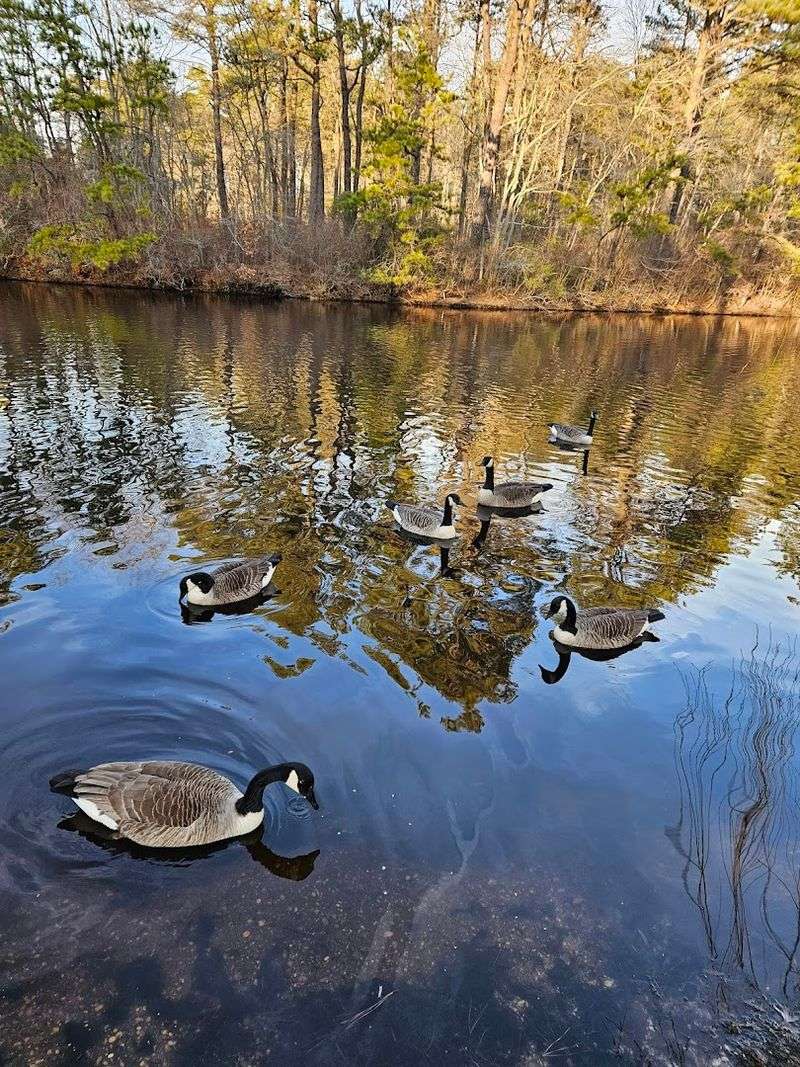
The stretch of river running through the park creates a natural corridor that supports a variety of bird and duck species throughout the year. The combination of open water, wooded banks, and meadow-adjacent areas makes the park a productive spot for birdwatching without requiring specialized equipment or expert knowledge.
Seasonal changes bring different species through the area, so regular visitors who pay attention to the tree lines and the river’s edge tend to build up a mental list of sightings over time. The park’s relatively low noise level, especially on weekday mornings, makes bird activity easier to notice and track.
For educators looking for an accessible outdoor classroom, the park’s river corridor checks a lot of boxes. The variety of habitat types within a short walking distance allows for practical nature study that does not require a field trip to a distant nature reserve.
The park’s central location in Toms River makes it a realistic option for local school groups as well.
Practical Tips for Visiting: Ticks, Thorns, and Trail Smarts
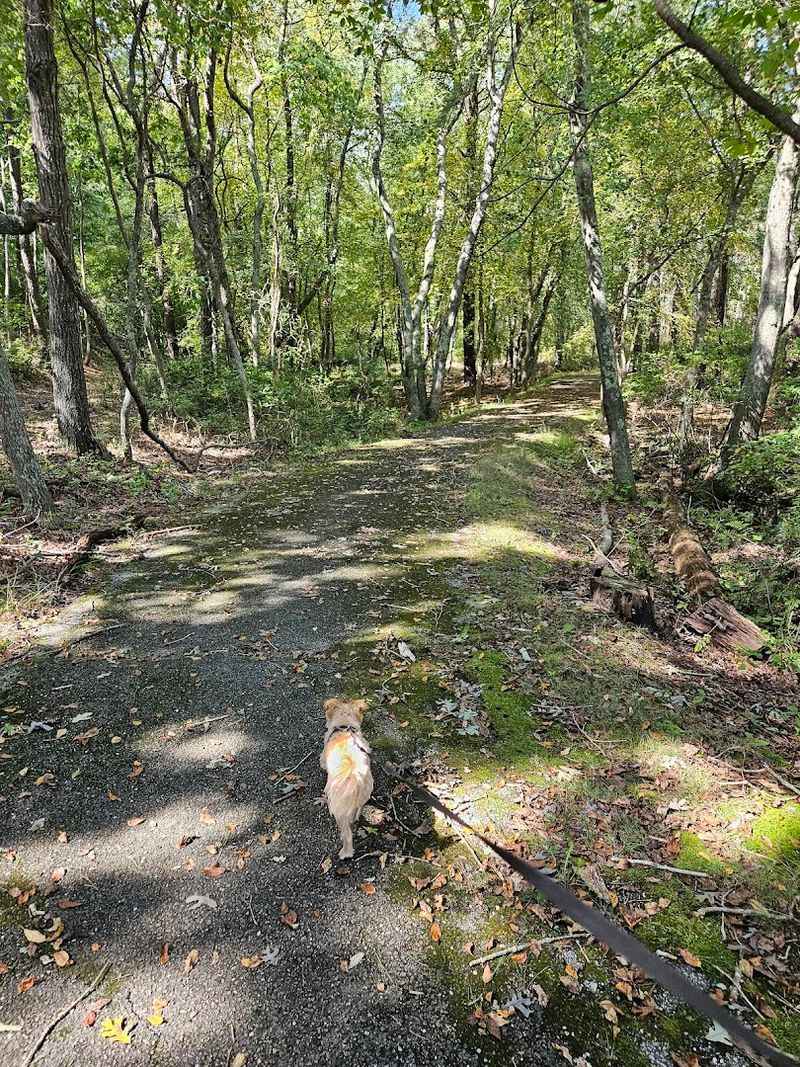
A visit to Winding River Park goes more smoothly with a little preparation. The wooded areas flanking the main trail are heavily laden with thorns, and straying off the paved path into the underbrush is not advisable, especially for children and pets.
The main trail is clear and well-maintained, but the edges of the woods on either side are genuinely dense.
Ticks are a real concern, particularly during warmer months. Staying on the paved trail significantly reduces exposure, but checking clothing and pets thoroughly after every visit is a smart habit regardless of how close to the path you stayed.
Pets should be kept away from the wooded borders to minimize tick contact.
The park has no internal maps or directional signs posted along the trail, but the route is linear enough that getting turned around is unlikely. Bringing water, wearing appropriate footwear, and arriving early on hot days will cover most of what first-time visitors need to know.
Why This Park Keeps Drawing People Back Season After Season
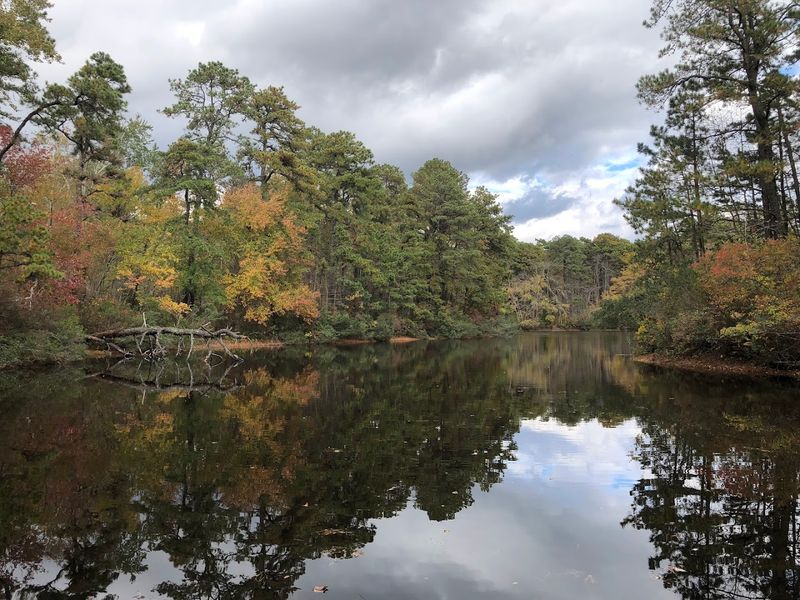
Parks that genuinely work for multiple seasons, age groups, and activity types are harder to find than they should be. Winding River Park in Toms River manages to pull it off without feeling stretched too thin across too many purposes.
The trail system, the river, the fields, the rink, and the picnic areas all coexist without competing, and the result is a public space that earns repeat visits naturally.
Families return because the experience is different in October than it is in July, and different again in January when the ice rink is running. Regular walkers return because the trail is consistent, clean, and easy to fit into a daily routine.
Anglers, cyclists, birdwatchers, and kids who once spotted a deer near the tree line all have their own reasons to come back.
That breadth of appeal, built on a foundation of solid maintenance and genuine natural character, is ultimately what makes this Toms River park something worth talking about.
Share this story