 Unearth The Voyage
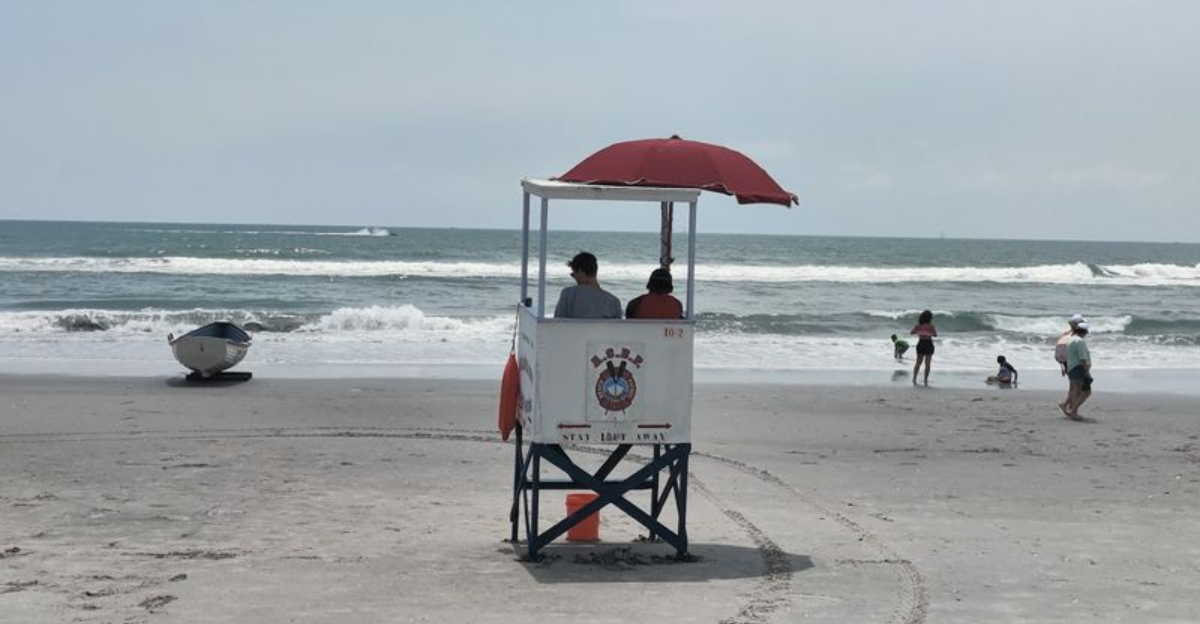
There is a stretch of Atlantic City shoreline that carries more history than most textbooks ever mention. During a time when segregation divided nearly every public space in America, one beach became a gathering place where Black families, entertainers, and community leaders created something extraordinary out of forced separation.
That beach did not disappear when segregation ended. It grew into a symbol of pride, community, and cultural memory that still draws people from across the country today.
The story behind this particular patch of New Jersey coastline is one of the most compelling examples of how a community can transform a painful chapter into a lasting legacy. From the jazz legends who walked its boardwalk to the annual events that keep its spirit alive, this is a place where history and the present exist side by side.
Where It All Began: The Address and Setting
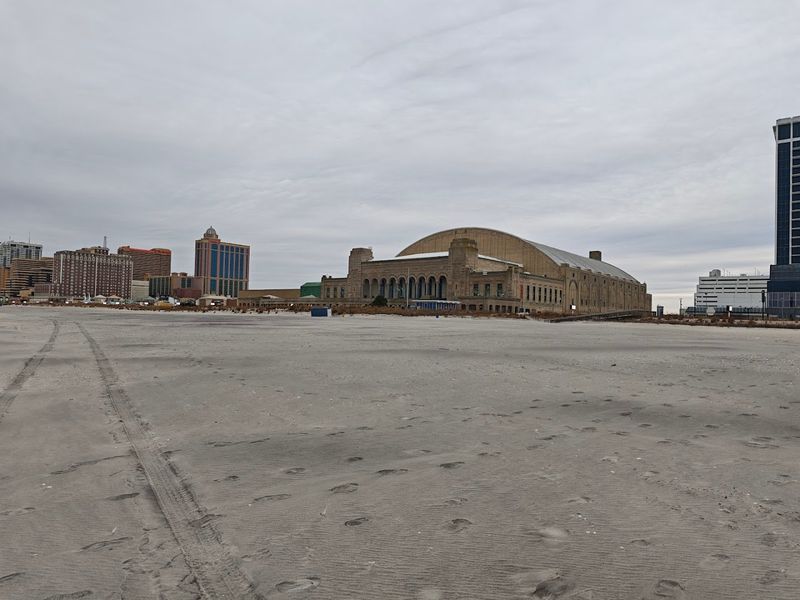
Chicken Bone Beach sits along the Boardwalk in Atlantic City, NJ 08401, with its most recognized entrance near Missouri Avenue. That specific corner of the Atlantic City shoreline carries a weight of history that most beaches simply do not have.
During the era of racial segregation in the United States, Black beachgoers were restricted to this section of the beach. Rather than accepting that restriction as a humiliation, the community transformed it into a destination.
Atlantic City sits on Absecon Island along the New Jersey coast, and its boardwalk is one of the most famous in the country. Chicken Bone Beach occupies a central stretch of that iconic walkway, close to the Atlantic City Convention Center and within view of several well-known landmarks.
The beach is open to the public and remains free to access. Chair rentals are available for those who want to settle in and stay a while, making it easy for anyone to enjoy the space.
The Name That Carries a Complicated History
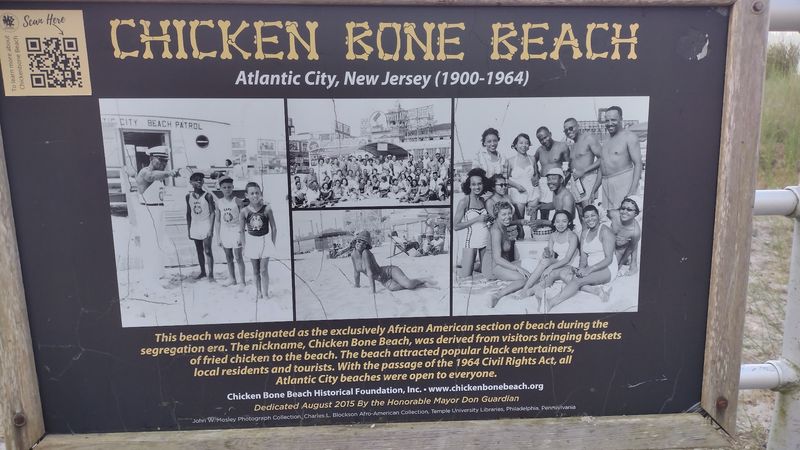
The name “Chicken Bone Beach” raises eyebrows for a reason. It originated as a nickname tied to the picnic culture of the beach, where Black families would gather with home-cooked food, including fried chicken, during a time when they were excluded from most restaurants and public facilities along the boardwalk.
Some people hear the name and feel uneasy, wondering whether it carries a negative edge. That discomfort is understandable, and the conversation around the name is very much alive today.
What matters most, though, is how the community itself has chosen to reclaim it. Rather than erasing the name, many locals and historians treat it as a badge of cultural identity, a reminder of a time when Black families made the best of unjust circumstances.
The name now appears on a historical marker on the boardwalk, officially recognizing the beach’s place in African American history. That marker transforms a complicated nickname into a point of documented pride.
Segregation on the Shore: What Life Was Really Like

Atlantic City in the early twentieth century was a city of stark contrasts. The boardwalk gleamed with hotels, entertainment, and the promise of leisure, but Black residents and tourists were largely shut out from most of those spaces.
Black beachgoers were legally and socially restricted to a small section of the shoreline. They could not use the same hotels, restaurants, or beach areas as white visitors, even when they were paying customers in the same city.
That segregated stretch became Chicken Bone Beach. Rather than being a place of shame, it became a hub of community life.
Families set up picnics, children played in the water, and neighbors caught up on each other’s lives in a space that felt genuinely theirs.
Understanding this history makes a visit to the beach far more meaningful. The sand and waves look the same as any other stretch of Atlantic City, but the story underneath is entirely different and worth knowing before you arrive.
Jazz, Celebrity, and the Glamour of a Segregated Era
One of the most striking aspects of Chicken Bone Beach’s history is the caliber of people who passed through it. Black entertainers who performed in Atlantic City’s clubs and venues would often make their way to this beach, since it was one of the few places in the city where they were openly welcomed.
Figures like Sammy Davis Jr. and Martin Luther King Jr. are among the notable names connected to Atlantic City’s Black community during this period. The beach and its surrounding blocks formed a cultural corridor that buzzed with music, conversation, and community energy.
Atlantic City had a thriving Black entertainment district during the mid-twentieth century, and the beach served as an informal extension of that world. It was where the formal performances ended and real life began.
That combination of celebrity presence and everyday community life gave the beach a unique character that no other spot in Atlantic City could claim. The legacy of that era still shapes how the community talks about this place today.
The Heritage Society Keeping the Story Alive
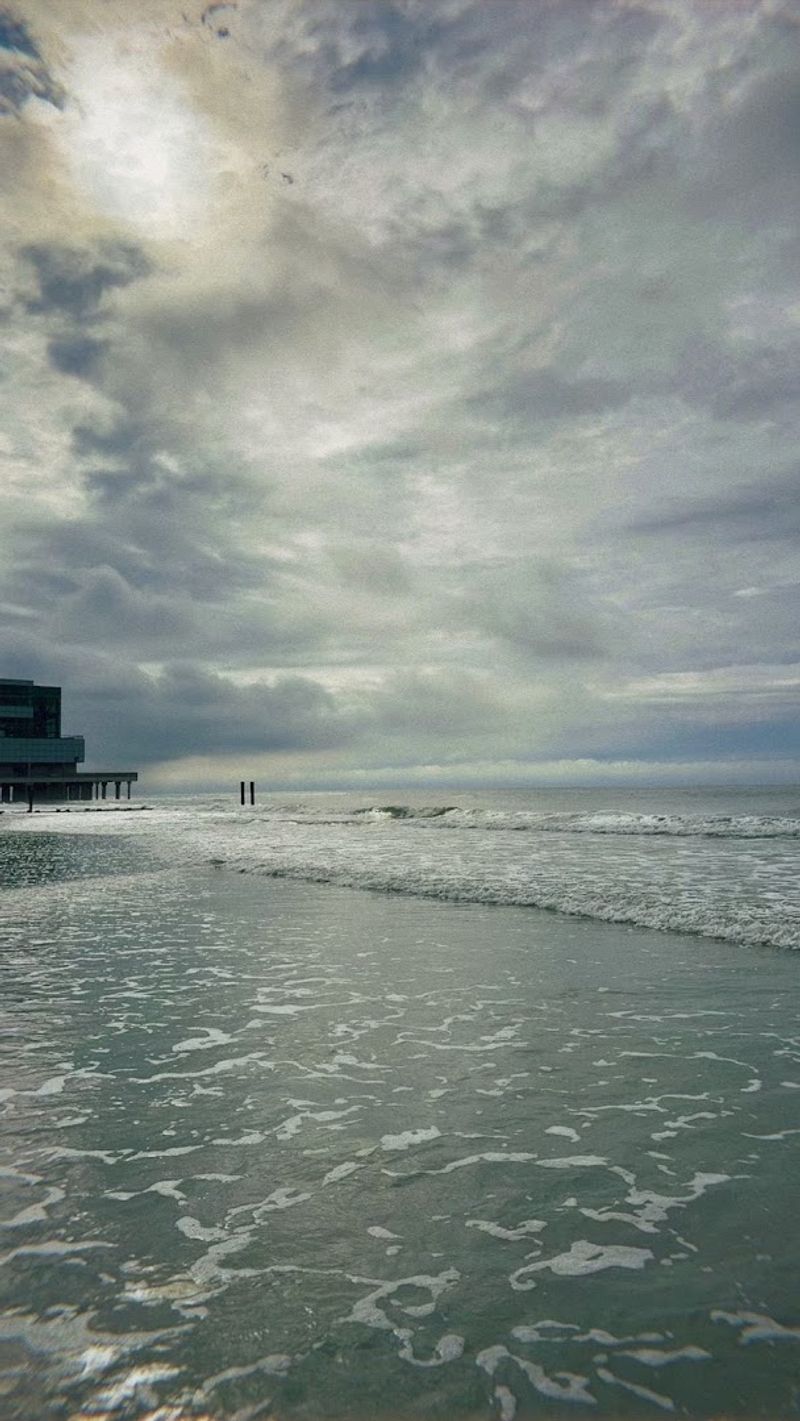
History does not preserve itself. Behind Chicken Bone Beach’s continued relevance is an active heritage society dedicated to promoting Black culture and unity in the Atlantic City area.
The Chicken Bone Beach Historical Foundation has worked to ensure that the story of this stretch of shoreline does not fade into obscurity. Through events, educational outreach, and community programming, the foundation keeps the conversation about this place going year after year.
Their work includes organizing annual events on the beach that draw crowds from across the region. These gatherings are not purely nostalgic.
They are active celebrations of Black culture, featuring live entertainment, community engagement, and a clear message that this beach still belongs to the people who built its legacy.
The foundation also played a key role in getting the historical marker placed on the boardwalk, turning an informal nickname into an officially recognized piece of New Jersey history. That kind of advocacy work is what separates a forgotten place from a celebrated one.
What the Beach Actually Looks Like Today
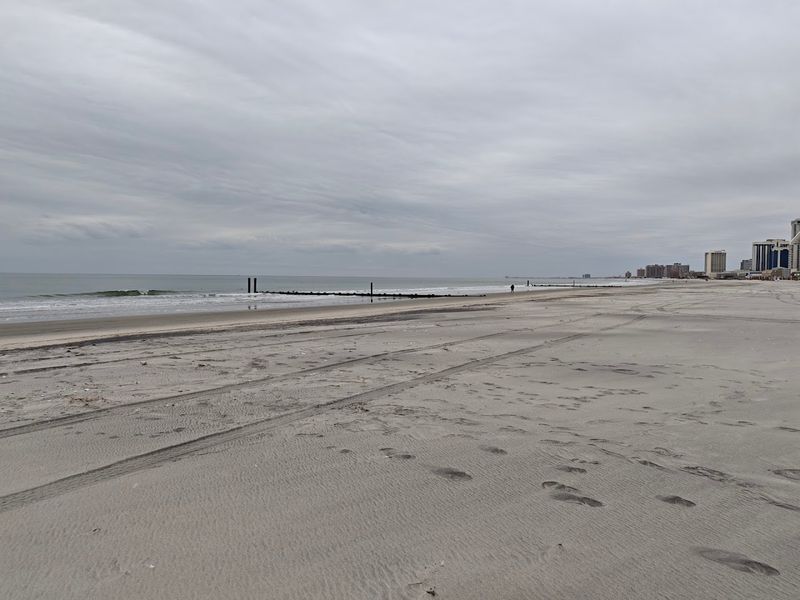
Set aside the history for a moment and the beach itself is genuinely appealing. Chicken Bone Beach is one of the wider, more open stretches of sand in Atlantic City, which makes it feel less crowded than some other sections of the shore even during busy summer weekends.
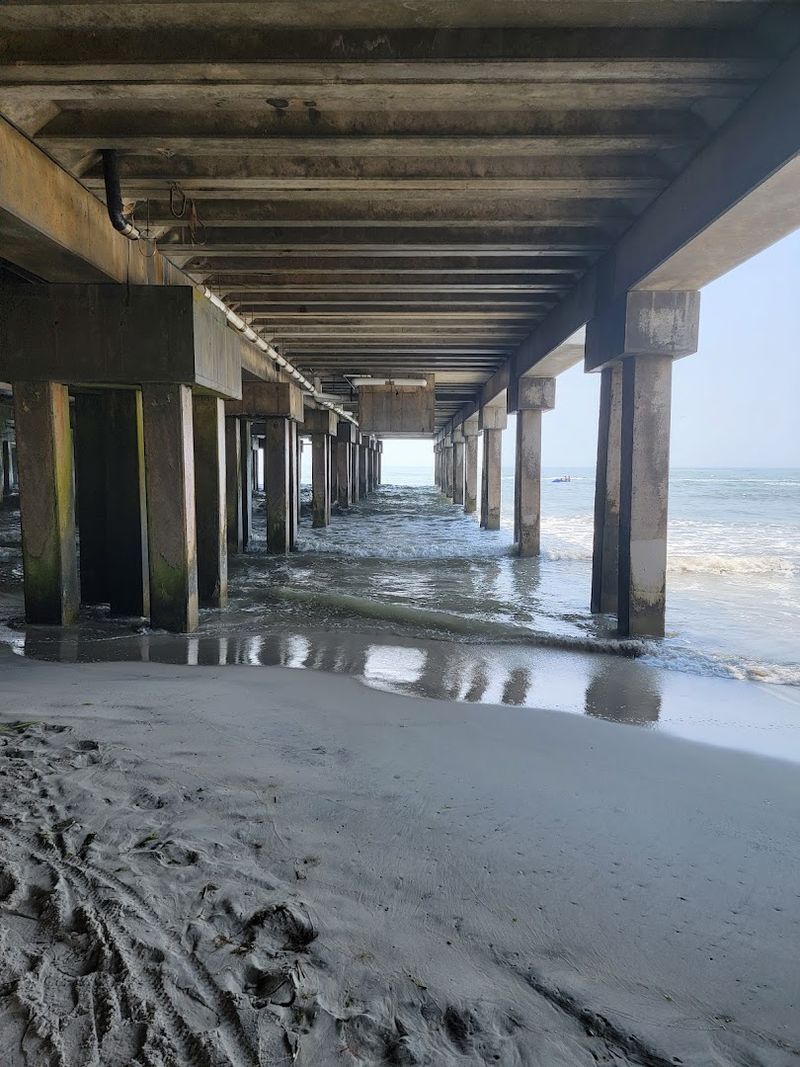
The boardwalk runs directly alongside it, giving easy access to the beach from above. A pier extends nearby, and at low tide it is possible to walk underneath it as waves roll in, which adds an unexpected bit of adventure to an otherwise straightforward beach visit.
The Convention Center and several major hotels form the backdrop, giving the beach a distinctly urban-meets-coastal character that is hard to find anywhere else. It is not a remote, quiet shoreline.
It is a city beach with a big personality.
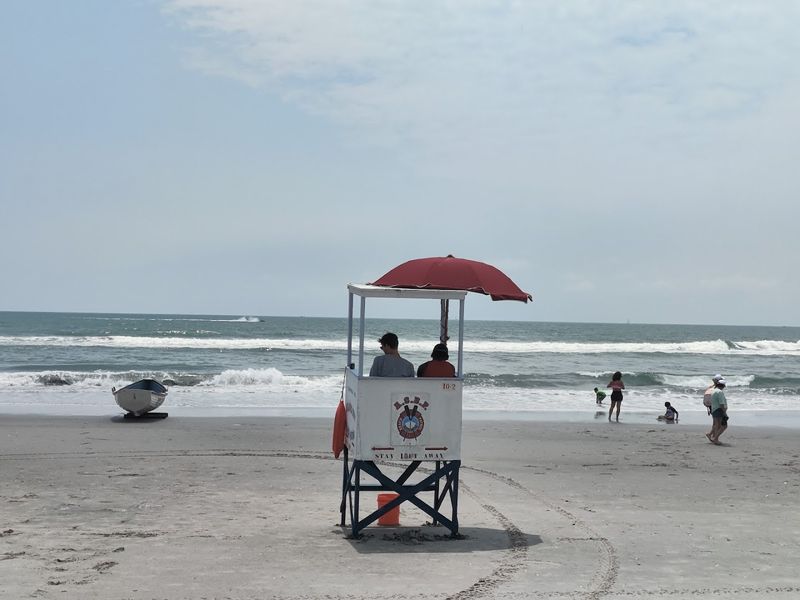
Chair rentals are available for those who want to sit back and stay a while. The beach is clean, well-maintained, and large enough that finding a comfortable spot is rarely a problem, even on busy days.
The Boardwalk Connection: More Than Just Sand
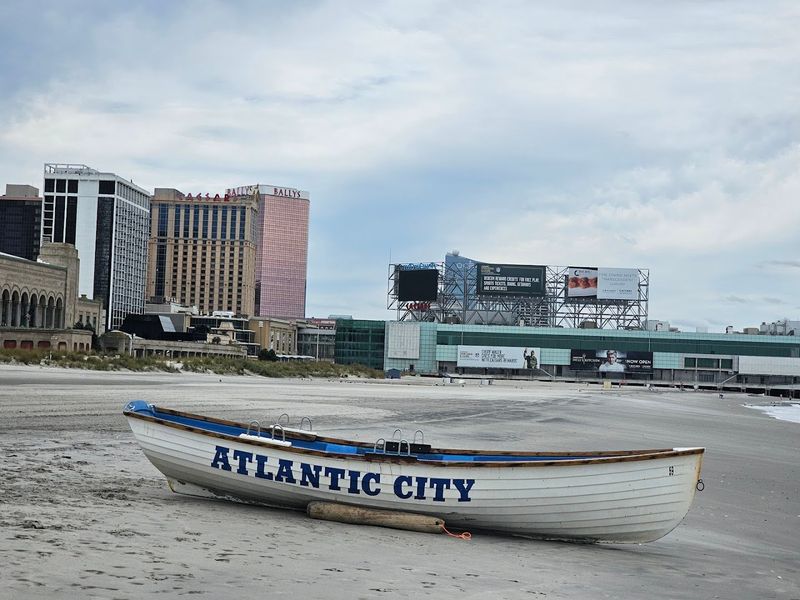
The boardwalk at Atlantic City is one of the most iconic in the United States, and Chicken Bone Beach sits directly on it. That location puts the beach within easy walking distance of some of the city’s most recognizable attractions.
The Atlantic City Convention Center is visible from the beach, and several well-known entertainment venues and former casino buildings are nearby. One of the landmarks visible from this section of the boardwalk is the building formerly known as Trump Tower, which adds an ironic layer to a beach that was once a segregated space for Black Americans.
The boardwalk itself offers a mix of shops, food stands, and entertainment options that make it easy to turn a beach visit into a full day out. Visitors can walk the boards, step down to the sand, and move between the two spaces without any hassle.
The Missouri Avenue entrance is the most commonly referenced access point for the beach. That corner of the boardwalk is also where the historical marker is located, making it the natural starting point for anyone visiting with an interest in the history.
A Place for Reflection and Recognition
Not every historically significant place gets a marker. Chicken Bone Beach does, and that recognition matters more than it might seem at first glance.
The historical marker on the boardwalk tells the story of the beach in plain, direct language. It acknowledges the segregation, the community that formed here despite those restrictions, and the cultural significance of the space.
For many visitors, reading that marker is a genuinely moving experience.
Historical recognition of this kind serves an important purpose beyond tourism. It tells younger generations that their community’s history has been officially acknowledged, that the struggles and triumphs of the people who gathered on this beach were real and worth remembering.
The marker is located near the Rainforest Cafe on the boardwalk, which is a useful reference point for first-time visitors trying to find it. The area around the marker tends to attract people who stop, read, and stand quietly for a moment before moving on, which says something about the power of placing history in a public space.
Over 100 Years of Black Vacationing in Atlantic City
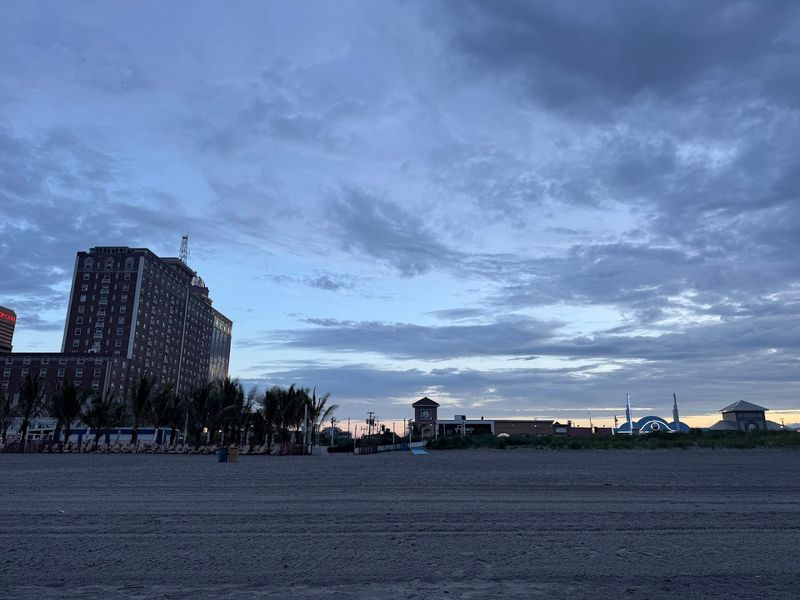
Black and African American families have been coming to Atlantic City for more than a hundred years. That is not a minor footnote.
It is a central chapter in the city’s history that is only recently getting the attention it deserves.
During the early and mid-twentieth century, Atlantic City was one of the few coastal resort destinations accessible to Black travelers in the northeastern United States. Despite the restrictions they faced, Black visitors came in large numbers, stayed in Black-owned boarding houses, and built a vibrant tourism culture of their own.
Chicken Bone Beach was the anchor of that culture. It was the place where the community gathered, celebrated, and connected across generations.
Families who visited as children brought their own children back decades later, creating a continuous thread of memory and tradition.
That unbroken line of community connection is part of what makes this beach so significant. It is not just a historical site.
It is a place where a living tradition has been maintained and passed forward with real intention and care.
How the Beach Compares to the Rest of Atlantic City
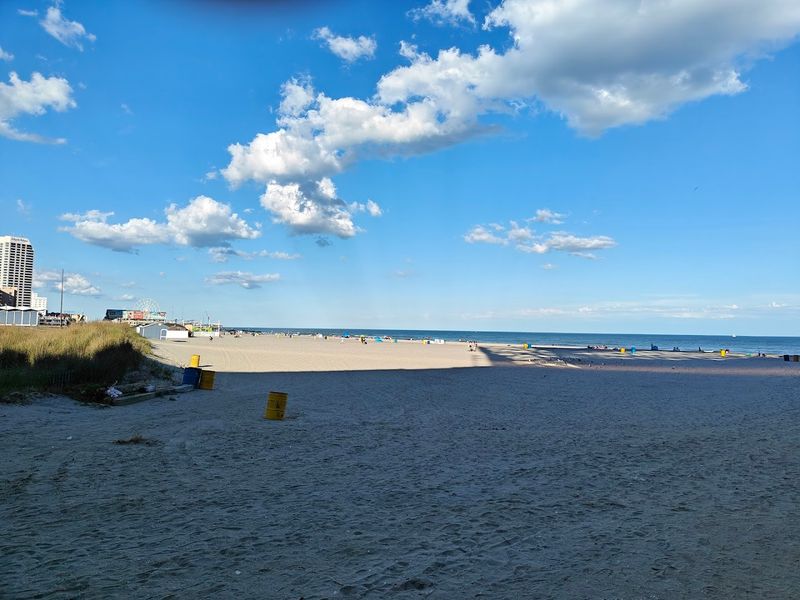
Atlantic City has several distinct beach areas, and Chicken Bone Beach holds its own among them in terms of size, accessibility, and character. It is one of the wider sections of the shoreline, which gives it a more open, less congested feel compared to some of the busier stretches closer to the major casino entrances.
The waves in this area are generally moderate, making it suitable for families with children who want to play in the water without dealing with rough surf. The beach is clean and regularly maintained, which is consistently noted by people who visit.
What separates this beach from every other section of the Atlantic City shoreline is obviously its history, but that history does not make it feel heavy or somber in person. The atmosphere is relaxed and welcoming, with a laid-back quality that stands apart from the higher-energy zones closer to the casino district.
For anyone visiting Atlantic City who wants more than just a standard beach day, this stretch of shoreline offers something that no other spot in the city can replicate.
Why This Beach Still Matters Right Now

History is easy to forget when it is not actively kept alive. Chicken Bone Beach matters today precisely because the community around it refuses to let that happen.
The beach stands as proof that Black Americans built rich, meaningful cultural spaces even under the most unjust conditions. That story is not just relevant to Atlantic City.
It speaks to a broader national history that is still being processed and understood.
Annual events, the heritage foundation, the historical marker, and the ongoing community use of the beach all work together to keep the story current rather than archived. The beach is not being preserved as a relic.
It is being lived in as a community asset.
For anyone who visits Atlantic City and skips this beach, they are missing a place that genuinely earned its significance the hard way. The story of Chicken Bone Beach is one of the most honest accounts of American resilience available on a public beach, and it is completely free to experience firsthand.



