 Unearth The Voyage
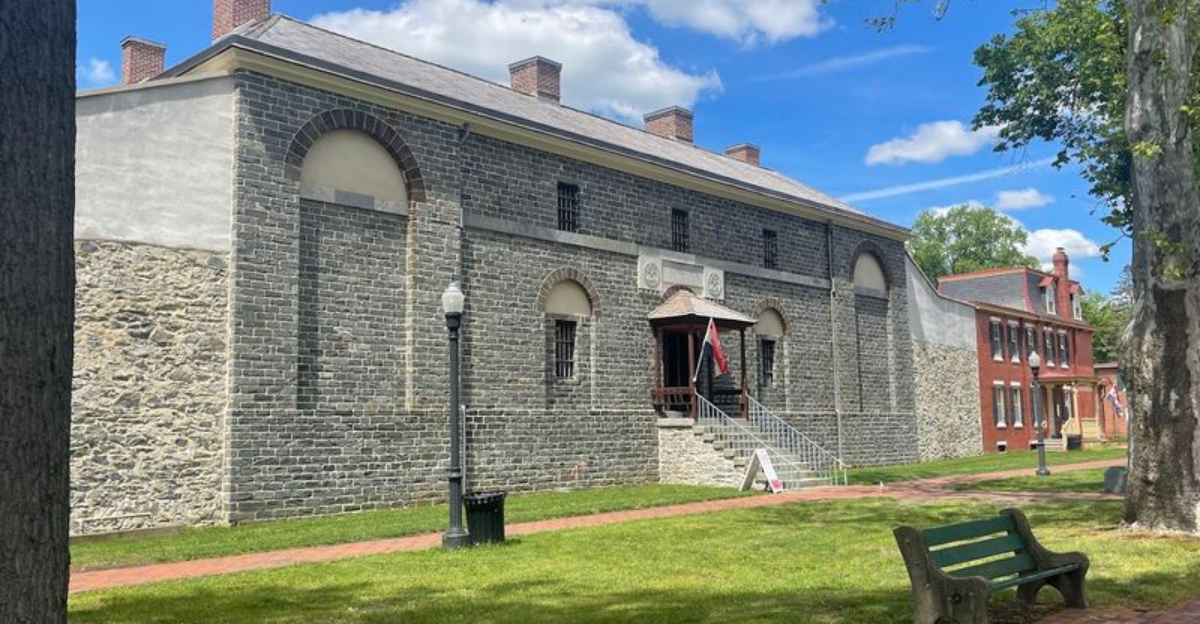
There is a building in Mount Holly, New Jersey, that spent over 150 years locking people up. Today, it throws its doors wide open and invites anyone curious enough to walk through them.
The prison operated from 1811 to 1965, making it one of the longest-running correctional facilities in American history. What happened after it closed is the real story worth telling.
Rather than letting the old stone walls crumble into forgotten history, the county transformed the entire structure into a museum that pulls back the curtain on early American justice. The building is remarkably well-preserved, the exhibits are genuinely thought-provoking, and the price of admission is almost shockingly affordable.
Whether history, architecture, or true crime is your thing, this place delivers something worth the trip.
Where History Still Has a Lock on You
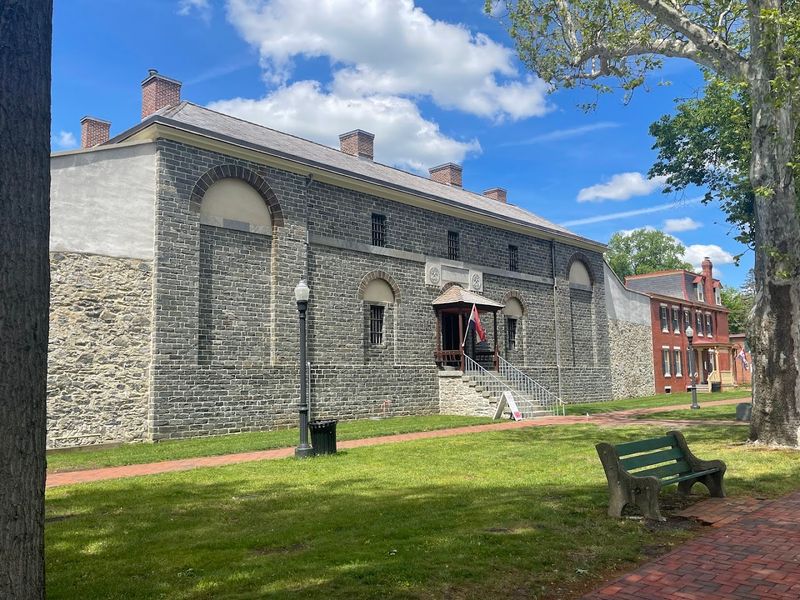
The Burlington County Prison Museum sits at 128 High St, Mt Holly, NJ 08060, right in the heart of downtown Mount Holly, Burlington County, New Jersey. The building is hard to miss, and once spotted, it is even harder to walk past without stopping.
Constructed in 1811, the structure was designed by Robert Mills, the same architect behind the Washington Monument. That architectural pedigree shows in every stone wall and arched corridor inside.
The prison operated continuously for over 150 years before finally closing in 1965, and the county made the forward-thinking decision to preserve it rather than demolish it.
Today, the museum is open Thursday through Sunday, with hours running from 10 AM to 4 PM on Thursday, Friday, and Saturday, and noon to 4 PM on Sunday. The official website at prisonmuseum.net has current event listings and tour details for anyone planning ahead.
A Building That Outlasted Its Own Purpose
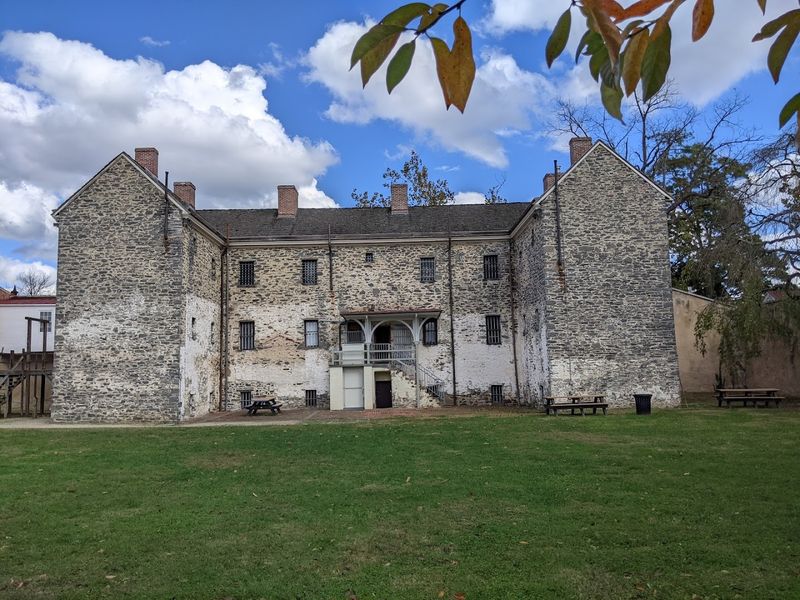
Most buildings built in 1811 are either gone or barely standing. The Burlington County Prison is neither.
The structure has survived more than two centuries with its original stone walls, iron fixtures, and cell blocks largely intact, which is what makes it so remarkable as a museum space.
Robert Mills designed the building with a Quaker-influenced philosophy of rehabilitation in mind. The idea at the time was that solitary confinement and hard work would reform those who had gone astray.
Whether that theory held up is a whole other conversation, and the museum does not shy away from addressing it honestly.
The prison served Burlington County through wars, economic shifts, and major social changes before finally closing its doors as an active facility in 1965. That timeline alone covers an enormous stretch of American history.
Walking through the building feels less like touring a museum and more like flipping through a very long, very complicated chapter of the past.
Three Floors and a Courtyard Full of Stories
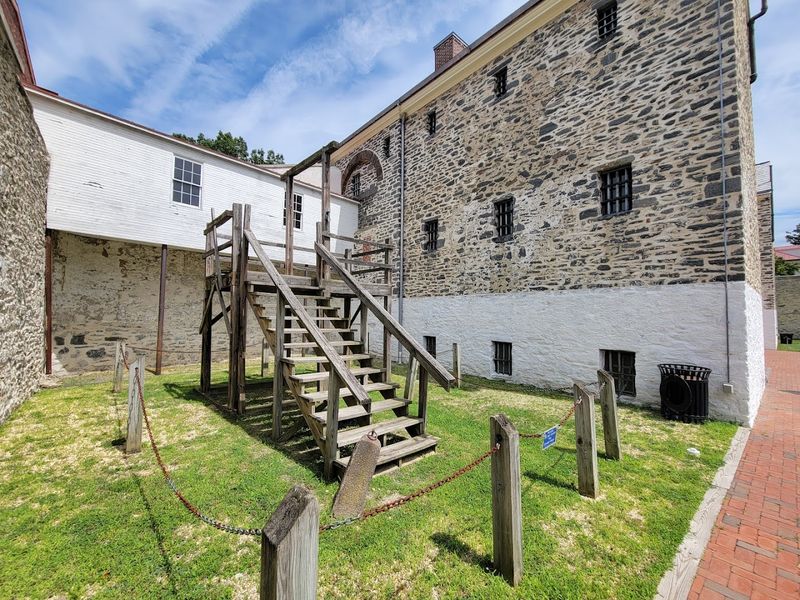
The layout of the Burlington County Prison Museum covers three full floors plus an outdoor courtyard, giving visitors a complete picture of what daily life inside looked like across different eras. Each level holds its own set of exhibits, original fixtures, and informational placards that keep the tour moving at a steady, engaging pace.
The ground floor introduces the building’s history and context, while the upper floors take visitors deeper into the cell blocks themselves. The courtyard, open to the sky and surrounded by the original stone perimeter walls, adds a different dimension to the experience.
Standing in that open space while surrounded by those walls communicates something that no exhibit panel can fully capture on its own.
A full walk-through of all three floors and the yard takes roughly 25 to 30 minutes at a comfortable pace, making it an ideal stop even on a tight schedule. There is enough to see that the time passes quickly.
The Self-Guided Tour That Punches Above Its Weight
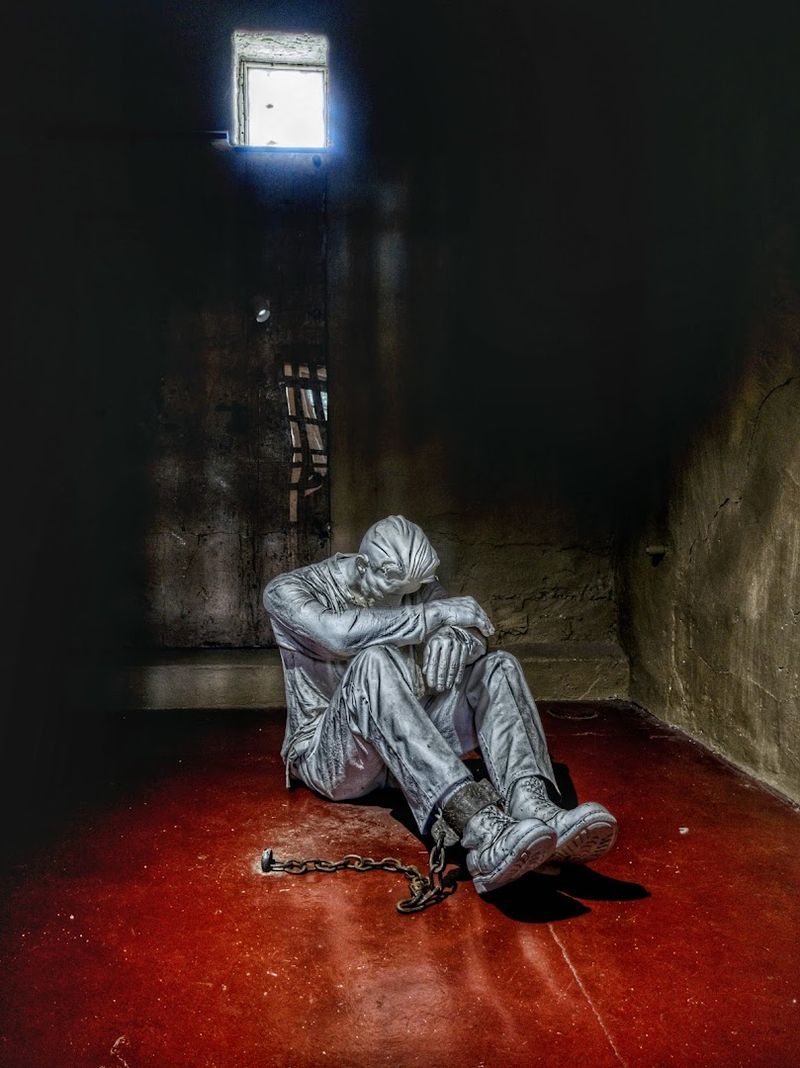
At just five dollars per person for general admission, the Burlington County Prison Museum offers one of the most affordable history experiences in New Jersey. Military visitors receive a discounted rate of three dollars per person, which reflects the museum’s commitment to keeping history accessible to as many people as possible.
The standard self-guided tour includes well-placed informational placards throughout the building that explain each area’s history and significance. For an additional three dollars, visitors can add the audio tour, which layers in stories about infamous inmates, daring escape attempts, and the evolving philosophy of incarceration over the decades.
The audio upgrade is widely considered worth the extra cost.
The museum accepts Visa and Mastercard with no minimum purchase requirement, so there is no need to carry cash. The gift shop near the entrance carries a small but interesting selection of merchandise, including shirts, sweatshirts, photo books, and a few items for younger visitors.
The Architect Behind the Walls
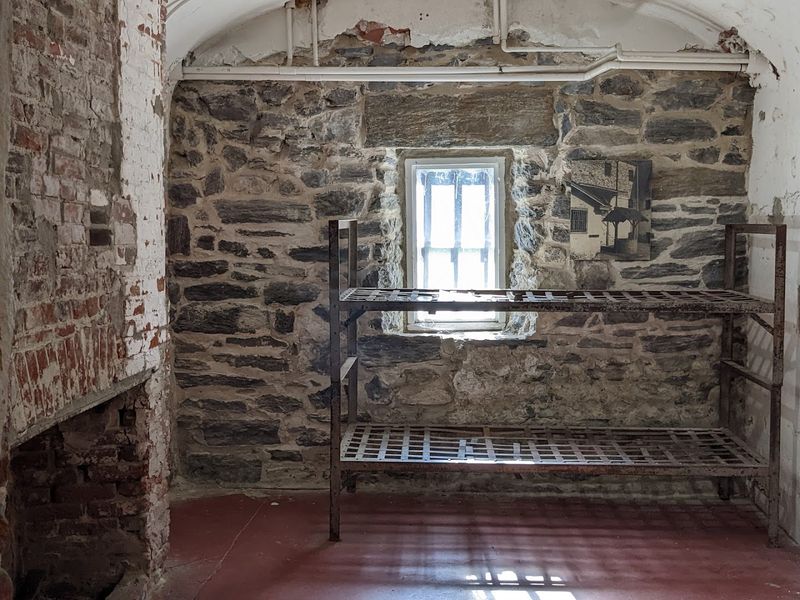
Not every county jail can claim to have been designed by one of America’s most celebrated architects, but Burlington County can. Robert Mills, the man responsible for the Washington Monument in Washington, D.C., drew up the plans for this prison in the early 1800s.
Mills was a student of both Benjamin Henry Latrobe and Thomas Jefferson, and his design philosophy leaned heavily on classical proportions and durable materials. The Burlington County Prison reflects that approach in its thick stone construction, its symmetrical layout, and the way natural light filters through the structure.
The building was also influenced by Quaker ideals that were prominent in the region at the time, which shaped the original intent of the facility as a place of reform rather than purely punishment.
Knowing the architectural pedigree of the building adds a layer to the visit that goes beyond criminal history. This is also a significant chapter in American architectural heritage, and that story is told clearly inside the museum.
From Reform to Reality: The Justice System on Display
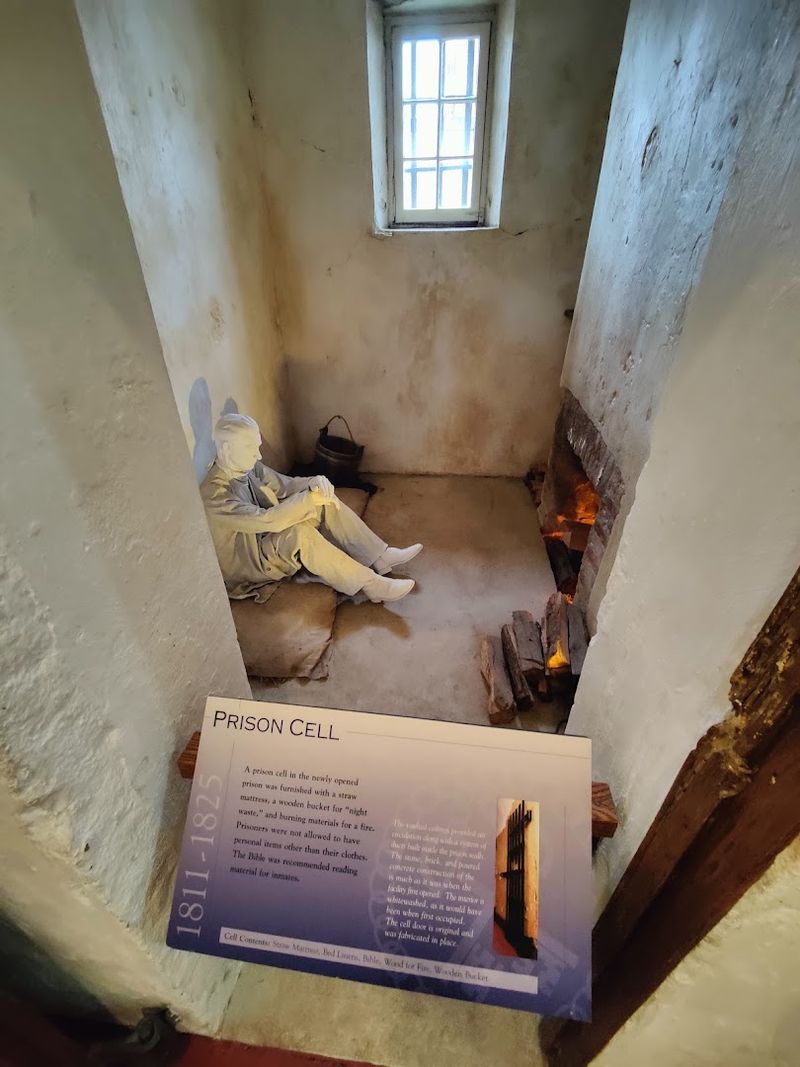
One of the more thought-provoking aspects of the Burlington County Prison Museum is how honestly it addresses the gap between the original intentions of the facility and what actually happened inside its walls over 154 years of operation.
The early Quaker-influenced philosophy behind the prison’s design centered on the idea that isolation and structured labor would lead to genuine rehabilitation. The exhibits do not treat that idea with cynicism, but they do trace how the reality of incarceration drifted far from that original vision as the decades passed.
Later exhibits in the museum shift the focus toward modern incarceration rates and the communities most affected by the criminal justice system. That section of the tour tends to leave a lasting impression, as it connects the old stone building to conversations that are still very much alive today.
The museum earns credit for not stopping the story at 1965 and for making the history feel genuinely relevant to the present.
Infamous Inmates and Daring Escapes
Every old prison worth its history has at least a few legendary stories attached to it, and the Burlington County Prison delivers on that front. The audio tour in particular brings those stories to life, covering notable inmates, the crimes that landed them there, and a handful of escape attempts that range from clever to outright audacious.
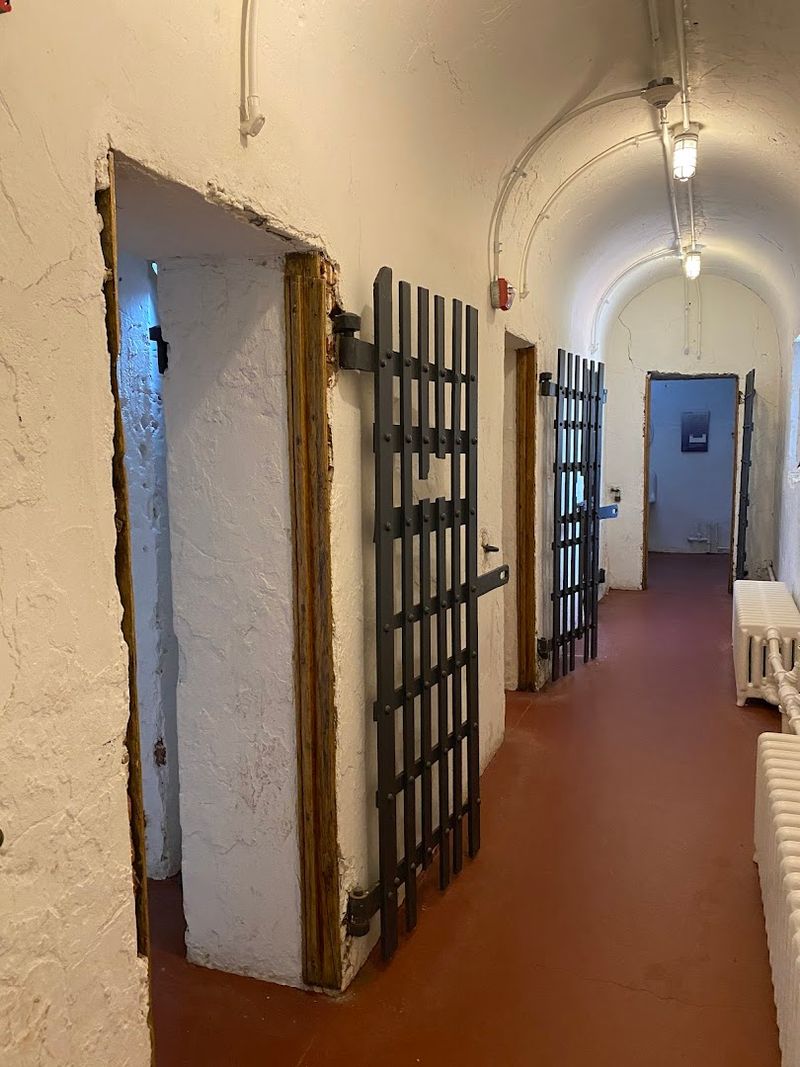
The building itself adds credibility to these stories in a way that a replica or reconstruction never could. The original cell doors, the narrow corridors, the heavy entrance door with its thick wood and iron bars and its massive key lock, all of it makes the accounts of past inmates feel immediate and real rather than distant and abstract.
For anyone drawn to true crime history or the kind of human drama that rarely makes it into standard history textbooks, this museum delivers that content with context and care. The stories here are engaging without being exploitative, which is a balance that is harder to strike than it sounds.
The Haunted Reputation That Follows This Place
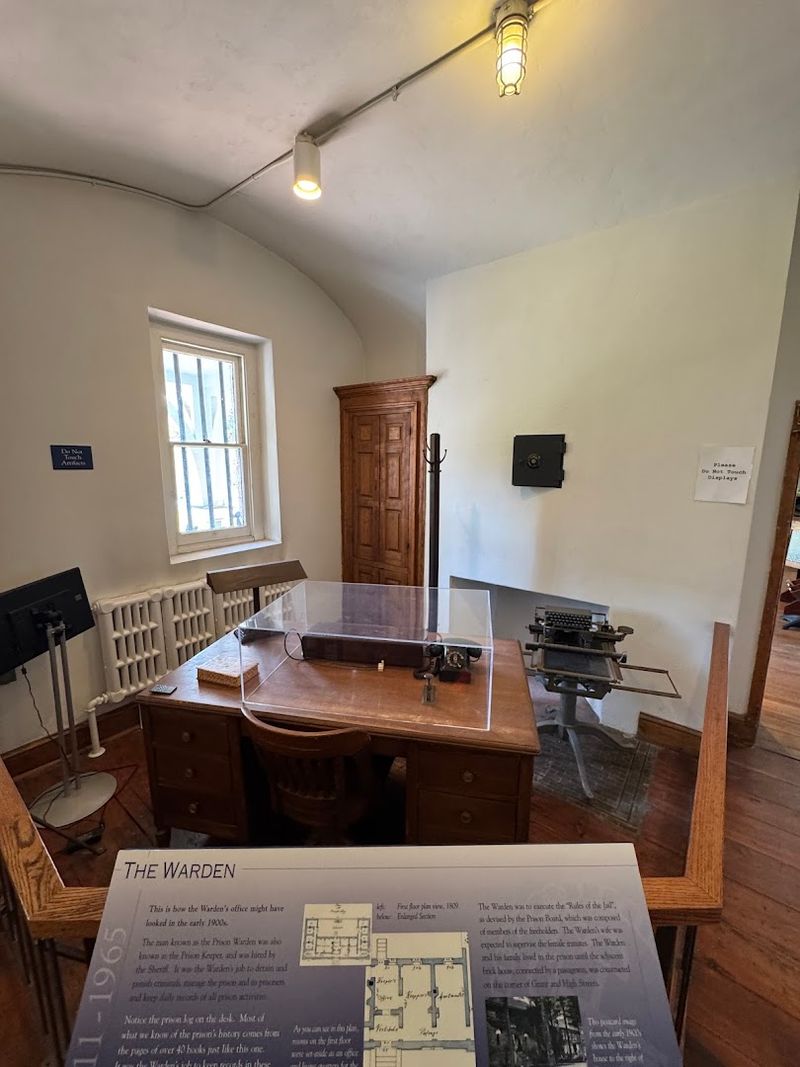
The Burlington County Prison has appeared on multiple television programs focused on paranormal activity, and its reputation as one of New Jersey’s most haunted locations has only grown over the years. The building’s long history and its well-preserved original structure have made it a frequent subject of ghost hunting shows and supernatural investigations.
The museum leans into this aspect of its identity without letting it overshadow the legitimate historical content. Special events, particularly around Halloween, draw crowds specifically interested in the paranormal side of the property.
Those events tend to book up, so checking the museum’s website in advance is a smart move for anyone planning a visit during the fall season.
Whether or not the building actually has any unexplained activity is something each visitor gets to decide for themselves. What is undeniable is that exploring three floors of a 200-year-old prison with that reputation in the back of your mind gives the whole experience an extra layer that is difficult to manufacture elsewhere.
A Downtown Worth Exploring After Your Visit
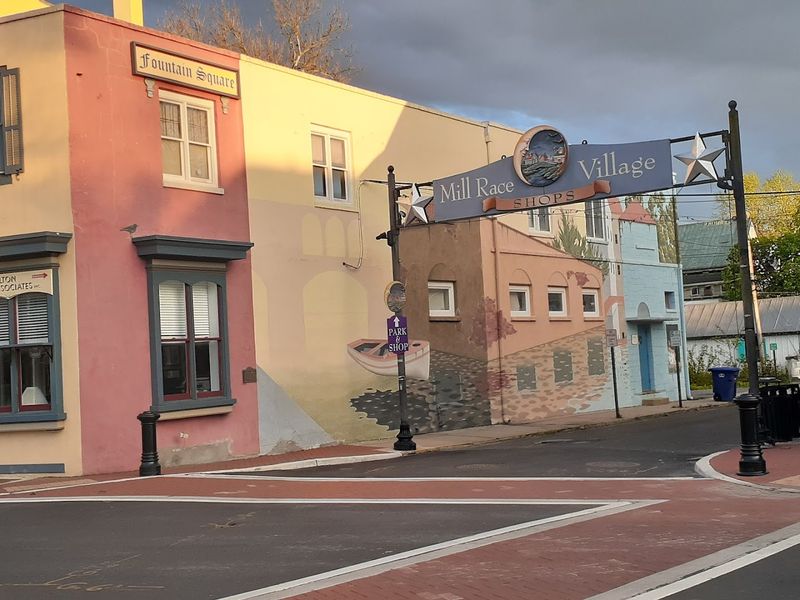
One of the practical advantages of visiting the Burlington County Prison Museum is its location right in the middle of downtown Mount Holly. The surrounding area is walkable, compact, and lined with restaurants, cafes, and local shops that make it easy to turn a 30-minute museum visit into a full afternoon out.
Mount Holly itself has a well-preserved historic downtown that reflects the town’s long history as one of New Jersey’s older communities. The architecture along the main streets complements the museum experience in a way that feels natural rather than touristy.
Several eating options are within easy walking distance of the museum entrance, which makes planning a pre- or post-visit meal a straightforward decision.
The combination of the museum and the surrounding downtown gives the trip a satisfying sense of completeness. Rather than driving specifically for one attraction and heading straight home, the neighborhood gives visitors a reason to slow down and take in more of what Mount Holly has to offer.
Perfect for Families, History Buffs, and the Curious
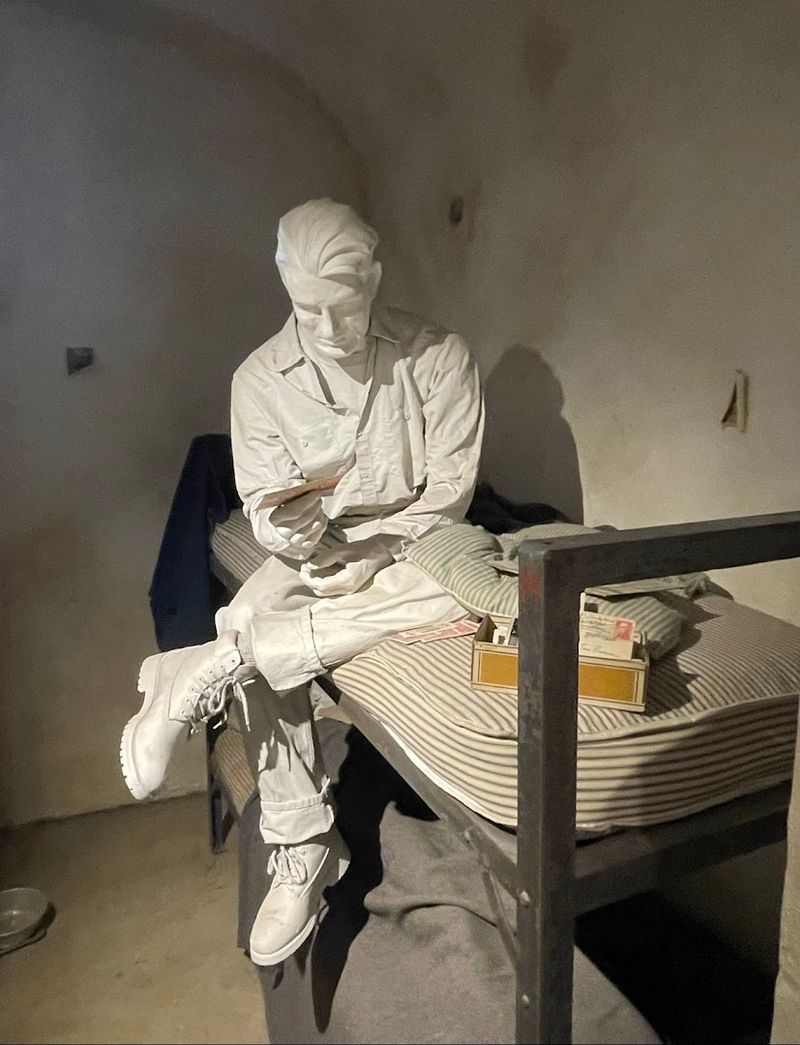
The Burlington County Prison Museum works well as a family destination, largely because the format is flexible enough to suit different ages and interests. The self-guided structure means families can move at their own pace, spending more time in areas that spark conversation and moving quickly through sections that hold less interest for younger visitors.
At five dollars per adult and two dollars per student, the cost of a family visit remains very manageable. The museum’s combination of architecture, criminal history, escape stories, and paranormal reputation gives it enough variety to hold the attention of both adults and kids without feeling like it is trying too hard to please everyone at once.
History enthusiasts will find the exhibits genuinely substantive rather than surface-level. Architecture fans will appreciate the building’s preserved details and its documented design history.
True crime followers will find plenty to engage with in the inmate stories and escape accounts. It is a rare museum that manages to serve that many different audiences simultaneously.
Plan Your Visit Before You Go
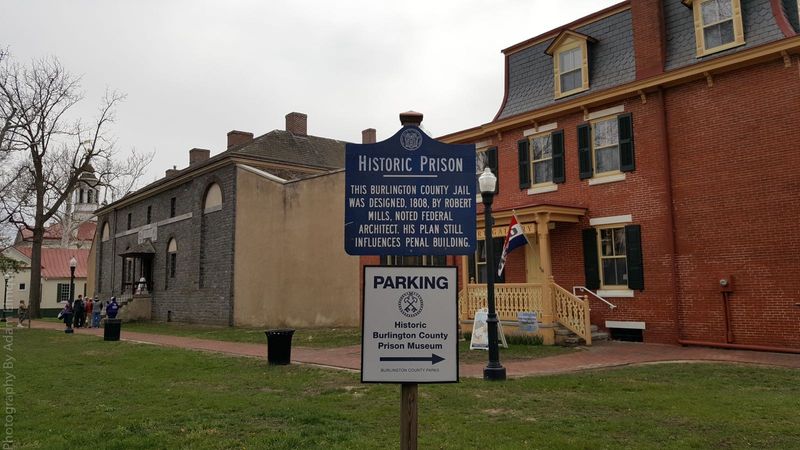
The Burlington County Prison Museum keeps a schedule that requires a bit of advance planning. The museum is open Thursday through Saturday from 10 AM to 4 PM, and on Sunday from noon to 4 PM.
It is closed Monday, Tuesday, and Wednesday, so a spontaneous midweek trip will not work without checking the calendar first.
The museum’s official website at prisonmuseum.net is the most reliable source for current hours, upcoming events, and any seasonal schedule changes. Special events, guided tours, and the escape room programs are listed there with booking information, and popular events do fill up ahead of time.
The museum is located at 128 High St in Mount Holly, parking in the area is generally straightforward, and the downtown location makes it easy to combine with other stops. Comfortable shoes are a practical choice given the stone floors and staircases.
With all of that sorted in advance, the visit itself tends to go smoothly from start to finish.



