
Most people driving through Cape May County are focused on the beach. They zip past the back roads without a second glance, completely unaware that a quiet stretch of wetland trail is tucked just off the main route, waiting for someone to actually stop.
This place is one of those places that does not advertise itself loudly. No big signs, no gift shop, no crowds.
What it does have is a genuinely wild slice of South Jersey landscape, complete with box turtles, dragonflies, moss-covered trees, and trails that wind through pine barrens terrain most people never get to walk. This is the kind of place that regulars keep coming back to, and the kind of place that first-timers wish they had found sooner.
Where the Preserve Actually Sits
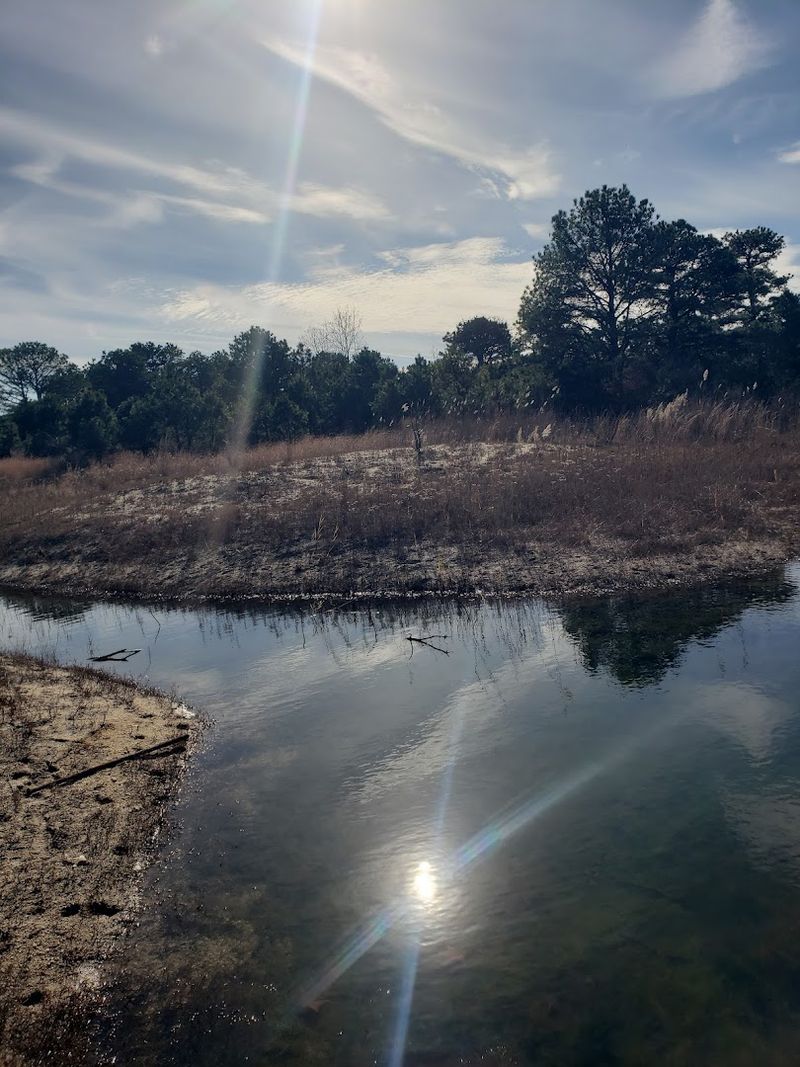
The full address is 460 Court House South Dennis Road, Cape May Court House, NJ 08210, and that detail matters because the preserve is easy to miss if you are not watching for it. Cape May Court House is the county seat of Cape May County, sitting in the southern tip of New Jersey, and the preserve itself is managed by The Nature Conservancy.
The parking area holds only three to five vehicles, so arriving early on weekends is a practical move. There are no restrooms, no water fountains, and no visitor center on site.
A small pavilion and a few benches are available near the trailhead, which is a welcome touch for a spot this undeveloped. The preserve is open every day from 6 AM to 8 PM, giving hikers a solid window of time to explore without rushing.
The limited infrastructure is actually part of the appeal for people who prefer their nature walks without the tourist trappings.
The Story Behind That Unusual Name
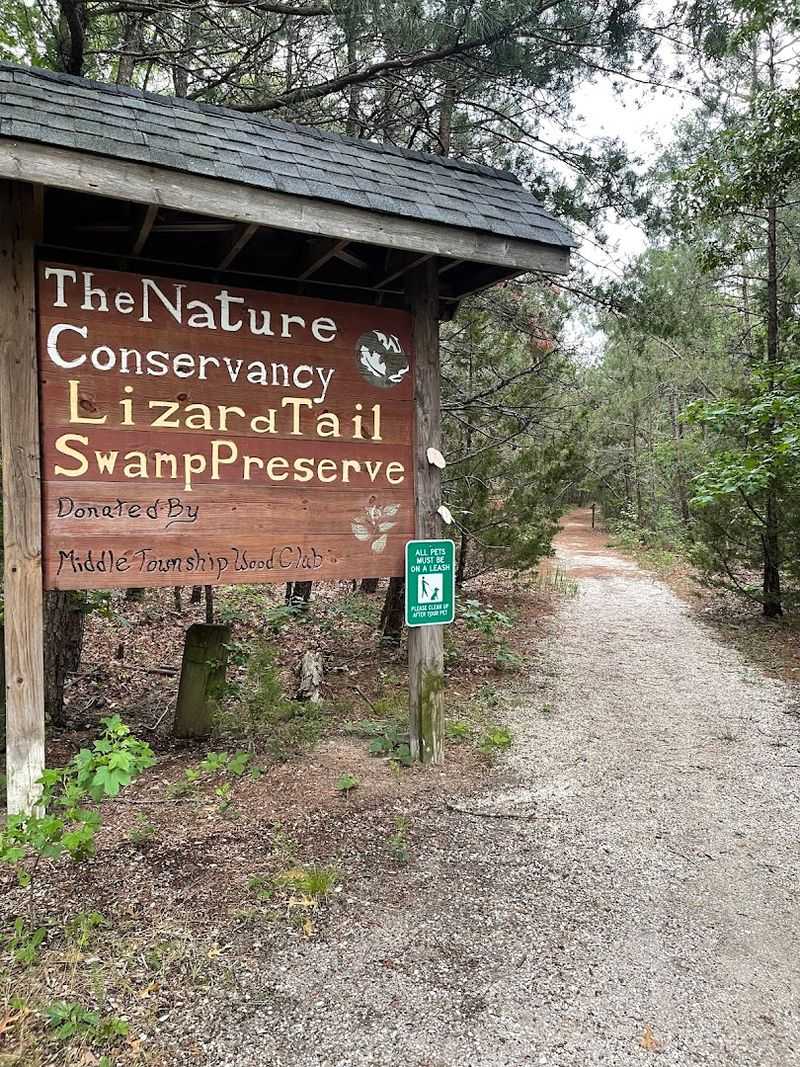
The preserve takes its name from the lizard tail plant, known scientifically as Saururus cernuus, a native wetland species that thrives in exactly the kind of swampy, low-lying terrain found here. The plant produces a distinctive white drooping flower spike that curves at the tip, which is where the common name comes from.
The Nature Conservancy acquired and now manages this land specifically to protect the rare coastal plain wetland habitat it contains. That habitat supports a wide range of species that are increasingly hard to find in developed southern New Jersey.
Wetland preserves like this one play a critical role in filtering water, supporting biodiversity, and maintaining the ecological balance of the region. The fact that this particular preserve still exists in relatively undisturbed condition, surrounded by the expanding development of Cape May County, makes it more valuable with each passing year.
The name is quirky, but the mission behind it is serious.
Two Trails, Two Very Different Moods
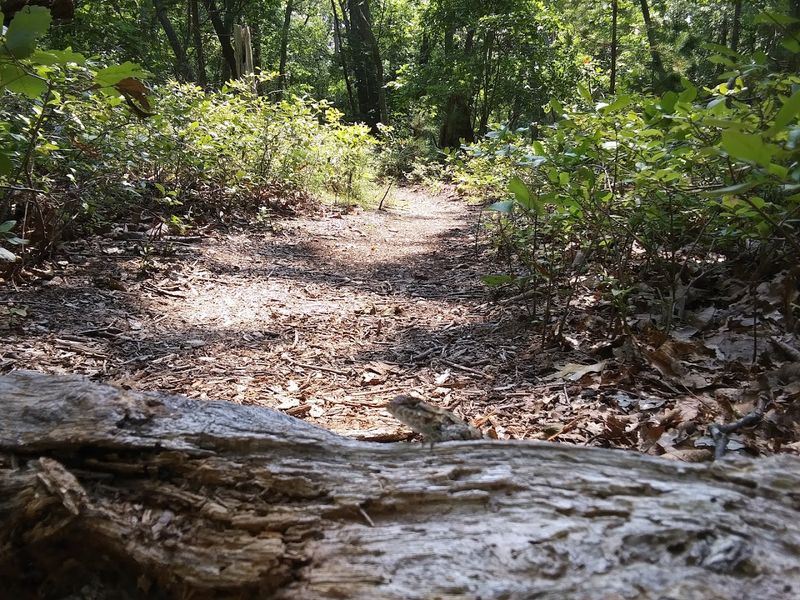
The preserve offers two trails: the yellow trail, which runs about two miles, and the blue trail, which covers roughly one mile. Together they add up to three miles, though completing both requires a bit of backtracking to connect them from the main trailhead.
The yellow trail is the more popular of the two. It leads through forested wetland terrain and eventually opens near a pond situated back by the power lines, a surprisingly open stretch after the dense tree cover of the earlier sections.
The terrain is fairly flat throughout, which makes the walk accessible to most fitness levels.
The blue trail has been noted as needing more maintenance, with some overgrown sections and occasional downed trees narrowing the path. Both trails have sections where exposed roots create uneven footing, particularly when fallen leaves cover the ground in autumn.
Watching your step is genuinely necessary here, not just a polite suggestion on a trail map.
What the Forest Floor Actually Looks Like
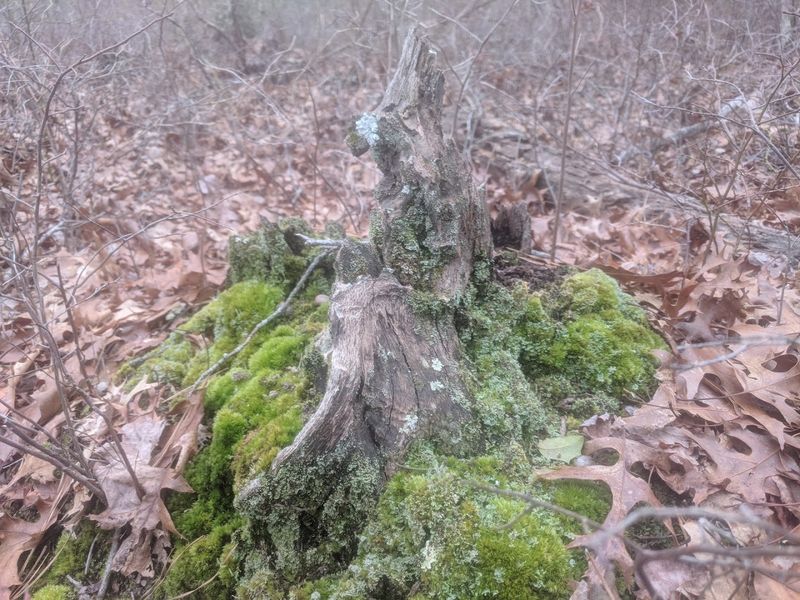
The terrain at the Lizard Tail Swamp Preserve is a mix of pine barrens woodland and coastal plain wetland, which creates a forest floor unlike anything you find in the northern part of the state. Moss grows thick on fallen logs and tree bases, giving large sections of the trail a deeply green, layered appearance.
Mushrooms push up through the leaf litter in remarkable variety. Lion’s mane mushrooms have been spotted here, which is a genuine find for foragers and naturalists alike.
The combination of decaying wood, consistent moisture, and limited foot traffic creates ideal conditions for fungal growth throughout most of the year.
In January, when hikers have reported walking trails entirely blanketed in fallen leaves, the exposed root systems become a real challenge underfoot. The roots crisscross the path in dense networks, and under a layer of leaves, they are nearly invisible.
Solid, ankle-supporting footwear is not optional at this preserve.
Wildlife That Actually Shows Up
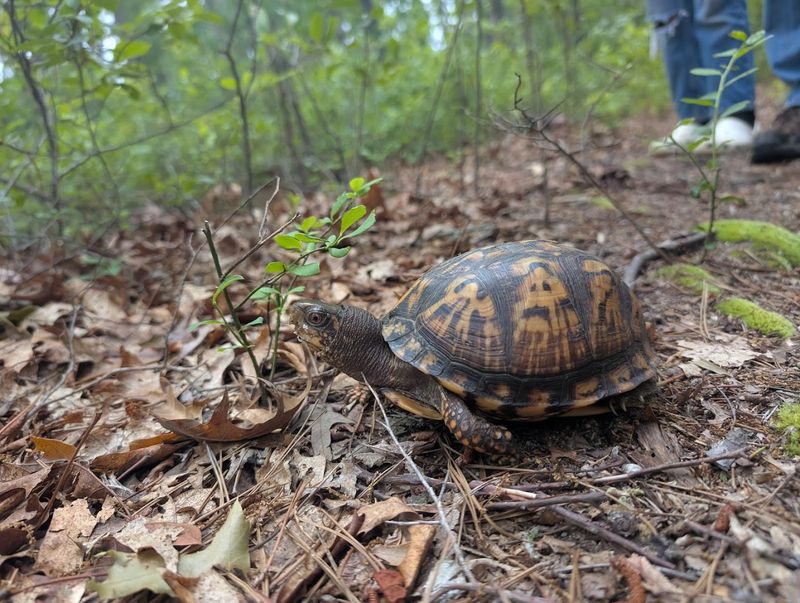
Wildlife sightings at the Lizard Tail Swamp Preserve are consistent enough that repeat visitors have come to expect them. Eastern box turtles are among the most reliably spotted animals, often found moving slowly across the trail or resting near the base of trees.
Spotting one feels like a genuine reward after a quiet stretch of walking.
Frogs are abundant, particularly near the wetter sections of the trail. Dragonflies appear in large numbers during warmer months, hovering over standing water and along the trail edges.
Birds are active throughout the preserve, and the tree canopy provides cover for species that favor interior forest habitat.
Lizards, unsurprisingly given the preserve’s name, do make appearances. Butterflies add movement and color to the understory, particularly in late summer.
The variety of wildlife here is not the result of stocking or management programs but simply the outcome of leaving a connected wetland ecosystem largely undisturbed. That distinction is what makes the sightings feel genuinely wild.
The Tick Situation You Need to Know About
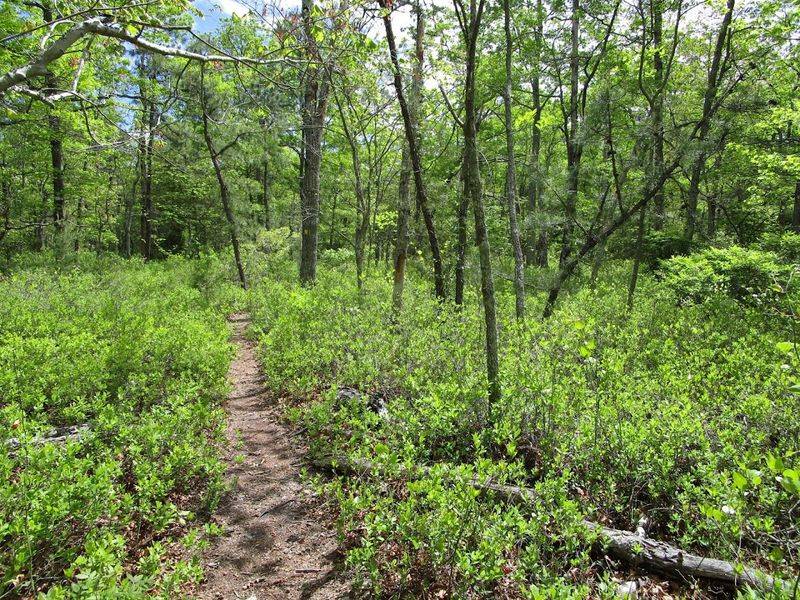
Honesty about this preserve requires a serious mention of ticks. The Lizard Tail Swamp Preserve sits in a part of New Jersey where tick populations are notably high, and the dense, overgrown sections of the trail create ideal habitat for both deer ticks and lone star ticks.
Reports from warmer months describe significant tick activity, particularly from late spring through early fall. Wearing long pants tucked into socks, long sleeves, and applying DEET-based repellent before entering the trail are all strongly recommended precautions.
A full body check immediately after leaving the preserve is essential, and checking gear, bags, and pets thoroughly before getting into a vehicle is equally important.
Winter and early spring visits tend to involve far fewer tick encounters, and some regular hikers specifically plan their visits for the colder months for this reason. The preserve is genuinely worth visiting, but going in without tick awareness and preparation would be a mistake that could turn a pleasant outing into a serious health concern.
Best Times of Year to Visit
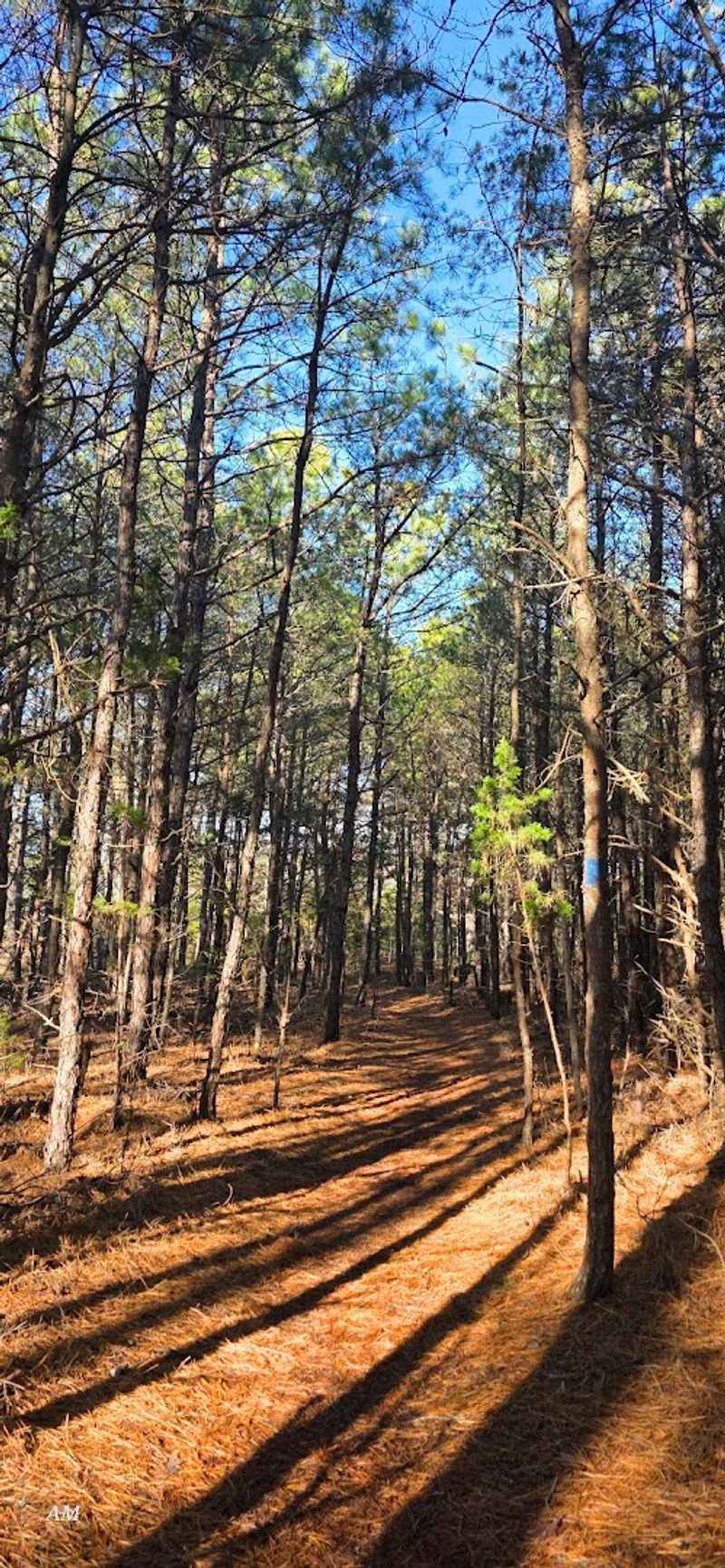
Each season brings a different character to the Lizard Tail Swamp Preserve. Autumn is a particularly strong time to visit, when the forest floor fills with fallen leaves and the tree canopy shifts through orange and yellow before going bare.
The reduced insect activity in October and November makes walking far more comfortable than summer months.
Winter visits offer a stripped-down version of the preserve that has its own appeal. The bare trees open up sight lines that summer foliage completely blocks, making it easier to spot birds and observe the structure of the wetland landscape.
Trail conditions in January can be leaf-covered and root-heavy, so footing requires attention.
Spring brings new growth and increased bird activity, but tick populations also begin rising as temperatures climb. Summer is the most lush and green but also the most demanding in terms of bug preparation.
The trail can narrow significantly in summer as vegetation pushes in from both sides, making some sections feel genuinely overgrown.
Trail Markings and Getting Around
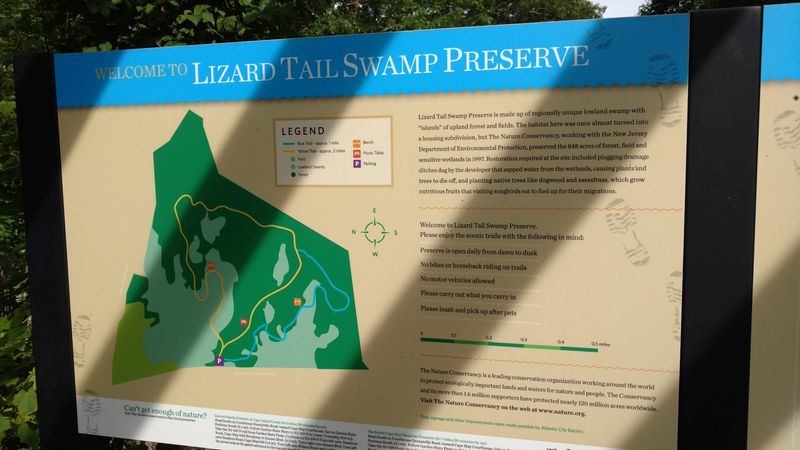
Trail navigation at the Lizard Tail Swamp Preserve is generally manageable, but it has had its inconsistent moments over the years. The yellow trail markers are the more reliable of the two systems, painted on trees at regular enough intervals to keep hikers oriented through the denser sections of the preserve.
The blue trail has received more mixed feedback regarding its markings, with some hikers noting that overgrowth obscures blazes and that a few signs have been damaged or missing. A woodworking group contributed well-crafted directional signs to the trail system in past years, which improved navigation considerably.
Despite the occasional maintenance gap, most visitors complete the trails without getting genuinely lost. The preserve is not so large that a wrong turn becomes a serious problem, but paying attention to markers rather than assuming the path is obvious is the right approach.
Downloading an offline map before arrival adds a useful layer of backup for anyone unfamiliar with the area.
Mushrooms, Moss, and Things Worth Slowing Down For
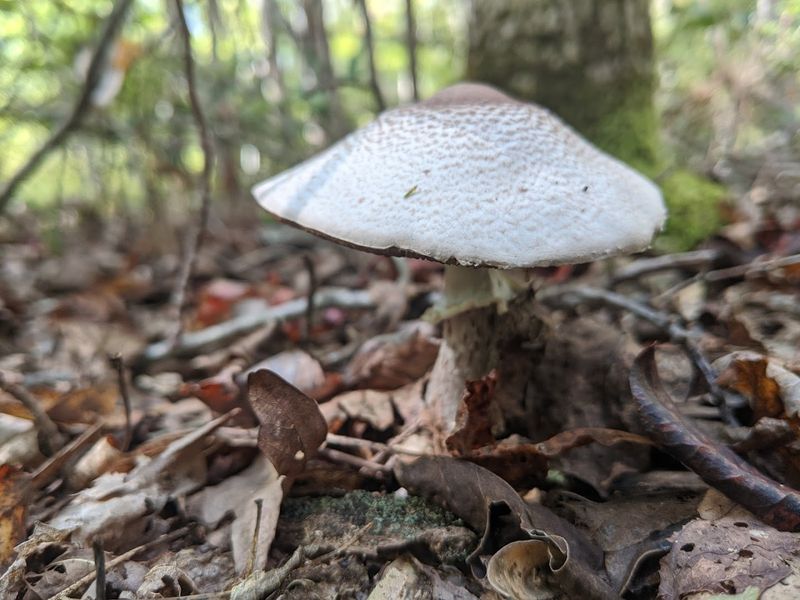
The Lizard Tail Swamp Preserve rewards the kind of hiker who is willing to slow down and look closely at what is growing around them. The combination of high moisture, decaying wood, and relatively undisturbed ground creates conditions where fungi thrive in genuine variety.
Lion’s mane mushrooms, with their distinctive white, cascading appearance, have been found here by hikers who were not even looking for them.
Moss covers logs, rocks, and the bases of trees throughout the trail, creating thick green patches that spread across the forest floor in ways that take years of undisturbed growth to develop. These patches are part of what gives the preserve its distinctly wild, unkempt quality.
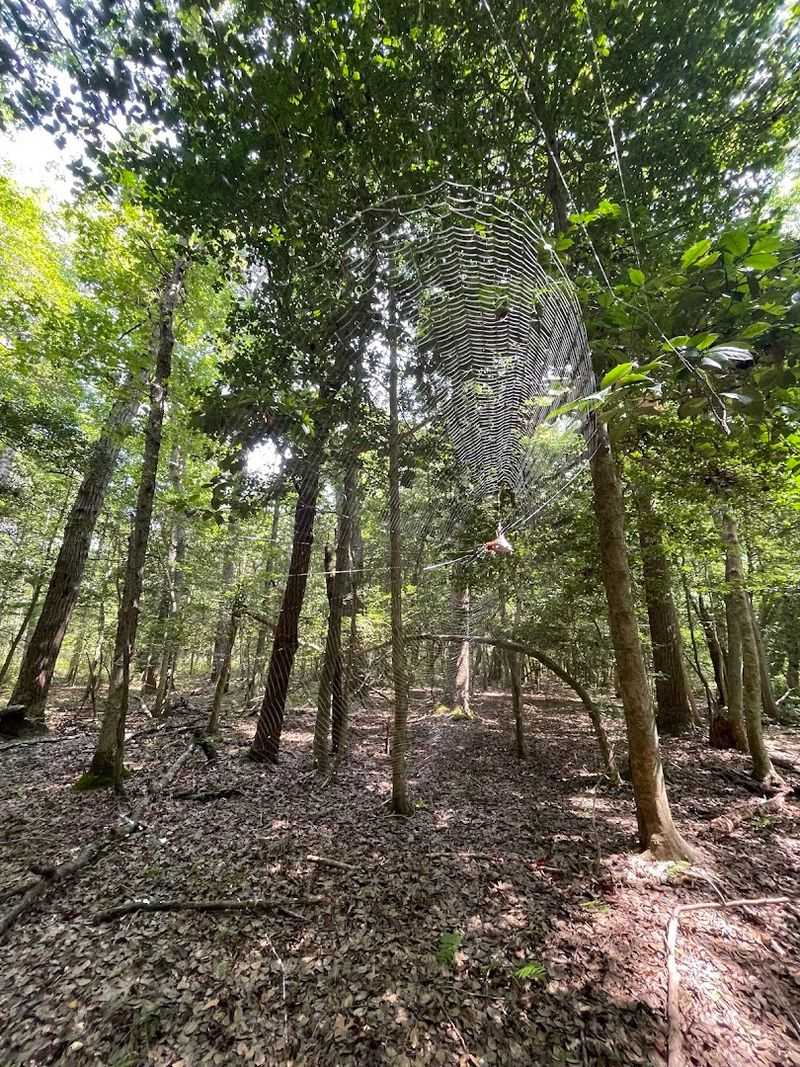
Spiders build elaborate webs across the trail, particularly in August when vegetation is at its fullest. Walking the trail in summer almost guarantees contact with several webs, which is worth knowing in advance.
The biodiversity here is concentrated in the small and close-up details as much as in the larger wildlife sightings.
What to Bring and How to Prepare

Preparation makes a significant difference at the Lizard Tail Swamp Preserve. Because there are no amenities on site, everything needed for a comfortable visit has to come with you.
Water, snacks, and a basic first aid kit are all worth packing even for a short two-mile loop.
Footwear with ankle support is strongly recommended given the exposed root networks across both trails. Trail running shoes or light hiking boots handle the terrain far better than casual sneakers.
Long pants and long sleeves are advisable for tick prevention regardless of the season, though the urgency increases considerably from April through October.
DEET-based insect repellent applied before entering the trail is the most effective defense against both ticks and mosquitoes in the warmer months. Bringing a change of clothes to leave in the car allows for a full clothing check before driving home.
A field guide to local plants, birds, or fungi adds real value to the walk for anyone interested in identifying what they encounter along the way.
Why This Preserve Keeps Drawing People Back
The Lizard Tail Swamp Preserve does not try to be a destination. It has no interpretive displays, no paved paths, and no organized programming.
What it has is a genuinely intact piece of South Jersey wetland that has been protected from development and left largely to its own ecological processes.
That simplicity is precisely what keeps people returning. Regulars report finding the trail in different conditions each season, encountering different wildlife, and discovering details they missed on previous visits.
The trail is short enough to complete in an afternoon but complex enough in its natural detail to reward repeated exploration.
The proximity to the Cape May barrier islands means the preserve also works well as a complement to a beach trip, offering a completely different kind of outdoor experience just a few miles from the shore. For anyone willing to swap the crowd for the quiet, and the boardwalk for the boardwalk-free, the Lizard Tail Swamp Preserve offers something that is genuinely hard to replicate anywhere else in the region.
Share this story