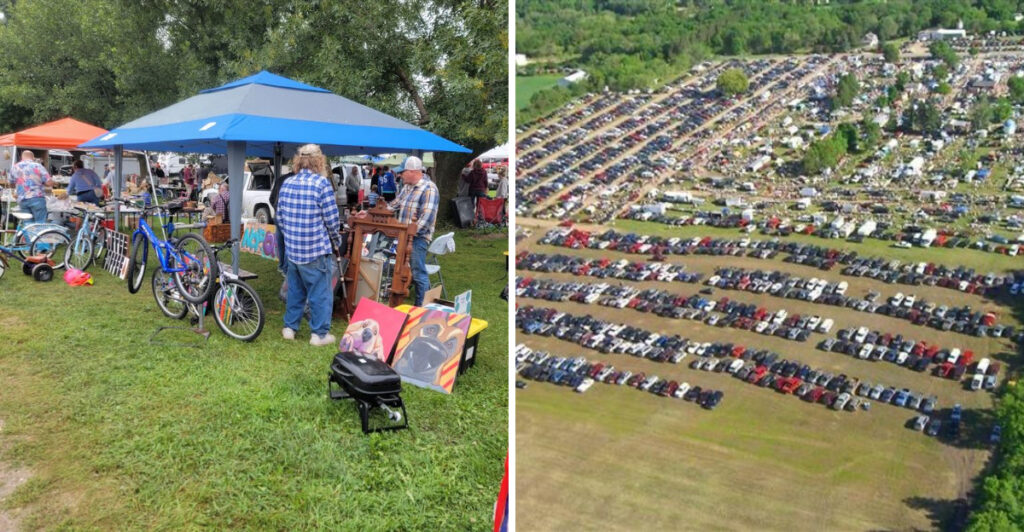
Every Saturday morning in rural Minnesota, something remarkable happens on a wide stretch of open land. Hundreds of vendors roll in before sunrise, spreading out everything from handmade jewelry and fresh garden produce to vintage vinyl records and freeze-dried candy.
The sheer range of what you might find on any given morning is genuinely hard to predict, and that unpredictability is exactly what keeps people coming back week after week. I have been to a lot of outdoor markets across the Midwest, but this one in Wright County hits differently.
The community feel, the food smells drifting across the grounds, and the thrill of spotting something unexpected around every corner make it one of the most entertaining Saturday morning traditions you can find in the state. Keep reading, because this place has a lot more going on than you might expect.
What the Wright County Swappers Meet Actually Is
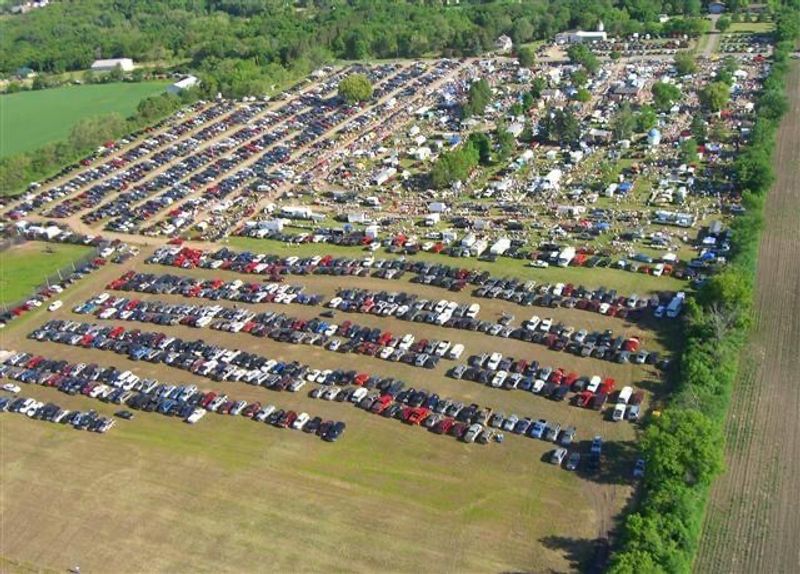
Not every outdoor market earns a reputation that stretches back decades, but this one has kept people driving out to Wright County on Saturday mornings for a very long time.
Wright County Swappers Meet, located at 13594 100th St NW, South Haven, MN 55382, is a massive open-air flea market that runs on Saturdays from 7 AM to 1 PM, generally from spring through fall.
The market sits on a generous stretch of rural land where vendors set up in rows across dirt and grass paths. Entry and parking are completely free, which is a refreshing change from many events that nickel-and-dime you before you even get inside.
The vendor mix rotates week to week, meaning the experience is genuinely different each time you visit. That rotating cast of sellers is a big part of what gives this place its addictive, treasure-hunt energy.
Getting There and Planning Your Visit
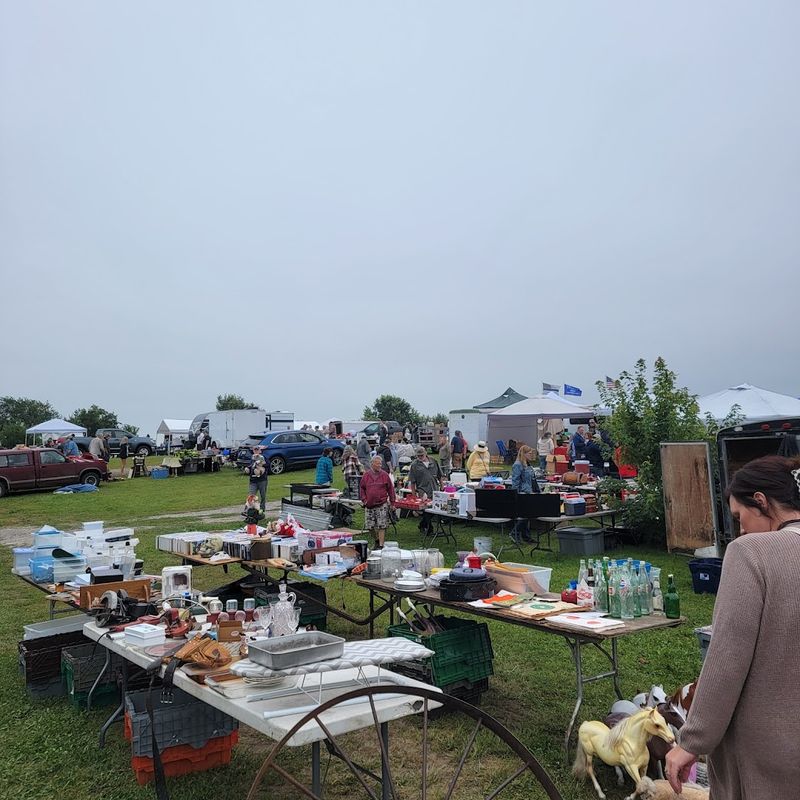
South Haven is a small town in Wright County, about an hour west of the Twin Cities, and the drive out there on a Saturday morning feels like a proper escape from city noise.
The address, 13594 100th St NW, puts you on a rural stretch of road that opens up into the market grounds. GPS gets you there without any drama, though cell service can be spotty once you arrive.
Arriving early is the single best piece of advice anyone who knows this market will give you. The most motivated vendors start packing up around noon, and some of the best finds disappear well before that.
Holiday weekends like the Fourth of July, Memorial Day, and Labor Day bring significantly larger crowds and more vendors, so plan for extra patience when parking. Bring cash, since most vendors prefer it and the internet signal out there is unreliable for card readers.
The Sheer Size of the Market
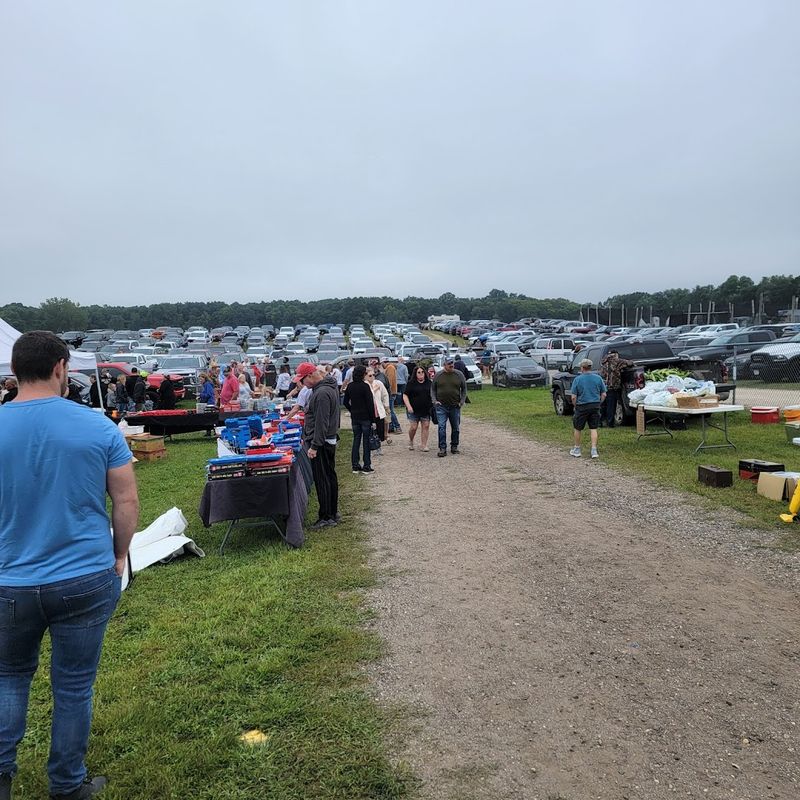
The first thing that hits you when you walk into the grounds is just how much ground there is to cover. This is not a small-town market with a dozen tables.
Depending on the weekend, there can be a staggering number of vendors spread across the property, and first-timers often underestimate how long a full walkthrough takes. Comfortable shoes are not optional here.
All of the paths and the parking area are dirt and grass, so leave the sandals at home and wear something sturdy. A wagon, rolling cart, or large tote bag will save your arms once you start picking up finds.
You could realistically spend one to three hours working through everything, depending on how many vendors showed up that week. Holiday weekends push that time even longer, and the parking rows get tight enough that pulling straight through a spot is smarter than backing out into a crowd.
The Wild Variety of Things for Sale
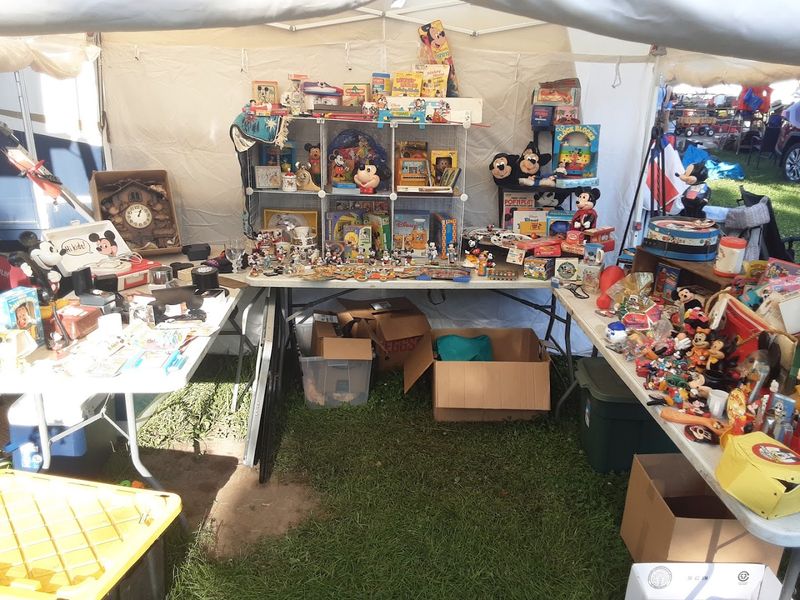
Trying to describe the full range of items at this market in a single paragraph is a bit like trying to describe the contents of a very large attic that belongs to all of Minnesota at once.
On any given Saturday, you might walk past tables stacked with vinyl records, collectible signs, VHS tapes, comic books, fishing lures, 3D-printed items, furniture, antique glassware, and brass fixtures. A few steps later, you could find fresh vegetables, homemade bread, jams, honey, and potted plants.
Clothing, toys, handmade jewelry, freeze-dried candy, DVDs, art prints, and plant pots all show up regularly. The vendor mix genuinely rotates, so something that was there last week might be gone, replaced by something completely different.
That unpredictability is the whole point. When you spot something you actually want, grab it immediately, because it will not be waiting for you next Saturday.
The Food Scene at the Market
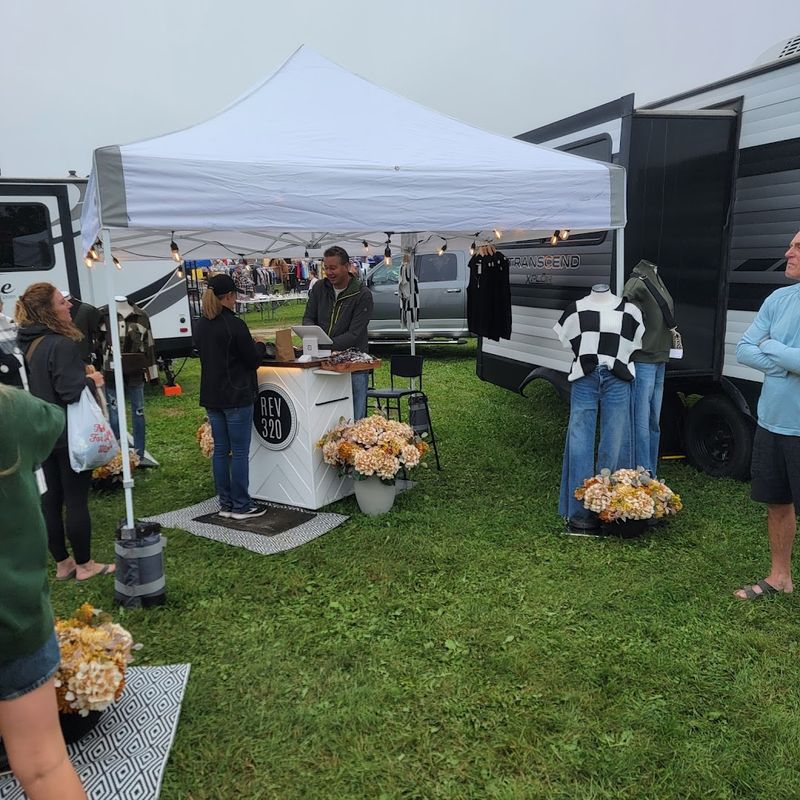
Few things make an outdoor market feel more alive than the smell of food cooking in the open air, and this market delivers on that front in a satisfying way.
Pork chops on a stick are the undisputed legend of this market. Two pork chops for seven dollars is a price that has apparently held steady for years, and the line at that vendor tells you everything you need to know about how good they are.
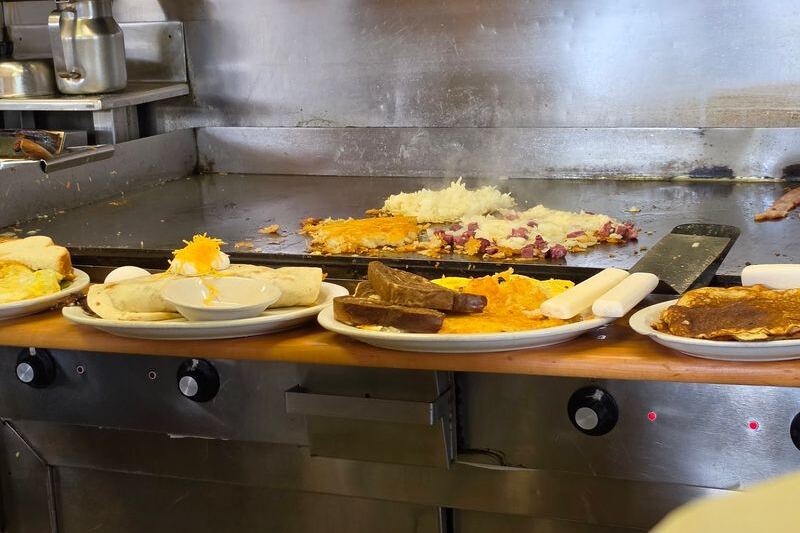
Corn dogs, foot-long hot dogs, onion rings, and BBQ pork also make regular appearances. A red food building in the center of the grounds serves breakfast sandwiches, burgers, and fries, with actual seating inside, which is a welcome relief after a long walk through the rows.
Homemade muffins, fresh jams, honey, and baked goods round out the food options. The variety is solid, though bringing a little extra cash specifically for snacks is always a smart move.
Seasonal Changes and What to Expect Each Month
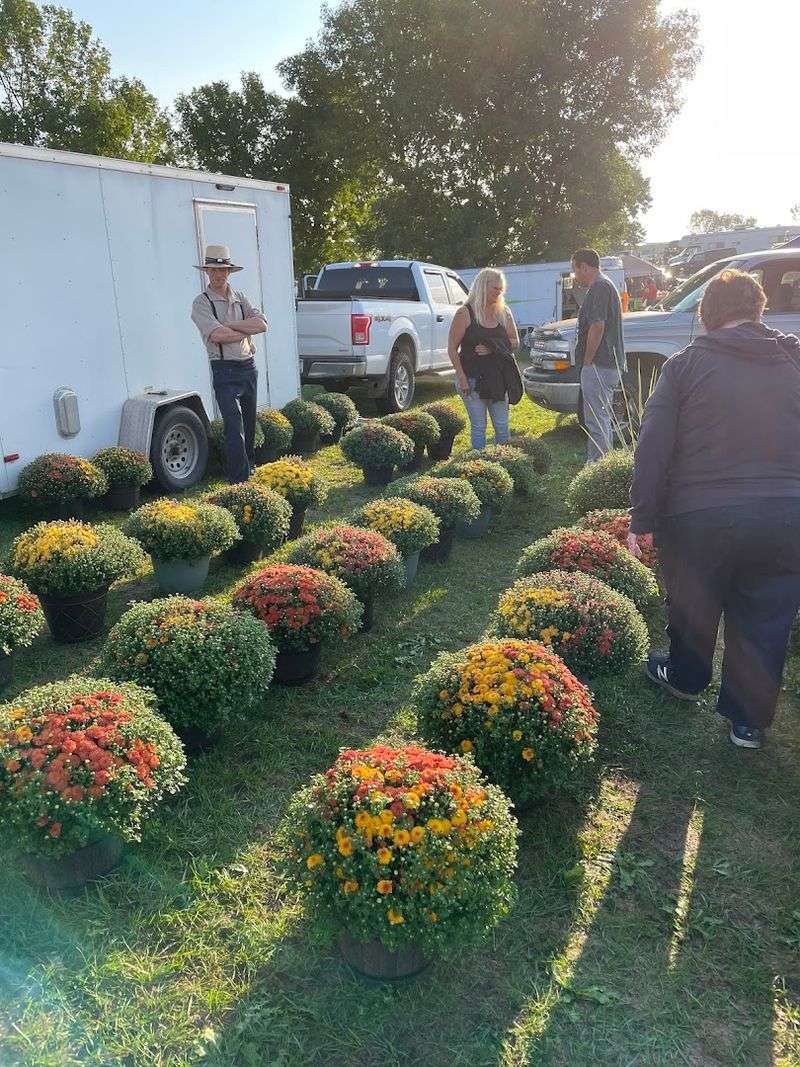
One of the quieter charms of this market is how it shifts with the seasons, giving regulars a reason to come back every few weeks just to see what has changed.
Early spring brings garden plants and seeds as the first wave of horticulture vendors sets up. By June and July, farmer’s market-style booths appear with fresh vegetables and flower bouquets that look genuinely beautiful arranged in buckets on folding tables.
August keeps the produce coming while adding more variety in crafts and collectibles. Come autumn, the tables fill up with mums, pumpkins, and seasonal decorations that make the whole market feel like a harvest festival.
The market generally runs from April through October, with the most active weeks clustered around summer holiday weekends. Labor Day weekend consistently draws the largest number of vendors, making it the single best weekend of the year to visit if you want maximum variety.
Haggling, Pricing, and How to Shop Smart
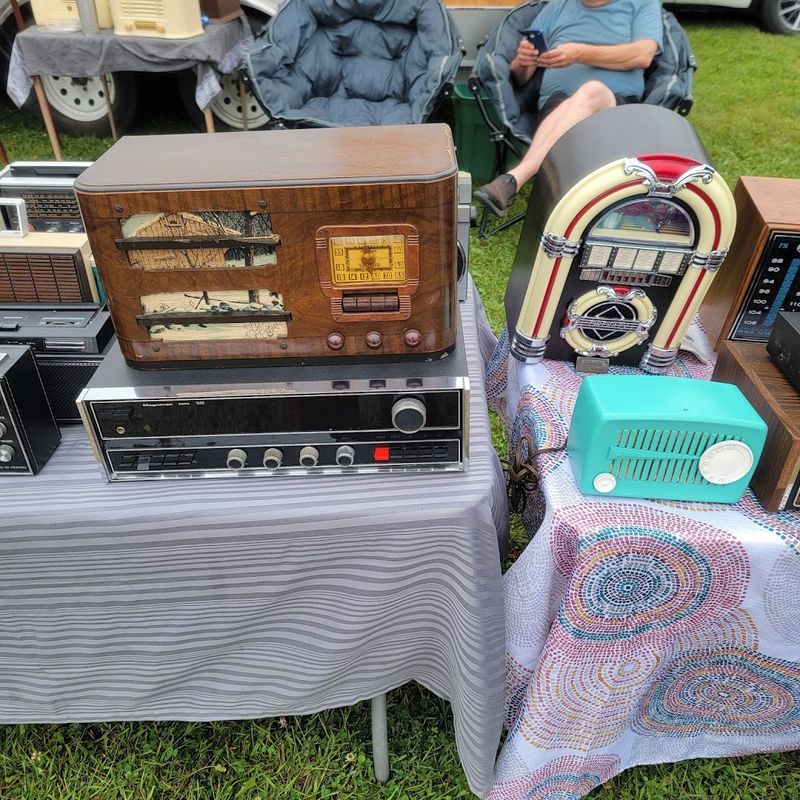
Most items at this market do not come with price tags, and that is entirely by design. The whole culture of the place runs on conversation and negotiation.
Haggling is not just accepted here, it is expected. Vendors are generally friendly and approachable, and a polite offer below the asking price is rarely taken as an insult.
The key is to be respectful and good-humored about it.
Cash is king at this market. While a handful of vendors accept Venmo, PayPal, or cards, many do not, and the cell signal is too unreliable to count on digital payments working smoothly.
ATMs are available on site, but having cash before you arrive saves time and stress.
Keep your eye out for things priced as outright steals, because they do show up. Equally, some vintage items are priced ambitiously high, so knowing a little about what you are looking for before you go helps you shop with confidence.
The Community Atmosphere and Family Feel
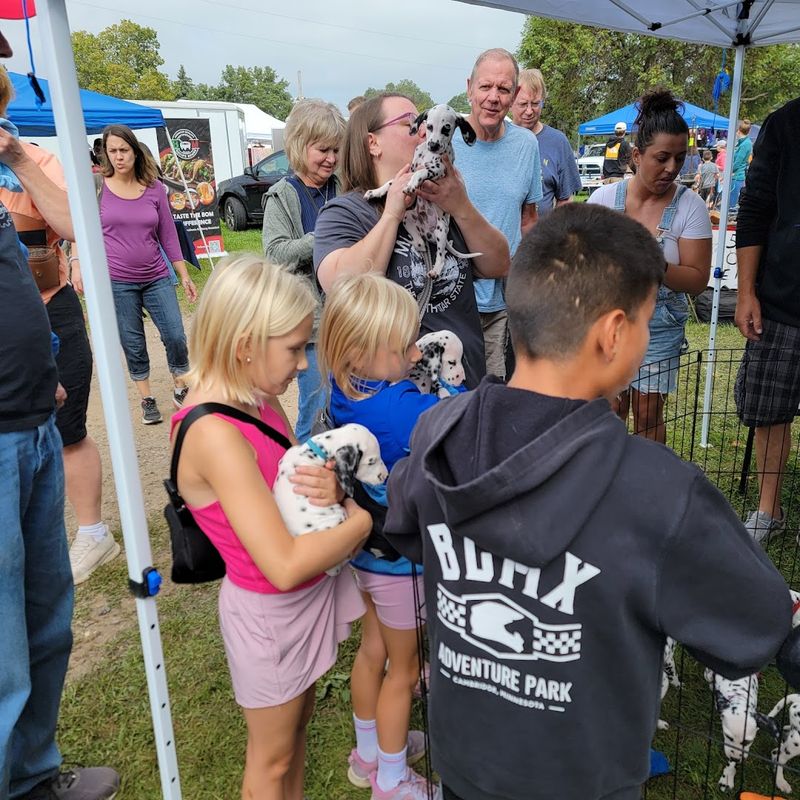
Markets like this one do not survive for decades on merchandise alone. The community feeling that runs through this place is a genuine part of what makes it worth the drive.
Vendors are consistently described as warm, approachable, and easy to talk to. The crowd skews toward families, older adults, and collectors, with a relaxed energy that feels nothing like the competitive hustle of a city market.
Kids are very much part of the scene here. Pony rides have been spotted on the grounds, and the general atmosphere is one where children are comfortable and parents are not stressed.
The market has a multigenerational pull that few events can genuinely claim.
Some visitors have been coming here for decades, with memories stretching back to childhood trips with grandparents. That kind of long-term loyalty says a great deal about the consistent experience the market delivers, year after year, across changing seasons and changing vendor lineups.
Collectibles, Antiques, and the Thrill of the Hunt
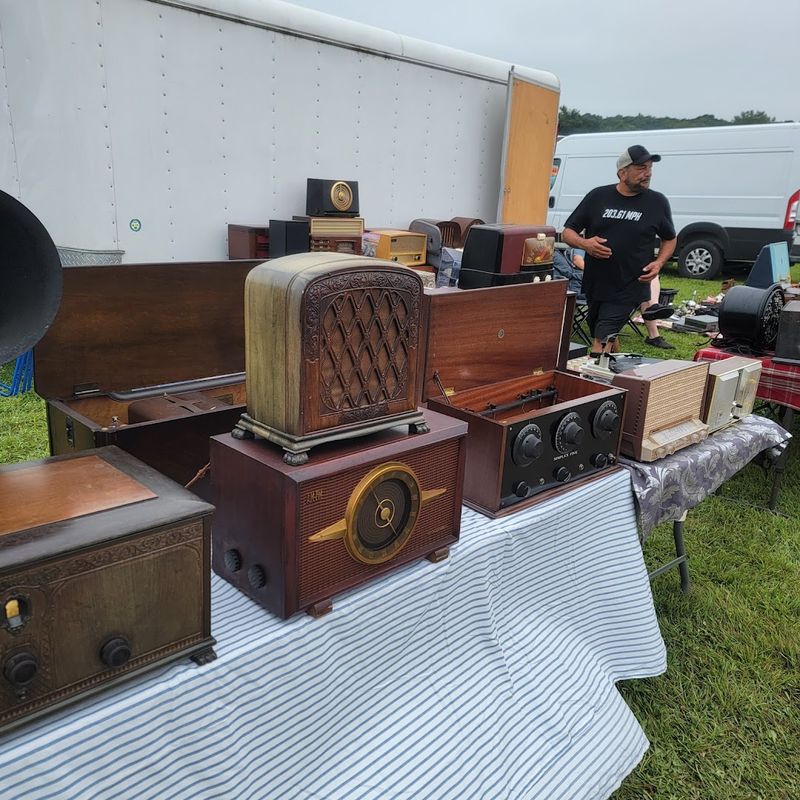
There is a particular kind of satisfaction that comes from finding something genuinely old and interesting in an unexpected place, and this market delivers that feeling on a reliable basis.
Vinyl records show up regularly, with some vendors dedicating entire tables to them. Collectible signs, particularly those with vintage beer branding, are a recurring find.
VHS tapes, video game cartridges, comic books, and retro toys tend to appear in clusters, often priced to move.
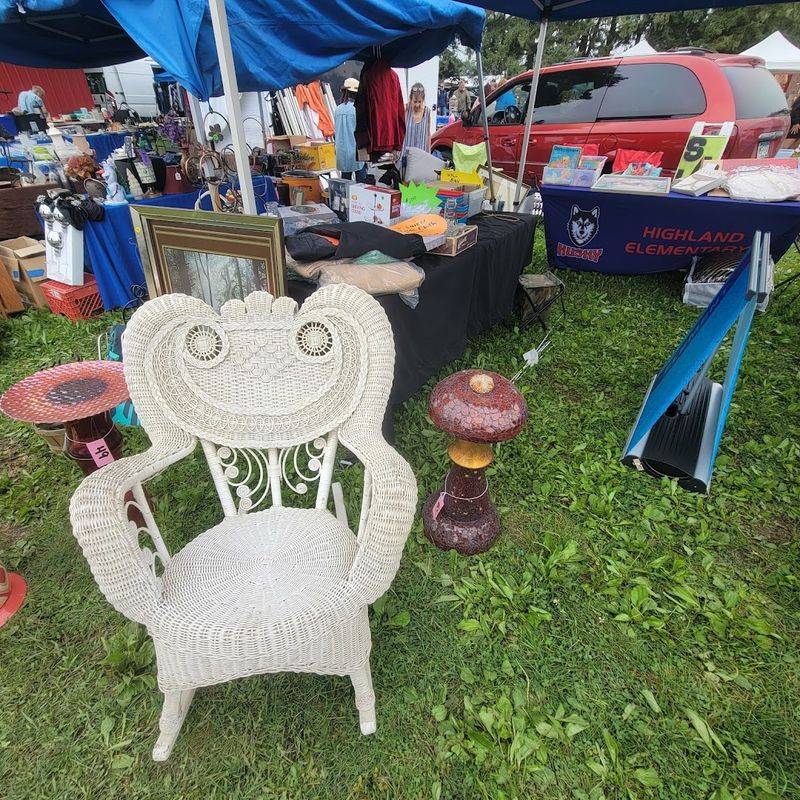
Antique furniture, glassware, and brass pieces require a little more patience to find, but they do surface. The trick is arriving early, because serious collectors and resellers know the market well and move quickly through the rows.
Something rusty or dusty is practically guaranteed on any visit, and sometimes those are the best finds of all. The mix of genuinely valuable antiques alongside everyday secondhand goods is exactly what gives the treasure-hunt atmosphere its staying power.
Handmade and Artisan Goods Worth Seeking Out
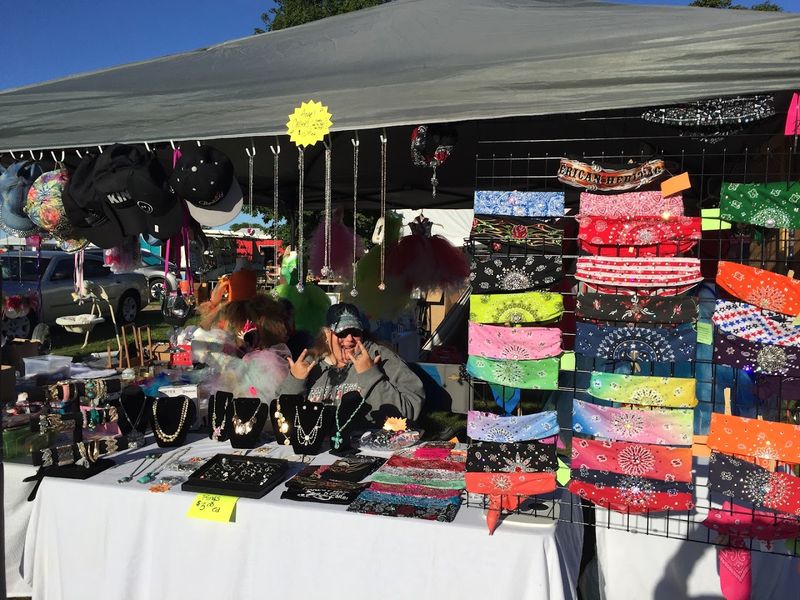
Not everything at this market is secondhand. A solid portion of the vendors are makers and artisans who bring original work, and their booths tend to stand out from the crowd in the best way.
Handmade jewelry, leather purses, wallets, and custom accessories appear regularly. Homemade salsa, sauces, pies, and breads are popular stops, especially for shoppers who come specifically for locally made food products.
Wreaths, wood crafts, and decorative items made by local artisans add a creative layer to the market that pure secondhand events often lack. Some vendors also carry handmade pottery, art prints, and one-of-a-kind home decor pieces.
Corporate-style direct sales vendors also show up occasionally, offering products from brands that sell through independent representatives. The artisan booths tend to draw longer lines and more conversation than the resale tables, which is a good sign that shoppers genuinely appreciate what the makers are bringing each week.
Practical Tips for First-Time Visitors
A few simple preparations make the difference between a frustrating first visit and one you immediately want to repeat the following Saturday.
Wear a hat and sunscreen. Much of the market is open to the sky with limited shade, and the Minnesota summer sun reflects off dirt paths with surprising intensity.
Comfortable, closed-toe shoes are essential since the ground is all dirt and grass.
Bring your own wagon, basket, or large reusable bag. There is no shopping cart system here, and carrying armfuls of finds across a large property gets old fast.
A rolling cart is the preferred tool of experienced regulars.
Skip the visit if heavy rain is in the forecast. Vendors cancel in wet weather, the paths turn muddy, and the experience is significantly diminished.
Dogs are not permitted on the grounds, so plan accordingly.
Arriving by 7:30 AM on a normal weekend gives you the best selection and the most manageable crowds before things pick up around mid-morning.
Why This Market Keeps People Coming Back
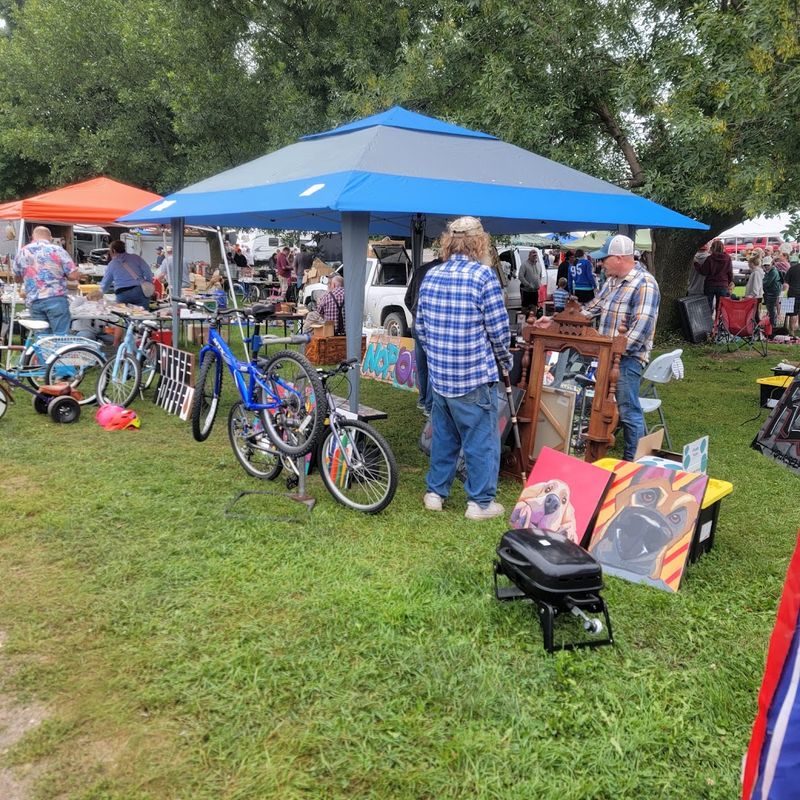
After spending a Saturday morning at this market, the question is not why people come, but how anyone who has been here manages to stay away for long.
The free entry, the rotating vendor mix, the genuine community warmth, and the consistent presence of good food create a combination that is genuinely hard to replicate. There is no formula here, no corporate polish, just real people selling real things in a wide-open field in Wright County.
The market has clearly meant something to this community for a very long time. Visitors who first came as children with their grandparents now bring their own kids, and the cycle continues in a way that feels both natural and quietly impressive.
Whether you walk away with a bag full of treasures or just a pork chop and a good mood, a Saturday morning at Wright County Swappers Meet has a way of feeling like time genuinely well spent.
Share this story