 Unearth The Voyage
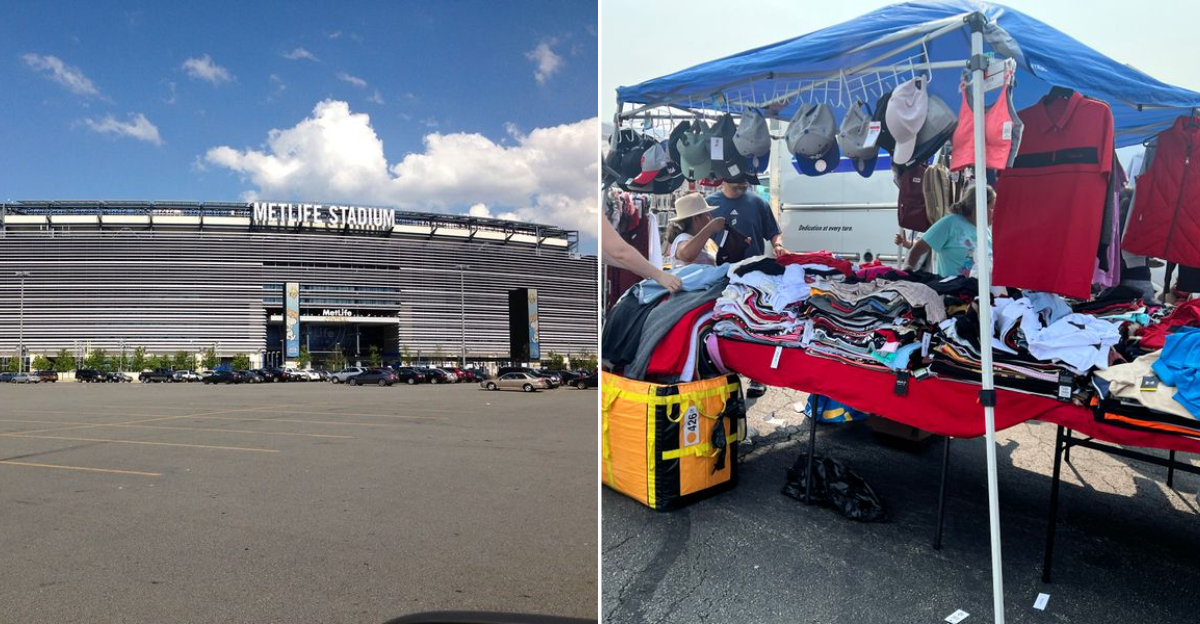
If you love the thrill of wandering through rows of unexpected finds, this Saturday stop is going to feel like your kind of adventure. One minute you’re casually browsing, and the next you’re spotting vintage treasures, quirky collectibles, and “how did I live without this?” purchases that somehow end up in your hands.
It’s the kind of outing that’s easy to start and hard to leave, because every aisle has something different waiting.
That’s exactly the vibe at The New Meadowlands Flea Market in East Rutherford. The variety is what makes it addictive, with vendors selling everything from antique furniture and home decor to fresh produce and random gems you won’t see twice.
It also stays low-risk and stress-free thanks to free parking and free admission, so you can take your time and explore without feeling pressured to spend. Whether you’re a serious collector or just want a fun weekend hunt, this market delivers a feel-good outing with real jackpot potential.
1. The First Lap With
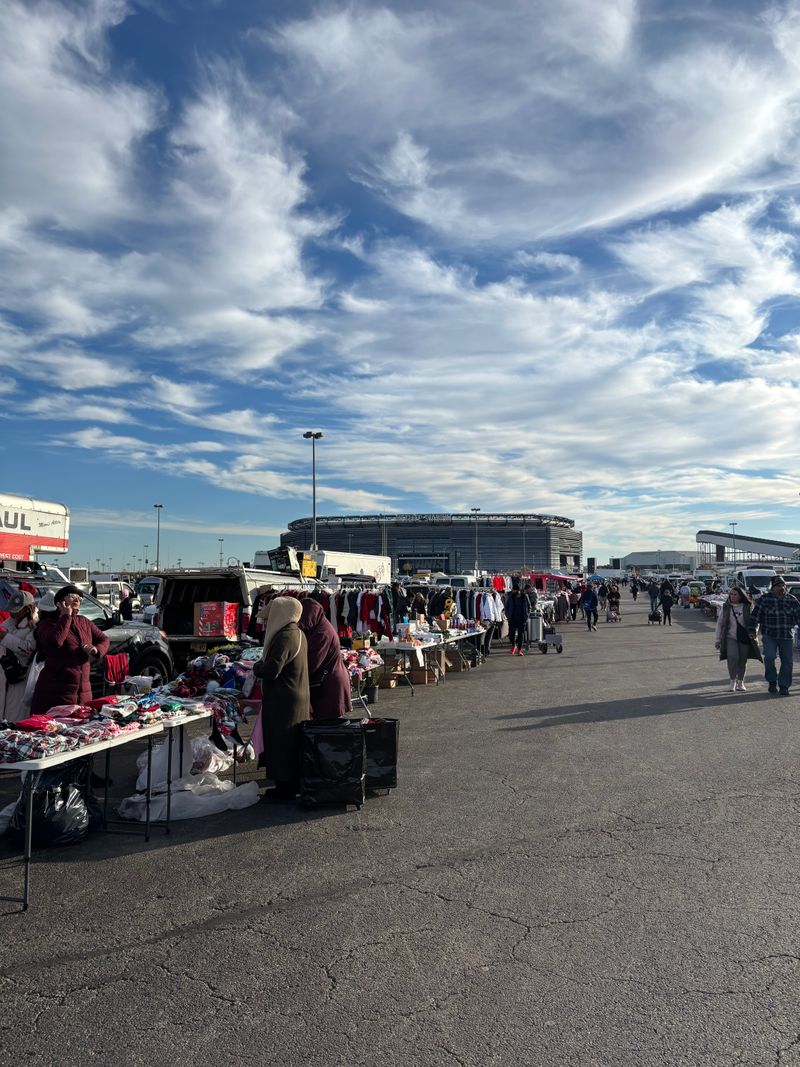
Walking past everything without buying a single thing sounds impossible, but trust me on this one. Your first loop should be recon only.
The market sprawls across multiple sections, and what looks like a must-have at the entrance might show up three more times at better prices deeper in.
I learned this the hard way when I bought a vintage lamp in the first aisle, only to spot the exact same one two rows over for half the price. That stung.
Now I treat the first walk like window shopping with purpose.
Impulse buys happen fast here because the energy is contagious. Everyone’s hunting, everyone’s excited, and that creates a weird pressure to grab things before someone else does.
But here’s the thing: there’s so much inventory that patience usually wins.
Take mental notes, snap photos if you need to remember where something is, and keep moving. Once you’ve seen the full layout, you can circle back with a game plan.
The best finds often require comparison shopping across multiple vendors, and you can’t do that if your hands are already full from row one.
2. The Vintage and Collectibles Zone
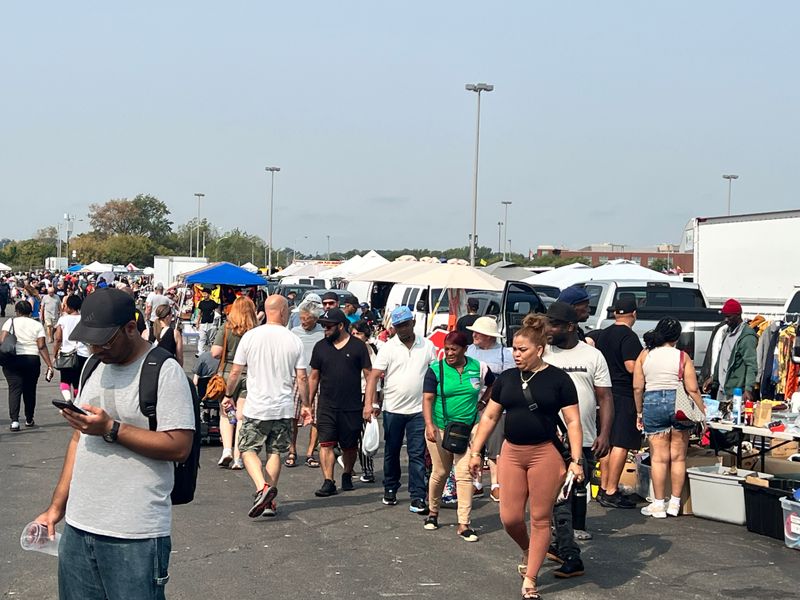
TripAdvisor reviewers weren’t exaggerating when they called this place a “literally has everything” experience. The vintage and collectibles section proves that point in the best way possible.
You’ll find mid-century furniture next to old advertising signs, vintage glassware beside retro lunchboxes, and somehow it all makes sense.
What makes this zone special is the unpredictability. One Saturday you might stumble on a pristine set of Depression-era dishes.
The next week, it’s a collection of 1980s action figures still in decent shape. Inventory rotates constantly because vendors bring different stock each time.
The key here is knowing what you’re looking at. Some sellers are experts who price accordingly, while others are just clearing out estates and might not realize what they have.
That’s where research pays off, especially if you collect specific items or eras.
Don’t rush through these tables. Vintage hunting rewards the patient scanner who’s willing to crouch down and check the back corners.
I once found a signed first edition book buried under a pile of paperbacks, priced at two dollars because the vendor didn’t notice the signature. Those moments are why people keep coming back.
3. The Practical Finds Aisle
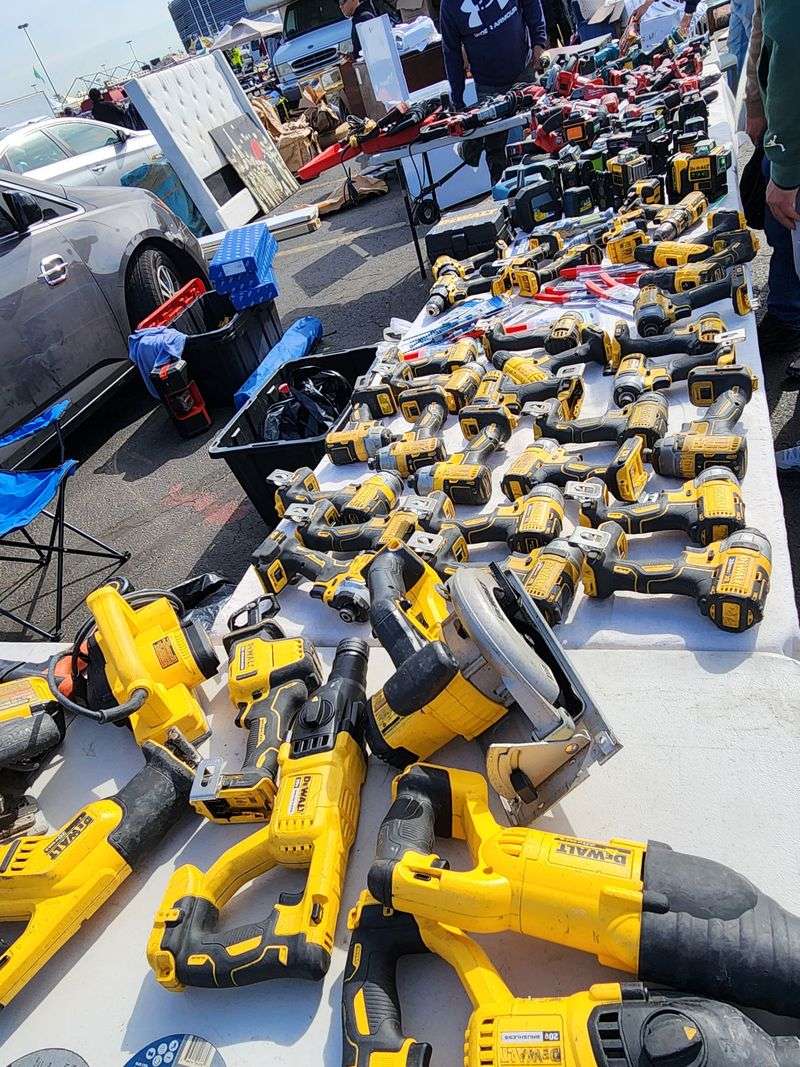
Not every flea market win involves a story you’ll tell at dinner parties. Sometimes the best score is a perfectly functional wrench set for five bucks or a box of brand-name light bulbs at half retail price.
This is where the market gets surprisingly useful.
I’ve bought everything from extension cords to picture frames here, all at prices that made me question why I ever paid full price at big-box stores. One vendor specializes in overstock hardware and tools, and his prices are borderline ridiculous.
Another sells kitchen gadgets and small appliances that work perfectly fine but got returned for minor cosmetic issues.
The beauty of this section is that it takes the guilt out of browsing. You came for vintage treasures, sure, but leaving with a new set of screwdrivers and a dish rack feels weirdly satisfying.
It’s the kind of practical victory that makes you feel like you won at adulting.
Check items carefully before buying, especially electronics and anything with moving parts. Most vendors are honest about condition, but it’s worth asking if you can test something or at least inspect it closely.
Returns aren’t really a thing here, so due diligence matters.
4. The Clothing and Accessories Hunt
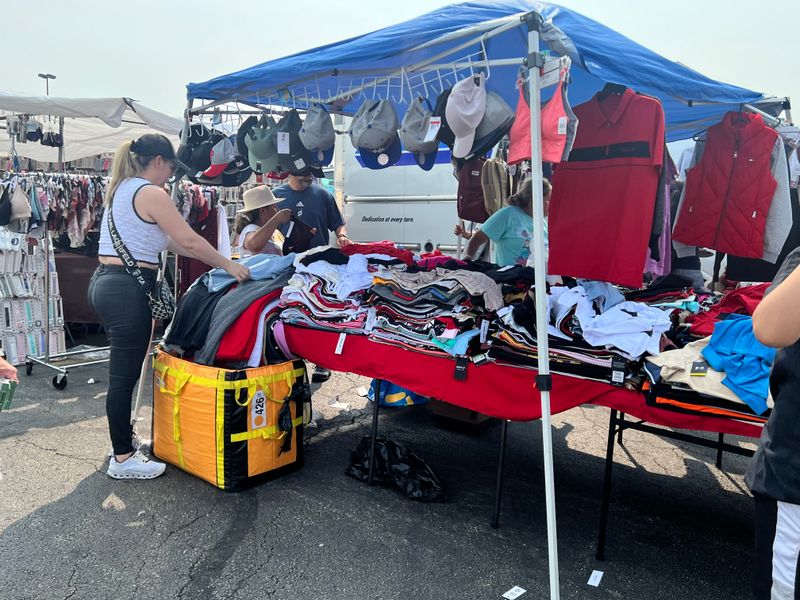
Clothing racks appear throughout the market, sometimes mixed in with other merchandise, sometimes taking over entire booths. The selection ranges from vintage band tees to barely worn designer purses, with plenty of random finds in between.
This category rewards diggers willing to flip through hangers and check labels.
I’ve watched people find leather jackets for twenty dollars and vintage denim that would cost ten times as much in trendy thrift stores. The catch is that sizing and condition vary wildly, so you need to inspect seams, zippers, and fabric closely.
Some pieces are genuinely vintage, while others are just used clothing from the past decade.
Accessories tend to offer better consistency than clothing. Scarves, belts, jewelry, and bags are easier to evaluate quickly and often come at prices that make impulse buying tempting.
One vendor I talked to sources estate sale jewelry and prices most pieces under ten dollars, which explains why her table always draws a crowd.
Bring a tote bag for this section because your hands will fill up fast. Also, wear something easy to layer over if you want to try items on, since fitting rooms aren’t exactly standard here.
The best finds happen when you’re willing to get a little dusty and dig through the less-organized piles.
5. The Books, Records, and Media Tables
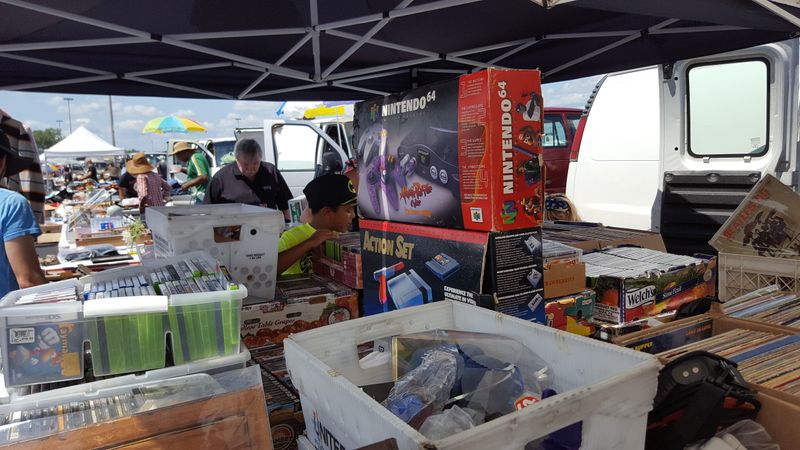
Multiple visitors specifically call out the books and records section, and for good reason. Physical media still thrives at flea markets in a way that feels almost rebellious in our streaming-everything era.
Vinyl collectors show up early here, scanning through crates with the focus of surgeons.
Book tables range from battered paperbacks priced at a quarter each to first editions and signed copies that require more careful evaluation. I once spent an hour flipping through a box of old National Geographic magazines from the 1960s, not because I needed them, but because the photography was incredible and they cost fifty cents each.
Records get picked over fast, especially on busy Saturdays. If you’re serious about vinyl, arrive when the market opens and head straight to the music vendors.
Condition matters hugely with records, so check for scratches, warping, and sleeve damage before buying. Most sellers will let you inspect closely if you ask.
CDs and DVDs show up too, usually in giant bins priced at a dollar or two each. The selection skews older, which makes sense given that most people ditched physical media years ago.
But that’s exactly why deals exist here for anyone still building a collection or looking for titles that never made it to streaming platforms.
6. The Toys and Random Nostalgia Pile
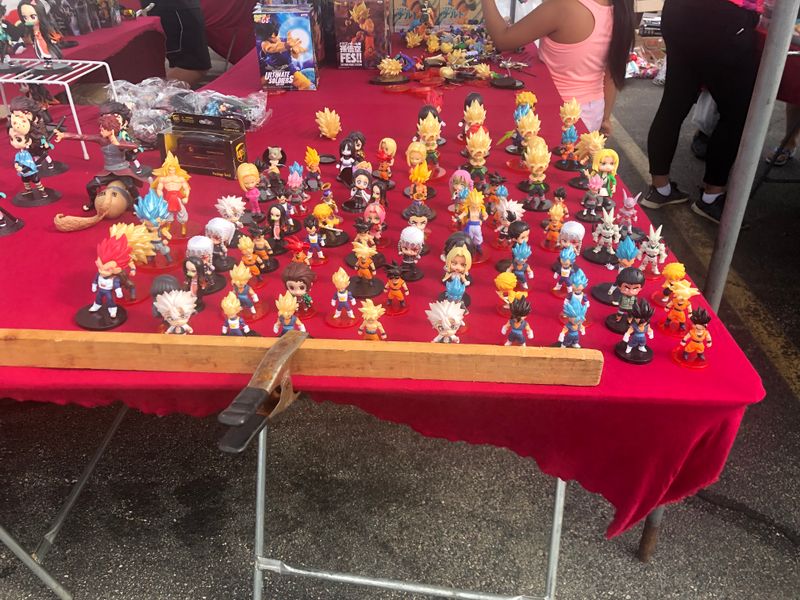
This section hits different because it’s where memory and merchandise collide. You’ll spot toys from your childhood, games you forgot existed, and random pop culture artifacts that make you say “Wait, I had that” out loud.
It’s pure nostalgia fuel, and vendors know it.
Pricing varies wildly depending on whether the seller understands collectible value or just wants to clear space. I’ve seen original Star Wars figures priced anywhere from three dollars to fifty, depending on condition and whether the vendor did their homework.
The same goes for vintage board games, Barbies, and Hot Wheels.
The best finds here aren’t always the most valuable items. Sometimes it’s the weird random toy that sparks a memory or makes you laugh.
I bought a McDonald’s Happy Meal toy from 1995 for a dollar just because it reminded me of being seven years old, and honestly, that was worth it.
Bring a friend who remembers the same era if you’re hunting seriously. Two sets of eyes help when you’re scanning through bins of loose action figures and random plastic.
Also, don’t be afraid to ask vendors if they have more stock in boxes under the table. The good stuff isn’t always displayed.
7. The Sports and Stadium-Adjacent Finds
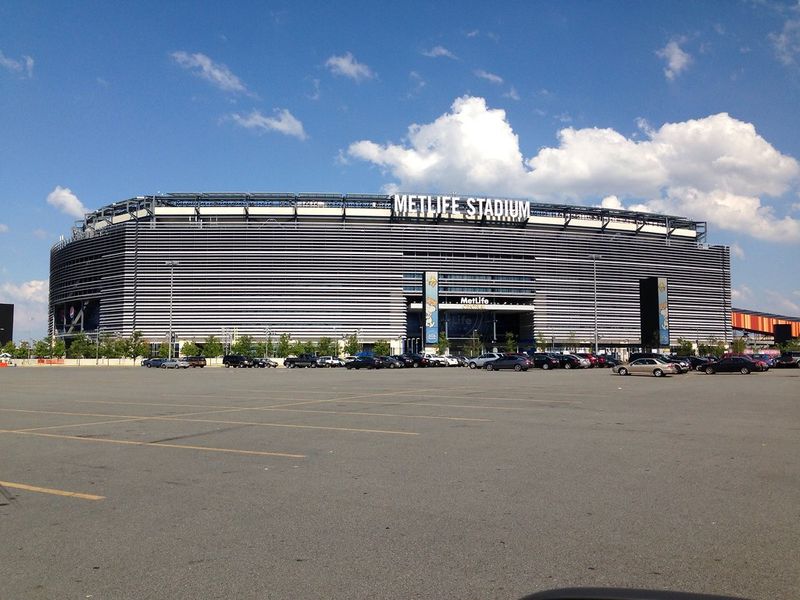
Shopping in the shadow of MetLife Stadium means sports stuff shows up regularly in the mix. You’ll find jerseys, signed memorabilia, team hats, and random stadium giveaways depending on the week and which vendors show up.
It’s not a dedicated sports market, but the location definitely influences inventory.
Authenticity matters hugely with memorabilia, so approach signed items with healthy skepticism unless you’re buying from a vendor with certificates or a solid reputation. Unsigned team merchandise is safer territory and often priced well below retail, especially older designs or items from seasons past.
I’ve seen everything from vintage Giants pennants to unopened packs of trading cards at this market. One vendor specializes in sports collectibles and clearly knows his stuff, while others just have random team gear mixed in with other merchandise.
The variety means you never quite know what you’ll find.
Inventory changes constantly here, so keep expectations flexible. One Saturday might deliver a treasure trove of football memorabilia, while the next week focuses more on other categories.
That unpredictability is part of the fun, but it also means serious collectors might need multiple visits to score their ideal finds. The hunt continues week after week, which honestly keeps people coming back.
8. Seasonal Produce and Market-Style Shopping
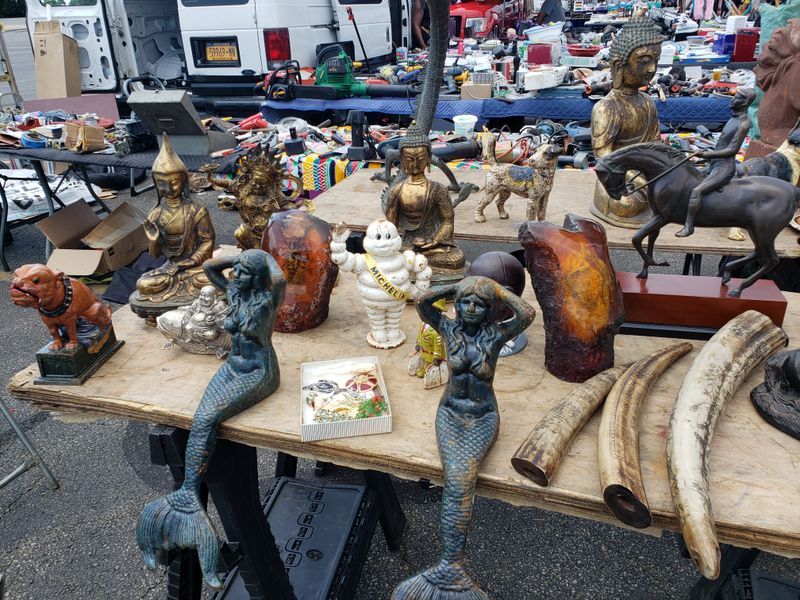
The official state tourism listing notes that fresh produce and garden flowers show up seasonally alongside the merchandise vendors. Translation: some Saturdays feel like a flea market and a farmers market had a baby, and honestly, that combination works surprisingly well.
During spring and summer, expect to see tables loaded with tomatoes, corn, berries, and whatever’s currently in season locally. Prices tend to beat grocery stores, and the quality is often better since you’re buying directly from growers or distributors.
I’ve grabbed fresh basil plants here for a fraction of what garden centers charge.
Flowers appear during warmer months too, from potted plants to cut bouquets. One vendor brings gorgeous arrangements that would cost thirty dollars at a florist but sells them for ten.
Another specializes in perennials and herbs, offering planting advice along with the sale.
This hybrid market vibe means you can knock out multiple errands in one trip. Grab your vintage lamp, score some fresh strawberries, pick up a succulent for your desk, and still have time to browse for random treasures.
Bring reusable bags and maybe a cooler if you’re shopping during hot weather, especially for produce that needs to stay fresh on the drive home.
9. The Snack Break That Keeps You Hunting
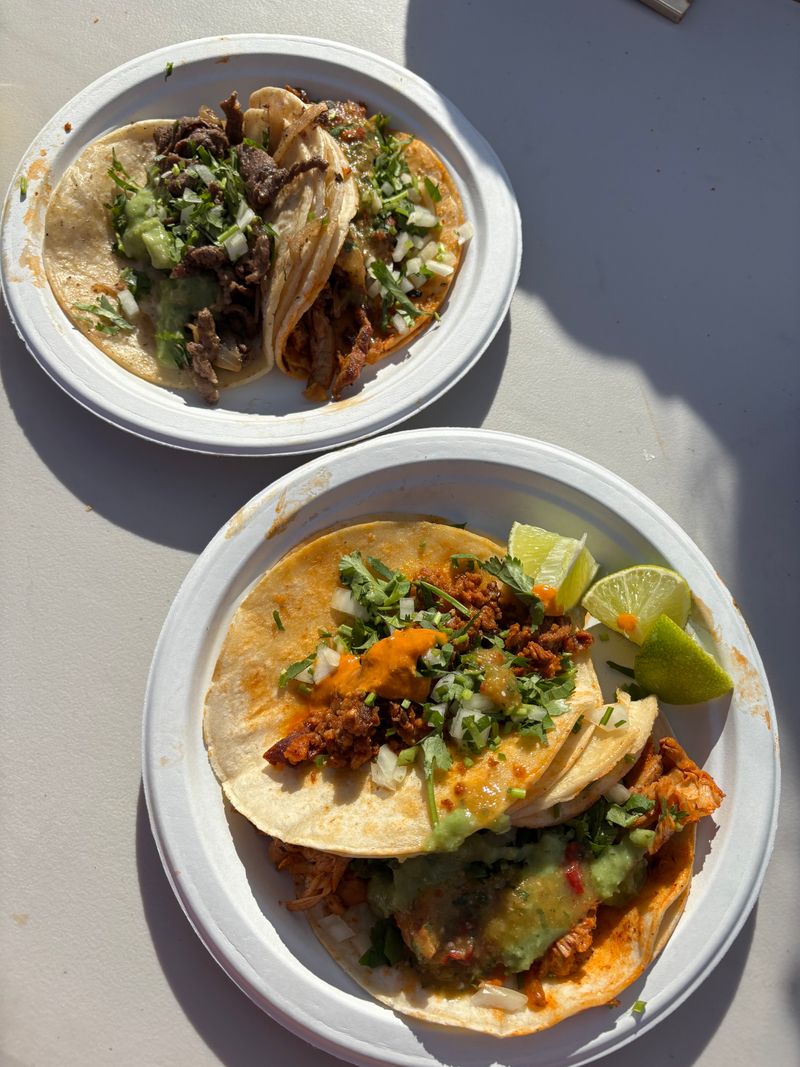
The market highlights food vendors alongside shopping, and honestly, that’s a lifesaver when you’re three hours into browsing and your blood sugar crashes. A quick bite halfway through helps you finish strong and keeps you from making weird purchases because you’re hangry.
Food options vary by week, but expect classic fair-style choices like hot dogs, pretzels, breakfast sandwiches, and coffee. Some vendors bring ethnic specialties or homemade baked goods that change up the usual flea market food scene.
I’ve grabbed empanadas, fresh donuts, and surprisingly good tacos here on different visits.
Prices stay reasonable, which fits the market’s overall vibe. You’re not paying stadium prices despite being next to MetLife.
Most meals or snacks run under ten dollars, making it easy to refuel without blowing your treasure-hunting budget. Plus, eating keeps you from impulse buying when you’re tired and cranky.
Seating is limited, so be prepared to eat standing or find a spot along the edges. I usually grab something portable and keep browsing, but some people prefer sitting down for a proper break.
Either way, factor in food time when planning your visit. A well-fed shopper makes better decisions than someone running on fumes and regret.
10. The Friendly Haggle Moment
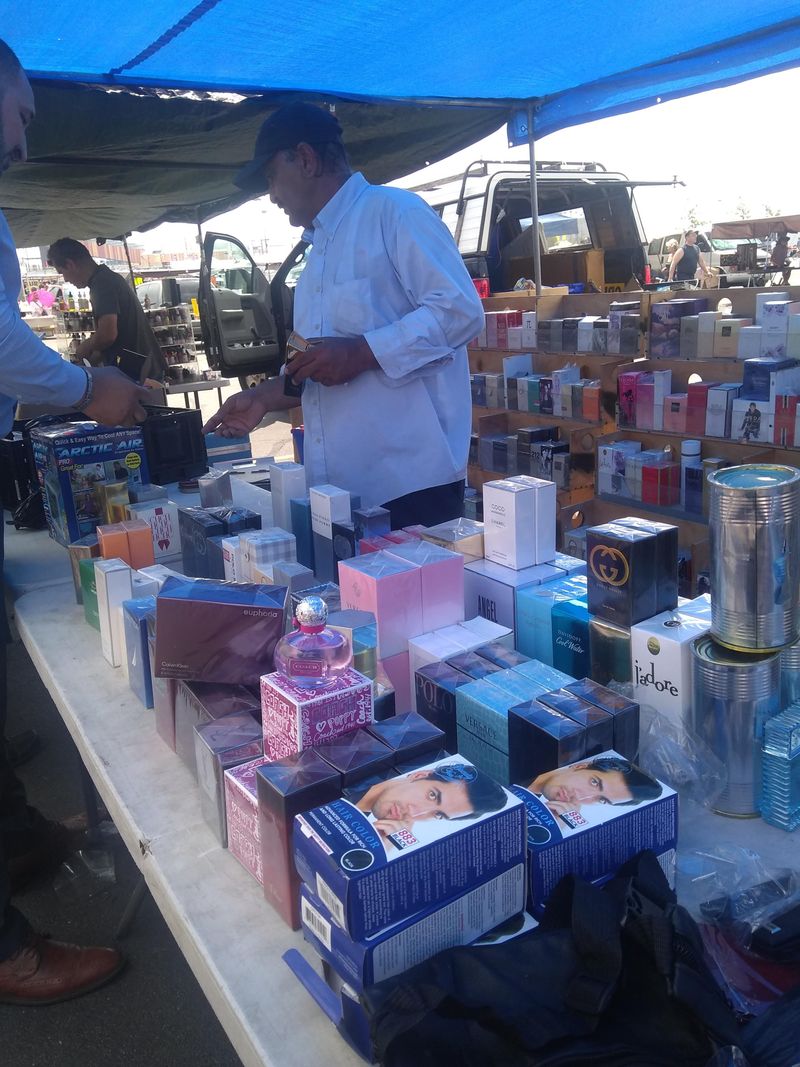
Flea markets are one of the few places where “Would you take…” still exists as a normal part of shopping. Most vendors expect some negotiation, especially if you’re buying multiple items or shopping later in the day.
Keep it friendly, and you’d be surprised how often prices drop.
I bundle items when it makes sense, which gives me leverage to ask for a better deal. Buying three books instead of one, or pairing that lamp with a picture frame, usually gets a discount without much pushback.
Vendors would rather move merchandise than pack it back up, so timing matters.
Later afternoon often brings better deals according to visitor reviews, though some vendors start packing early if traffic slows. I’ve scored ridiculous prices on items at 2 PM from sellers who just wanted to clear out before heading home.
But that strategy risks missing popular items that sell earlier.
Keep negotiations polite and realistic. Offering two dollars for something marked at fifty is insulting, but asking if they’d take forty is reasonable.
Read the vendor’s vibe too. Some are firm on prices, while others enjoy the back-and-forth.
When someone says no, accept it gracefully and move on. The next table might have exactly what you want at the price you’re willing to pay.
11. The ‘Look Twice’ Rule for Hidden Gems
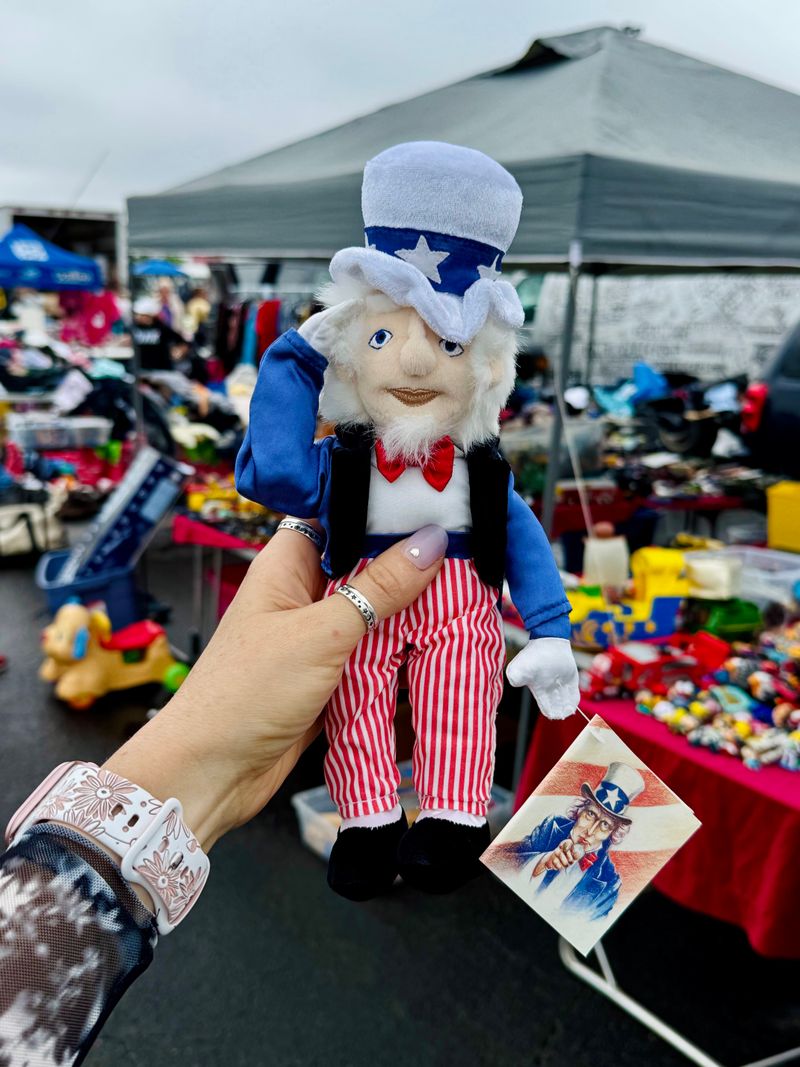
Some of the best finds aren’t front-and-center. Vendors stack prime real estate with obvious merchandise, but the corners of tables, lower shelves, and boxes underneath often hide the good stuff.
Treasure hunt logic applies: the jackpot is frequently buried.
I make it a habit to scan every level of a booth, not just what’s at eye height. That’s how I found a vintage camera in excellent condition tucked behind newer items, priced at ten dollars because the vendor forgot it was there.
Another time, a box under a table held first-edition books the seller hadn’t sorted yet.
Don’t be afraid to ask if you can look through bins or check what’s in boxes. Most vendors appreciate serious shoppers who take time to dig.
Just be respectful of their space and put things back if you’re not buying. The goal is building rapport, not annoying someone who might have exactly what you need next week.
This approach takes more time, but that’s the point. Speed shopping works at malls, not flea markets.
The people who leave with incredible stories are usually the ones who crouched down, got a little dusty, and checked everywhere. Your patience gets rewarded here more often than not, which keeps the treasure hunt feeling alive even after dozens of visits.



