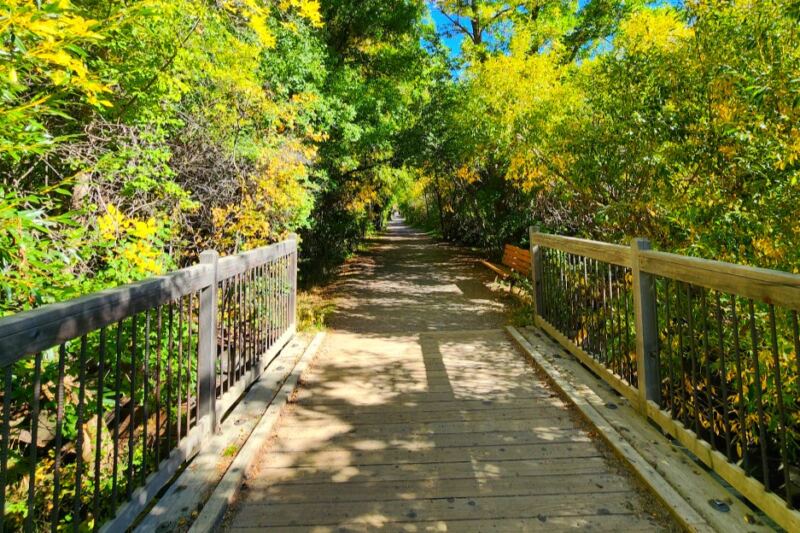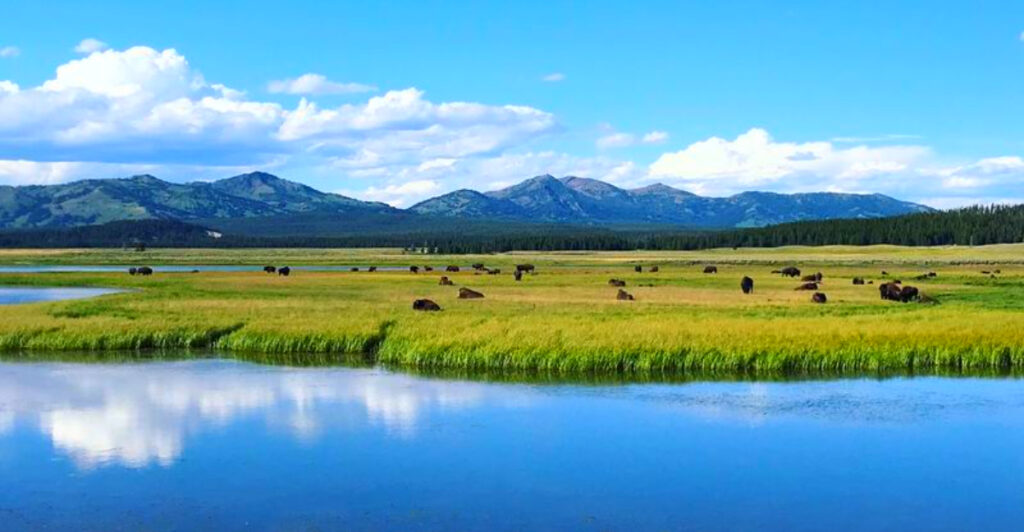
Yellowstone’s only year-round entrance begins in the small town of Gardiner, Montana, where visitors pass through the iconic Roosevelt Arch before entering America’s first national park. Just outside the entrance, the Yellowstone National Park Gateway Garden offers a peaceful stop with colorful seasonal plantings, walking paths, and views of the surrounding mountains.
The setting is only part of the appeal. Wildlife is frequently spotted around the valley, the Yellowstone River flows nearby, and the garden provides a quiet place to pause before exploring the park. Keep reading to discover why this welcoming gateway has become an essential first stop for so many Yellowstone visitors.
The Gateway Garden at the Northern Entrance of Yellowstone
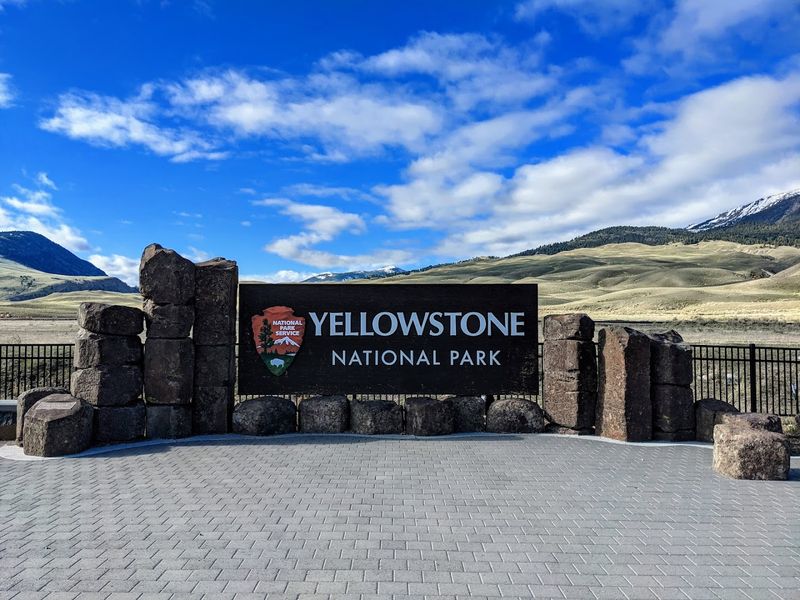
Right at the edge of where Montana meets one of America’s most celebrated national parks, the Yellowstone National Park Gateway Garden sits at 10-12 Park St, Gardiner, MT 59030, open 24 hours a day, every day of the year.
This small but beautifully maintained garden serves as the welcoming face of the northern entrance, the only gateway to Yellowstone that stays open year-round. Before visitors even set foot inside the park itself, this spot gives them a moment to pause, breathe, and take in the surroundings.
The garden earns a near-perfect 4.9-star rating from over 760 visitors, which tells you everything about the impression it leaves. Colorful plantings, thoughtful landscaping, and a setting framed by the rugged peaks of Paradise Valley make this garden feel less like a roadside stop and more like a proper welcome mat for one of the most spectacular places on the planet.
The Legendary Roosevelt Arch That Marks the Beginning
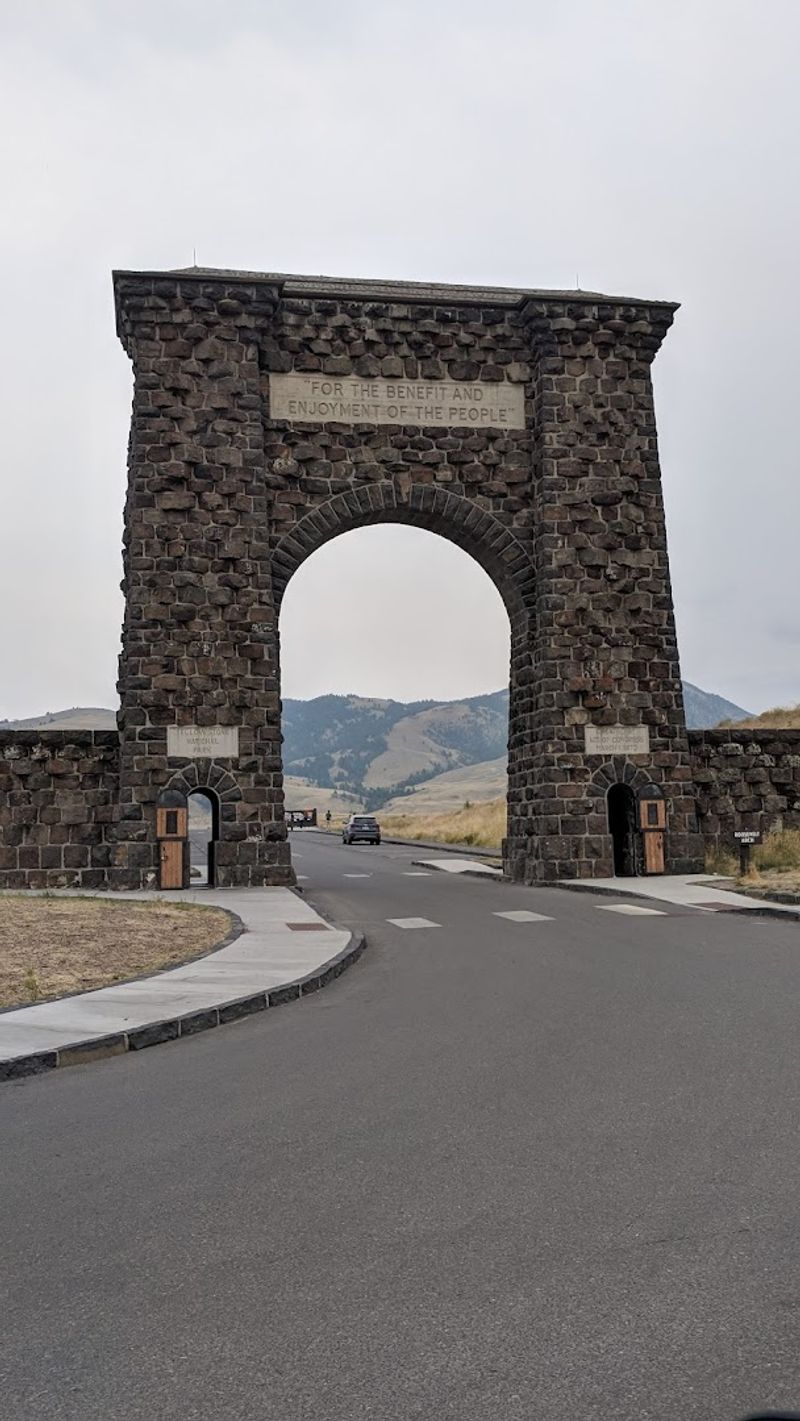
Few landmarks in the American West carry as much history per square foot as the Roosevelt Arch, the massive stone gateway that stands at the northern entrance to Yellowstone just steps from the Gateway Garden.
President Theodore Roosevelt dedicated this arch in April 1903, and the inscription carved across the top reads: “For the Benefit and Enjoyment of the People.” Those words have welcomed travelers for well over a century, and they still carry real weight today.
The arch was built from local basalt and stands roughly 50 feet tall, creating a dramatic frame through which you can see the park road stretching ahead into the wild. Visitors constantly stop here for photographs, and on busy summer days, the area buzzes with excitement as people realize they are truly about to enter America’s first national park.
Seeing the arch up close, with the garden nearby and the mountains rising behind it, is one of those travel moments that actually lives up to the hype.
Paradise Valley and the Drive That Earns Its Name
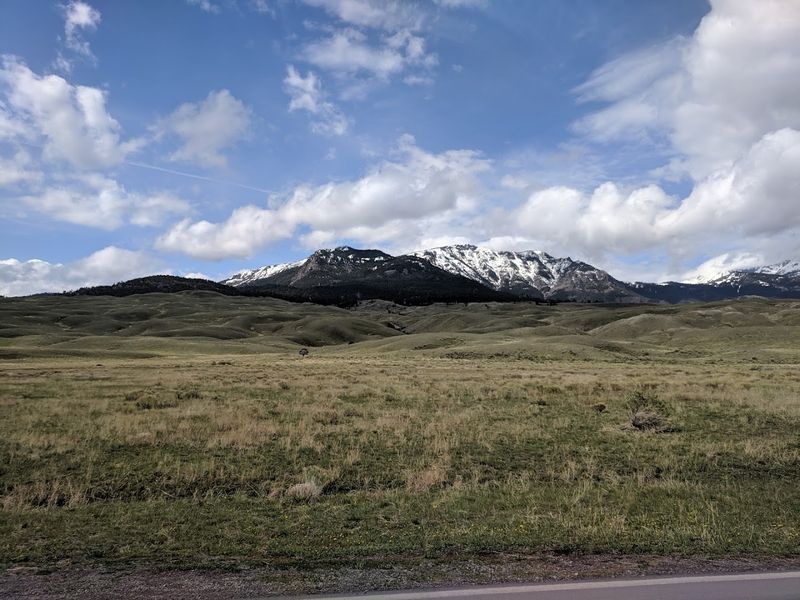
The drive south from Livingston to Gardiner along Highway 89 is the kind of road that makes people pull over repeatedly just to confirm that what they are seeing is real.
Paradise Valley earns its name honestly. The Yellowstone River flows alongside the highway for much of the route, and the Absaroka Range rises dramatically on the east while the Gallatin Range fills the western skyline. Pronghorn antelope graze in the open fields, and elk are a common sight near the river banks, especially in the early morning and evening hours.
The drive covers roughly 50 miles and takes about an hour at a relaxed pace, though most visitors budget extra time because stopping is practically unavoidable. The light in this valley changes constantly, turning the mountains from gold to purple to deep shadow depending on the time of day.
By the time the Gateway Garden and Roosevelt Arch come into view at the end of this drive, the anticipation has been building for miles and the arrival feels genuinely earned.
Gardiner Town: A Western Character All Its Own
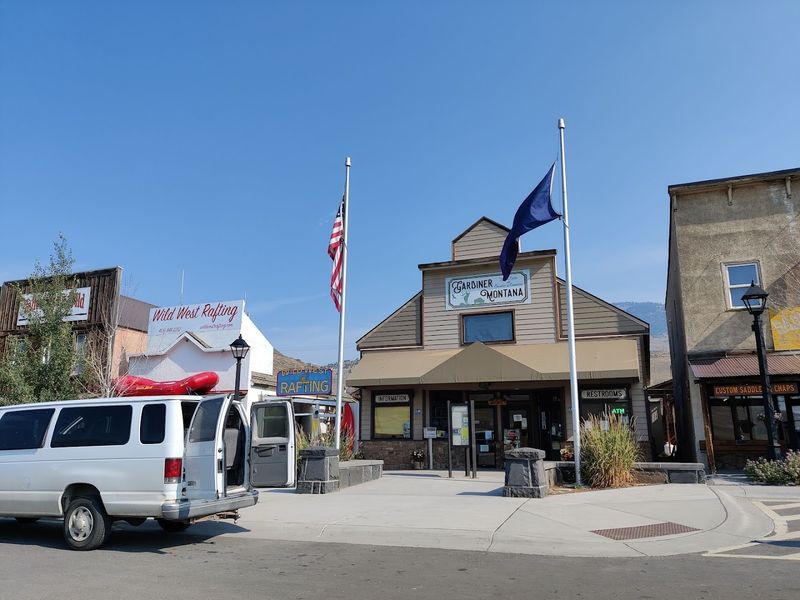
Gardiner is the kind of town that has not forgotten what it is. With a permanent population of just over 800 people, this compact western community sits right at the edge of Yellowstone and has built its identity entirely around that remarkable neighbor.
The main strip along Park Street offers a mix of outfitters, souvenir shops, casual restaurants, and small lodges, all within easy walking distance of the Gateway Garden and the Roosevelt Arch. Parking is available even for RVs, and the layout of the town makes it simple to grab snacks, stretch your legs, and take photos before continuing into the park.
What makes Gardiner feel different from typical tourist towns is the wildlife. Elk wander through town regularly, especially in winter when they come down from higher elevations, and bison are sometimes spotted on the outskirts. The local community takes real pride in sharing this environment with visitors, and that warmth comes through in small interactions at nearly every shop and trailhead along the way.
Mammoth Hot Springs: The First Marvel Inside the Gate
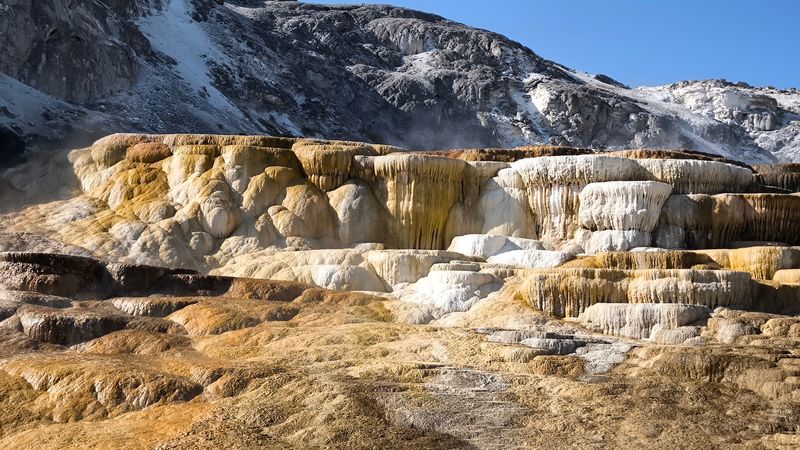
Just five miles past the northern entrance, Mammoth Hot Springs delivers one of the most visually striking landscapes in the entire park. Terraced mineral formations cascade down a hillside like frozen waterfalls made of white and cream-colored travertine, with steam rising from active pools in a steady, quiet drift.
The hot springs here are constantly changing because the mineral-rich water continuously deposits new layers of travertine, shifting the shapes and colors of the terraces over time. What looked one way on your last visit may look entirely different on your next trip, which gives Mammoth a living, evolving quality that other landmarks cannot match.
Boardwalks wind through the formations, keeping visitors on safe ground while offering close-up views of the pools and their vivid hues of orange, yellow, and white. The nearby Mammoth Hot Springs Hotel and the historic Fort Yellowstone buildings add a layer of human history to the scene.
For anyone entering from Gardiner, this is typically the first major stop, and it sets a very high bar for everything that follows.
Wildlife Everywhere You Look, Including in Town
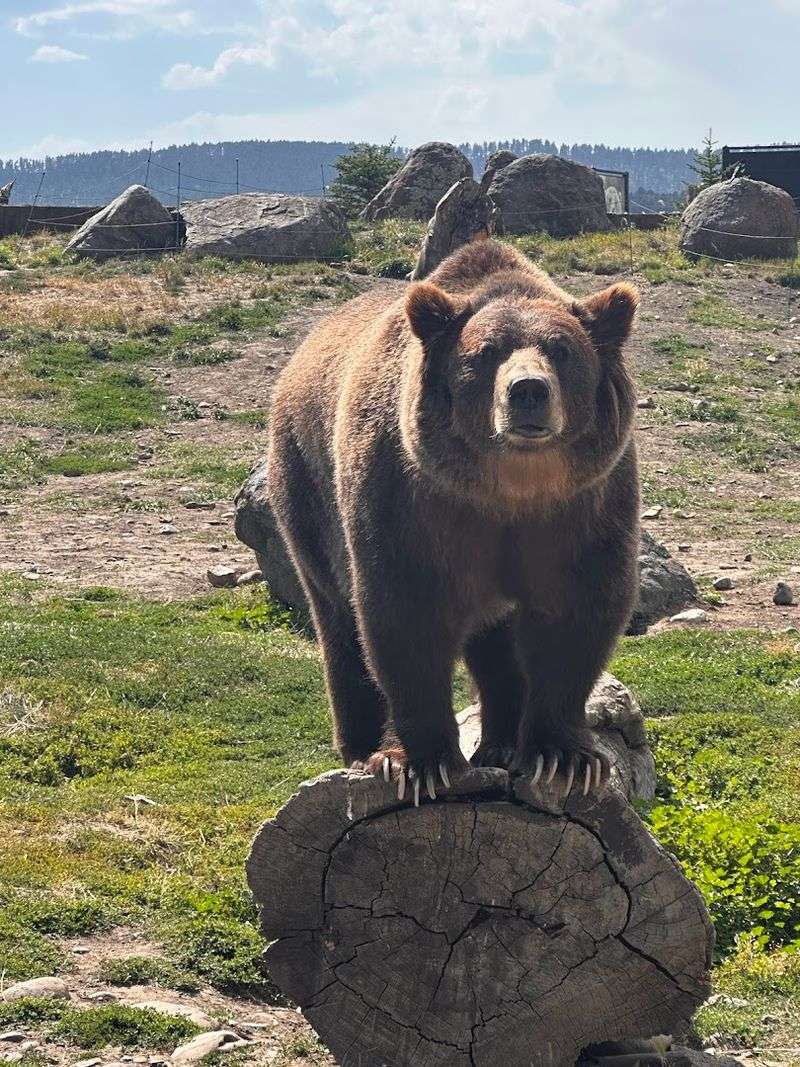
Yellowstone’s wildlife is not something you have to search hard to find, especially near the northern entrance. Bison herds cross the road with total indifference to traffic, elk graze in meadows a short distance from the highway, and pronghorn antelope dart across open fields at speeds that seem physically improbable.
The Lamar Valley, accessible from the northern part of the park, is widely considered one of the best wildlife-watching locations in North America. Wolves, grizzly bears, black bears, bighorn sheep, foxes, and moose all call this region home, and early mornings are when the activity peaks. Visitors often park along the road with binoculars and spotting scopes, watching the valley floor for movement.
What surprises many first-time visitors is that the wildlife does not stay neatly inside the park boundaries. Elk and deer regularly stroll through Gardiner itself, particularly in the colder months when the town essentially becomes an extension of their habitat.
Patience and early rising hours reward wildlife watchers with sightings that feel genuinely wild and unscripted.
The Best Seasons to Visit and What Each One Offers
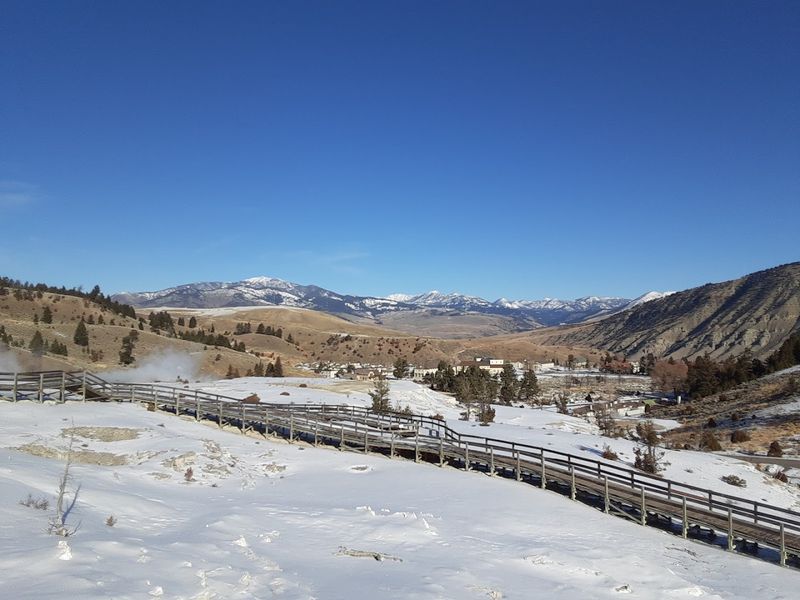
The northern entrance through Gardiner is the only way into Yellowstone that stays open every single month of the year, which gives this gateway a distinct advantage over other entrances that close in winter. That year-round access means no season is off-limits, and each one delivers a completely different experience.
Summer, roughly May through September, brings the largest crowds, the warmest temperatures, and access to all park roads and facilities. Fall is a strong favorite among experienced visitors because the crowds thin out, the aspen trees turn golden, and elk bugling fills the air during the rut season. Winter transforms the landscape into something quieter and more dramatic, with bison steaming against snowy backdrops and geothermal features looking even more surreal in cold air.
Spring brings its own rewards, including newborn animals, wildflowers, and the chance to see the park awakening after months of snow. Whatever month brings you to the Gateway Garden and through the Roosevelt Arch, the northern entrance has something worth the trip.
Geothermal Wonders Beyond Mammoth
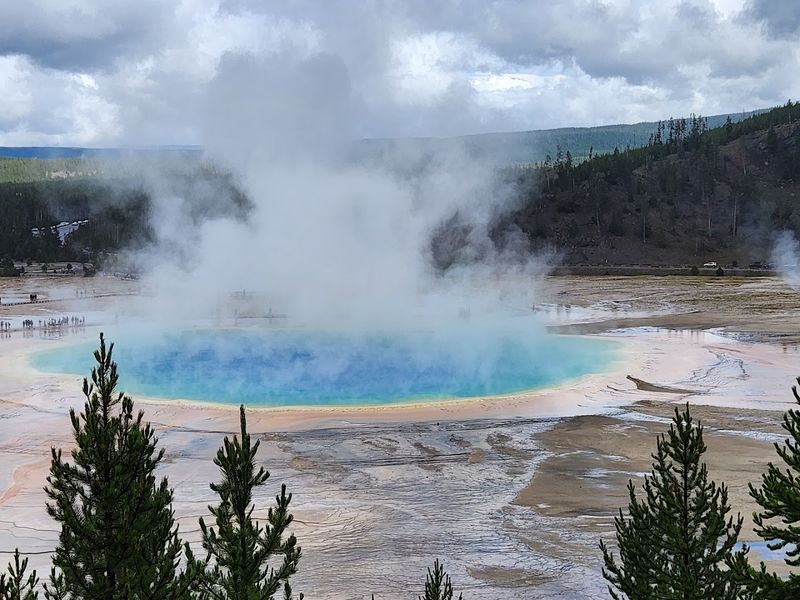
Mammoth Hot Springs is just the opening act. Deeper inside the park, the geothermal features grow even more dramatic, and the variety of what Yellowstone offers underground is genuinely unlike anywhere else on Earth.
Grand Prismatic Spring is the largest hot spring in the United States and the third largest in the world, measuring roughly 370 feet across. Its concentric rings of color, from deep sapphire blue at the center to vivid orange and yellow at the edges, come from heat-loving microorganisms called thermophiles. The overlook trail gives visitors a wider perspective that reveals the full pattern of colors in a way the boardwalk level simply cannot.
Old Faithful, the park’s most famous geyser, erupts approximately every 90 minutes and sends a column of boiling water up to 185 feet into the air. The Grand Canyon of the Yellowstone adds roaring waterfalls and vivid yellow canyon walls to the mix.
Each of these features sits further from Gardiner, making a multi-day visit the smartest way to experience them all without rushing.
Practical Tips for Your Visit to the Gateway Garden Area
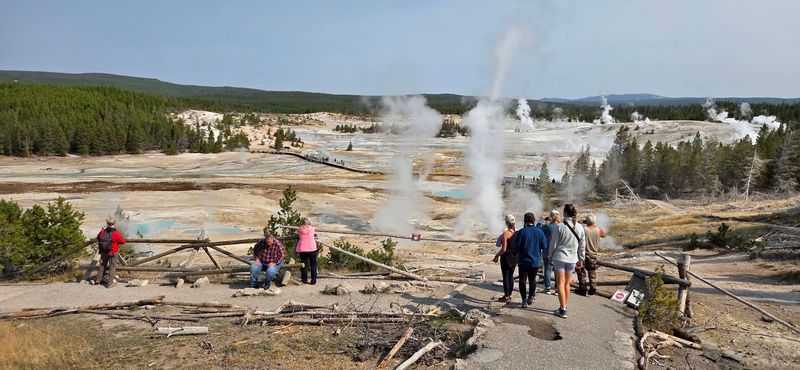
The Gateway Garden itself is open around the clock, every day of the week, and there is no entry fee to visit this spot or photograph the Roosevelt Arch. It functions as a public gathering point right at the threshold of the park, and it handles a steady flow of visitors without ever feeling cramped.
Parking near the garden and arch is available, and RV-sized spaces can be found within a short walk of the site. The nearby shops and restaurants on Park Street make it easy to stock up on snacks and supplies before heading into the park, where services are more spread out and sometimes limited depending on the season.
A Yellowstone entrance pass is required to proceed into the national park itself, and purchasing one in advance through the America the Beautiful annual pass program saves time at the gate. Cell service in Gardiner is reasonable, but it drops quickly once you are inside the park, so downloading offline maps before arrival is a practical step that many first-timers overlook.
Outdoor Activities Around Gardiner Beyond the Park Gates
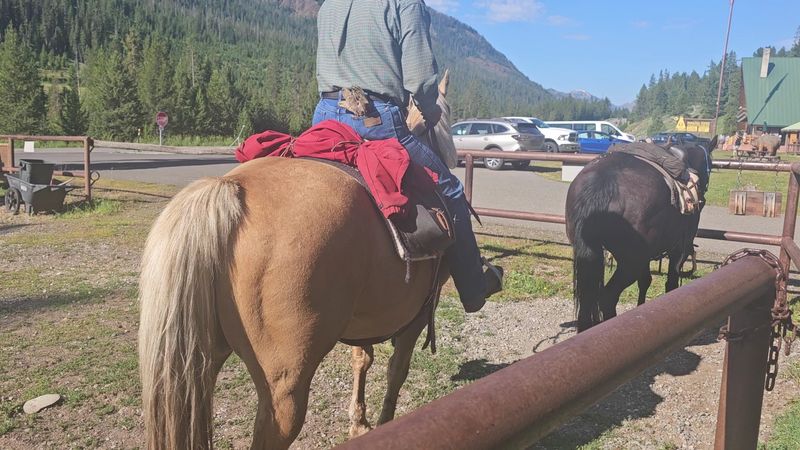
The adventure around Gardiner does not stop at the park boundary. The Yellowstone River itself, which flows directly through town, is a popular destination for whitewater rafting, with outfitters in Gardiner offering guided trips through the Yankee Jim Canyon section of the river.
Horseback riding is another well-established activity in the area, with local outfitters leading trail rides through the foothills and open rangeland surrounding the town. The scenery on horseback covers terrain that most visitors never see from the road, including ridgelines with sweeping views of both the park and Paradise Valley.
Fishing on the Yellowstone River draws serious anglers from across the country, as the river holds strong populations of native cutthroat trout. Hiking trails accessible directly from Gardiner lead into the Gallatin National Forest, offering quieter alternatives to the busier park trails.
Camping options range from developed campgrounds inside the park to dispersed sites in the national forest, giving visitors real flexibility in how they experience this extraordinary corner of Montana.
Why the Northern Entrance Leaves a Lasting Impression
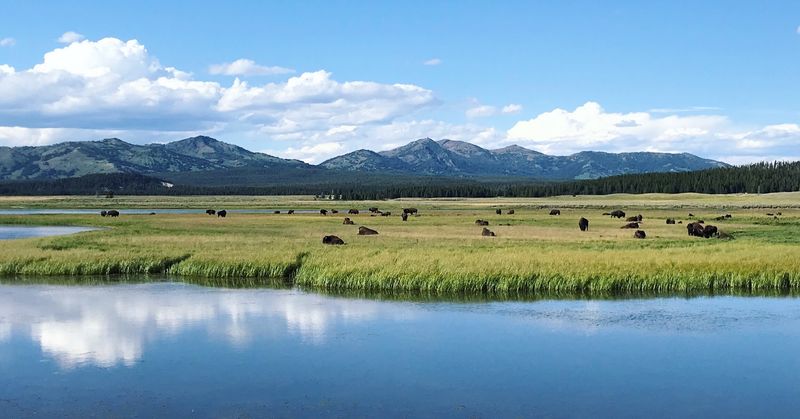
There is something about arriving at Yellowstone through the northern entrance that sticks with people long after the trip is over. The combination of the historic arch, the welcoming garden, the river valley, and the immediate proximity to wildlife creates an arrival experience that other entrances simply do not replicate.
The Gateway Garden at 10-12 Park Street in Gardiner is small in physical size but large in the role it plays. It softens the transition between the ordinary world of highways and parking lots and the extraordinary world waiting just beyond the arch. The plantings, the open sky, and the mountain backdrop frame the moment of arrival in a way that feels intentional and thoughtful.
Visitors who take a few extra minutes here before rushing into the park consistently describe the pause as worthwhile. The garden quietly reminds you to slow down, look around, and appreciate where you are before the geysers, the bison herds, and the canyon views take over completely.
The northern entrance does not just open a gate. It opens a perspective.
Share this story