New Jersey does not always get credit for its natural spaces, but tucked inside a quiet residential neighborhood in Short Hills, there is a place that makes you rethink everything you assumed about the Garden State. It is the kind of spot that locals have quietly treasured for decades while the rest of the world scrolled past it without a second glance.
The trails wind through mature forest, native wildlife moves freely through the canopy, and a small but dedicated staff keeps the whole operation running with genuine care. This article covers everything worth knowing about this surprisingly rich nature destination, from its trails and wildlife exhibits to its programs for kids and the best times to plan a visit.
Where Exactly This Place Is and How to Find It
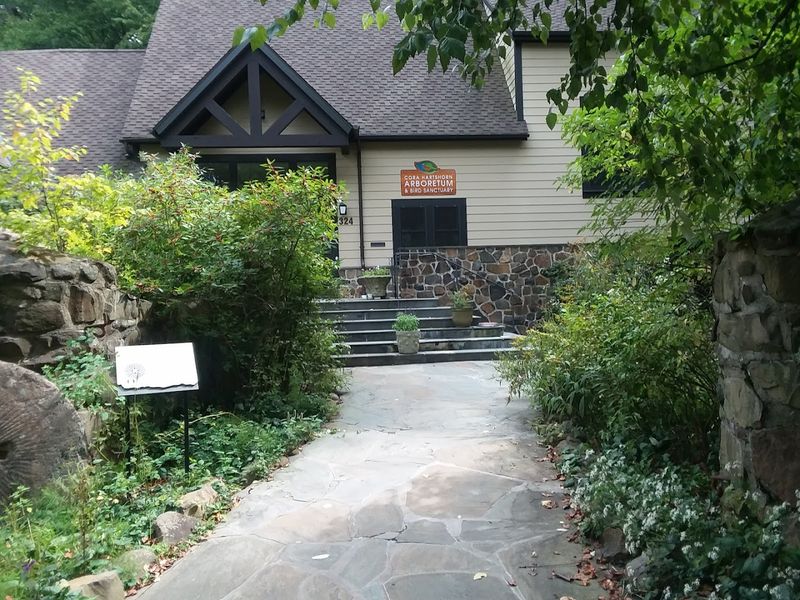
Cora Hartshorn Arboretum and Bird Sanctuary sits at 324 Forest Dr S, Short Hills, NJ 07078, right in the middle of a calm, tree-lined residential neighborhood in Millburn Township, Essex County, New Jersey.
Finding the entrance requires a little attention because the arboretum blends naturally into the surrounding neighborhood rather than announcing itself with large commercial signage. Street parking is available along the nearby roads, though spaces can fill up on busy weekend mornings, so arriving early is a smart move.
The property is open every day of the week from 9 AM to 4 PM, which gives flexibility for both weekday and weekend visits. A trail map is typically available at the entrance, making it easy to orient yourself before heading out on the wooded paths.
The website at hartshornarboretum.org has current program information and event updates worth checking before any visit.
The Story Behind This Quiet Corner of New Jersey
The arboretum carries the name of Cora Hartshorn, the woman whose vision and dedication helped establish this green space as a place for public education and nature conservation in northern New Jersey.
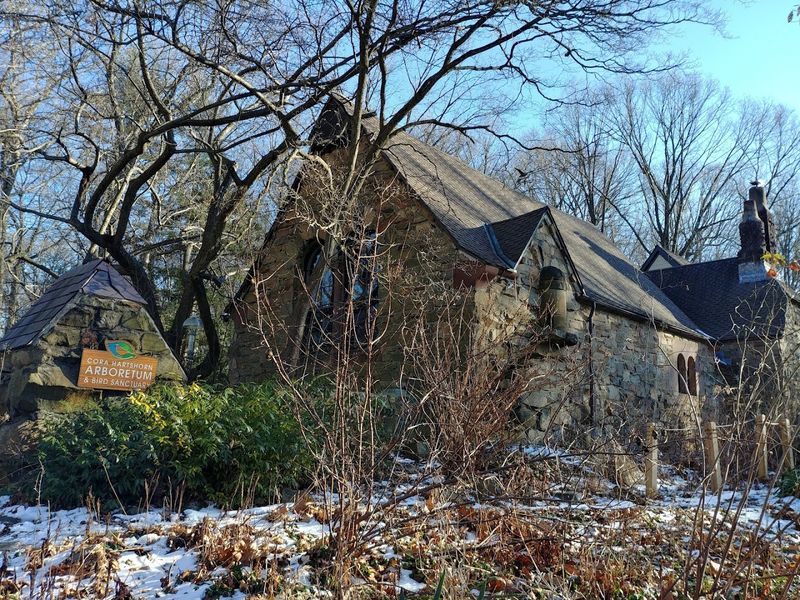
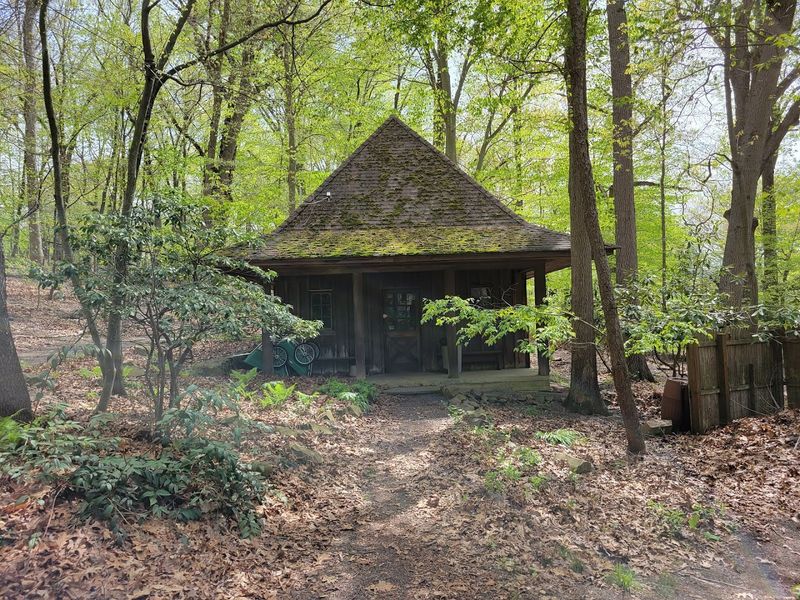
Her family’s connection to the land gave the preserve its foundation, and over the decades, the site evolved from a private natural space into a community resource that now serves school groups, families, nature photographers, and casual walkers alike. The stone building at the heart of the property reflects the era in which the arboretum was first developed, giving the site a grounded, historical character that newer parks simply cannot replicate.
That sense of continuity is part of what makes a visit feel different from a trip to a standard municipal park. There is history layered into the landscape here, from the mature trees that have been growing for generations to the educational mission that has remained consistent through the years.
Three Miles of Trails Through a Surprisingly Hilly Forest
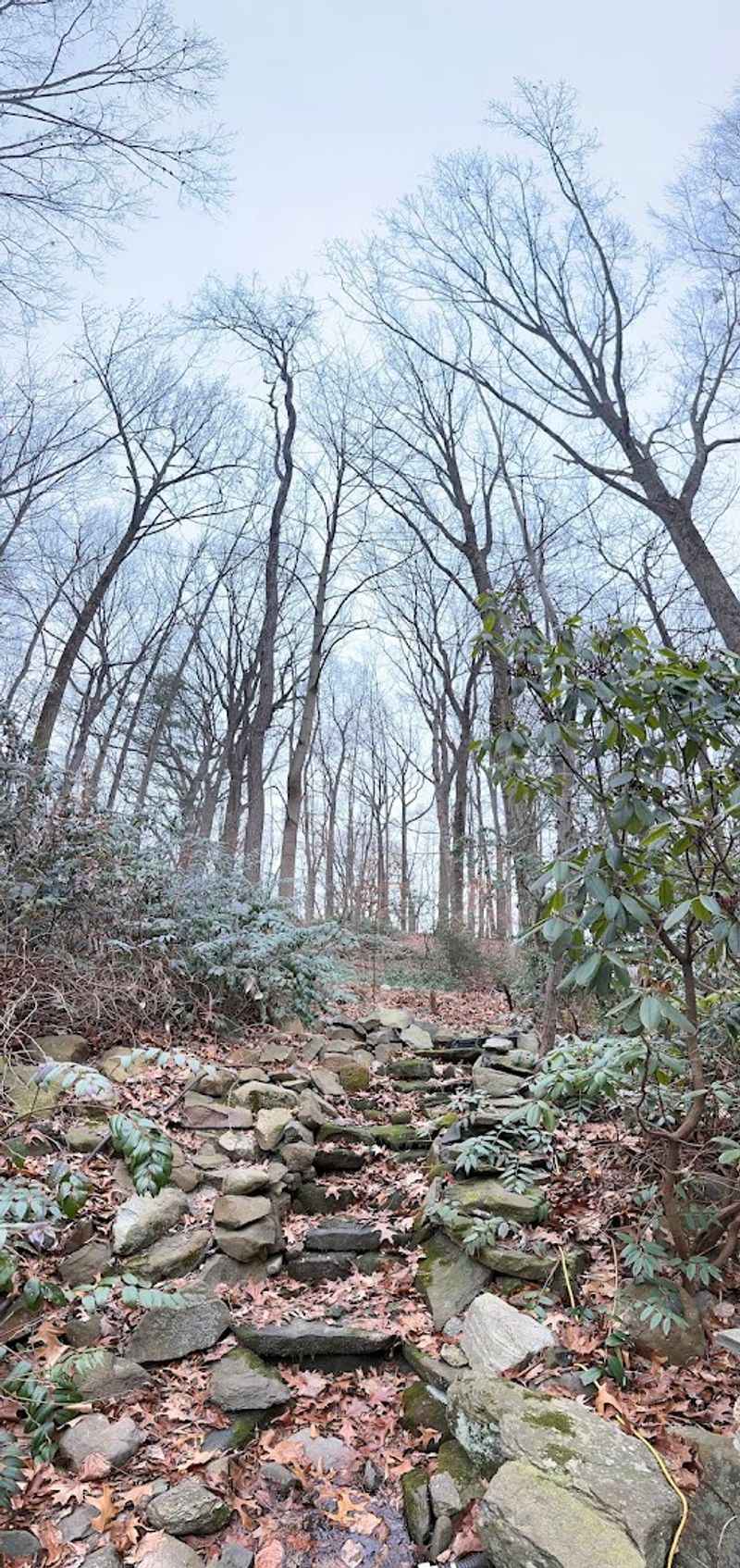
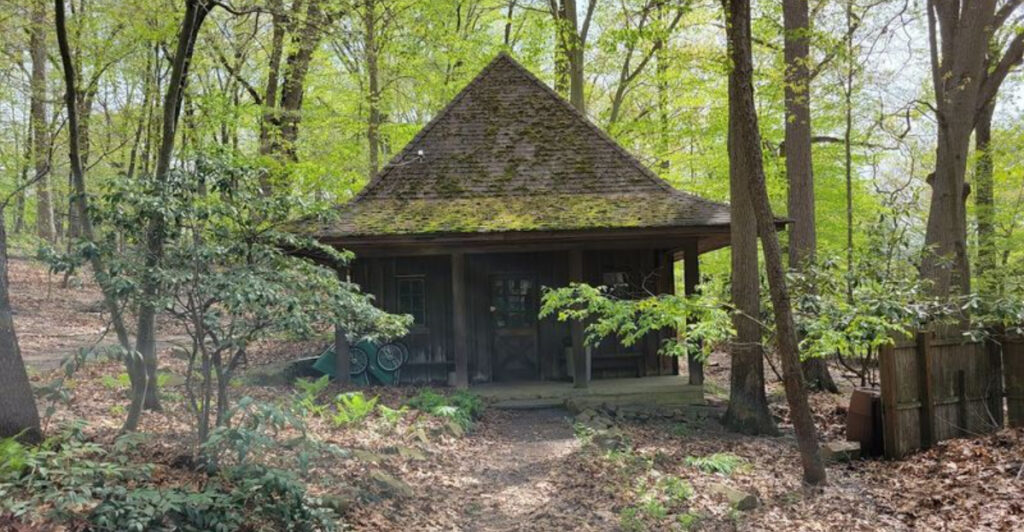
The trail system at the arboretum covers approximately three miles of wooded paths, which is more than most first-time visitors expect when they pull up to what looks like a modest neighborhood green space.
The trails are surfaced with woodchips in many sections and include stone steps in areas where the terrain rises steeply. Hills and valleys move through the property in a way that makes the walk genuinely engaging rather than flat and predictable.
Some sections are more manageable for younger children and older adults, while others offer a proper workout for those looking to push a little harder.
Trail maps available at the entrance help prevent the kind of confusion that can turn a pleasant walk into an unplanned orienteering exercise. Deer containment gates are located at certain points along the trails, and staff members are helpful about pointing these out before anyone heads into the woods on their own.
The Indoor Wildlife Exhibits That Steal the Show
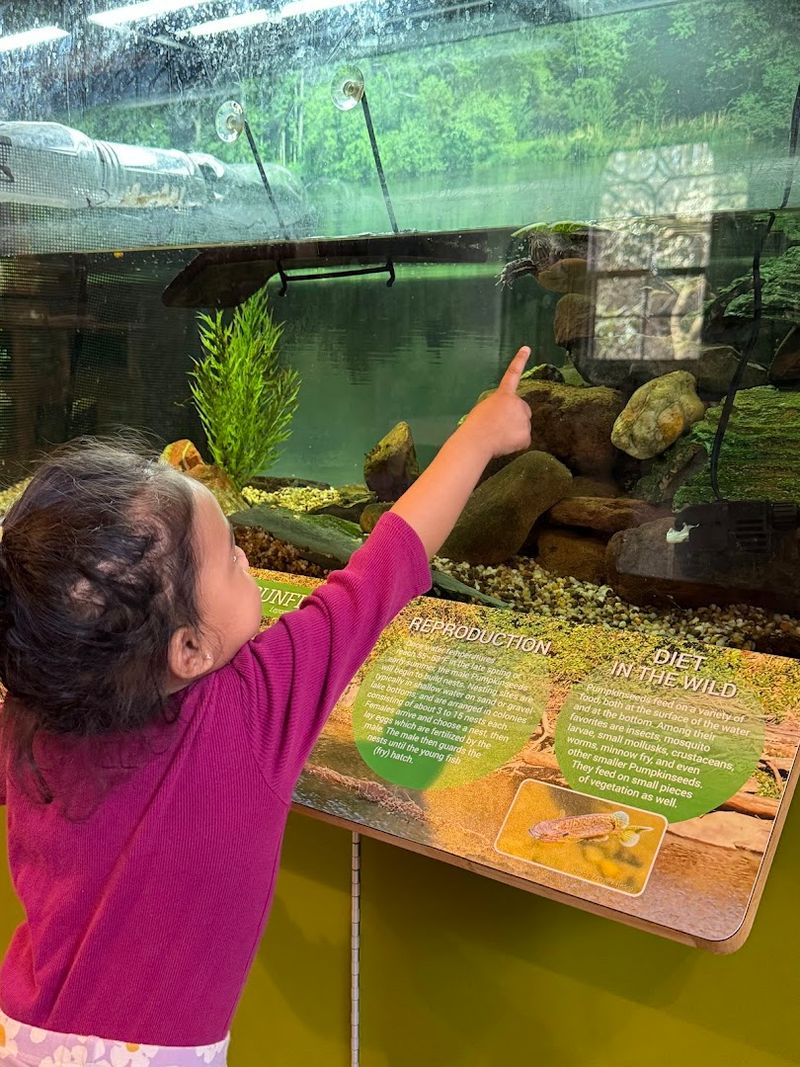
Inside the main stone building, a collection of native animals provides a close-up introduction to the wildlife of New Jersey that is hard to find anywhere else in the state without paying admission to a large zoo.
Snakes, turtles, owls, and rabbits are among the residents that have been housed in the exhibits over time. A corn snake, a box turtle, and a rabbit named Iris have each become favorites among younger visitors who get the chance to observe or interact with them during educational presentations.
The exhibits are compact but thoughtfully arranged, with enough variety to hold the attention of children and adults equally well.
Staff members bring genuine enthusiasm to explaining the animals and answering questions, which turns what could be a passive display into an active learning experience. The building itself adds character to the whole visit, with its stone walls and historic structure providing a backdrop that feels genuinely different from a modern visitor center.
A Nature Play Area Designed to Get Kids Outside
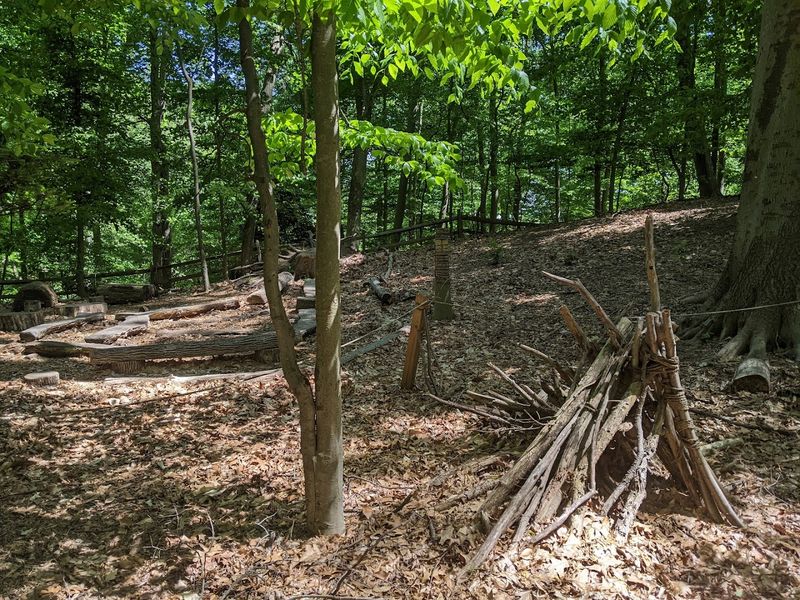
Outside the main building, a nature-themed play area gives younger children a dedicated space to explore and engage with the outdoor environment in a hands-on way.
The design of the play area draws on natural materials and nature themes, encouraging kids to connect with the landscape rather than just pass through it. It works well as a transition point for families who want to ease younger children into the longer trail experience without committing to a full hike right away.
Parents with children who have limited attention spans for walking will find this area particularly useful as a built-in activity break. The combination of the play area, the indoor exhibits, and the trails gives families a full visit structure that balances active outdoor time with educational content.
That variety is one of the reasons the arboretum works so well as a family destination rather than just a spot for serious hikers or dedicated naturalists looking for solitary trail time.
Educational Programs That Go Beyond the Typical Field Trip
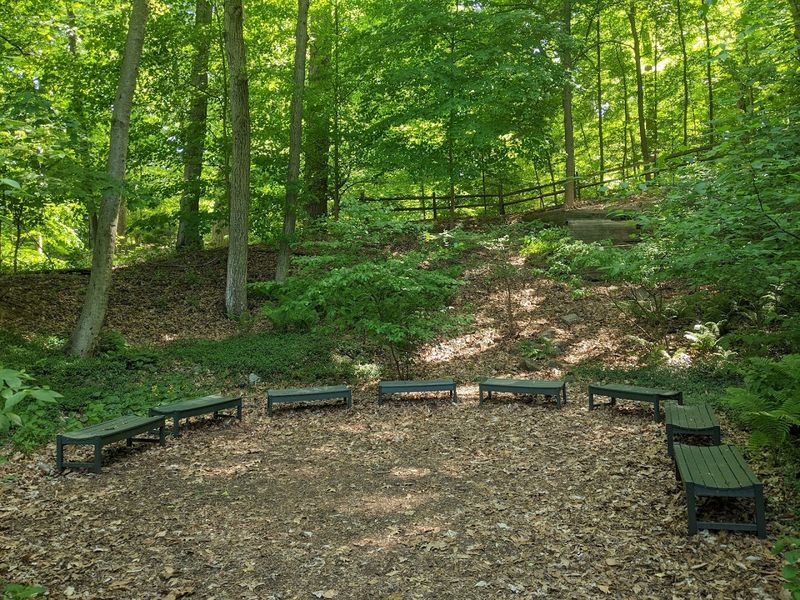
The arboretum runs a range of educational programs that extend well beyond the standard school field trip format, covering topics connected to local ecology, native wildlife, and environmental stewardship.
Summer camp is one of the standout offerings, giving children a structured way to spend time outdoors while learning about the natural world in a setting that encourages curiosity. Programs are available for children, teenagers, and adults, which makes the arboretum a resource for the broader community rather than just families with young kids.
The staff designs these programs with the kind of depth that comes from people who are genuinely invested in environmental education rather than just filling a schedule.
Birthday parties with animal presentations have become a popular option for families in the area, offering something more memorable than a standard party venue while connecting children to local wildlife in a meaningful way. The box turtle, corn snake, and rabbit appearances during these events tend to be the highlight of the afternoon.
Fall at the Arboretum Is a Different Kind of Visit
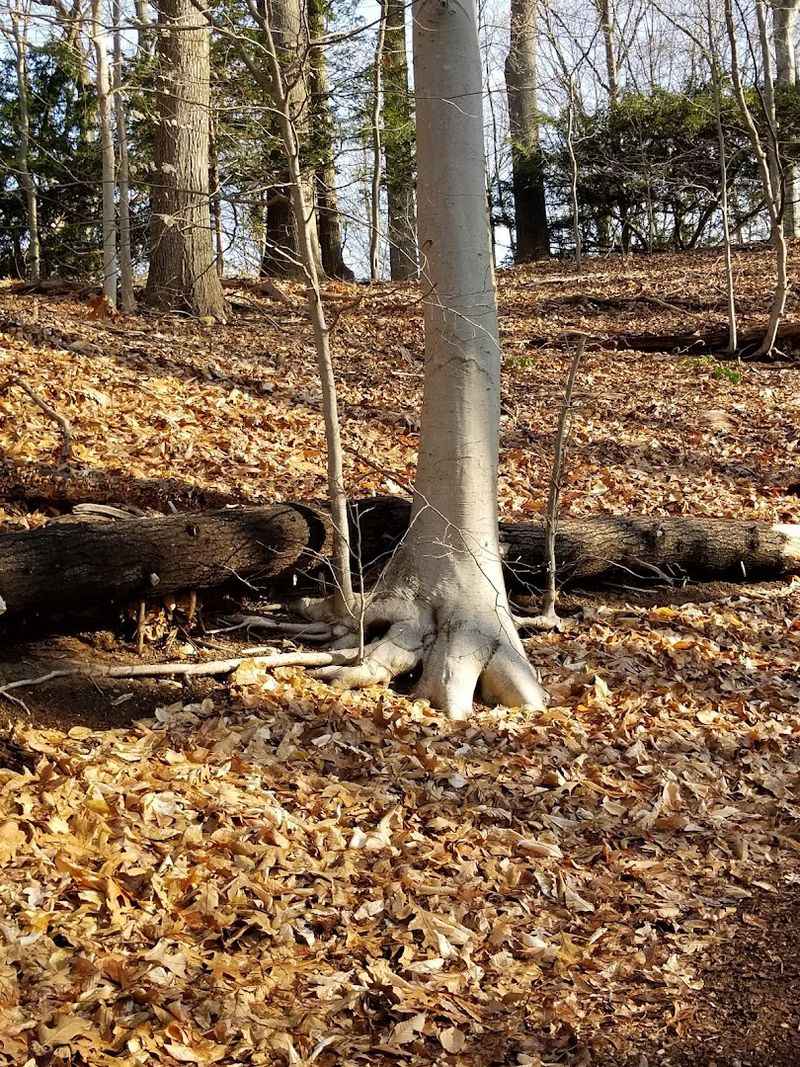
Autumn changes the character of the arboretum in ways that justify a return visit even for people who have already walked the trails in other seasons.
The tree canopy shifts through a full range of color as fall progresses, and the combination of hilly terrain and dense forest cover means the foliage display has real depth rather than just a few scattered color patches. Fallen leaves on the woodchip trails do create slippery conditions in some sections, particularly on the steeper stone steps, so footwear with some grip is worth considering before heading out.
Chipmunks and deer become more visible as the understory thins out with the leaf drop, making wildlife observation easier than during the heavier growth of summer.
The arboretum is open every day, including through the fall season, so there is no narrow window to catch the color at its peak. Morning visits tend to offer the clearest light through the canopy before foot traffic picks up later in the day.
Free Admission and Why Donations Actually Matter Here
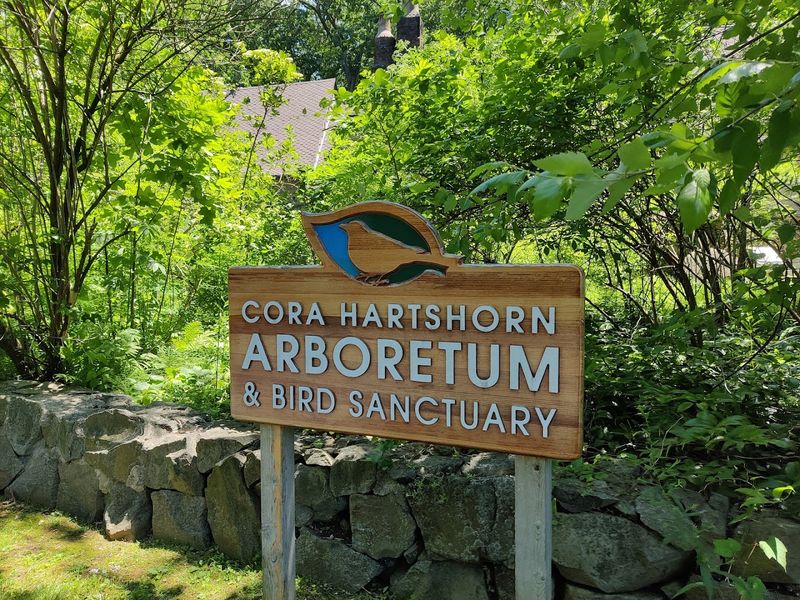
Entry to the arboretum trails is free, which is one of the details that makes this place stand out from comparable nature destinations that charge parking and admission fees before anyone sets foot on a path.
Free access removes a barrier that keeps many families from visiting regularly, and it reflects the arboretum’s commitment to serving the broader community rather than just those who can afford a day out at a ticketed attraction. The trade-off is that the operation runs on a lean budget, which makes donations genuinely important to sustaining the programs, maintaining the trails, and supporting the staff.
A donation box is available on-site, and small contributions add up meaningfully for an organization of this size. The arboretum manages to maintain well-kept grounds, active educational programming, and living animal exhibits on a budget that depends heavily on community support.
Anyone who leaves a visit feeling like the experience was worth more than they paid for it has a simple way to act on that feeling.
Why This Spot Keeps Pulling People Back Season After Season
A lot of nature spots in New Jersey earn a single visit and then fade from memory. This arboretum has a way of generating repeat visits in a way that speaks to something more than novelty.
The combination of a manageable trail system, genuine wildlife activity, hands-on indoor exhibits, knowledgeable staff, and a rotating calendar of educational programs gives the property enough variety that no two visits feel exactly the same. Seasons shift the landscape dramatically, wildlife activity changes with the calendar, and programs bring new content throughout the year.
Families who start with a casual walk in spring often find themselves back for summer camp enrollment, then again for fall color, and then again for a birthday party booking.
That kind of layered engagement is not common in small community nature spaces, and it is the clearest sign that the arboretum is doing something right. Short Hills may not be the first place that comes to mind when planning a New Jersey nature outing, but it has a strong case for being among the most rewarding.
Share this story