 Unearth The Voyage
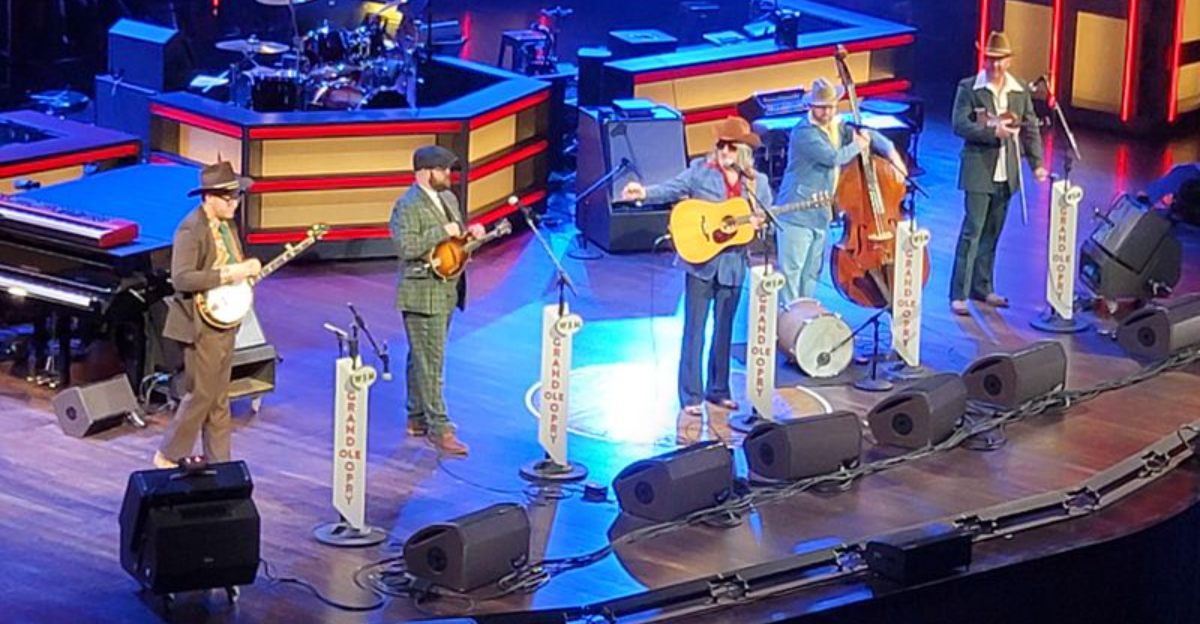
When you think of country music, one name echoes louder than any other: the Grand Ole Opry in Nashville, Tennessee. Since 1925, this legendary venue has been the beating heart of country music, transforming local radio broadcasts into a worldwide phenomenon that shaped an entire genre.
It’s where unknown singers became superstars and where country music found its voice, its soul, and its stage to shine on forever.
The Birthplace of Country Music Broadcasting
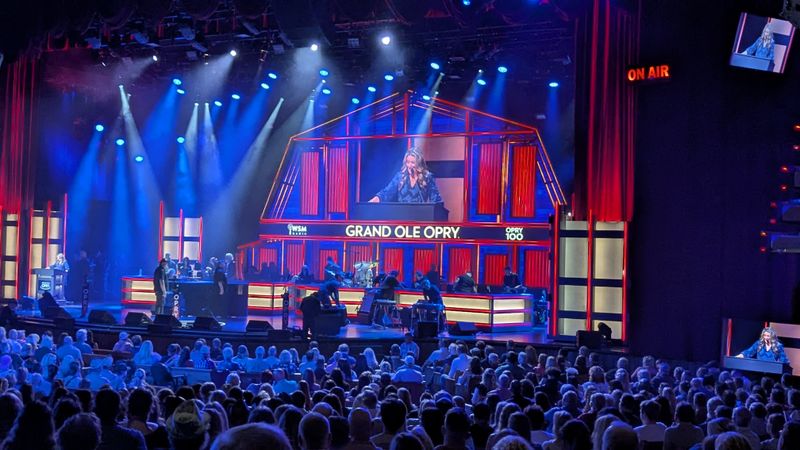
Radio waves crackled to life on November 28, 1925, when WSM radio announcer George D. Hay introduced a barn dance program that would change music history forever.
What started as a simple variety show featuring fiddle players and banjo pickers quickly became the longest-running radio broadcast in American history. The show gave country music its first real platform to reach beyond rural communities and into living rooms across the nation.
Back then, nobody imagined this humble radio program would still be going strong nearly a century later. The early broadcasts featured local musicians who performed live every Saturday night, creating an authentic connection with listeners who tuned in religiously.
This wasn’t polished studio production—it was raw, real, and utterly captivating. The Grand Ole Opry’s radio presence turned regional folk music into a national treasure.
Families gathered around their radios every weekend, making it a cherished ritual that brought generations together. That simple radio show didn’t just entertain people; it created a cultural movement that put Nashville on the map as Music City and gave country music the stage it needed to flourish worldwide.
The Iconic Ryman Auditorium Era
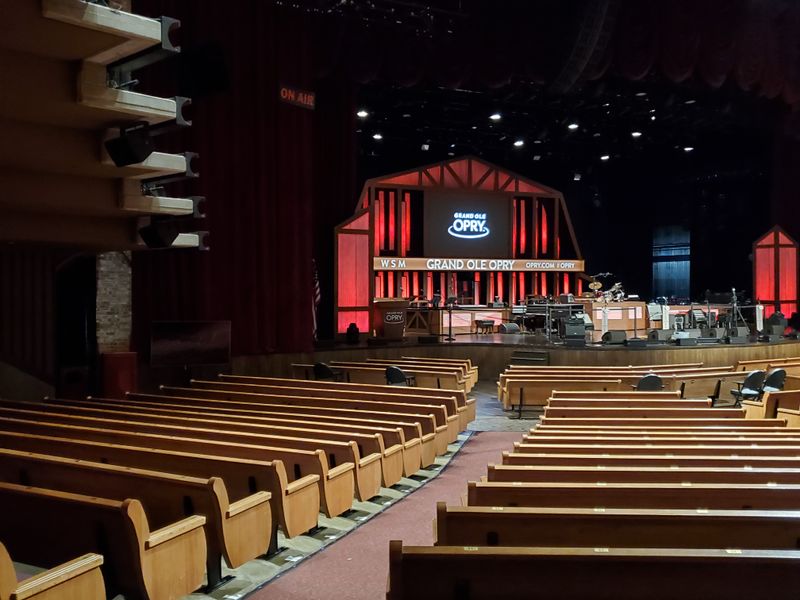
From 1943 to 1974, the Grand Ole Opry called the Ryman Auditorium home, and those wooden pews witnessed pure magic night after night. Originally built as a church tabernacle in 1892, the Ryman’s incredible acoustics made every note ring out crystal clear, earning it the nickname “Mother Church of Country Music.” Performers and audiences alike felt something sacred happening within those brick walls.
The Ryman era represented country music’s golden age, when legends like Hank Williams, Patsy Cline, and Johnny Cash graced its stage. The venue’s intimate setting meant fans sat close enough to see the sweat on performers’ brows and feel every emotion pouring from their hearts.
Those hard wooden benches might not have been comfortable, but nobody complained when the music started. Despite having no air conditioning and limited backstage facilities, the Ryman became country music’s most hallowed ground.
Artists considered performing there the ultimate honor, a sign they’d truly made it in the industry. Even today, the Ryman hosts special Opry performances during winter months, keeping that magical connection alive for new generations of country music fans.
The Move to Opryland and Modern Expansion
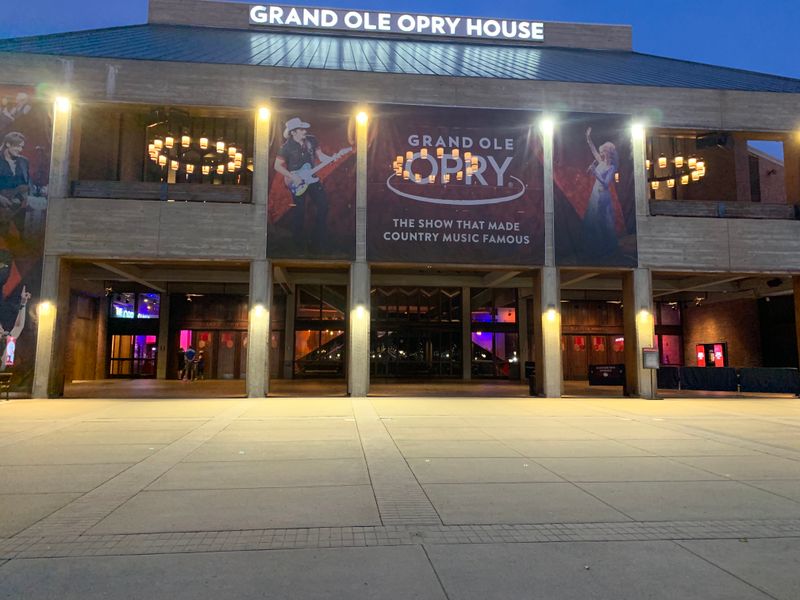
March 16, 1974, marked a bittersweet moment when the Grand Ole Opry moved from the beloved Ryman to a brand-new, state-of-the-art facility at Opryland. President Richard Nixon himself attended the opening night, showing just how important this venue had become to American culture.
The new building offered modern amenities, comfortable seating for 4,400 fans, and backstage facilities that finally gave performers proper dressing rooms. Some purists worried the move would strip away the Opry’s authentic charm, but the transition proved brilliant.
The new venue included a six-foot circle of oak flooring cut from the Ryman stage and installed center stage, ensuring every performer still stood on the same sacred wood as country legends before them. That symbolic gesture bridged past and present perfectly.
The Opryland location allowed the Opry to grow while maintaining its traditional roots. Better acoustics, climate control, and expanded seating meant more fans could experience shows comfortably year-round.
The venue’s location next to what became Opry Mills shopping center also created a entertainment destination that attracted tourists from around the world, cementing Nashville’s reputation as country music’s capital.
The Famous Six-Foot Circle of Wood
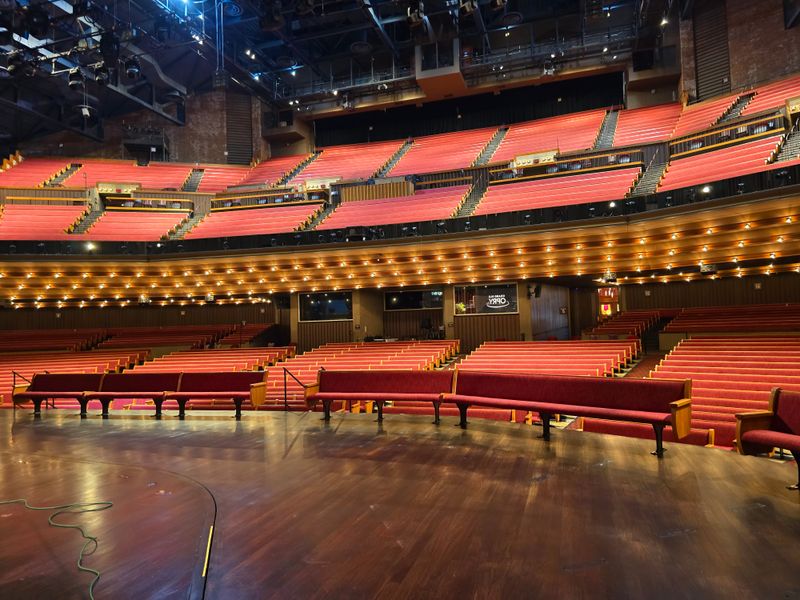
Standing center stage at the Grand Ole Opry is a worn circle of oak flooring that’s been touched by every country music legend you can name. This six-foot piece of history was carefully removed from the Ryman Auditorium stage and installed in the new Opry House, creating a physical link between eras.
Every performer who steps into that circle knows they’re standing exactly where their heroes once stood. The wood shows its age beautifully, with scuffs and marks from decades of boots, high heels, and guitar stands.
Dolly Parton’s rhinestone heels clicked across it, Garth Brooks’ boots stomped on it, and countless others have felt its magic beneath their feet. For performers, stepping into that circle represents the pinnacle of achievement in country music.
Fans love spotting the famous circle during shows, knowing its incredible history. The Opry takes great care preserving this piece of musical heritage, understanding it represents something far greater than just old flooring.
It’s a symbol of continuity, tradition, and respect for those who paved the way. That simple circle of wood connects past, present, and future in a way few other artifacts can.
Live Radio Shows Every Week
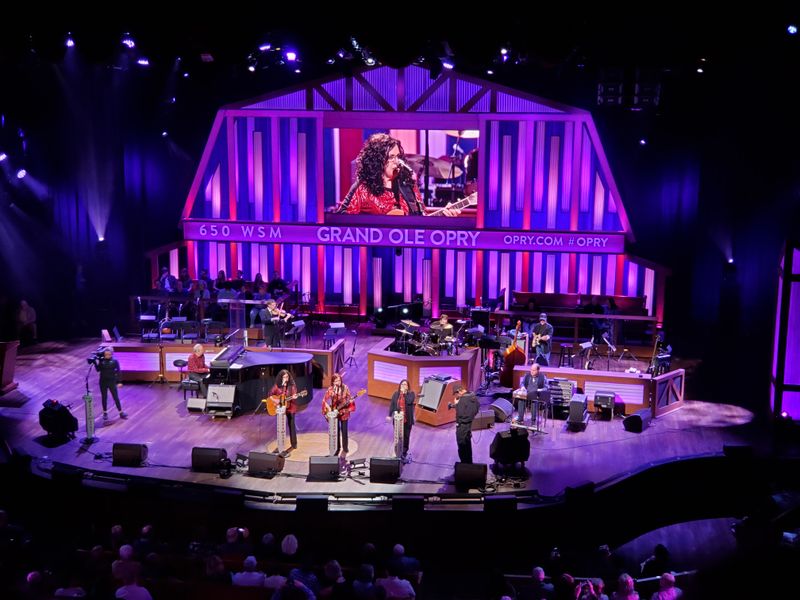
Few people realize you can still catch the Grand Ole Opry as a live radio broadcast every single week, just like audiences did in 1925. WSM 650 AM continues airing shows every Tuesday, Friday, and Saturday night, maintaining an unbroken tradition that spans nearly a century.
This commitment to radio broadcasting sets the Opry apart from every other music venue in the world. Attending a live taping feels electric because performers know they’re not just playing for the audience in seats—they’re reaching listeners across the country and around the globe.
That dual awareness creates a special energy you won’t find at regular concerts. Artists bring their absolute best, knowing families are gathered around radios just like they were decades ago.
The radio format also keeps shows moving at a brisk pace, with multiple performers taking the stage throughout each broadcast. You might see established superstars followed by up-and-coming artists, all sharing the same stage and airwaves.
This variety keeps every show fresh and unpredictable. The Opry’s dedication to radio broadcasting proves some traditions are worth preserving, especially when they connect people through the timeless power of music and storytelling.
Membership in the Opry Family
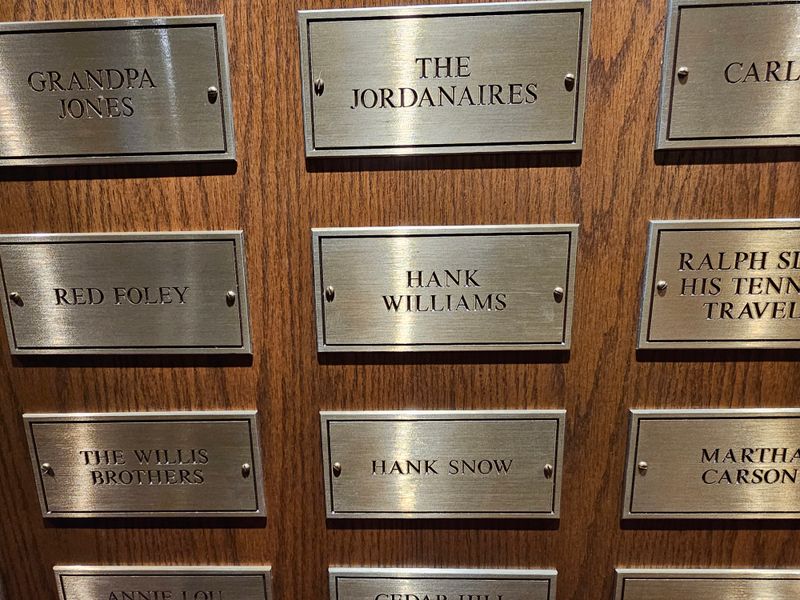
Becoming a member of the Grand Ole Opry isn’t something you can buy or apply for—it’s an invitation extended only to artists who’ve made significant contributions to country music. With only around 70 living members at any given time, this exclusive group represents country music royalty.
Membership comes with the expectation that artists will perform a certain number of shows annually, keeping them connected to the Opry family. The induction ceremony itself is incredibly emotional, often taking place during a live show with minimal advance notice.
Many inductees break down in tears when current members surprise them with the invitation, knowing they’re joining names like Minnie Pearl, Roy Acuff, and Loretta Lynn. It’s not about record sales or chart positions—it’s about respecting tradition and contributing to country music’s legacy.
Members receive a custom award and their name added to the dressing room lineup backstage. More importantly, they gain a musical home where they can always return, perform, and connect with fellow artists who share their passion.
This sense of family and belonging makes Opry membership more meaningful than any gold record or industry award could ever be.
Backstage Tours and Behind-the-Scenes Access
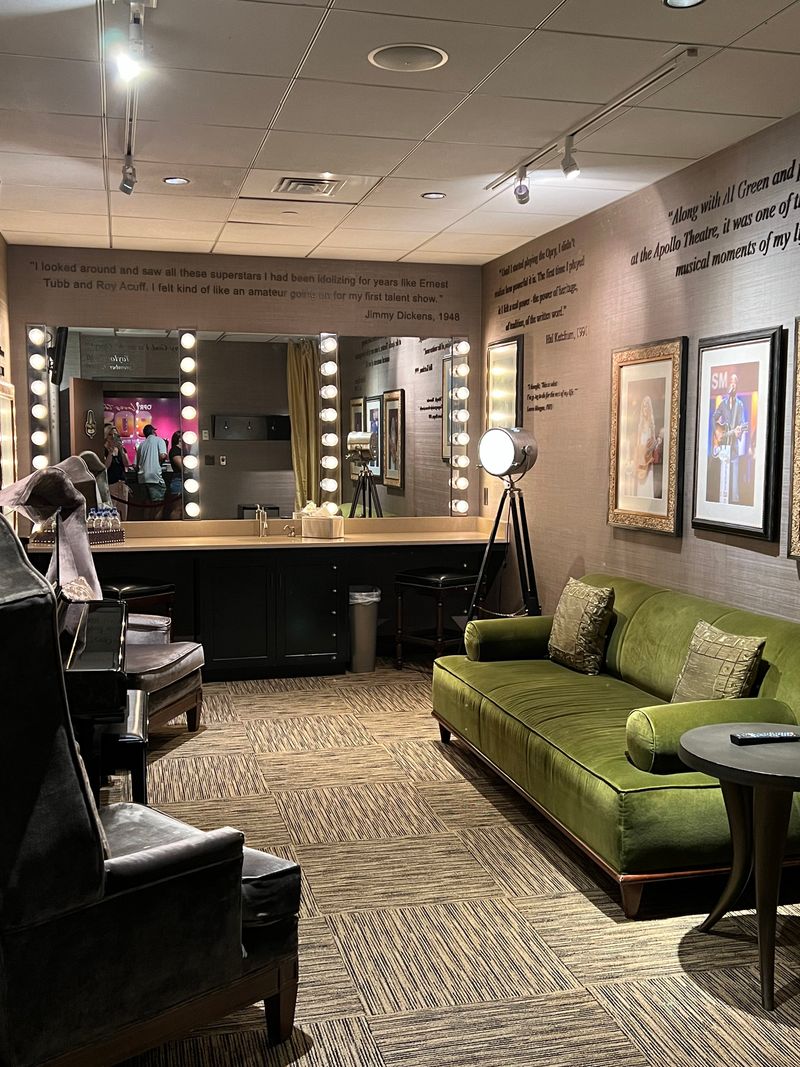
Walking through the Grand Ole Opry’s backstage area feels like stepping into country music heaven. Daily tours take visitors through the same hallways and dressing rooms used by legends, offering glimpses into the venue’s inner workings.
You’ll see the mail slots where members still receive fan letters, vintage photographs lining the walls, and maybe even catch a rehearsal if you’re lucky. The artist entrance area features a wall where Opry members sign their names, creating a growing autograph collection that dates back decades.
Tour guides share fascinating stories about pranks pulled backstage, pre-show rituals performers swear by, and the superstitions that keep artists coming back to certain dressing rooms. These personal details make history feel alive and accessible.
Photography is allowed in most areas, so visitors leave with incredible memories captured forever. The tour also includes time in the actual auditorium, where you can stand on that famous stage and peek into the orchestra pit.
Guides encourage guests to step into the wooden circle and snap a photo, creating a moment they’ll treasure forever. These tours transform casual visitors into devoted Opry fans who truly understand why this venue means so much to country music.
The Flood of 2010 and Remarkable Recovery
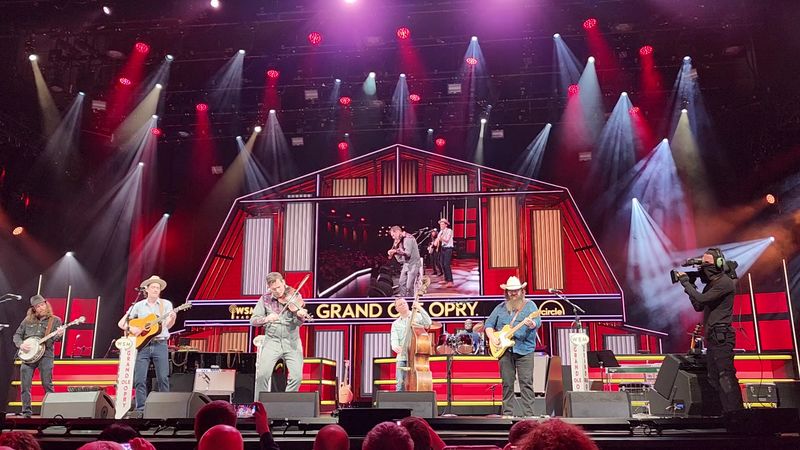
May 2010 brought devastating floods to Nashville, and the Grand Ole Opry House sat under several feet of water for days. The images of that iconic stage submerged shocked country music fans worldwide, with many fearing the venue might never recover.
Water damaged everything from the stage floor to expensive sound equipment, causing millions of dollars in destruction. But the Opry family refused to let disaster end their story.
Within months, an army of workers, volunteers, and supporters rallied to restore the venue to its former glory. That precious wooden circle was carefully dried and preserved, along with irreplaceable artifacts and memorabilia.
The determination to rebuild showed exactly how much this place means to Nashville and country music culture. Remarkably, the Opry reopened just five months after the flood, hosting a special broadcast on September 28, 2010.
Performers and fans celebrated with tears of joy, grateful that this musical home had survived. The flood actually strengthened the Opry community, proving that neither water nor any other challenge could wash away nearly a century of tradition.
Today, high-water marks remain visible in certain areas as reminders of resilience and the unbreakable spirit of country music.
Launching Careers of Country Music Legends
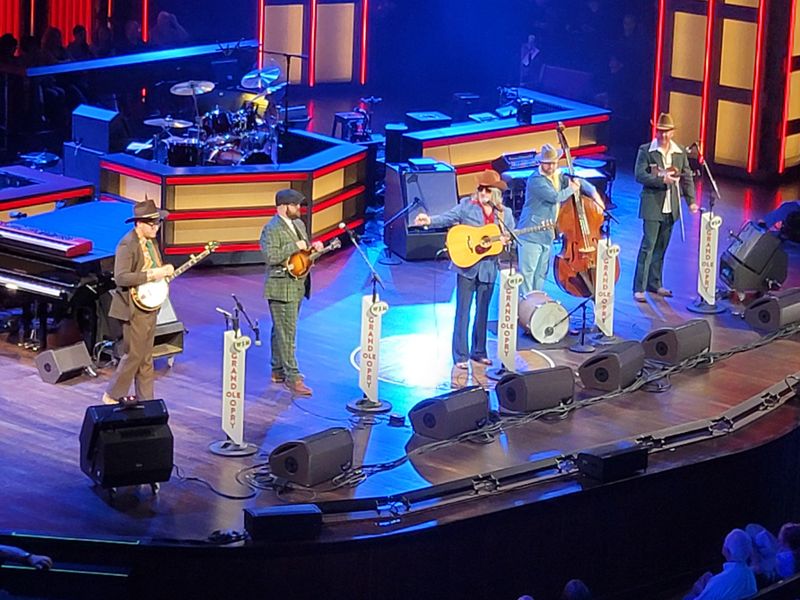
Patsy Cline was virtually unknown when she first performed at the Opry in 1955, but that appearance launched her into stardom. The Opry has this magical ability to take talented unknowns and introduce them to audiences who become lifelong fans.
Countless careers have been made on that stage, with one great performance changing everything for hungry young artists. Garth Brooks credits his Opry debut with validating his career choice and giving him confidence to pursue his dreams relentlessly.
Dolly Parton became a member at just 23 years old, using the platform to showcase her songwriting genius and captivating stage presence. The Opry doesn’t just feature stars—it creates them by providing exposure that simply can’t be matched anywhere else.
Even today, emerging artists dream of getting that Opry invitation, knowing it could be their big break. The venue’s commitment to featuring new talent alongside established members keeps country music fresh and vibrant.
When an artist gets their first standing ovation on that historic stage, you can see their lives changing in real-time. The Opry’s role as a career launcher continues, ensuring country music’s future remains as bright as its storied past.
The Opry’s Role in Preserving Traditional Country
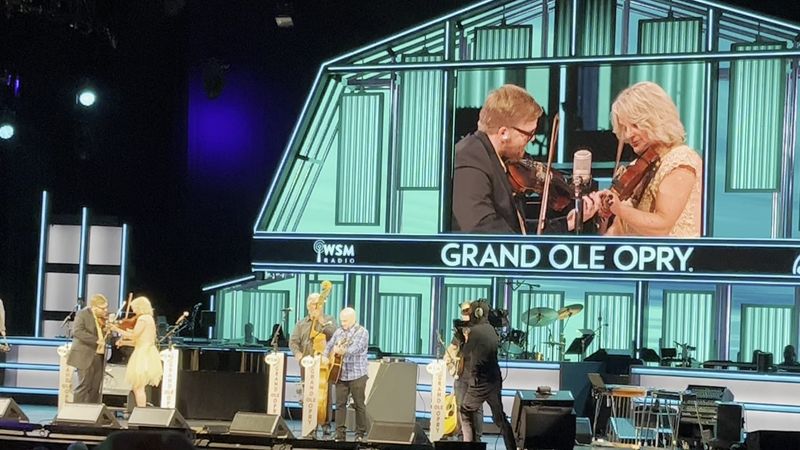
While country music has evolved dramatically over the decades, the Grand Ole Opry remains committed to honoring traditional sounds and styles. You’ll still hear fiddles, steel guitars, and classic storytelling alongside more contemporary acts.
This balance ensures that country music’s roots aren’t forgotten in the rush toward pop crossover appeal and modern production techniques. The Opry’s programming intentionally mixes generations and styles, putting bluegrass pioneers on the same bill as current chart-toppers.
This exposure introduces younger audiences to traditional sounds they might never discover otherwise. It also reminds established artists where they came from and the shoulders they stand on.
Many purists credit the Opry with keeping authentic country music alive during eras when the genre strayed toward rock or pop influences. The venue serves as a living museum where classic songs are performed regularly and traditional techniques are celebrated rather than dismissed as outdated.
This preservation work matters tremendously for cultural heritage. Without the Opry’s dedication to tradition, entire styles of country music might have disappeared completely.
Instead, they thrive on that stage every week, proving that honoring the past and embracing the future aren’t mutually exclusive goals.
Multiple Shows Weekly Year-Round
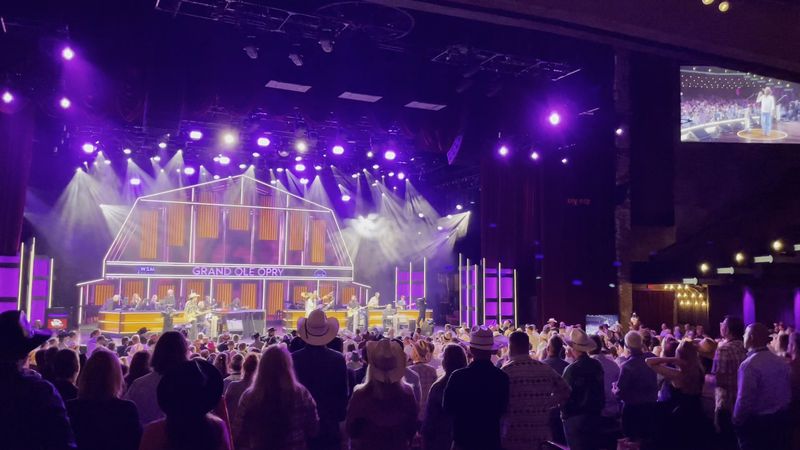
Unlike most music venues that host occasional concerts, the Grand Ole Opry operates like a well-oiled machine with shows happening multiple times every single week. Tuesday and Friday shows run throughout most of the year, while Saturday nights feature the flagship broadcasts that have aired continuously since 1925.
This consistent schedule means there’s almost always an opportunity to catch a live performance. Each show typically features six to eight different performers, giving audiences incredible variety in one evening.
You might see a comedy routine followed by a heartfelt ballad, then a foot-stomping bluegrass number that gets everyone clapping. This format keeps energy high and ensures there’s something for every musical taste.
The year-round schedule also means the Opry family stays connected and active rather than treating performances as occasional special events. Members drop by regularly, sometimes making surprise appearances that thrill audiences who weren’t expecting to see their favorite stars.
This reliability and consistency have built trust with fans who know they can visit Nashville any week and catch an authentic Opry show. The commitment to regular performances demonstrates that this isn’t just a tourist attraction—it’s a living, breathing institution that takes its mission seriously.
The Opry’s Influence on Nashville Tourism
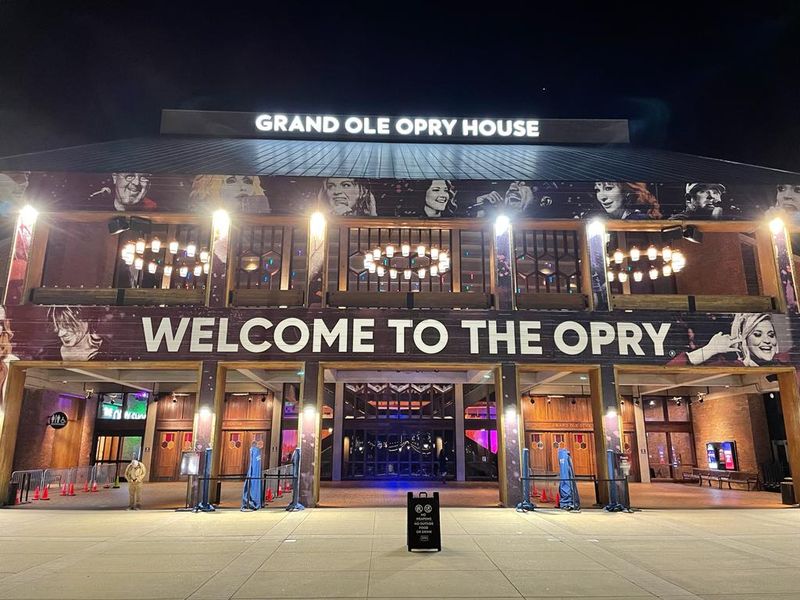
Nashville wouldn’t be Music City without the Grand Ole Opry’s magnetic pull drawing millions of visitors annually. The venue single-handedly transformed Nashville from a regional Southern city into an international tourist destination.
Hotels, restaurants, and music venues throughout the city benefit from the constant stream of country music fans who come specifically to experience the Opry. The Opry Mills shopping center next door creates a full entertainment district where visitors can easily spend an entire day.
This clustering effect has generated billions in economic impact over the decades, creating thousands of jobs and establishing Nashville as a must-visit destination. Tourism officials consistently cite the Opry as the city’s most important attraction.
Beyond economics, the Opry shaped Nashville’s cultural identity and gave the city a clear brand that resonates worldwide. When people think of Nashville, they immediately think of country music, and that association traces directly back to the Opry’s influence.
The venue essentially wrote Nashville’s story and gave it a personality that attracts creative people, entrepreneurs, and music lovers from every corner of the globe. Without the Grand Ole Opry, Nashville might have remained just another Southern city instead of becoming the cultural powerhouse it is today.
Special Theme Shows and Holiday Performances
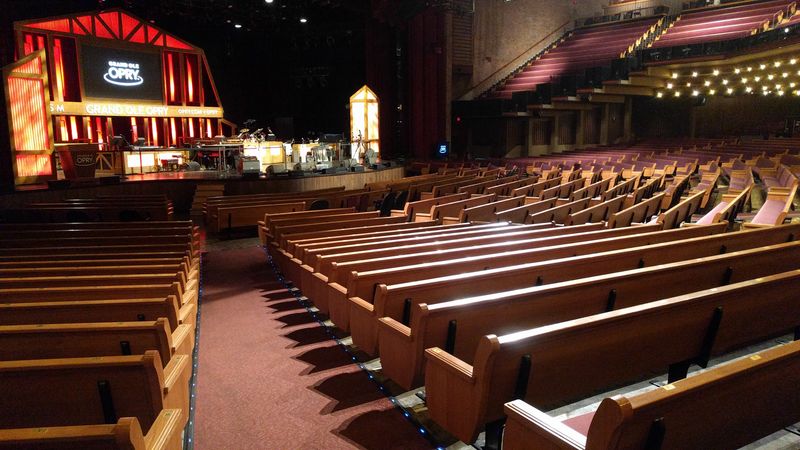
Throughout the year, the Grand Ole Opry hosts special themed shows that celebrate different aspects of country music history and culture. Bluegrass nights feature nothing but traditional acoustic picking and harmonies that’ll give you goosebumps.
Gospel shows bring spiritual music to the forefront, honoring country music’s deep religious roots. These themed evenings offer deeper exploration of specific styles and traditions.
Holiday performances hold special magic, with Christmas shows selling out months in advance. Performers deck out in festive attire, classic carols get the country treatment, and the whole venue glows with seasonal spirit.
Fourth of July shows celebrate American heritage with patriotic songs that have audiences on their feet cheering. Halloween and other holidays also receive special recognition with appropriate programming.
These themed shows demonstrate the Opry’s versatility and commitment to showcasing country music’s full spectrum. They also give members creative freedom to explore different musical territories and collaborate in unique ways.
Fans often plan visits around specific theme nights, knowing they’ll experience something beyond the regular variety format. The special shows keep the Opry feeling fresh and exciting even for people who’ve attended dozens of times, proving there’s always something new to discover on that historic stage.
The Opry’s Digital Evolution and Global Reach
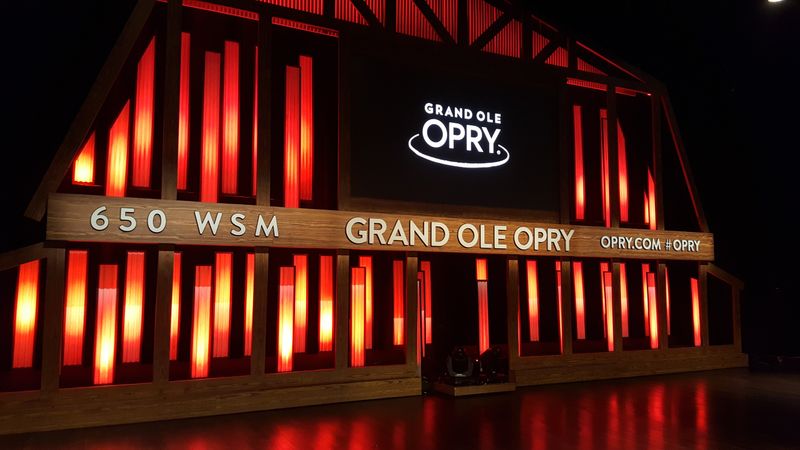
While rooted in radio tradition, the Grand Ole Opry has embraced digital technology to reach audiences worldwide. Live streaming brings performances to fans who can’t travel to Nashville, with the Opry’s website and various platforms broadcasting shows in real-time.
This digital expansion means someone in Tokyo can experience the same show as someone sitting in the fourth row. Social media has become another powerful tool, with behind-the-scenes content, artist interviews, and performance clips shared daily.
The Opry’s YouTube channel features thousands of videos, introducing new generations to both classic performances and current shows. This archive preserves musical history while making it accessible to anyone with internet access.
Podcasts, virtual backstage tours, and interactive features have further expanded the Opry’s reach beyond its physical location. During the pandemic, these digital offerings became lifelines for fans craving live music and connection.
The Opry proved that tradition and technology can coexist beautifully when the goal is sharing great music with as many people as possible. This digital evolution hasn’t replaced the magic of attending in person—it’s enhanced the Opry’s mission of making country music famous worldwide by removing geographical barriers and welcoming everyone into the family.
The Enduring Legacy and Future Vision
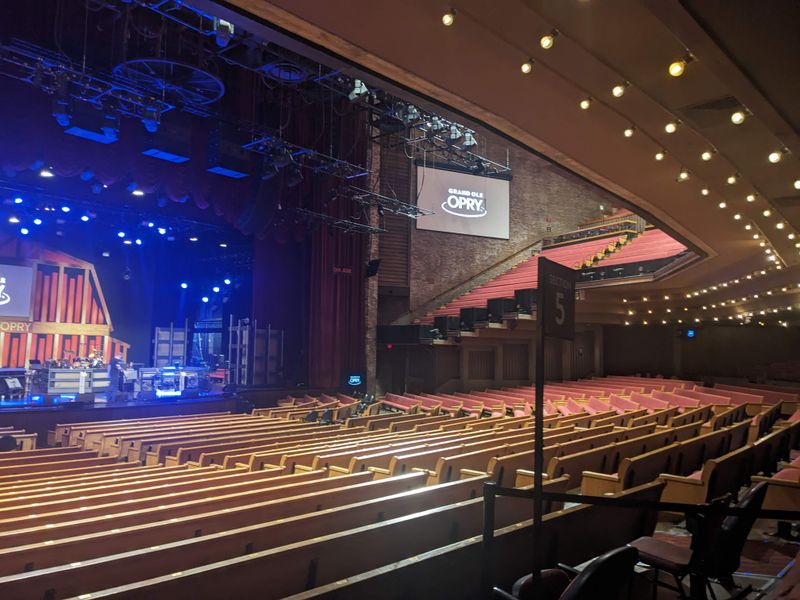
Approaching its centennial anniversary, the Grand Ole Opry shows no signs of slowing down or becoming a dusty relic. The venue continues evolving while respecting its heritage, proving that tradition doesn’t mean stagnation.
New members bring fresh perspectives and sounds, ensuring the Opry remains relevant to contemporary audiences while honoring the legends who built its foundation. Recent renovations have modernized facilities without sacrificing the venue’s historic character.
Improved sound systems, comfortable seating upgrades, and enhanced accessibility features make experiences better for everyone. The Opry’s management understands that preserving history means maintaining a living, thriving venue rather than creating a museum that nobody visits.
Looking forward, the Opry’s commitment to discovering and nurturing new talent ensures country music’s future remains bright. Young artists still dream of becoming Opry members, viewing it as the ultimate validation of their careers.
As long as that dream exists, country music will have a home where excellence is celebrated and tradition is cherished. The Grand Ole Opry’s greatest achievement isn’t just making country music famous worldwide—it’s creating a legacy that will continue inspiring musicians and delighting fans for generations to come, proving that some magic truly is timeless.



