 Unearth The Voyage
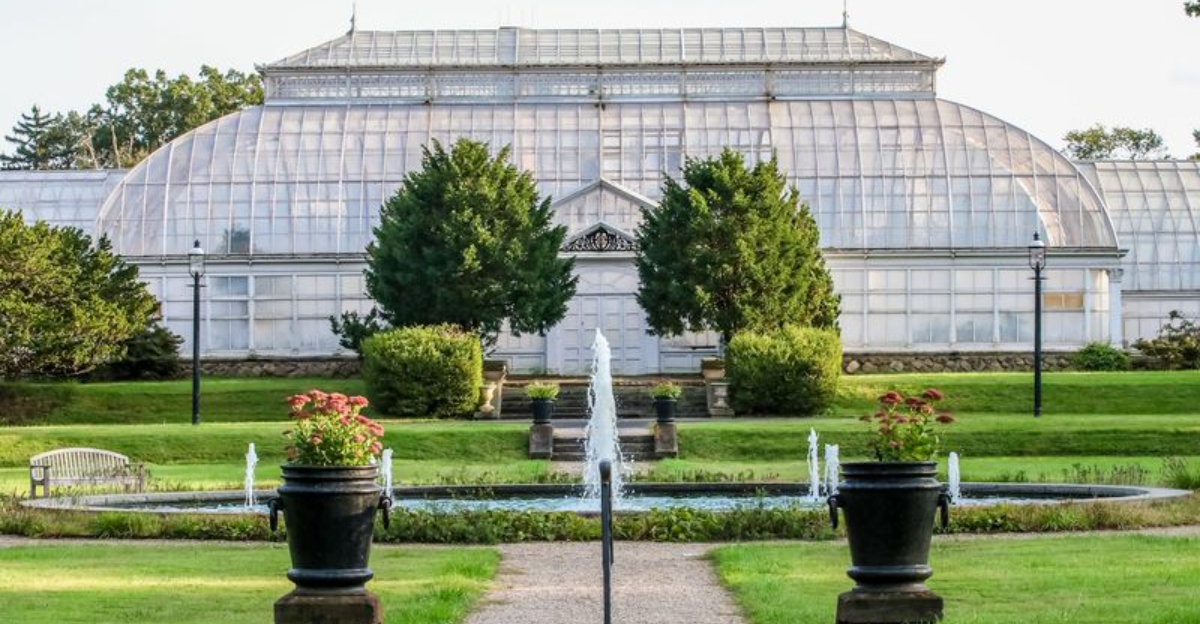
There is a place in New Jersey where nearly 1,000 acres of land hold secrets that most people never get to see up close. Rare orchids with names most of us cannot pronounce grow just steps away from trails where bald eagles have been spotted circling overhead.
This is not a national park tucked away in some remote corner of the country. It is a historic estate in Hillsborough Township that has quietly become one of the most remarkable conservation destinations on the East Coast.
The property carries the legacy of one of America’s most powerful families, yet it opens its gates for free to anyone curious enough to explore it. From a greenhouse holding nearly 2,000 orchids to a meditation garden built with Japanese-inspired design principles, every corner of this place tells a different story.
Keep reading to find out what makes this estate so worth the trip.
Where Exactly Duke Farms Sits and Why the Location Matters
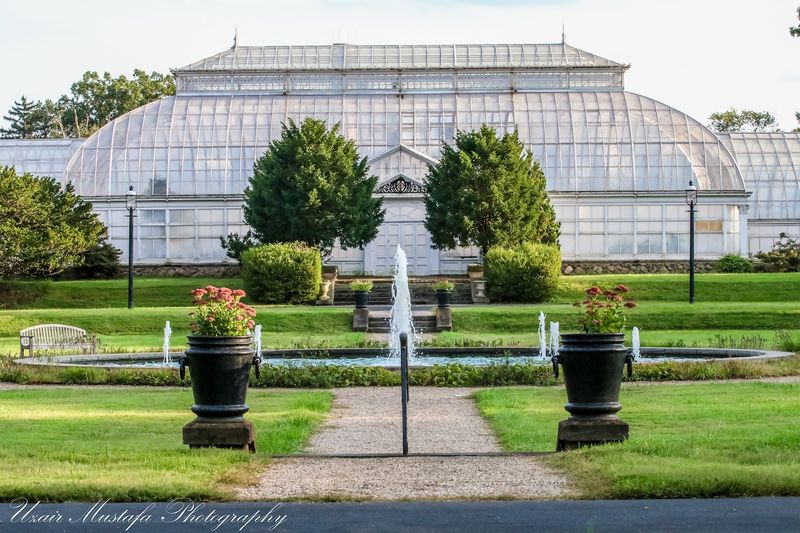
Duke Farms sits at 1112 Dukes Pkwy W, Hillsborough Township, NJ 08844, tucked into Somerset County in central New Jersey. The location might surprise people who assume that a property this expansive could only exist far from populated areas.
The estate is open Tuesday through Saturday from 8:30 AM to 6 PM and remains closed on Sundays and Mondays. That schedule is worth noting before planning a trip, especially for families working around school or work routines.
The grounds cover close to 1,000 acres, which makes it one of the largest privately held conservation properties open to the public in the entire state. Being in Hillsborough Township also puts it within reasonable driving distance of both New York City and Philadelphia, making it an accessible escape without requiring a long road trip.
Parking reservations are required on Saturdays and during peak seasons, so booking online ahead of time is a smart move.
The Legacy of Doris Duke and the Estate’s Remarkable History
The story of this property begins with James Buchanan Duke, the tobacco and energy magnate who assembled the land in the late 1800s and early 1900s. His daughter, Doris Duke, inherited the estate and eventually transformed it into something far more lasting than a family retreat.
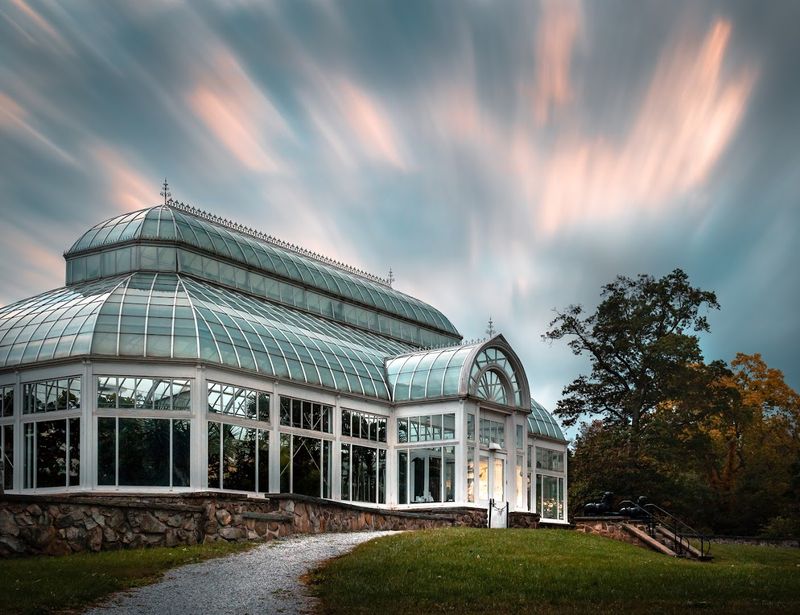
Doris Duke was known for her passion for horticulture, and her influence is visible throughout the grounds. The orchid greenhouse that draws so many people today is often called Doris Duke’s orchid house, a direct reflection of her personal interest in rare and tropical plant species.
After Doris Duke passed away in 1993, the estate transitioned into a public-facing conservation and research institution managed by the Doris Duke Charitable Foundation. That shift changed everything about how the property functions.
Rather than remaining a private legacy, it became a living commitment to sustainability, ecological education, and open public access that continues to define its identity today.
Nearly 2,000 Orchids Under One Roof
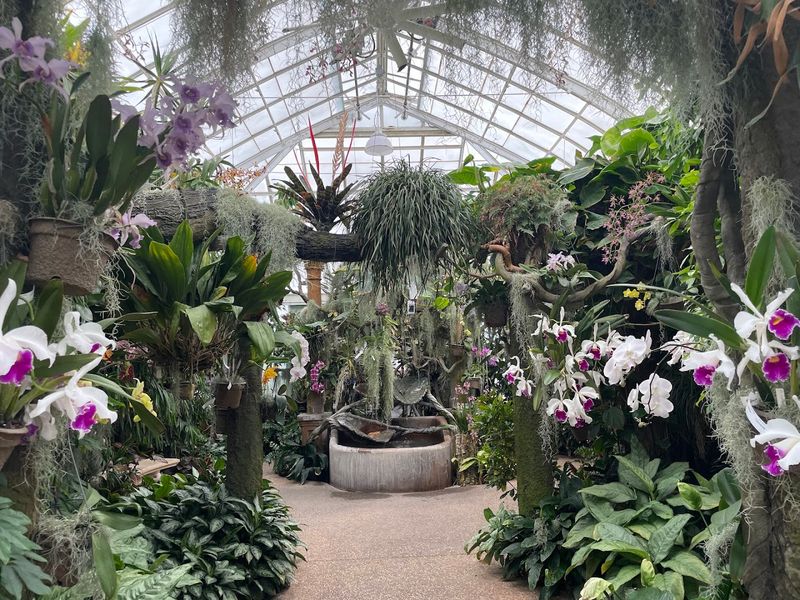
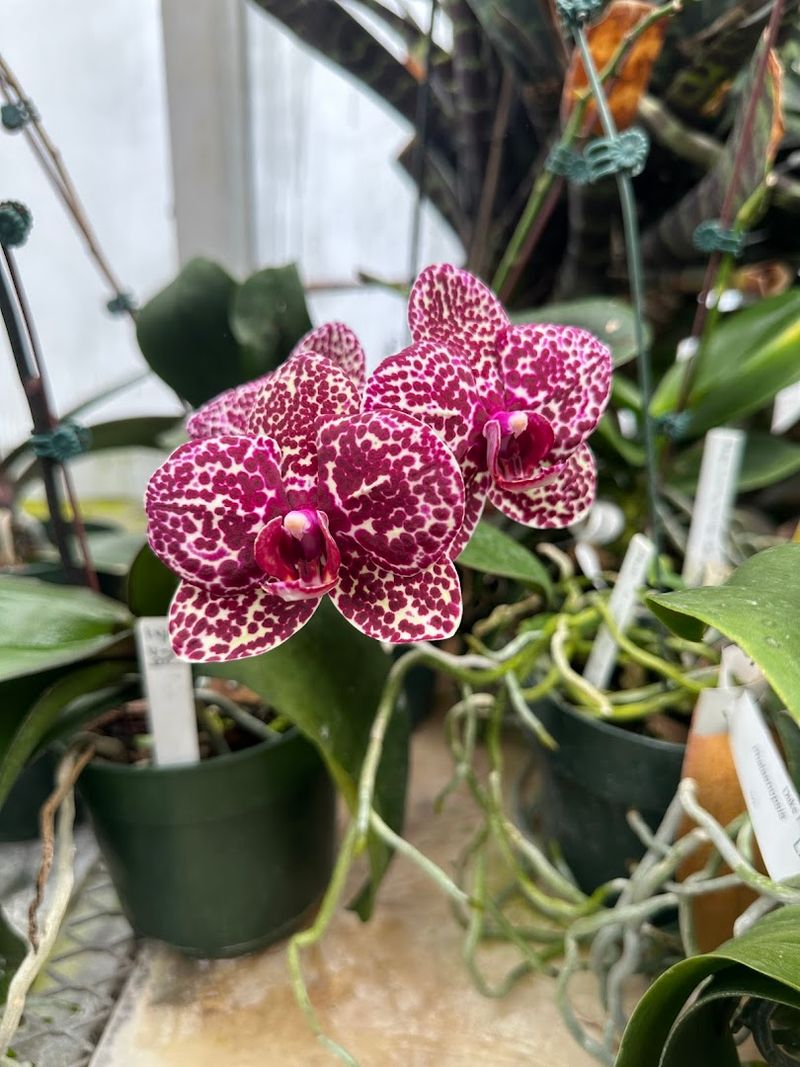
The Botanical Orchid Range at Duke Farms holds close to 2,000 orchids representing approximately 1,300 varieties. That number alone makes it one of the most significant orchid collections accessible to the public on the East Coast.
The collection includes both tropical and subtropical species, meaning the diversity inside that greenhouse stretches well beyond what most botanical gardens typically display. Alongside the orchids, visitors also find banana trees, papaya trees, and pineapple plants filling out the tropical environment.
What makes the orchid range especially worth a visit is that it is not a curated showroom designed to impress from a distance. The layout allows people to get close to the plants and observe details that would otherwise require a magnifying glass or a botany textbook.
The greenhouse is free to enter as part of the general admission, which itself costs nothing. For plant enthusiasts and curious first-timers alike, this stop consistently ranks as the highlight of the entire Duke Farms experience.
Bald Eagles and the Wildlife That Calls This Estate Home
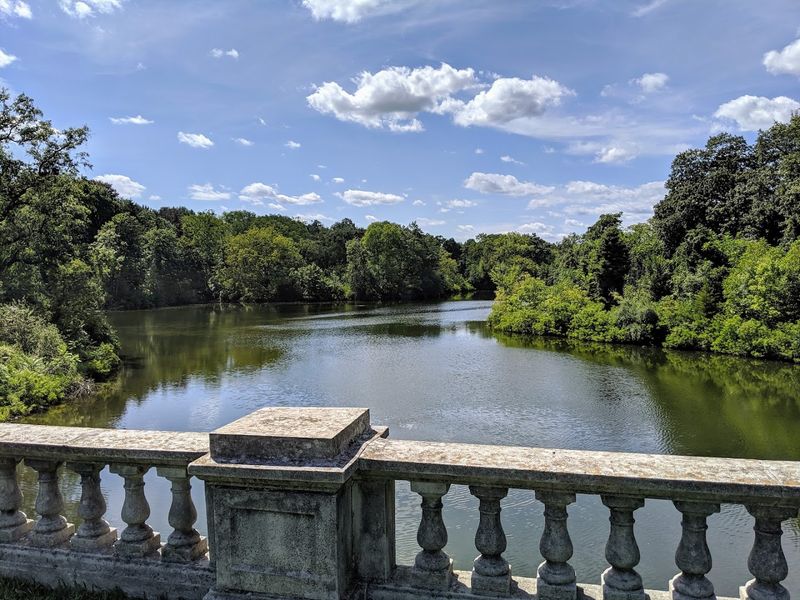
Not many properties in New Jersey can claim bald eagle sightings as a regular occurrence, but Duke Farms has established itself as a genuine wildlife corridor. The combination of lakes, native grasslands, and undeveloped habitat creates exactly the kind of environment that supports a wide range of bird and animal species.
Beyond bald eagles, the property hosts Monarch butterflies during migration season, various insects, and numerous bird species that use the estate’s open spaces and water features as stopping points. The birding platform near the visitor center gives a clear line of sight over the surrounding landscape, making it a popular spot for photography and observation.
The estate’s commitment to keeping large sections of land undeveloped is directly responsible for the wildlife diversity found here. Conservation is not just a talking point at Duke Farms.
It shapes every land management decision made on the property, from how native grasslands are maintained to how water systems are managed across the grounds.
Miles of Trails That Reward Every Kind of Explorer
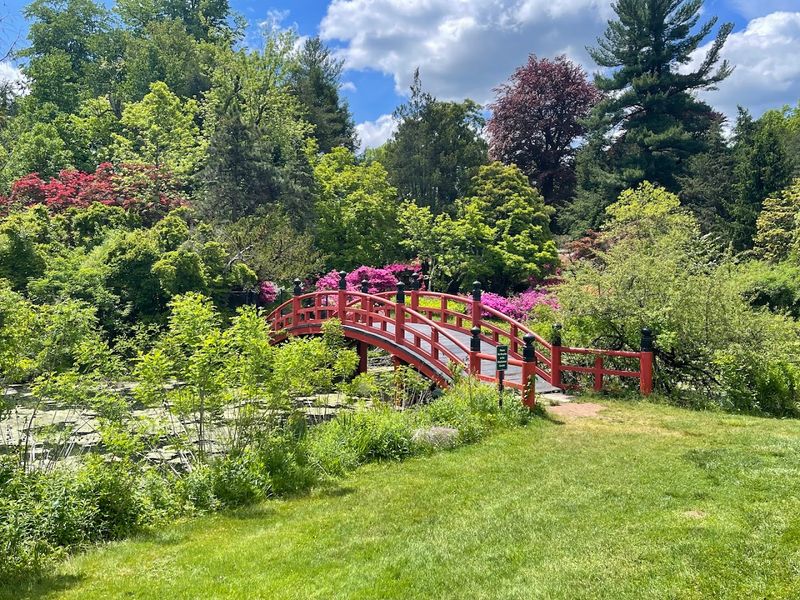
The trail network at Duke Farms stretches across roughly 18 to 20 miles, covering a wide variety of surfaces including paved paths, stone trails, and grass routes. That range means the property works equally well for a casual stroller, a dedicated hiker, or someone on a rented bicycle looking to cover serious ground.
Trails are well-marked with signage throughout, though the on-site app has been noted to have navigation limitations. A practical tip that regulars pass along is to use the app to identify which spots to visit, then plug those destination names directly into Google Maps for more reliable turn-by-turn guidance.
The property is large enough that most people only cover a fraction of it in a single visit. Walking at a comfortable pace through about 3.5 miles can take close to two hours, and there is still plenty left to discover.
Most people find themselves planning a return trip before they even reach the parking lot on the way out.
Biking the Estate: A Two-Wheeled Way to See It All
Covering nearly 1,000 acres on foot is a commitment, and that is exactly why biking has become one of the most popular ways to experience Duke Farms. Bike rentals are available on site, with adult rentals running around $25 and kids’ rentals at approximately $15, though pricing may vary by season.
Bringing a personal bike is also an option, and many regular visitors do exactly that. Arriving with your own bike means more flexibility, since rental bikes come with a time limit and are located a short walk from the main parking area.
Bike racks are conveniently placed at most major attractions across the property, including the meditation garden, the orchid range, and the Great Falls area. That infrastructure makes it easy to park a bike, explore a specific spot on foot, then continue riding to the next destination.
The paved paths are smooth and well-maintained, making the ride manageable for most ages and fitness levels without requiring advanced cycling experience.
The Meditation Garden and Its Japanese-Inspired Design
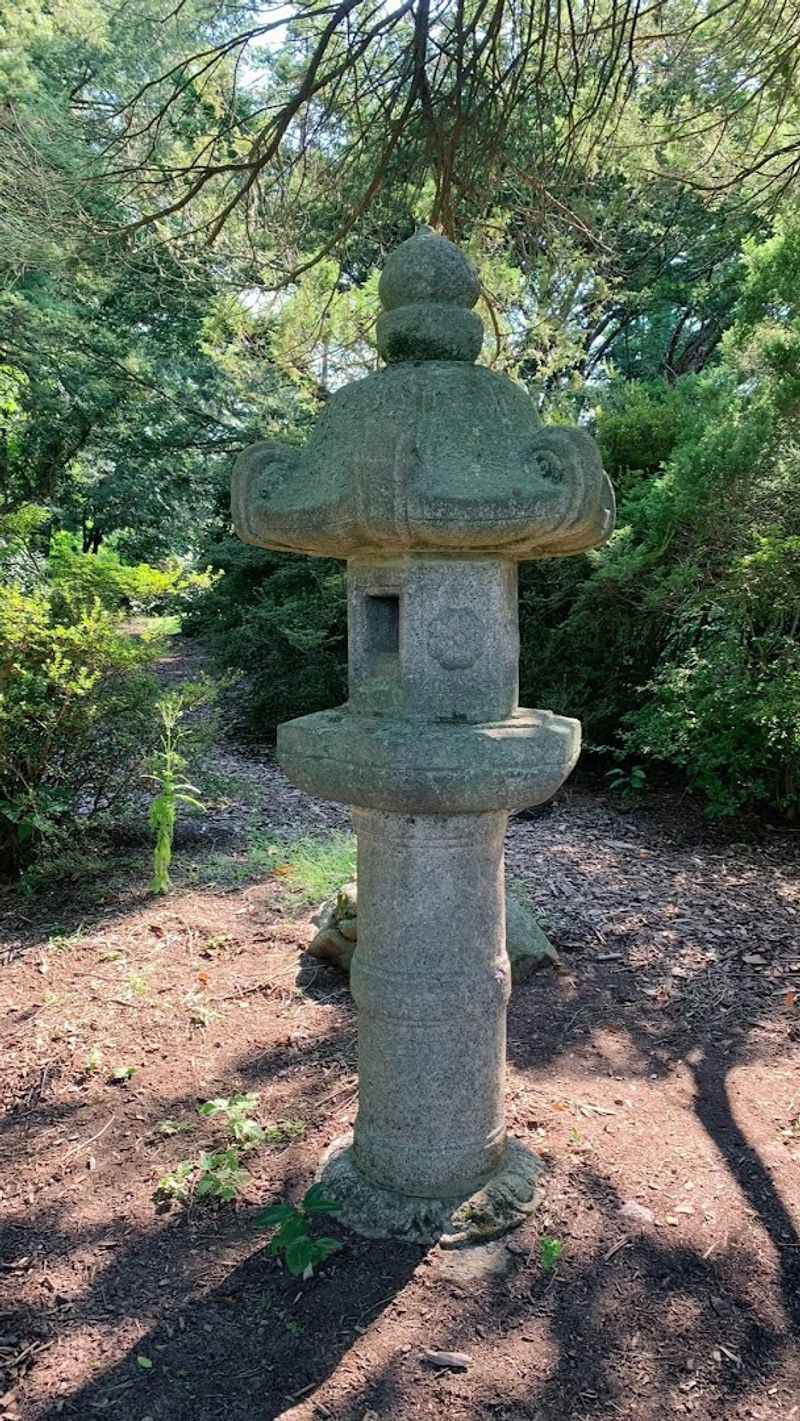
Among the many distinct spaces on the property, the meditation garden stands out as one of the most thoughtfully designed. Built with Japanese-inspired principles, the garden uses careful arrangement of stones, plants, and open space to create a setting built for quiet reflection rather than active exploration.
Bike racks are available nearby, making it easy to stop, spend time in the garden, and then continue on to other areas of the property without losing any momentum on a longer visit.
People who have taught workshops and led educational programs at Duke Farms often single out the meditation garden as a personal favorite. Its design feels intentional in a way that distinguishes it from the more naturalistic sections of the estate.
The garden is also a good spot for photography, particularly during spring and fall when surrounding plant life adds color and texture to the composed layout. It offers a moment of stillness that can recharge energy for the rest of the trail system ahead.
Great Falls and the Picnic Spots Worth Planning Around
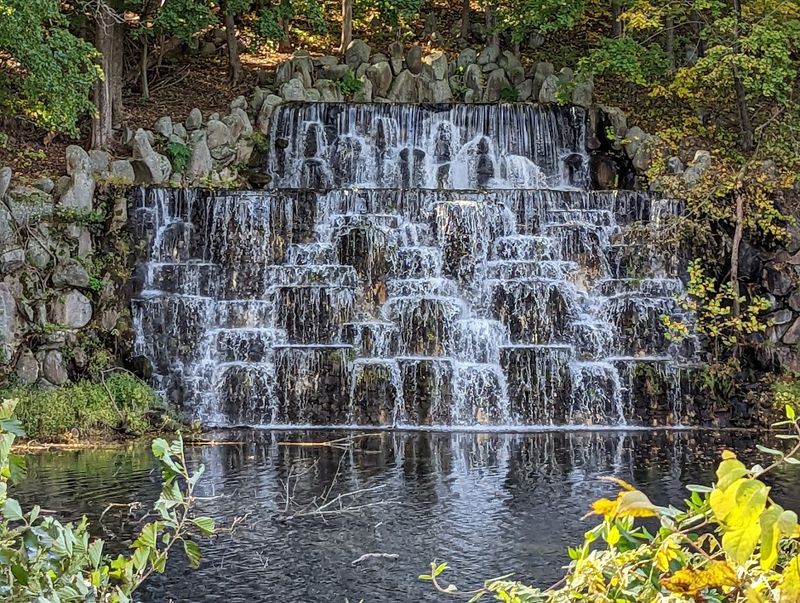
Great Falls is one of the most talked-about landmarks within Duke Farms, and it operates on a timed schedule rather than running continuously. That detail matters for planning, since timing a visit to coincide with the waterfall’s flow makes for a noticeably different experience than arriving during a quiet period.
The area around Great Falls includes the Mermaid Pool, which serves as a designated picnic spot and a natural gathering point for families who want to take a break from walking or biking. The combination of moving water and open space makes it one of the more photogenic areas on the property.
Picnic spots throughout the estate are generally well-distributed, but the Great Falls area tends to draw the most consistent foot traffic. Arriving earlier in the day on weekdays gives the best chance of enjoying the space without a crowd.
Checking the timed waterfall schedule on the Duke Farms website before visiting ensures the trip lines up with an active flow, which is clearly worth the extra planning step.
The Visitor Center: History, Science, and a Decent Cup of Coffee
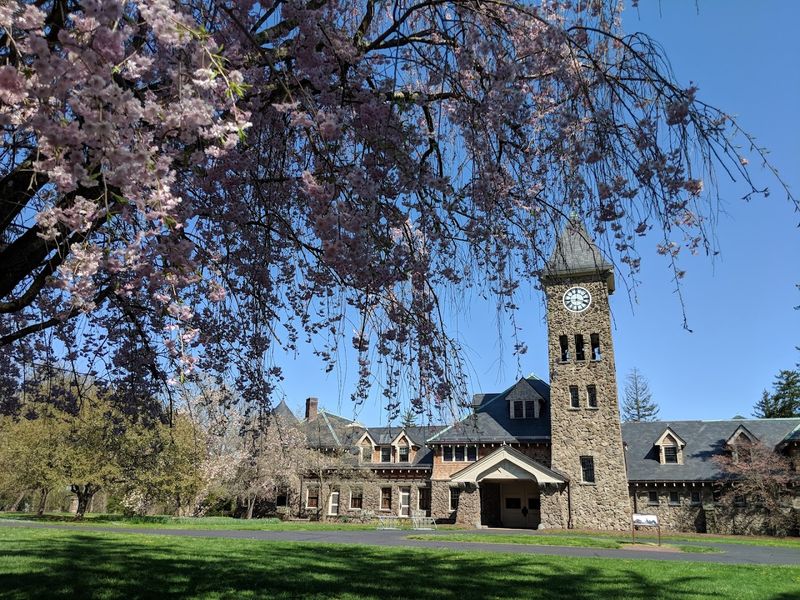
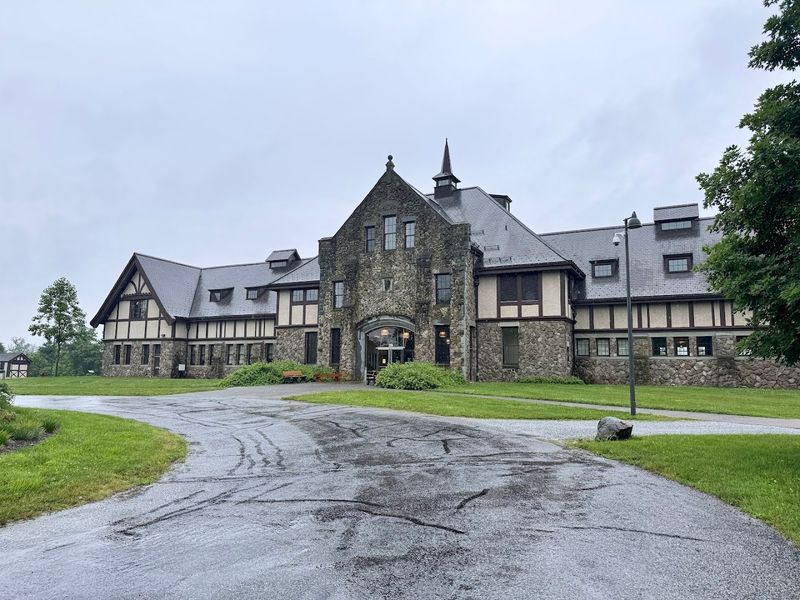
The visitor center at Duke Farms functions as both an entry point and an educational destination in its own right. Inside, exhibits cover the local fauna and flora, environmental protection efforts, and the ways the estate manages to operate in a largely self-sustained manner.
A short film is available that provides context about the property’s history and conservation mission, which is particularly useful for first-time visitors who want to understand what they are looking at before heading out onto the trails.
The on-site cafe offers coffee, hot chocolate, soup, pizza, yogurt, chips, and baked goods. The selection is modest but functional, and the cafe maintains a notably clean environment.
It works well as a fuel stop before a long walk or a wind-down spot after covering several miles of trail.
Staff and volunteers at the visitor center are consistently described as friendly and knowledgeable, ready to suggest routes based on how much time a visitor has and what they most want to see during their time on the property.
Sustainability at the Core: How Duke Farms Operates
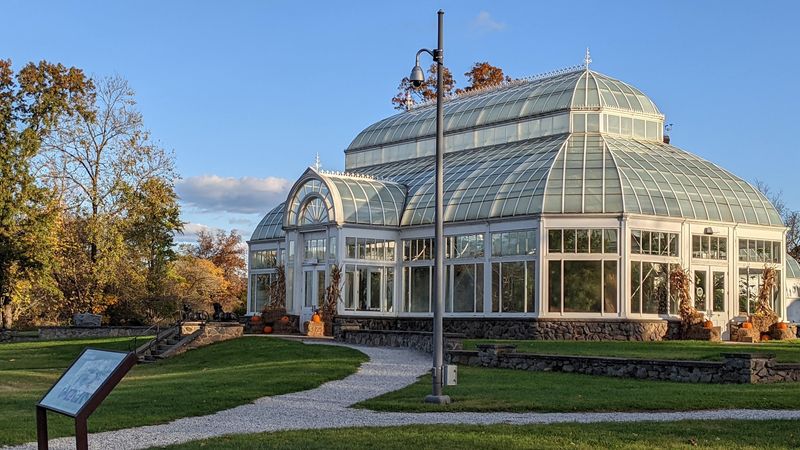
Duke Farms operates as a working model of environmental sustainability, and that commitment goes well beyond signage and talking points. The estate is designed to function in a self-sustained way, drawing on renewable energy systems and land management practices that align with its conservation mission.
Workshops and educational programs run regularly on the grounds, covering topics like geographic information systems, ecological restoration, and sustainable land use. These programs attract researchers, educators, and students who use the property as a real-world classroom rather than a theoretical setting.
The Doris Duke Charitable Foundation’s oversight ensures that long-term environmental goals remain central to every decision made about the property. That institutional backing gives Duke Farms a stability that most conservation sites lack.
Even the physical infrastructure reflects the sustainability focus, from how buildings are maintained to how native plant species are prioritized across the landscape. The estate does not just talk about environmental responsibility.
It builds it into the operational fabric of everything happening on the grounds every single day.
The Sycamore Walk, Stone Walls, and Sculpture Garden Details
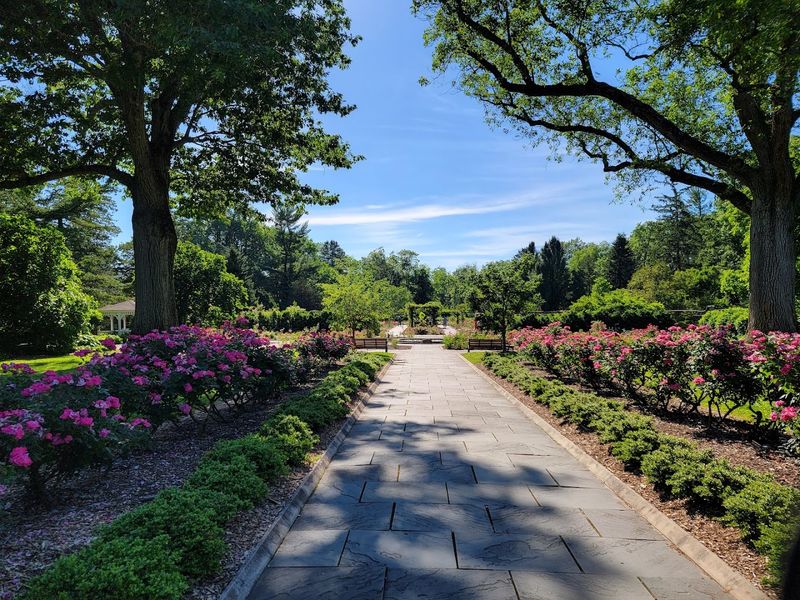
The Sycamore Walk is one of those features that rewards people who take time to move slowly through the property rather than rushing between major landmarks. The mature sycamore trees create a distinct visual corridor that feels noticeably different from the open meadows and lake views found elsewhere on the estate.
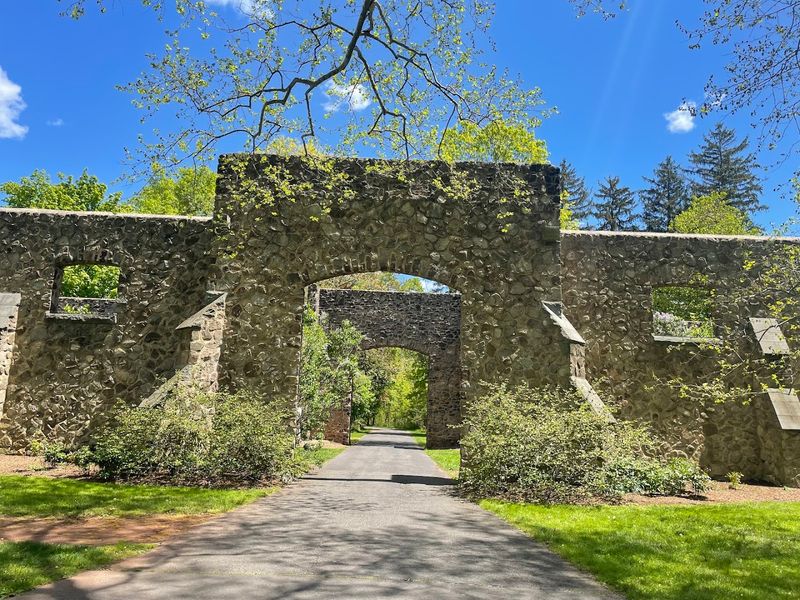
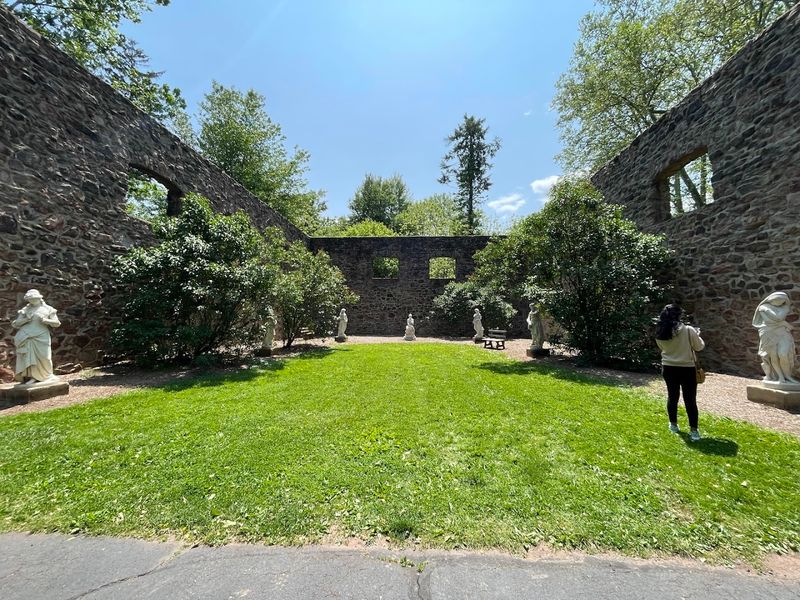
Stone walls run through various sections of the grounds, remnants of the estate’s earlier agricultural and landscaping history. They add a structural character to the natural environment that makes certain areas feel like an outdoor museum as much as a nature trail.
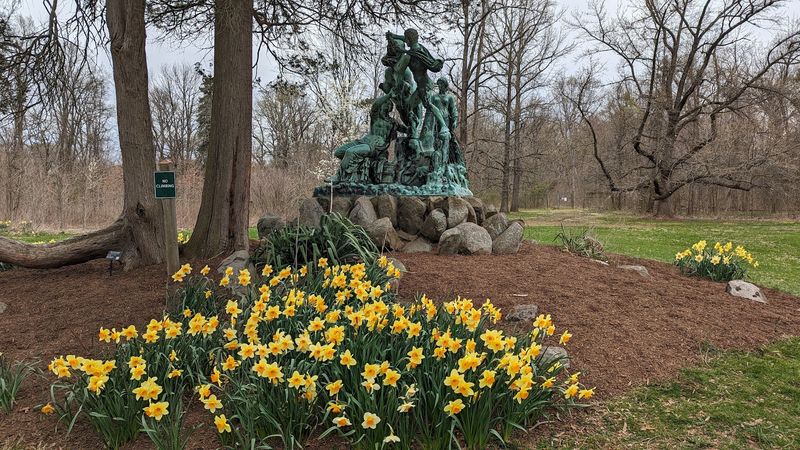
An Italian marble sculpture garden also sits along the path, offering a surprising contrast to the surrounding greenery. The sculptures are part of the estate’s original design and reflect the aesthetic sensibilities of the Duke family’s era.
The hay barn is another architectural point of interest, appreciated by people who enjoy the intersection of working farm history and formal estate design. Together, these elements give Duke Farms a layered character that keeps revealing new details with every visit.
Pet Policy, Parking, and Practical Tips for Planning Your Visit
Duke Farms does not allow pets on the property, which is a policy that divides opinions but keeps the trails clear and the wildlife undisturbed. For people who have dealt with crowded parks where off-leash dogs create complications, this rule is often quietly appreciated.
Parking is free, but reservations are required on Saturdays and during busy seasons. The reservation process happens online through the Duke Farms website, and attendants scan passes at the gate.
Without a reservation on a required day, entry is not guaranteed.
Comfortable shoes are a consistent recommendation from everyone who has spent time on the property. The mix of paved, stone, and grassy surfaces means that footwear matters more here than it might at a typical park.
Water stations are available throughout the grounds, but water fountains are less common than restroom facilities. Carrying a filled water bottle before heading out onto the longer trail sections is one of the most practical things any visitor can do before leaving the visitor center area.
Seasonal Highlights: When to Visit and What Changes Throughout the Year
Every season brings a different version of Duke Farms to the surface. Spring is peak bloom season, with mid-May consistently drawing people who want to see the gardens and native plantings at their fullest.
The orchid greenhouse is at its most vibrant during this period as well.
Fall transforms the trail system into a landscape of color, with the tree canopy shifting through warm tones that make the property a popular destination for family photography. The open meadows and lakeside paths take on a different character entirely when surrounded by autumn foliage.
Winter visits have their own appeal. The property remains open during colder months, and the grounds covered in snow offer a quieter, more solitary experience that regular visitors describe as genuinely worth the colder conditions.
Summer brings the Monarch butterfly migration through the native grasslands, adding a wildlife dimension to the warmer months. Each season essentially offers a different destination layered on top of the same physical space, which is part of why so many people return multiple times throughout the year.
Accessibility, Shuttle Service, and Getting Around the Property
Duke Farms has made deliberate efforts to ensure the property is accessible to people with varying physical abilities. A shuttle service operates on a set schedule, stopping at multiple stations across the grounds.
Timetables are available on the official Duke Farms website, and the service is designed for those who have difficulty walking the longer trail distances.
The paved paths that run through the main sections of the estate are wide enough to accommodate wheelchairs and strollers, making the core attractions reachable for most visitors regardless of mobility level.
Restrooms are distributed throughout the property and are maintained to a consistently clean standard. Water stations are available but less frequent than restroom facilities, reinforcing the importance of carrying water on longer outings.
An audio guide system is also available through a cell phone interface, allowing visitors to access information about specific landmarks without needing a physical guide or printed materials. That combination of shuttle access, paved paths, and audio tools reflects a genuine commitment to making the estate work for everyone who arrives at the gate.
Why Duke Farms Keeps Drawing People Back Again and Again
There is something specific about Duke Farms that turns first-time visitors into regulars. The property is large enough that a single visit genuinely covers only a fraction of what is available, which means every return trip holds the promise of something new.
The combination of free admission, well-maintained trails, a world-class orchid collection, wildlife sightings, and a visitor center with real educational depth creates a package that most paid attractions struggle to match. That value proposition keeps the property relevant across a wide demographic range.
The estate also changes meaningfully with the seasons, so returning in fall after a spring visit does not feel repetitive. The landscape, the wildlife, and even the greenhouse display shift enough that the experience stays fresh.
Duke Farms operates Tuesday through Saturday from 8:30 AM to 6 PM, giving most people a full day to work with. For anyone within driving distance of Hillsborough Township, the question is not really whether to visit.
The question is how soon the next trip can be scheduled after the first one ends.



