 Unearth The Voyage
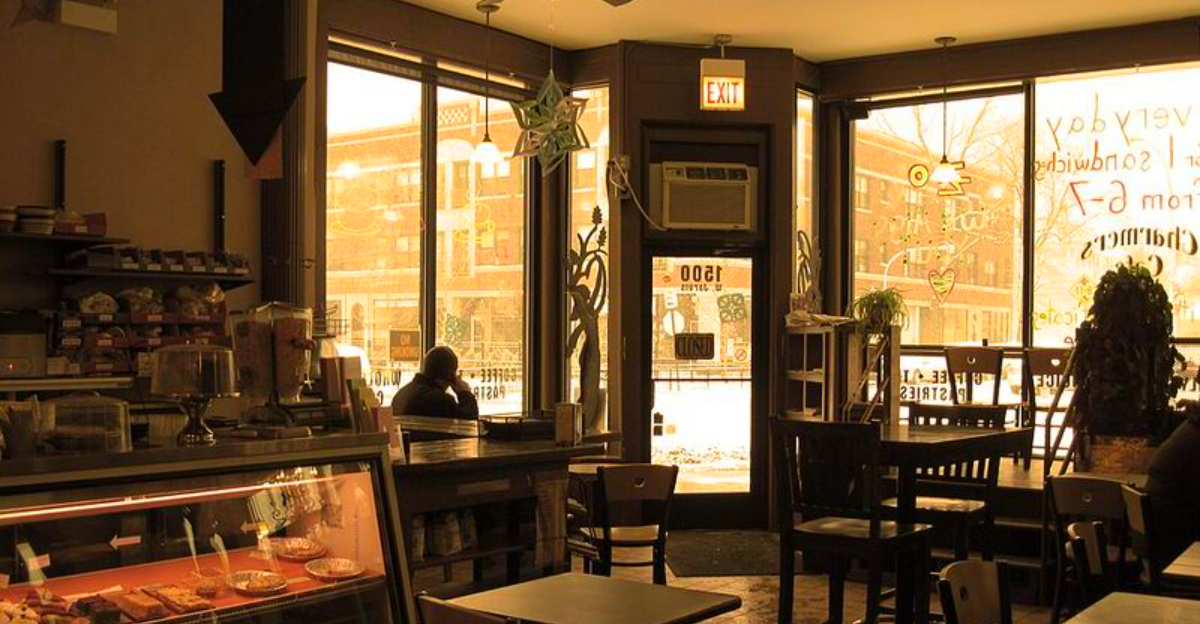
A neighborhood rarely makes its best impression on day one. What matters more is repetition: the route you test on a Tuesday, the shop you finally enter in month three, the corner that only earns your attention after rain, routine, or one useful conversation.
Cities and towns are built as much from habits as from streets, and the places that start shaping your life are usually the ones no brochure bothers to mention. Keep reading, and you will recognize how ordinary locations slowly turn into personal landmarks, local lore, and the kind of knowledge that makes a place feel less visited and more lived in.
1. The “Shortcut” That Saves You 7 Minutes
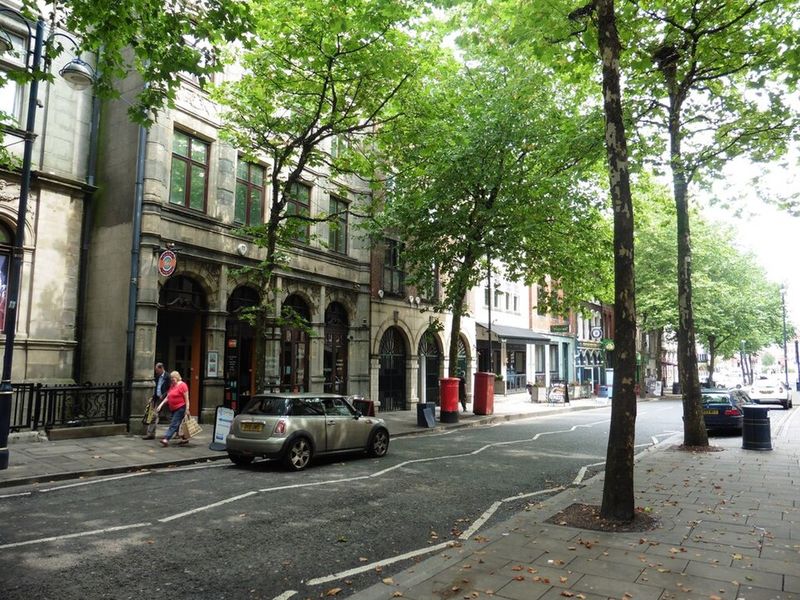
The real sign you belong somewhere is not a keychain or a tote bag – it is knowing which turn quietly defeats traffic. Every city has these unofficial passages, usually discovered through trial, mild desperation, or a tip shared with the seriousness of family inheritance.
What makes a shortcut memorable is not speed alone. It reveals how places actually function, beyond maps and planning documents, with side streets shaped by older lot lines, school zones, delivery routes, and commuter habits that developed long before navigation apps started issuing orders.
After a while, that seven-minute gain becomes part of your identity. You stop thinking of it as a trick and start treating it like local literacy, the sort of practical knowledge that separates a resident from a person still introducing themselves to the neighborhood.
2. That One Bench With the Best View
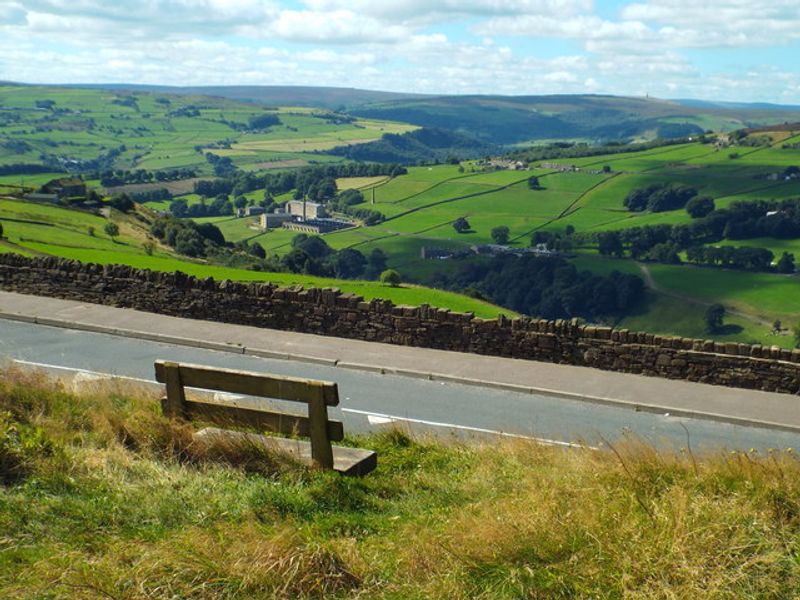
Every longtime resident eventually adopts a bench the way other people adopt opinions about pizza. It is rarely famous, rarely centered, and rarely designed for spectacle, yet it ends up attached to your routines because the angle, distance, and timing work better than they should.
Public benches have a quiet history as democratic infrastructure. Parks departments placed them for rest, transit stops used them for waiting, and waterfronts used them to structure civic space, but residents often repurpose them into reading spots, lunch stations, or informal observation posts.
What changes over time is your attention. You begin noticing which trees frame the view, which buildings mark the horizon, and which hour thins the crowd, until that ordinary seat becomes less furniture and more a personal chapter in the geography of daily life.
3. The Bakery That Sells Out Before Noon
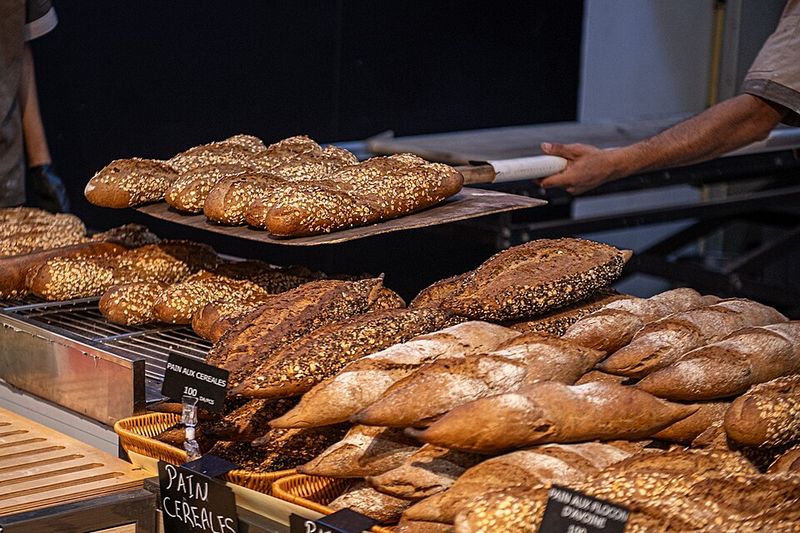
Nothing proves local credibility faster than knowing a bakery has a cutoff time disguised as business hours. On paper it is open all morning.
In practice, the essential items are often gone before lunch because regulars have already handled the matter with brisk efficiency.
This pattern says a lot about neighborhood rhythm. Prewar commercial districts, commuter schedules, school drop offs, and weekend habits all help determine when bread, rolls, or pastries move fastest, turning certain bakeries into time-sensitive institutions rather than casual stops.
Once you learn the routine, your relationship with the place changes. You stop arriving hopefully and start arriving strategically, perhaps with exact minutes in mind, and that little adjustment makes you feel woven into the area’s timetable instead of merely purchasing breakfast there.
4. The “Secret” Parking Spot
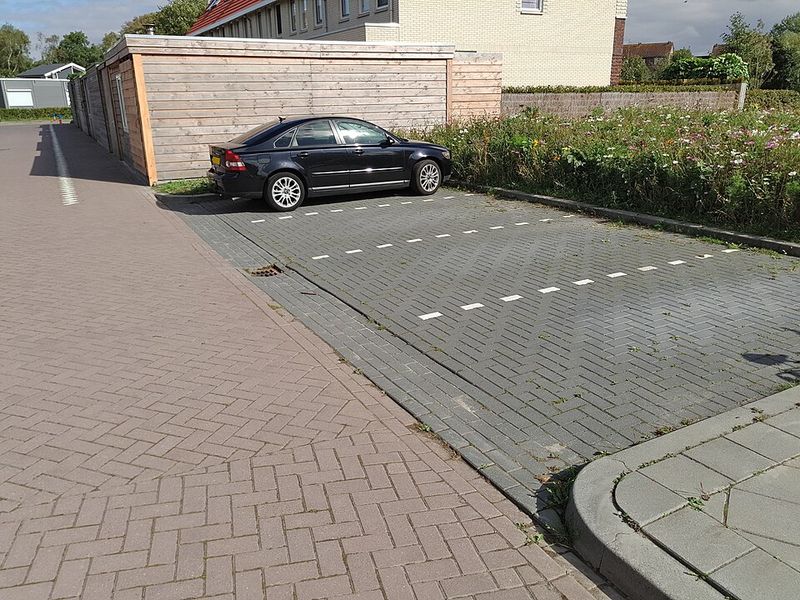
Parking mythology develops faster than official planning, and every neighborhood has at least one space discussed like classified information. It may sit beside a loading zone with generous hours, near an overlooked curb cut, or on a block everyone assumes is impossible.
What makes the spot valuable is the surrounding system. Street cleaning schedules, permit boundaries, former industrial lots, and one-way patterns all create tiny openings in the urban puzzle, rewarding residents who pay attention longer than visitors usually do.
After enough laps around the block, finding that reliable place feels almost educational. You start reading signs with unusual care, notice how regulations shift from one street to the next, and realize the city is full of rules hiding in plain sight, waiting to reward patience and observation.
5. The Park Corner That Feels Like a Hidden World
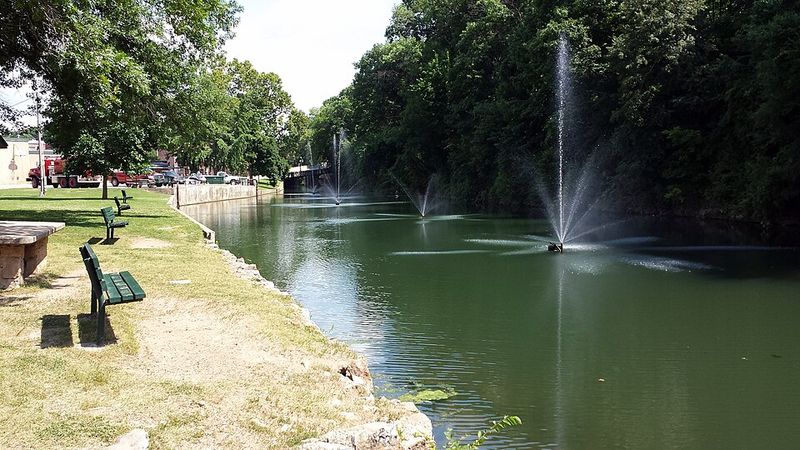
Large parks are rarely understood in a single visit because their reputations usually flatten them into one big green noun. Live nearby long enough, though, and you notice the internal geography: the crowded entrance, the athletic edge, the shortcut path, and one corner that somehow escapes collective notice.
These overlooked sections often exist because of design history. Nineteenth and twentieth century parks were planned with circulation patterns, carriage roads, play fields, memorials, and service areas, leaving odd pockets where foot traffic thins and routine finally loses interest.
That hidden patch becomes meaningful precisely because it is not dramatic. It offers privacy without secrecy and distance without travel, giving you a place where the city recedes through layout, tree cover, and habit rather than through any grand claim of untouched nature.
6. The Quiet Café No One Talks About
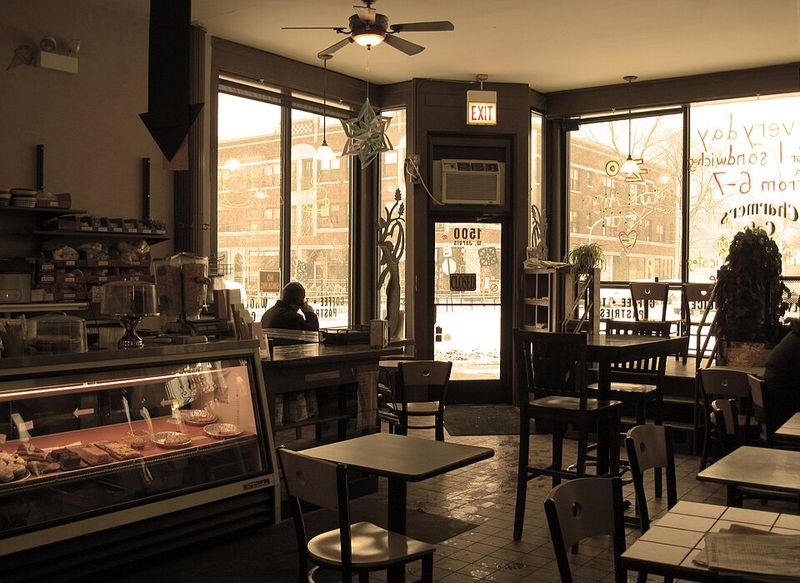
Some cafés win attention with lines, slogans, and furniture that looks selected by committee. The better neighborhood kind often survives by doing three things correctly every single day: dependable coffee, decent seating, and an atmosphere that does not demand performance from anyone inside.
These places matter because they support everyday urban life rather than special occasions. In many towns, small cafés have replaced older third places such as newsstands, luncheonettes, or corner diners, becoming informal offices, reading rooms, and meeting points without advertising that role too loudly.
You usually find one by accident, then keep returning because nothing goes wrong there. The order is consistent, the internet works, and the room stays usable, which may sound unromantic, but reliability has always been one of the most underrated forms of neighborhood excellence.
7. The Store That Has Everything… Somehow
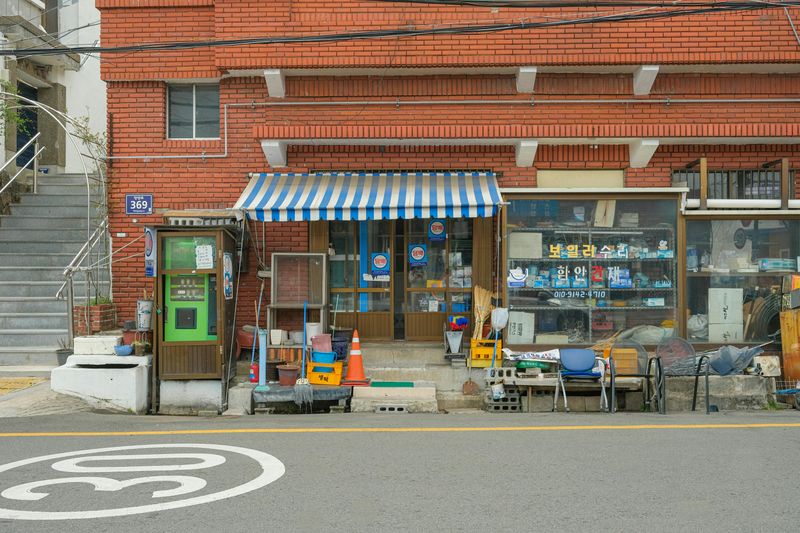
The most trustworthy store in town is often the one that looks mildly impossible from the sidewalk. Inside, it carries batteries, light bulbs, picture hooks, strainers, tape, extension cords, and one replacement part you were certain had vanished from modern civilization.
These shops are descendants of older general stores, hardware counters, and family-run variety businesses that survived by understanding practical demand better than giant chains did. Their stock reflects repair culture, apartment living, and the fact that households regularly need one small item immediately.
People joke about such stores defying logic, but the explanation is usually sharp inventory memory and local experience. The owner knows what breaks in nearby buildings, what students forget to buy, and what tenants discover they need at the least convenient possible moment.
8. The Late-Night Food Spot That Never Lets You Down

Every neighborhood eventually reveals where hunger goes when respectable business hours have given up. The place is seldom elegant, and that is part of the contract.
It survives on consistency, speed, and a menu built for people who need an answer more than an experience.
Late-night food spots tell a useful story about local labor and routine. They often cluster near hospitals, transit lines, entertainment districts, campuses, or shift-based workplaces, serving residents whose schedules have little interest in standard dinner times.
What makes one legendary is not novelty but dependability under unglamorous conditions. You remember the nights everything else was closed, plans ran long, or travel went sideways, and that practical memory gives the place status no polished restaurant can easily manufacture through branding alone.
9. The Street That Looks Better in the Rain
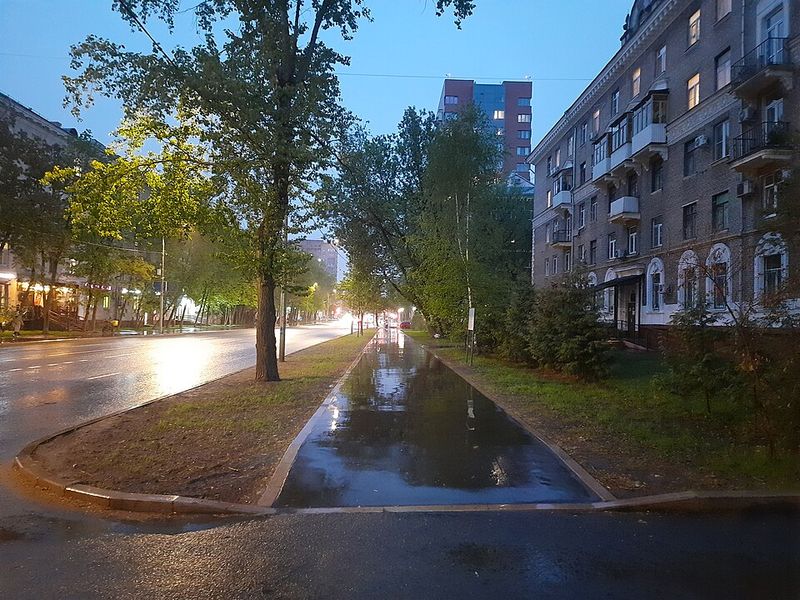
Some streets need weather to reveal their best editing. In dry conditions they seem ordinary, maybe even forgettable.
Add rain, and suddenly the alignment of storefronts, pavement, signage, and transit lights makes more visual sense than it did under plain afternoon errands.
This effect is often architectural rather than mystical. Older commercial streets with narrow lots, repeated windows, painted signs, and varied awnings gain definition when wet surfaces sharpen contrast and simplify clutter, making you notice details daily haste had skipped.
Once you register it, the street enters your mental map differently. You begin looking at building ages, street width, paving materials, and shop fronts, realizing that weather occasionally acts like an unpaid historian, helping ordinary design choices announce the period and purpose they came from.
10. The Weekly Routine You Didn’t Plan
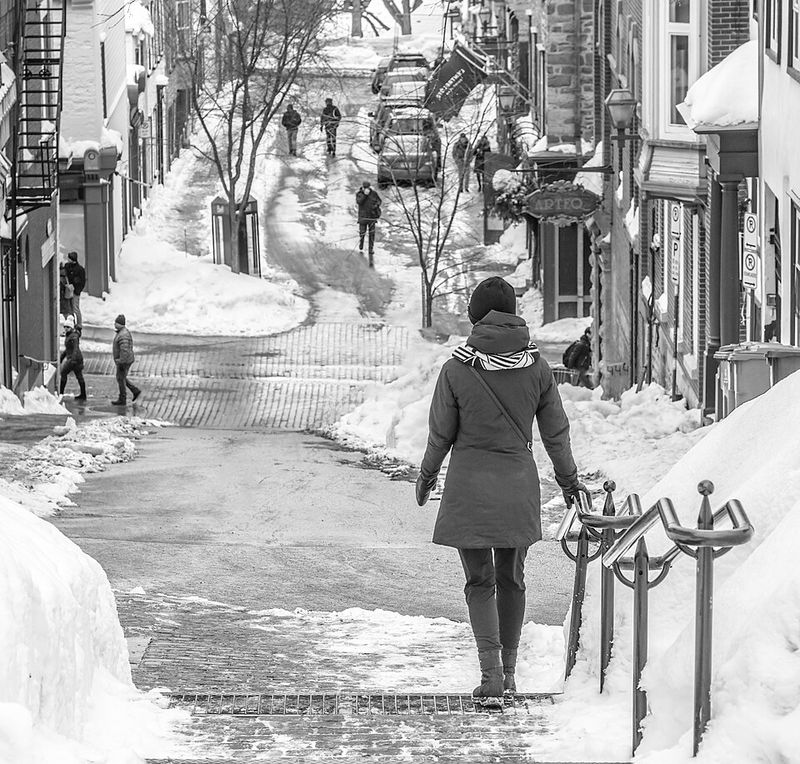
Routine sneaks in wearing the costume of convenience. One Saturday you stop by a market because you need eggs.
A month later, you are timing your morning around the same route, greeting the same vendors, and acting as if this pattern always belonged to you.
These rituals are how places become personal without any formal announcement. Weekly habits attach people to busier civic structures such as markets, library visits, religious services, exercise loops, or park walks, all of which have long histories as anchors of neighborhood continuity.
The unplanned routine matters because it reorganizes attention. You notice seasonal produce, store turnover, road closures, familiar faces, and small changes in public space, which means you are no longer simply occupying an area.
You are participating in its calendar, and that changes everything.
11. The Spot Where Everyone Walks Their Dogs
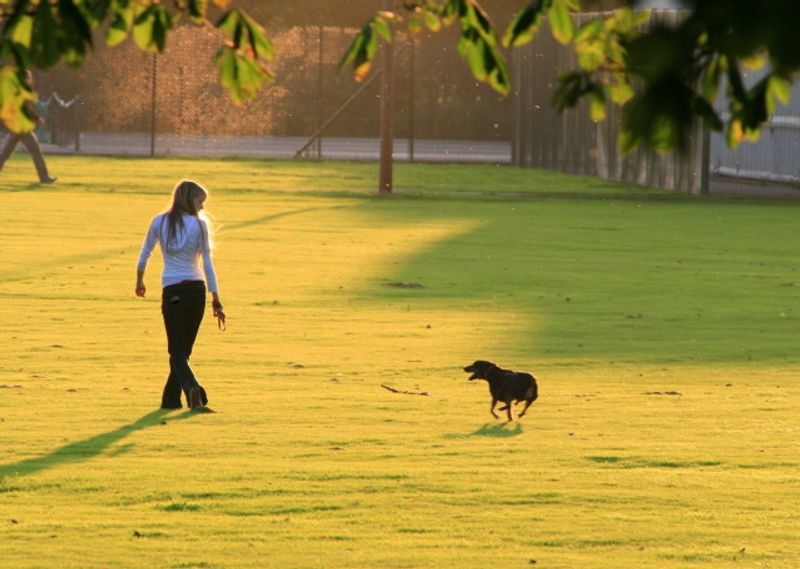
No planning department can fully predict where a dog corridor will emerge, yet residents usually figure it out quickly. One block has the right loop, another has the shade, a third has forgiving sidewalks, and before long the area becomes an unofficial daily assembly.
These places work because pets reshape social geography. Dog walking creates repeated low-stakes encounters, especially in dense neighborhoods where private yards are limited, turning ordinary sidewalks and pocket parks into reliable sites for conversation, exchange of advice, and recognition among near strangers.
What you notice after living nearby is how structured the pattern becomes. The same owners appear at similar hours, newcomers learn local etiquette through observation, and the block develops a tiny public culture, complete with regulars, updates, and the sort of dependable familiarity cities often struggle to manufacture formally.
12. The View You Only Notice When You Slow Down

Familiarity can hide a view more effectively than distance ever could. You pass the same corner repeatedly, focused on errands or transit, until one slower afternoon finally reveals a clean line of rooftops, water, hills, or skyline that had been waiting there the entire time.
Urban views often depend on movement and pace. Street grades, setback rules, rail lines, and older sight lines created by industrial land or park design can produce accidental panoramas that only register when you pause long enough to let the composition assemble itself.
Once discovered, the view changes your understanding of scale. The neighborhood no longer feels sealed within its own blocks, because you can suddenly trace its relationship to the larger city, its topography, and its development patterns, all from a place you had nearly dismissed as ordinary passage.
13. The Place That Feels Different at Night
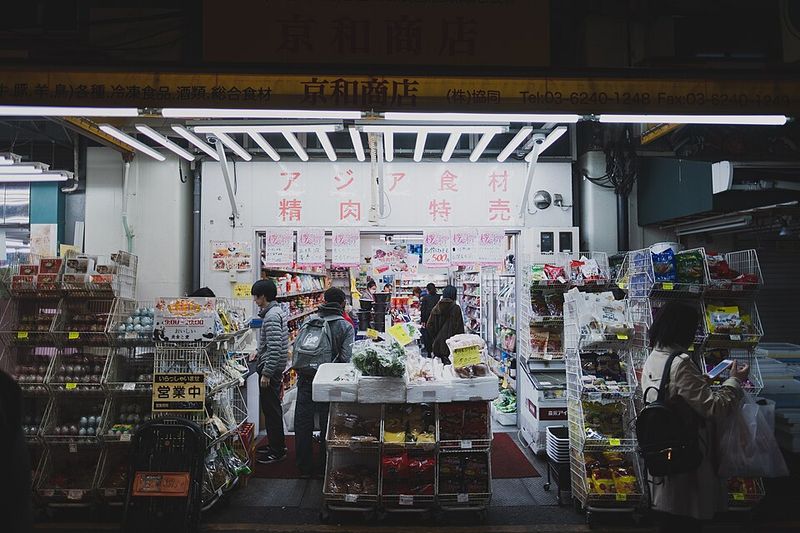
Daylight introduces a place one way; night quietly edits the cast list. Offices empty, delivery traffic changes, apartment windows claim visual authority, and a street that felt purely functional at noon starts revealing who actually uses it after standard schedules end.
This shift has deep ties to urban history. Lighting technology, transit frequency, zoning, and commercial hours all influence whether a neighborhood becomes calmer, busier, or simply more legible after dark, when fewer distractions make patterns of residence and routine easier to notice.
Living nearby teaches you the second version of the same location. You learn which blocks stay active, which corners relax, and which businesses anchor evening life, and that knowledge gives the area dimension.
A place stops being singular once you understand it keeps different hours for different people.
14. The “Why Didn’t I Come Here Sooner?” Spot
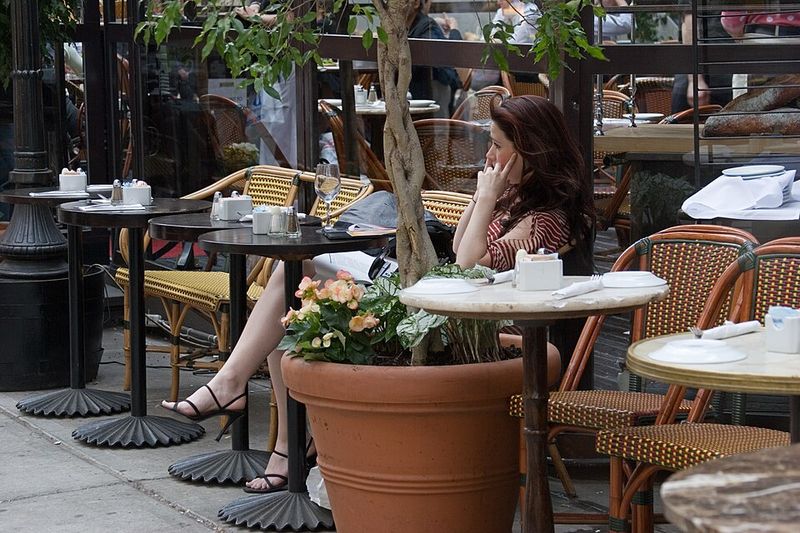
The final local revelation is usually embarrassing in the most useful way. You ignored a place for months, perhaps because the entrance looked plain or the timing never worked, and then one casual visit rearranges your list of neighborhood favorites almost instantly.
These delayed discoveries happen because attention follows habit. Residents often move between home, work, transit, and a few essential businesses, leaving whole pockets unexplored until a recommendation, detour, or scheduling accident breaks the pattern and exposes what had been available all along.
What makes the moment satisfying is not just finding something good. It is realizing that places remain larger than your assumptions about them, with overlooked courtyards, museums, diners, markets, or viewpoints waiting beyond familiar routines.
Even after months, the neighborhood still has enough mystery to correct your confidence.



