The Little Traverse Wheelway connects Charlevoix, Petoskey, and Harbor Springs with 26 miles of paved trail running alongside Lake Michigan. Along the route, you pass beaches, marinas, wetlands, wooded stretches, and waterfront neighborhoods that make the scenery constantly change.
What makes the trail memorable is how close the lake stays for much of the journey. Whether you are biking, running, or walking, it is the kind of route that keeps people coming back year after year.
Where the Trail Begins: Charlevoix and the Western Trailhead
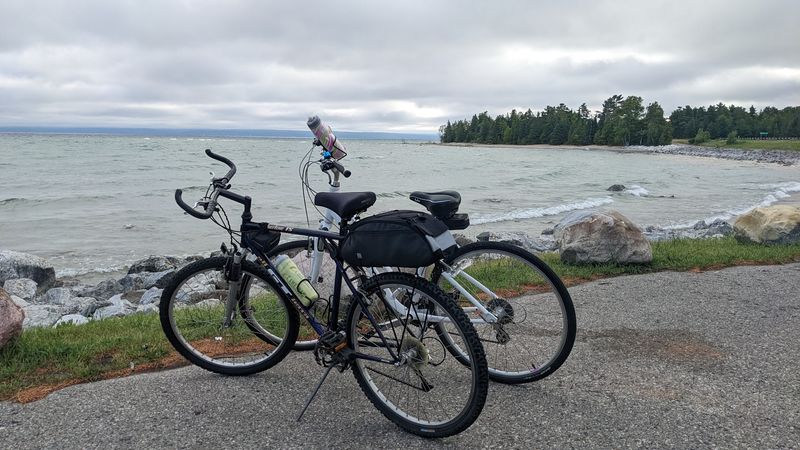
The western end of the Little Traverse Wheelway starts in Charlevoix, Michigan, a small resort town that sits right where Lake Charlevoix meets Lake Michigan. The official trailhead connects to US-31, and the Charlevoix County segment runs approximately 9 miles before reaching the Emmet County line.
I parked near downtown Charlevoix and found the trail without any trouble. The pavement is smooth and well-marked, and within the first few hundred feet, you already get that feeling that this route is going to deliver something special.
Charlevoix itself is worth arriving early for. The downtown has waterfront views, small shops, and a relaxed northern Michigan energy that sets the mood perfectly before you even clip into your pedals or lace up your shoes.
The trail is also officially part of US Bicycle Route 35, which gives it a bit of national credibility that most local trails never earn.
The Boardwalk Through the Wetland Nature Preserve
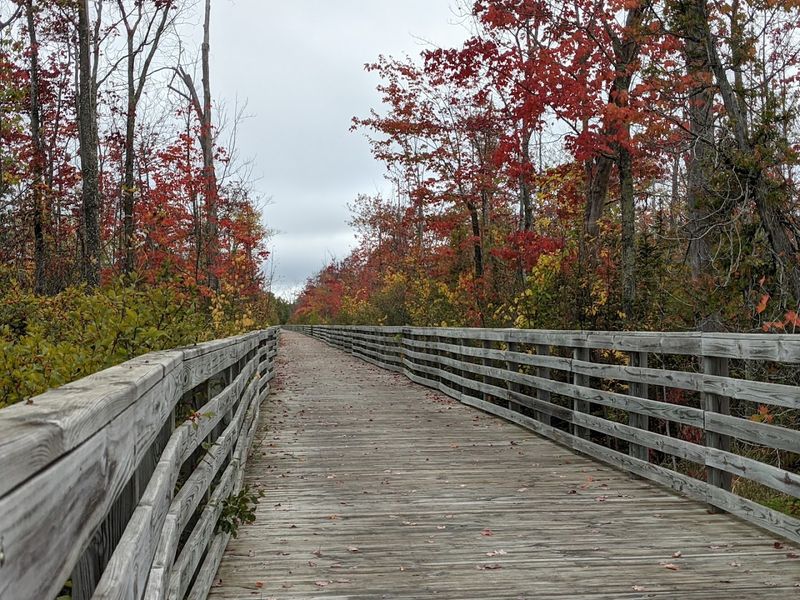
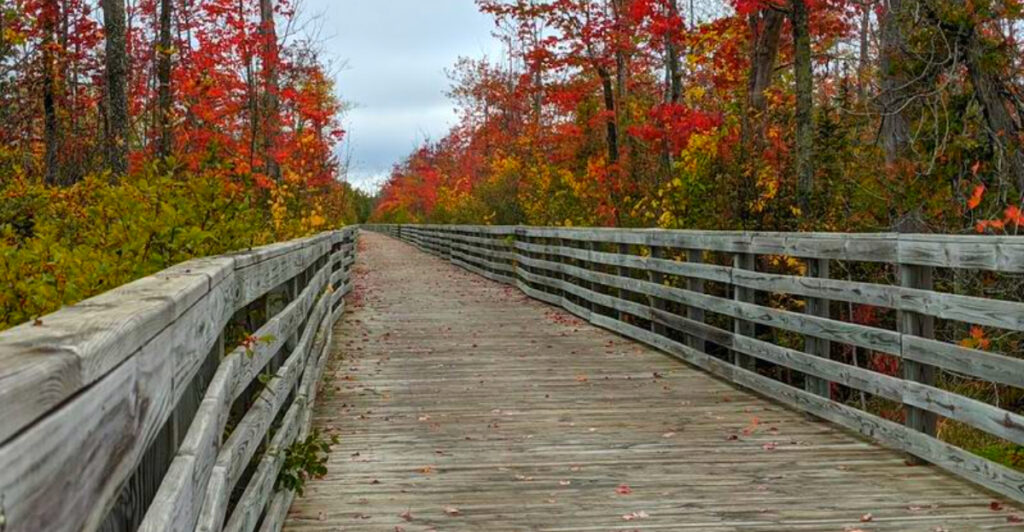
One of the most unexpected stretches of the entire route is a 0.6-mile boardwalk that cuts through a wetland nature preserve near Charlevoix. Most people come for the lake views, so this section catches you off guard in the best possible way.
The boards creak slightly underfoot, and the air smells like fresh water and moss. Red-winged blackbirds call from the reeds, and if you slow down even a little, you might spot a great blue heron standing perfectly still near the water’s edge.
Wildlife viewing here is genuinely rewarding. The preserve feels worlds away from the open road sections of the trail, and the shift in environment gives your legs and your eyes a welcome break from pavement and shoreline.
It is worth noting that this boardwalk section was under maintenance closure as of late 2025, so checking current trail conditions before your visit is always a smart move.
Mile 3 and the Lake Michigan Views That Stop You Cold
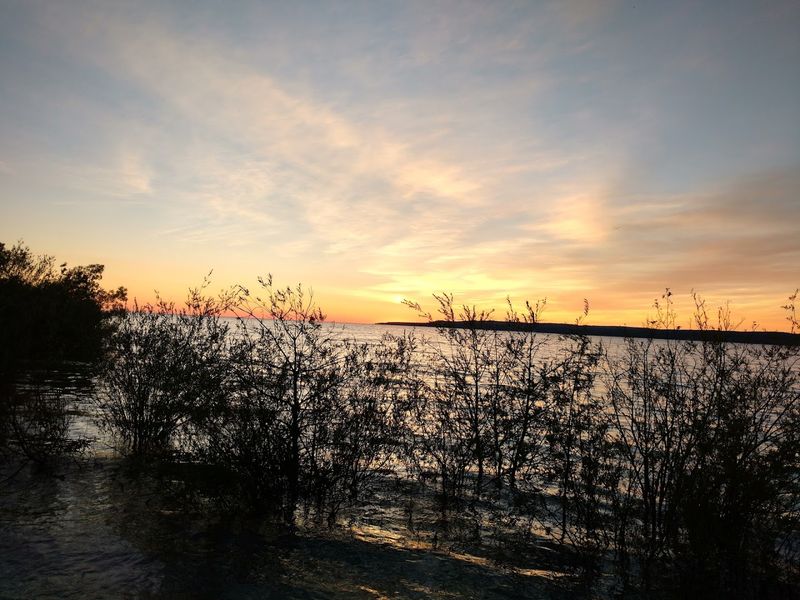
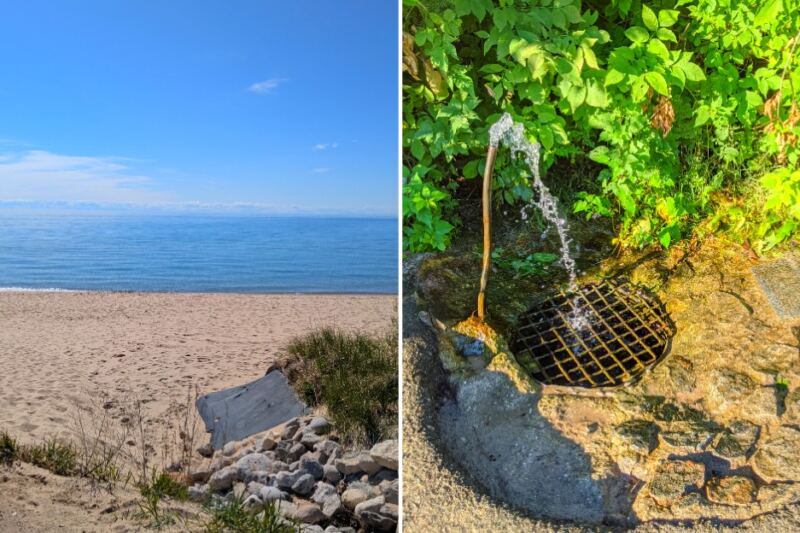
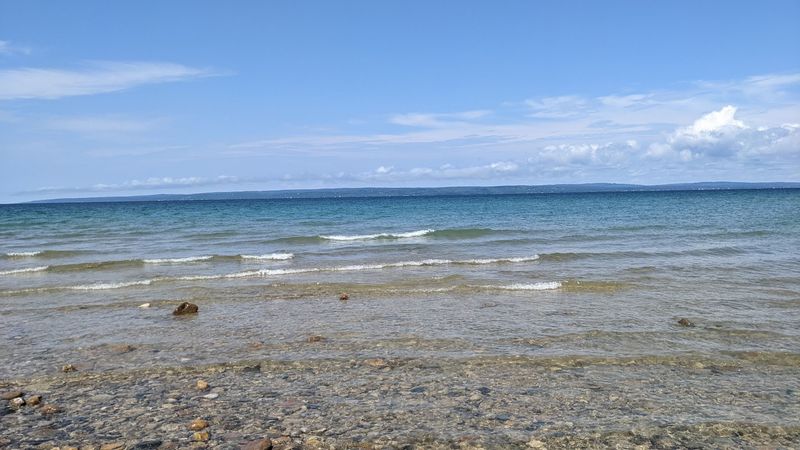
Around mile 3 from the western end, the trail opens up and delivers what I can only describe as a full-on sensory moment. The trees pull back, the road noise fades, and Lake Michigan spreads out in front of you with that deep, almost Caribbean blue that northern Michigan somehow produces on a clear day.
This stretch of the Wheelway runs close enough to the water that you can hear the waves. Roadside parks and direct water access points appear along this section, so there are natural spots to stop, breathe, and take it all in without feeling rushed.
I sat at one of those access points for about ten minutes and watched a sailboat move slowly across the horizon. It was one of those travel moments that you cannot plan, only stumble into.
The views from this stretch alone are reason enough to make the drive to Charlevoix, and the next section of trail takes things up another level entirely.
Bay Harbor: A Marina Community Worth Slowing Down For
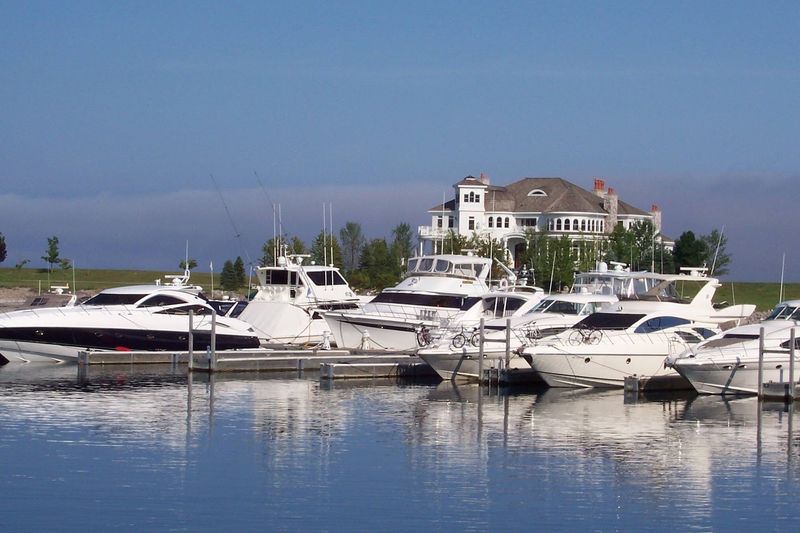
Bay Harbor is one of those places that looks like it was designed specifically to be photographed. The marina community sits along the trail route and features a waterfront promenade lined with upscale shops, restaurants, and a boat harbor that always seems to have something interesting floating in it.
The contrast with the natural trail sections is striking. One minute you are running past open water and scrubby shoreline trees, and the next you are rolling through a polished resort community with manicured landscaping and the quiet hum of a well-funded zip code.
I stopped here to refill my water bottle and ended up wandering for longer than planned. The marina has good sightlines across the bay, and the architecture along the waterfront is genuinely attractive without feeling overdone.
Bay Harbor is a useful mid-route stop for food, rest, and a change of scenery, and it proves that this trail is not just a nature experience but a tour through very different versions of northern Michigan life.
The Bluff Views Above Little Traverse Bay
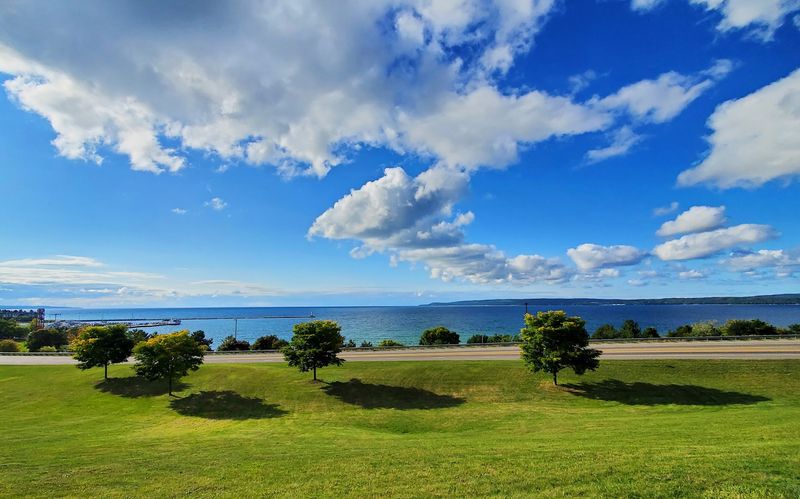
For about 1.5 miles, the Wheelway traces a bluff above Little Traverse Bay as it descends through East Park toward Magnus Park in Petoskey. This is the kind of elevation change that rewards every step with a better view than the one before it.
The bay below shifts color depending on the time of day. Early morning gives you a silver-grey surface with mist sitting low over the water.
Midday turns it a rich turquoise, and late afternoon light makes the whole thing glow like something out of a travel magazine.
The descent through this section is gradual enough to enjoy on foot or bike without white-knuckling the handlebars. Benches appear at strategic points along the bluff, and locals clearly use them regularly.
It is worth knowing that portions of this stretch between East Park and Magnus Park have experienced closures due to erosion, so checking trail status ahead of your visit will save you a frustrating detour. The next stop along the route has its own kind of history worth exploring.
Historic Bay View and Its Victorian Cottages
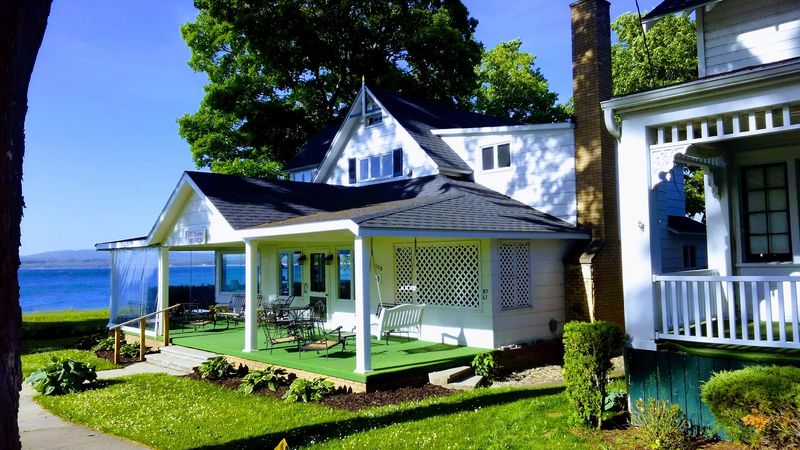
Bay View is one of those places that makes you feel like you have accidentally wandered into a living museum, except everyone there is completely at ease with it. The neighborhood sits along the trail route and features hundreds of Victorian-era cottages that have been continuously occupied since the late 1800s.
The community was established in 1875 as a Methodist camp meeting ground and has maintained its historic character with remarkable consistency. The cottages are painted in soft pastels and earth tones, with wide porches, decorative trim, and gardens that look tended with serious dedication.
Riding or running through Bay View feels quieter than the rest of the trail. The streets are narrow, the canopy is dense, and the whole neighborhood operates on a slower frequency.
I found myself craning my neck at every corner to catch another angle on the architecture. It is a genuinely rare stretch of American history that you pass through rather than visit behind a rope line, and the contrast with the open lake sections makes it even more memorable.
Bayfront Park and the Heart of Petoskey
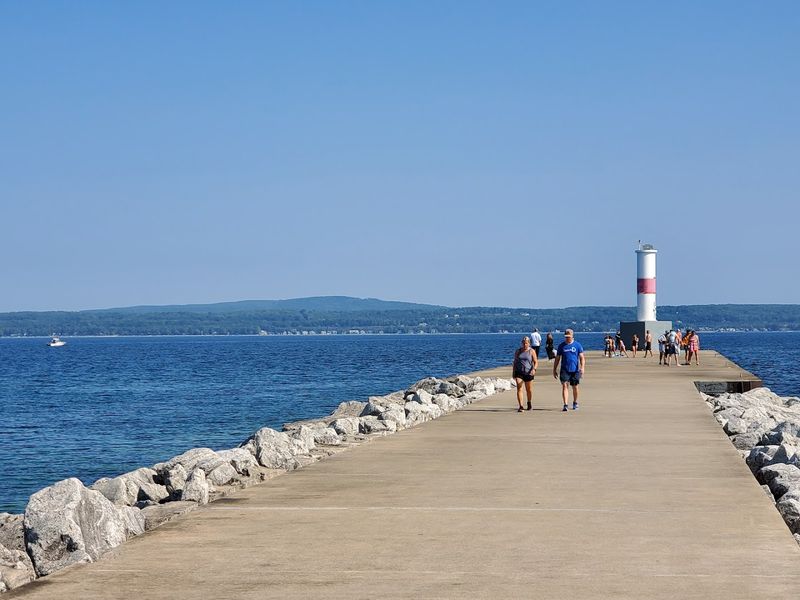
Bayfront Park in Petoskey is the kind of public space that a town builds when it takes its waterfront seriously. The park sits right along the trail and includes a marina, open green space, picnic areas, and direct access to Little Traverse Bay.
The Little Traverse History Museum is located nearby, and if you have any curiosity about how this region developed from a small lumber and fishing community into one of Michigan’s most beloved resort destinations, the museum offers a surprisingly engaging overview.
I arrived at Bayfront Park in the early afternoon and found families, cyclists, kayakers, and a few people just sitting on the grass doing absolutely nothing, which honestly looked like the right call. The park functions as a natural rest stop and social hub along the trail, and the marina activity gives it a constant low-level buzz that keeps things interesting.
Petoskey’s downtown is a short walk from the park, so this is also a practical spot to refuel before the final stretch toward Harbor Springs.
Petoskey State Park: Sandy Shores and the Old Baldy Trail
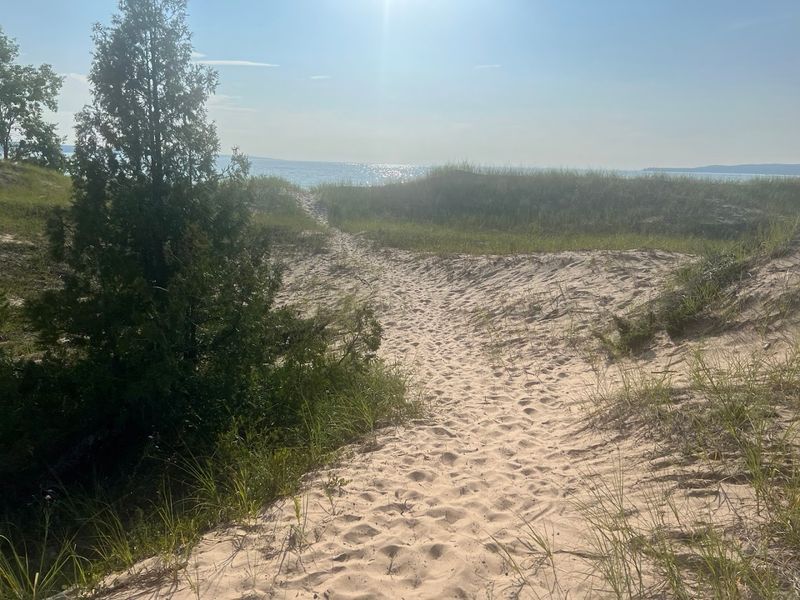
Petoskey State Park is one of the trail’s most rewarding detours, and calling it a detour almost undersells it. The park offers direct access to sandy Lake Michigan shores and a network of hiking trails that complement the Wheelway beautifully.
The Old Baldy Trail is the highlight here. It climbs through dune forest to a viewpoint that looks out over Lake Michigan with the kind of unobstructed perspective that reminds you just how vast this body of water really is.
The trail is short but earns its elevation gain with a payoff that longer trails sometimes fail to deliver.
The beach at Petoskey State Park is the kind of place where time moves differently. The sand is fine, the water is clear, and the dune grass along the edge gives the whole scene a wild, undeveloped feel that contrasts with the polished resort towns nearby.
Petoskey stones, the fossilized coral unique to this region, can sometimes be found along the shoreline here, which gives beachcombers one more reason to linger a little longer.
What Makes the Trail Suitable for Every Kind of Visitor
The Little Traverse Wheelway is paved for its entire length, which makes it accessible to a wider range of visitors than most trails in the region. Cyclists, runners, walkers, and inline skaters all share the surface comfortably, and the grade is manageable enough that it does not demand any particular level of fitness.
Families with young children use it regularly, and the multiple access points along the route mean you can join or leave the trail at various spots without committing to the full 26-mile distance. That flexibility is genuinely useful for people who want the experience without the marathon commitment.
The paved surface also means the trail stays usable in shoulder seasons when dirt paths turn muddy and unpredictable. Spring and fall visits bring fewer crowds and a different quality of light along the water that summer visitors rarely get to experience.
The trail’s design rewards both the serious athlete logging miles and the casual visitor who just wants an hour of fresh air with a spectacular backdrop.
The Seasonal Rhythms of a Northern Michigan Trail
Summer is the obvious choice for visiting the Wheelway, and the trail earns that peak-season reputation without any argument. The water is at its most vivid, the towns are fully operational, and the energy along the route feels celebratory in a way that only northern Michigan summers can manage.
Fall, though, is quietly spectacular. The hardwood forests along the inland sections turn in late September and October, and the combination of red and orange leaves against the grey-blue lake is genuinely striking.
Crowds thin out considerably, parking is easy, and the cooler temperatures make longer runs and rides much more comfortable.
Spring brings a different kind of charm. The trail is often clear before the trees fully leaf out, which means longer sightlines across the water and a raw, fresh quality to the air that summer covers up with warmth and humidity.
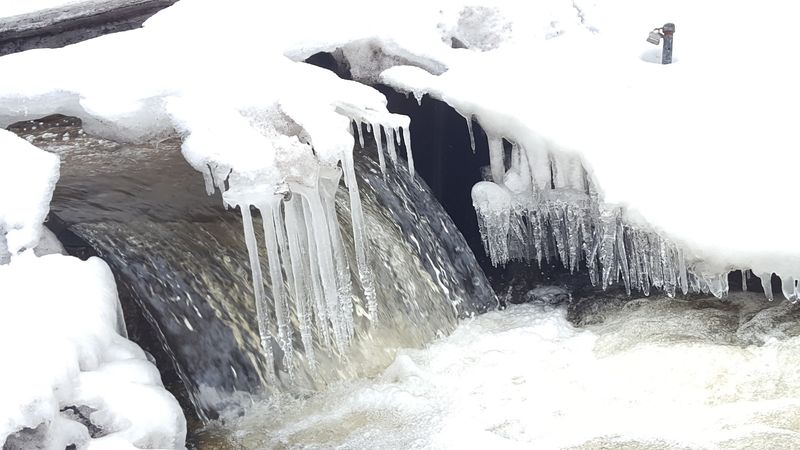
Winter use is limited but not impossible for the well-prepared, and the snow-covered bluff views above Little Traverse Bay are something very few people ever get to see.
Practical Tips for Planning Your Wheelway Visit
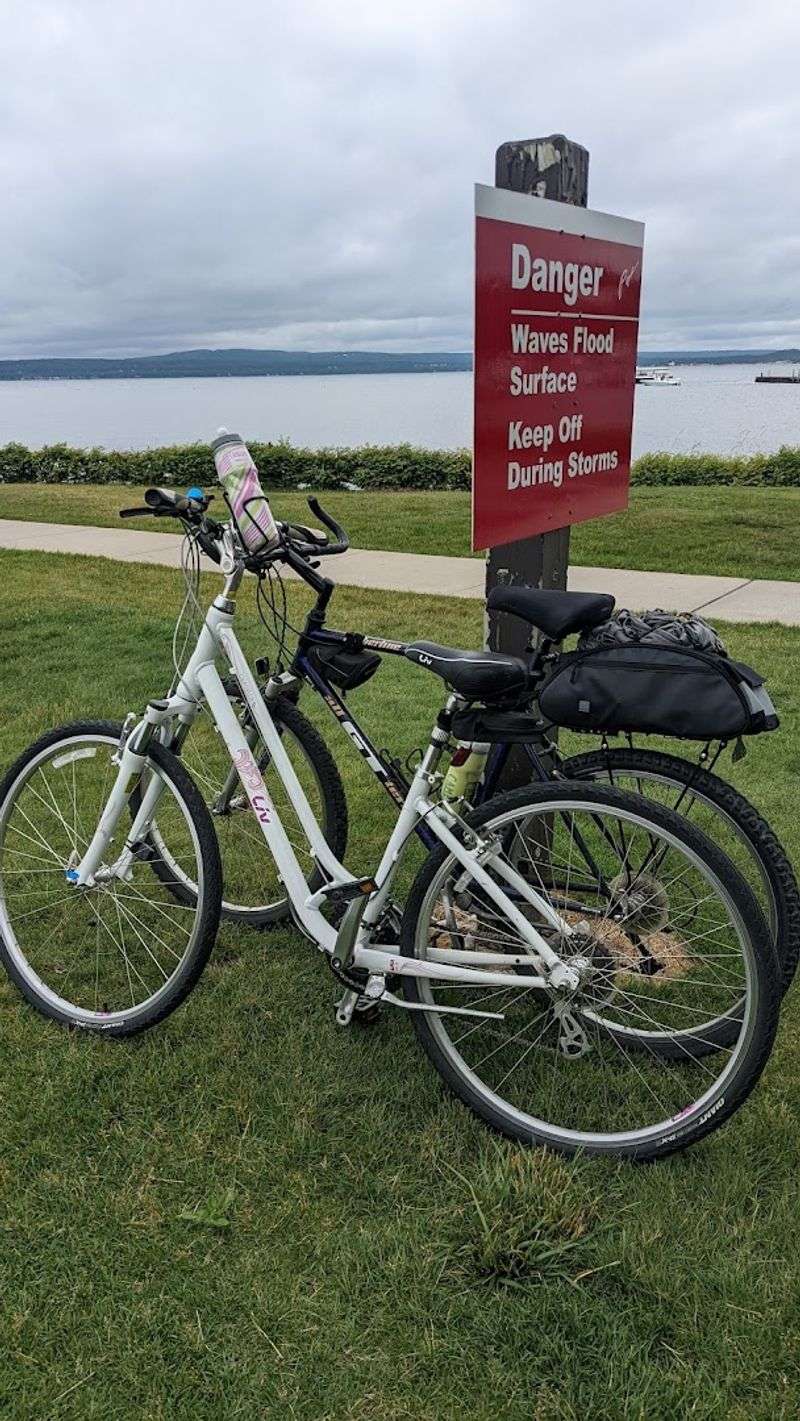
A few practical details will make your Wheelway experience significantly smoother. The trail spans three counties and passes through multiple towns, so having a general sense of the full route before you start prevents the kind of navigation confusion that cuts a good trail day short.
Water and food access is solid along the route, particularly in Charlevoix, Bay Harbor, and Petoskey, but the stretches between towns are long enough that carrying your own supplies is still a smart habit. The trail has no entrance fee, which is one of its most appealing qualities for budget-conscious travelers.
Checking current trail conditions before your visit matters more here than on most trails. The erosion-related closures between East Park and Magnus Park, combined with the boardwalk maintenance near Charlevoix, mean that sections can change without much advance notice.
The Charlevoix County road commission and local trail organizations maintain updated information online, and a quick check before you pack your gear can save a lot of frustration on the day itself.
Why This Trail Stays With You Long After You Leave
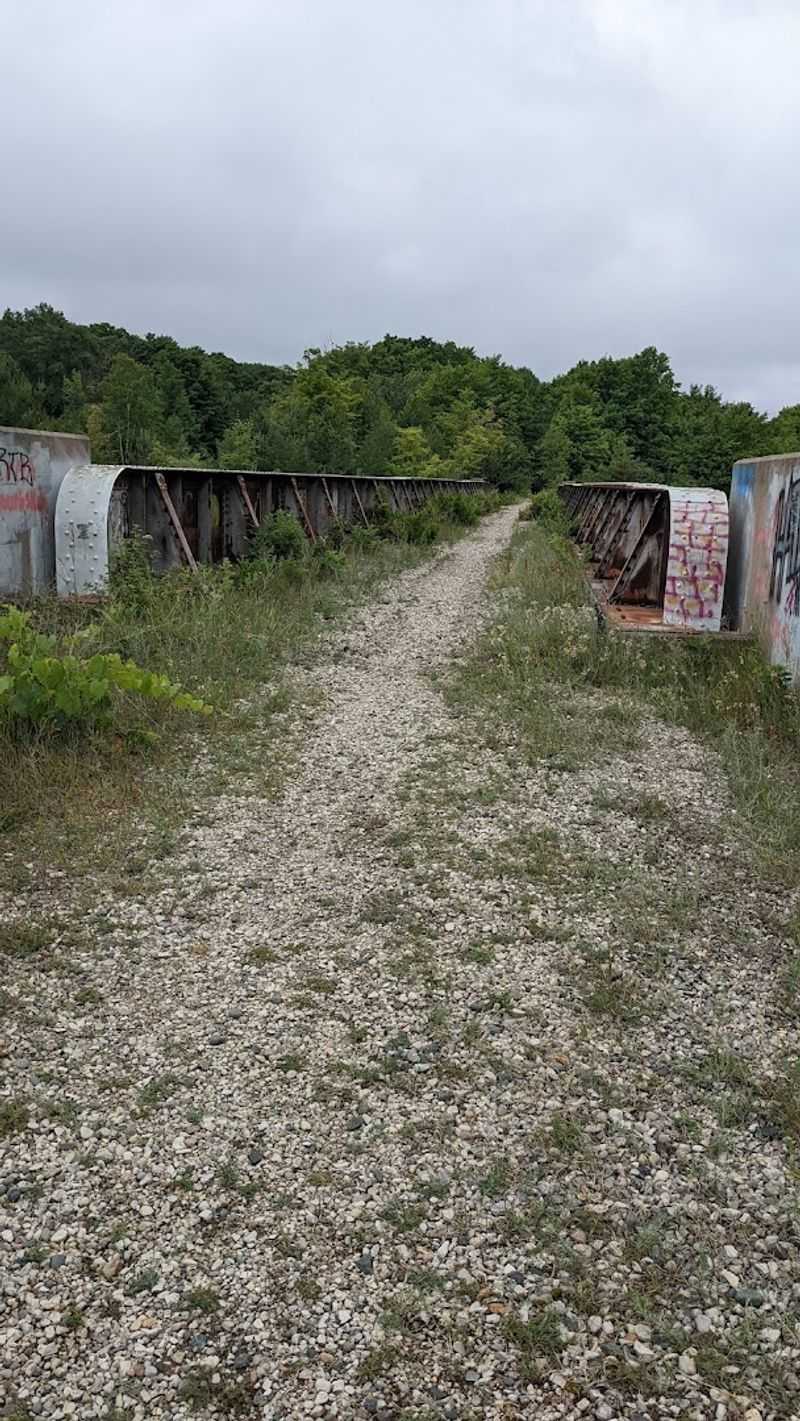
Some trails are good because of one thing, a single viewpoint or a famous landmark that justifies the drive. The Little Traverse Wheelway works differently.
It accumulates experiences across its 26 miles in a way that builds steadily and leaves you feeling like you have genuinely traveled somewhere rather than just exercised.
The shift from open lake shoreline to wetland boardwalk to Victorian neighborhood to bluff-top bay views creates a rhythm that keeps the trail interesting from start to finish. No two miles feel exactly alike, and that variety is rare in a paved, accessible trail of this length.
I left the Wheelway with a sunburned forearm, a camera roll full of water views, and a strong opinion that northern Michigan deserves far more credit than it typically gets on national trail lists. The trail does not shout for attention the way famous routes in other states do, but it delivers something quieter and more lasting, the kind of experience that earns a return trip without any sales pitch required.
Share this story