 Unearth The Voyage
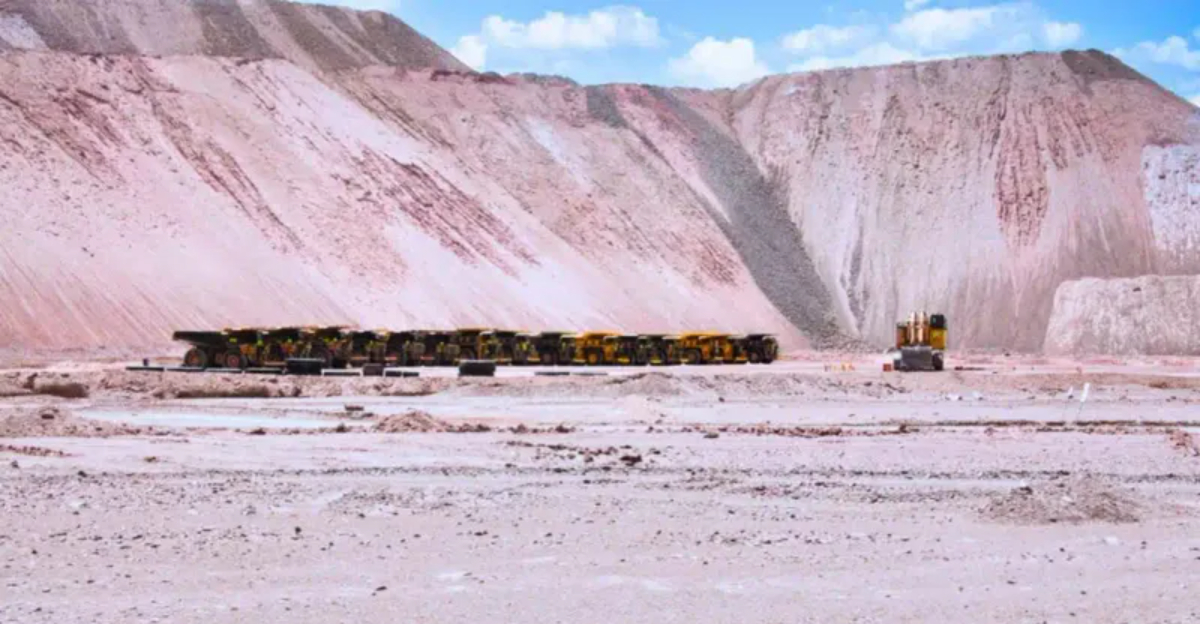
Imagine standing on quiet high desert and realizing the ground beneath your feet could power millions of cars and homes. A long sleeping supervolcano on the Oregon-Nevada border may hide the largest lithium cache ever found. If verified, this discovery could reshape global supply chains and the pace of clean energy. Stay with this story to see how ancient fire might fuel our electric future.
The Hidden Treasure: What Was Discovered — and Where
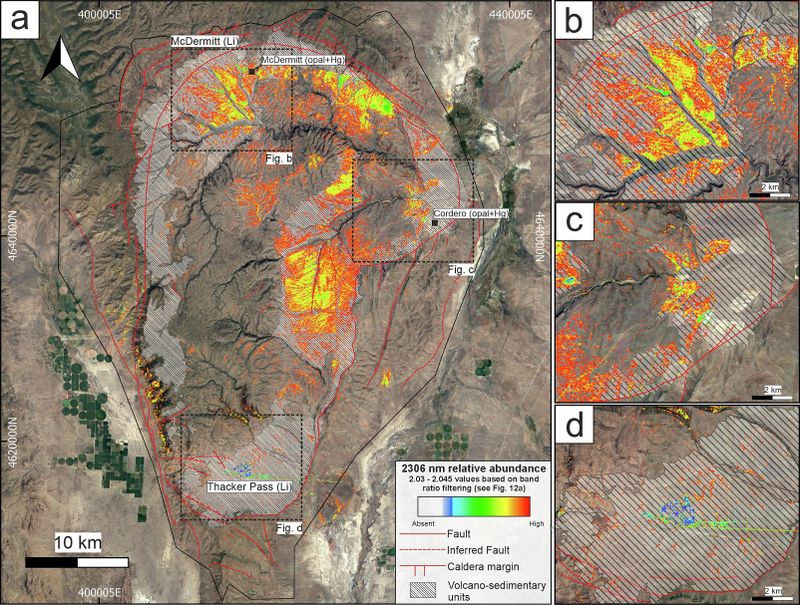
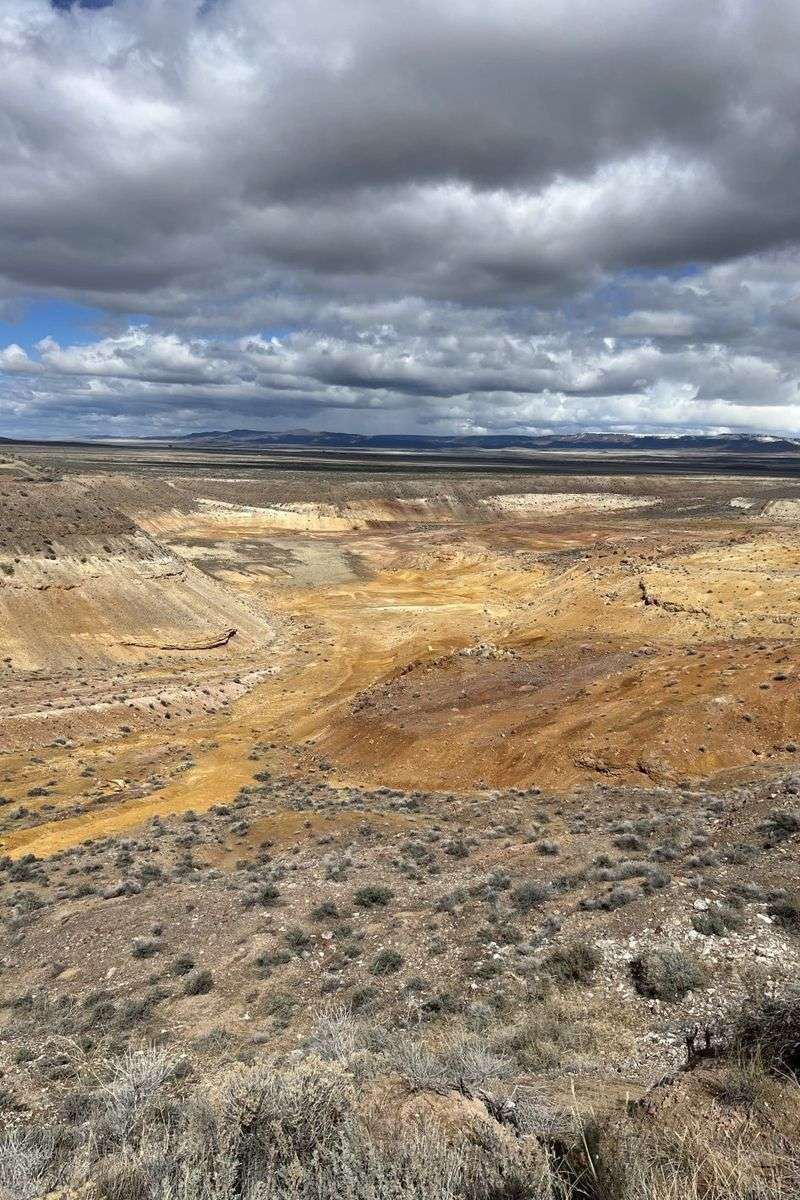
Beneath the high desert straddling the Oregon-Nevada line sits the McDermitt Caldera, a broad basin born when a massive eruption collapsed a supervolcano roughly 16.4 million years ago. The caldera stretches about 45 km by 35 km, a quiet scar of ancient violence that today looks like an unassuming plain. You could drive across it and never guess the ground holds a trove of energy metal.
Recent studies point to unusually high concentrations of lithium locked inside clay rich layers that formed in ancient lake beds. Those clays were later altered by hydrothermal fluids, a slow cooking process that upgraded the minerals and trapped lithium in place. Over millions of years, groundwater circulated, enriched the clays, and left an extraordinary geochemical signature.
Researchers describe sediments transitioning from smectite to lithium rich illite, a mineralogical shift tied to heat and fluids moving through volcanic ash. Because the caldera lacked major outflow rivers, the lithium bearing sediments were not washed away. Instead, they accumulated and thickened like pages in a buried history book.
Preliminary estimates suggest 20 to 40 million metric tons of lithium could be present in this deposit. You do not need a spreadsheet to sense the scale, but analysts have tried anyway, valuing the metal at up to about USD 1.5 trillion at recent market assumptions. If further drilling confirms the size and grade, this single site could rival or surpass the largest known lithium reserves.
That possibility has drawn attention from geologists, miners, policymakers, and communities alike. What looks like empty steppe may in fact be a cornerstone of the next energy era. In short, a quiet volcanic basin might soon be one of the most valuable mineral addresses on Earth.
Why It Matters: Lithium’s Role in the Clean-Energy Revolution
Lithium sits at the heart of rechargeable batteries that run your phone, laptop, and increasingly your car. As grids add more wind and solar, lithium batteries help store energy and keep the lights on after sunset. Demand is climbing fast as decarbonization moves from slogans to steel, concrete, and supply chains.
A domestic source the size of McDermitt could ease reliance on imported lithium from South America and other regions. Less exposure to overseas bottlenecks can steady prices and reduce geopolitical risk for U.S. manufacturers. That stability could help lower battery costs and speed up the rollout of electric vehicles and grid storage.
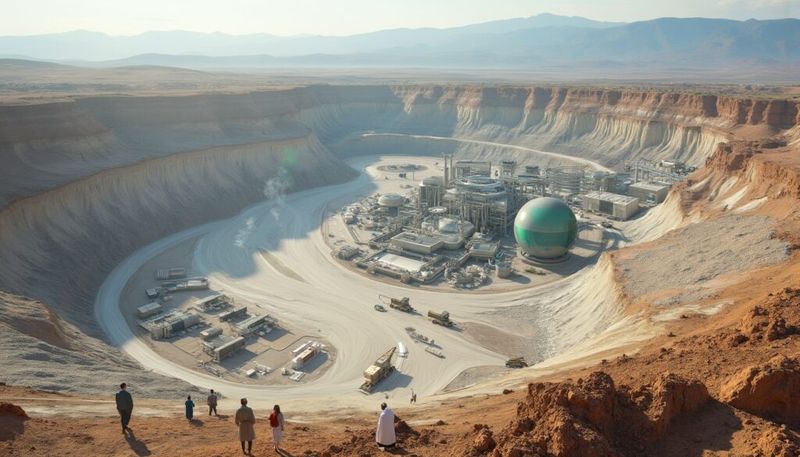
There is also a technical angle that might change the mining map. Because the metal here occurs in clay rather than brine or hard rock, companies may apply different extraction methods that could be more efficient at scale. If those processes work, you could see a new branch of the lithium industry grow in North America.
Cheaper, more available lithium can ripple through everything from commuter cars to heavy trucks and home batteries. Faster adoption means more emissions avoided sooner, which matters for climate goals on tight timelines. The right supply at the right time can shave years off the transition curve.
Still, nothing about supply is automatic, and advantages will depend on responsible practices and smart policy. If McDermitt progresses, it could position the U.S. as a major lithium supplier and strengthen energy independence. That is why this desert discovery resonates far beyond geology.
The Geological Story: How a Supervolcano Became a Lithium Cache
The tale starts with a colossal eruption about 16 million years ago that birthed the McDermitt Caldera. After the blast, the ground caved in and created a broad bowl that later filled with water, ash, and sediment. What looks serene today began as an engine of heat and ash that changed the landscape.
Inside that basin, volcanic ash mixed with lake waters to form clay rich layers. Over time, hydrothermal fluids permeated those layers, altering smectite into lithium rich illite while concentrating the metal. Think of heat and water acting like a slow moving refinery deep underground.
Crucially, the caldera had limited drainage, so lithium bearing sediments were not flushed out to sea. They stayed put, thickening as more ash and minerals settled from eruptions and weathered rocks. With each cycle, the deposit matured as chemistry did quiet work in the dark.
Geologists read this history in mineralogy, textures, and isotope clues from cores and outcrops. The pattern is a rare convergence of eruption, collapse, lake deposition, hydrothermal alteration, and sediment trapping. You do not often get all those boxes checked in one place.
That is why experts call McDermitt unusual even among volcanic terrains. Catastrophe set the stage, then calm eons assembled the cache grain by grain. In the end, fire and water collaborated to store a future energy resource beneath desert skies.
The Promise — and the Perils: What Mining Could Bring — or Cost
The upside looks huge. If developed responsibly, this deposit could feed millions of EV batteries and support large energy storage projects that stabilize the grid. For the U.S., that means less dependence on foreign minerals and stronger domestic manufacturing.
But clay based lithium is not a simple dig and go proposition. It can require significant earthworks, water, and energy, along with careful waste handling to avoid contamination. In a high desert setting, any strain on groundwater carries outsized ecological consequences.
Environmental groups and Indigenous communities have raised serious concerns about habitat and cultural resources. Sage-grouse, pronghorn, and other species rely on intact sagebrush and clean water, which heavy industry can fragment or pollute. You can feel the tension between urgent climate goals and the duty to protect a fragile place.
There is also the risk of green rush thinking, where speed trumps long term stewardship. If shortcuts prevail, the region could face scars that outlast a commodity cycle. Nobody wants to trade tailpipes for tailings without accountability and science based safeguards.
The real promise depends on credible impact assessments, binding mitigation plans, and transparent monitoring. If operators prove they can minimize water use, control dust, and restore land, trust can grow. This project will test whether clean energy minerals can be sourced with clean conscience.
What Comes Next — Decisions That Will Shape the Future of Energy and Land
What happens next hinges on geology, engineering, policy, and public trust moving in step. Companies will need to prove clay based extraction methods that minimize water use, manage tailings, and keep air quality clean. Pilot plants and independent audits can separate hype from workable solutions.
Regulatory choices and community voices will shape the operating envelope. Indigenous groups and conservation advocates are asking for protection of sacred places, wildlife corridors, and scarce water. You should expect robust permitting reviews, contested hearings, and stronger reclamation standards.
If the deposit performs as estimated, global lithium flows could rebalance toward North America. That shift might lower prices, diversify supply, and accelerate EV adoption and grid storage worldwide. It could also challenge legacy producers to innovate on cost and sustainability.
Yet scale without stewardship would undercut the climate mission you want this metal to serve. Responsible extraction, transparent reporting, and enforceable safeguards must be baked in from the first shovel. The social license will be earned, not assumed.
The next five to ten years will decide whether McDermitt becomes a model of clean energy sourcing or a cautionary tale of extraction first and planning later. If we get it right, ancient lava could quietly power a modern transformation. If we do not, the desert will carry the bill long after the batteries are spent.



