 Unearth The Voyage
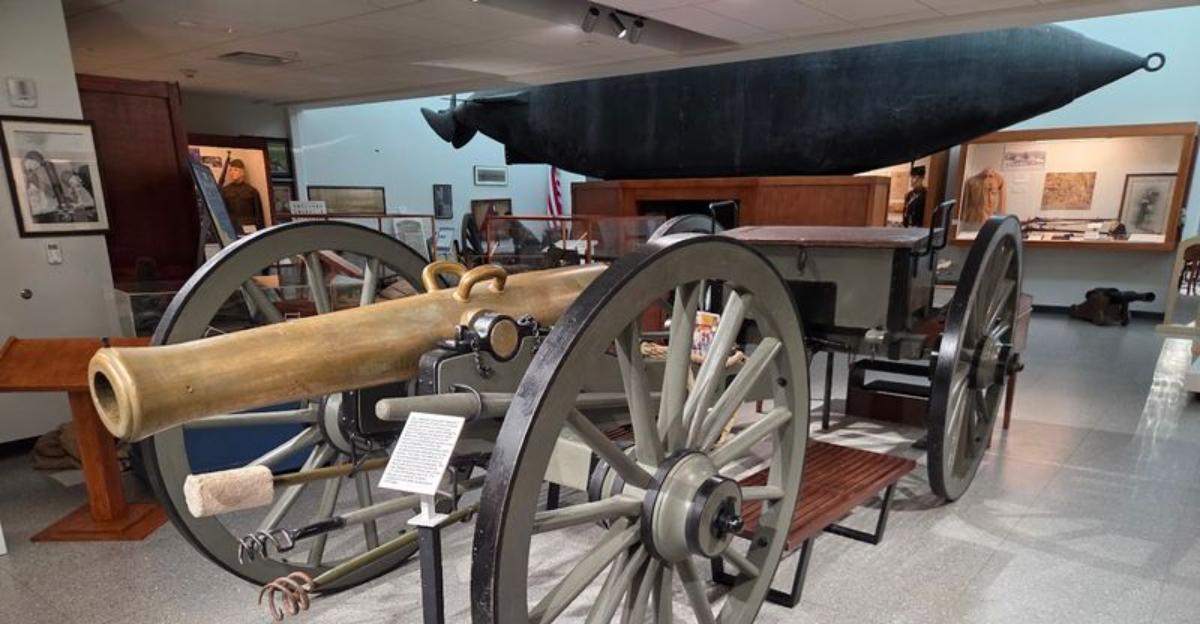
Tucked away in a quiet New Jersey shore town, there is a museum that most people drive right past without a second glance. That is a mistake worth correcting.
This museum in Sea Girt holds centuries of military history, from colonial-era militias to modern National Guard operations, all packed into a surprisingly rich collection of artifacts, uniforms, and weapons. What makes it even better is that admission is completely free, the staff are genuinely knowledgeable, and there is a Civil War-era submarine on the premises that most people have never heard of.
Whether someone is a history enthusiast or simply looking for something worthwhile to do on a weekday along the Jersey Shore, this small but mighty museum delivers far more than its modest exterior suggests. Read on to find out exactly what makes this place so worth the trip.
Where to Find This Hidden Military Treasure
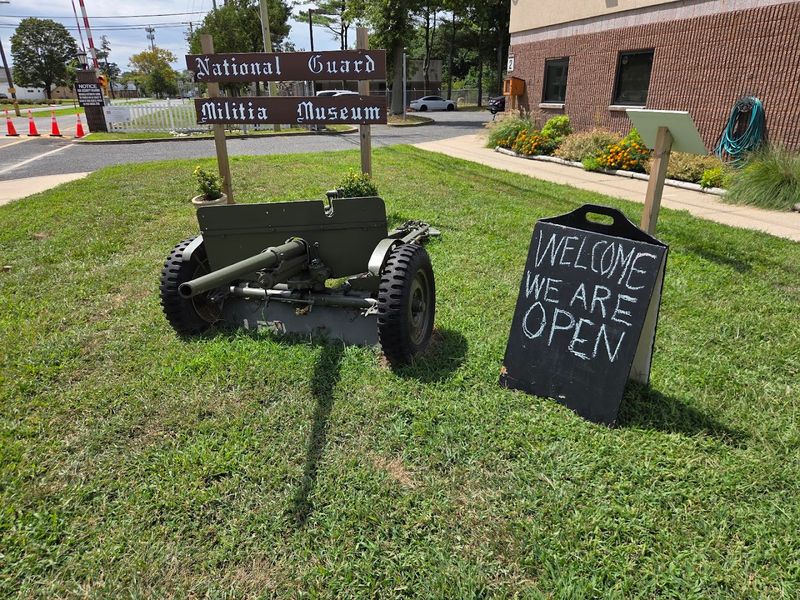
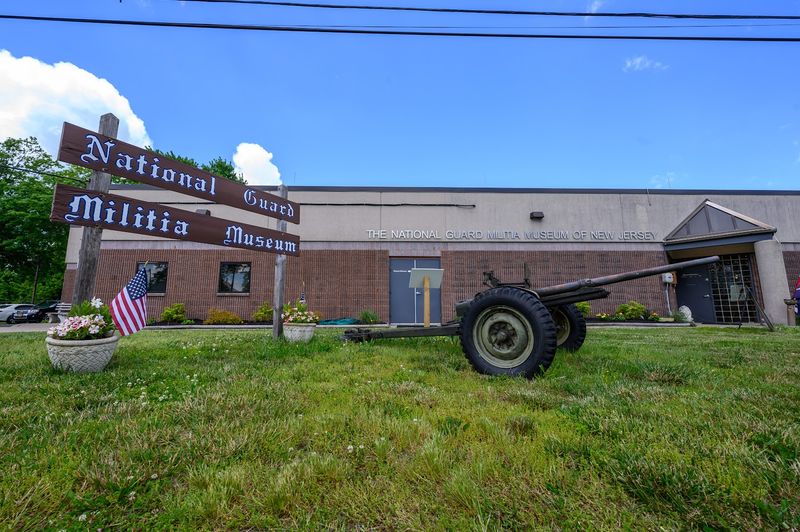
Not every great museum announces itself with a flashy sign or a busy parking lot. The National Guard Militia Museum sits at 100 Camp Dr, Building 2, Sea Girt, NJ 08750, on the grounds of the New Jersey National Guard Training Center.
Sea Girt is a small borough on the Jersey Shore in Monmouth County, and the museum is open Monday through Friday from 10 AM to 3 PM. It is closed on weekends, so planning ahead is essential.
The location itself adds to the experience. Arriving on an active training center campus gives the visit a certain weight that a typical downtown museum cannot replicate.
The building is clean, well-maintained, and easy to navigate once inside.
Admission is free, which makes this one of the most accessible history destinations on the entire Jersey Shore. Donations are welcome and genuinely appreciated by the small, dedicated team that keeps the museum running smoothly year-round.
A Museum Built on Centuries of New Jersey Military Service
The core mission of this museum is straightforward but ambitious: to document how armed conflicts and military institutions have shaped the state of New Jersey. That story stretches back further than most people expect.
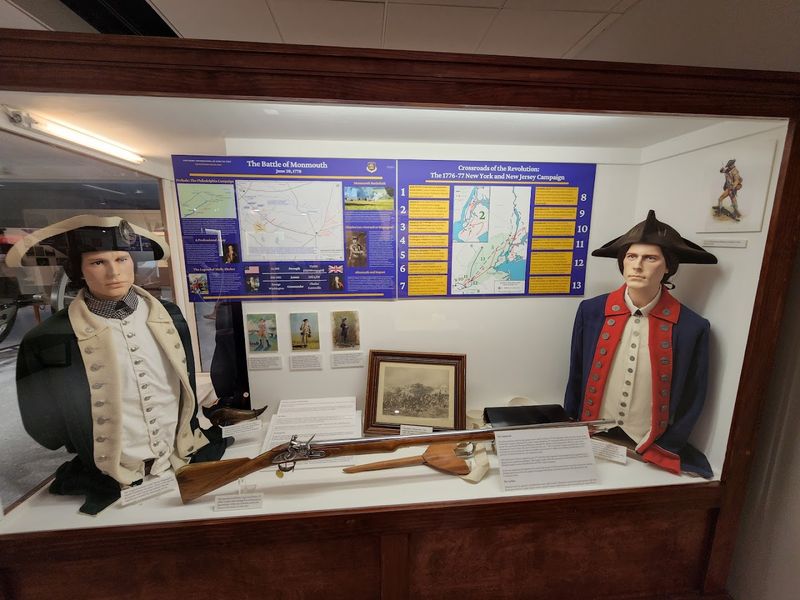
The collection traces New Jersey military involvement from the Dutch Colonial period all the way through to the current National Guard, covering the French and Indian War, the American Revolution, the Civil War, both World Wars, and beyond. Each era gets its own dedicated exhibit space.
What stands out is how the museum manages to connect national military history to a very specific New Jersey identity. These are not just generic war exhibits.
They tell the story of local men and women who served, the units they belonged to, and the equipment they carried.
For anyone who grew up in New Jersey or has family ties to the state, the exhibits carry an extra layer of meaning that a broader national museum simply cannot offer.
The Intelligent Whale: A Submarine That Rewrote History
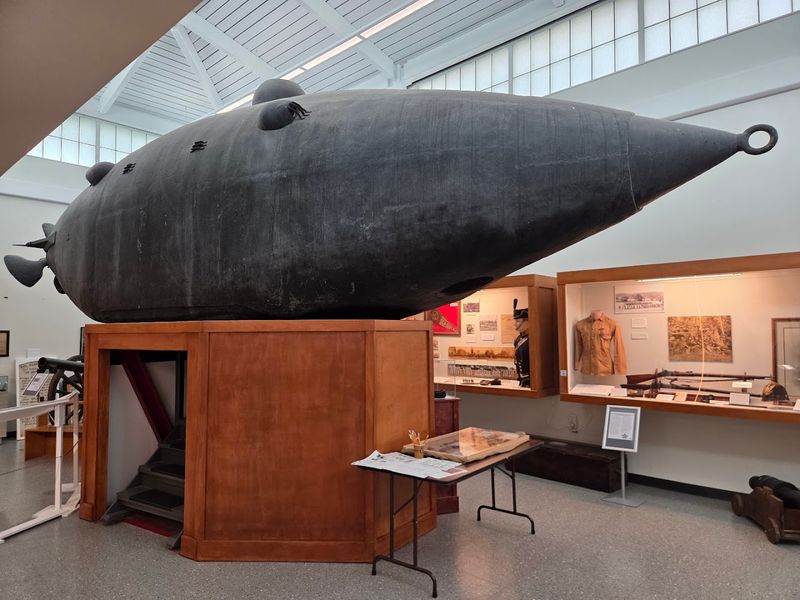
There is one exhibit at this museum that stops people in their tracks every single time, and it has nothing to do with uniforms or weapons. The Intelligent Whale is a hand-powered submarine built in 1864, making it one of the earliest experimental submarines in American military history.
The vessel is roughly 28 feet long, constructed from iron, and designed to be operated by a crew working hand cranks inside. It was tested by the U.S.
Navy after the Civil War but never saw combat. The fact that it still exists in such remarkable condition is extraordinary.
Most people have no idea this submarine is sitting in a building in Sea Girt, New Jersey. Discovering it mid-visit feels genuinely surprising, even for people who consider themselves well-read on military history.
The museum even has a YouTube video documenting the process of moving the Intelligent Whale into its current home, which is worth watching before or after a visit to fully appreciate the effort involved.
Dutch Colonial Roots: Where the Story Actually Begins
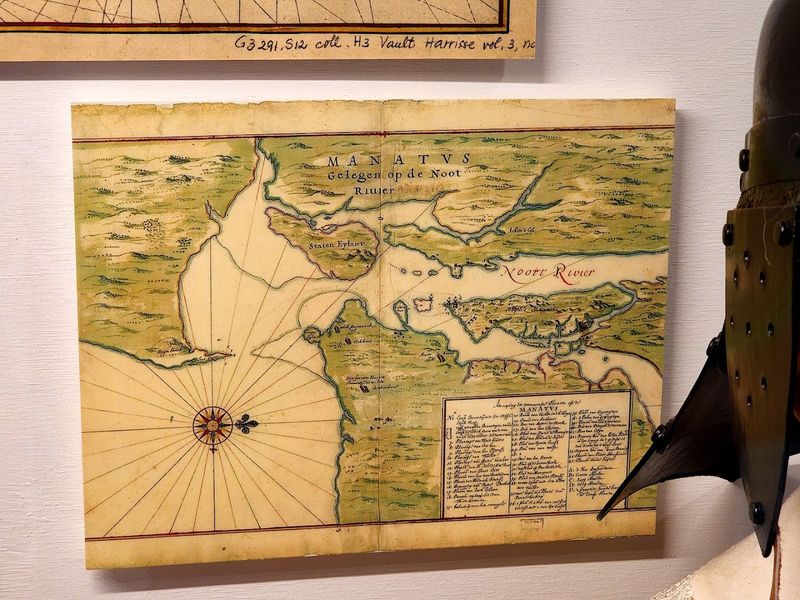
Most military museums start their story with the American Revolution, but the National Guard Militia Museum goes further back. The exhibits here begin with the Dutch Colonial period, when organized militias were first formed in what would eventually become New Jersey.
That early history is easy to overlook, but it provides essential context for everything that follows. The concept of citizen soldiers, ordinary people organized into local defense units, did not begin in 1776.
It was already a deeply rooted tradition by the time the Revolution arrived.
Seeing that long arc laid out in a single museum makes the National Guard feel less like a modern institution and more like the latest chapter in a story that has been unfolding for over three centuries.
The exhibit design does a solid job of connecting those early colonial roots to later periods without making the jump feel abrupt or confusing. History presented in a clear, logical sequence is rarer than it should be, and this museum handles it well.
Weapons, Uniforms, and Artifacts That Tell Real Stories
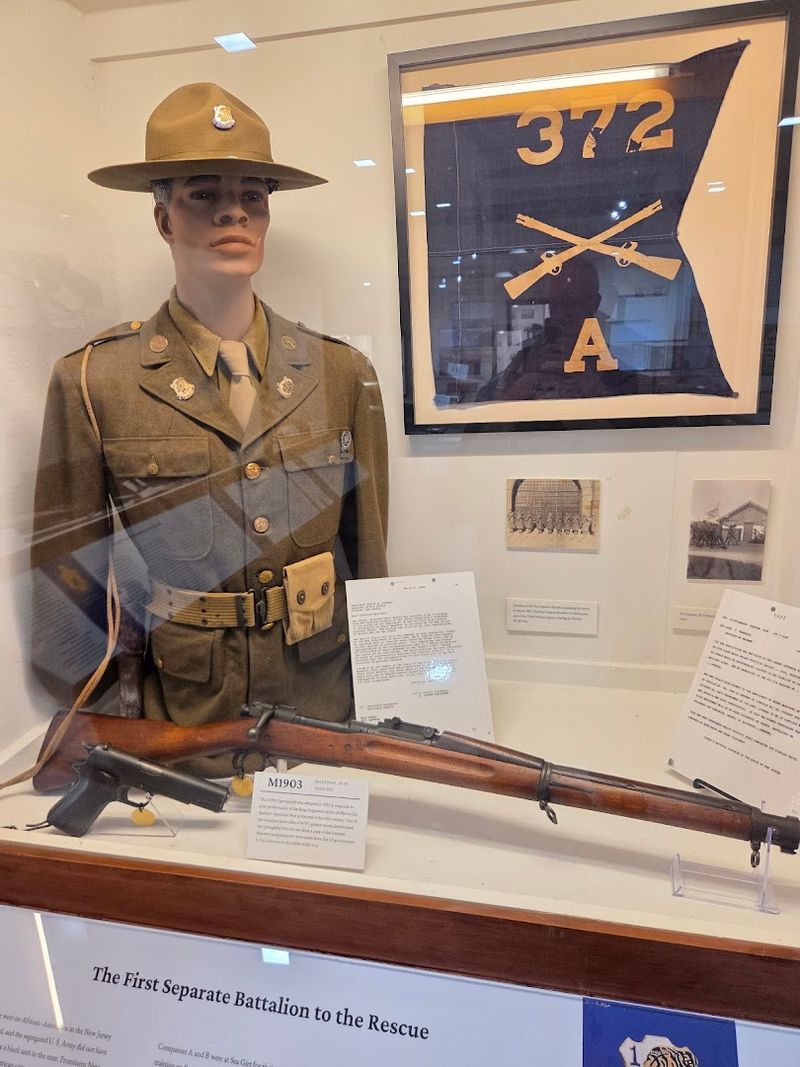
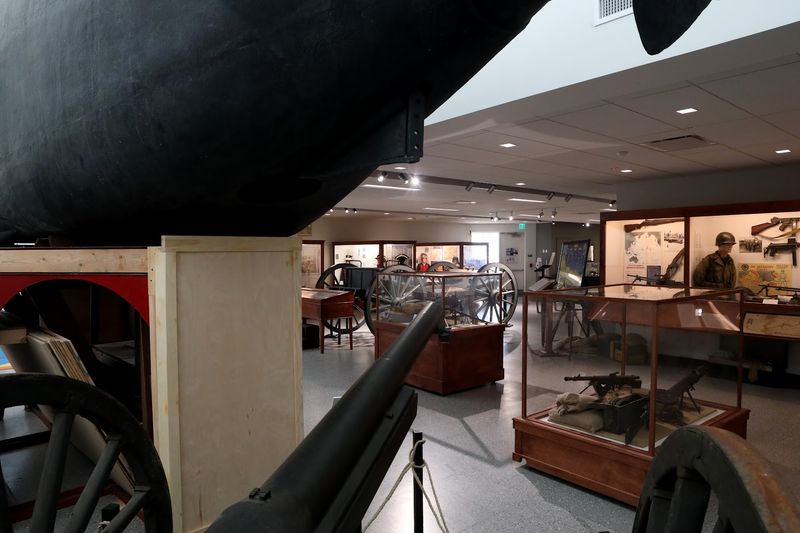
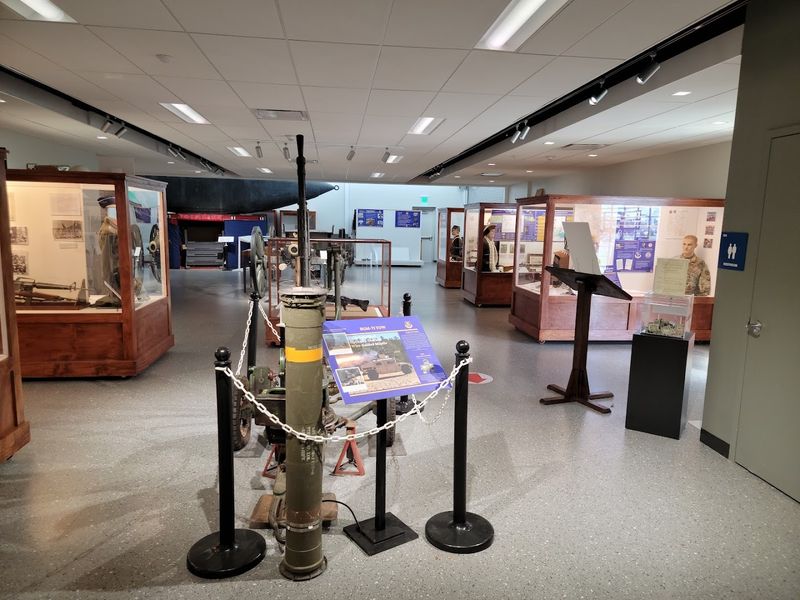
One of the most consistently praised aspects of this museum is the sheer variety of its artifact collection. Uniforms, weapons, personal items, and equipment from multiple conflicts are displayed throughout the building, each with detailed descriptions explaining their context and origin.
The weapons collection is particularly notable. Rifles, swords, pistols, and other arms from conflicts ranging from the French and Indian War through modern deployments are all represented.
Each piece is presented with enough historical background to make it meaningful rather than just visually interesting.
Many of the items on display were contributed or loaned by former service members and their families, which gives the collection an authenticity that purchased or replicated collections simply cannot match. These are real objects with real histories.
The uniforms are equally compelling. Seeing how military dress evolved across centuries, from the heavy wool coats of the colonial era to the modern tactical gear of today, provides a surprisingly clear window into how warfare itself has changed over time.
Knowledgeable Staff Who Actually Know Their Stuff
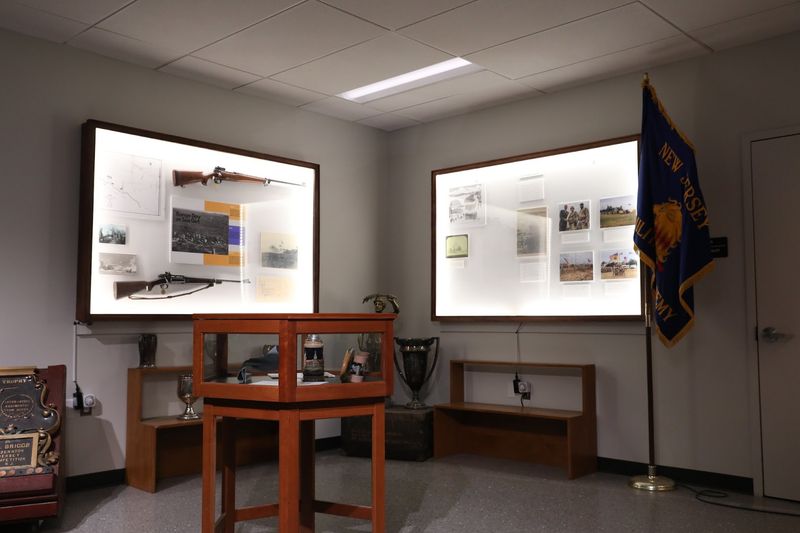
A museum is only as good as the people who bring it to life, and the staff at this location consistently go beyond simply pointing people toward the exhibits. The docents and guides here have a deep, genuine familiarity with the collection and the history behind it.
Conversations with staff members often reveal details that are not written on any exhibit panel. They can explain the context of specific artifacts, share background on particular New Jersey units, and point out items that a first-time visitor might otherwise overlook entirely.
That level of engagement transforms a self-guided walk through a small museum into something closer to a private history lesson. The staff clearly care about what they are preserving and presenting, and that enthusiasm is easy to pick up on without anyone having to announce it.
For groups or families with specific interests, arriving with a few questions ready is a smart approach. The staff here are the kind of people who genuinely enjoy being asked, and their answers tend to be worth hearing.
Outdoor Military Vehicles: Tanks, Aircraft, and Armored Vehicles
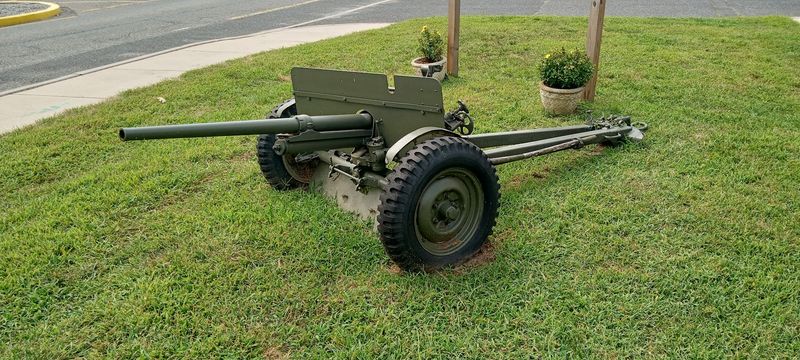
Beyond the museum building itself, the National Guard Training Center grounds host an outdoor display of tanks, armored vehicles, and aircraft that adds a completely different dimension to the visit. These are full-scale military vehicles with serious historical pedigrees.
Access to the outdoor displays requires authorized entry to the Training Center, which means visitors need to either have DoD, DMAVA, or law enforcement credentials, or arrange an escort through the museum. That extra step is worth taking, because the outdoor collection is genuinely impressive.
Museum staff can help arrange escorted access for visitors who plan ahead. Calling the museum in advance or submitting a request through the website at njmilitiamuseum.org is the recommended approach.
Walk-in requests during busy periods may not always be accommodated on the same day.
The combination of indoor artifacts and outdoor vehicles makes this one of the more complete military heritage experiences available along the Jersey Shore, well beyond what the modest building exterior suggests at first approach.
Free Admission and What That Actually Means for Families
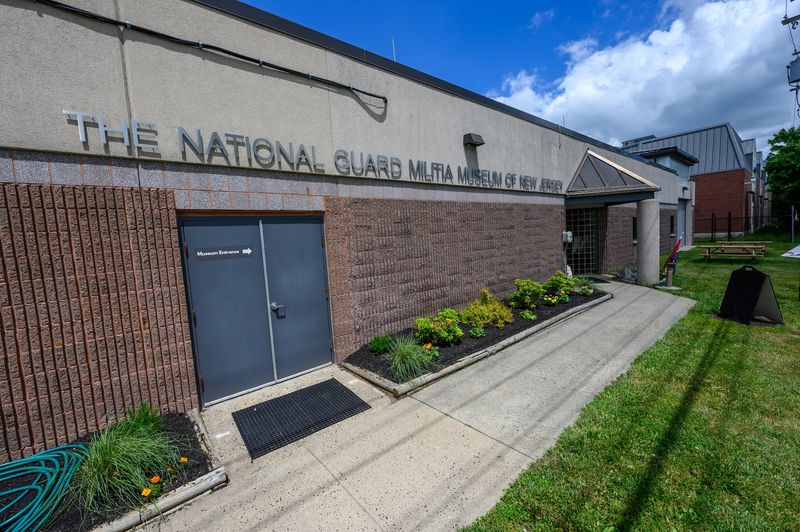
Free admission is not just a budget-friendly perk at this museum. It reflects a genuine commitment to making military history accessible to everyone, regardless of financial circumstances.
The museum accepts donations and clearly benefits from community support, but nothing is required at the door.
For families, that zero-cost entry point removes the hesitation that often comes with taking kids to a museum that might or might not hold their attention. There is no financial risk in trying it out, and the collection is varied enough to engage both younger children and teenagers.
The exhibits cover a wide enough range of conflicts and time periods that most school-age children will recognize at least some of the historical events referenced. Teachers and parents looking for educational outings that align with school curricula will find the museum particularly useful.
The building is clean and well-maintained, the layout is manageable for shorter attention spans, and the staff are family-friendly in their approach. A morning or early afternoon visit fits comfortably within the operating hours.
Lectures and Presentations That Go Deeper
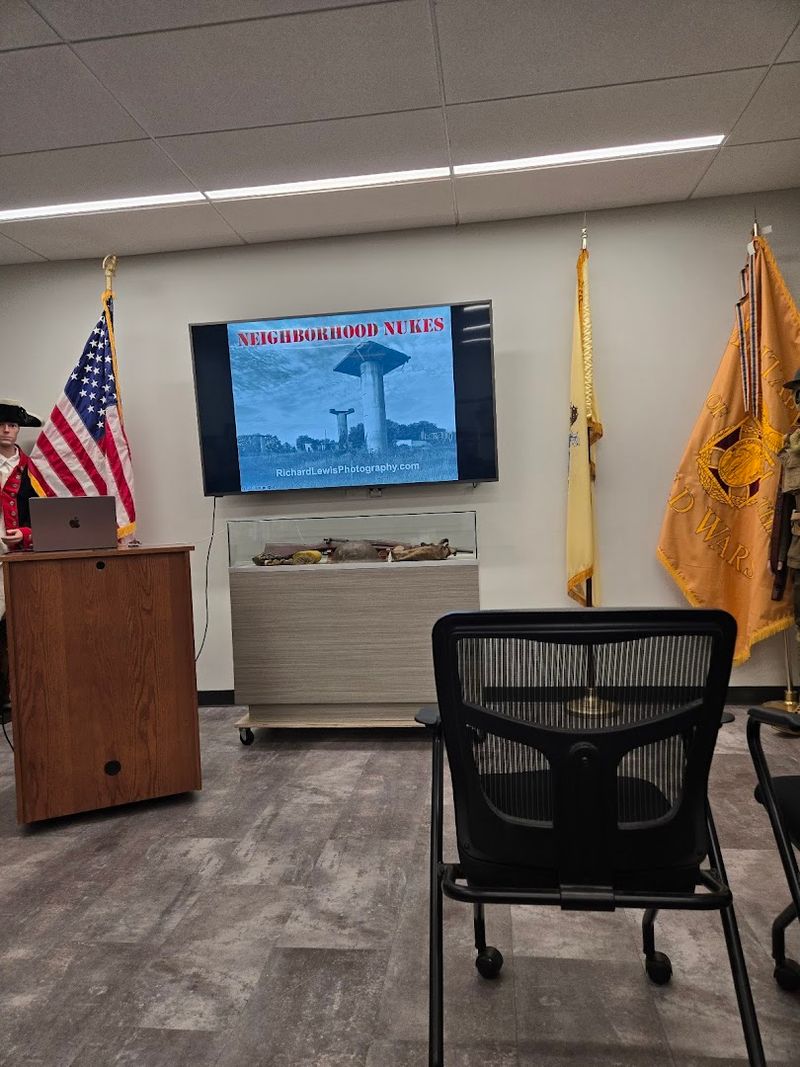
The museum occasionally hosts lectures and educational presentations that go well beyond what the standard exhibits cover. These events are consistently described as engaging, well-organized, and genuinely informative by those who attend them.
The topics vary, but they tend to focus on specific aspects of New Jersey military history, individual conflicts, or the evolution of the National Guard as an institution. Attending one of these presentations adds a significant layer of depth to what is already a worthwhile visit.
Details about upcoming events are typically available through the museum’s website at njmilitiamuseum.org. For history enthusiasts who want more than a self-guided tour, checking the schedule before planning a visit is a smart move.
The lecture format also creates an opportunity to ask questions directly, which the knowledgeable staff handle with the same enthusiasm they bring to regular museum interactions. Learning about military history in a setting this focused and accessible is not something most people stumble across every day.
The French and Indian War Connection Most People Miss
The French and Indian War does not get as much attention as the Revolution or the Civil War, but the National Guard Militia Museum treats it as the significant chapter it actually was. Artifacts and exhibits from this 18th-century conflict are among the oldest in the collection.
New Jersey militias were active participants in that conflict, and the museum documents their involvement with period-accurate artifacts and detailed contextual information. Seeing objects from a conflict that predates the United States itself is a genuinely different experience from looking at Civil War rifles or World War II uniforms.
The 18th-century section of the collection is a reminder that organized military service in New Jersey was not born out of the Revolution. It had already been tested and refined through decades of colonial conflict before independence was ever declared.
For students of early American history, this portion of the museum is arguably the most underappreciated part of the entire collection, and it rewards careful attention far more than a quick walk-through would suggest.
Civil War Through Both World Wars: The Middle Chapters
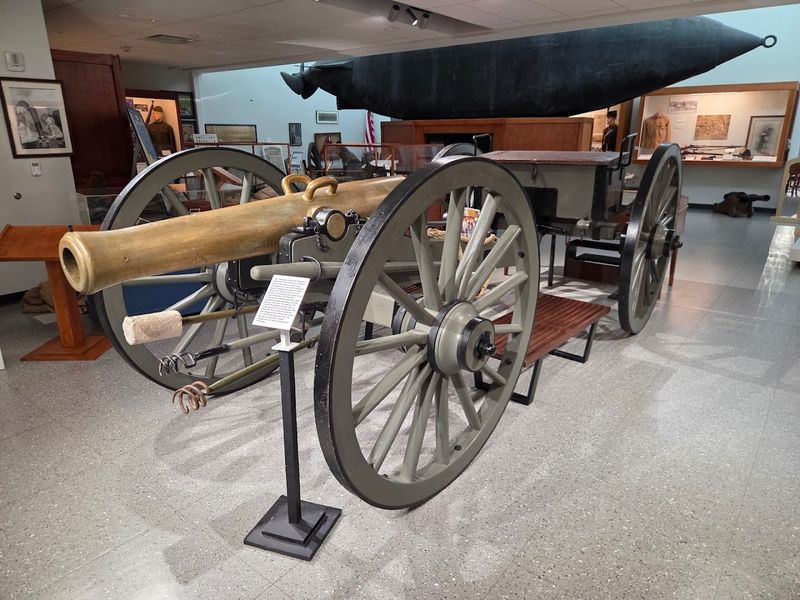
The Civil War section of the museum is anchored by the Intelligent Whale, but it extends well beyond that single remarkable artifact. Uniforms, weapons, personal equipment, and documentation from New Jersey units that served during that conflict fill out the exhibit space with real substance.
The World War I and World War II sections follow a similar approach, combining physical artifacts with historical context that ties New Jersey’s contribution to the broader national story. The progression from one era to the next feels coherent rather than choppy.
Dioramas and carefully assembled displays help visualize situations and settings that photographs alone cannot fully capture. These were put together largely by dedicated volunteers, many of whom drew on their own military experience or personal connections to the history being represented.
Moving through these middle chapters of the museum’s timeline gives a strong sense of how the National Guard evolved from a local militia force into a fully integrated component of the American military structure over the course of roughly a century.
Modern Conflicts and the Current National Guard Mission
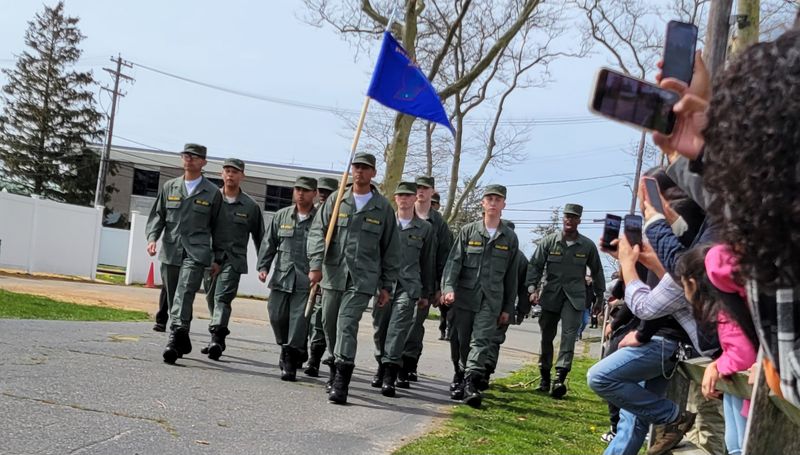
The museum does not stop at World War II. The collection continues forward through Korea, Vietnam, the Gulf War, and post-September 11 deployments, tracking how the New Jersey National Guard adapted to an entirely different kind of military landscape.
Modern tactical gear, communication equipment, personal items from recent deployments, and documentation of specific Guard missions bring the story up to the present day. That continuity from the Dutch Colonial period to current operations is what makes the museum’s overall narrative so compelling.
The Saddam Hussein portrait fits into this section of the museum, serving as a physical artifact from a conflict in which New Jersey Guard units played a direct role. It is one of several objects in this part of the collection that carry an immediate, recognizable historical weight.
Seeing the full arc of New Jersey military service compressed into a single building makes the modern section feel like a conclusion that has been earned rather than simply tacked on at the end of a long exhibit.
Planning Your Visit: Practical Details Worth Knowing
Getting the most out of a visit to this museum starts with understanding a few practical realities. The museum is open Monday through Friday, 10 AM to 3 PM, and is closed on weekends.
That weekday-only schedule rules out a lot of casual weekend beach trips, so checking the calendar before driving out is essential.
Parking is available on site, and the museum is located within the National Guard Training Center campus at 100 Camp Dr, Building 2, Sea Girt, NJ 08750. Bringing a valid photo ID is always a good idea when visiting any facility on a military installation.
For visitors who want to access the outdoor vehicle displays, contacting the museum in advance through njmilitiamuseum.org or by phone is the recommended approach. Walk-in escort requests during staffing-limited periods may not always be possible to accommodate on the spot.
A typical visit to the interior museum takes one to two hours, making it a comfortable half-morning or early-afternoon activity that pairs well with other Jersey Shore stops.
Why This Museum Deserves More Attention Than It Gets
Small museums often get dismissed simply because they are small. The National Guard Militia Museum in Sea Girt is a clear argument against that habit.
The depth of its collection, the quality of its staff, and the breadth of history it covers would be impressive in any setting.
The fact that admission is free, the location is accessible, and the exhibits span nearly four centuries of military history makes the low profile of this museum genuinely puzzling. It is the kind of place that people who find it tend to recommend enthusiastically to others.
New Jersey has a longer and richer military history than most states receive credit for, and this museum makes that case thoroughly and without overstatement. From Dutch Colonial militias to modern Guard deployments, the story told here is one that belongs in the broader conversation about American military heritage.
A visit to Sea Girt for this museum alone is a worthwhile trip, and for those already along the Jersey Shore, skipping it would be a genuine missed opportunity.



