Sound travels in surprising ways across the natural world, and some animals have taken noise-making to an extreme level. From the dark depths of the ocean to the treetops of tropical rainforests, creatures of every size have evolved powerful voices for reasons that range from finding a mate to warning off predators.
What is remarkable is that some of the loudest animals on the planet are not the biggest ones you might expect. This list covers fifteen of the most ear-splitting animals alive today, and a few of them will genuinely surprise you with just how much sound such a small body can produce.
Sperm Whale
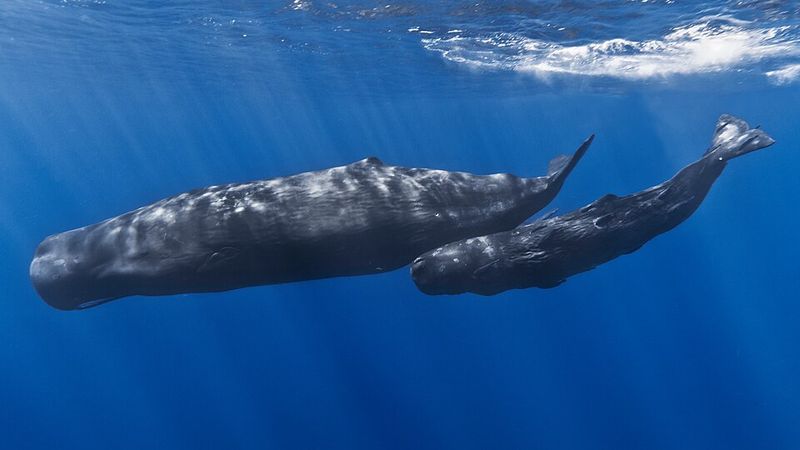
The sperm whale holds a record that very few animals can challenge. It produces clicking sounds called codas that can reach up to 230 decibels, making it one of the loudest animals ever documented on Earth.
To put that in perspective, a jet engine at close range measures around 140 decibels.
These clicks are not just for communication. Sperm whales use echolocation to hunt squid in waters so deep that no sunlight reaches the bottom.
The sound bounces off prey and returns to the whale, giving it a detailed picture of what is around it in complete darkness.
The clicks are produced in a special organ called the spermaceti organ inside the whale’s enormous square-shaped head. Scientists believe the sound is so powerful it could theoretically stun or disorient prey at close range, though this has not been fully confirmed through direct observation.
Pistol Shrimp
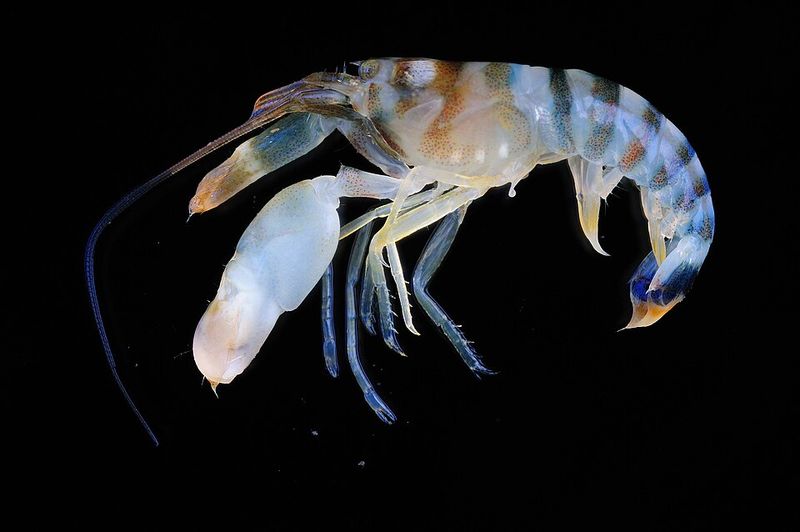
Do not let the small size fool you. The pistol shrimp, which grows to only about two inches long, can produce a snap that reaches 200 decibels, briefly making it one of the loudest sounds in the entire ocean.
That snap comes from one oversized claw that closes so fast it creates a cavitation bubble.
When that bubble collapses, it generates a shockwave, a flash of light, and a temperature spike that briefly rivals the surface of the sun. The whole event lasts less than a millisecond, but it is enough to stun or finish off small fish and crabs nearby.
Pistol shrimp are found in tropical and subtropical ocean waters, often living in coral reefs and seagrass beds. They are so numerous in some areas that their collective snapping creates a background noise that interferes with submarine sonar systems, which is a pretty impressive feat for a creature the size of your finger.
Blue Whale
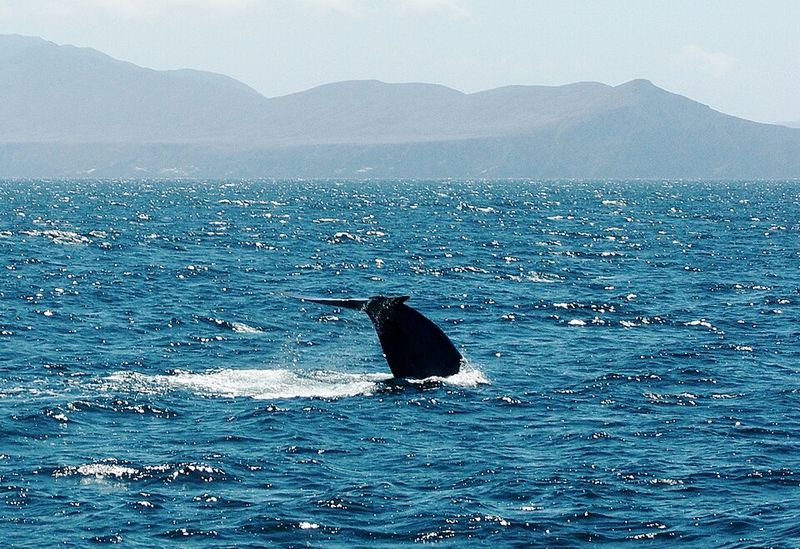
The largest animal on Earth is also one of its loudest. Blue whales produce low-frequency moans and pulses that can reach up to 188 decibels, and those sounds travel across entire ocean basins.
Researchers have tracked blue whale calls from thousands of miles away using underwater microphones.
Their vocalizations fall mostly in the infrasound range, which means they are too low for human ears to detect without special equipment. Blue whales use these calls to communicate with other blue whales, coordinate during feeding, and likely during mating season as well.
What makes blue whale sound especially fascinating is its consistency. Each population of blue whales around the world has its own distinct call pattern, almost like a regional accent.
Scientists have been monitoring these calls for decades and have actually documented a gradual shift in frequency over time, which they believe may be linked to changes in population size and ocean conditions.
North Pacific Right Whale
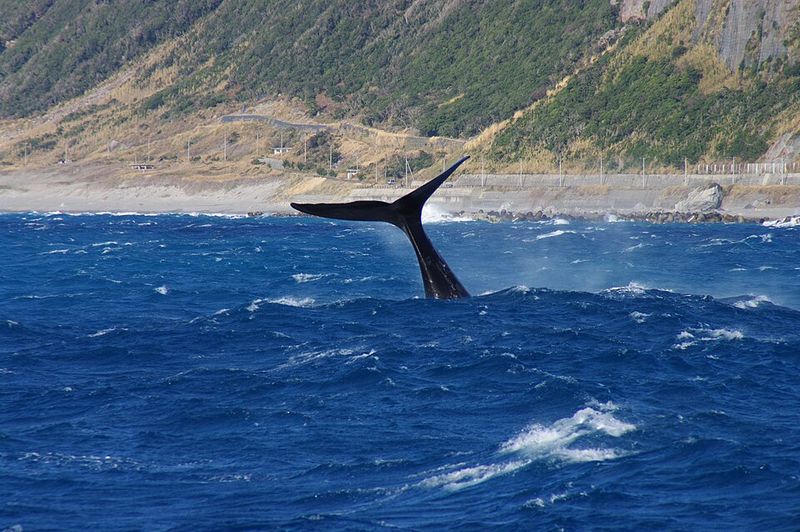
Among the rarest whales in the world, the North Pacific right whale is also a surprisingly powerful sound producer. These whales generate calls that can reach up to 172 decibels, using a combination of moans, screams, and gunshot-like sounds that carry across long ocean distances.
With fewer than 30 individuals believed to remain in the wild, every call this whale makes carries extra weight. Researchers use passive acoustic monitoring to track their locations without disturbing them, since boat traffic itself poses a serious risk to such a small population.
Right whales got their name from early whalers who considered them the right whale to hunt because they float when they die and swim slowly. That history pushed the North Pacific population to the edge of survival.
Today, their calls are monitored carefully, and each detection of a new individual is considered a significant event in marine conservation circles.
Bottlenose Dolphin
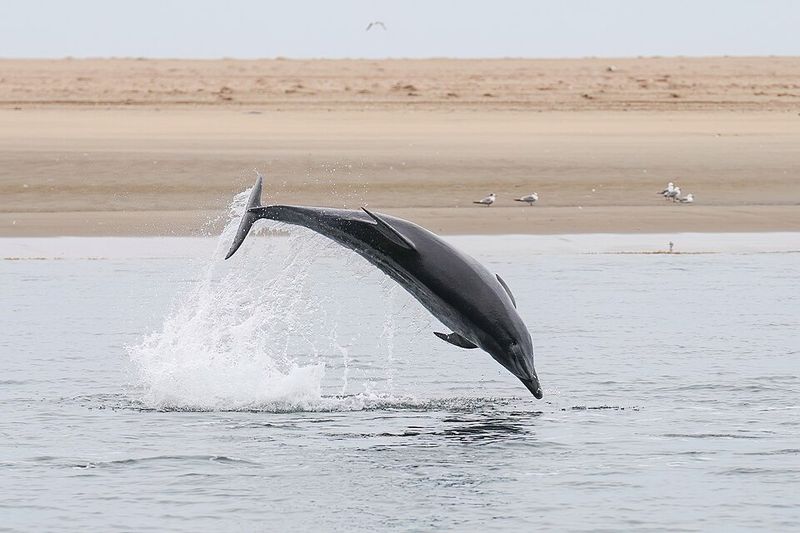
Bottlenose dolphins are among the most studied animals on the planet, and their vocal abilities are a big reason why. They produce clicks, whistles, and burst-pulse sounds that can reach up to 170 decibels, using them for both echolocation and complex social communication within their pods.
Each dolphin develops a unique signature whistle early in life, which functions almost like a personal name. Other dolphins in the group recognize and respond to these whistles, and dolphins have been observed calling out the signature whistles of specific individuals, suggesting a level of intentional communication that researchers find remarkable.
Their echolocation system is extraordinarily precise. Dolphins can detect objects as small as a golf ball from 70 meters away using sound alone.
The clicks they produce pass through the melon, a fatty organ in their forehead, which focuses the sound beam into a tight pulse that returns detailed information about the environment around them.
Greater Bulldog Bat
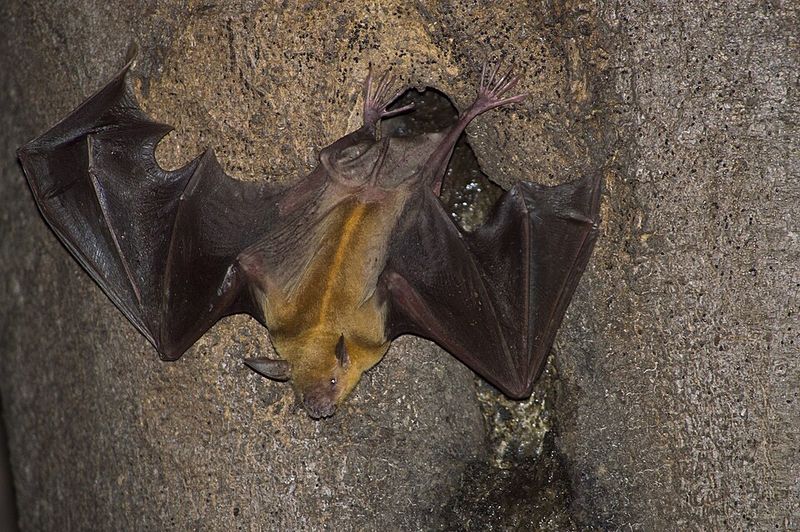
Most people think of bats as quiet, shadowy creatures, but the greater bulldog bat produces ultrasonic calls that reach up to 137 decibels. That is loud enough to cause hearing damage in humans if we could actually hear the frequency it operates on, which fortunately for us, we cannot.
This bat is a fishing specialist. It skims low over the water surface, using its echolocation to detect tiny ripples created by fish fins just below the surface.
Once it locks onto a target, it snatches the fish with its large, hooked hind feet in a move that takes a fraction of a second.
Found across Central and South America and parts of the Caribbean, the greater bulldog bat roosts in groups inside hollow trees and caves near rivers or coastal waters. Its calls are so finely tuned that it can distinguish between different types of surface disturbances, filtering out wave noise to zero in on actual prey movement.
Rooster
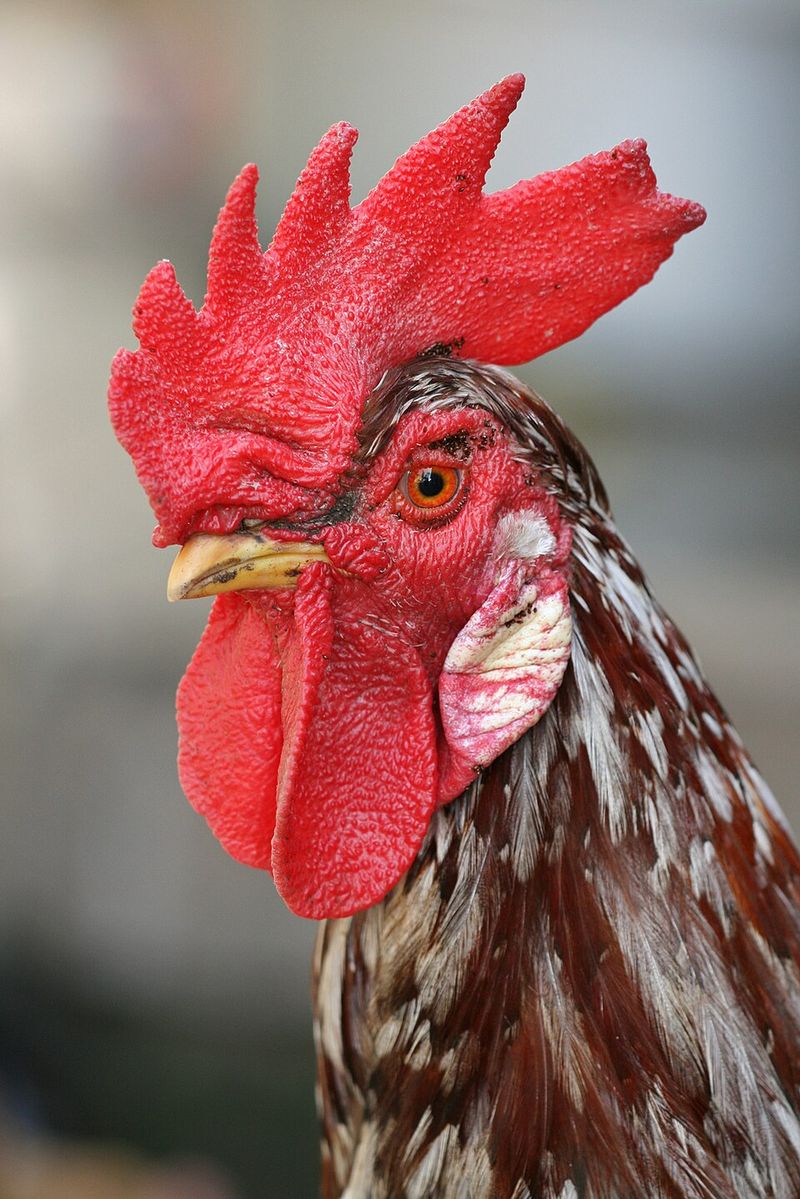
Few sounds are more immediately recognizable than a rooster’s crow. That familiar call can reach up to 130 decibels, which is loud enough to cause hearing damage with repeated close exposure.
Roosters that crow frequently actually have a built-in ear protection mechanism that partially closes their ear canal during each call.
Crowing is not just a morning alarm. Roosters crow to establish territory, respond to other roosters, react to sudden noises, and assert their position within a flock.
A dominant rooster will crow first, and lower-ranking roosters wait their turn, which is a surprisingly organized social system for a barnyard bird.
Research published in 2013 confirmed that roosters crow primarily in anticipation of dawn, driven by their internal circadian clock rather than purely reacting to light. Even roosters kept in constant darkness will begin crowing at the expected time of sunrise, showing that the behavior is deeply wired into their biology.
Northern Elephant Seal
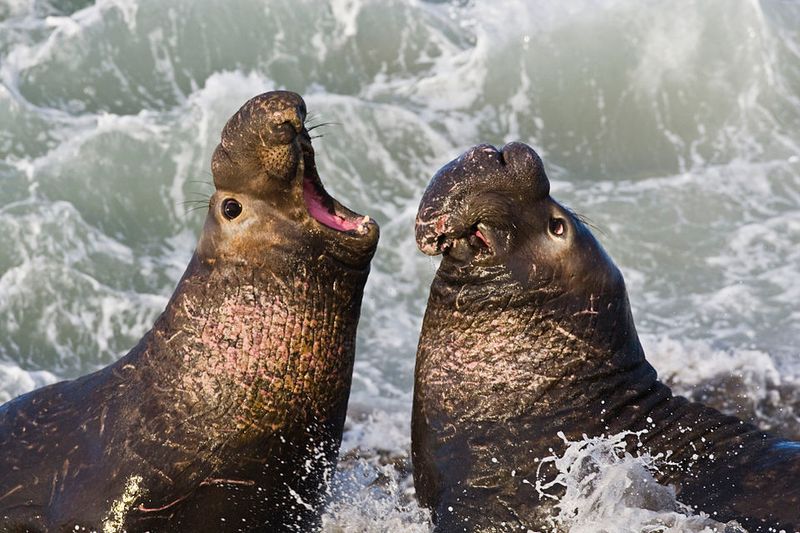
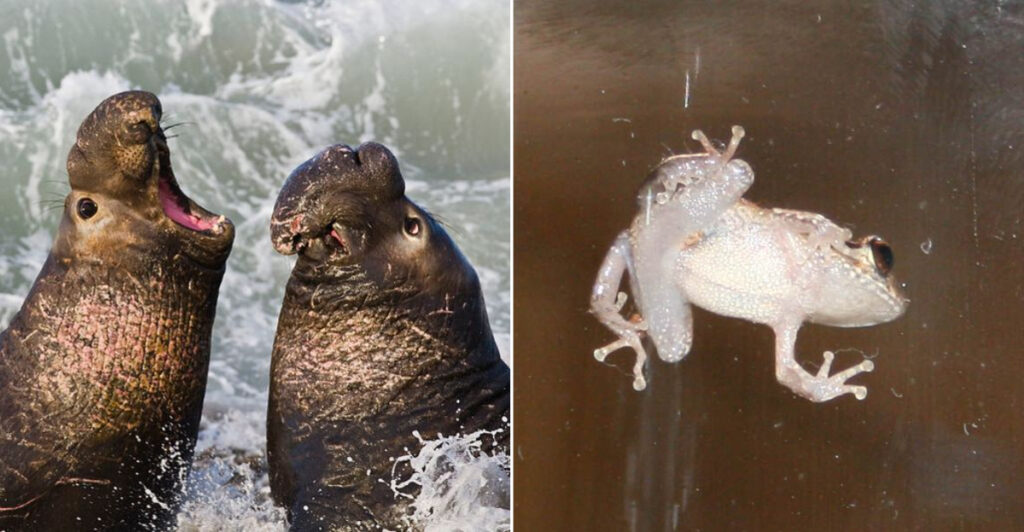
The northern elephant seal is built for drama. Adult males produce loud, rhythmic belching calls during breeding season that can carry over a kilometer across a beach.
These calls, combined with their inflatable proboscis noses that act as resonating chambers, can reach around 126 decibels at close range.
The nose is not just for show. Males with larger, more developed proboscises tend to produce deeper, more resonant calls, which signals to rivals and females alike that they are mature and physically dominant.
Younger males with less developed noses produce noticeably thinner, higher-pitched calls.
Breeding colonies along the California coast, particularly at Ano Nuevo State Park and Point Reyes National Seashore, become extraordinarily loud places during the winter months. The combination of hundreds of males calling, pups crying, and females responding creates a constant wall of sound.
Each male’s call is individually distinct, and females can recognize the calls of the dominant males in their area.
White Bellbird
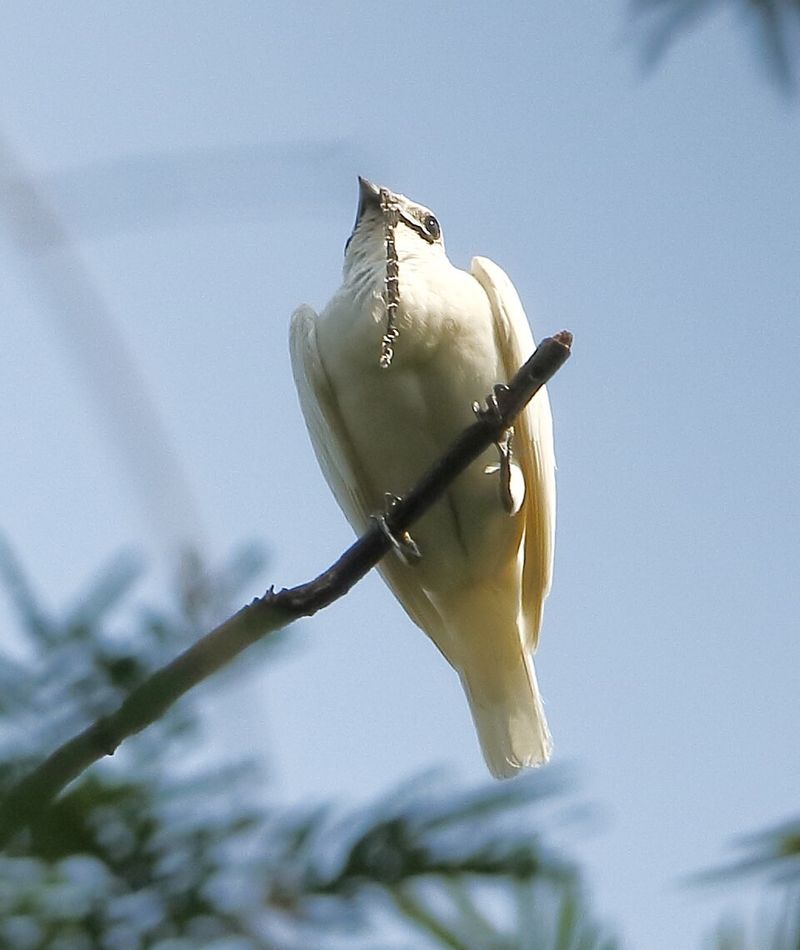
Recorded in 2019 by researchers in the Amazon, the white bellbird holds the title of the loudest bird call ever measured. Its metallic, hammer-strike call reaches up to 125 decibels, which is extraordinary for a bird that weighs less than 250 grams.
Standing next to a calling male would feel roughly like standing next to a power saw.
What makes this discovery especially interesting is the trade-off involved. The closer a female gets to a calling male, the louder the sound she experiences.
Males actually turn and blast their call directly at females during courtship, which seems counterproductive but apparently works as an honest signal of fitness.
The white bellbird lives in the highlands of northern Brazil and parts of Venezuela and Guyana. It belongs to the cotinga family, a group known for spectacular plumage and unusual sounds.
The male’s wattle, a fleshy protrusion hanging from the beak, moves during the call and may help amplify or direct the sound.
Screaming Piha
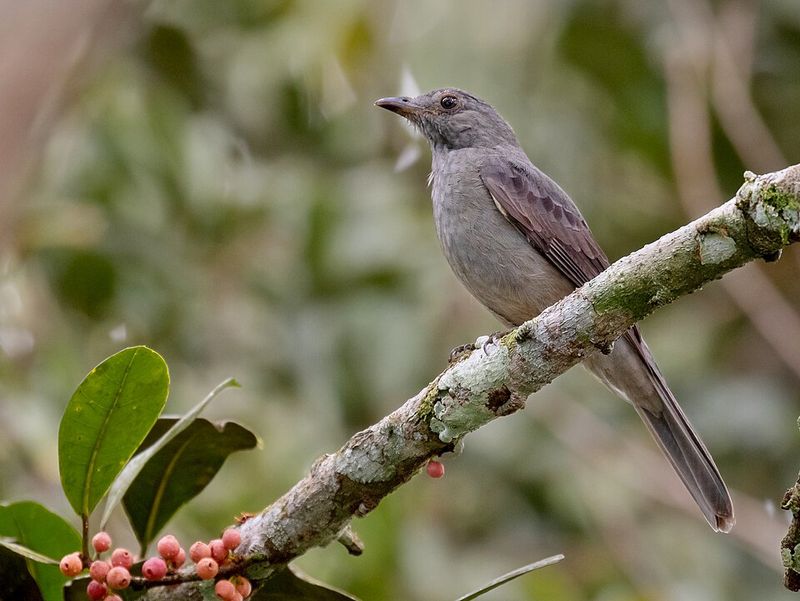
Visitors to the Amazon rainforest often hear the screaming piha long before they see it, mostly because they never actually see it at all. This plain gray-brown bird blends into the forest so effectively that it is nearly invisible, but its call cuts through the entire jungle canopy at around 116 decibels.
The screaming piha is considered the signature sound of the Amazon. Wildlife documentaries set in South American rainforests almost always include its call in the background, even when filming animals that live nowhere near piha territory.
Sound editors use it as a universal shorthand for tropical jungle atmosphere.
Males call repeatedly from fixed perches in the forest understory, using the sound to attract mates and defend territory. The call itself is a sharp, rising whistle that peaks suddenly and then drops, repeated in rapid bursts.
For a bird that weighs roughly 80 grams, the volume it achieves is genuinely disproportionate to its size.
Lion
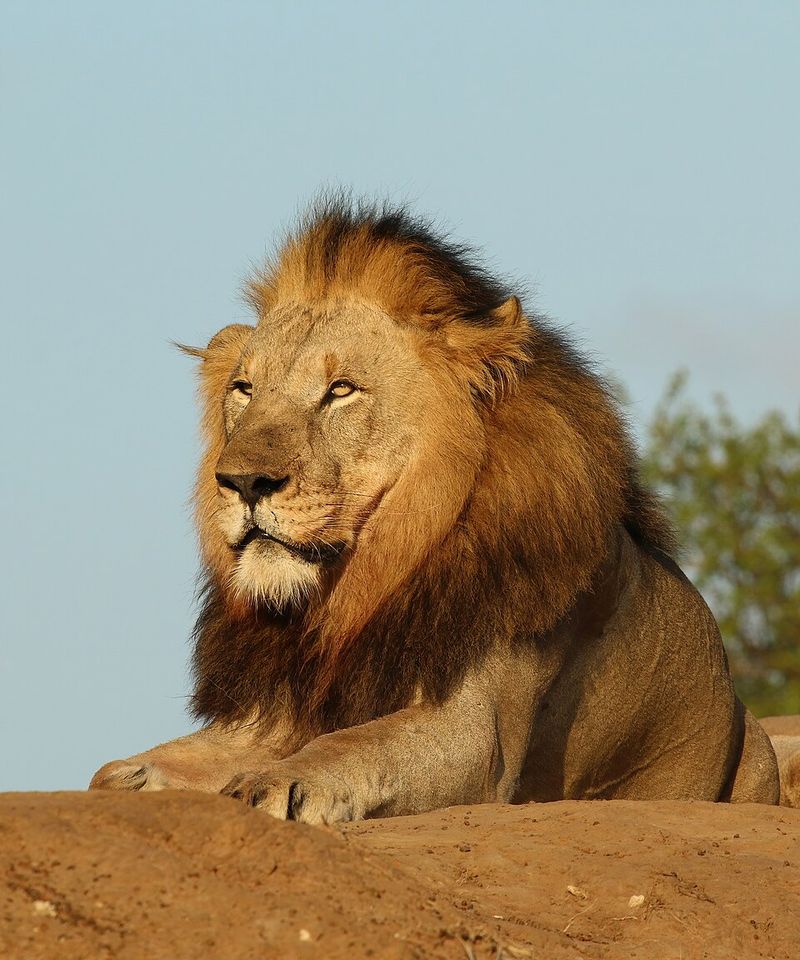
A lion’s roar carries across five miles of open savanna on a still night, reaching up to 114 decibels at close range. That distance is not accidental.
Lions roar to communicate their location to pride members, warn rival groups away from territory, and coordinate activity across large home ranges that can cover dozens of square miles.
The roar is produced by a specialized larynx with flat, square vocal folds that vibrate at low frequencies. This structure, shared with tigers, leopards, and jaguars, allows the big cats to produce sounds that small cats physically cannot.
Domestic cats and cheetahs, despite their impressive vocal range, simply do not have the anatomy to roar.
Lions often roar together in coordinated group sessions, which researchers believe strengthens social bonds within the pride. A full pride roaring together creates a layered, overlapping sound that carries farther and communicates more information about group size and cohesion than a single individual roaring alone could achieve.
African Cicada
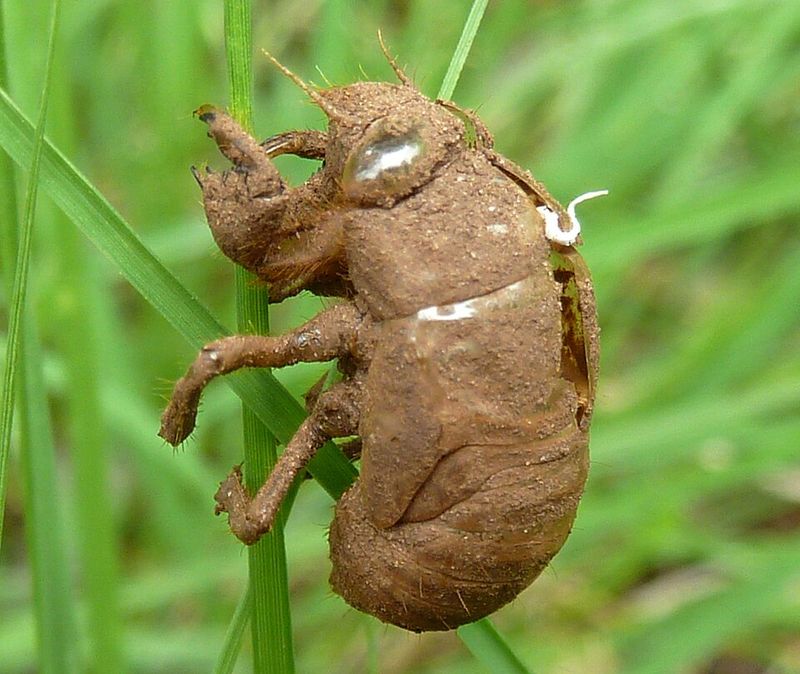
Cicadas are the loudest insects on Earth, and the African cicada species are among the most intense of the group, with calls reaching up to 107 decibels. A large aggregation of cicadas calling together can create a wall of sound that makes normal conversation impossible in nearby areas.
The sound comes from a structure called a tymbal, a ribbed membrane on the abdomen that the cicada flexes rapidly using powerful internal muscles. Each flex produces a click, and the clicks happen so fast they merge into a continuous tone.
The hollow abdomen acts as a resonating chamber that amplifies the output significantly.
Male cicadas produce the calls to attract females, and the females respond by flicking their wings to signal interest. Different species produce calls at different frequencies, which helps prevent cross-species mating.
Some cicada species in Africa are active year-round, while others emerge in massive synchronized groups tied to seasonal rainfall patterns across sub-Saharan regions.
Howler Monkey
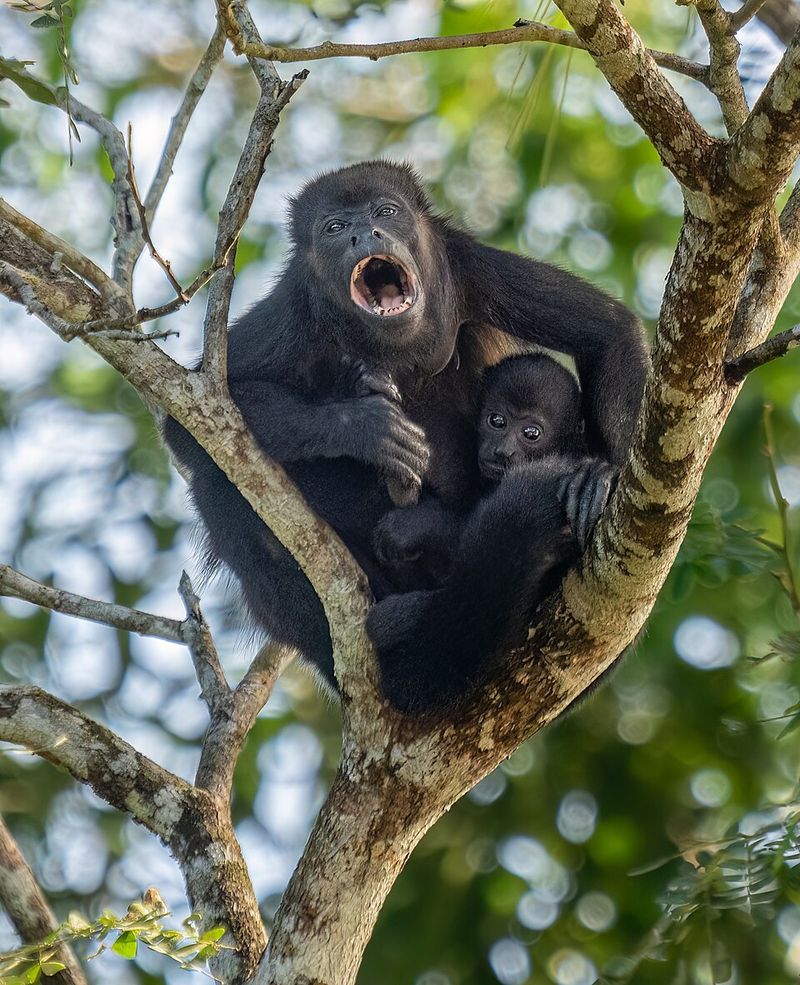
At dawn in Central and South American rainforests, howler monkeys announce the start of the day with calls that reach up to 140 decibels and travel up to three miles through dense jungle. They hold the title of the loudest land animal relative to body size, which is a remarkable achievement for a creature that weighs around 15 pounds.
The secret is in the throat. Male howler monkeys have an enlarged hyoid bone, a U-shaped bone in the neck, that acts as a resonating chamber and dramatically amplifies their calls.
Interestingly, species with larger hyoid bones tend to have smaller testes, which researchers interpret as a trade-off between acoustic signaling and physical competition for mates.
Howling serves a very practical purpose. Groups use it to space themselves out through the forest, avoiding direct confrontations over food and territory.
When one group starts howling, neighboring groups typically respond, creating a chain of sound that maps out who is where across a large area of forest.
Coqui Frog
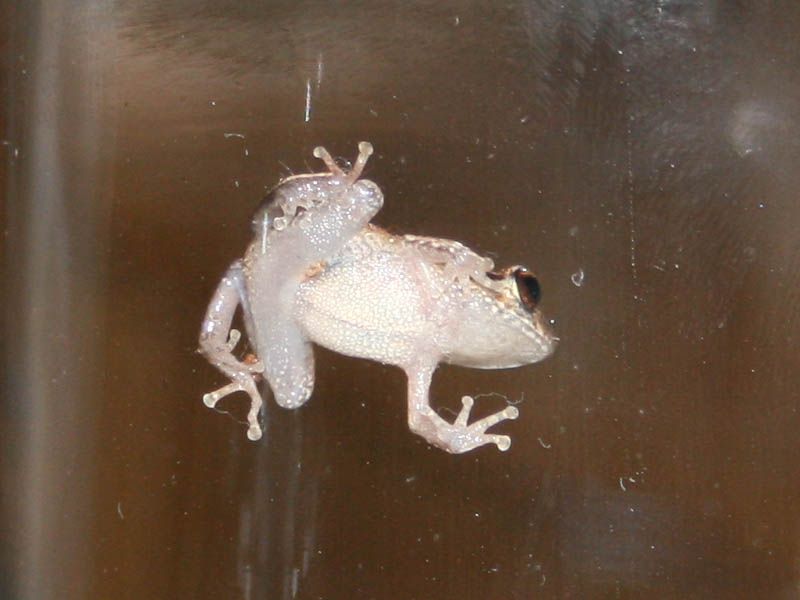
Puerto Rico’s national symbol is a frog the size of a quarter that produces a call reaching up to 100 decibels. The coqui frog gets its name directly from its two-note call, which sounds exactly like co-KEE, and in areas with dense populations, the combined chorus of hundreds of individuals calling at once can be genuinely overwhelming.
The co portion of the call is directed at rival males as a territorial warning, while the KEE portion is aimed at attracting females. Researchers discovered this by playing back just one note at a time and observing which sex responded.
Males reacted to the co, and females oriented toward the KEE.
Coqui frogs are beloved in Puerto Rico and appear in art, music, and cultural identity throughout the island. They have also become an invasive species in Hawaii, where they were accidentally introduced and now cause significant noise complaints in residential neighborhoods, demonstrating just how much sound such a small creature can produce.
Kakapo
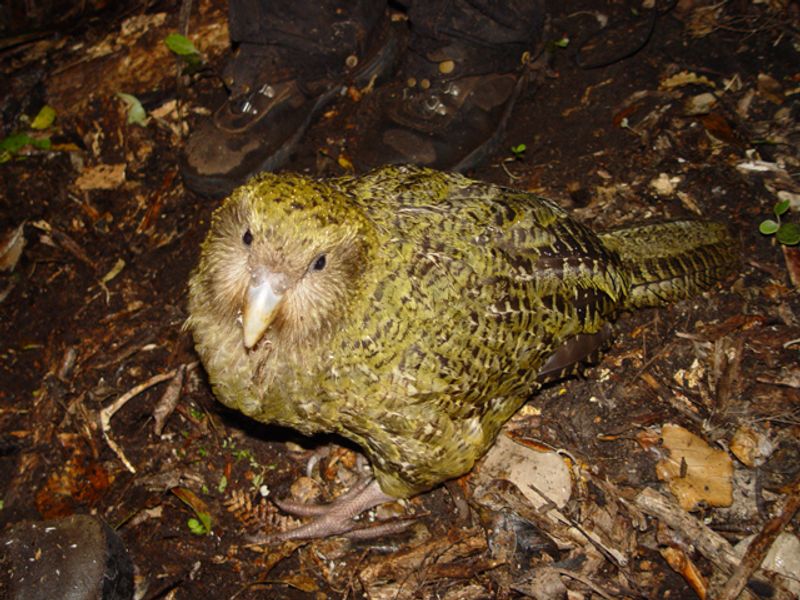
The kakapo is the world’s heaviest parrot, a flightless nocturnal bird found only in New Zealand, and it produces one of the strangest loud sounds in the animal kingdom. During breeding season, males create a network of bowl-shaped depressions called leks in the ground, then stand inside them and produce deep booming calls that can reach 132 decibels and travel over a kilometer through the forest.
The booming is produced by inflating a thoracic air sac in the chest, which turns the bird’s entire body into a resonating chamber. Males boom for up to eight hours a night across a breeding season that can last several months, burning through enormous energy reserves in the process.
With fewer than 250 individuals remaining, the kakapo is one of the most endangered birds on Earth. Every individual has a name and is monitored by the New Zealand Department of Conservation.
The booming calls that once filled entire forest valleys are now heard only on a handful of predator-free islands where the remaining population is carefully managed.
Share this story