 Unearth The Voyage
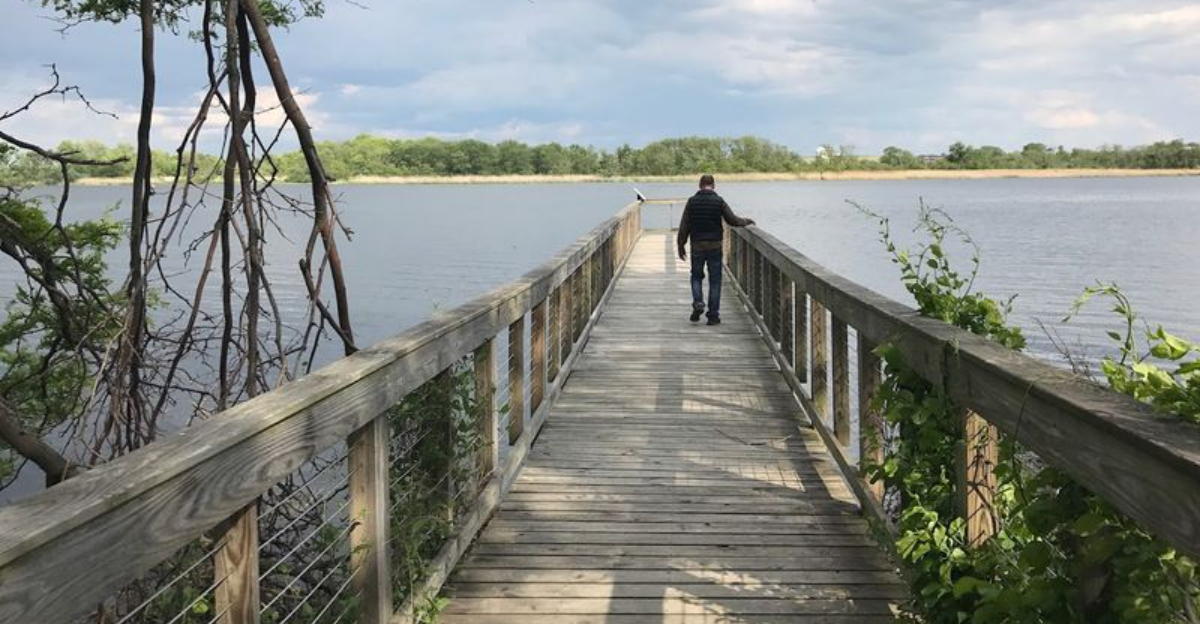
Most drivers crossing the Tacony-Palmyra Bridge into New Jersey barely glance at the stretch of green hugging the riverbank below. They are focused on traffic, not on the 250-acre nature park sitting just off Route 73 in Palmyra, Burlington County.
This park is one of the most quietly remarkable outdoor spaces in the entire state. What makes it especially interesting is that this lush, wildlife-packed landscape was not always here.
Much of it was created through a deliberate land restoration effort, turning what was once an industrial and disturbed site along the Delaware River into a thriving natural habitat. Trails wind past ponds, boardwalks stretch over tidal wetlands, and the Philadelphia skyline sits right across the water.
This is not a place most people stumble upon by accident, but those who find it tend to come back again and again.
Where Exactly You Will Find It
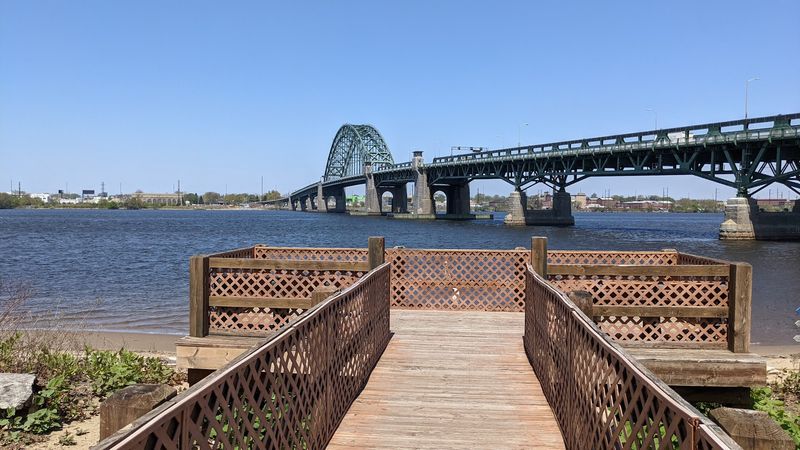
Palmyra Cove Nature Park sits at 1335 NJ-73, Palmyra, NJ 08065, tucked just south of the Tacony-Palmyra Bridge along the eastern bank of the Delaware River. Burlington County owns and manages the property, and the entrance is easy to miss if you are not specifically looking for it.
The location places it right between two worlds: the dense urban energy of Philadelphia directly across the river, and the quieter residential neighborhoods of South Jersey. That contrast is part of what makes this park feel so unexpected.
There is a parking lot on site, and it is free to use. The park is open year-round, which means there is no wrong season to visit.
An environmental education center sits near the entrance and offers resources for those who want to learn more about the habitat before hitting the trails.
The Man-Made Origin Story
Here is the part that surprises most people: Palmyra Cove is not a naturally occurring landscape. The cove itself was created when dredge material from the Delaware River was deposited along the shoreline over many decades.
That process gradually built up land where there had been open water, forming the sheltered cove that gives the park its name.
Burlington County and environmental partners later recognized the ecological potential of the site and began a formal restoration effort. The goal was to transform the disturbed land into a functioning natural habitat that could support wildlife, filter water, and provide public green space.
That restoration work took years, and the results are now fully visible in every trail, pond, and woodland section of the park. The fact that so much biodiversity now thrives on land that was essentially built from river sediment makes Palmyra Cove one of the more remarkable environmental success stories in New Jersey.
The Layout of the Trails
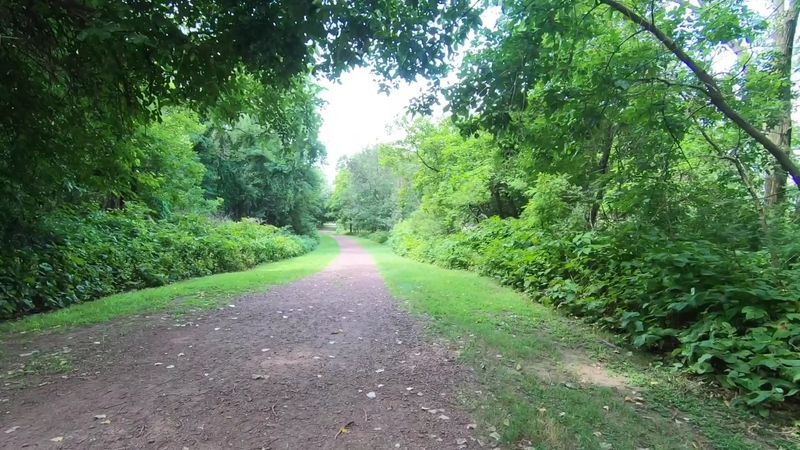
The trail system at Palmyra Cove covers a variety of terrain types, which keeps each walk from feeling repetitive. The main River Trail runs along the Delaware River and offers open views of the water and the bridge overhead.
It is relatively flat and easy to navigate for most age groups.
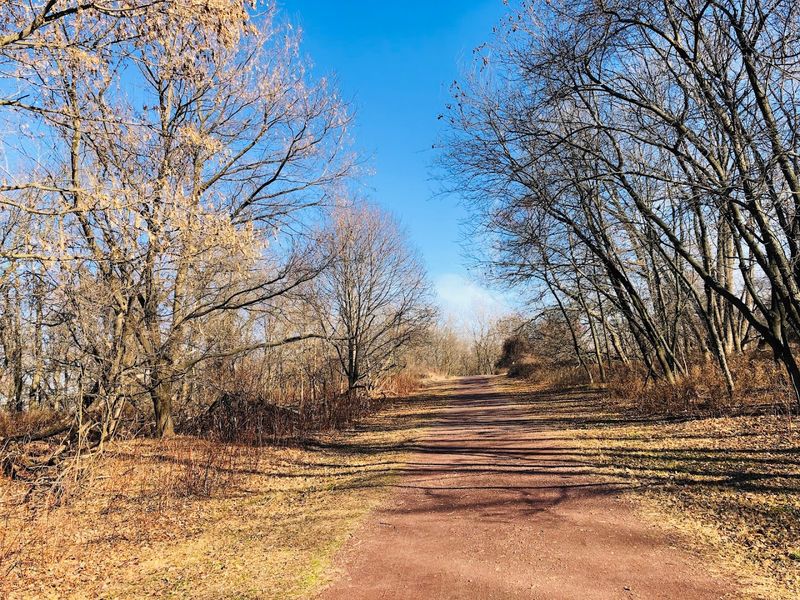
The Cove Trail heads into a more enclosed section of the park, following the edge of the cove through wooded and wetland areas. This trail is made of compacted stone and can narrow significantly in certain stretches, so it is worth knowing before bringing a stroller.
The path is one-directional in places, which means backtracking is sometimes required.
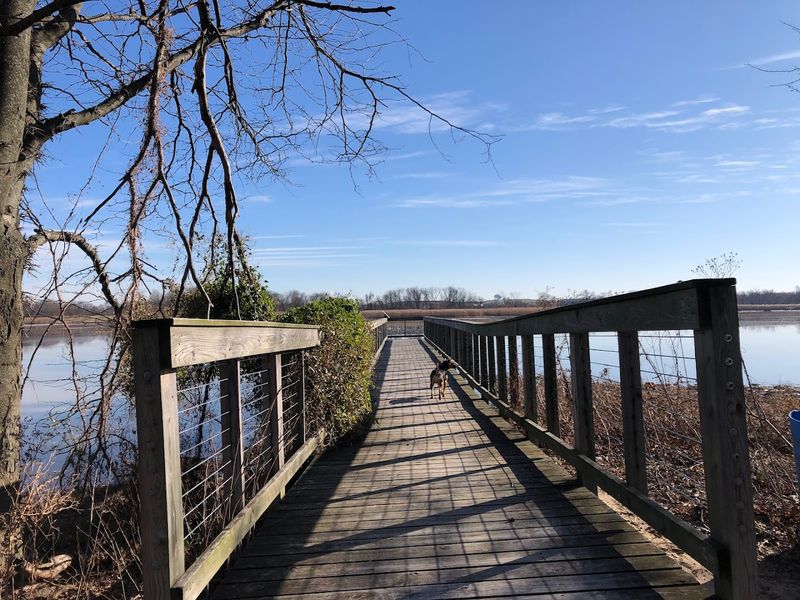
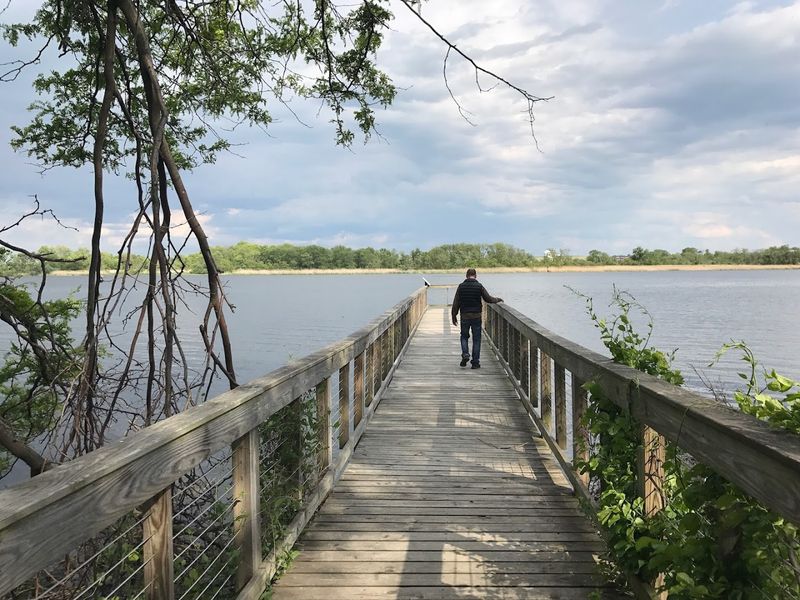
A long boardwalk connects the two main sections of the park, crossing over tidal wetland areas where wildlife activity tends to be especially high. That boardwalk is one of the most distinctive features of the park and worth taking slowly.
Bird Watching at Its Best
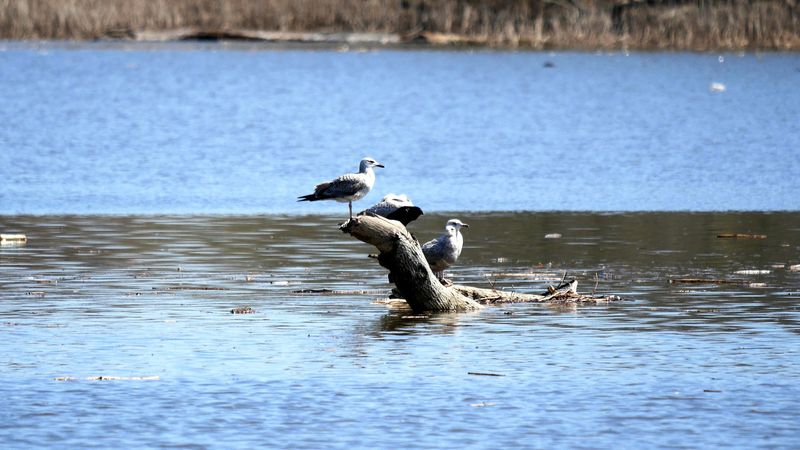
Palmyra Cove has developed a strong reputation in the South Jersey birding community, and that reputation is well earned. The varied habitat, which includes tidal wetlands, freshwater ponds, wooded uplands, and open riverfront, draws an unusually wide range of bird species throughout the year.
Scarlet tanagers, Baltimore orioles, woodpeckers, hawks, and eagles have all been documented at the park. Shorebirds and waterfowl are common along the river trail, especially during migration seasons in spring and fall.
Rare bird sightings are reported periodically, which draws experienced birders from across the region.
The boardwalk birdwatching stations are purpose-built for this activity, offering elevated views over the pond and wetland areas without disturbing the habitat. Bringing binoculars is strongly recommended.
For photographers, the park provides natural framing opportunities that are hard to find this close to a major metropolitan area.
Wildlife Beyond the Birds
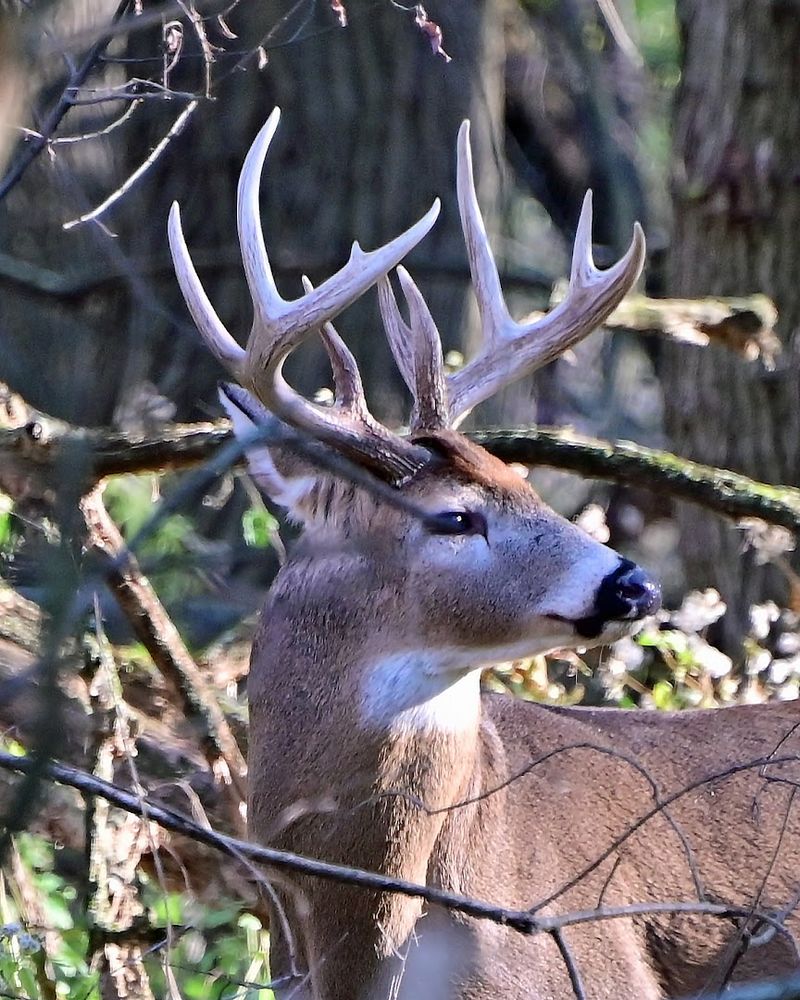
The wildlife at Palmyra Cove extends well beyond the bird species. White-tailed deer are seen on nearly every visit, often near the entrance road or along the wooded trail sections.
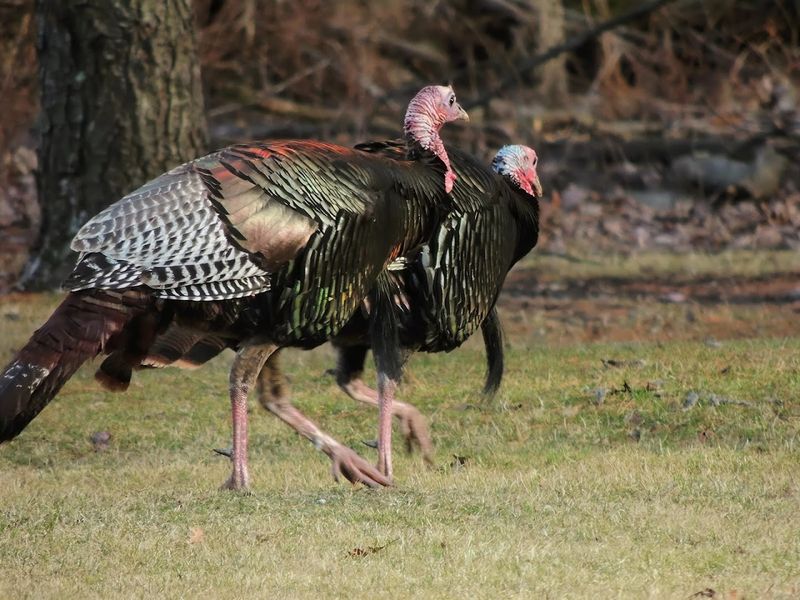
Wild turkeys are another frequent presence, and they have been known to walk right up to parked vehicles near the entrance.
Foxes, groundhogs, and owls have also been spotted by regular trail users. The pond areas support populations of painted turtles and bullfrogs, which are especially active during the warmer months.
Spring is the best time to see turtles sunbathing on logs along the cove edges.
The diversity of wildlife reflects the quality of the habitat restoration work done over the years. Because bikes and dogs are not permitted in the park, the animal populations remain relatively undisturbed.
That policy, while sometimes frustrating for pet owners, is a direct reason why so many species continue to thrive here.
The Delaware River Views
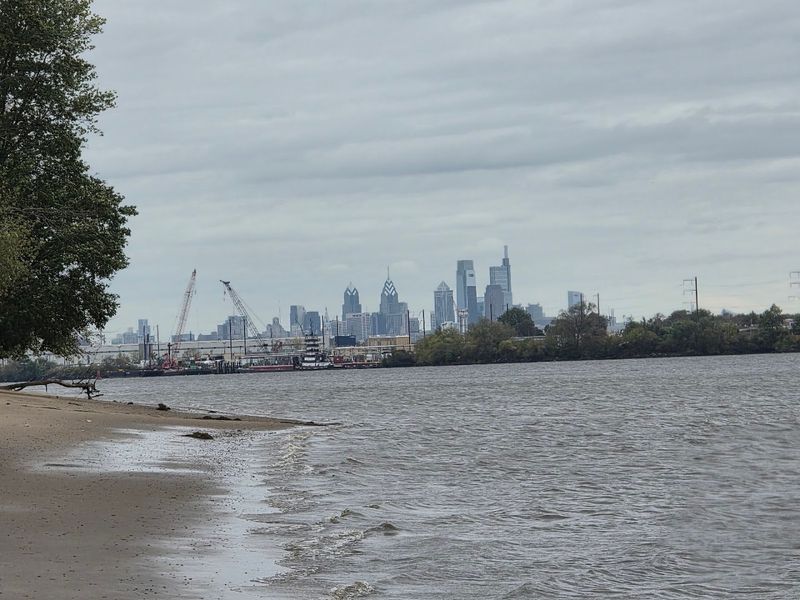
One of the most unexpected rewards of walking the River Trail is the clear, unobstructed view of the Philadelphia skyline from the New Jersey shoreline. The city sits directly across the Delaware, and on clear days the skyline is sharp and detailed.
The Tacony-Palmyra Bridge frames the view from above, adding an industrial contrast to the natural setting below.
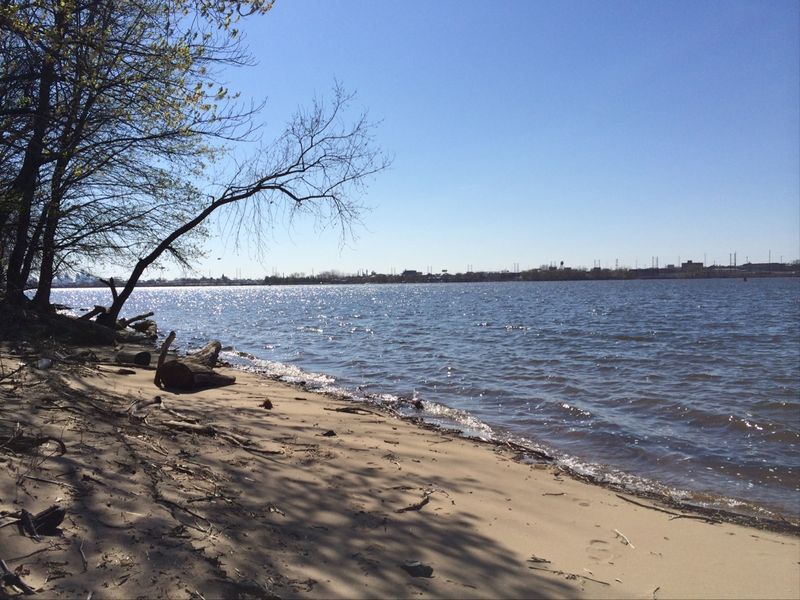
At low tide, a sandy shoreline becomes accessible along the river’s edge, allowing walkers to get right down to the waterline. The tide comes in quickly, so anyone who ventures onto the sandy shore should keep a close eye on the water level and wear sturdy shoes.
The riverbed can have debris washed up from upstream.
The combination of bridge, skyline, river, and park greenery creates a visual setting that photographers and casual walkers both appreciate. It is genuinely one of the more underrated river views in the entire Delaware Valley region.
The Ponds and Wetland Areas
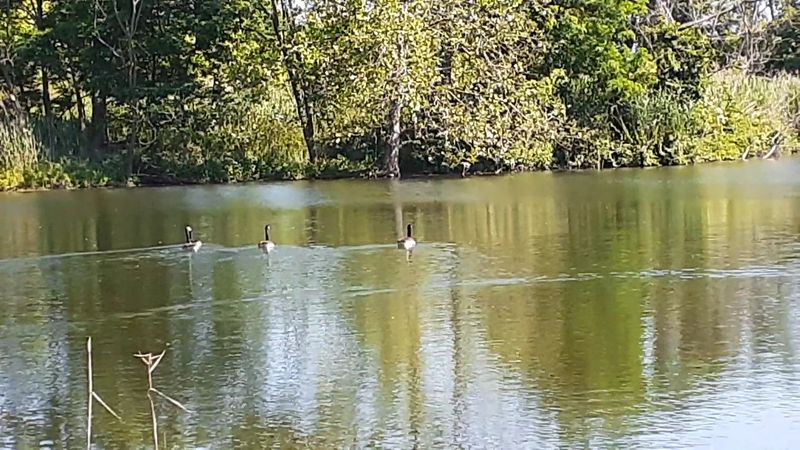
The freshwater ponds scattered throughout Palmyra Cove are some of the most ecologically active parts of the park. These ponds support turtles, frogs, dragonflies, and a variety of aquatic plants.
They also attract wading birds and waterfowl that feed along the shallow edges.
The ponds are a direct result of the land restoration process. As dredge material settled and vegetation took hold, low-lying areas filled with water and developed into functioning wetland ecosystems.
The transition from disturbed industrial land to thriving pond habitat happened relatively quickly in ecological terms.
Boardwalks and viewing platforms near the ponds allow close observation without requiring visitors to leave the trail. The reflective surface of the water makes these spots popular with photographers.
Early morning visits tend to yield the most wildlife activity around the ponds, as many species are most active in the hours just after sunrise.
The Environmental Education Center
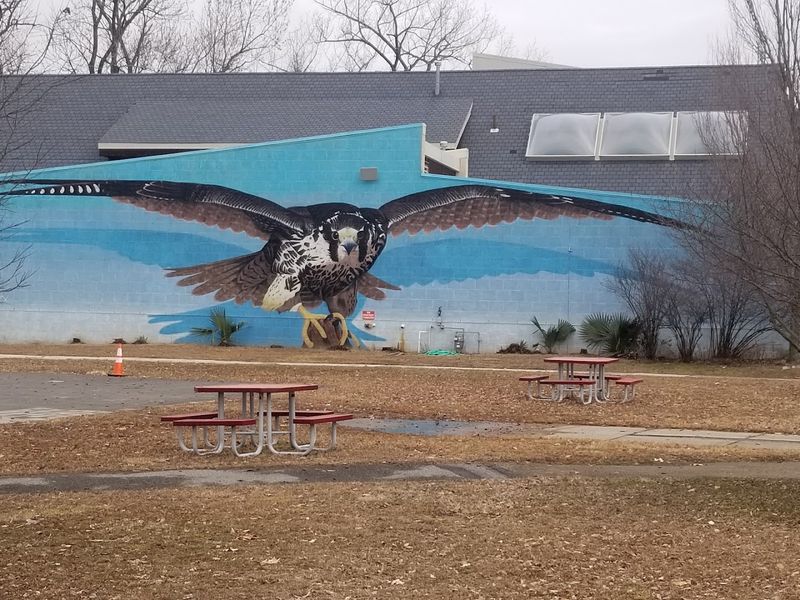
Near the park entrance stands the environmental education center, which serves as the main hub for organized programs, school field trips, and general visitor information. The building features exhibits about the local ecosystem, the Delaware River watershed, and the wildlife species found within the park.
A notable exterior feature is a large painted mural of a hawk on the building wall, which has become something of an informal landmark for first-time visitors. The artwork is detailed and immediately sets the tone for what the park is about.
The center operates on limited hours and may not always be open on weekends or holidays, so checking ahead before planning a visit around it is a good idea. When it is open, staff are knowledgeable about current wildlife activity and trail conditions, which can be genuinely useful for planning a route.
Bathrooms are available at the center and are kept clean.
Rules That Actually Protect the Park
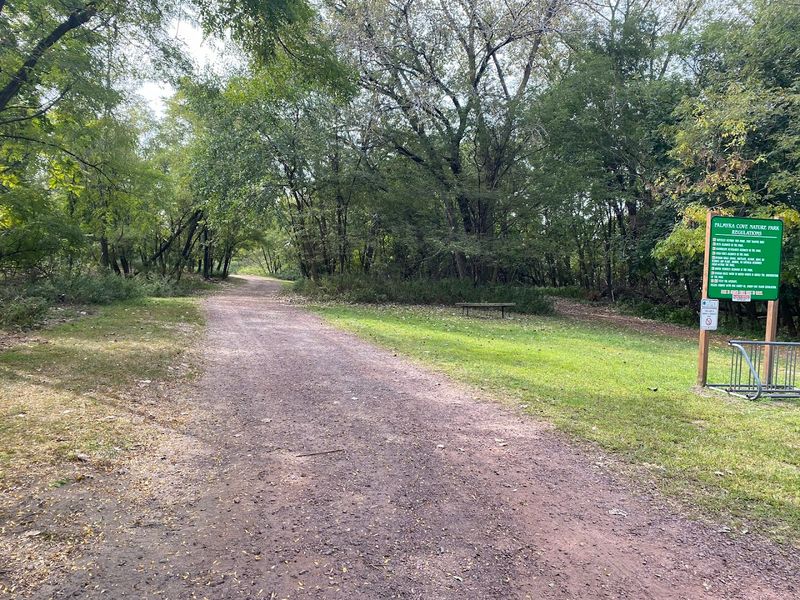
A few rules at Palmyra Cove stand out compared to most public parks, and understanding them before visiting saves a lot of frustration. Dogs and bicycles are both prohibited throughout the entire park.
These restrictions are not arbitrary; they are directly tied to the goal of protecting the wildlife habitat that makes the park worth visiting in the first place.
Dogs, even well-behaved ones on leashes, can disturb nesting birds, chase deer, and stress wildlife that has been carefully cultivated over years of habitat restoration. Bicycles on narrow, stone-packed trails would cause erosion and scare off the animals that trail users come specifically to see.
The no-pets rule catches some first-time visitors off guard, since signage near the entrance can be easy to miss. Accepting these rules as part of what keeps the park functioning well makes the experience more enjoyable.
The trade-off is straightforward: fewer disturbances means more wildlife encounters for everyone.
Visiting at Low Tide vs. High Tide
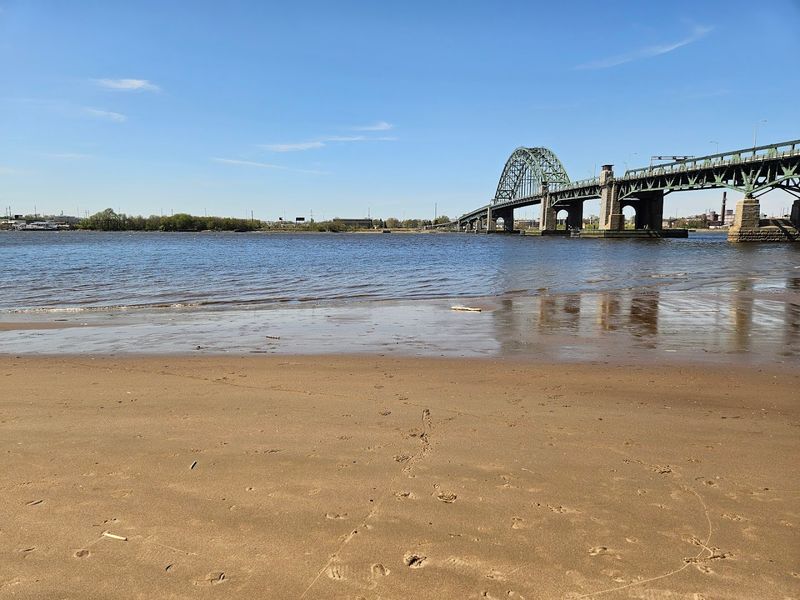
Tidal patterns have a real effect on what is accessible at Palmyra Cove, and planning around them makes a noticeable difference in the experience. At low tide, a wide sandy beach opens up along the Delaware River, allowing walkers to move along the shoreline and get very close to the water’s edge.
The exposed sand also reveals tidal life and provides a completely different visual compared to high tide conditions.
At high tide, that same sandy stretch disappears entirely under the river. The park is still fully walkable and enjoyable, but the riverfront access becomes limited to the elevated trail rather than the beach level.
The cove itself also looks different at each tide stage, with more of its structure visible at low water.
The tide fills in quickly, which has caught off-guard walkers who ventured onto the beach without monitoring the time. Checking a tide chart before arriving is a practical habit worth developing for anyone planning to explore the shoreline.
Best Times of Year to Go
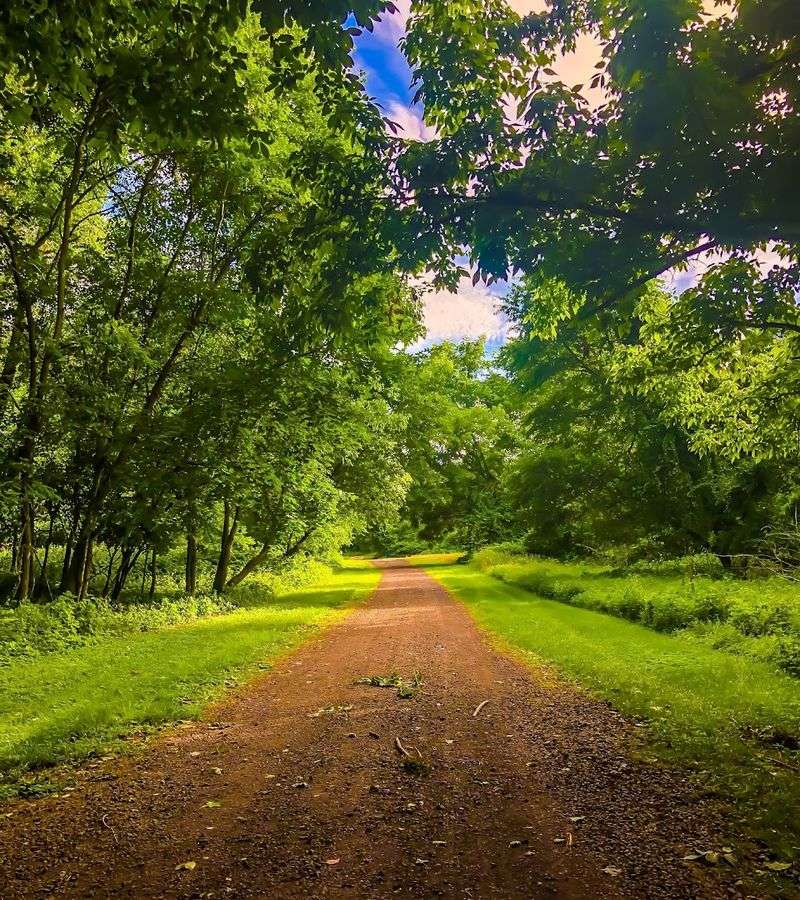
Palmyra Cove is genuinely a year-round destination, but each season offers something distinct. Spring is widely considered the peak season for wildlife activity.
Migratory birds pass through in large numbers, turtles emerge from hibernation, deer are active, and the vegetation fills in rapidly. Wildflowers along the trail edges add color to the landscape.
Summer brings dense green foliage that transforms the woodland sections of the trail into shaded corridors. Bullfrogs and dragonflies are most active around the ponds, and the river views remain clear from the elevated sections.
Heat and humidity can be significant in July and August, so early morning visits are more comfortable.
Fall offers good birding for southbound migrants and a change in foliage color along the wooded trail sections. Winter strips back the vegetation and actually opens up longer sightlines through the park, which can make spotting deer and birds easier than in summer.
The park holds its character across all four seasons.
Photography Opportunities Throughout the Park
Palmyra Cove has quietly become a go-to location for nature photographers in the Philadelphia and South Jersey area. The combination of accessible trails, abundant wildlife, and varied terrain gives photographers multiple subject types within a single visit.
Deer, foxes, herons, hawks, turtles, and songbirds can all potentially appear on the same afternoon walk.
The boardwalk sections over the wetlands are especially useful for photography because they provide stable ground and elevated angles without requiring any off-trail movement. The ponds offer reflective surfaces that work well for bird and turtle shots in calm conditions.
The river trail provides wide landscape opportunities with the bridge and skyline as background elements.
A telephoto or zoom lens is the most practical choice for wildlife subjects at the park. The animals here are relatively habituated to human presence on the trail, which allows for closer natural behavior shots than in more heavily trafficked parks.
Early morning light tends to produce the most interesting conditions.
Fishing Along the Delaware
The Delaware River frontage at Palmyra Cove is accessible for fishing, and the shoreline near the bridge provides a practical spot for anglers who want river access without a boat. A valid New Jersey fishing license is required for anyone fishing the Delaware from the Jersey side, and Pennsylvania license holders can also fish the river from the bridge itself under certain rules.
The river near Palmyra holds a range of species typical of the tidal Delaware, including striped bass, catfish, and various panfish. The sandy beach area at low tide provides direct shoreline access, while the elevated trail sections offer casting room from higher ground during high tide.
Fishing here is a quieter, more relaxed activity compared to busier access points along the river. The park setting means the surroundings are green and relatively undisturbed, which makes for a more pleasant experience than many urban fishing spots in the region.
Practical Tips Before You Go
A few practical details make a real difference at Palmyra Cove. The parking lot is free but limited in size, and on busy weekend mornings it can fill up quickly.
Arriving before 9 a.m. on weekends almost always guarantees a spot. Weekday visits tend to be much less crowded across the entire park.
Footwear matters more here than at a typical paved park. The Cove Trail involves compacted stone, uneven surfaces, and occasional muddy patches after rain.
Sturdy walking shoes or light hiking boots are a better choice than sneakers, and sandals are not recommended for the longer trail sections.
Bug spray is worth bringing from late spring through early fall, particularly near the pond and wetland areas where insects are active. There are no food or drink vendors on site, so packing water and snacks is essential for longer visits.
The park is free to enter, which makes it one of the better-value outdoor destinations in Burlington County.
Why This Place Deserves More Attention
Palmyra Cove Nature Park represents something genuinely rare: a large, ecologically rich natural space that was built rather than simply preserved, sitting within minutes of a major American city. The fact that it exists at all is the result of deliberate environmental work over many years, and the results speak clearly through the wildlife populations and habitat quality found there today.
Many South Jersey residents have lived near the park for decades without ever knowing it exists. Its location just off a busy highway, tucked behind a bridge approach, means it does not announce itself the way more prominent parks do.
That low profile has kept it relatively uncrowded and authentic.
For anyone who drives Route 73 regularly or crosses the Tacony-Palmyra Bridge without a second thought, Palmyra Cove is the kind of place that reframes a familiar commute entirely. A quick turn off the highway leads to 250 acres of restored nature that most of New Jersey has no idea is there.



