Boston’s South End neighborhood has a Sunday tradition that draws locals and out-of-towners alike, and it has nothing to do with brunch reservations. Every week from May through October, a sprawling outdoor market takes over Harrison Avenue, filling the block with handmade goods, fresh produce, independent artists, and food trucks that stretch as far as the eye can see.
This place has built a reputation as one of the city’s most authentic weekend destinations, blending the energy of a farmers market with the creativity of an art fair and the thrill of a vintage treasure hunt. If you have never spent a Sunday afternoon browsing through Boston’s SoWa district, this article will show you exactly why you should.
A Market Born From Boston’s Creative Side
The SoWa Open Market did not appear overnight. It grew organically from the SoWa Art and Design District, a neighborhood that began attracting independent artists, designers, and small business owners who were looking for affordable studio space in Boston’s South End.
Over time, the district became a destination in its own right, and the Sunday outdoor market became its most visible public event. The name SoWa stands for South of Washington, a reference to the market’s geographic position relative to Washington Street, one of the South End’s main arteries.
What started as a modest gathering of local vendors has expanded into a weekly event that draws thousands of people during peak season. The market’s roots in the arts community still show clearly in its vendor mix, where painters, jewelers, ceramicists, and textile artists hold their own alongside produce sellers and food truck operators.
That creative foundation is what makes this market feel genuinely different from a standard weekend fair.
The Vendor Mix That Keeps People Coming Back
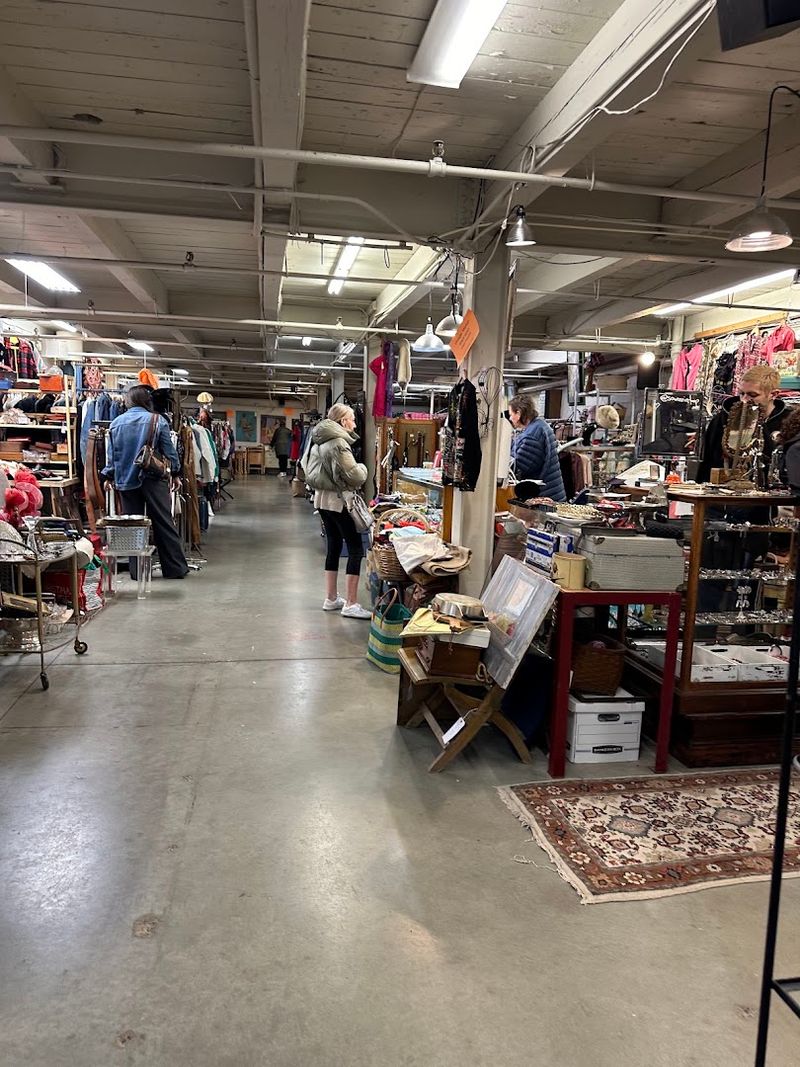
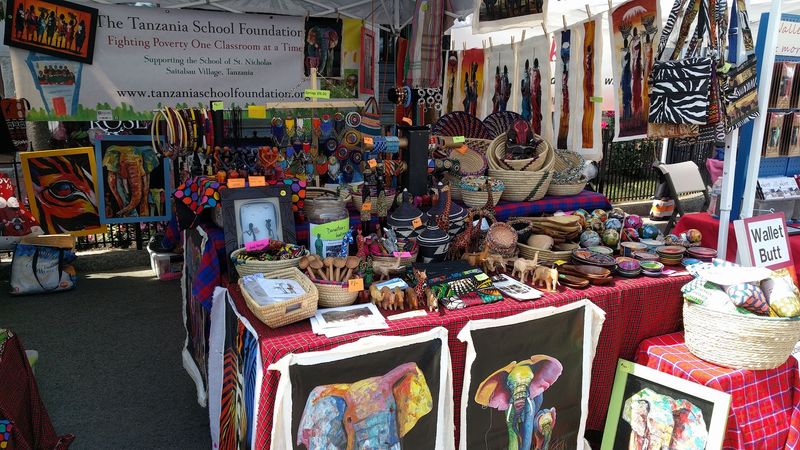
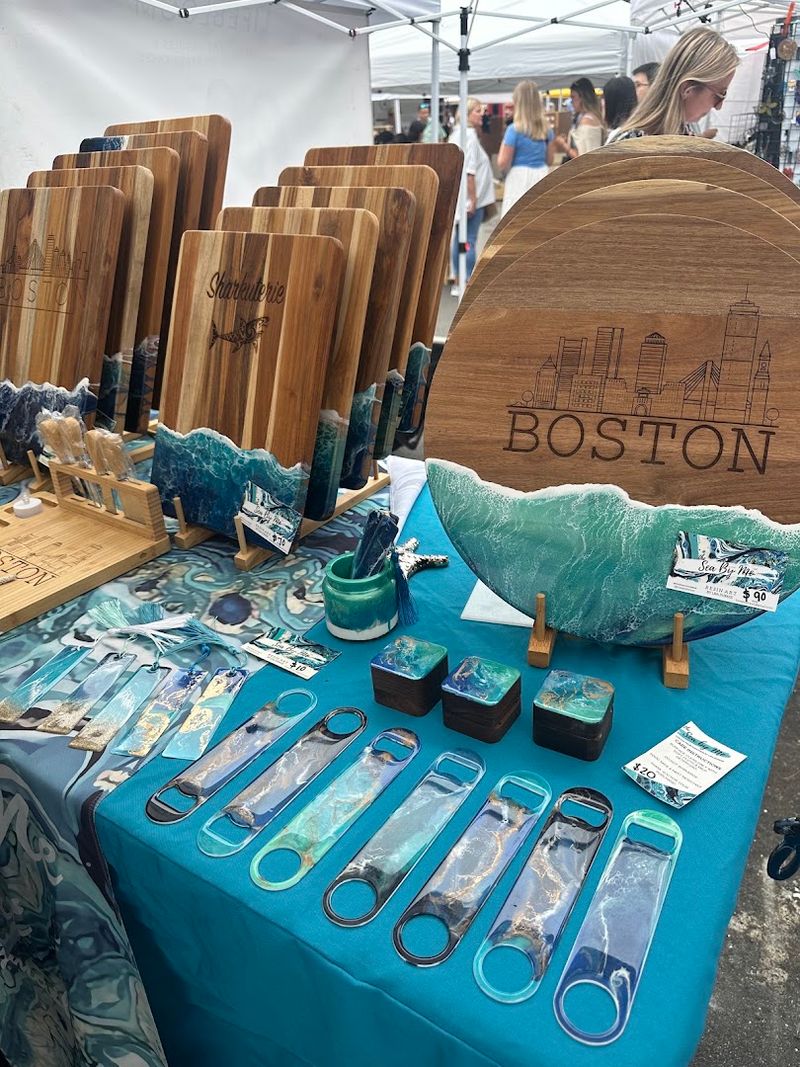
One of the strongest draws at the SoWa Open Market is the sheer variety of what you can find across the vendor booths. On any given Sunday, the lineup might include handmade apparel, original paintings, art prints, ceramic home goods, specialty hot sauces, fresh baked goods, cut flowers, handcrafted jewelry, and small furniture pieces.
The vendor selection shifts slightly from week to week, which means repeat visitors often discover something new each time they return. Some regulars make it a habit to show up early specifically to catch vendors they missed on a previous visit.
While the mix leans heavily toward artisan and handmade goods, there is enough variety to keep browsers of all interests engaged. Shoppers looking for a unique gift tend to do particularly well here, since so many items are one-of-a-kind pieces made by the sellers themselves.
That direct connection between maker and buyer gives every purchase a story worth remembering.
Fresh Produce and Baked Goods at the Heart of It
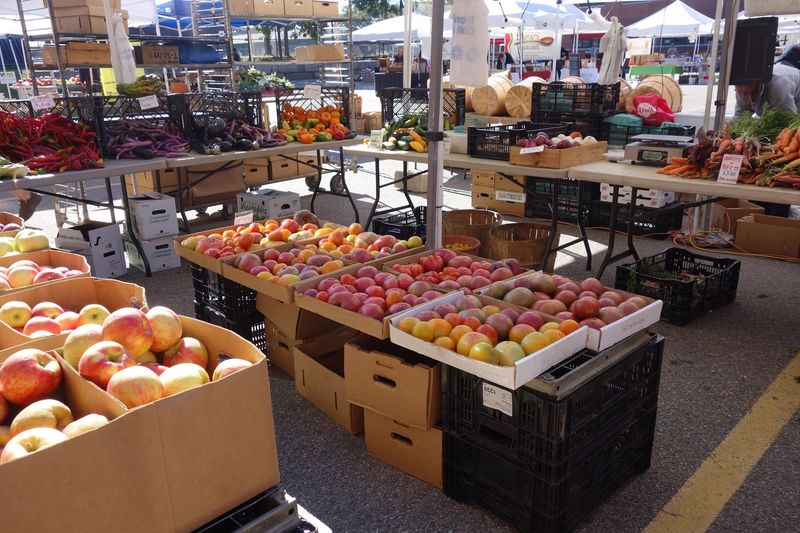
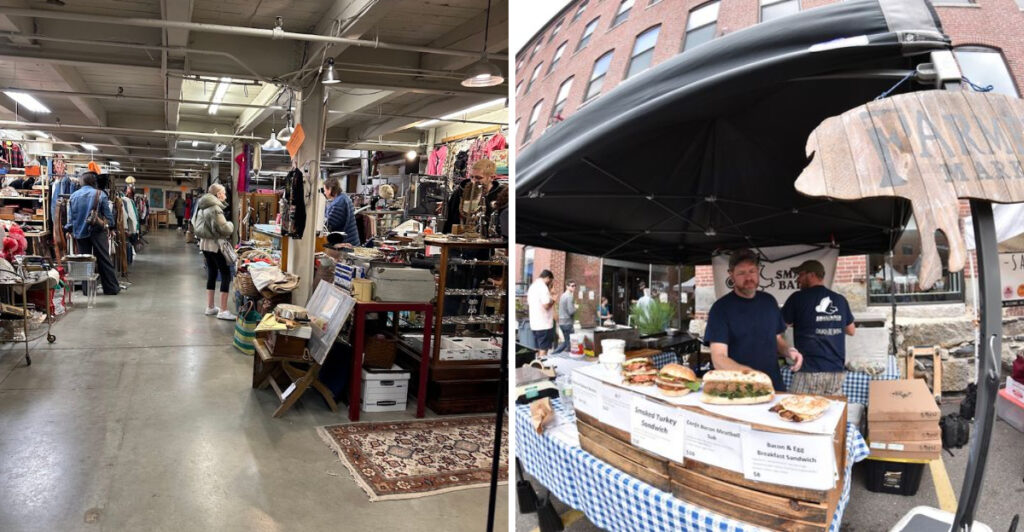
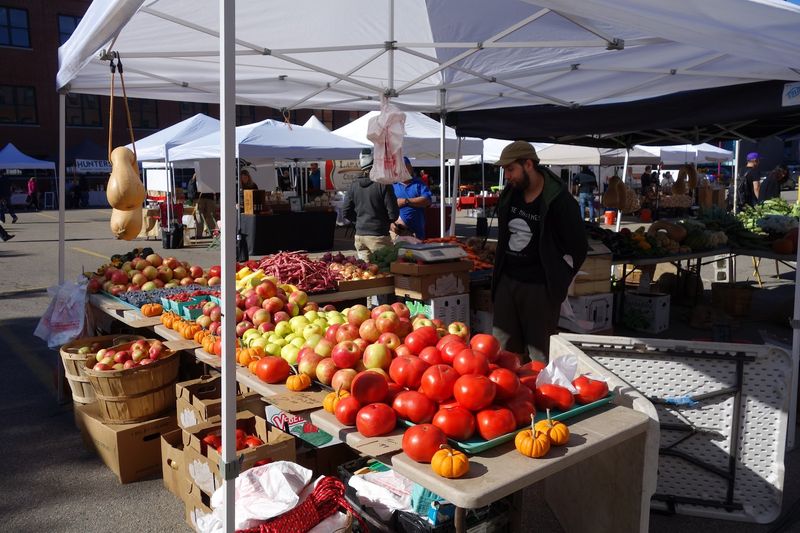
For anyone who treats Sunday shopping as a chance to stock up on quality ingredients, the SoWa Open Market delivers on that front as well. Local farmers and specialty food vendors bring fresh produce, nuts, baked goods, and sweet treats to the market each week during the season.
The baked goods table tends to be a reliable crowd-pleaser, with items like blueberry scones and other pastries drawing a steady line of shoppers throughout the morning hours. Specialty items like unique hot sauces and artisan preserves also appear regularly, giving food-focused shoppers something unexpected to bring home.
The produce selection reflects what is actually in season in Massachusetts, so the offerings change naturally as the market moves from May toward October. This makes the SoWa Open Market feel more like a true farmers market than a generic craft fair with a few vegetables tossed in for appearance.
The freshness and local sourcing are genuinely part of the draw.
Food Trucks That Steal the Show
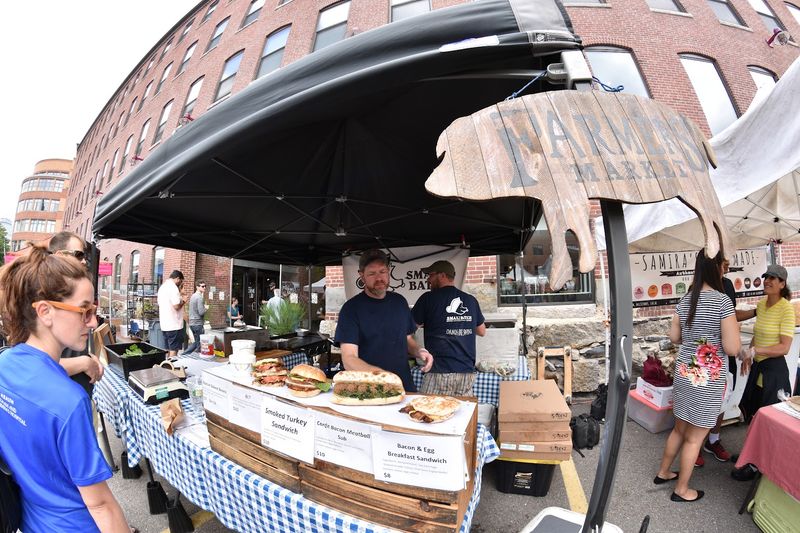
The food truck lineup at the SoWa Open Market is one of the most talked-about features of the entire event. A rotating selection of trucks parks along the market area each Sunday, offering everything from creative fusion dishes to straightforward comfort food options that satisfy a wide range of preferences.
The variety among the trucks changes throughout the season, which keeps the food experience fresh even for repeat visitors. Some trucks have developed loyal followings among the Sunday crowd, with people returning specifically to grab their favorite dishes before the market wraps up at 5 PM.
Seating areas have been added over the years to accommodate the food truck crowd, giving people a place to sit down and eat without fighting for sidewalk space. The combination of outdoor seating and the market’s relaxed Sunday pace makes the food truck section feel less like a pit stop and more like a proper destination within the destination.
It is a setup that genuinely works.
The SoWa Vintage Market Underground
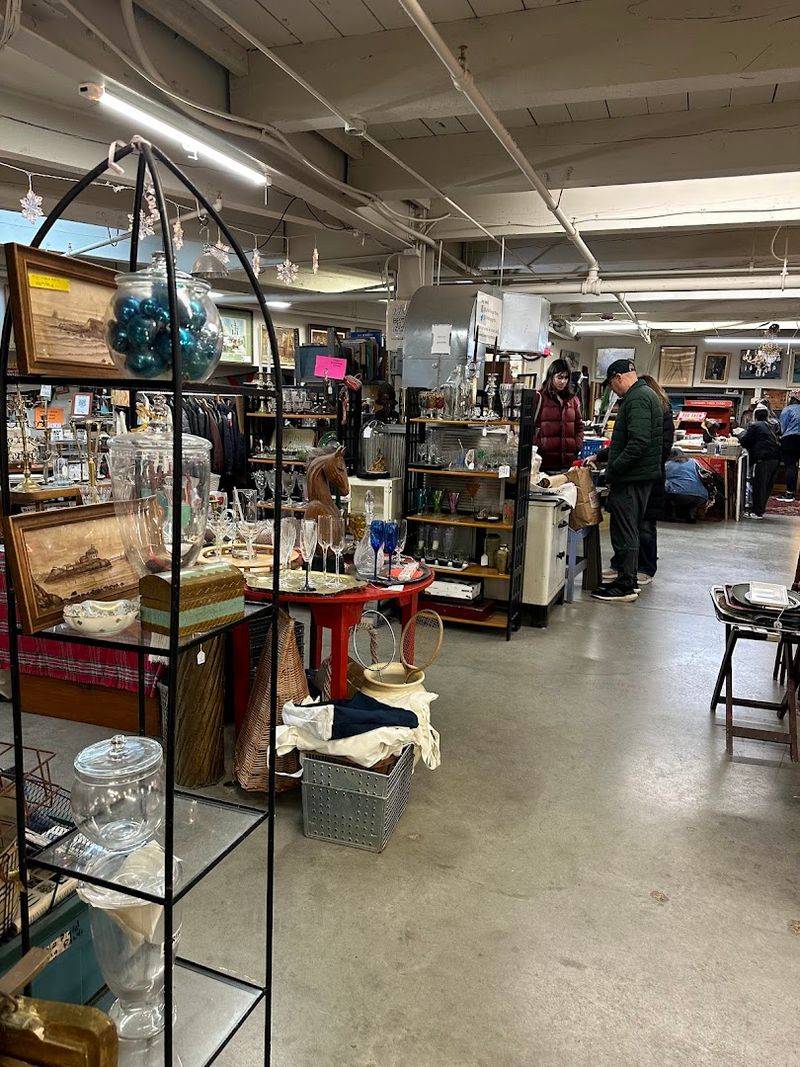
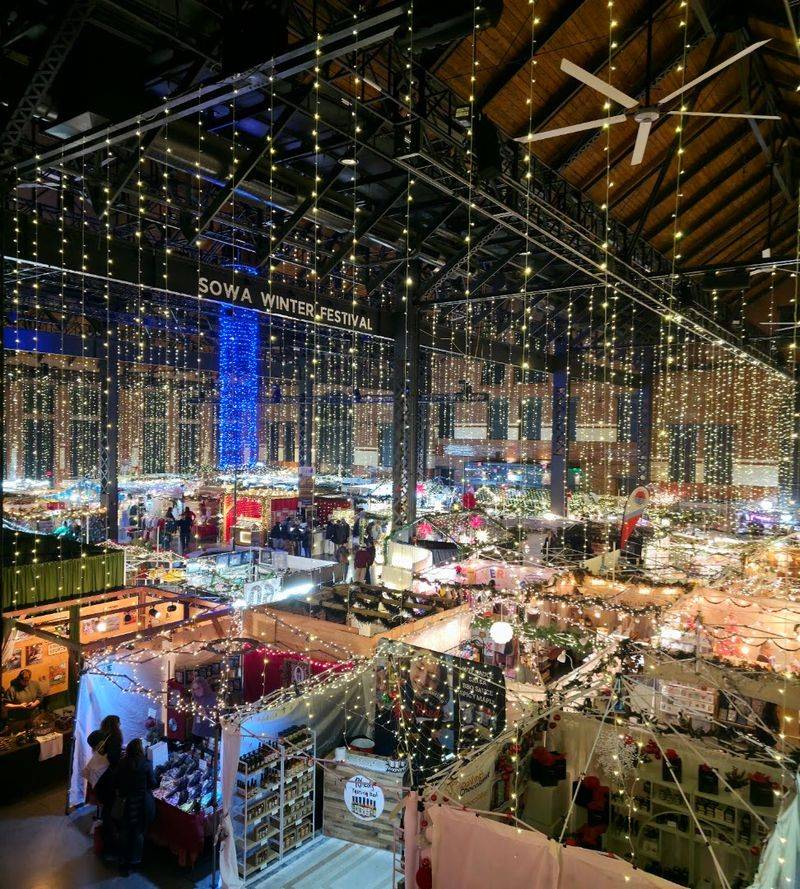
Tucked into the basement of the SoWa building at 500 Harrison Ave is one of Boston’s best-kept weekend secrets: the SoWa Vintage Market. Unlike the outdoor open market, the Vintage Market runs year-round, which means it is open even on cold November Sundays when the outdoor vendors have packed up for the season.
About 20 or so vendors set up inside the basement space, offering a wide and eclectic mix of antiques, vintage clothing, collectibles, secondhand finds, and items that genuinely defy easy categorization. The selection leans toward the unusual, with pieces spanning multiple eras and styles.
Dogs and children are both welcome in the Vintage Market, which makes it an easy add-on for families browsing the outdoor market. Shoppers have turned up everything from vintage jewelry to furniture pieces in this underground space, and the thrill of not knowing what you will find is a big part of its appeal.
The basement rewards patience and a curious eye.
Artist Studios Worth Exploring on Open Studio Days
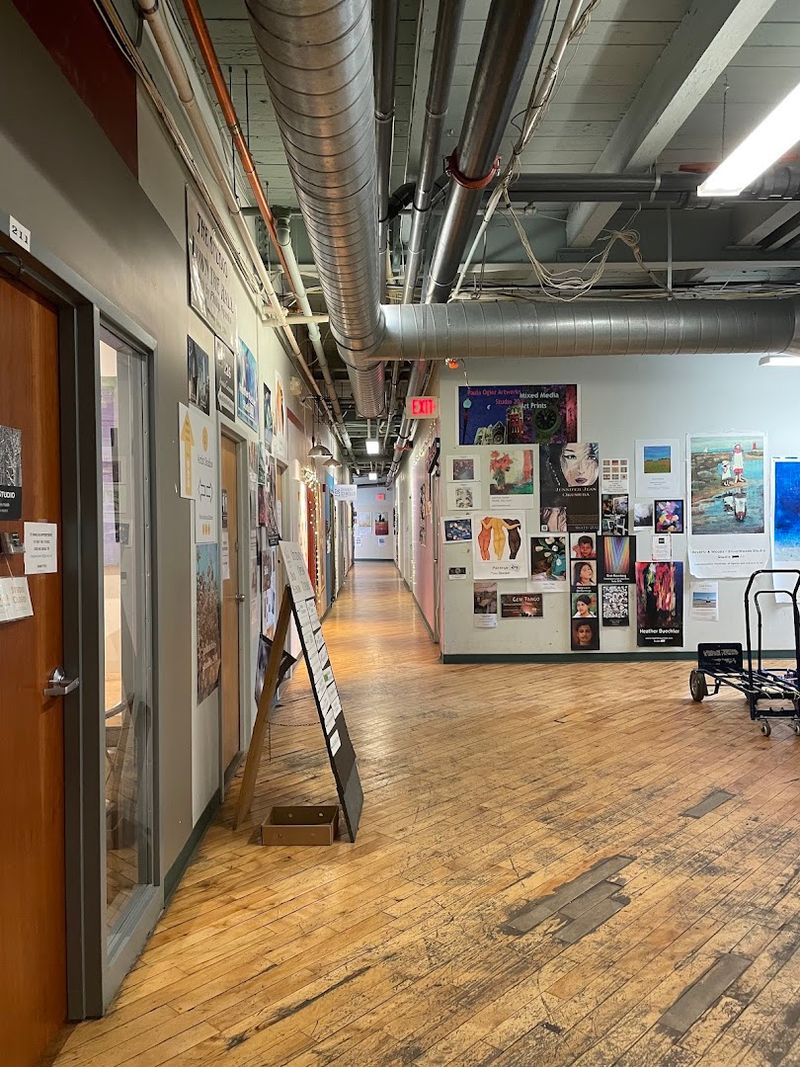
The SoWa building at 500 Harrison Ave houses more than just the market and the vintage dealers. The upper floors contain independent artist studios where painters, sculptors, and other working artists maintain their creative spaces and, on designated Open Studio Sundays, open their doors to the public.
Open Studio events give visitors direct access to the artists themselves, creating an opportunity to ask about the work, watch the creative process, and purchase pieces directly from the people who made them. That kind of access is genuinely rare in a major city like Boston.
The quality of work found in these studios is consistently impressive, covering a broad range of styles and mediums. Not every studio participates every week, so the number of open doors can vary from one Sunday to the next.
Still, even a partial Open Studio day in the SoWa building tends to be worth the trip on its own, separate from whatever is happening in the outdoor market below. The artwork speaks for itself.
Navigating the Crowds Without Losing Your Mind
The SoWa Open Market gets busy, and there is no polite way to soften that reality. Sunday afternoons during peak season, especially in July and August, draw large crowds that fill the vendor lanes and make browsing feel more like a slow shuffle than a leisurely stroll.
Arriving closer to the 11 AM opening time is the most reliable strategy for beating the thickest part of the crowd. Later arrivals, around 2 PM or 3 PM, will still find a lively market but with noticeably more foot traffic competing for the same space.
Weekdays are not an option since the market runs on Sundays only, so working with the crowd is part of the experience. The good news is that the market’s layout is open enough that even on a packed Sunday, it rarely feels impossible to move through.
A little patience goes a long way, and most people find that the energy of a full market crowd actually adds to the atmosphere rather than detracting from it.
What Makes SoWa Different From Other Boston Markets
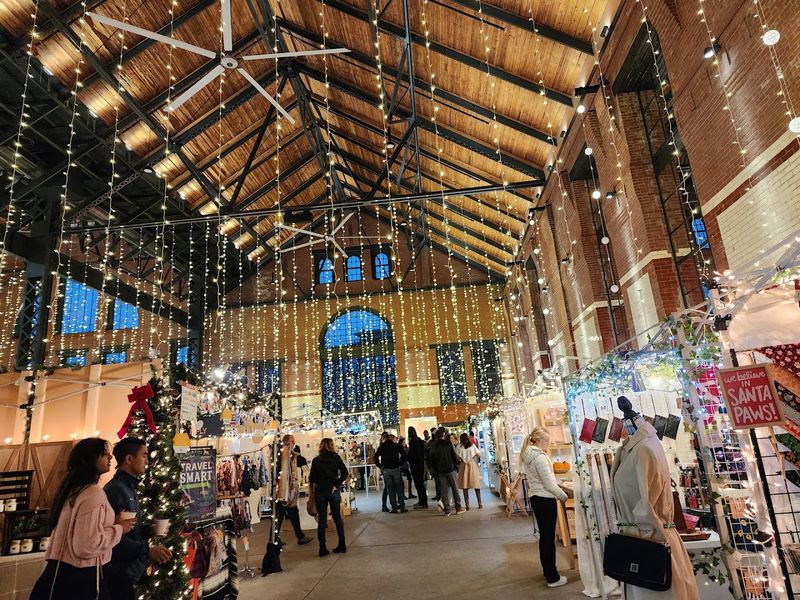
Boston has no shortage of weekend markets during the warmer months, but the SoWa Open Market occupies a specific and well-defined niche that sets it apart from the rest. Most farmers markets in the city focus primarily on produce and packaged food, with a handful of craft vendors mixed in as a secondary attraction.
At SoWa, the balance tips decidedly toward handmade goods, original art, and vintage finds, with fresh produce and food trucks playing a supporting but still meaningful role. That ratio gives the market a character that feels closer to an arts fair than a traditional farmers market, even though it functions as both simultaneously.
The integration of the Vintage Market, the artist studios, and the outdoor vendor space into a single destination is also unusual. Most markets are one thing or another, but SoWa manages to be several things at once without losing focus.
That combination is difficult to replicate, and it explains why the market has maintained its reputation over many years in a competitive city.
Tips for First-Time Visitors
A few practical notes can make the difference between a frustrating first visit and one worth repeating. The market runs Sundays only from 11 AM to 5 PM, and only from May through October, so checking the schedule before heading out is essential.
Showing up on a Saturday or outside the season will result in an empty lot and a long drive for nothing.
Cash is helpful to have on hand since not every vendor accepts card payments, though many do. Bringing a reusable bag makes carrying purchases much easier, especially if baked goods or fresh produce end up in the haul.
Wearing comfortable walking shoes is a practical choice since the market involves a fair amount of standing and moving between stalls. Budget a solid hour to ninety minutes for a thorough browse of the outdoor market, and add extra time if the Vintage Market or artist studios are also on the agenda.
A well-planned visit to SoWa tends to be one of Boston’s most satisfying Sunday outings.
Why SoWa Keeps Drawing People Back Season After Season
Markets rise and fall in popularity, but the SoWa Open Market has sustained genuine enthusiasm across many seasons, and the reasons for that staying power are not hard to identify. The rotating vendor lineup means the market never feels completely identical from one week to the next, which gives regulars a reason to return rather than assuming they have already seen everything.
The combination of shopping, eating, and browsing art in a single location also removes the need to plan multiple stops across the city on a Sunday. Everything that makes for a satisfying weekend outing is concentrated into one walkable block in the South End.
Beyond the practical convenience, the market has a community character that larger commercial events tend to lack. The vendors are mostly local, the artists are often present and approachable, and the overall pace feels unhurried.
That mix of accessibility, creativity, and local authenticity is exactly what keeps Boston residents and curious out-of-towners circling back to Harrison Avenue every Sunday through the season.
Where the Market Lives: Address and Setting
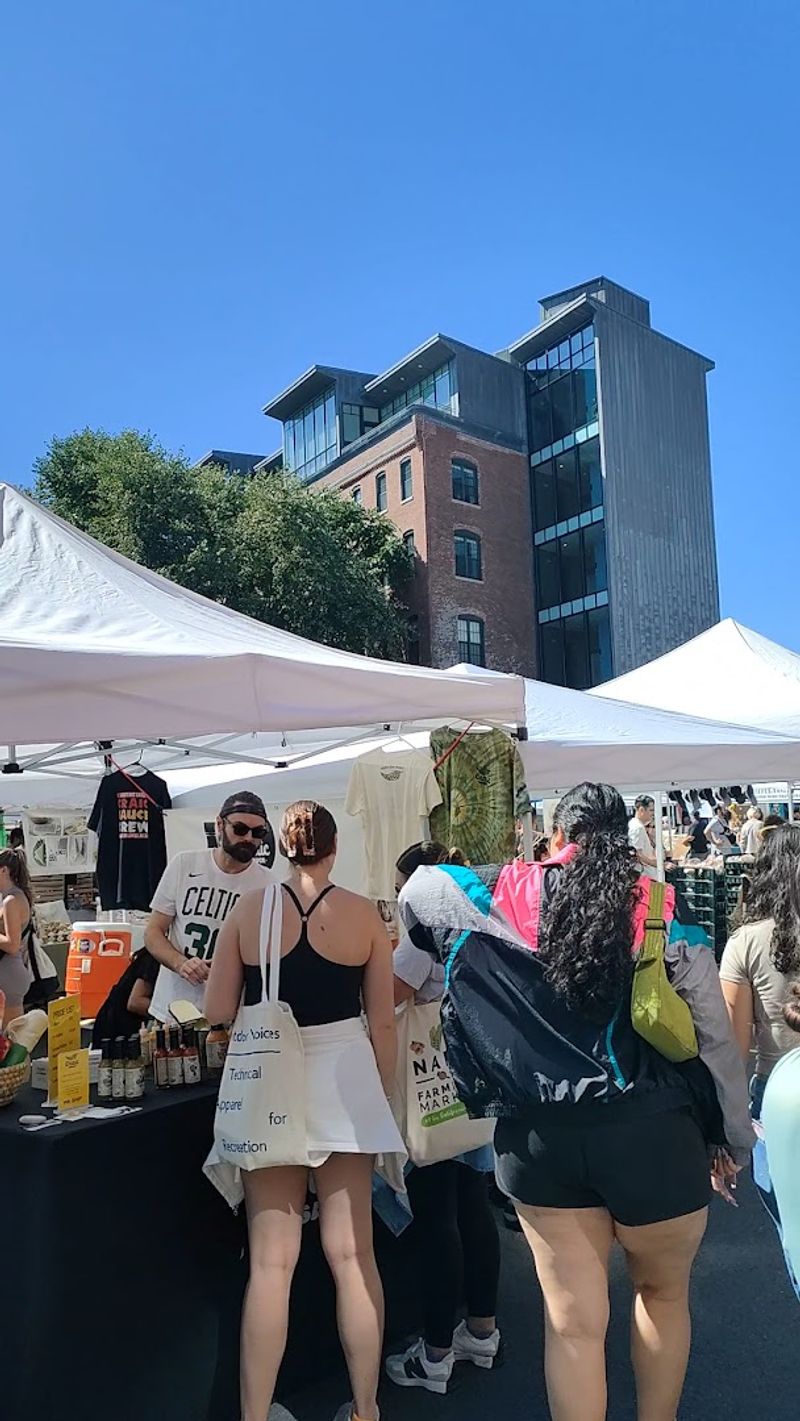
The SoWa Open Market is set at 500 Harrison Ave, Boston, MA 02118, right in the heart of the South End neighborhood. The address sits within the SoWa Art and Design District, a creative hub that has transformed this stretch of Harrison Avenue into one of Boston’s most culturally rich corridors.
The market runs every Sunday from 11 AM to 5 PM, strictly from May through October, so timing your visit matters. The outdoor setup spreads across a large lot, with rows of vendor tents lining the space in an organized but lively fashion.
The surrounding area adds to the appeal, with artist studios, galleries, and the SoWa Vintage Market all within easy walking distance of the main outdoor space. First-time visitors often find themselves spending far more time in this neighborhood than they originally planned, which is a very good sign for any destination.
Share this story