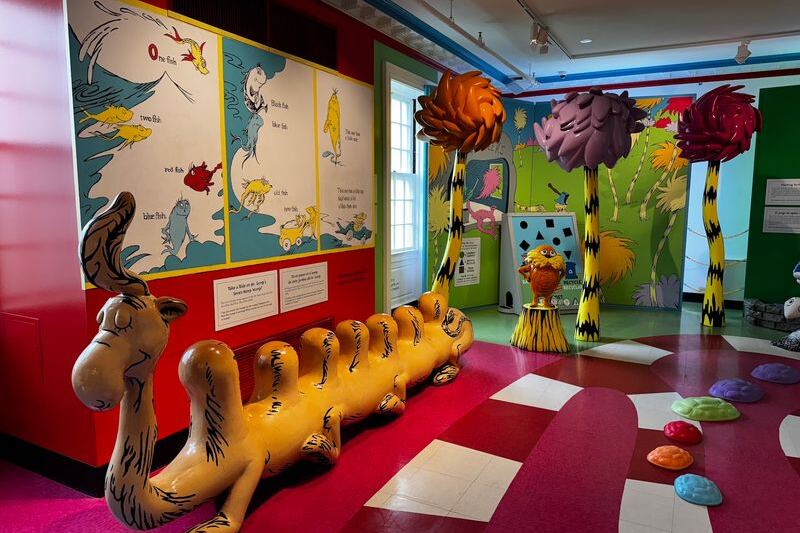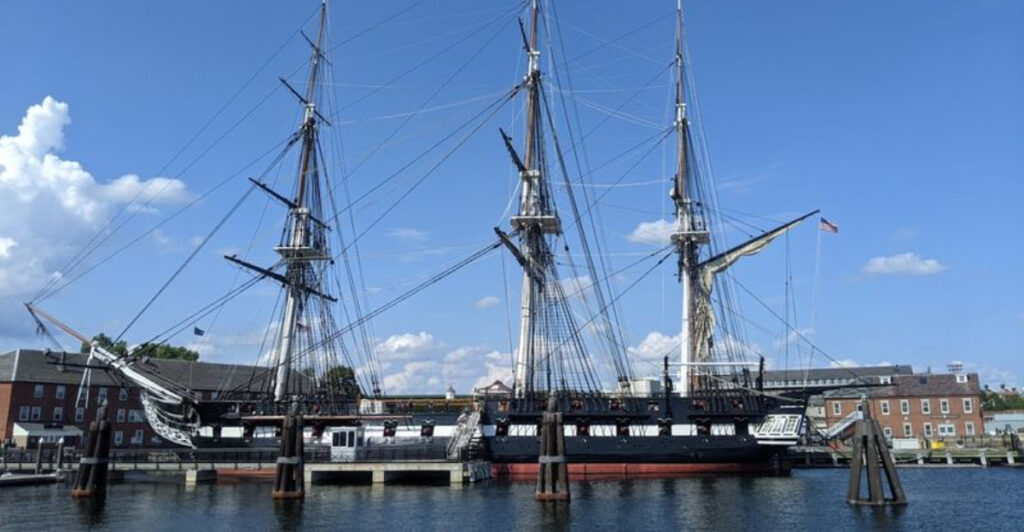
There is a place in Boston where kids can haul on ropes, feel the weight of a cannonball, and get a real sense of what it meant to live and fight at sea more than two hundred years ago. History does not sit behind glass here.
It meets you at the door, invites you to grab a line, and asks you to pull. The USS Constitution Museum sits right next to the oldest commissioned warship still afloat in the world, and together they deliver one of the most hands-on history experiences you will find anywhere in New England.
Whether you are a lifelong history fan or someone who just wandered in from the Freedom Trail, this museum has a way of making the past feel genuinely alive.
The Ship That Refused To Sink
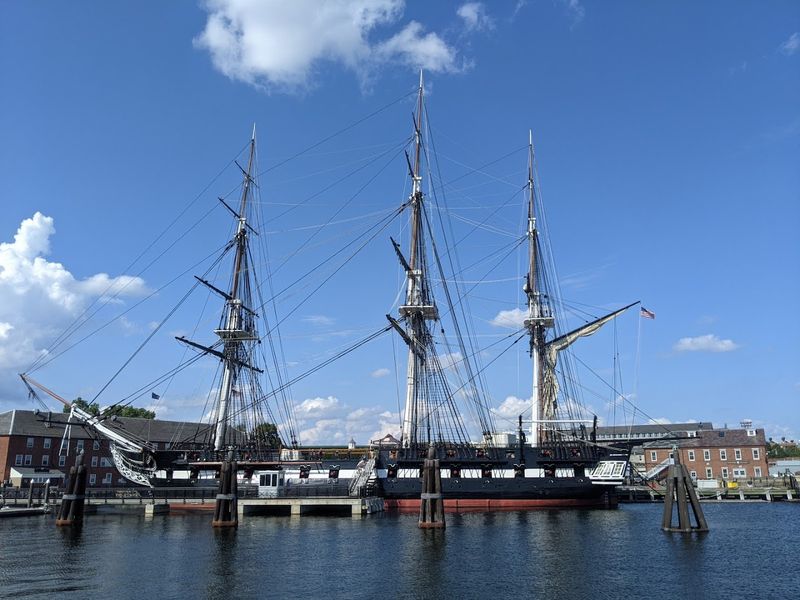
Old Ironsides earned her nickname during the War of 1812 when British cannonballs reportedly bounced right off her thick oak hull during a battle with HMS Guerriere. Sailors watching from the deck supposedly shouted that the ship’s sides were made of iron, and the name stuck across two centuries.
The museum digs deep into exactly why that hull was so tough. The Constitution was built with live oak from Georgia and white oak from New England, layered in ways that made her hull up to 21 inches thick in some sections.
That was not an accident. It was careful engineering from a young nation determined to protect its trade routes and sovereignty at sea.
Exhibits walk you through the battles she fought and won, the strategy behind each engagement, and what those victories meant for American confidence as a new country finding its footing on the world stage. The storytelling here is sharp and specific.
Hands On The Ropes, Literally
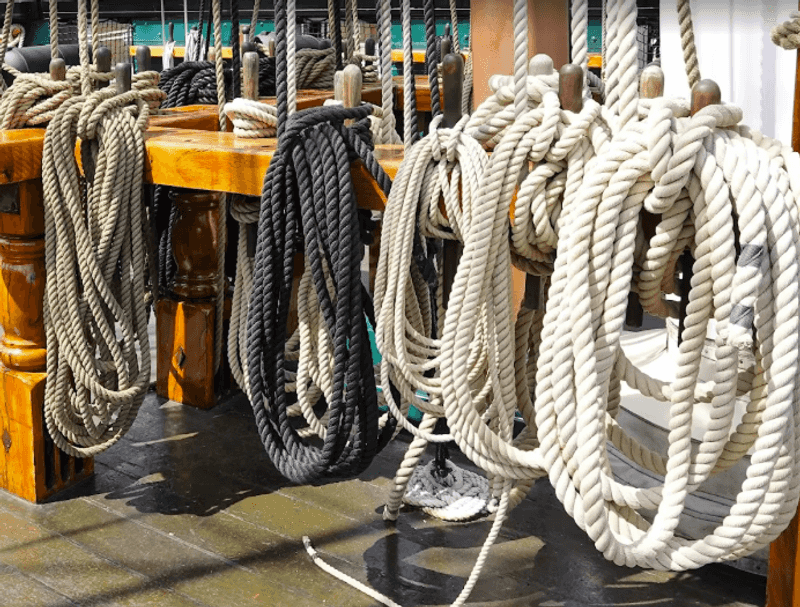
One of the most talked-about features of this museum is how much you are actually allowed to touch and do. Furling sails is not just a phrase here.
There is a hands-on rigging exhibit where visitors can pull on lines and feel the resistance of hoisting heavy canvas, giving a physical sense of the effort required from a crew of 450 sailors every single day at sea.
Kids tend to go straight for this section and stay there longer than anyone expects. There is something about pulling a real rope attached to a real mechanism that makes the lesson stick in a way that reading a plaque never quite does.
Other interactive stations let you handle replica cannonballs, feel the density difference between the wood types used in the ship’s construction, and explore what the daily rhythm of life aboard a warship actually looked like. The museum earns its reputation as genuinely family-friendly through these specific, physical experiences.
Firing A Cannon Is More Complicated Than It Looks
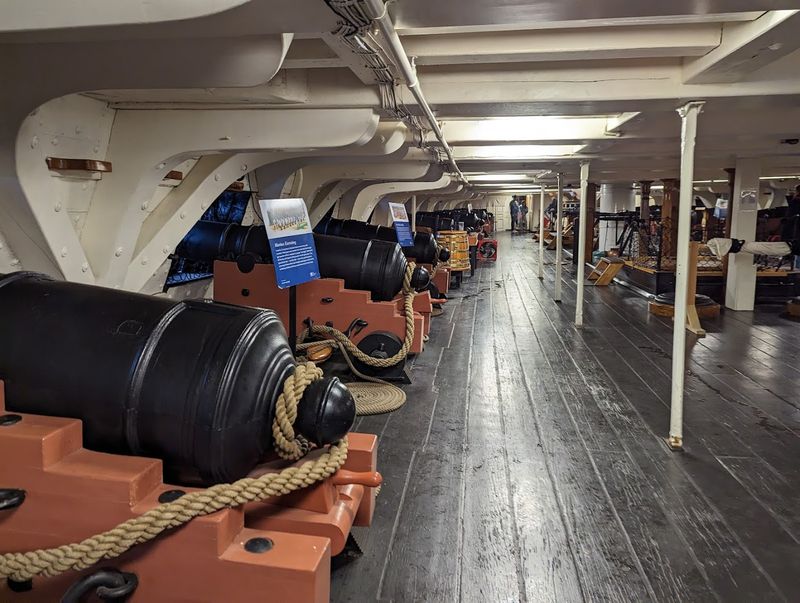
The cannon experience at the museum is one of those moments that surprises adults just as much as it surprises kids. A hands-on exhibit lets you go through the actual steps of loading and firing a cannon the way a 19th-century gunner would have done it in battle.
The sequence is longer and more physical than most people expect.
There is measuring the powder charge, ramming the cartridge, loading the ball, running the gun out, and finally firing. Each step had a specific crew member assigned to it aboard the real ship, and the exhibit makes that division of labor clear in a way that reframes how you think about naval combat entirely.
The Constitution carried 44 guns and could fire a broadside that sent hundreds of pounds of iron flying in seconds. Standing at the replica station and working through those steps yourself gives you a genuine appreciation for the training, discipline, and coordination that made those crews so effective under fire.
Life Below Deck Was Not Comfortable
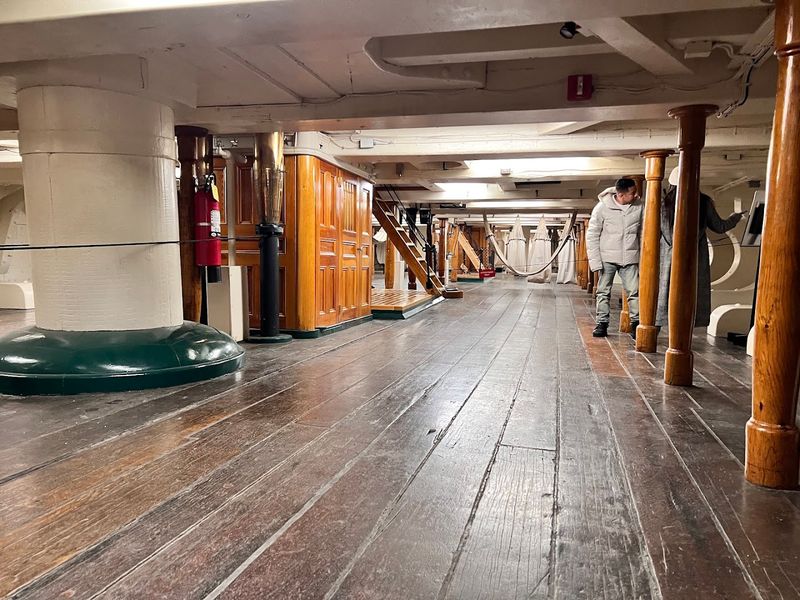
The museum does not romanticize life aboard a warship. A replicated below-deck sleeping quarters exhibit shows exactly how 450 men shared a space that would feel cramped with 50.
Hammocks were slung 14 inches apart, which is not a typo. Each sailor had 14 inches of width to sleep in, every single night, for months at a stretch.
Beyond the sleeping arrangements, the exhibits cover food, which was mostly salted meat and hardtack biscuits, fresh water rationing, the ship’s medical practices, and the strict daily schedule that governed every waking hour. The contrast between the bright open gun deck and the dark, low-ceilinged quarters below is something visitors consistently notice when they tour the actual ship afterward.
Personal stories of real sailors are woven throughout this section, drawn from historical records and ships logs. Those individual accounts give the statistics a human face and make the experience feel less like a history lesson and more like meeting someone from another century.
The Free Film That Changes How You See The Ship
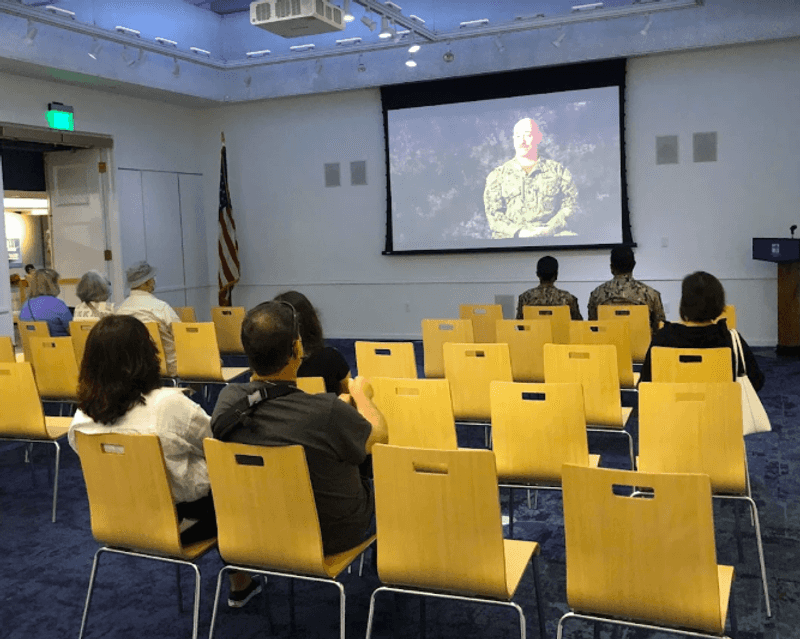
Before you set foot on the actual ship, the museum offers a free film that covers the Constitution’s history, her battles, her repairs, and her ongoing restoration. Several visitors have noted that 45 minutes inside this museum taught them more about Old Ironsides than years of school history classes ever managed.
The film includes footage from restoration work, which is genuinely fascinating on its own. The Constitution has been continuously maintained and periodically restored since her launch in 1797, and watching craftspeople work on 200-year-old timber using traditional methods is the kind of thing that holds attention across every age group.
The production quality is solid and the pacing moves quickly enough to keep younger visitors engaged. It is worth making this one of your first stops inside the museum rather than saving it for the end, because the context it provides makes every exhibit afterward land with more weight and meaning.
A Crew Of 450 And Every One Of Them Had A Story
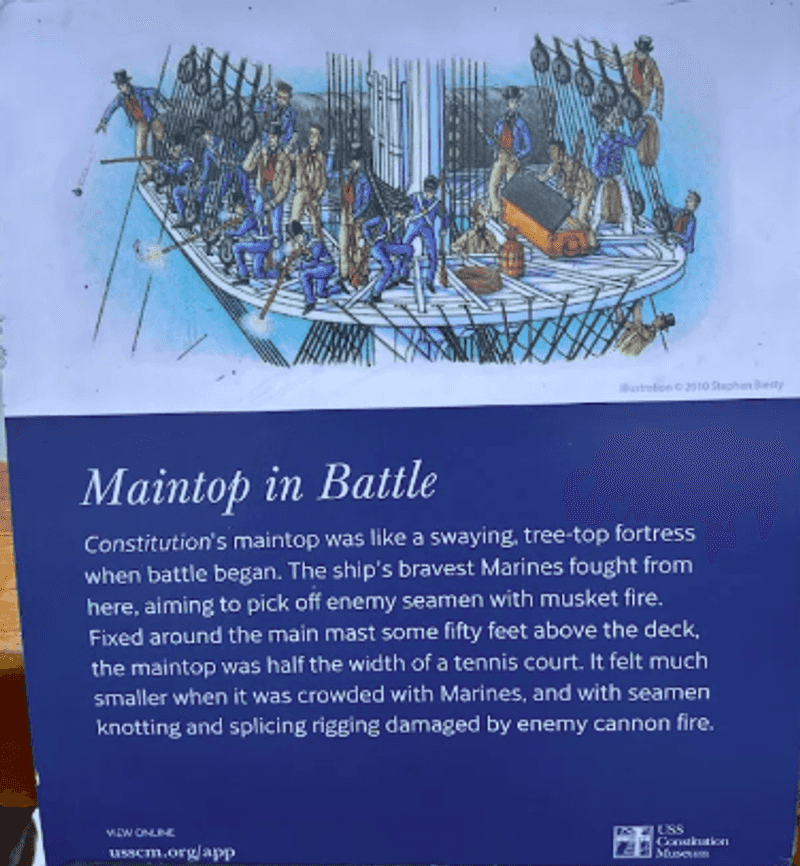
One of the quieter but more absorbing sections of the museum focuses on who actually sailed aboard the Constitution. The crew was not a uniform group of career naval officers.
It included free Black sailors, immigrants, teenagers, men who had never seen the ocean before enlisting, and experienced merchant mariners who knew exactly what they were getting into.
Exhibits explore how sailors were recruited, what motivated them, what they were paid, and how they moved through the rigid hierarchy of a Navy warship. Small personal details are highlighted throughout, like what men kept in their sea chests, what they wrote in letters home, and how they spent the rare hours when they were not on duty.
The museum pulls from actual ship records and historical archives to build these portraits. The result is a section of the museum that rewards slow readers who stop and actually engage with the text rather than just scanning the headers and moving on.
The Navy Yard Has Its Own History Worth Exploring
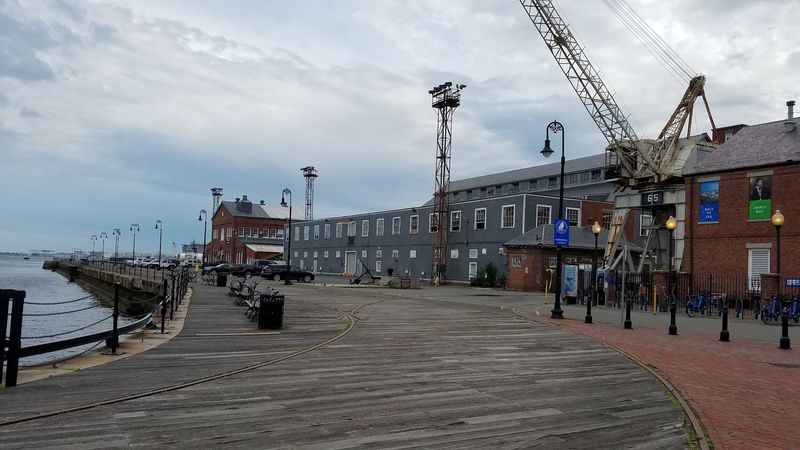
The Charlestown Navy Yard surrounding the museum is not just a backdrop. It operated as an active naval shipyard from 1800 to 1974, and the grounds themselves are layered with history that extends well beyond the Constitution’s story.
Dry docks, rope-making facilities, and industrial buildings from multiple eras of American naval history are spread across the yard.
One visitor who served aboard the Constitution 60 years ago as part of the Navy’s honor guard described a return visit as deeply moving, noting how much the site had been preserved and honored since his time there. That kind of personal history is not unusual at this location.
The Navy Yard has touched generations of American service members and their families.
Walking the yard between the museum and the ship gives you a sense of the industrial scale required to build, repair, and supply a fighting fleet. The dry dock alone, which dates to the 1830s, is worth pausing at for several minutes.
Admission Works On A Pay What You Can Model
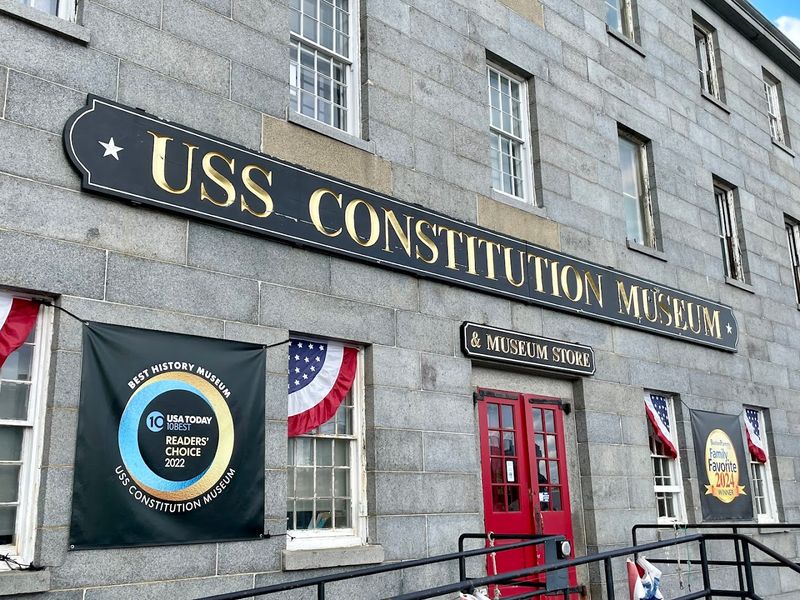
The museum runs on a Pay What You Can admission model, which is genuinely unusual for a museum of this quality and size. There is no hard ticket price at the door.
Visitors are invited to contribute what feels right for their situation, and nobody is turned away for contributing less than someone else might.
The actual ship tour, which is run by the United States Navy and staffed by active-duty sailors, is completely free. Guided tours depart approximately every 30 minutes when the ship is open to visitors, and the sailor guides are consistently described as knowledgeable, patient, and genuinely enthusiastic about sharing the ship’s story.
Parking in the area can be competitive, especially in peak summer months. Several visitors recommend parking a few blocks away and walking in, which also lets you take in the neighborhood and approach the Navy Yard the way many historical visitors would have arrived, on foot from the city.
The Gift Shop Rewards The Curious And Tests The Budget
The museum gift shop is large, well-stocked, and dangerously interesting if you came in with a budget in mind. It carries books on naval history, replica items, clothing, model ships, postcards, magnets, and an assortment of Old Ironsides-themed souvenirs that range from modest to genuinely impressive in scope and price.
Postcards and small magnets are the practical choice for families trying to bring something home without breaking the bank. The more detailed scale models and historical reproduction items are aimed at serious collectors and history enthusiasts who know exactly what they want and are prepared to spend for it.
The shop also serves as a stamp location for National Park Service Passport holders. The cancellation stamp for the Boston National Historical Park is available near the main information desk, which makes this a useful stop even for visitors who only have 20 or 30 minutes and cannot commit to the full museum experience on a given day.
Where Old Ironsides Tells Her Own Story
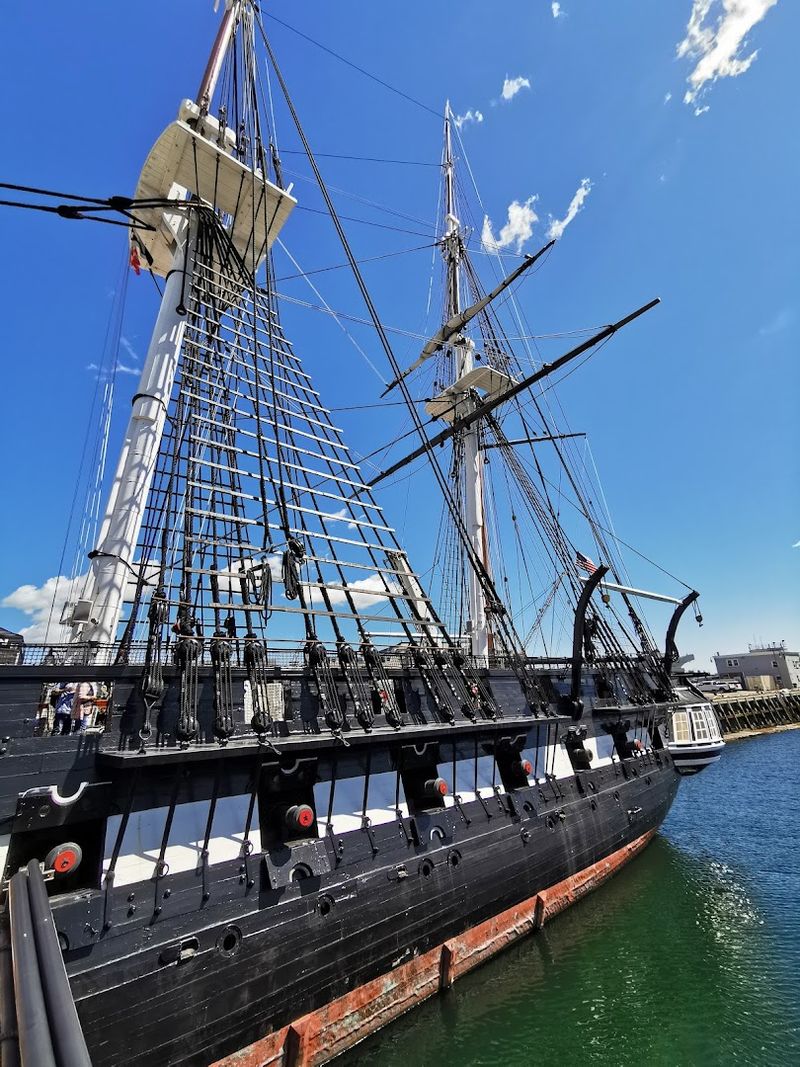
The USS Constitution Museum is located at Building 22, Charlestown Navy Yard, Charlestown, MA 02129, right inside the historic Boston National Historical Park. You can reach them at (617) 426-1812 or visit ussconstitutionmuseum.org for hours and admission details.
The museum sits just steps from the USS Constitution herself, the 1797 wooden frigate nicknamed Old Ironsides that earned her fame during the War of 1812. That proximity matters.
You can walk out of the museum and straight onto the deck of the ship, which makes the whole experience feel connected rather than separate.
The building itself is a converted 19th-century structure inside the Charlestown Navy Yard, a working piece of American naval history on its own. Hours run 9 AM to 6 PM daily, and admission operates on a Pay What You Can model, making it genuinely accessible for families on any budget.
Share this story