 Unearth The Voyage

Some restaurants hand you lunch, and some hand you a story that starts long before you sit down. I found one in Jackson where the counter, the sauce, and the rhythm of the room seem to carry a century of muscle memory, and the real surprise is how much local identity can fit inside a humble coney dog.
Before I tell you where it is, I can promise this much: you are about to meet a place tied to Michigan history, a distinct regional style, and a dining room that still feels charmingly lived in rather than polished for show. Keep reading and I will take you through the old-school interior, the signature meat sauce that sets this spot apart, the practical details that make a visit easier, and the small moments that explain why people keep coming back for breakfast, fries, and one more dog than they planned to order.
The Address That Starts the Story

The mystery ends at 615 E Michigan Ave, Jackson, MI 49201, where I found Jackson Coney Island still doing what it has done for generations in Jackson, Michigan. That full address matters because this is not some polished re-creation of an old diner mood.
It is the real thing, planted right where local life keeps moving past the windows.
I liked that the place feels connected to downtown rather than isolated from it. The street outside gives the meal context, and once I stepped in, the century-old reputation stopped feeling like trivia and started feeling tangible.
You can sense that people have built routines around this restaurant for a very long time.
For a traveler, that makes the visit more satisfying than simply checking off a famous food stop. I came for the coney dog, sure, but the first payoff was realizing the setting itself tells part of the story.
The next surprise sits right in the timeline, and it makes this address taste even more meaningful.
A Counter With More Than a Century of Practice
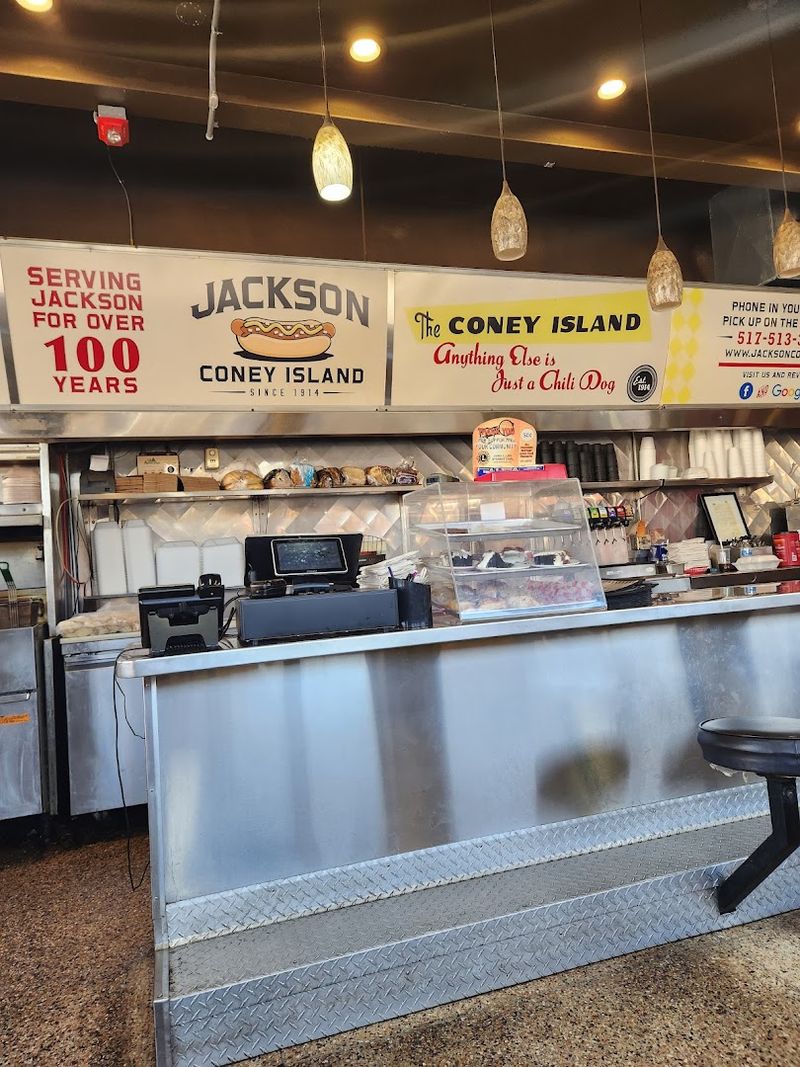
The number that defines this place is 1914, the year Jackson Coney Island began serving the spicy coney dogs that made it famous. That date is not tossed around as decoration.
It shapes the entire visit, because every plate arrives with the quiet confidence of a place that has had a very long time to figure out what belongs on it.
I always pay attention when a restaurant claims history, because sometimes the room feels newer than the slogan. Here, the age shows up in a better way.
The counter feels worn smooth by use, the fixtures carry genuine patina, and the space gives off the kind of comfort that only repetition can build.
Michigan has no shortage of coney loyalties, so saying one shop has lasted this long means something. Longevity alone does not guarantee a memorable meal, but it does create a sense of continuity that you can feel before the first bite lands.
Then the regional style takes over, and that is where things get deliciously specific.
Why the Jackson-Style Dog Tastes Different
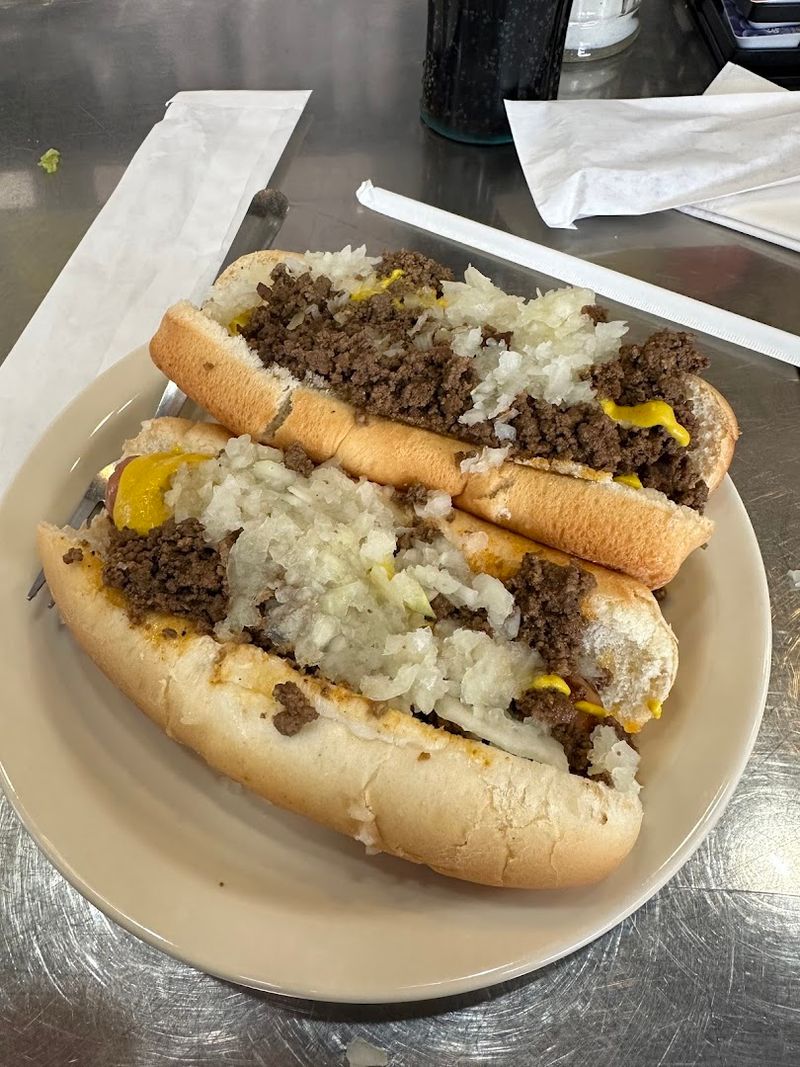
Here is the detail that hooked me most: the coney dog served here is not just old, it is distinctly Jackson-style. That means a thicker, spicier meat sauce that clings to the hot dog instead of sliding around like an afterthought.
One bite made the point immediately, because the sauce stays present from first chew to last.
I appreciate regional food best when the difference is easy to taste and not just something people argue about online. This version carries more intensity and more meat-forward character than the styles many visitors expect.
It feels direct, a little messy in the best way, and fully committed to its own lane.
You do not come here for a generic chili dog with a history lesson on the side. You come to taste a local tradition that still knows exactly what it is.
I left that first coney understanding why people in Jackson talk about the style itself, and not only the restaurant that serves it. The room around that plate deepens the effect even more.
The Kind of Nostalgia You Can Actually Sit In

Some restaurants chase nostalgia so hard that the experience feels staged, like the dining room dressed up for a school play. Jackson Coney Island does not have that problem.
Its charm comes from original fixtures, a counter shaped by years of elbows and plates, and a layout that feels practical first and photogenic second.
I noticed that the atmosphere lands best when I stop expecting perfection and start appreciating continuity. The space is compact, familiar, and easy to settle into.
Instead of a museum version of the past, I got a working diner that still seems comfortable in its own skin, which is much more appealing.
That authenticity changes the meal because the surroundings never compete with the food. They support it, giving each order a setting that feels earned rather than invented.
I could imagine breakfast regulars, quick lunches, and returning families fitting into the same room without effort. Once that mood clicks, the menu starts looking bigger than the headline item, and that is worth talking about next.
More Than a One-Dog Stop

A place famous for one signature item can sometimes make the rest of the menu feel like filler, but that is not the impression I got here. People talk plenty about the coneys, and for good reason, yet the menu stretches into breakfast, fries, and comfort-food sides that keep the place useful beyond a quick novelty stop.
That wider range gives the restaurant everyday staying power.
I liked seeing how naturally breakfast belongs in the conversation. Several regulars seem to treat this as a dependable morning choice, and that matters because a historic diner should feel lived with, not reserved only for first-timers hunting a headline.
The menu supports repeat visits, which keeps the room active in a very local way.
Not every item attracts the same enthusiasm, and portion opinions clearly vary, so I would visit with a simple plan and let the classics lead. That approach suits the personality of the place anyway.
Keep the order grounded, enjoy the setting, and the experience starts to make more sense. Timing, as it turns out, can shape that experience too.
When to Go for the Smoothest Visit
Hours may not sound romantic, but they matter when a restaurant closes earlier than the late-night legend in your imagination. Jackson Coney Island is open daily, with hours typically running from 8:30 AM and closing around 8 PM most weekdays, later on Friday and Saturday, and earlier on Sunday.
I always check before going because a good plan tastes better than a locked door.
What also stood out to me was how much timing can influence the vibe. Some visitors clearly prefer daytime visits, when service and pacing feel more settled for them.
That does not make the place mysterious, only human, and I think it is smart to visit when the room feels fully in rhythm.
For travelers, the practical takeaway is easy: treat this as a daytime or early evening stop, not an afterthought. Give yourself a little room in the schedule, and the visit becomes more relaxed.
That small adjustment lets the historic character breathe instead of feeling rushed. Once you have the timing right, the question becomes how this spot fits into Jackson itself.
Downtown Energy in a Compact Package

What I enjoyed most outside the front door was how naturally this restaurant belongs to its block. Jackson Coney Island does not feel detached from the city around it.
It sits in downtown Jackson with the kind of presence that makes a meal feel tied to errands, train arrivals, local routines, and everyday life rather than a staged destination bubble.
That connection matters because classic diners work best when they serve both visitors and people who know exactly where the napkins are. I could feel that blend here.
There is enough reputation to pull in curious travelers, but the place still reads as a neighborhood habit, which gives it credibility you cannot fake.
I also liked that the setting keeps expectations grounded. This is not a sprawling roadside complex with giant parking theatrics and souvenir energy.
It is a straightforward, working restaurant in a real Michigan downtown, and that straightforwardness suits the food. The city gives the coney context, and the coney gives the city one of its most recognizable bites.
Next comes the question every hungry visitor should ask first.
What I Would Order First

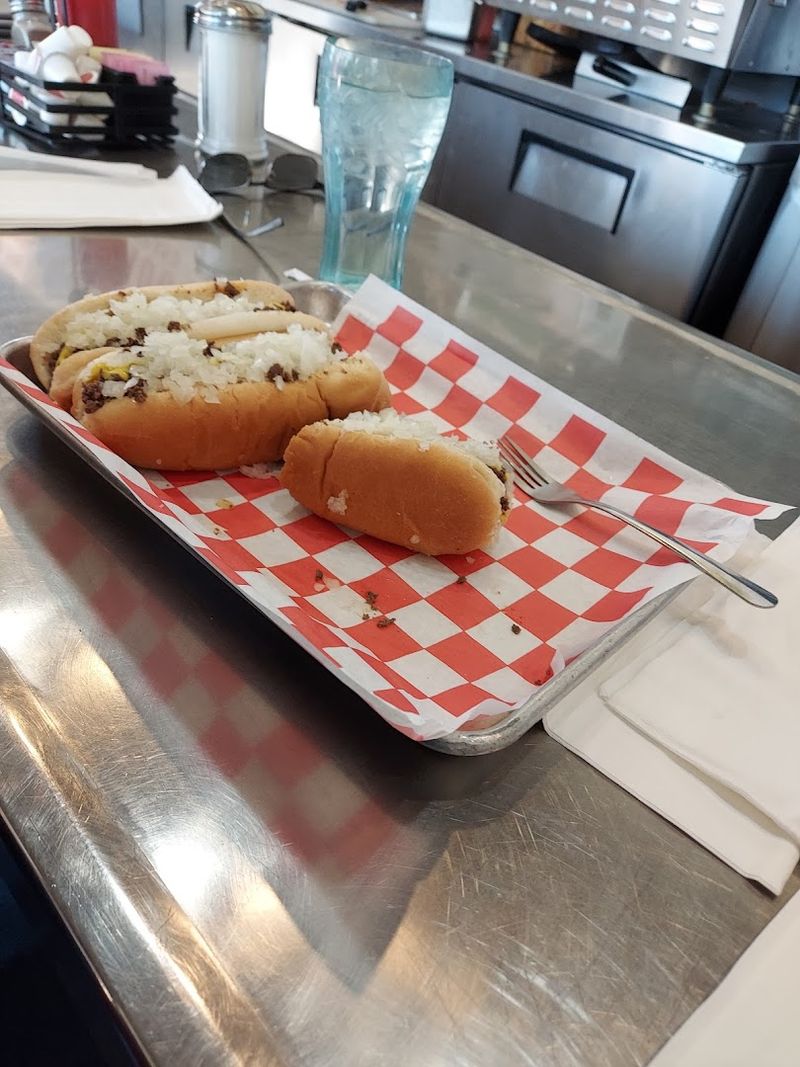
My best advice for a first visit is wonderfully uncomplicated: start with the signature coney dogs and do not overthink it. This restaurant built its identity on that spicy Jackson-style sauce, and that is the point of coming.
I would add fries if you want something familiar on the side, but I would not let a long menu distract you from the main event.
There is a nice honesty to ordering the classic here. You are not trying to unlock a secret combination or prove you are an expert.
You are testing the flavor that has kept this place relevant for more than a century, and that makes the first bite feel like participation rather than consumption. I always appreciate a restaurant that tells you exactly what it wants to be known for.
At the same time, I would keep expectations realistic and stay open to a little variation, because a working diner is still a working diner. When the coneys are on point, the appeal is easy to understand.
The next layer of the experience, though, has less to do with mustard and more to do with memory.
Why Locals Keep It in Their Routine
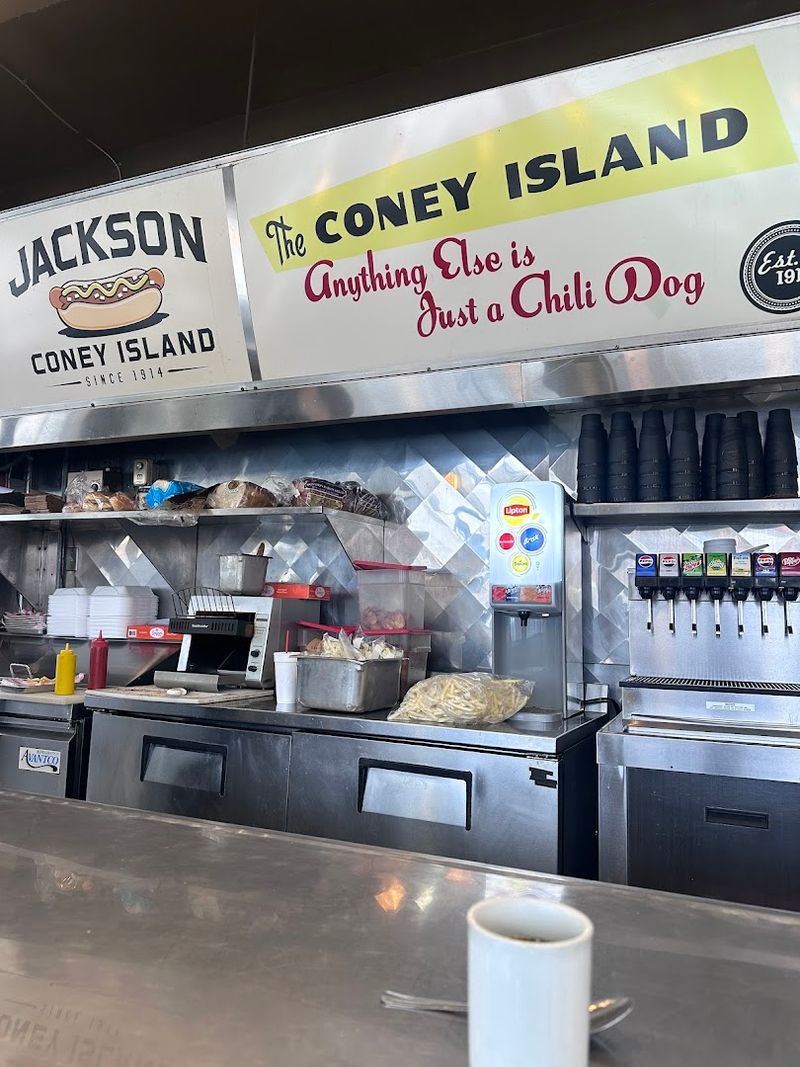
Plenty of famous food stops survive on visitors alone, but Jackson Coney Island feels more rooted than that. The strongest thread running through the place is routine.
People return for breakfast, for a quick lunch, for the familiar taste they remember, and for the simple comfort of a room that has not forgotten its purpose.
I think that repeat-visit energy is what separates a landmark from a prop. The restaurant has a rating that shows broad attention, but the more revealing detail is how often people describe coming back, bringing family, or measuring today against earlier visits.
That tells me the place lives inside personal habits, not just travel lists.
Of course, not every opinion lands on the same note, and that honesty is part of the picture too. Long-running local institutions invite strong feelings because people care about consistency.
I actually find that reassuring, since indifference would be much worse. A place that inspires loyalty and debate is still very much alive, and that makes its cultural role in Michigan even more interesting.
A Small Lesson in Michigan Food Identity

Eating here gave me one of my favorite travel pleasures: learning a region through one very specific dish. Michigan coney culture is not a single uniform thing, and Jackson Coney Island helps prove that.
Its version stands apart through a thicker, spicier sauce, which means the restaurant is not only old, it is also a keeper of a local variation with real personality.
I love places that make regional identity feel edible. You do not need a lecture to notice the difference once the dog hits the table.
The flavor explains the tradition faster than a brochure ever could, and suddenly the argument over styles feels less like trivia and more like geography on a bun, which is my kind of field research.
That is why I would recommend this stop even to people who are as interested in history as lunch. The meal connects culinary heritage, city pride, and daily routine in one very manageable package.
Nothing about it feels inflated. What makes it memorable is how plainly it represents its corner of Michigan, and the visit becomes even better when approached with the right mindset.
How to Visit Without Missing the Point

The smartest way I found to approach Jackson Coney Island is with curiosity, appetite, and a little patience. This is not a sleek trend machine built to deliver identical moments on command.
It is a historic, working diner with a strong local identity, and the best visit happens when you lean into the classics and let the personality of the place do some of the work.
I would keep the order focused, check the current hours, and give yourself enough time to notice the details in the room. That means the worn counter, the old-school feel, and the way the restaurant sits inside downtown Jackson all become part of the meal.
When I slowed down, the experience felt fuller without becoming complicated.
It also helps to remember what you came for. You are here to taste a coney style that has been part of this city since 1914, not to judge it by the standards of a glossy new chain.
That shift in mindset turns the meal into a local encounter instead of a transaction. One final impression sealed that for me.



