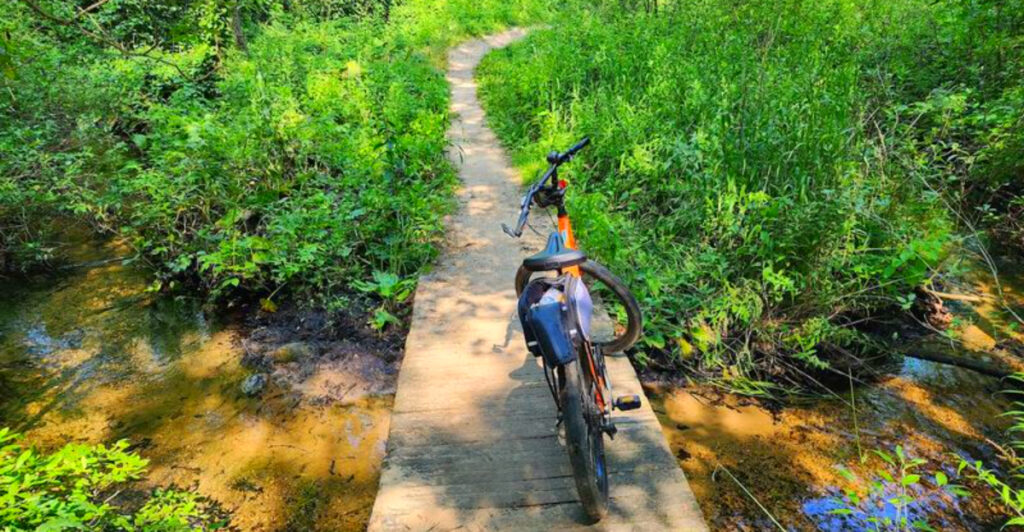
Yankee Springs Mountain Bike Trail has been one of western Michigan’s favorite riding spots for more than 30 years, drawing cyclists who come for the challenge and keep returning for the variety. Located inside the 5,000-acre Yankee Springs Recreation Area near Middleville, the trail quickly shifts from smooth forest sections to roots, rocks, steep climbs, sandy stretches, and fast descents that demand constant attention.
What makes the trail stand out is how complete the experience feels. Riders get technical terrain, serious cardio, and long stretches of dense forest that make it easy to forget how close civilization actually is.
Whether you are training, pushing your skills, or simply looking for a demanding ride in Michigan’s outdoors, this trail has earned its reputation for a reason.
Where the Trail Begins: Location and First Impressions
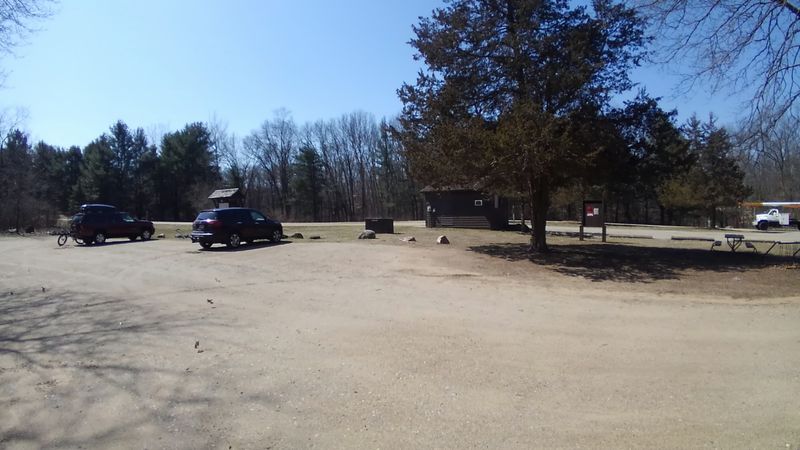
The address is 2526 S Yankee Springs Rd, Middleville, MI 49333, and the moment you pull into the trailhead parking lot, you can already feel the energy of a place that takes its riding seriously. The staging area is clean and practical, with a vault toilet, changing facility, and a clear trail map sign that shows the direction of travel for that specific day of the week.
The trail is directional, meaning the designated riding direction alternates daily between two marked routes. That detail matters more than it sounds, because it changes the character of every climb and descent you encounter.
A hill that rewards you with a fast downhill on one day becomes a lung-burning ascent on another.
The park operates from 6 AM to 9 PM daily, giving riders plenty of daylight hours to plan their visit. The trailhead also connects directly to a two-mile warm-up loop, which is the perfect way to shake the stiffness out of your legs before committing to the full main trail.
The Warm-Up Loop That Actually Warms You Up
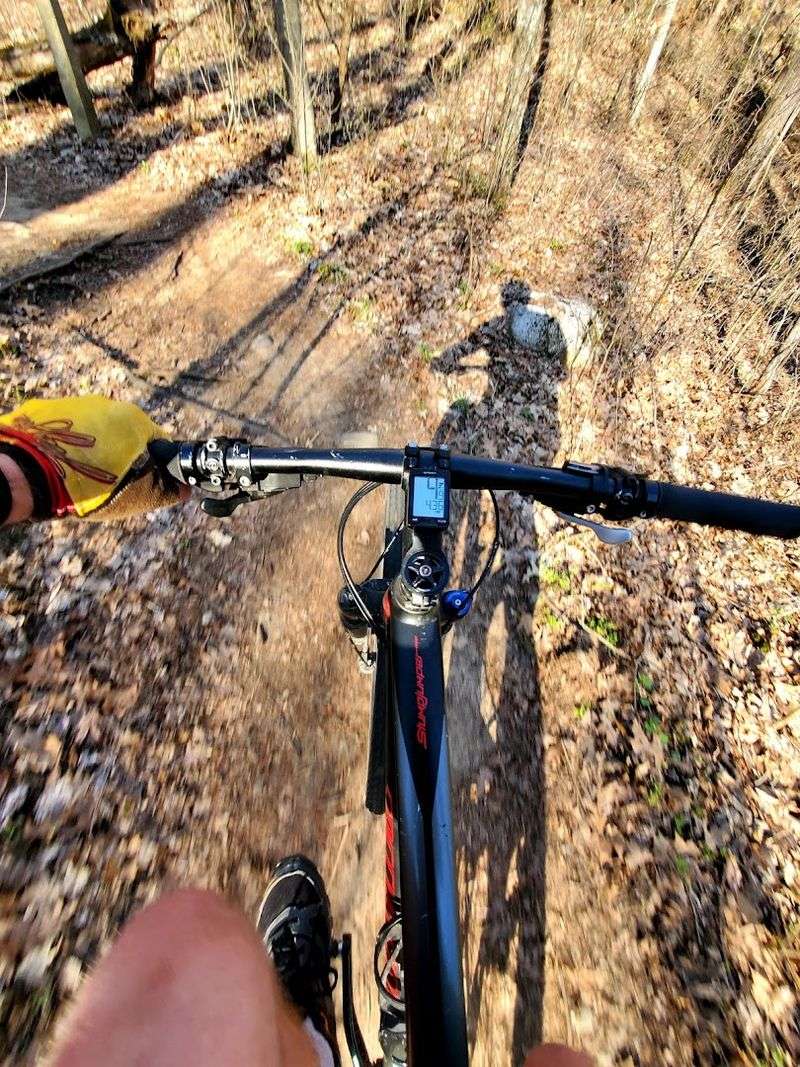
Not every trail system bothers to offer a proper introduction, but this one does, and riders genuinely appreciate it. The two-mile warm-up loop sits right next to the vault toilet at the staging area and is clearly labeled, so there is no guesswork about where to start.
The loop is not a flat, boring spin around a gravel path. It features small rocky hills and a few rooty sections that give newer riders a taste of what the main trail will ask of them.
Experienced riders use it to get their legs moving and test their equipment before committing to the longer route across the camp access road.
Families with younger riders or beginners who are not ready for the full loop often stick to this section and still come away with a satisfying experience. The warm-up loop is short enough to complete in under thirty minutes, but honest enough to let you know exactly how your body and your bike are feeling before the real challenge begins.
The Main Loop and What 13 Miles of Singletrack Actually Feels Like
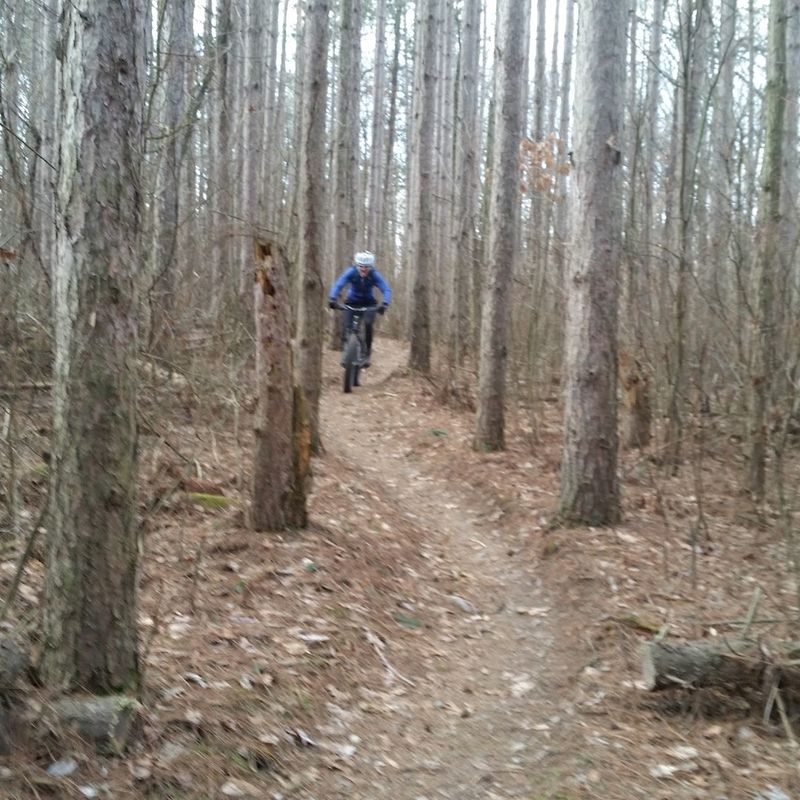
The main loop clocks in at roughly 11 to 13 miles depending on which shortcuts you take, and it covers terrain that shifts constantly between smooth hardpack, loose sand, rocky climbs, and rooty descents. Riders who have been coming here since the 1990s describe the trail as something that has stayed true to its original character, and that consistency is a big part of its appeal.
The trail earns its intermediate-to-advanced rating honestly. There are sustained climbs that genuinely test your cardiovascular system, followed by fast descents that reward your effort if you know how to carry speed through loose conditions.
A few sections feature tight switchbacks and steep drops that will humble even confident riders.
The big loop typically takes between two and three hours to complete, depending on fitness level and how much time you spend walking the genuinely tricky bits. Packing water and snacks is strongly recommended, and emergency access points exist along the route in case of a serious mechanical issue or unexpected need to exit early.
Devil’s Soup Bowl: The Section Everyone Talks About
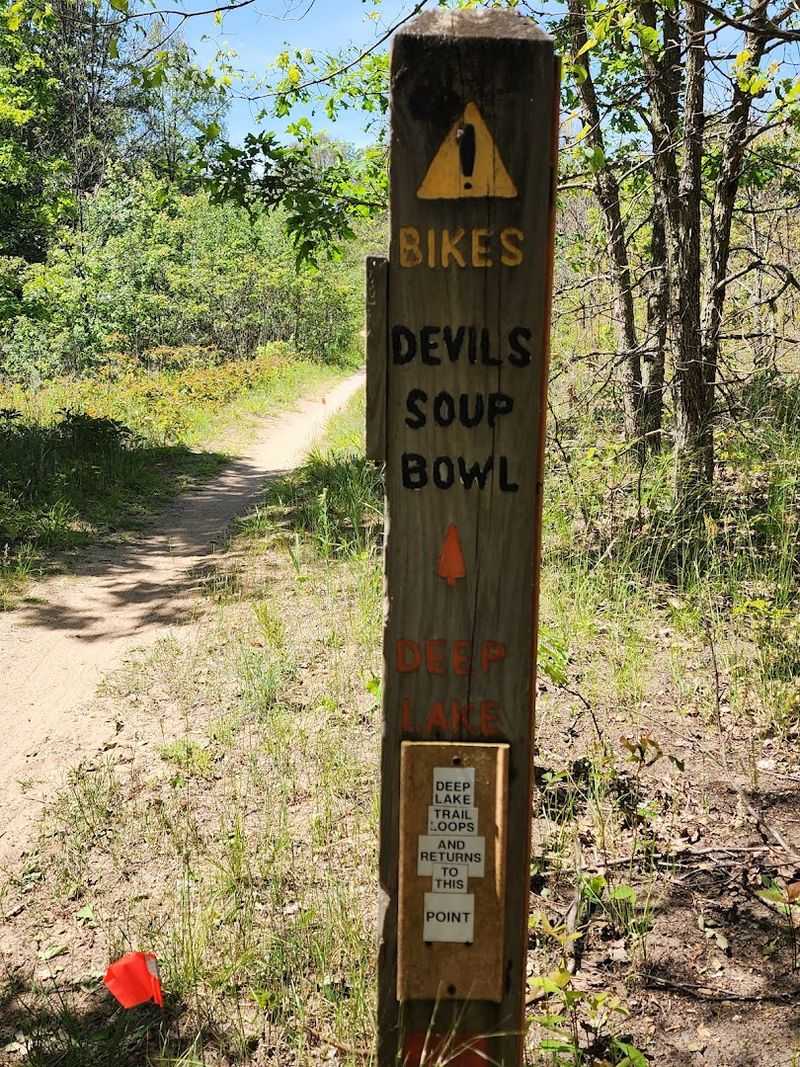
There is a reason riders lower their voices slightly when they mention the Devil’s Soup Bowl section. This part of the trail wraps around a glacially formed kettle bowl, which is essentially a deep depression carved into the landscape by ancient glacial activity, and the terrain around it is where the trail earns its most serious reputation.
The climbs here are sustained and steep, the kind that make your lungs work harder than you expected and your legs remind you of every mile you already covered. The descents that follow are fast and technical, often ending in loose gravel or sand that demands full attention and proper body positioning.
Riders on the Friday direction have noted that this section features two particularly tough consecutive climbs back to back, and finishing them without stopping feels like a genuine personal achievement. The Deep Lake Trail also encircles this formation, giving hikers and riders a chance to appreciate the unique geology of the area while catching their breath between efforts.
Sandy Sections: The Trail’s Most Honest Challenge
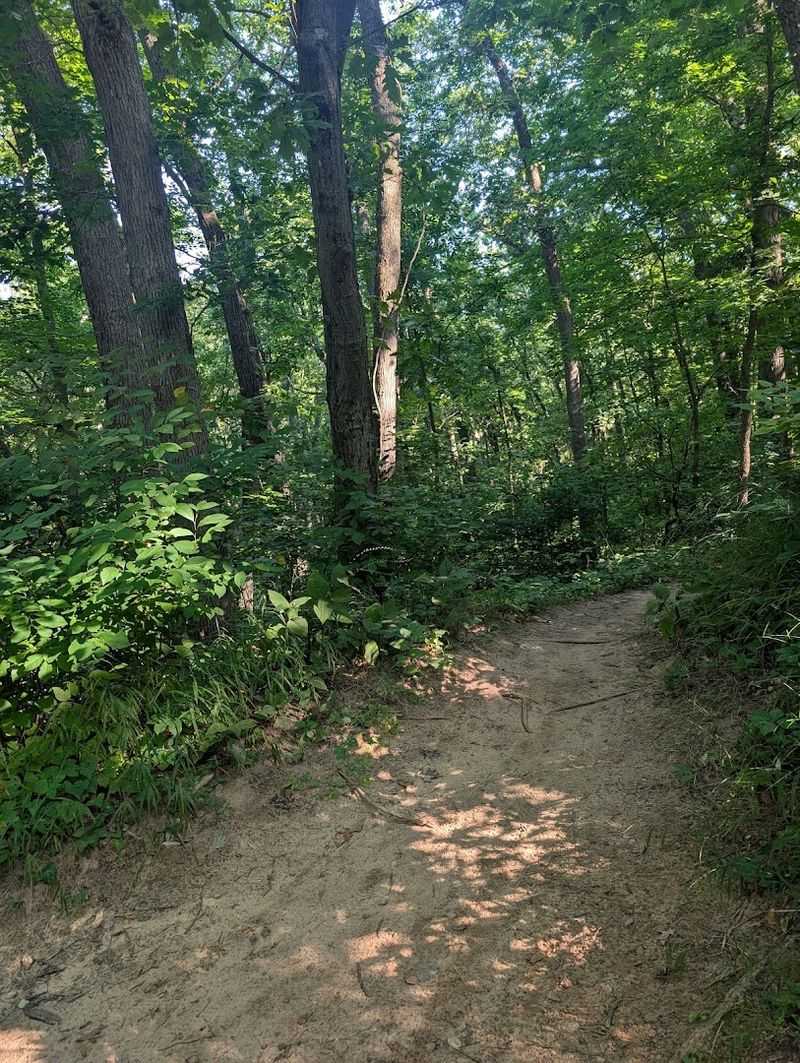
Every trail has its personality quirk, and at Yankee Springs, that quirk is sand. There are roughly five significant sandy sections spread throughout the main loop, and they have a way of humbling even experienced riders who think they have read the terrain correctly.
Sand pits slow momentum dramatically, and if you hit one at speed without the right tire width or technique, the front wheel can wash out without much warning. Riders on tires narrower than 2.5 inches often find these sections the most draining part of the ride, both physically and mentally.
The sandy conditions tend to worsen as summer progresses and dry periods extend. Spring is widely considered the best time to ride here because the moisture keeps the sand packed and the trail fast.
Fat bikes handle the sandy sections with noticeably more confidence, which explains why you often see them at this trailhead even outside of winter months. The sand is frustrating, but it is also part of what makes a clean run here feel genuinely earned.
Hero Dirt and Why Rain Makes This Trail Better
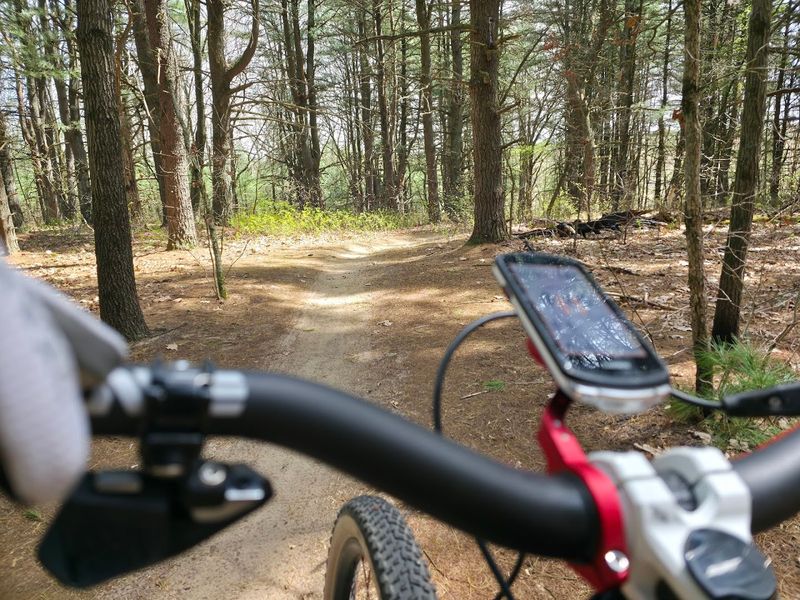
Most trail systems become a muddy mess after rain and stay closed for days. Yankee Springs drains so efficiently that it is typically rideable within 12 to 18 hours after a significant rainstorm, and the conditions that follow are what riders in the mountain biking community call hero dirt.
Hero dirt is that sweet spot where the trail surface is firm, slightly tacky, and fast, giving tires maximum grip without any of the slippery unpredictability of wet mud. The packed sandy sections that frustrate riders during dry spells transform into something much more enjoyable after rain, and the rooty climbs become surprisingly manageable.
This drainage quality is one of the most frequently praised aspects of the trail among regular visitors, and it means that a rainy forecast the night before your planned ride is not necessarily a reason to cancel. Checking conditions the morning of your visit is always smart, but more often than not, the trail will surprise you with how quickly it bounces back and how rewarding it rides right after the weather clears.
The Forest Setting That Makes Every Climb Worth It
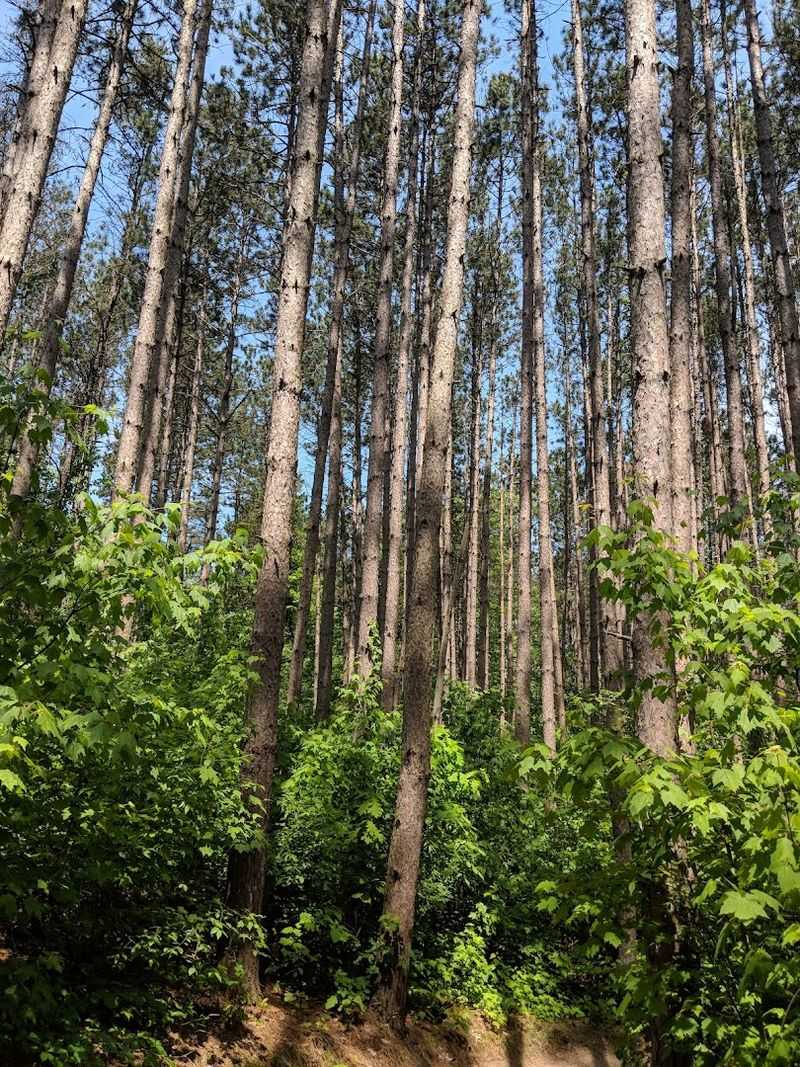
The forest at Yankee Springs is genuinely beautiful in a way that is easy to overlook when you are focused on not going over the handlebars. The recreation area covers 5,000 acres of diverse Michigan landscape, including dense hardwood forests, mixed pine sections, bogs, marshes, and several lakes and streams that appear through the trees as you ride.
There is a section of the trail known informally as the Pines, where tall conifers create a cathedral-like canopy overhead and the forest floor smells like a completely different ecosystem from the hardwood sections just minutes earlier. The contrast between terrain types keeps the ride visually interesting even when your legs are begging for a flat stretch.
Wildlife sightings are common enough to be a genuine bonus of the experience rather than a rare surprise. The Hall Lake Loop section offers particularly scenic riding around the shoreline of a pristine lake, and catching a glimpse of the water through the trees after a tough climb is the kind of moment that reminds you exactly why you drove out here in the first place.
Gear Recommendations That Will Actually Make a Difference Here
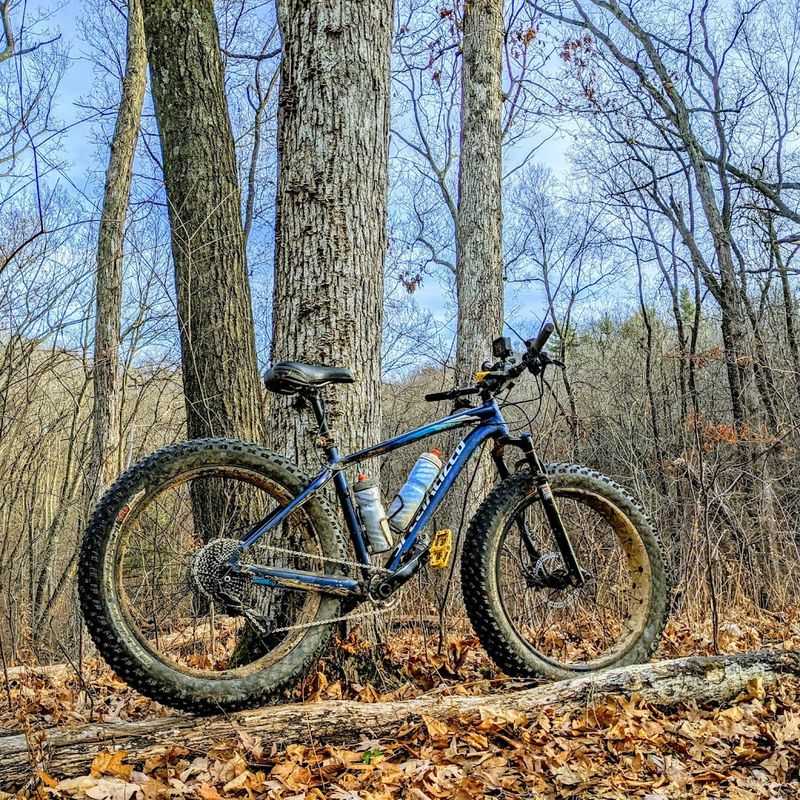
The trail is technically possible on a hybrid or gravel bike if you are determined enough, but it will not be enjoyable, and the sandy sections will make you regret the decision by mile three. A proper mountain bike with tires at least 2.5 inches wide, a reliable suspension fork, and strong brakes is the baseline recommendation from riders who have learned this lesson the hard way.
Tire width matters more here than at many other Michigan trails because of the sand. Riders running 2.8-inch tires report noticeably better control through the loose sections, and trail-oriented fat bikes float over the sand pits with an ease that narrower setups simply cannot match.
A dropper post is not required, but it becomes a genuine quality-of-life upgrade on the steep descents around Devil’s Soup Bowl, where getting your saddle out of the way quickly can mean the difference between a clean run and an abrupt stop. E-bikes are not permitted on this trail per Michigan state law, so plan accordingly before making the drive out.
The Directional System and Why It Keeps Things Interesting
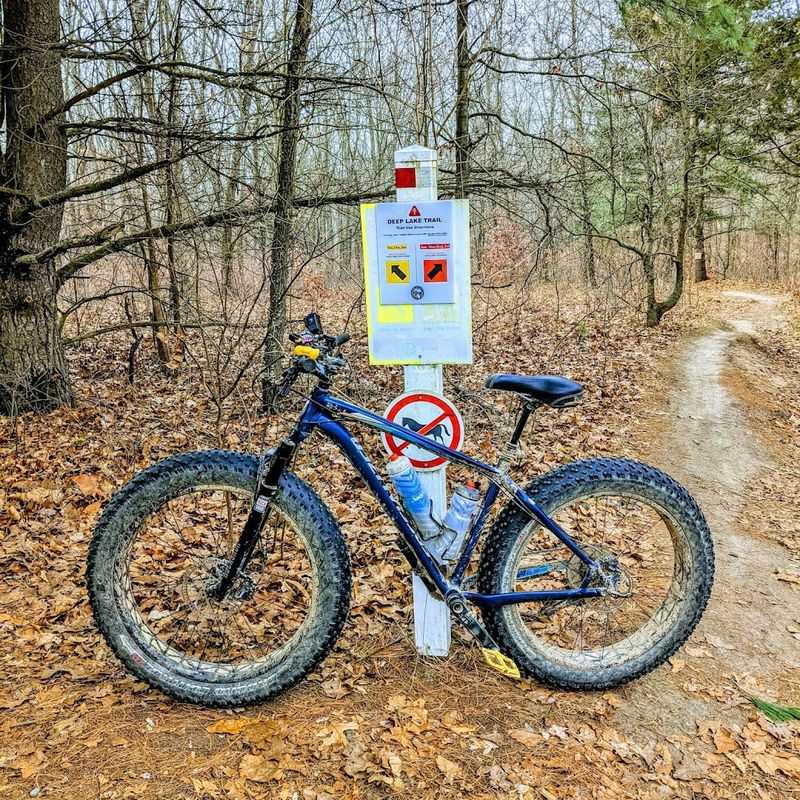
One of the more distinctive features of this trail system is its daily directional rotation. The trail alternates between two riding directions depending on the day of the week, and the trailhead signage makes it clear which direction is active when you arrive.
Ignoring this system is not just a courtesy issue; it creates real safety concerns when fast-moving bikes encounter each other head-on in tight sections.
The practical effect of the directional system is that the trail essentially becomes two different experiences. A descent on one day is a climb on another, and technical sections that feel manageable in one direction can become significantly more demanding when approached from the opposite side.
Long-time riders often develop a preference for one direction over the other, and conversations at the trailhead about which day offers the better flow are genuinely common. Some riders schedule their visits specifically around the day of the week to get their preferred direction, which is a level of trail dedication that says a great deal about how much this system shapes the overall experience.
Racing History and Community Events at the Trail
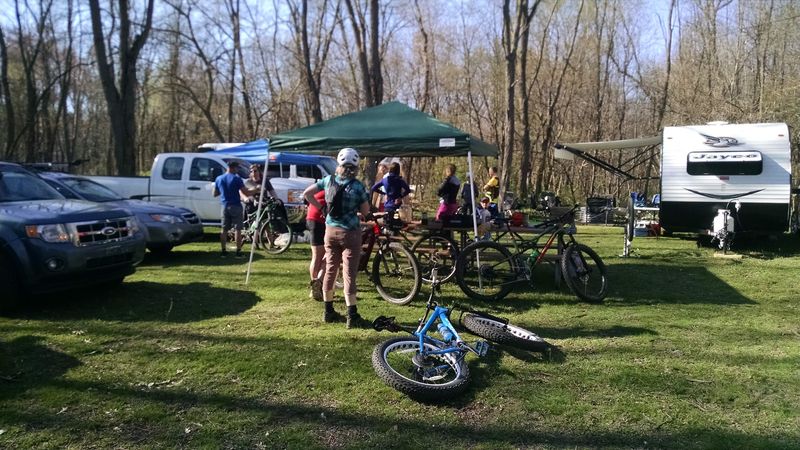
This trail has hosted organized racing events for many years, including the well-known Yankee Springs Time Trial, which draws competitive riders from across the region. The race format suits the trail perfectly because the varied terrain rewards a complete skill set rather than just raw fitness or pure technical ability.
The broader riding community around Yankee Springs is genuinely welcoming, and event days bring an energy to the trailhead that is noticeably different from a regular weekend morning. Spectators, volunteers, and riders of all experience levels share the parking area, and the atmosphere feels more like a celebration of the sport than a purely competitive environment.
Endurance events have also used the trail system, with course distances ranging from 10 kilometers to 100 kilometers depending on the event format. Seeing the signage for a 100K race on trails you just hiked or rode gives you a new appreciation for what the human body is capable of when the terrain and the motivation are both present in equal measure.
The trail’s racing legacy is part of what keeps its reputation alive year after year.
Planning Your Visit: Practical Tips for a Great Day Out
The trail is open daily from 6 AM to 9 PM, which gives early risers a chance to hit the trail before the parking lot fills up on busy weekend mornings. Spring visits are generally considered the best for optimal trail conditions, though the trail rides well throughout the season as long as you account for the increasing sand as summer progresses.
The trailhead parking lot is well-sized and includes vault toilets and a changing facility, which makes post-ride cleanup much more comfortable. A nearby campground at Deep Lake means that a multi-day trip is entirely feasible for riders who want to explore the broader recreation area without rushing back home after a single session.
Bringing enough water for the full 13-mile loop is non-negotiable, and a light snack at the halfway point does more for your performance than most riders expect. The trail has shortcut options and emergency access points throughout the route, so even if the day does not go exactly as planned, there is always a manageable way back to the trailhead without too much drama.
Share this story