 Unearth The Voyage
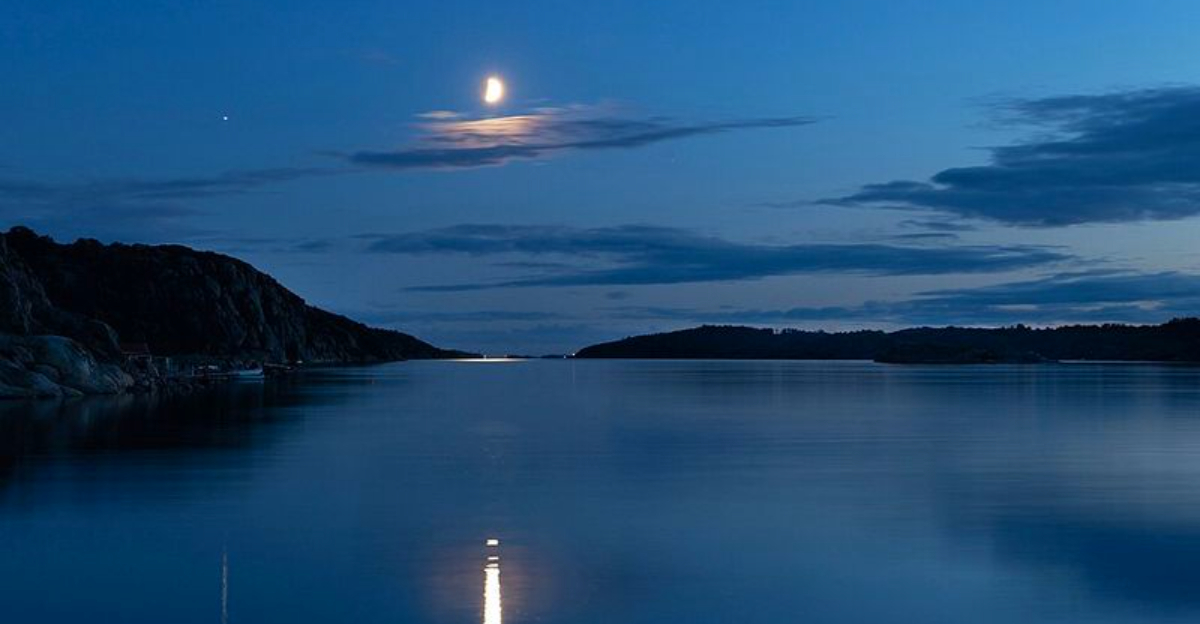
For most of us, a day feels like one of life’s few constants: 24 hours to drive kids to school, answer emails, cook dinner, and maybe glance at the Moon on the way home. Yet from a planetary perspective, that 24-hour day is slowly becoming outdated.
The Moon is drifting away from our planet, and this cosmic journey is subtly reshaping time itself.
1. The Moon Is Slowly Moving Away From Earth
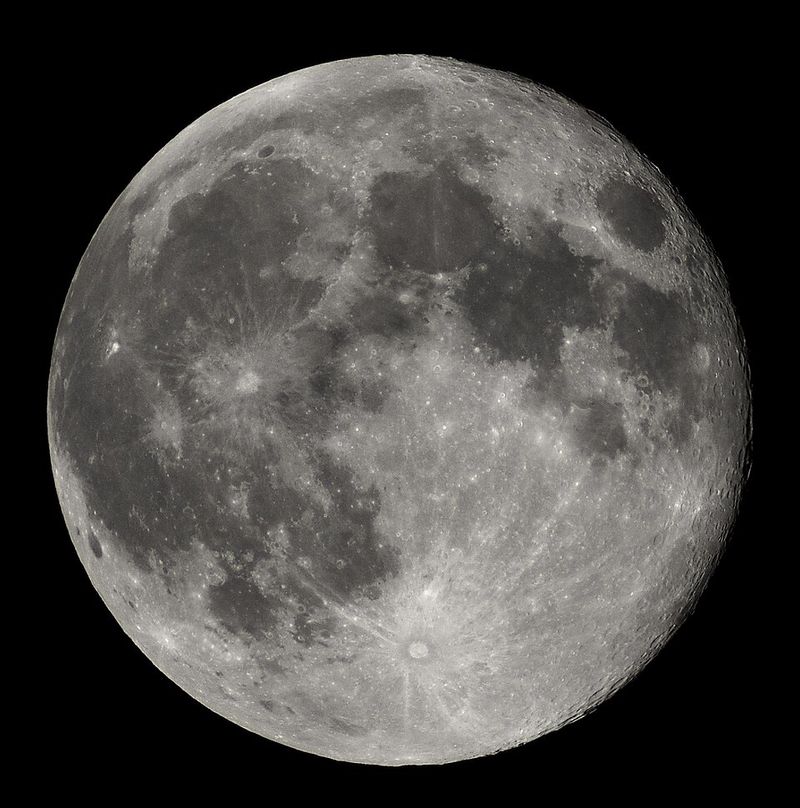
Each year, the Moon drifts about 3.8 centimeters (1.5 inches) farther from Earth. That’s roughly the speed at which fingernails grow, which might not sound like much.
But over millions of years, those tiny increments add up to dramatic changes in our planet’s relationship with its only natural satellite.
Scientists first confirmed this movement through careful observations and mathematical calculations. The phenomenon isn’t random but follows predictable patterns governed by gravitational physics.
As the Moon moves outward, it follows a spiral path that gradually widens its orbit around Earth.
What causes this slow separation? The answer lies in tidal forces and how energy transfers between our planet and its companion.
Every high tide and low tide plays a role in this cosmic dance. Understanding this movement helps us appreciate how dynamic our seemingly stable solar system truly is, constantly evolving over timescales far beyond human experience.
2. This Movement Is Measurable With Lasers
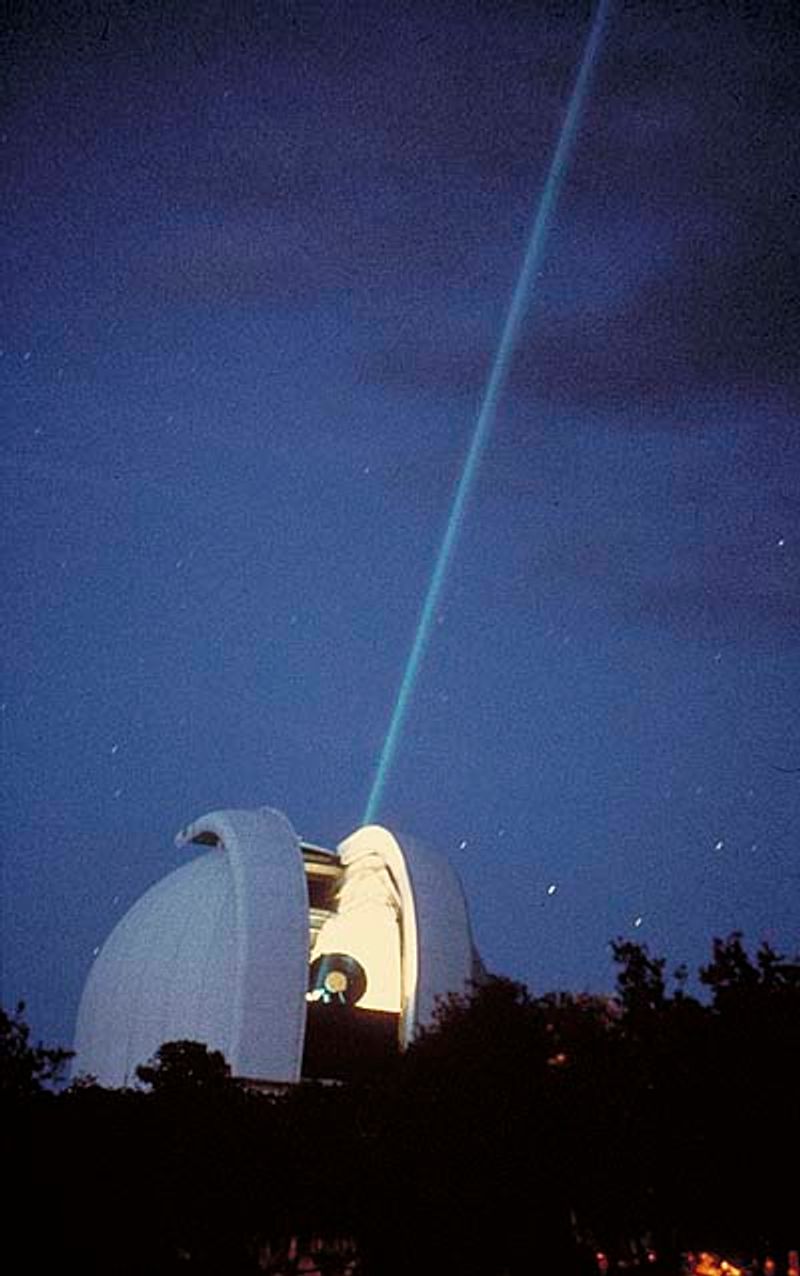
Scientists track the Moon’s retreat using laser reflectors placed on its surface by Apollo astronauts during missions between 1969 and 1972. These special mirrors, called retroreflectors, bounce laser beams sent from Earth back to their source.
By measuring how long light takes to make the round trip, researchers calculate the precise distance to the Moon.
The technique, known as Lunar Laser Ranging, achieves incredible accuracy. Measurements are precise to within a few millimeters, even though the Moon sits roughly 384,400 kilometers away.
Multiple observatories around the world participate in this ongoing experiment, creating a detailed record of lunar motion over decades.
Without this technology, detecting such subtle changes would be nearly impossible. The reflectors continue working after more than 50 years, providing invaluable data.
This experiment represents one of the longest-running scientific studies in history, connecting us directly to the Apollo legacy while revealing fundamental truths about planetary mechanics.
3. As the Moon Moves Away, Earth’s Rotation Slows
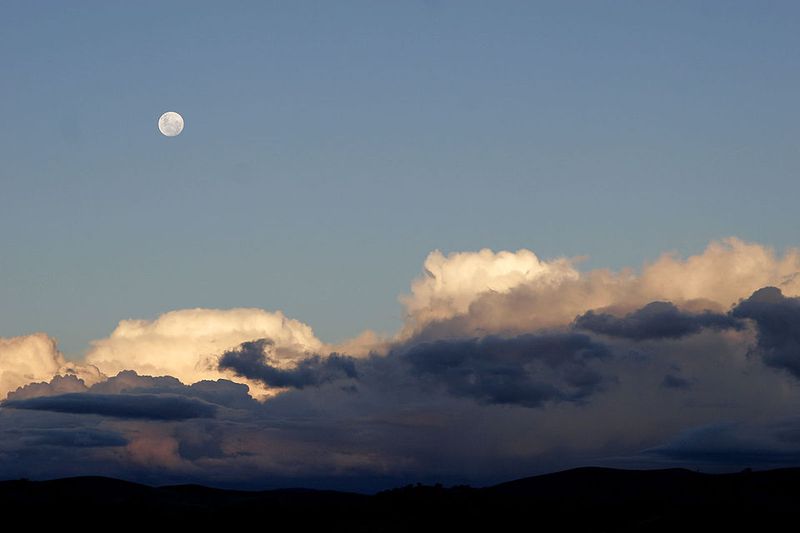
The Moon’s gravitational pull creates tidal friction that gradually slows Earth’s spin. Imagine a figure skater pulling their arms inward to spin faster, then extending them to slow down.
Earth experiences something similar, though the mechanism works through ocean tides rather than body position.
When the Moon’s gravity tugs on Earth’s oceans, it creates bulges of water that move around the planet. These tidal bulges don’t align perfectly with the Moon because Earth rotates faster than the Moon orbits.
The resulting friction acts like a brake on Earth’s rotation, stealing tiny amounts of rotational energy with every passing day.
Where does that lost energy go? It transfers to the Moon, pushing our satellite into a higher, more distant orbit.
This exchange represents one of nature’s most elegant examples of energy conservation. The process happens so slowly that generations come and go without noticing, yet it fundamentally shapes our planet’s long-term behavior.
4. Slower Rotation Means Longer Days
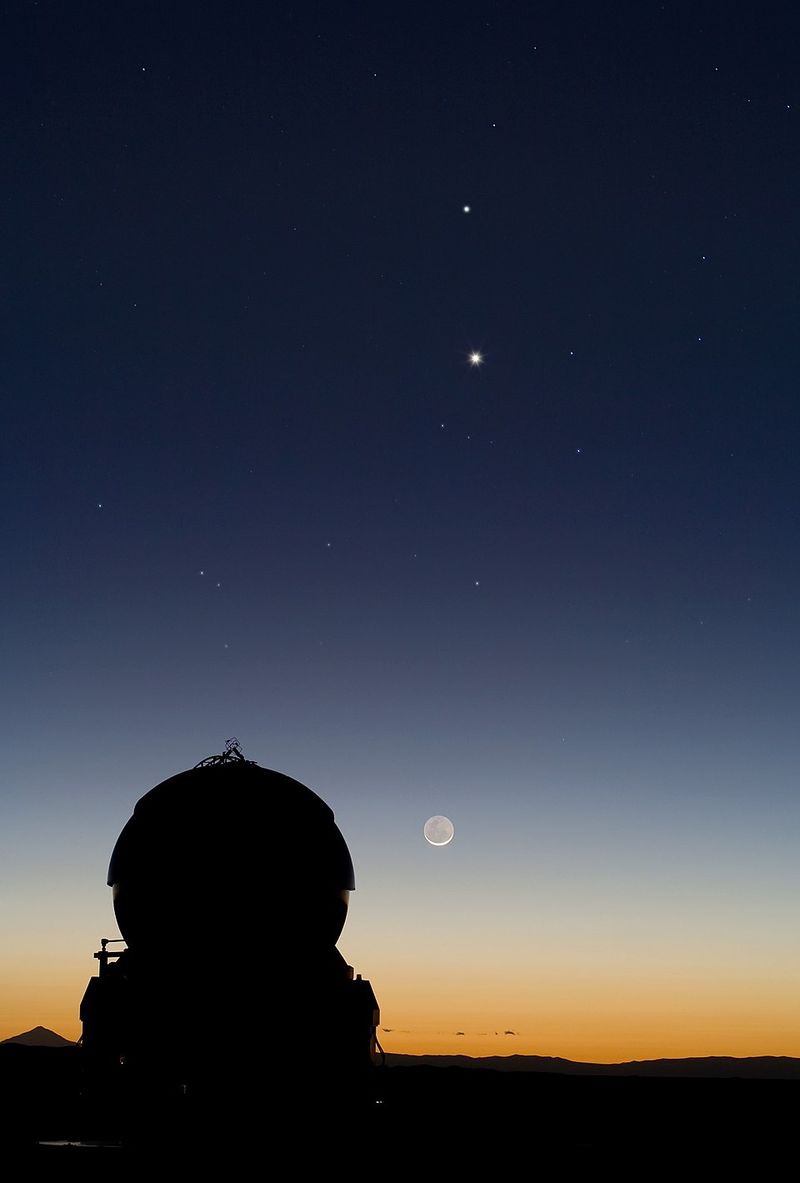
As Earth’s rotation decelerates, the length of a day increases, though very slowly. A day is defined by one complete rotation of our planet, so when that rotation slows down, it takes longer to complete.
Currently, this happens at a rate so gradual that no human will ever notice the difference during their lifetime.
Think of Earth like a spinning top that’s gradually losing momentum. The top doesn’t stop suddenly but winds down bit by bit.
Similarly, our planet’s rotation slows in tiny increments, extending each day by microscopic amounts. The change is real and measurable, but far too small to affect sunrise times, work schedules, or daily routines.
Over geological timescales, however, these microseconds accumulate into hours. Ancient Earth spun much faster, creating shorter days with fewer hours.
Future Earth will rotate even slower, giving our distant descendants longer days to enjoy, assuming humans are still around to experience them.
5. Atomic Clocks Detect the Change
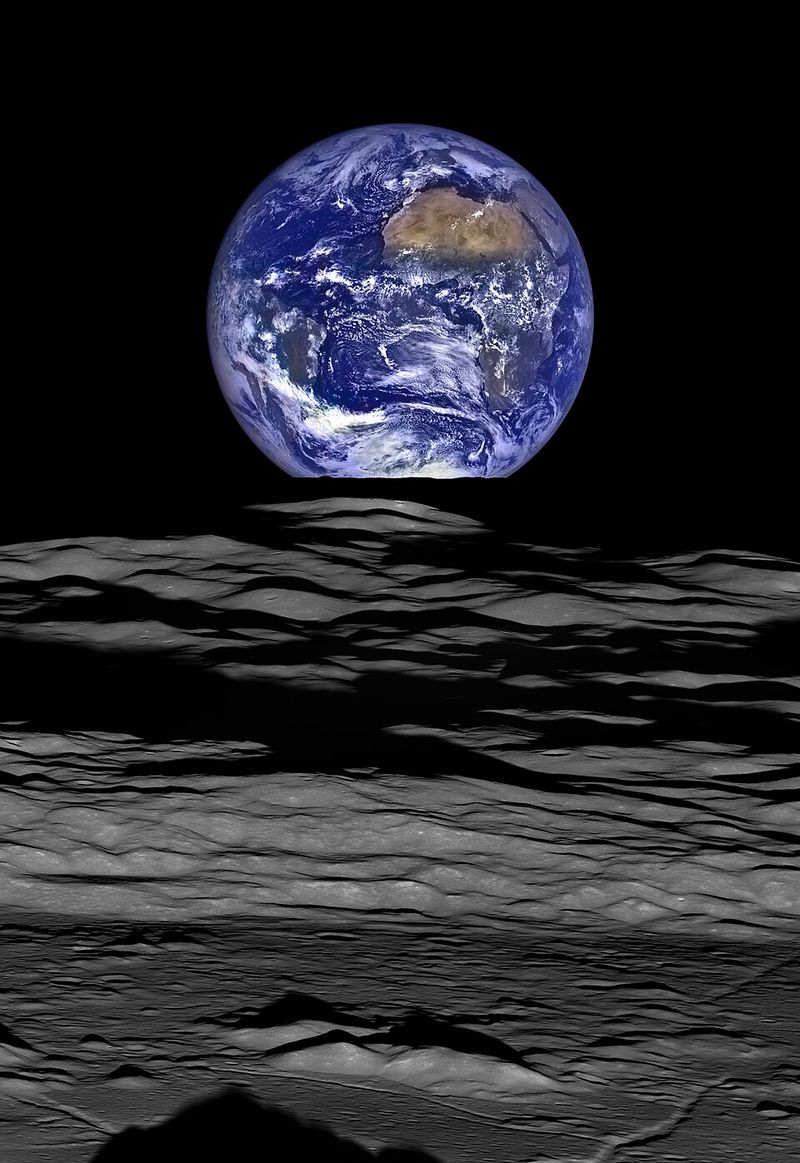
Precise measurements show that Earth’s day lengthens by about 1 to 2 milliseconds per century. Atomic clocks, the most accurate timekeeping devices ever created, can detect these incredibly small changes.
These instruments measure time based on the vibrations of atoms, providing accuracy to within billionths of a second.
Before atomic clocks existed, scientists couldn’t reliably measure such tiny variations. Traditional clocks simply weren’t precise enough to detect millisecond-level changes occurring over decades.
Modern atomic timekeeping revolutionized our understanding of Earth’s rotation, revealing subtle irregularities and long-term trends that were previously invisible.
The data collected helps scientists distinguish between different factors affecting Earth’s spin. Earthquakes, atmospheric changes, and melting ice can all temporarily speed up or slow down rotation.
By filtering out these short-term effects, researchers isolate the steady, predictable slowdown caused by tidal friction. This knowledge proves essential for maintaining accurate global timekeeping systems that depend on astronomical precision.
6. Humans Will Never Notice This Day-to-Day
The change is far too small to affect daily life, alarms, or work schedules. Adding 1 to 2 milliseconds per century means you’d need to live for thousands of years just to notice an extra second in your day.
For practical purposes, a day remains 24 hours, and will continue to feel that way for countless generations.
Your smartphone clock won’t need adjustment because of the Moon’s retreat. School start times won’t shift, and your morning coffee routine stays perfectly timed.
The slowdown operates on timescales so vast that human civilization would need to persist for millions of years before it became a scheduling concern.
Why does this matter if we can’t feel it? Because understanding these changes helps scientists reconstruct Earth’s history and predict its future.
The phenomenon reminds us that even the most fundamental aspects of our existence, like the length of a day, aren’t truly permanent. Nature operates on timescales that humble human perception, revealing a universe in constant, imperceptible motion.
7. Over Millions of Years, the Effect Adds Up
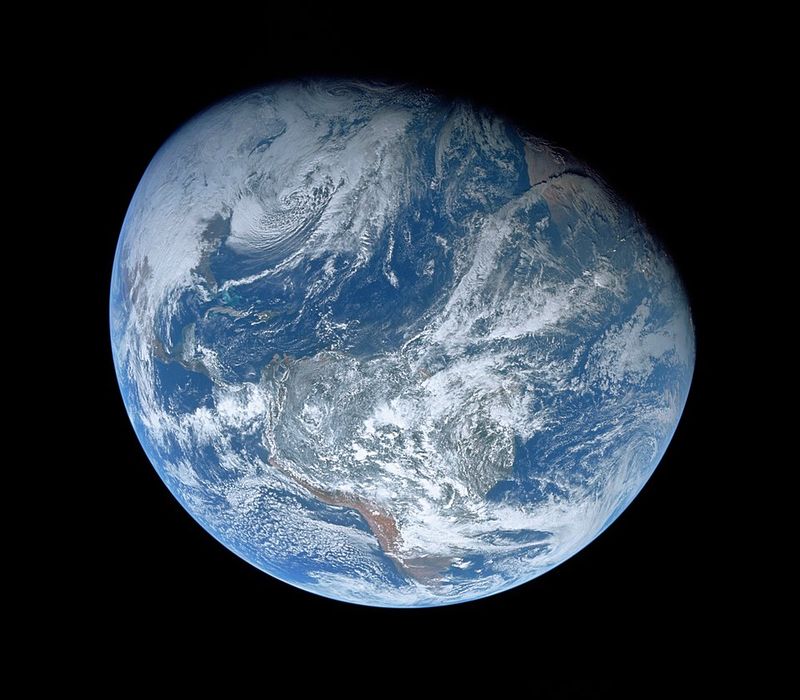
While tiny annually, the change becomes significant over geological time. Imagine saving a penny every day; after a year you’d have a few dollars, but after decades you’d have serious savings.
Earth’s rotational slowdown works similarly, with milliseconds accumulating into hours across millions of years.
Geologists and paleontologists can trace these changes backward through time. By studying ancient rocks, fossils, and tidal patterns, scientists reconstruct how fast Earth spun during different eras.
The evidence consistently shows that our planet rotated faster in the past, completing more rotations per year and therefore experiencing more, shorter days.
This accumulated effect has profound implications for understanding ancient climates, ocean currents, and even biological evolution. Organisms adapted to different day-night cycles than what we experience today.
Ancient plants photosynthesized under different light patterns, and prehistoric animals organized their behaviors around shorter days. The Moon’s steady retreat has literally reshaped the rhythm of life on Earth throughout our planet’s history.
8. Days Were Shorter During the Age of Dinosaurs
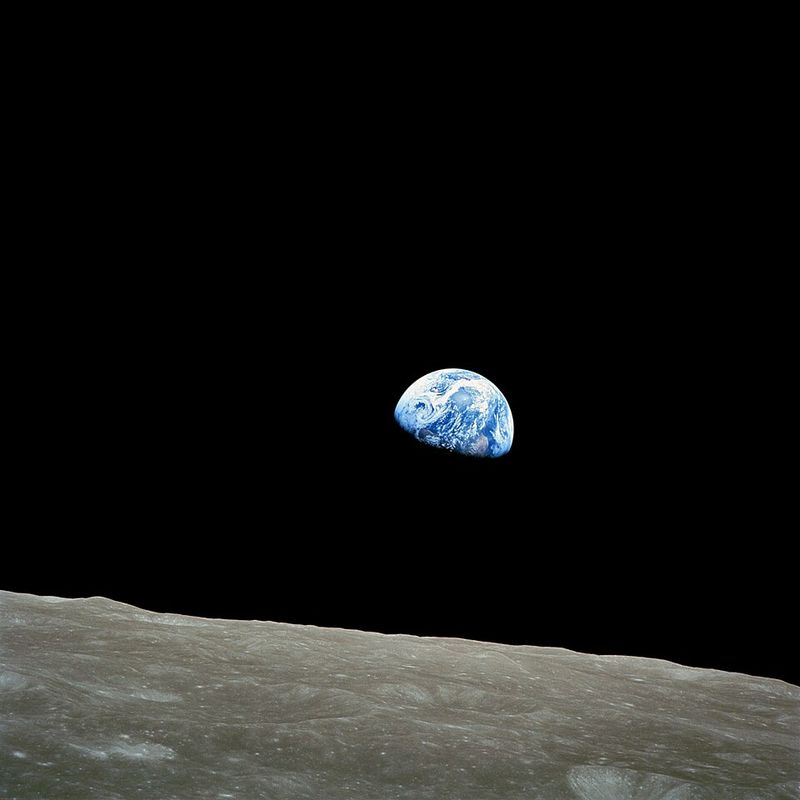
At the end of the dinosaur era, a year had 372 days, meaning each day lasted only about 23.5 hours. Picture a Tyrannosaurus rex experiencing sunrise and sunset on a slightly faster schedule than we do.
The difference might seem small, but it meant dinosaurs lived through more sunrises and sunsets during their lifetimes than a modern animal living the same number of years.
How do scientists know this? By combining multiple lines of evidence, including fossil analysis, astronomical calculations, and understanding of tidal physics.
The math works out consistently across different methods, giving researchers confidence in these reconstructions. Earth simply spun faster 66 million years ago, before the asteroid impact that ended the Cretaceous period.
This faster rotation affected everything from wind patterns to ocean currents. Weather systems would have moved differently across the planet’s surface.
The Coriolis effect, which influences hurricane formation and trade winds, operated under slightly different parameters. Even the dinosaurs themselves might have evolved different circadian rhythms to match their shorter days and nights.
9. A Faster-Spinning Earth Allowed More Days Per Year
The only way to fit more days into a year is for Earth to rotate faster, which it once did. A year’s length is determined by Earth’s orbit around the Sun, which hasn’t changed significantly over millions of years.
But the number of rotations Earth completes during one orbit has decreased as our planet’s spin gradually slows.
Think of it like a record player. The record completes one revolution at a set speed, but if the turntable itself could spin faster, you’d see more rotations of the record’s grooves during one complete circuit.
Earth works the same way: the orbit stays constant, but faster rotation means more day-night cycles fit into that orbital period.
Ancient calendars would have looked very different if civilizations had existed back then. A 372-day year would have required different month systems and seasonal tracking.
Farmers would have counted more planting and harvesting cycles. The entire structure of timekeeping would have adapted to match Earth’s faster rhythm, creating a world where time itself moved to a quicker beat.
10. The Moon Was Much Closer in the Past
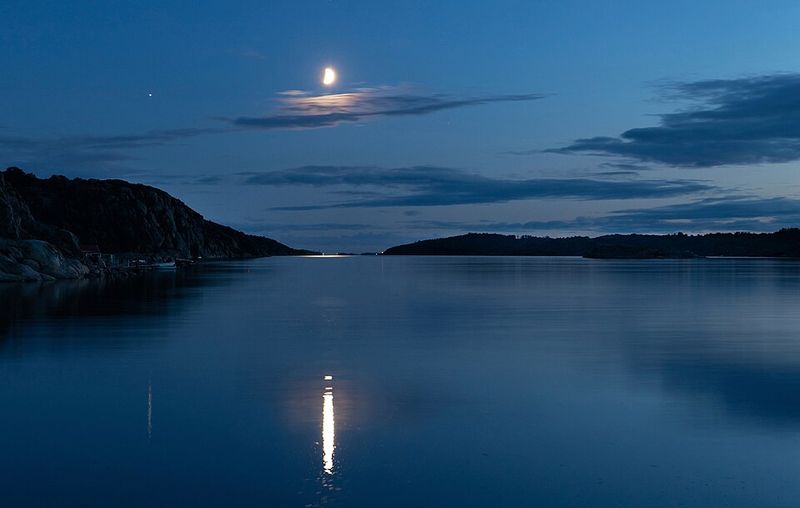
A closer Moon exerted stronger gravitational forces on Earth’s oceans and rotation. Billions of years ago, the Moon loomed much larger in the sky, appearing perhaps twice the size we see today.
This proximity created dramatically more powerful tides that reshaped coastlines and influenced the evolution of life itself.
Scientists estimate that shortly after the Moon’s formation about 4.5 billion years ago, it orbited just 22,500 kilometers from Earth, compared to today’s average distance of 384,400 kilometers. At that distance, the Moon would have dominated the sky, and tidal forces would have been hundreds of times stronger.
Ocean tides might have reached heights of several hundred meters, creating an almost unimaginable coastal environment.
This closer Moon also meant Earth spun even faster in the distant past. Some calculations suggest that days might have been as short as 4 to 6 hours when the Moon first formed.
Our planet has been gradually slowing down ever since, trading its rotational energy to push the Moon farther away in an ongoing exchange that continues today.
11. Fossil Shells Act as Natural Timekeepers
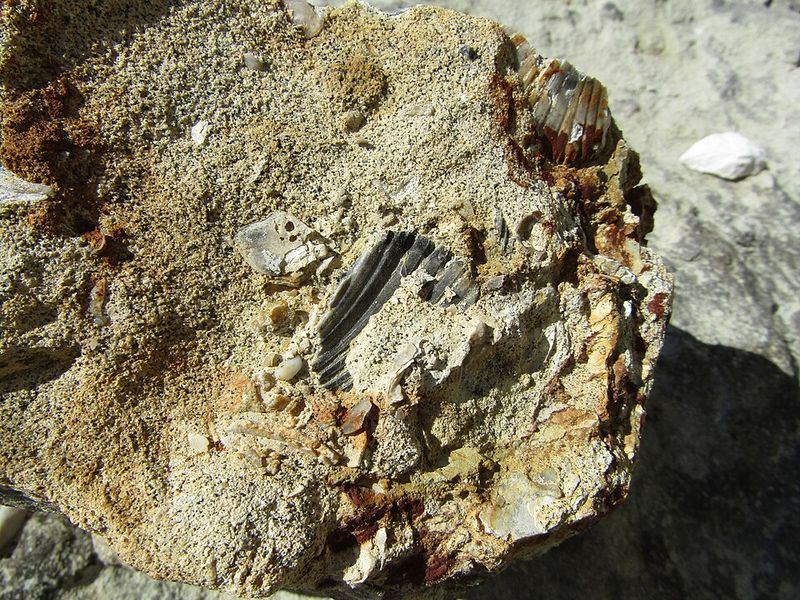
Scientists studied fossilized shells that recorded daily growth layers, much like tree rings. Certain mollusks, corals, and other marine organisms add new material to their shells or skeletons in daily increments.
Each layer represents one day of growth, creating a permanent record of time passage preserved in stone.
These biological clocks don’t just count days; they also record seasonal variations. Growth rates change with water temperature, food availability, and daylight hours, creating visible patterns that scientists can read like a book.
By carefully analyzing these patterns, researchers can determine how many days existed in a year when the organism was alive.
The technique requires sophisticated equipment and careful interpretation. Researchers use microscopes, laser scanners, and chemical analysis to reveal the finest details in fossil growth patterns.
When multiple specimens from the same time period show consistent results, confidence grows that the measurements accurately reflect ancient day lengths. These humble shells become time machines, connecting us to Earth’s deep past through the simple act of growing one layer at a time.
12. These Fossils Reveal Ancient Day Lengths
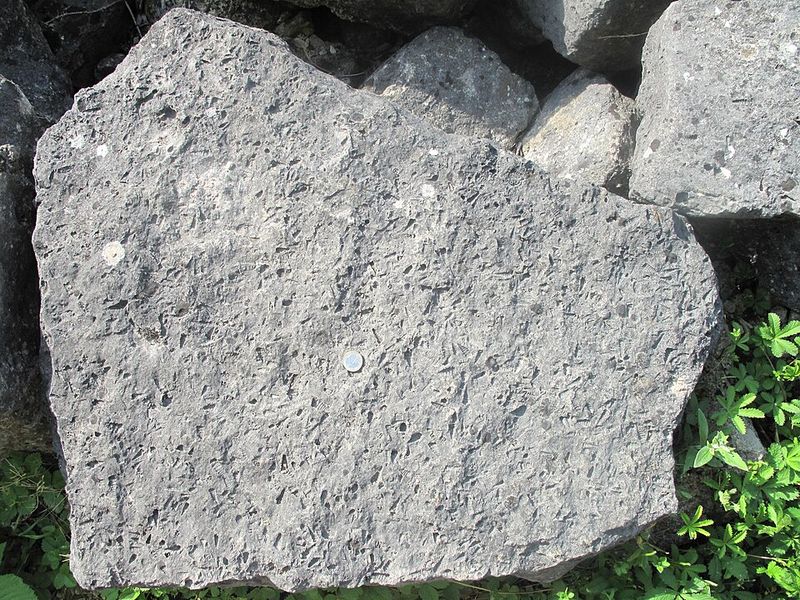
Laser scans of a 70-million-year-old shell showed daily and seasonal cycles preserved in stone. Researchers at the Brussels Free University studied a fossil mollusk called Torreites sanchezi, which lived during the late Cretaceous period.
Using advanced imaging technology, they counted 372 daily growth lines within the shell’s annual cycle, confirming that years had more days back then.
The precision of this technique is remarkable. Scientists can distinguish between daily tidal cycles, monthly lunar cycles, and annual seasonal patterns, all recorded in layers thinner than a human hair.
The shell essentially functioned as a natural calendar, documenting the passage of time with remarkable accuracy for millions of years until paleontologists finally decoded its message.
This discovery represents more than just curiosity about ancient timekeeping. It provides independent confirmation of astronomical calculations and validates our understanding of how the Earth-Moon system has evolved.
When multiple scientific methods point to the same conclusion, we gain confidence that we’re truly understanding how our planet has changed over deep time.
13. Tidal Friction Transfers Energy to the Moon
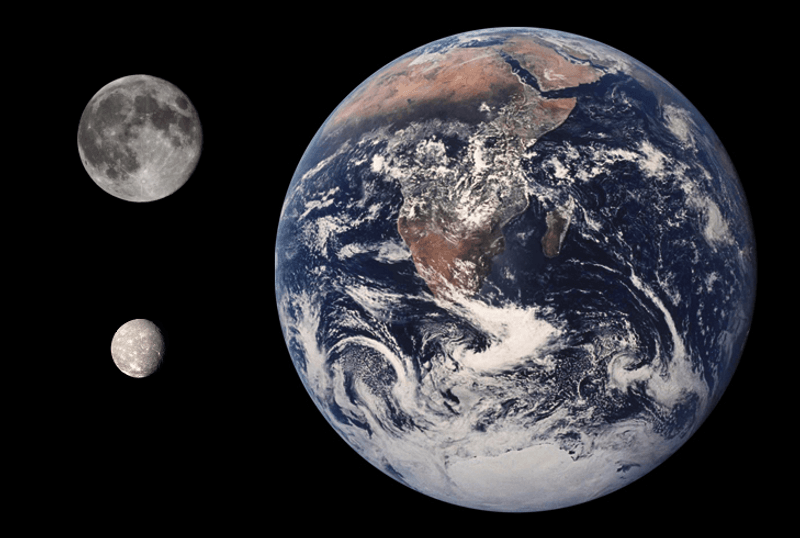
As ocean tides rub against the seafloor, Earth loses rotational energy, which pushes the Moon into a higher orbit. This might seem counterintuitive at first.
How can Earth losing energy make the Moon move farther away? The answer lies in how angular momentum works in orbital systems.
When Earth’s rotation slows, it loses angular momentum, which must go somewhere because the total angular momentum of the Earth-Moon system stays constant. That momentum transfers to the Moon, increasing its orbital angular momentum.
A higher orbital angular momentum means a larger orbit, so the Moon spirals outward as Earth spins down.
Think of it like a cosmic seesaw, with energy and momentum shifting back and forth between planet and satellite. Every tide that washes ashore, every wave that crashes against rocks, contributes microscopically to this grand exchange.
The ocean acts as a medium through which gravitational energy converts into heat through friction, while simultaneously altering the orbital mechanics of our celestial partnership. It’s one of nature’s most beautiful examples of energy conservation playing out on a planetary scale.
14. Tides Shape Coastal Ecosystems
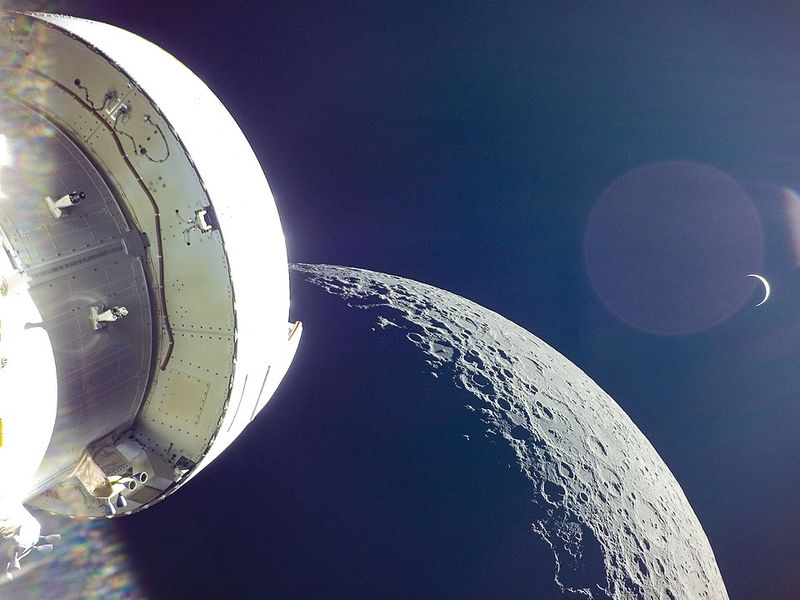
Stronger tides in the past affected erosion, nutrient mixing, wetlands, and marine habitats. When the Moon orbited closer to Earth, tidal ranges were dramatically more extreme, creating unique environments that no longer exist.
Intertidal zones would have been much wider, exposing and submerging vast areas of coastline with each tidal cycle.
These powerful tides may have played a role in the evolution of life itself. Some scientists theorize that tidal pools, alternately filled with seawater and exposed to air, provided ideal conditions for early life forms to transition from ocean to land.
The rhythmic environmental changes created by strong tides would have selected for organisms capable of surviving in multiple conditions.
Even today, tides shape coastal ecosystems in profound ways. Tidal marshes, mangrove forests, and rocky intertidal zones all depend on the regular rise and fall of ocean waters.
As the Moon continues its slow retreat and tides gradually weaken over millions of years, future coastal environments will differ from those we know today, continuing the endless cycle of change that has characterized Earth throughout its history.
15. This Change Is Extremely Slow but Deeply Important

The Moon’s steady retreat helps scientists reconstruct Earth’s past and reminds us that even fixed things like a 24-hour day are products of physics and time. Nothing in the universe remains truly constant.
Mountains rise and erode, continents drift across the globe, and even the length of our days shifts incrementally across the ages.
Understanding this phenomenon connects multiple scientific disciplines. Astronomy, geology, paleontology, and physics all contribute pieces to the puzzle.
When these different fields of study align and support each other’s findings, we gain powerful insights into how natural systems work. The Moon’s retreat becomes a thread that ties together billions of years of planetary history.
Perhaps most importantly, this knowledge instills humility about our place in the cosmos. The universe operates on timescales that dwarf human experience, following laws that care nothing for our schedules or expectations.
Yet through careful observation and clever thinking, we can decode these slow changes and understand the forces that shape our world. That ability to comprehend the incomprehensibly slow represents one of humanity’s greatest achievements.



