Most people think of Hawaii or the Florida Keys when they hear “island getaway,” but the United States is full of beautiful, lesser-known islands that rarely make the travel headlines. From the Georgia coast to the Great Lakes to the Pacific Northwest, these places offer something that crowded tourist destinations often cannot: real quiet, real scenery, and a genuine sense of discovery.
Some require a ferry ride, some need advance planning, and a few are so remote that just getting there feels like part of the adventure. If you are looking for an island experience that feels earned rather than packaged, this list is a good place to start.
Cumberland Island, Georgia
Georgia’s largest barrier island has wild horses, ancient ruins, and miles of undeveloped beach, yet most people outside the Southeast have never heard of it. Cumberland Island National Seashore is managed by the National Park Service, and visitors reach it by boarding a ferry from St. Marys, with reservations available through the official concessioner.
Once you arrive, the pace changes completely. There are no resort pools or souvenir shops here.
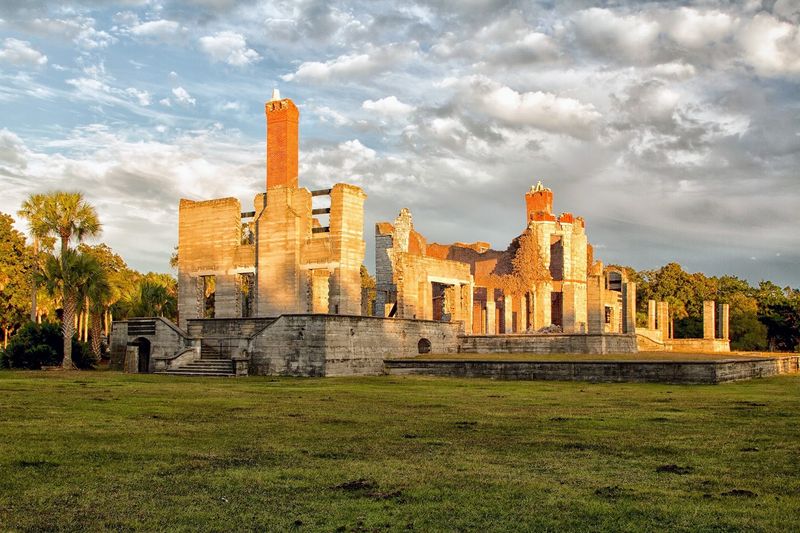
The island rewards walking, beachcombing, camping, and exploring the crumbling remains of the Carnegie family’s Dungeness mansion, which still stands in quiet decay near the shore.
The maritime forest is dense with live oaks draped in Spanish moss, and the beaches stretch long and empty in both directions. For travelers who want a coastal experience that feels genuinely wild, Cumberland delivers something rare along the East Coast.
Little St. Simons Island, Georgia
Little St. Simons Island is not the kind of place you stumble across on a weekend. The Lodge on Little St. Simons Island handles ferry transport from Hampton River Marina as part of overnight stays and day-trip visits, meaning access is intentional and structured rather than casual.
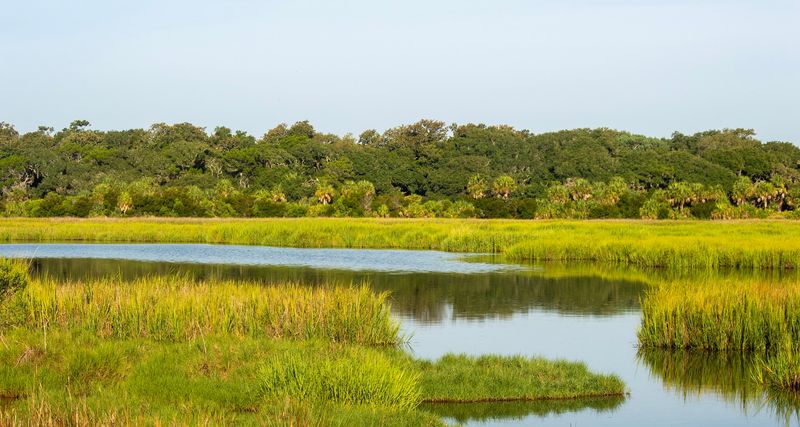
Day trips include guided nature exploration led by on-site naturalists, transit through tidal marshes, old-growth live oak forests, and access to a long, undeveloped Atlantic beach. The island spans about 11,000 acres and hosts an impressive variety of birds, making it a strong draw for wildlife watchers and photographers.
For travelers who want a Florida-style beach without the Florida-style crowd, this Georgia island offers a quieter, more nature-focused version of coastal escape. The ferry ride through the marshes alone is worth the trip.
It is a deliberate kind of island experience, and that deliberateness is part of its appeal.
Daufuskie Island, South Carolina
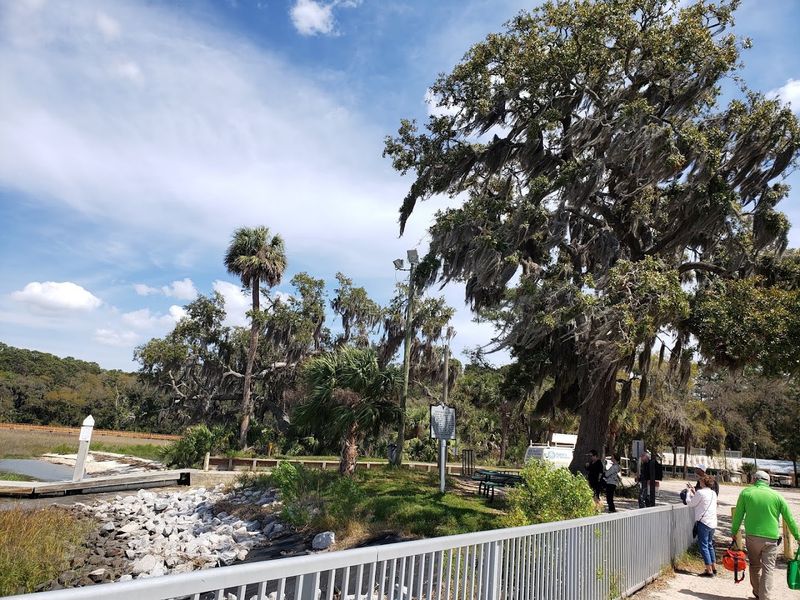
Daufuskie Island sits geographically between Hilton Head and Savannah, but it operates on a completely different frequency than either of those well-known destinations. Ferry service connects the island to Broad Creek Marina, and once you arrive, golf carts replace cars as the main way to get around.
The Lowcountry setting is beautiful in a quiet, unhurried way. Marsh views, historic Gullah Geechee sites, a handful of art stops, and the old one-room schoolhouse where author Pat Conroy once taught all give Daufuskie a sense of story that most resort islands lack.
There are places to stay and eat, but the island has resisted the heavy development that transformed Hilton Head. That restraint is its greatest asset.
Arriving by boat, rolling down a shaded dirt road on a golf cart, and watching the marsh light shift in the afternoon makes Daufuskie feel like a genuine discovery rather than a packaged destination.
Smith Island, Maryland
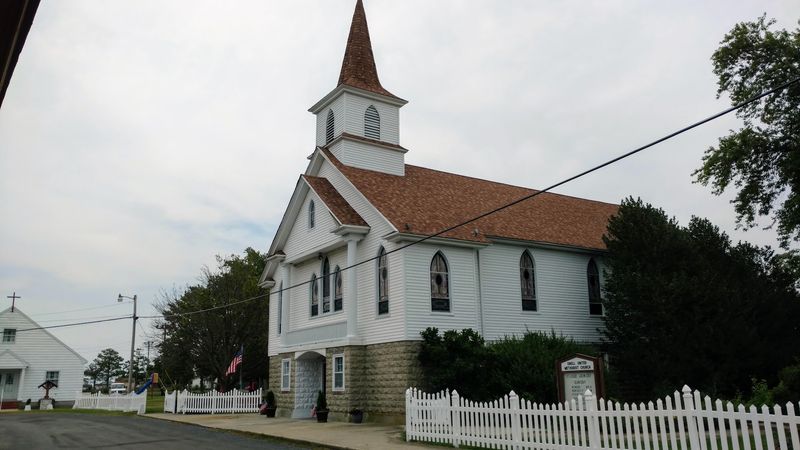
Maryland’s only inhabited offshore island sits in the middle of the Chesapeake Bay, and it feels like a community that time chose to leave mostly alone. The Smith Island Cultural Center lists ferry and tour options departing from Crisfield, including guided boat tours led by native islanders who know the Bay’s rhythms better than most.
Crabcakes here come from people who have worked these waters for generations, and Smith Island Cake, the state’s official dessert, was born right here. The cake is a multi-layer creation with thin cake layers and frosting, and finding it fresh on the island is a different experience than buying it packaged on the mainland.
The island is spread across three small communities connected by water, and the pace is genuinely slow. Water views appear in every direction, and the quiet gives the place a reflective quality.
This is a working Chesapeake Bay community, not a resort, and that authenticity is the main draw.
Tangier Island, Virginia
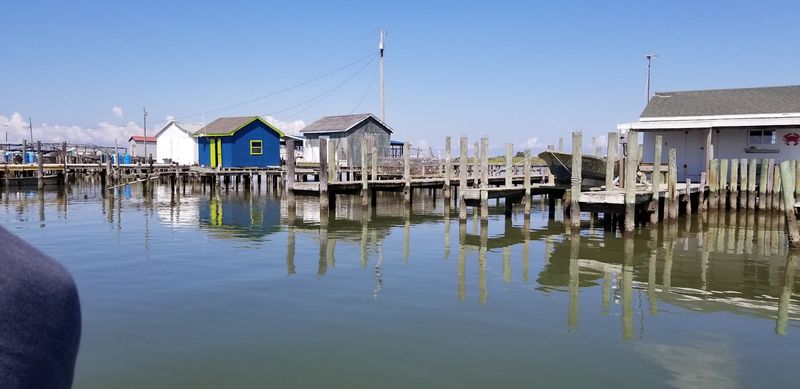
Tangier Island is one of those places that feels like it exists slightly outside the normal rules of American geography. Reachable only by seasonal ferry from Onancock or by small plane, the island sits in the middle of the Chesapeake Bay with a year-round population of just a few hundred people who speak with a distinctive dialect that linguists have studied for decades.
The Eastern Shore of Virginia Tourism Commission notes that bikes and golf carts are the way to get around, and the Tangier History Museum offers a window into the island’s centuries of maritime life. The wild beach on the island’s western side is rarely crowded and genuinely scenic.
Tangier faces real environmental pressures from rising water levels, which makes visiting feel both meaningful and timely. The community is tight-knit, the seafood is fresh, and the setting is unlike anything else on the East Coast.
It is small, serious, and memorable.
Ship Island, Mississippi
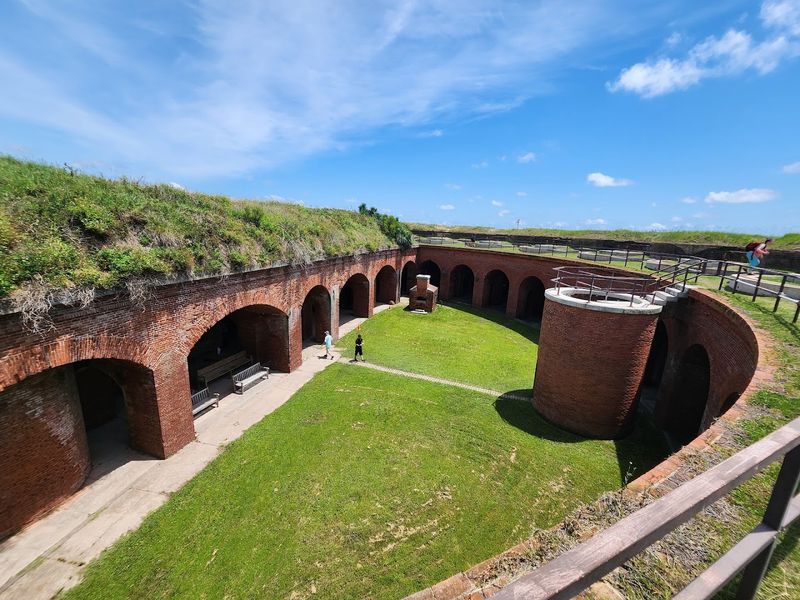
About 12 miles off the Mississippi Gulf Coast, Ship Island offers a combination that is hard to find in one place: Civil War history, clear Gulf water, and a wide sandy beach with actual facilities. The National Park Service confirms that Ship Island Excursions operates ferry service from Gulfport, making the trip accessible without requiring a private boat or serious planning.
Fort Massachusetts, a 19th-century brick fortification, stands on the western end of the island and is open for ranger-led tours. The contrast between the old fort walls and the bright Gulf water behind them makes for striking scenery and genuinely interesting history.
The beach is swimmable, the pavilions provide shade, and the concession store covers the basics. For Gulf Coast travelers who want more than a typical beach day, Ship Island adds a layer of historical depth that changes the whole experience.
It is a straightforward trip with an unexpectedly rich payoff.
North Captiva Island, Florida
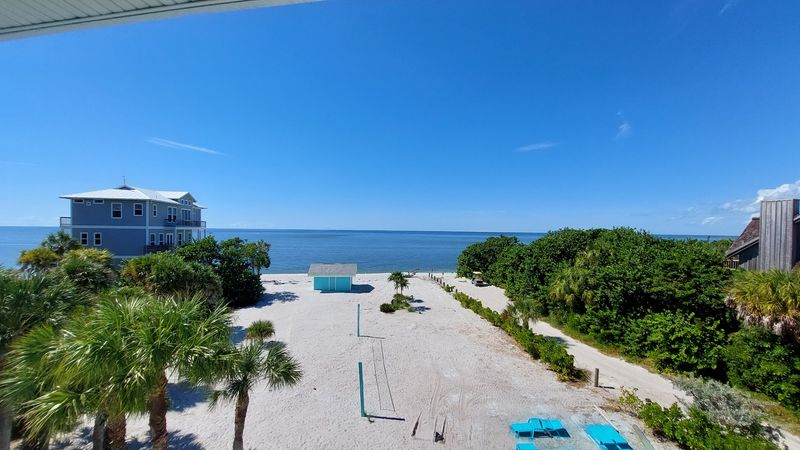
No bridge connects North Captiva to the Florida mainland, and no cars are allowed on the island once you arrive. The Island Club ferry runs scheduled departures from Pine Island, with the crossing taking about 30 minutes through calm coastal waters.
That boat ride already signals that this is a different kind of Florida experience.
Once on the island, sandy paths replace pavement, and golf carts handle the transportation. The Gulf-side beach is soft and uncrowded, and the island’s low development level means the natural setting stays front and center.
Wildlife sightings, including osprey, dolphins, and shorebirds, are common along the shoreline.
North Captiva works well for travelers who love Florida’s Gulf Coast warmth and water color but find the bigger barrier islands too built up. There are rental properties, a small restaurant scene, and enough amenities to be comfortable without tipping into resort territory.
The island earns its reputation quietly, without needing to advertise much.
Isle au Haut, Maine
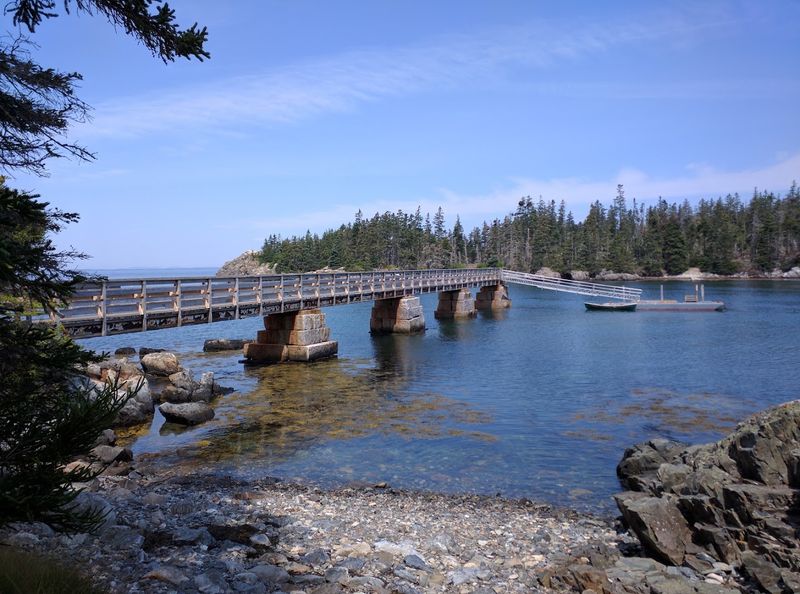
Half of Isle au Haut belongs to Acadia National Park, and the other half is home to a small year-round fishing community and summer residents. That split gives the island a layered character that sets it apart from the more visited parts of Acadia on Mount Desert Island.
A passenger-only ferry from Stonington connects the island to the mainland year-round, with seasonal service running to Duck Harbor near the campground.
The trails here are rugged, rocky, and rewarding. Hikers walk through spruce forest, along cliff edges, and past cobble beaches with wide Atlantic views.
The island does not have restaurants or shops in the traditional sense, so visitors come prepared and stay present.
For travelers who want the Acadia experience without the summer crowds at Bar Harbor, Isle au Haut offers a compelling alternative. It takes more effort to reach, but the payoff is a quieter, more concentrated version of Maine’s coastal wilderness.
Monhegan Island, Maine
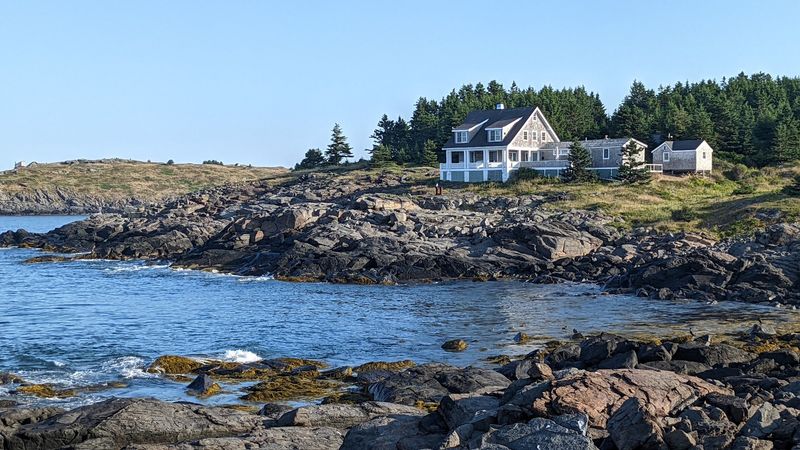
Ten miles offshore in the Gulf of Maine, Monhegan Island has been drawing artists for over a century, and the landscape makes clear why. Cliffs drop sharply into the Atlantic on the island’s eastern side, trails wind through cathedral spruce forest, and the small village clusters around a working harbor with lobster boats and weathered buildings.
Monhegan Boat Line operates the original year-round ferry from Port Clyde, and seasonal service also runs from New Harbor and Boothbay Harbor. No car ferries serve the island, which keeps the roads quiet and the pace slow.
The Monhegan Museum of Art and History, housed in the old lighthouse keeper’s building, gives context to the island’s long artistic tradition.
Galleries are scattered through the village, and the trails range from easy shoreline walks to more demanding cliff-edge routes. Monhegan is genuinely dramatic in its scenery and genuinely calm in its atmosphere, a combination that keeps visitors coming back year after year.
Great Cranberry Island, Maine
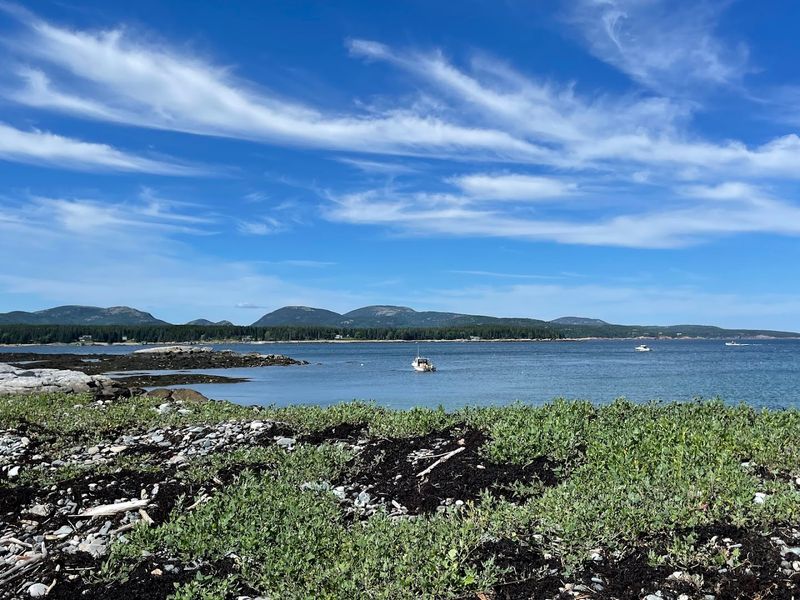
Great Cranberry Island sits just south of Mount Desert Island, close enough to see the Acadia peaks across the water but far enough to feel like its own quiet world. Year-round passenger ferry service from Northeast Harbor reaches Great Cranberry, Little Cranberry Island, and Sutton Island, making a day trip from the Acadia area very manageable.
The Great Cranberry Island Historical Society operates the Cranberry House, which includes the Preble-Marr Museum, gardens, and a café. Public trails lead to Whistler Cove and Preble Cove, offering shoreline walks with minimal effort and maximum coastal scenery.
This is a good choice for Acadia visitors who want to step away from the park’s busiest spots without losing the Maine coastal atmosphere. The island village is small and walkable, the museum is genuinely interesting, and the ferry ride itself gives a different perspective on the islands and mountains of this corner of Maine.
It is a low-key, high-quality half-day option.
Bois Blanc Island, Michigan
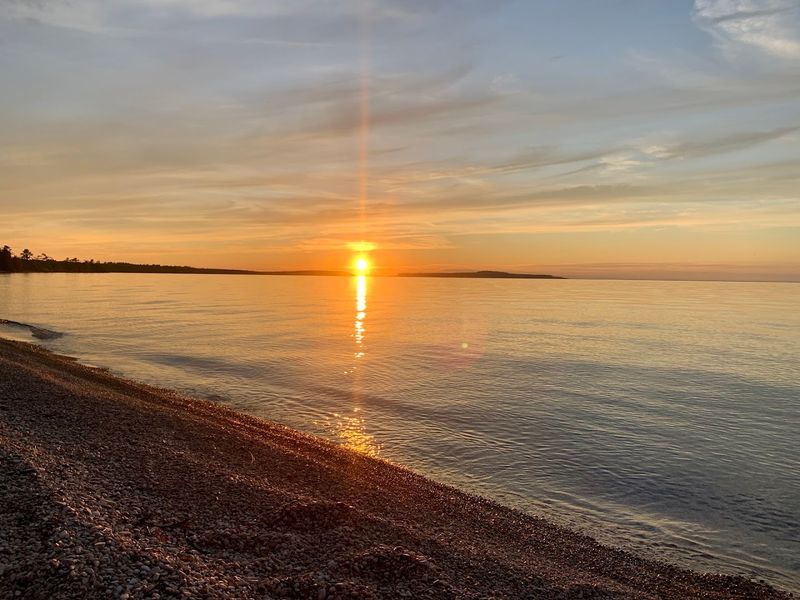
Most travelers passing through the Straits of Mackinac head straight for Mackinac Island, with its famous fudge shops and horse-drawn carriages. Bois Blanc Island, just a short ferry ride from Cheboygan, offers a quieter northern Michigan alternative with far fewer visitors and a noticeably more relaxed character.
Michigan’s official tourism site notes that Bois Blanc has inland lakes, a general store, chapels, and small-island amenities that keep a visit comfortable without being elaborate. The shoreline is forested, the roads are gravel, and the pace reflects a community that has not been reshaped by heavy tourism.
Bois Blanc works well for travelers who want the Straits of Mackinac scenery without the crowds or the commerce. Fishing, kayaking, and simply exploring the quiet roads are the main draws.
For anyone who has visited Mackinac Island and wished it were just a bit calmer and less structured, Bois Blanc is worth putting on the map.
Madeline Island, Wisconsin
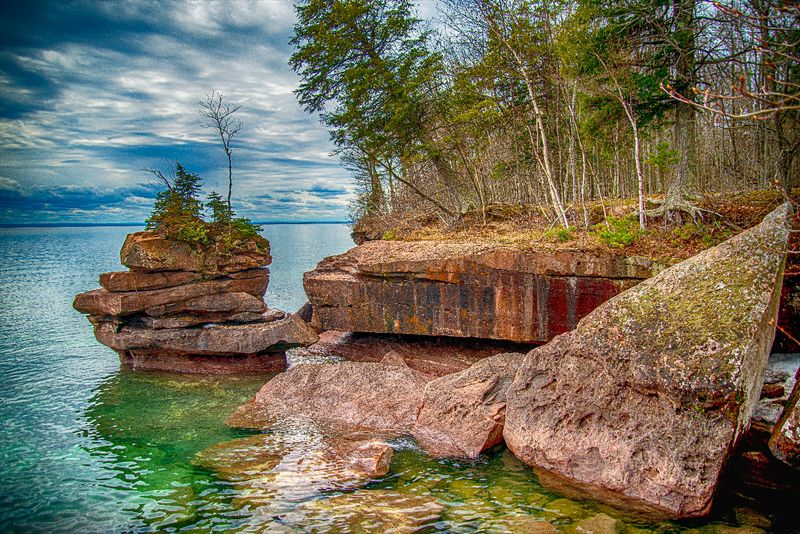
Wisconsin does not always come to mind when people think about beautiful island destinations, but Madeline Island makes a strong case for the Midwest. The largest of the Apostle Islands, Madeline sits in Lake Superior off the Bayfield Peninsula, and the Madeline Island Ferry Line carries passengers, bicycles, and cars between Bayfield and La Pointe year-round.
In summer, the island offers Lake Superior beaches, biking routes, galleries, cafés, and views of the surrounding Apostle Islands archipelago. In winter, when the ice road forms across the frozen bay, the crossing itself becomes a local phenomenon.
The Big Bay State Park on the island’s eastern end adds hiking trails and a lagoon beach to the list of reasons to visit.
La Pointe, the island’s only town, has a genuine small-community feel with a history stretching back to the fur trade era. Madeline Island rewards visitors who want freshwater scenery and a cooler, quieter version of island life.
Kelleys Island, Ohio
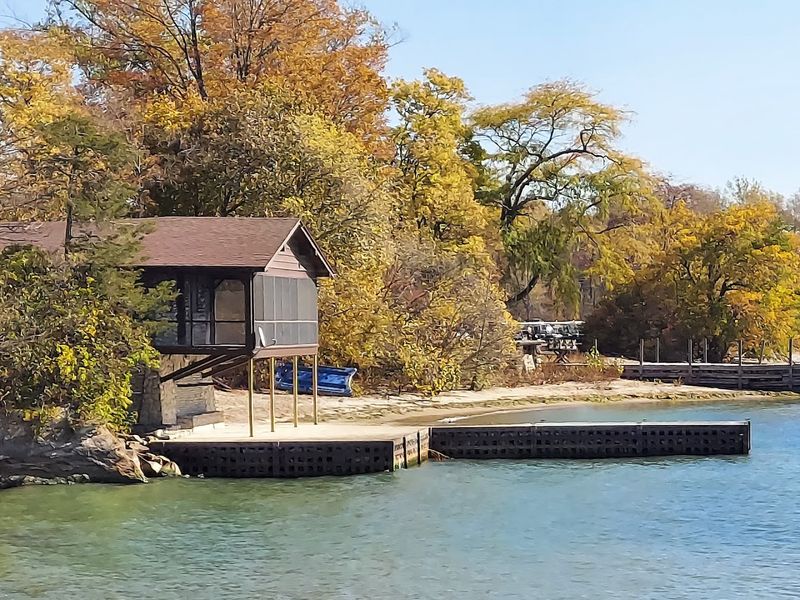
Kelleys Island is one of Lake Erie’s best-kept secrets, and it sits just a 20-minute ferry ride from Marblehead, Ohio. The Kelleys Island Ferry makes daily crossings, and the Ohio Department of Natural Resources manages Kelleys Island State Park on the island’s northern shore, with camping, fishing, swimming, and boating among the available activities.
One of the island’s most unusual features is the Glacial Grooves State Memorial, where ancient glaciers carved deep channels into the limestone bedrock about 18,000 years ago. The grooves are among the largest and most accessible glacially-carved grooves in the world, and they are free to visit.
Beyond the geology, the island has a small downtown with shops and dining options, wine production from a local winery, and beaches that feel genuinely relaxed. Kelleys Island is proof that Great Lakes island travel can be just as rewarding as ocean island travel, and in some ways, more surprising.
Lummi Island, Washington
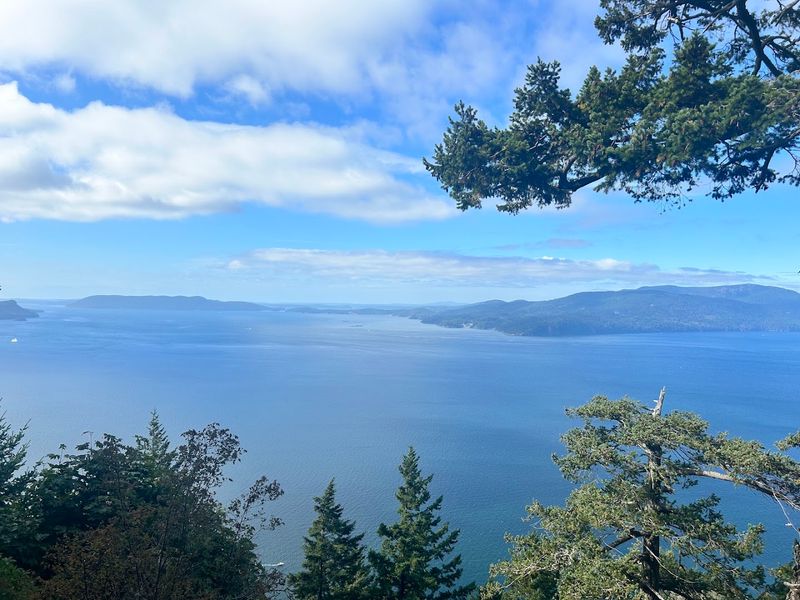
Lummi Island sits in Puget Sound near Bellingham, Washington, and it sees a fraction of the tourist traffic that flows through the nearby San Juan Islands. The Whatcom Chief, operated by Whatcom County, serves the island with regular ferry crossings that take just a few minutes from the Gooseberry Point terminal, making it one of the most accessible quiet islands in the Pacific Northwest.
The island is largely rural, with forested hillsides, water views, a small community, and roads that invite slow driving or cycling. The Willows Inn, a well-regarded destination restaurant on the island, has brought some national attention, but the island itself remains calm and largely residential.
For travelers based in Bellingham or passing through the northern Washington coast, Lummi Island offers a ferry ride and a genuine change of pace without requiring a multi-day commitment. It is a softer, less-publicized version of Pacific Northwest island scenery, and that understatement is the whole point.
Share this story