 Unearth The Voyage
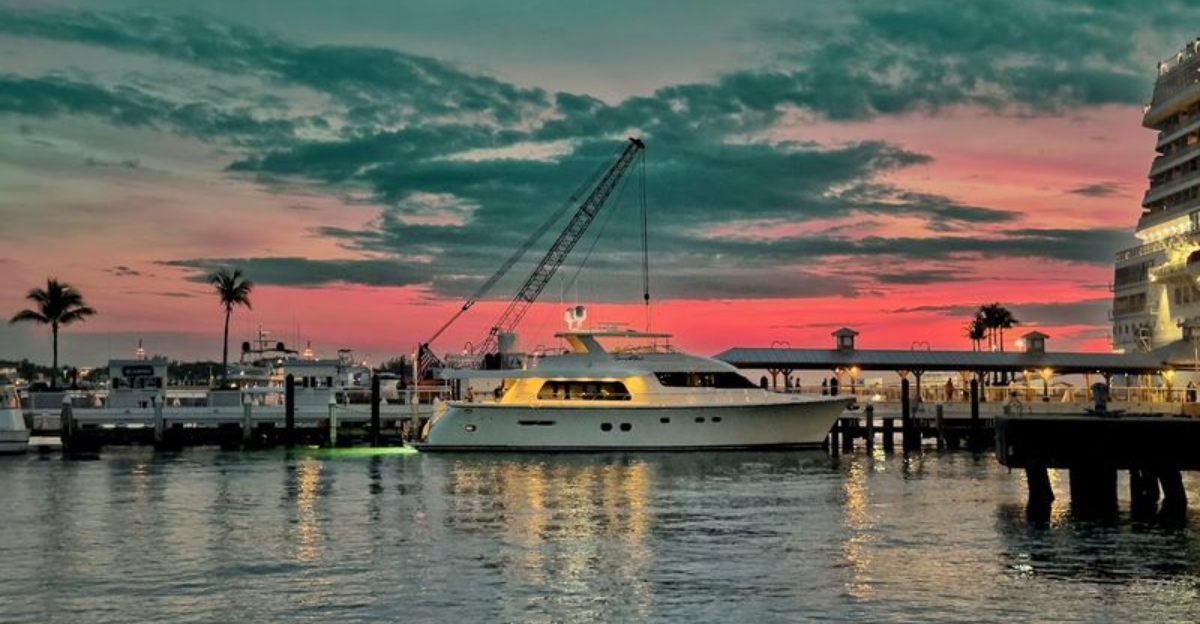
There is a place at the very tip of Florida where the streets are lined with painted wooden houses, wild roosters strut past front porches, and the air carries a mix of salt and tropical flowers. It sits roughly 90 miles from Cuba and about 130 miles southwest of Miami, yet it feels like a world entirely its own.
The coral reefs offshore draw snorkelers and divers from across the country, while the old town streets pull in anyone who loves history, color, and character. This island city packs more personality per square mile than almost anywhere else in the United States, and once you visit, you will completely understand why people keep coming back year after year.
Where It All Begins: Location and First Impressions
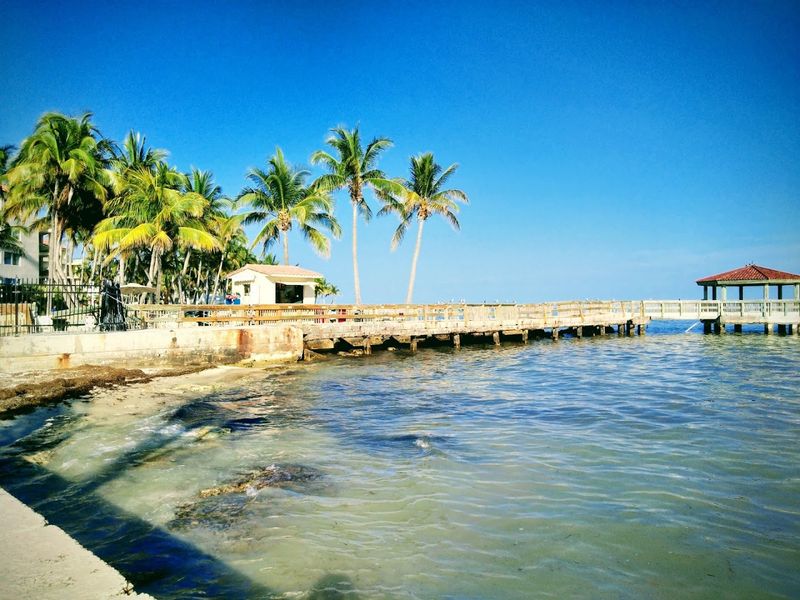
Key West sits at the southern tip of the Florida Keys archipelago, officially located at Florida 33040, and it holds the title of Florida’s southernmost city. You can reach it by driving the legendary Overseas Highway, a 113-mile road that hops from island to island over open water.
That drive alone sets the tone for everything you are about to experience. The moment you cross the last bridge and the island appears, there is a noticeable shift in energy.
The streets narrow, the buildings get more colorful, and the pace of life slows down considerably. Key West covers just about two square miles of land, yet it manages to pack in centuries of history, a thriving arts scene, and one of the most distinctive local cultures in the entire country.
For a first-time visitor, the sheer vibrancy of the place is genuinely surprising.
Conch-Style Architecture and the Rainbow of Houses
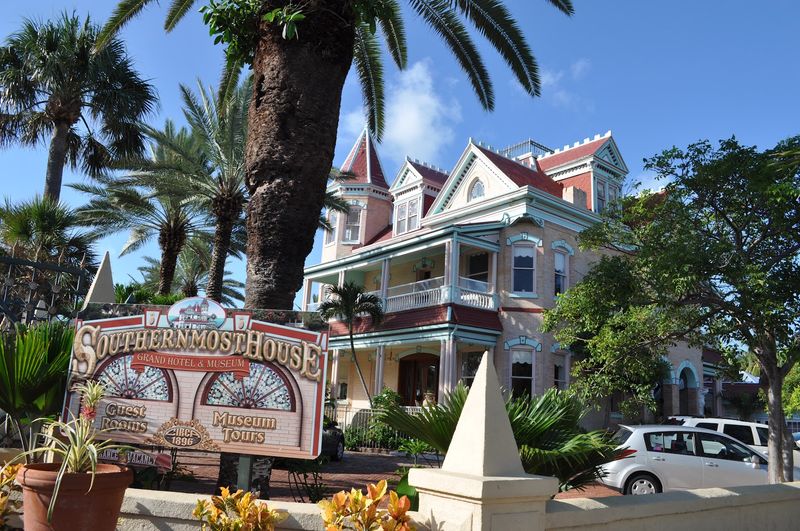
Few things define Key West more visually than its conch-style houses. These wooden structures, built primarily in the 19th century, were designed to handle the subtropical heat with high ceilings, wide porches, and louvered shutters that catch every ocean breeze.
What makes them truly unforgettable is the paint. Homeowners here have embraced bold, unapologetic color in a way that few American towns have matched.
Coral pink sits next to mint green, which sits next to canary yellow, all shaded by massive banyan trees and bougainvillea vines.
The Old Town historic district contains the highest concentration of these homes, and simply wandering those streets without any particular destination is one of the best things you can do here. Many of the houses are privately owned, but their exteriors are on full public display, making every block feel like a carefully curated open-air gallery worth exploring slowly.
The Story Behind the Island: A Brief History
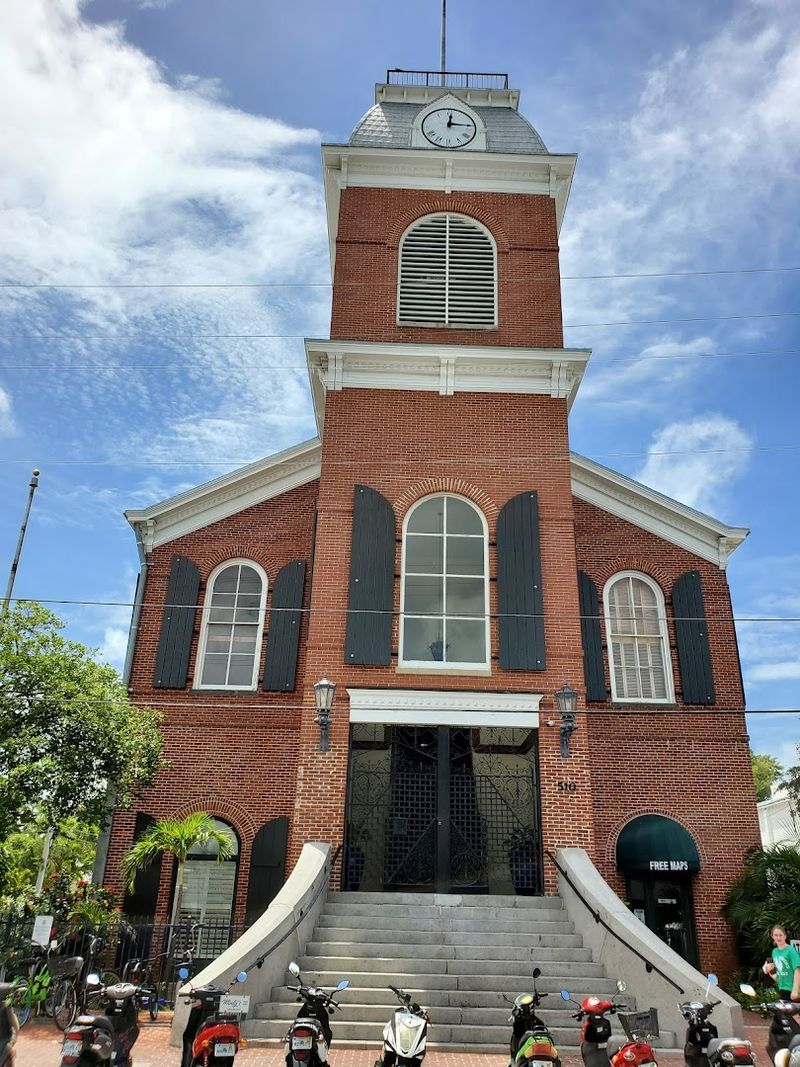
Key West has one of the most layered histories of any American city its size. Indigenous Calusa people lived on these islands long before European contact, and Spanish explorers arrived in the early 1500s.
By the 19th century, Key West had become the wealthiest city per capita in the entire United States, largely due to wrecking, which was the salvage industry built around recovering cargo from ships that ran aground on the nearby reefs. Cigar manufacturing and sponge harvesting also fueled the local economy for decades.
The island later became a naval base, a haven for artists and writers, and eventually a major tourist destination. That layered past is visible everywhere you look, from the architecture to the street names to the museums that fill the historic district.
Understanding even a small piece of that history makes every corner of the island feel more meaningful and alive.
Duval Street: The Heartbeat of the Island
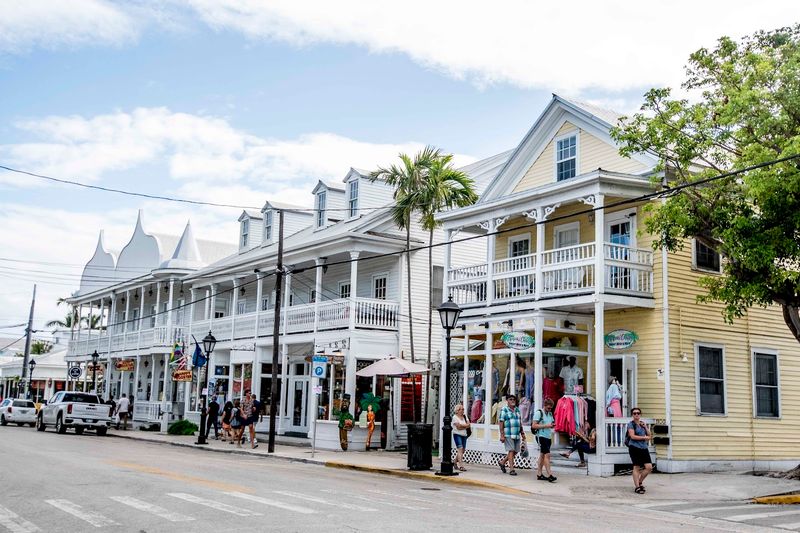
Duval Street runs the full width of Key West from the Gulf of Mexico to the Atlantic Ocean, a stretch locals call the “Duval Crawl” because of how many shops, restaurants, and attractions line its path.
During the day, the street buzzes with visitors browsing art galleries, boutique clothing stores, and souvenir shops tucked into beautifully restored buildings. Street musicians set up near corners, and the smell of fresh seafood drifts out from open restaurant doors.
The energy here is hard to match anywhere else in Florida. It is loud, colorful, and unapologetically fun in a way that feels genuine rather than manufactured.
Whether you stop for a slice of the famous Key lime pie, browse a local artist’s prints, or simply sit on a bench and watch the parade of people pass by, Duval Street rewards anyone willing to slow down and take it all in properly.
Coral Reefs and Crystal Water: Snorkeling and Diving
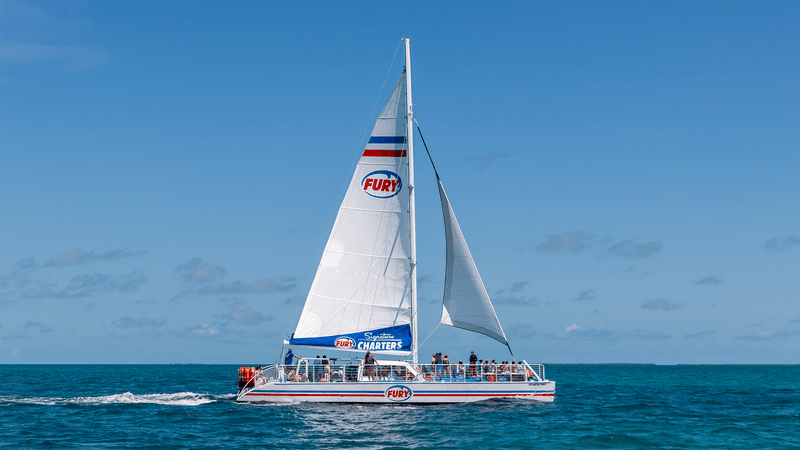
Key West sits at the edge of the only living coral barrier reef in the continental United States, and that fact alone makes it one of the top destinations in the country for underwater exploration. The reef runs parallel to the Keys and stretches for over 170 miles.
Snorkeling trips depart regularly from the historic seaport, taking visitors out to shallow reef sections where brain coral, sea fans, and parrotfish are visible just below the surface. For certified divers, deeper sites offer encounters with sea turtles, spotted eagle rays, and nurse sharks resting on the sandy bottom.
The water visibility here is remarkable on calm days, often exceeding 60 feet in depth. Several local outfitters offer equipment rentals and guided tours for all experience levels, making the reef accessible even to complete beginners.
Getting into that water is, without question, one of the defining experiences of any Key West visit.
The Ernest Hemingway Home: A Literary Landmark
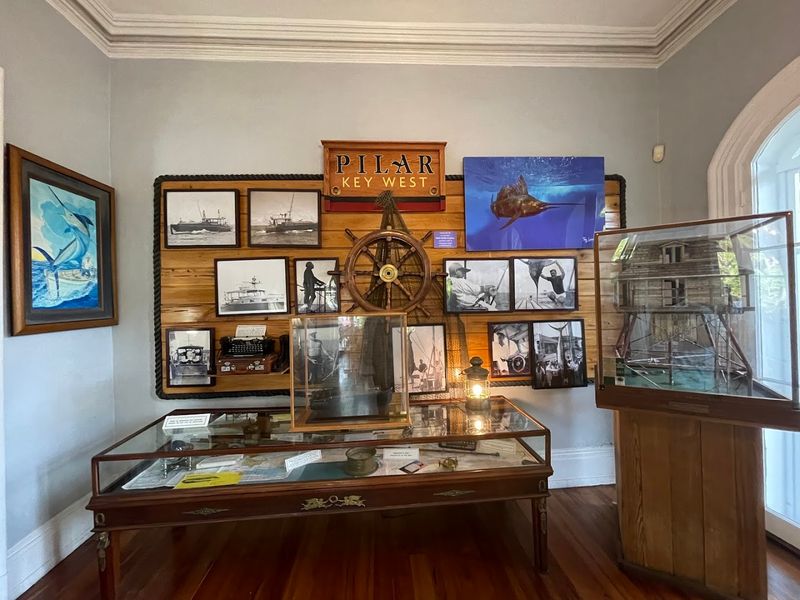
Ernest Hemingway lived and worked in Key West from 1931 to 1940, and his home on Whitehead Street has become one of the most visited literary landmarks in the United States. The Spanish Colonial-style house, built in 1851, is surrounded by a lush garden and a pool that was reportedly the first in-ground pool on the island.
What surprises most visitors is how lived-in the house still feels. Period furniture, Hemingway’s original writing studio above the carriage house, and personal artifacts fill the rooms in a way that brings his years on the island to life.
The property is also famously home to dozens of polydactyl cats, many of them descended from a six-toed cat Hemingway owned. These cats roam freely through every room and across the garden, and they have become beloved characters in their own right.
A guided tour here is genuinely one of the most engaging museum experiences in all of Florida.
Mallory Square and the Nightly Sunset Celebration
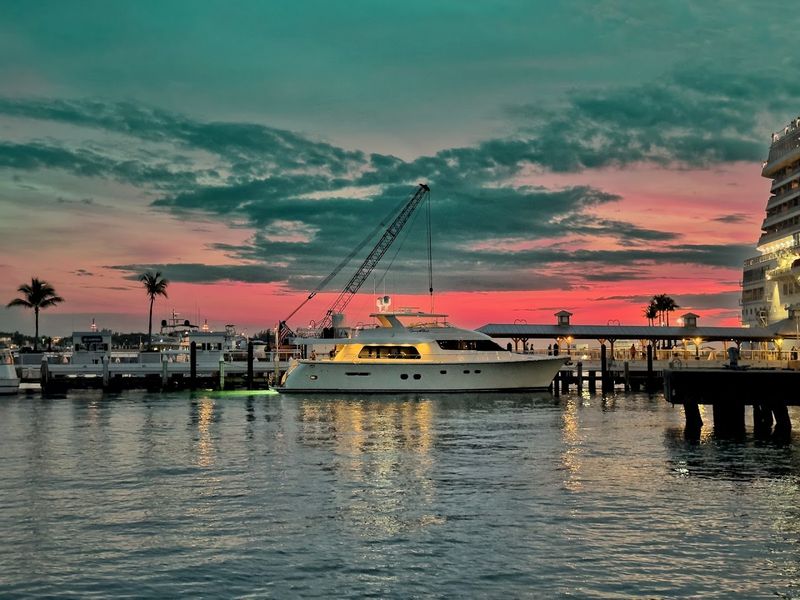
Every evening, locals and visitors gather at Mallory Square on the waterfront to watch the sun sink into the Gulf of Mexico, and this daily ritual has evolved into one of the most festive public gatherings in Florida. The tradition dates back to the 1960s counterculture era.
Street performers set up along the waterfront at least an hour before sunset, including acrobats, fire jugglers, trained-cat acts, and fortune tellers. Food vendors sell fresh conch fritters, lemonade, and coconut treats while the crowd grows steadily as sunset approaches.
When the sun finally touches the horizon, the whole crowd cheers and applauds together, which sounds unusual until you actually experience it and realize how genuinely joyful that shared moment feels. Arriving early to claim a good viewing spot along the seawall is always a smart move.
The whole experience captures something rare: a city that has turned appreciation for natural beauty into a community event.
Key Lime Pie: The Island’s Most Famous Flavor

Key lime pie is not just a dessert in Key West. It is a point of local pride, a subject of passionate debate, and practically a cultural institution.
The pie gets its name from the small, aromatic Key limes that grow throughout the Florida Keys and differ noticeably from the larger Persian limes found in most grocery stores.
An authentic Key lime pie has a graham cracker crust, a dense and tangy yellow filling made with Key lime juice and sweetened condensed milk, and a topping of either whipped cream or meringue. If the filling looks green, it has been artificially colored and purists will tell you that is not the real thing.
Multiple shops and restaurants along Duval Street and the surrounding blocks compete fiercely for the title of best pie on the island. Trying at least two or three different versions is not indulgence.
It is research, and most visitors take that responsibility quite seriously.
The Butterfly and Nature Conservatory
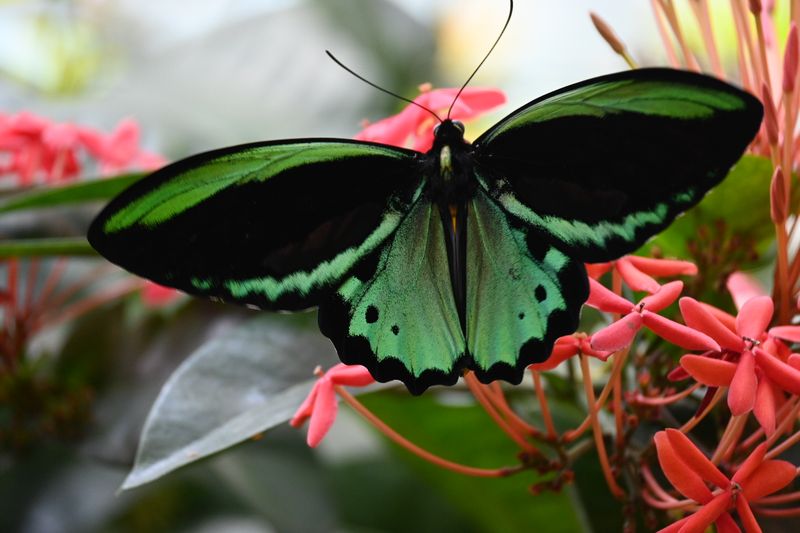
Tucked along Duval Street, the Key West Butterfly and Nature Conservatory is one of those places that surprises you with how genuinely magical it turns out to be. The climate-controlled glass dome houses over 50 species of live butterflies alongside free-flying exotic birds, tropical plants, and small waterfalls.
Butterflies land on your shoulders, rest on nearby flowers, and flutter past your face at close range throughout the visit. The combination of humidity, tropical scent, and constant gentle movement creates an atmosphere unlike anything else on the island.
The conservatory also maintains an educational gallery at the entrance that explains butterfly life cycles, migration patterns, and the importance of habitat preservation. Families with children find this stop particularly rewarding, but the experience appeals to anyone who appreciates living natural beauty in an intimate setting.
A visit here takes about 45 minutes and leaves most people feeling surprisingly calm and refreshed afterward.
Fort Zachary Taylor Historic State Park
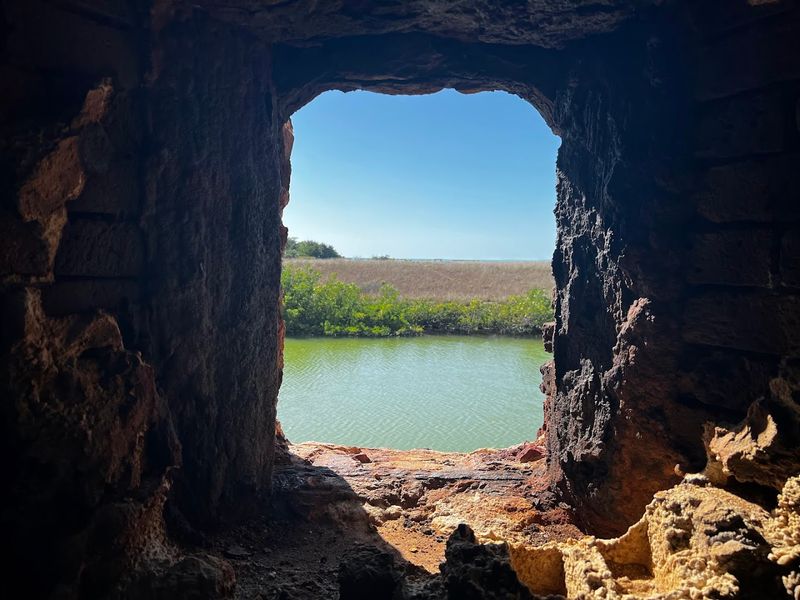
Fort Zachary Taylor is one of the most historically significant sites in Key West, and the fact that it also happens to sit next to the best beach on the island makes it doubly worth visiting. Construction on the fort began in 1845, and it played a strategic role during the Civil War when Union forces used it to blockade Confederate supply ships.
The fort itself is remarkably well preserved, and the on-site museum displays the largest collection of Civil War-era cannons in the United States. Guided tours run regularly and bring the history of the fortification to life with genuine detail and enthusiasm.
After exploring the fort, most visitors head straight to the adjacent beach, which offers calmer, clearer water than many other spots around the island. Snorkeling near the rocky shoreline often turns up interesting marine life, and the shaded picnic areas make it an easy place to spend an entire afternoon without rushing anywhere.
The Local Food Scene: Fresh, Bold, and Unforgettable
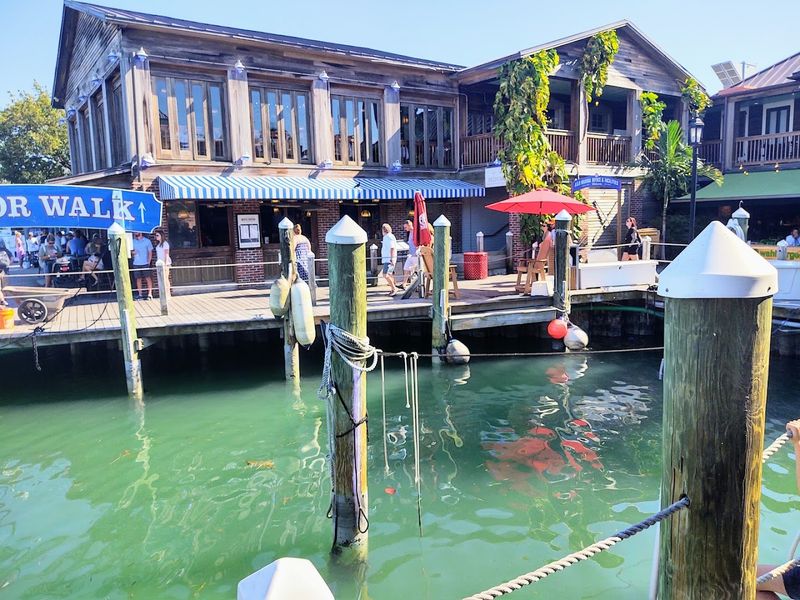
The food in Key West reflects the island’s layered cultural history in every bite. Cuban influences show up in black bean dishes, pressed sandwiches, and strong coffee served at small counter spots that have been operating for generations.
The seafood, however, is where the island truly shines.
Stone crab claws, fresh yellowtail snapper, and conch prepared in a dozen different ways appear on menus across the island. Many restaurants source directly from local fishermen, which means the quality and freshness are consistently high.
Outdoor seating is the norm rather than the exception, and eating beside the water with a sea breeze is simply the standard experience here.
Several smaller spots away from the main tourist corridors offer excellent food at more reasonable prices, and locals are usually happy to point visitors in the right direction. The food culture here rewards curiosity and a willingness to wander off the obvious path into quieter neighborhoods.
Tips for Visiting: Getting the Most Out of Key West
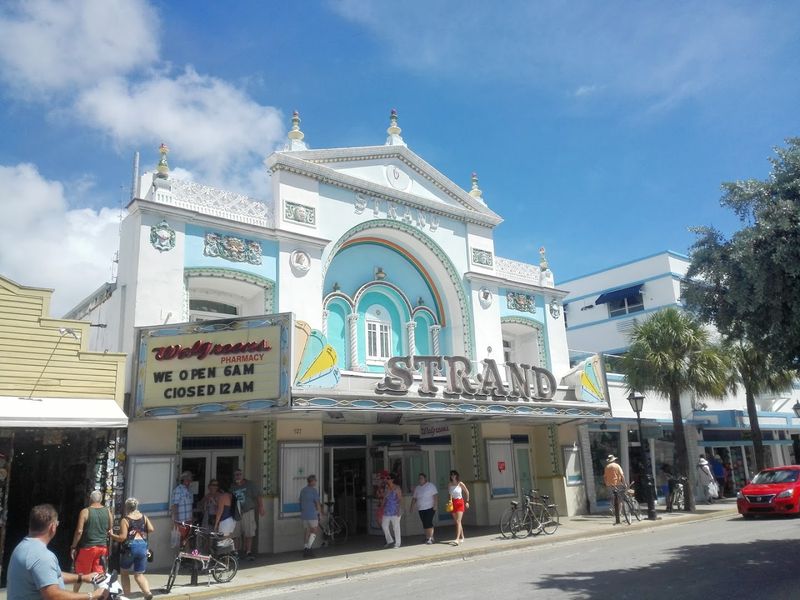
Key West rewards visitors who come prepared with a few practical tips in their back pocket. The best time to visit is between November and April, when temperatures stay comfortable in the mid-70s and humidity drops to manageable levels.
Summer brings heat, humidity, and the possibility of tropical storms, though prices are significantly lower during those months.
Getting around the island is easiest by bicycle or scooter, both of which are widely available for rent throughout town. The streets are flat, distances are short, and parking a car in Old Town is genuinely frustrating, so leaving the vehicle at the hotel makes a lot of sense.
Booking popular tours like reef snorkeling trips or Hemingway Home guided visits in advance is strongly recommended during peak season. The island also has a strong community of local artists, and visiting their studios directly often leads to conversations and purchases that feel far more meaningful than anything found in a souvenir shop.



