Not every monument gets a warm welcome. Some are surrounded by protest signs, heated debates in government halls, and centuries of unresolved history.
Around the world, certain statues and memorials have become more than just stone and metal. They have turned into battlegrounds for ideas about justice, identity, and who deserves to be remembered.
In 2026, these sites are still standing, still sparking arguments, and still drawing curious visitors from every corner of the globe. Some were nearly torn down.
Some were actually moved. A few were put back up after being toppled.
Whether you agree with what they represent or not, each one tells a story that goes far deeper than the surface. This list covers the most talked-about, argued-over, and flat-out controversial monuments you can still visit this year.
Buckle up, because history is rarely as simple as a plaque on a pedestal.
1. Yasukuni Shrine – Tokyo, Japan
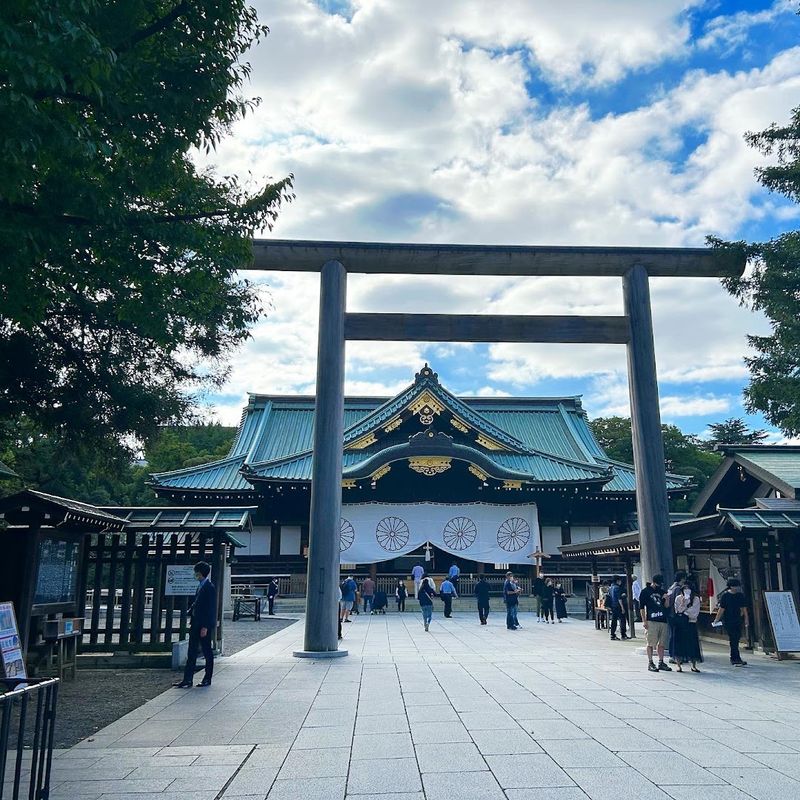
Built in 1869, Yasukuni Shrine was originally created to honor those who gave their lives in service of the Japanese emperor. That sounds straightforward enough until you learn that among the 2.4 million people enshrined there are 14 Class-A war criminals from World War II.
Every time a Japanese prime minister or cabinet official pays a visit, neighboring countries like China and South Korea issue formal protests. The shrine has become one of the most diplomatically sensitive tourist destinations on the planet.
Visitors walk through a wide avenue lined with cherry trees before reaching the main hall, which is open to the public. The attached Yushukan museum presents a version of World War II history that many historians and foreign governments strongly dispute.
In 2026, the shrine continues to attract both devoted worshippers and curious travelers. The tension between national mourning and international accountability makes every visit feel like stepping into an argument that no one has fully resolved.
2. Statue of Cecil Rhodes – Oxford, England
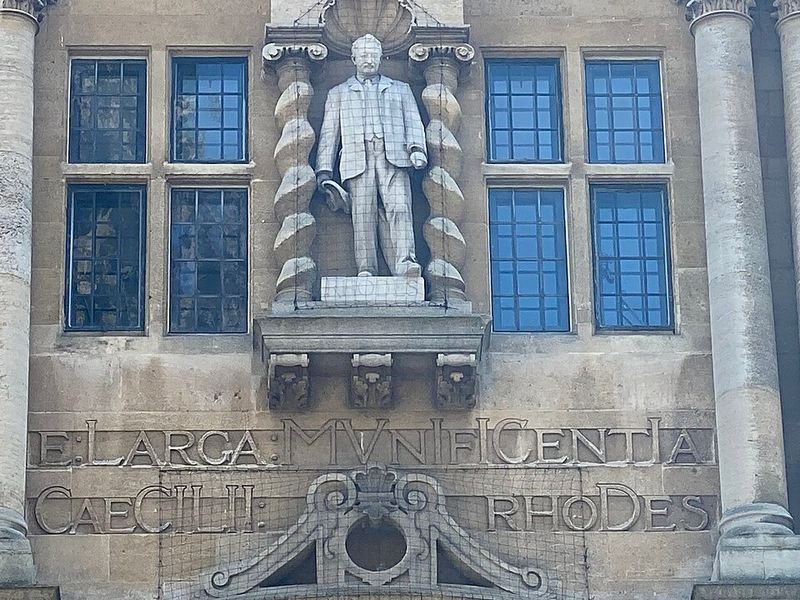
Perched on the front of Oriel College at the University of Oxford, this bronze figure of Cecil Rhodes has spent the last several years at the center of one of Britain’s loudest debates about colonial history. Rhodes made his fortune in southern Africa through mining and land seizure, and his policies caused tremendous harm to Black Africans.
The Rhodes Must Fall movement, which began in South Africa in 2015, spread to Oxford and turned this single statue into a symbol of a much bigger conversation about what universities choose to celebrate.
Oriel College initially considered removing it but reversed course after donors threatened to withdraw funding. The statue is still there in 2026, watching over the street below while the debate watches right back.
Visitors often stop to photograph it alongside protest graffiti that appears and disappears on the pavement. As a monument, it has become more famous for what it represents than for who it depicts.
3. Lenin Mausoleum – Moscow, Russia
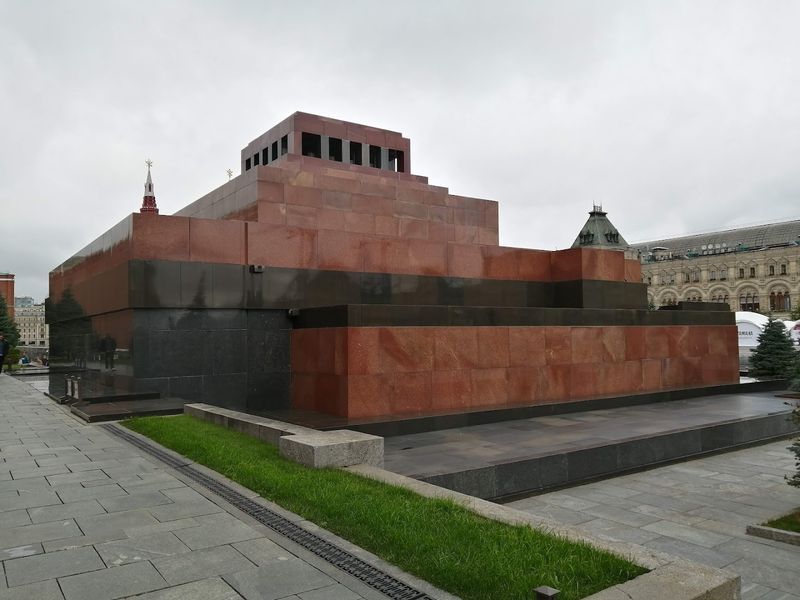
Vladimir Lenin has been lying in state in Moscow’s Red Square since 1924, and somehow the debate over what to do with him never gets old. His preserved body rests inside a red and black granite mausoleum that sits directly in front of the Kremlin wall, drawing a steady stream of visitors every year.
For Soviet loyalists and history enthusiasts, the mausoleum is a genuine pilgrimage site. For others, keeping a preserved political figure on permanent public display feels deeply strange, if not outright unsettling.
Russian politicians have debated burying Lenin for decades, but no government has followed through. The building itself is architecturally striking, designed in a stepped pyramid style that blends into the grandeur of Red Square without trying too hard.
The mausoleum opens to visitors several days a week, and the line moves quickly. You cannot bring bags or cameras inside.
What you can bring is a willingness to stand face to face with one of history’s most complicated legacies.
4. Confederate Monuments – Various Locations, USA
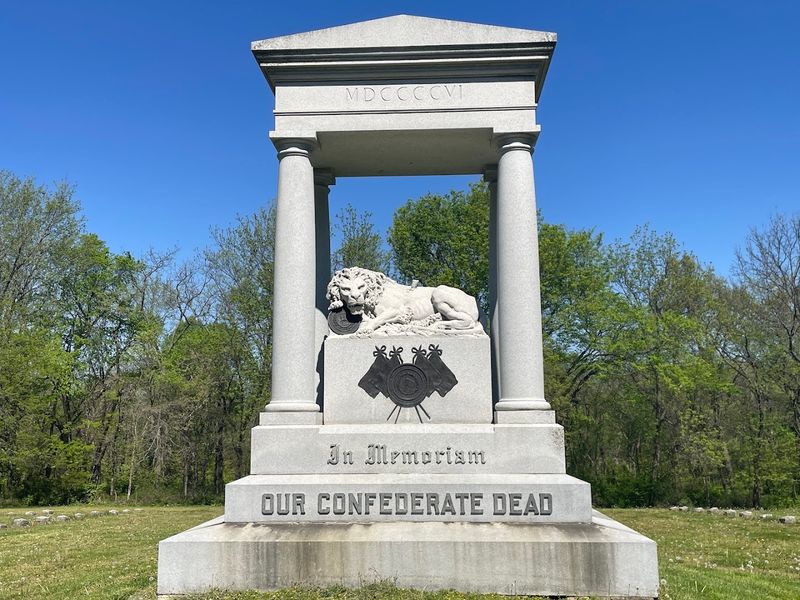
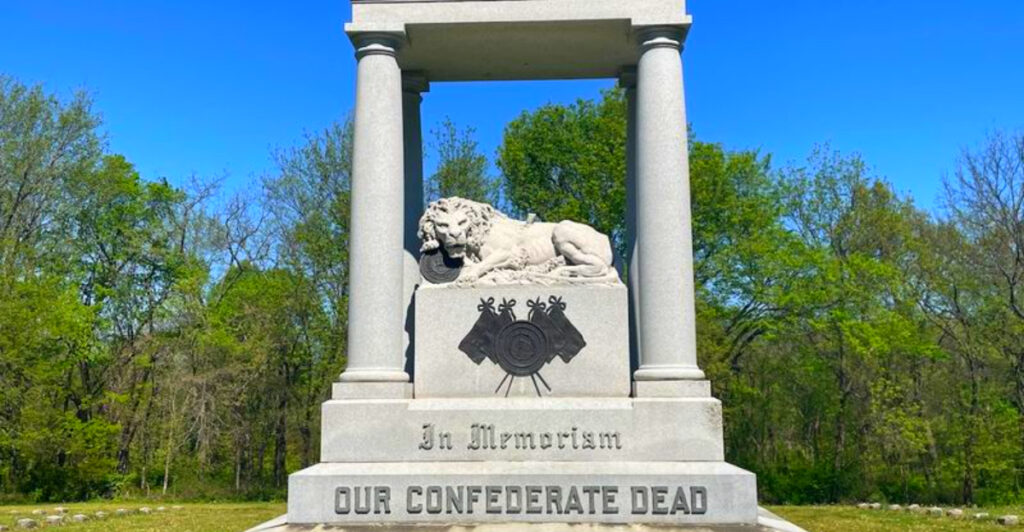
Few debates in American public life have been as persistent or as heated as the one surrounding Confederate monuments. These statues, scattered across courthouses, parks, and city centers throughout the South, depict generals and soldiers who fought to preserve slavery during the Civil War.
After the 2015 Charleston church shooting and the 2020 protests following the killing of George Floyd, hundreds were removed. But the story did not end there.
In early 2026, Florida pushed legislation to ban local governments from removing historic monuments. A bill to clear remaining Confederate statues in Richmond, Virginia was blocked by a House committee in March 2026.
Most strikingly, the National Park Service reinstalled a statue of Confederate general Albert Pike in Washington D.C.’s Judiciary Square in late 2025, just years after it had been toppled. Supporters call these monuments historical artifacts.
Critics call them symbols of oppression. Either way, they remain standing, and the argument is far from over.
5. The Motherland Calls – Volgograd, Russia
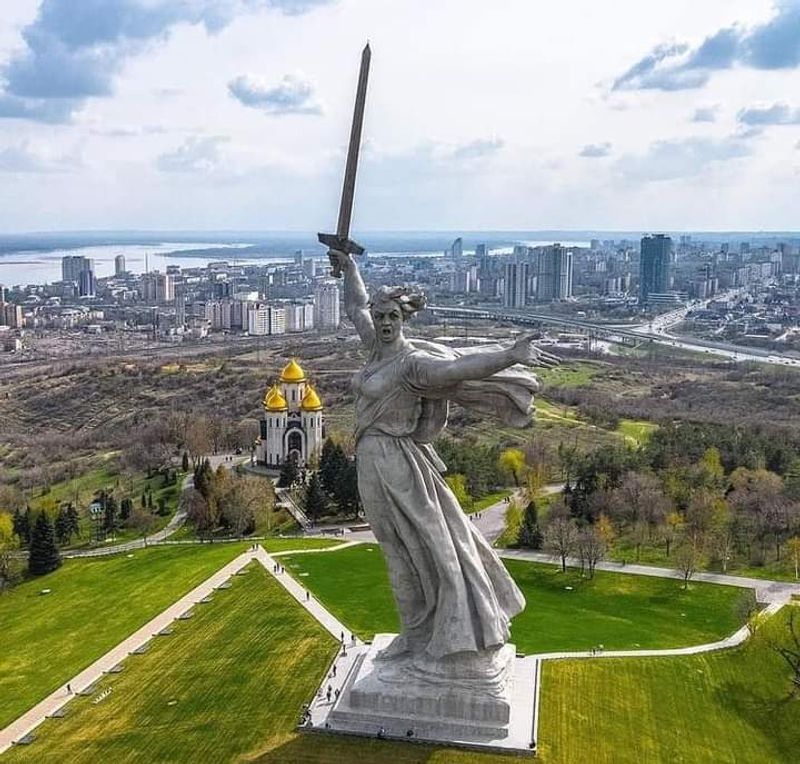
At 85 meters tall, The Motherland Calls is one of the largest statues in the world, and it does not apologize for its size. Built in 1967 to commemorate the Soviet victory at the Battle of Stalingrad, it stands on Mamayev Kurgan hill in Volgograd with a raised sword that can be seen from miles away.
The battle it honors was one of the deadliest in human history, and the statue genuinely conveys that weight. Over 35,000 people are buried on the hill beneath it.
The controversy here is less about the statue itself and more about what it represents in a modern context. Russia continues to use it as a backdrop for state propaganda and military celebrations, turning a memorial for enormous human suffering into a tool of political messaging.
Visitors in 2026 can climb the hill, walk through the memorial complex, and stand at the base of the figure. The scale alone is worth the trip, even if the politics surrounding it are complicated.
6. Columbus Statues – Various Countries
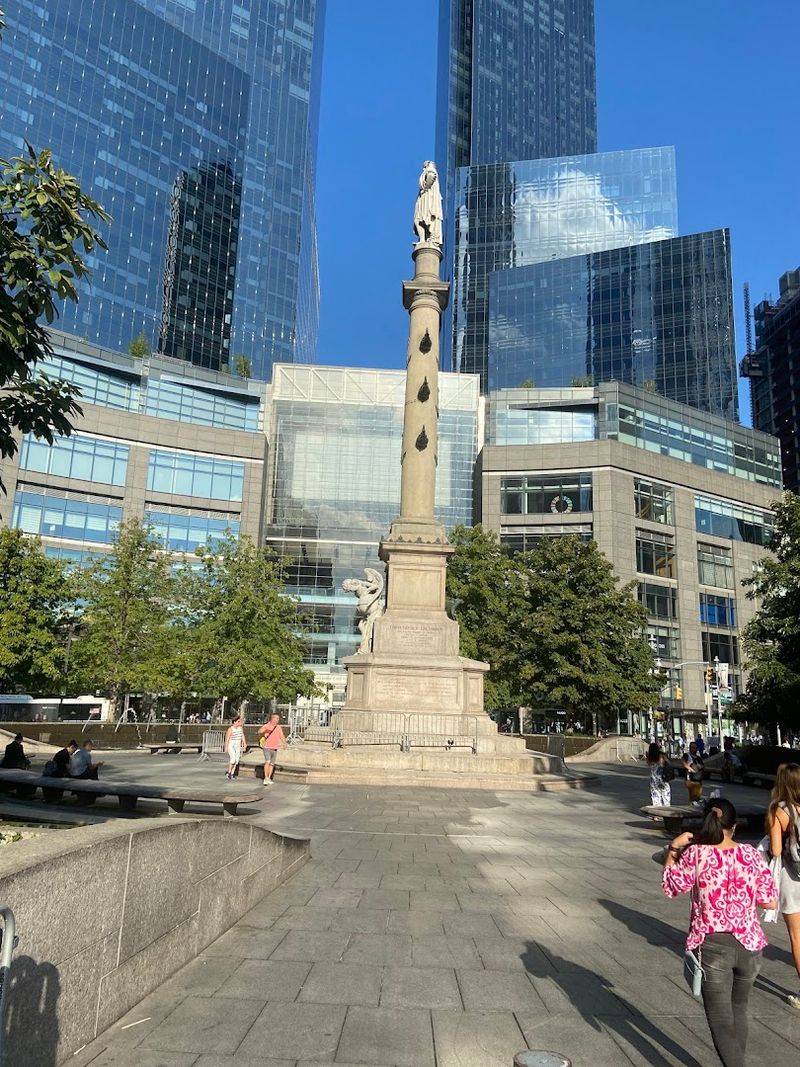
Christopher Columbus has had a rough few years in the monument world. Statues of the Italian explorer have been removed, vandalized, beheaded, and debated across the United States, Latin America, and Europe.
The central argument is that honoring Columbus glorifies the beginning of colonization and the devastation it brought to Indigenous populations.
In a dramatic twist, 2026 brought a new chapter. President Trump announced plans to install a Christopher Columbus statue on the south side of the White House, and a statue was placed in front of the Eisenhower Executive Office Building in Washington D.C.
Italian American groups, who have long championed Columbus monuments as symbols of their heritage, celebrated the move.
Critics pointed out the uncomfortable timing and symbolism. The debate neatly captures why Columbus statues are so polarizing.
They mean entirely different things depending on whose history you are centering.
Existing Columbus statues in cities like New York, Chicago, and San Juan remain standing but continue to attract protests, petitions, and passionate defenses in equal measure.
7. The Tomb of Francisco Franco – Spain
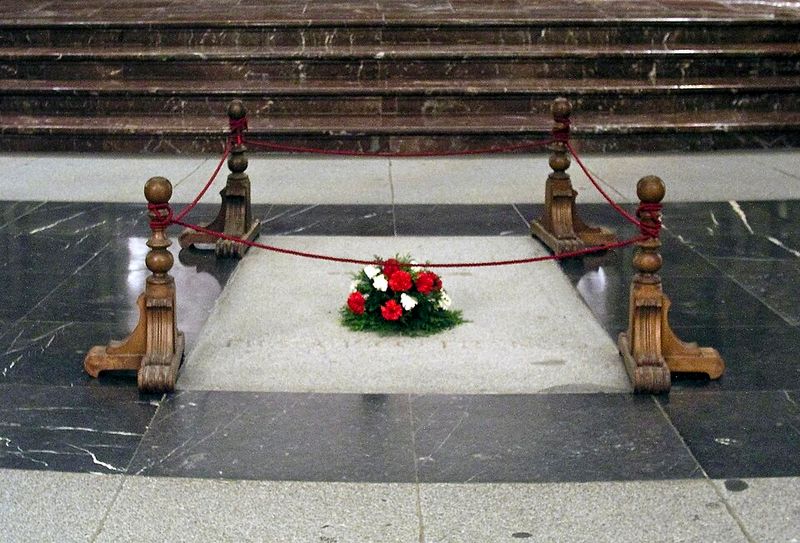
Francisco Franco ruled Spain as a dictator from 1939 until his passing in 1975, and for decades his tomb sat inside the Valley of the Fallen, a massive state-built memorial near Madrid that also holds the remains of thousands of Civil War casualties from both sides of the conflict.
In 2019, the Spanish government exhumed Franco’s remains and moved them to a family cemetery, a decision that sparked protests from both supporters and opponents. But the Valley of the Fallen itself remains open and controversial.
The site includes a basilica carved directly into a mountain and a 150-meter stone cross visible from kilometers away. Critics argue the entire complex was built using forced labor from political prisoners under Franco’s regime.
In 2026, efforts to rename and reframe the site as a place of democratic memory continue, but the process has been slow and contested. Visiting it means confronting a monument that one country is still actively trying to decide how to remember.
8. Captain Cook Statues – Australia & New Zealand
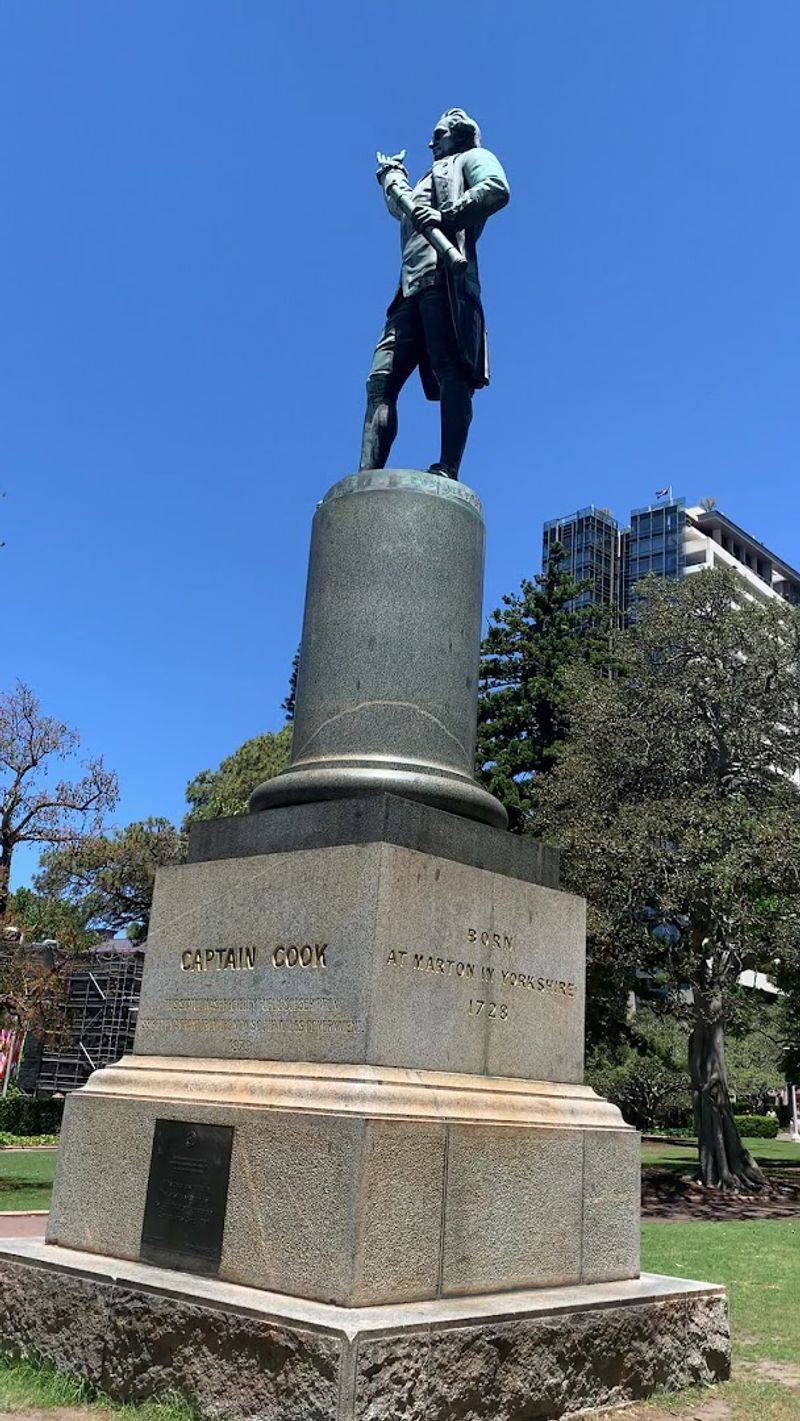
Captain James Cook is credited with mapping large parts of Australia and New Zealand, but his arrival also marked the beginning of colonization for Indigenous Australians and Maori communities. That tension has made his statues targets of protest and vandalism, particularly since 2020 when the global conversation about colonial monuments intensified.
Several Cook statues in Australia have been defaced with red paint. Plaques have been added to some, acknowledging Indigenous perspectives that were long absent from the official story.
The debate is not just about Cook personally but about what it means to place a European explorer at the center of a country’s founding narrative when the land was already home to thriving cultures for tens of thousands of years.
In 2026, these statues remain standing but are no longer simple celebrations. Many now exist within a broader conversation that includes Indigenous land rights, historical accuracy, and who gets to define a nation’s identity.
That makes them worth visiting, and worth thinking about carefully.
9. Stalin Statues – Georgia & Beyond
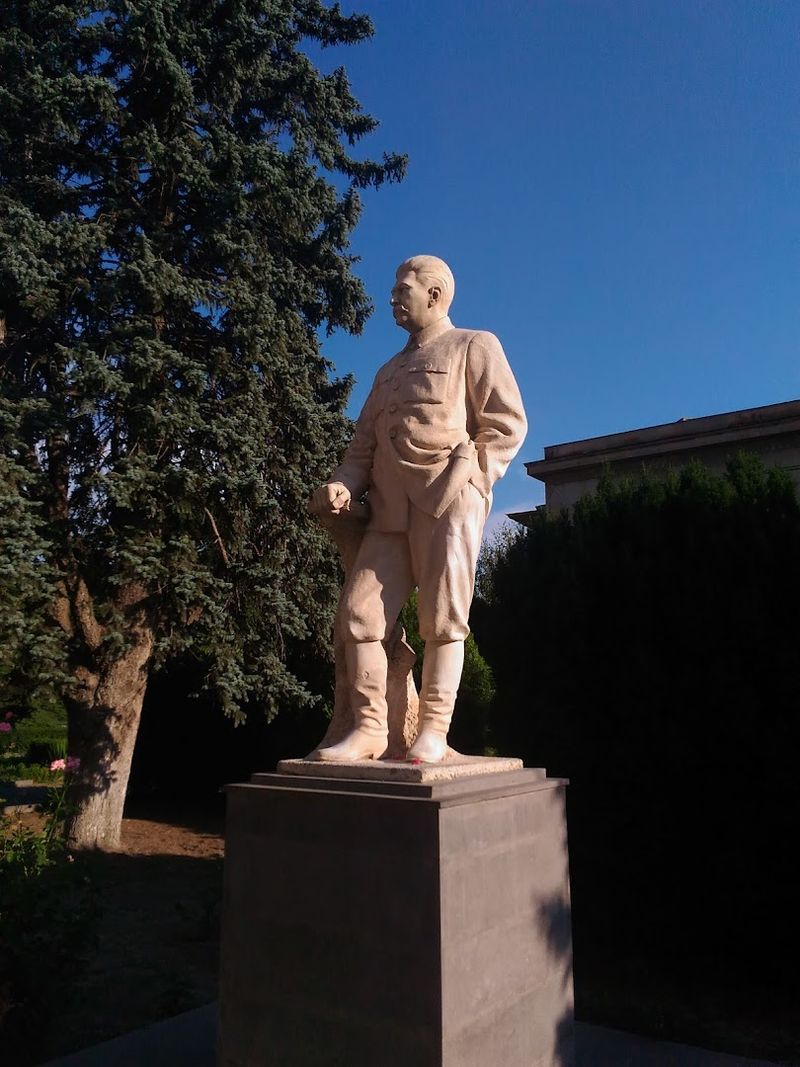
Joseph Stalin was born in the Georgian town of Gori, and for years a large bronze statue of him stood proudly in the town square. It was quietly removed in 2010 while most residents were asleep, a detail that says quite a lot about how complicated his legacy remains.
Yet Stalin statues have not disappeared entirely. Some have been restored in parts of Russia, where surveys show a surprisingly high approval rating for the Soviet-era leader among certain age groups.
Others have been moved to museums or storage.
The question at the heart of every Stalin statue debate is whether honoring a leader responsible for the suffering of millions can ever be justified by the industrial and military achievements of his era. Different countries, and different generations within those countries, answer that question very differently.
Gori still has a Stalin museum where visitors can see his childhood home and personal train car. It is one of the most unusual museum experiences you can have in 2026, equal parts fascinating and deeply unsettling.
10. The “Birth of the New World” Statue – Puerto Rico
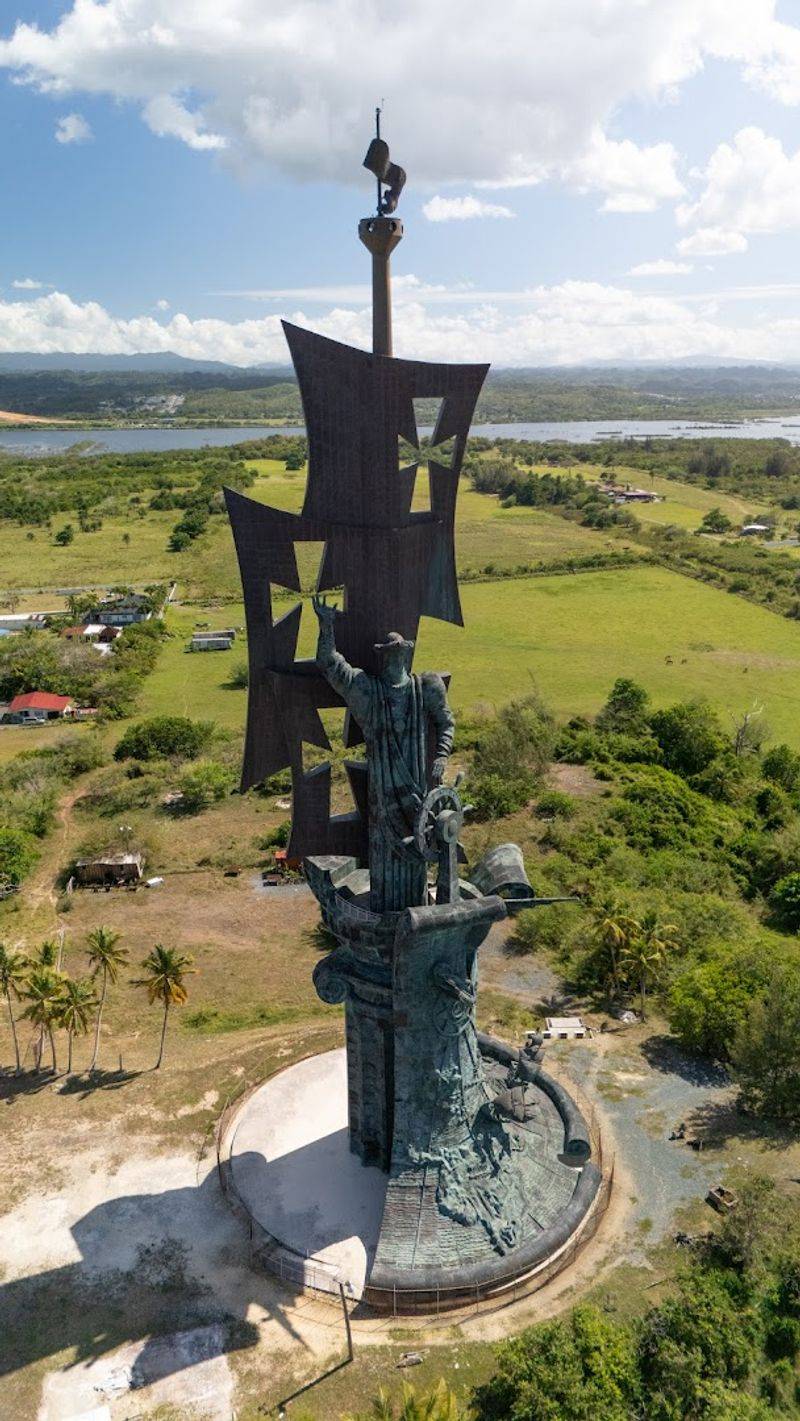
Standing about 40 meters tall near the coast of Arecibo, Puerto Rico, this enormous bronze figure of Christopher Columbus was created by Russian sculptor Zurab Tsereteli and has been controversial practically since the day it arrived. Several American cities, including Baltimore and Fort Lauderdale, rejected the statue before Puerto Rico accepted it in 2016.
Critics questioned why Puerto Rico, a place with a deep Indigenous Taino heritage, would choose to display such a monumental tribute to a figure associated with colonization. Others pointed out that the statue itself is aesthetically unusual, with a design that has divided art critics sharply.
The statue was also damaged by Hurricane Maria in 2017, adding another complicated chapter to its already turbulent story.
In 2026, it remains standing and draws visitors who are often more curious about the controversy than the artwork itself. Few monuments in the Western Hemisphere generate quite this combination of political debate, artistic criticism, and sheer bewilderment at its existence in one location.
11. The Voortrekker Monument – Pretoria, South Africa
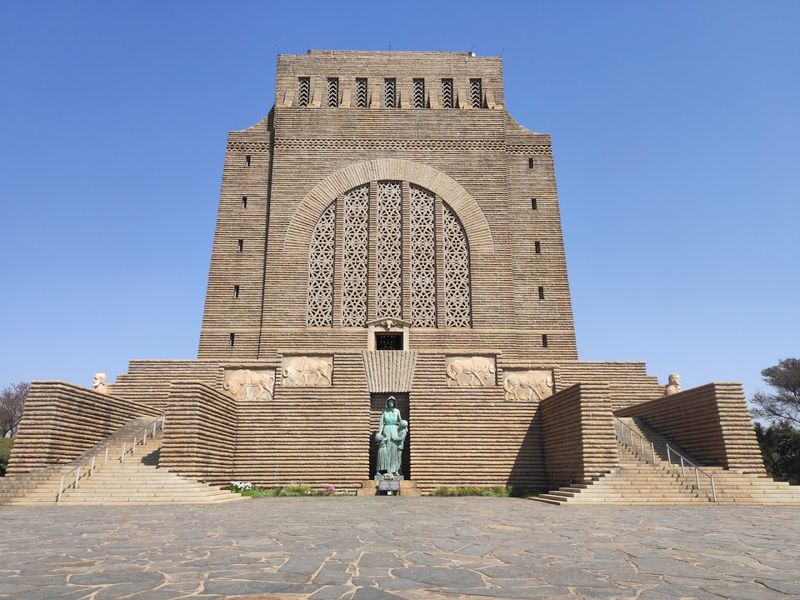
Built in 1949 and designed to look like a fortress, the Voortrekker Monument in Pretoria is one of the most architecturally imposing memorials in Africa. It was constructed to honor the Afrikaner pioneers who trekked into the South African interior in the 1830s and 1840s, clashing violently with Zulu and other African communities along the way.
For many Afrikaners, the monument represents resilience, cultural identity, and survival. For many Black South Africans, it represents the glorification of a migration that led directly to apartheid-era policies and generations of systemic oppression.
The monument has a hall of heroes inside, marble friezes depicting battles, and a skylight engineered so that a beam of sunlight falls on a cenotaph at noon on December 16 each year. The engineering is genuinely impressive.
The history it celebrates is genuinely contested.
In 2026, it functions as a heritage site open to all visitors. Its complexity makes it one of the most thought-provoking monuments on this entire list.
12. Saddam Hussein Memorial Sites – Iraq
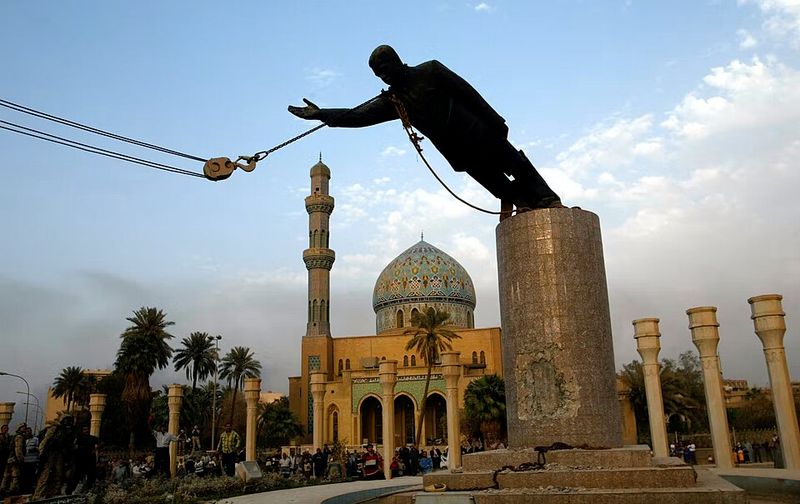
The toppling of Saddam Hussein’s statue in Baghdad’s Firdos Square on April 9, 2003 became one of the most broadcast images of the early 21st century. What many viewers did not realize at the time was that the crowd was smaller than the camera angles suggested, and the event was at least partly staged for international media.
That detail alone tells you something important about how monuments and power work together. Saddam built himself into the Iraqi landscape on a massive scale, with murals, statues, and monuments in nearly every city.
Most were destroyed after the fall of his government, but remnants remain. Bases, partial structures, and former monument sites still exist in Baghdad and other cities, often surrounded by newer construction that has grown up around them.
Visiting these sites in 2026 means engaging with a very recent and still raw history. Iraq continues to rebuild its identity, and the spaces where Saddam’s image once stood are part of that ongoing, complicated process.
Share this story