The 1980s gave us neon colors, big hair, and some seriously rebellious celebrities who broke every rule in the book. From Hollywood heartthrobs to rock-and-roll legends, these guys kept tabloids busy and fans obsessed.
I grew up watching some of these faces on my older sister’s bedroom wall, wondering what made them so magnetic. Decades later, they still command attention, though time has reshaped them in ways nobody could have predicted.
Rob Lowe
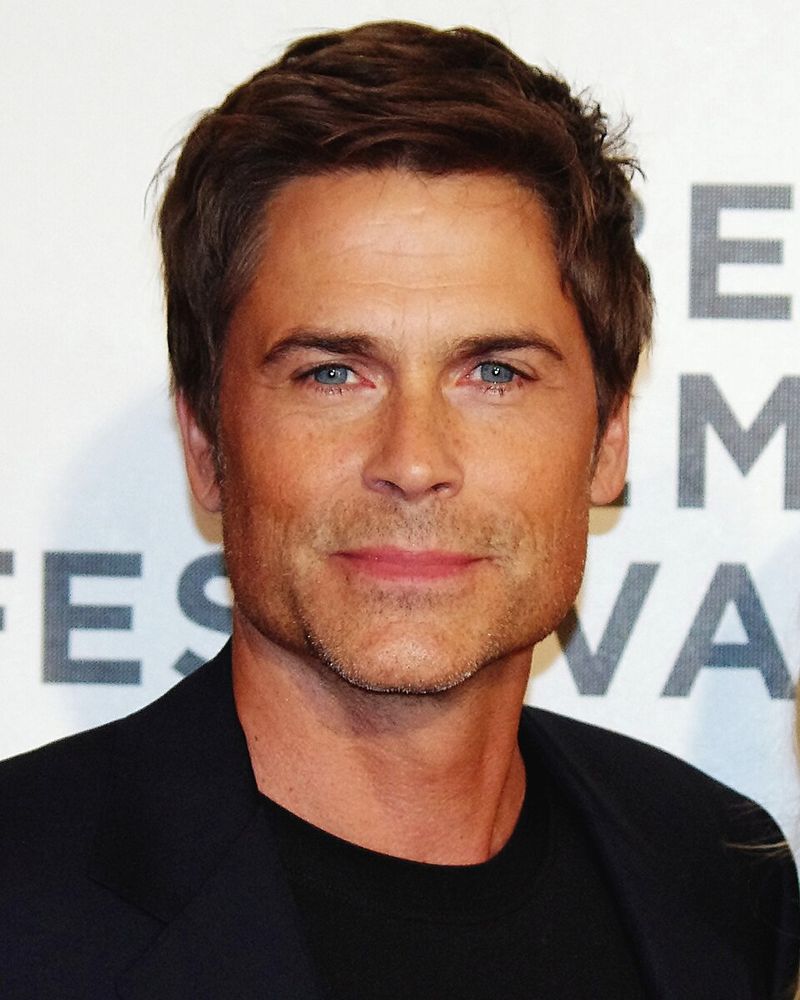
Few people age as suspiciously well as Rob Lowe, and the internet never lets him forget it. Back in the ’80s, he was the Brat Pack’s golden boy, starring in The Outsiders, St. Elmo’s Fire, and About Last Night.
He had cheekbones sharp enough to cut glass and charm to match.
His career hit turbulence with public controversy, but Lowe rebuilt himself with serious staying power. The West Wing made him credible.
Parks and Recreation made him lovable. 9-1-1: Lone Star kept him relevant. He even starred in a Netflix comedy opposite his real-life son, which is adorable and slightly show-offy.
Today, Lowe looks like a man who made a deal with time and won. His face is polished, his jawline is still present, and his smile still works.
The wild child is long gone, replaced by a refined TV veteran who clearly moisturizes religiously.
Charlie Sheen
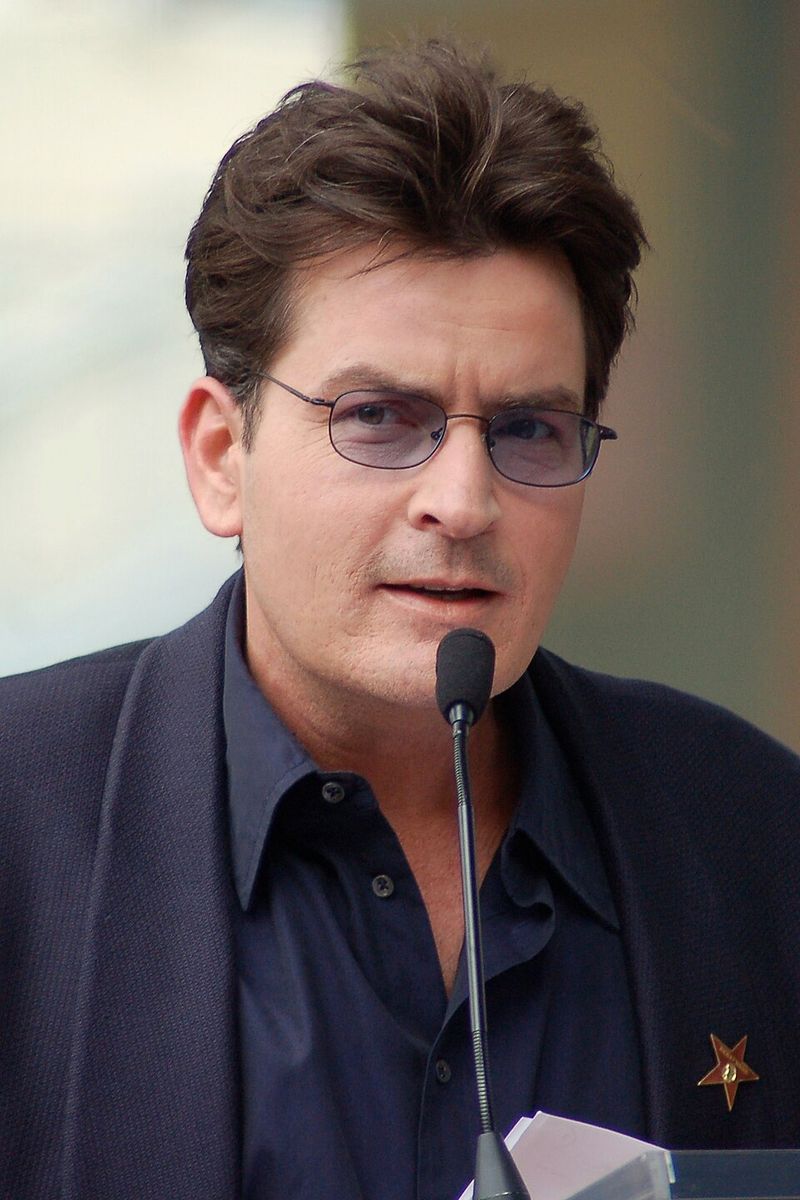
Charlie Sheen once declared himself a warlock with tiger blood running through his veins, and honestly, nobody was fully surprised. He had Hollywood royalty in his DNA and chaos in his personality from the very start.
In the ’80s, films like Platoon, Wall Street, and Young Guns showed real talent underneath the bravado.
Then came the headlines. Addiction, scandals, and meltdowns turned his life into a reality show nobody officially greenlit.
His infamous 2011 public breakdown became one of the most-watched celebrity implosions of the modern era.
In recent years, Sheen has spoken more openly about his struggles through his memoir and a Netflix documentary that pulls zero punches. Today, he looks noticeably older and calmer than the electric young rebel from his ’80s peak.
The intensity is still there in his eyes, but it has softened into something that feels more like hard-won wisdom than reckless bravado.
Sean Penn
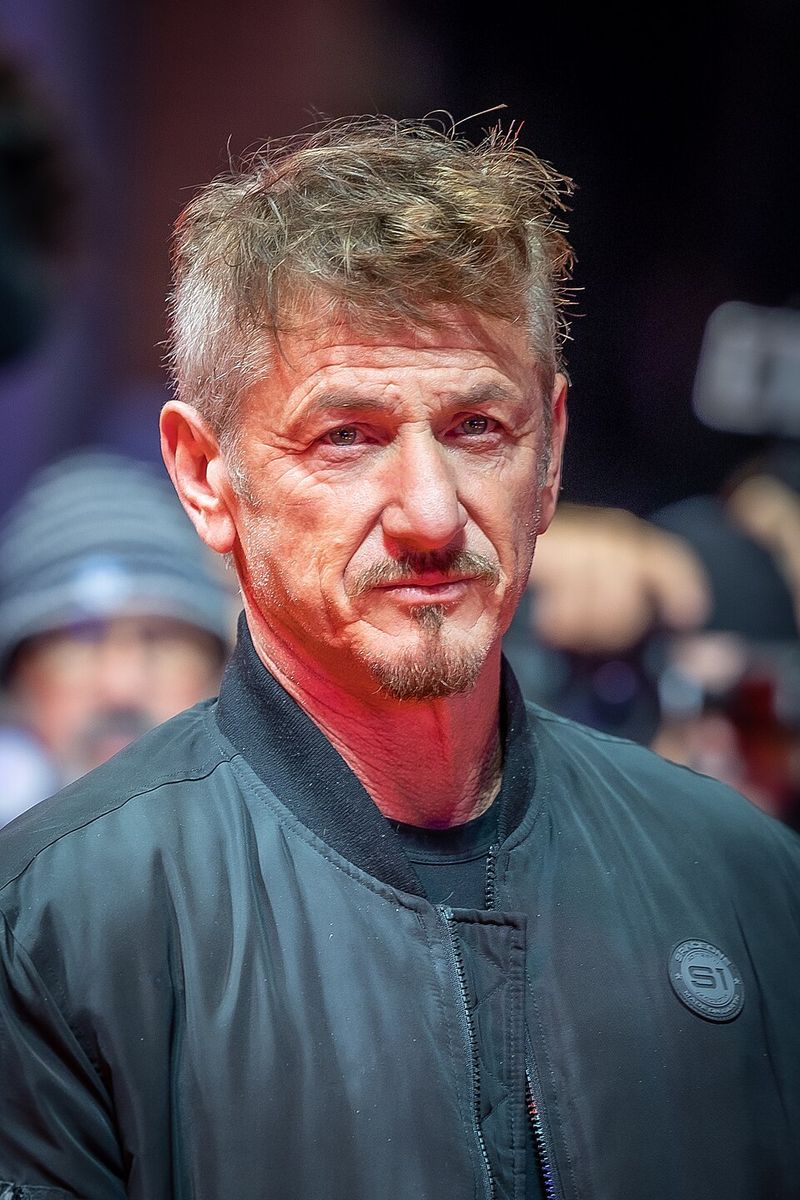
Sean Penn never played by Hollywood’s rules, and he made sure everyone knew it. His breakout role as Jeff Spicoli in Fast Times at Ridgemont High made him a teen favorite, but Penn had zero interest in staying likable.
He chased intensity the way other actors chased awards, and often got both.
His marriage to Madonna was tabloid gold. His run-ins with photographers were legendary.
His political activism sparked constant debate. Penn was the kind of bad boy who read philosophy between punching paparazzi, which made him genuinely unpredictable.
Today, Penn is a two-time Oscar winner whose face tells every story he has ever lived. Deep lines, sharp eyes, and a weathered look that fits his serious filmmaker persona perfectly.
He carries decades of controversy and craft in equal measure. Whether you admire him or find him exhausting, one thing is certain: Sean Penn has never once been boring.
Kiefer Sutherland
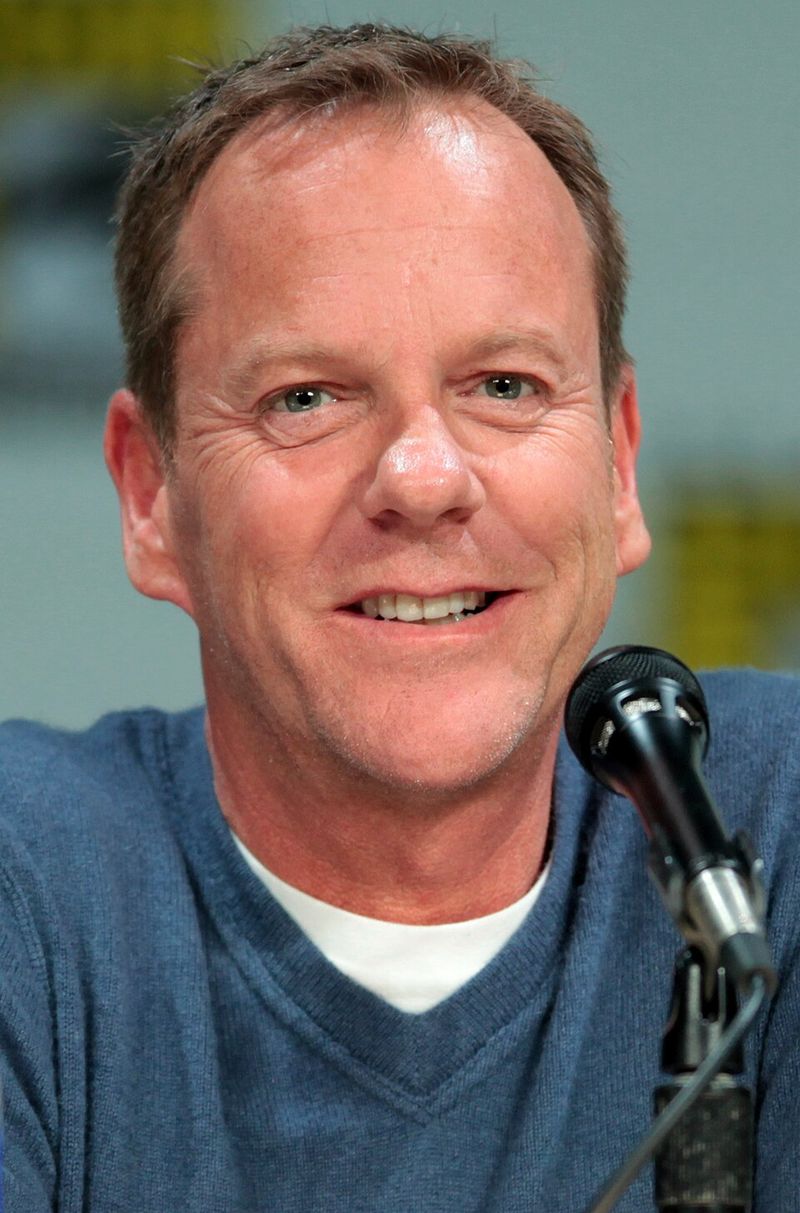
Before Kiefer Sutherland spent years saving the world as Jack Bauer, he spent the ’80s looking like he wanted to destroy it, in the best possible way. Stand by Me, The Lost Boys, and Young Guns showed a young actor with a dangerous cool that felt completely effortless.
His vampire turn in The Lost Boys is the stuff of cult legend. Bleached hair, leather coat, and a smirk that said he had already bitten three people today.
That role alone cemented his status as a certified bad boy of the decade.
The transformation into 24’s Jack Bauer gave Sutherland a second wave of massive fame in the 2000s. Today, he is still acting and has added music to his career, releasing country-influenced albums that have genuinely surprised critics.
His look has matured from teenage rebel to weathered performer, but that sharp, coiled intensity never fully left his face.
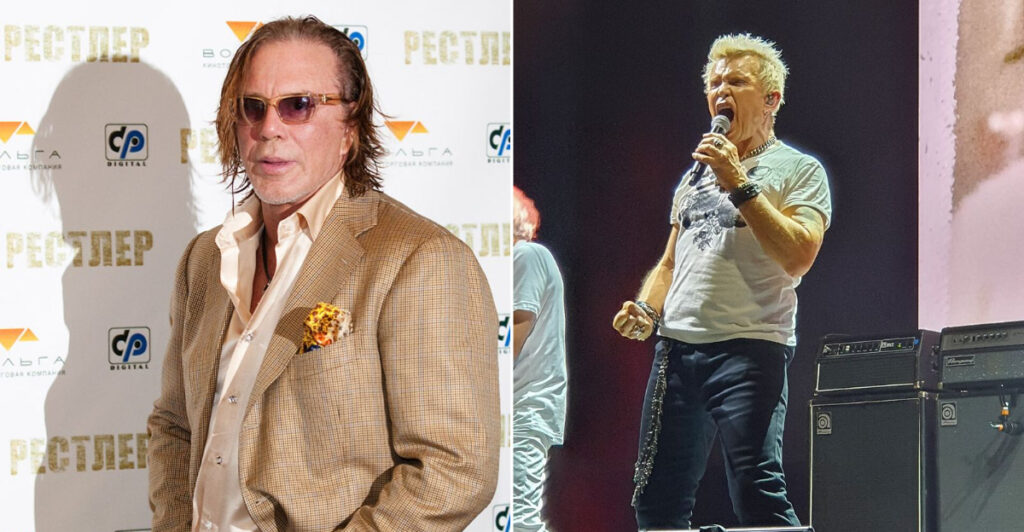
Mickey Rourke
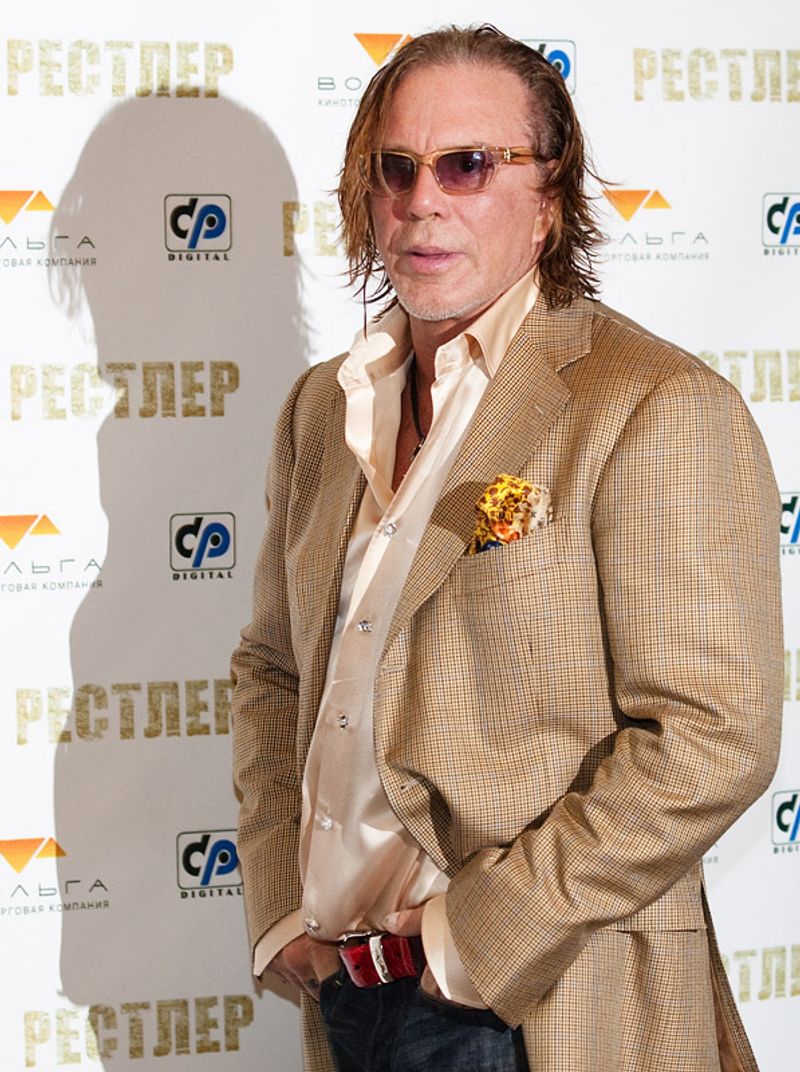
Mickey Rourke in the ’80s was something else entirely. Diner, Rumble Fish, 9 and a Half Weeks, Angel Heart.
He had a raw magnetism that no acting school could teach and no stylist could manufacture. Hollywood insiders called him the next Brando, and for a stretch, they were not wrong.
Then he walked away from it all to box professionally. That decision reshaped his face, his career, and his public story in ways that are still being discussed.
He returned to acting and earned an Oscar nomination for The Wrestler in 2008, which felt like the comeback of the century.
Today, Rourke looks dramatically different from his ’80s self. Boxing injuries and surgeries have significantly altered his appearance, a fact he has addressed openly over the years.
Yet his reputation as one of Hollywood’s most fascinating and fearless rebels remains completely intact. Some legacies survive any physical change, and his is one of them.
Christian Slater
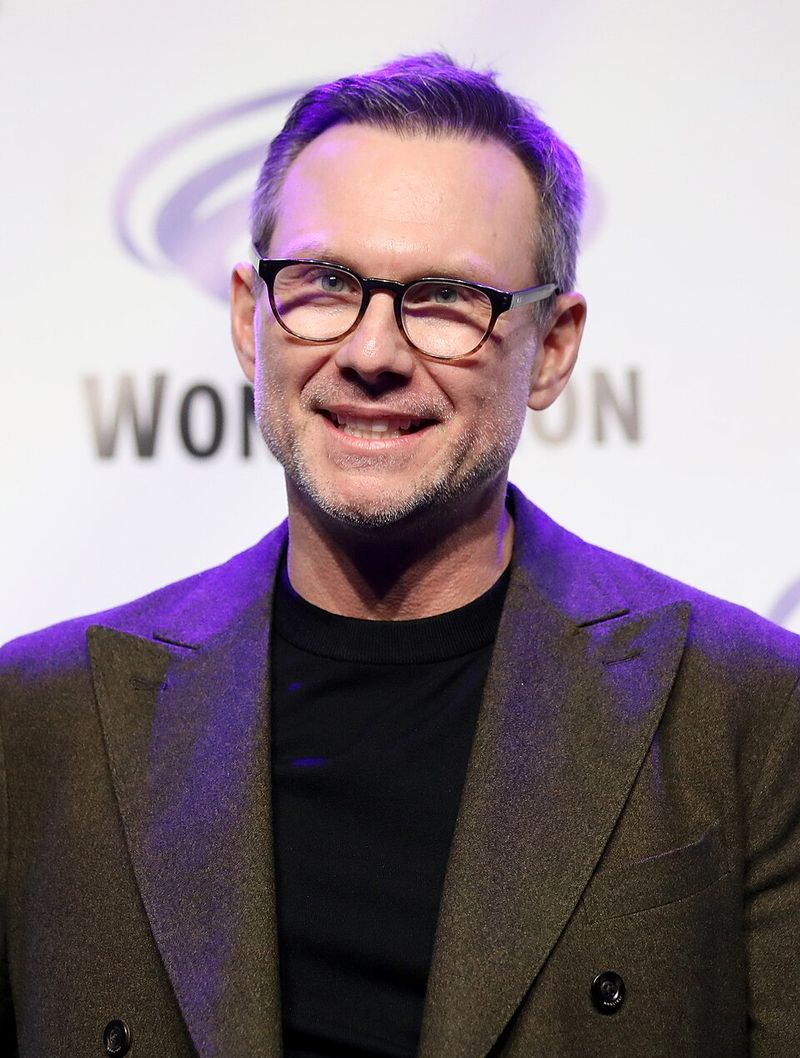
Christian Slater arrived at the end of the ’80s already carrying a fully loaded smirk. His role in Heathers as the darkly charming J.D. was so perfectly executed that it made every other teen movie villain look like they were not even trying.
He was witty, dangerous, and completely watchable.
Off screen, Slater’s personal life had its own dramatic storylines involving legal trouble and personal struggles that kept him in the tabloids for years. It was almost as if he took his Heathers character a little too personally.
His career found a second wind with the critically praised Mr. Robot, where he played a manipulative and mysterious figure with unsettling ease. Typecast?
Maybe. Brilliant at it?
Absolutely. Today, Slater looks more mature and settled, with a dignified presence that suits character work perfectly.
That signature sly expression, however, remains completely intact, like it was surgically preserved along with his reputation.
Axl Rose
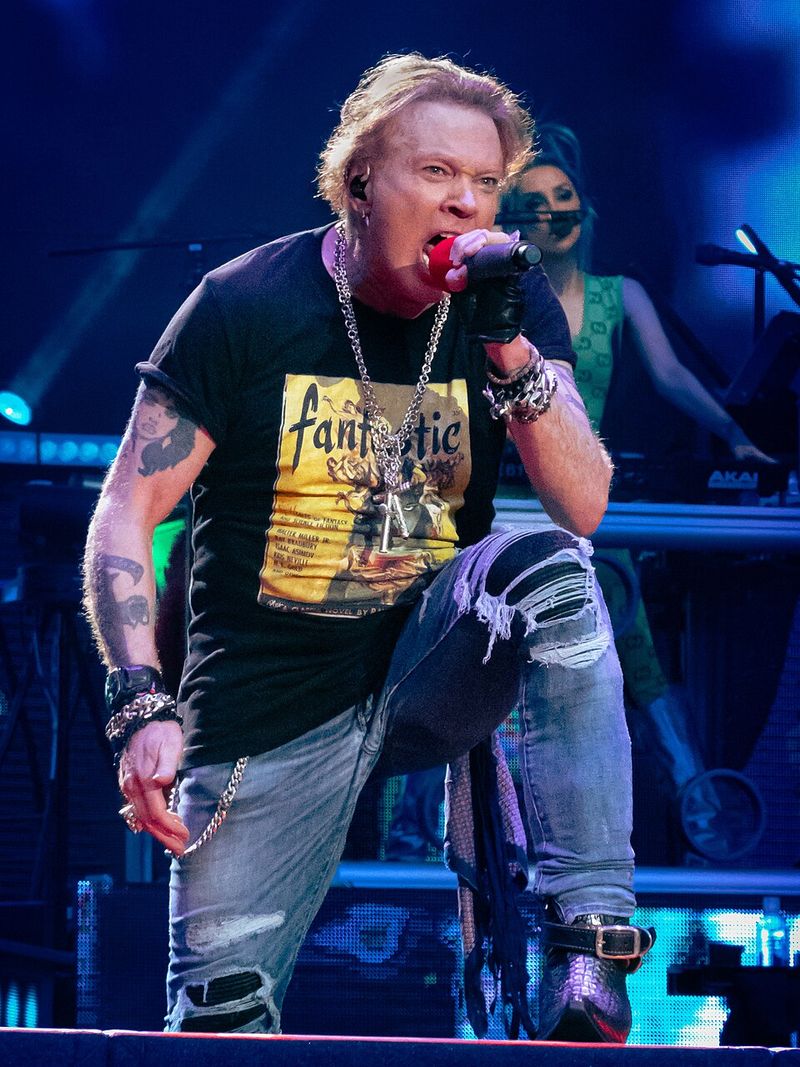
Axl Rose was rock and roll’s most combustible ingredient in the late ’80s. As the frontman of Guns N’ Roses, he helped make Appetite for Destruction one of the best-selling debut albums in music history.
The bandana, the snake hips, the shrieking high notes, and the volcanic temper all became part of rock mythology.
His reputation for showing up late to concerts, sometimes by hours, became its own bizarre legend. Fans waited.
Riots occasionally followed. Nobody could quite decide if he was a genius, a disaster, or both simultaneously.
The Not in This Lifetime reunion tour, which launched in 2016, brought Guns N’ Roses roaring back and became one of the highest-grossing tours ever. Today, Axl’s appearance has changed considerably from his lean, wild-haired ’80s peak, but his voice still carries power.
He remains one of rock’s most instantly recognizable frontmen, for better, for worse, and for everything in between.
Billy Idol
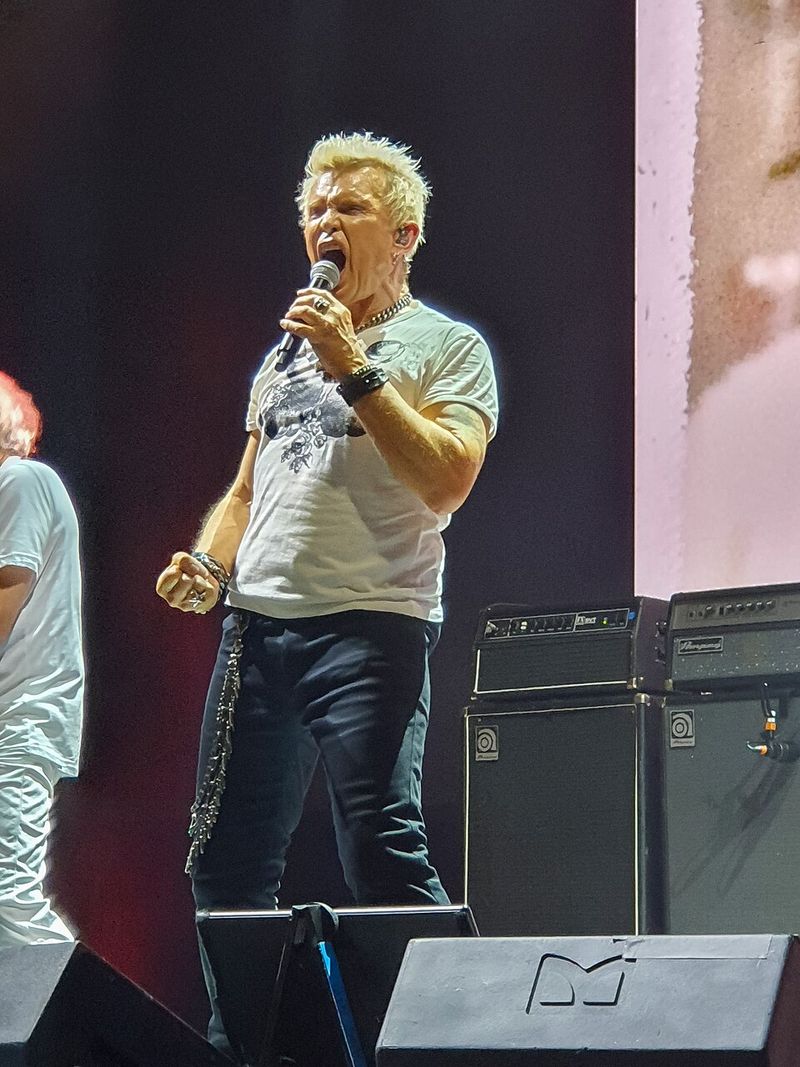
Billy Idol basically invented the blueprint for MTV-era rebellion and then refused to hand it back. Bleached hair, leather jacket, curled lip, and a sneer that could peel wallpaper.
He took punk’s raw edge and wrapped it in pop hooks, giving the world Rebel Yell and White Wedding and absolutely zero apologies.
His image was so perfectly constructed that it almost seemed like a parody, except Idol fully committed and it worked spectacularly. He crashed a motorcycle in 1990, recovered, and kept going.
That is essentially his career story in one sentence.
Today, Billy Idol still performs and still looks like Billy Idol, which is genuinely remarkable. The hair is still bleached.
The attitude is still present. He released a new album in 2023, proving that some rock stars do not fade, they just get louder.
In an era of reinvention, Idol’s greatest trick has been staying exactly, defiantly himself.
Tommy Lee
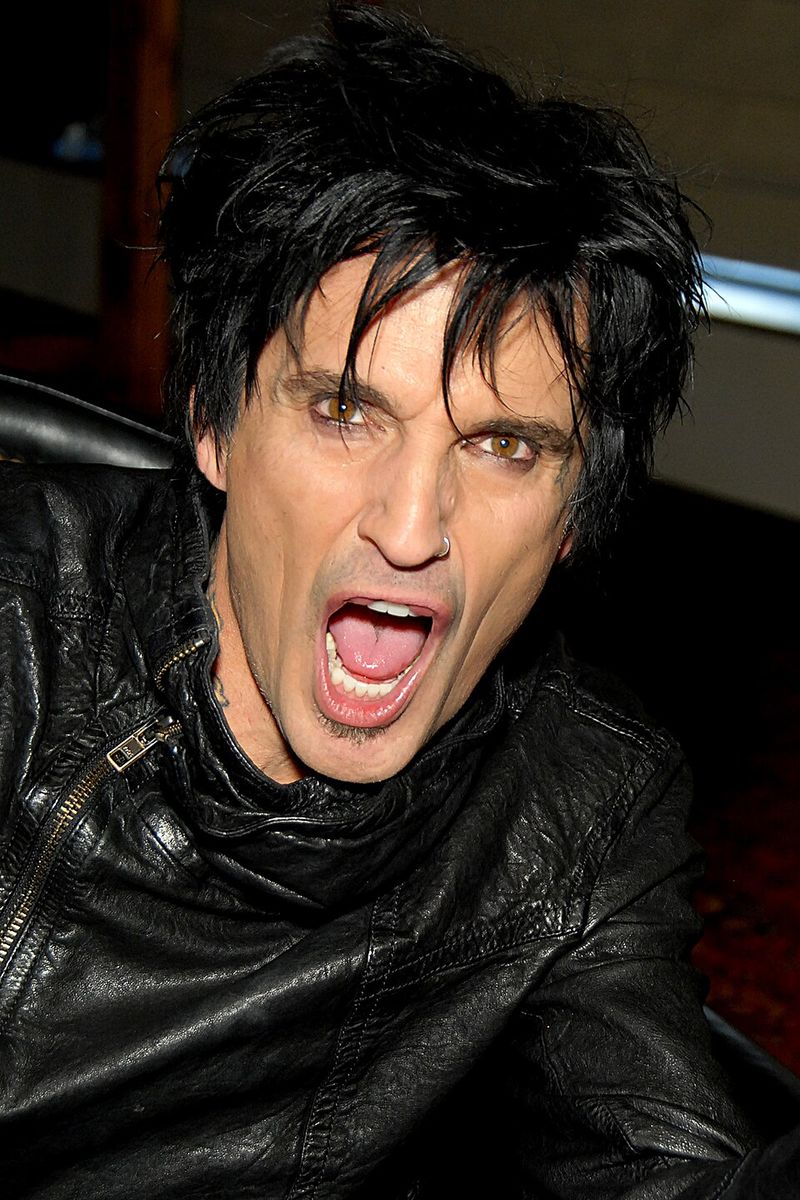
Tommy Lee made drumming look like performance art and chaos look like a career strategy. As Motley Crue’s drummer, he helped fuel one of rock’s most gloriously excessive decades.
The tattoos, the energy, the infamous drum roller coaster, and the tabloid headlines all became part of his larger-than-life identity.
His personal life generated almost as many headlines as his music. Relationships, legal troubles, and addiction struggles played out very publicly, making him one of rock’s most-documented wild cards.
The band’s autobiography, The Dirt, and the Netflix film adaptation reintroduced him to a whole new generation of fans.
Today, Tommy Lee still has the fully tattooed rock-star aesthetic, which at this point is basically his actual skin. He continues to perform with Motley Crue and has spoken openly about addiction and recovery with surprising candor.
The chaos has calmed somewhat, but the energy that made him iconic in the first place never fully switched off.
Nikki Sixx
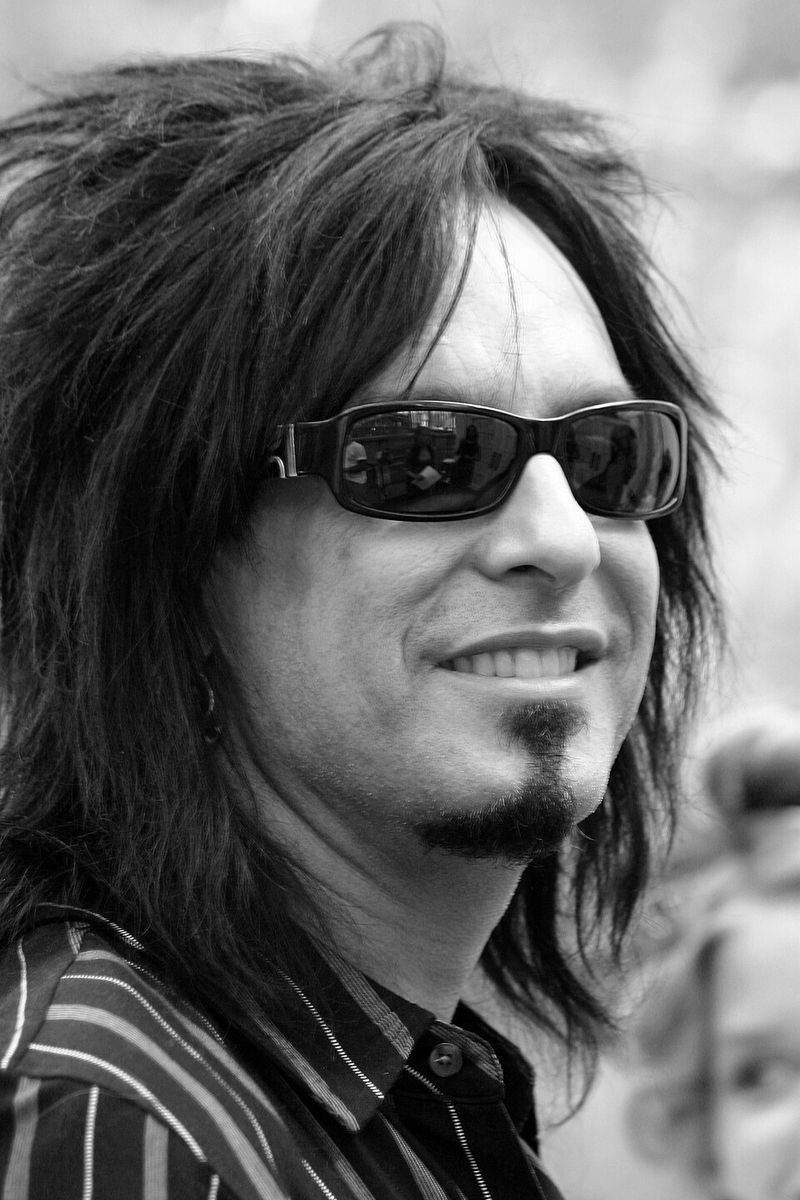
Nikki Sixx once technically died on December 23, 1987, was revived by an adrenaline shot, and then wrote a song about it. That song, Kickstart My Heart, became one of Motley Crue’s biggest hits.
Only in the ’80s rock world was a near-death experience considered solid creative material.
As the band’s bassist and primary songwriter, Sixx was the architect behind much of Motley Crue’s glam-metal mythology. Black hair, heavy makeup, leather everything, and a lifestyle that somehow produced great music despite actively trying to destroy the person making it.
Today, Sixx looks like a rock musician who survived everything and has the credibility to prove it. He has channeled his experiences into writing, photography, and honest public conversations about sobriety and recovery.
His memoir, The Heroin Diaries, became a bestseller and later a musical. Sixx managed something rare: he turned rock’s darkest chapters into genuinely meaningful work that outlasted the mayhem.
Vince Neil
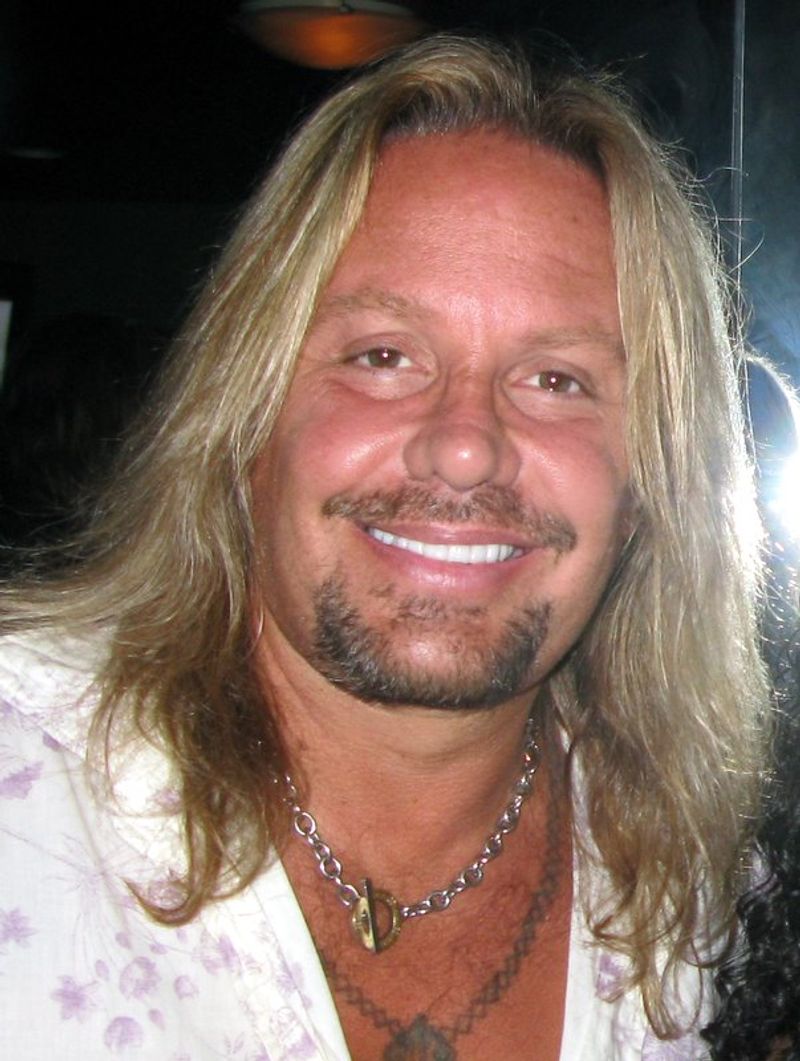
Vince Neil was the golden-haired party king of glam metal, and Motley Crue made sure the whole world knew it. His raspy voice powered anthems like Girls Girls Girls and Dr. Feelgood, while his party-first lifestyle kept the tabloids permanently stocked with material throughout the decade.
His personal story carries real weight beyond the rock-star excess. A fatal 1984 car crash resulting from drunk driving killed Hanoi Rocks drummer Nicholas Dingley and left Neil with serious legal and personal consequences.
It remains one of rock’s most sobering stories from that era.
Today, Neil’s appearance has changed notably from his lean ’80s heyday, something the internet has commented on extensively and not always kindly. He remains part of Motley Crue’s touring lineup and is still associated with the band’s biggest crowd-pleasing moments.
Whatever the years have brought, that raspy voice and the memories attached to it are not going anywhere soon.
Jon Bon Jovi
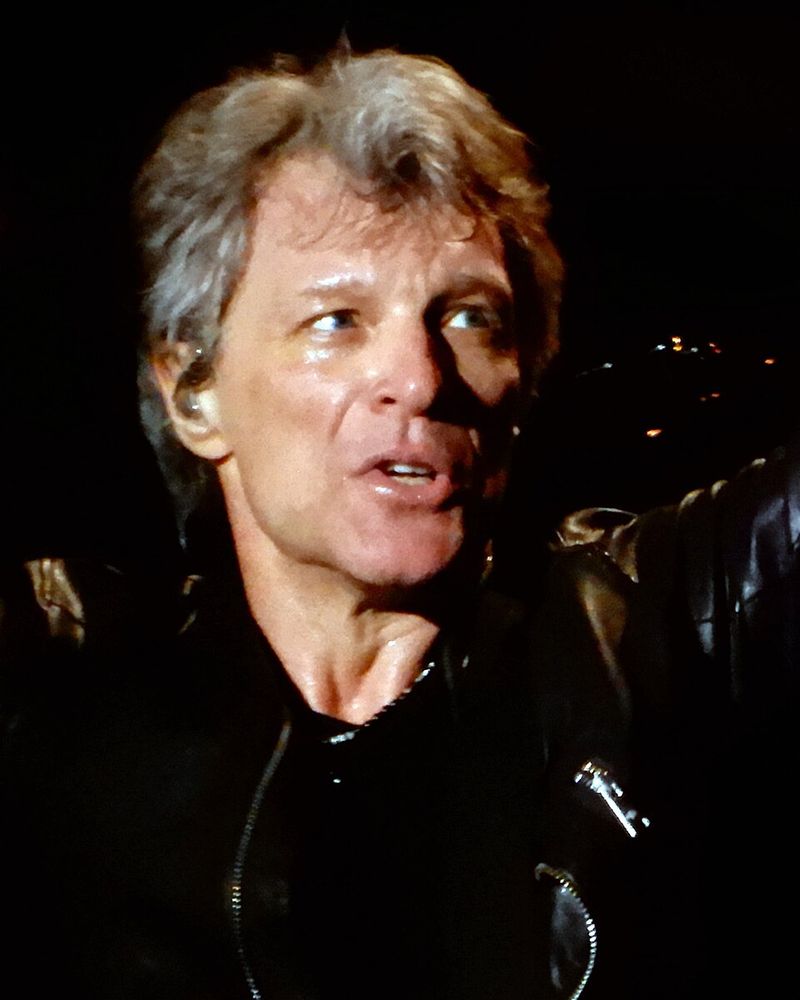
Jon Bon Jovi was never the most dangerous bad boy on this list, but he absolutely had the look perfected. Leather jacket, sky-high hair, arena-filling confidence, and a face that decorated more bedroom walls than any poster printer could keep up with during the mid-’80s boom years.
Livin’ on a Prayer and You Give Love a Bad Name turned Bon Jovi into one of the decade’s biggest acts, the kind of band that sold out stadiums before streaming existed. He had the rebel aesthetic without the self-destructive biography, which, in hindsight, was actually the smarter move.
Today, Jon Bon Jovi has transitioned into silver-haired rock royalty with a polished, respected public image that most of his peers would envy. He has faced recent health challenges affecting his voice but remains active in music and philanthropy.
Compared to others on this list, his glow-up has been remarkably steady, proving sometimes the cleanest bad boy wins the long game.
Share this story