 Unearth The Voyage
Ready to upgrade your camera roll with places that practically compose themselves? This coast to coast guide spotlights the most photographed landmark in every state, with quick context so you know where to stand and when to click.
Yelp’s 2022 analysis ranked Balboa Park first by photo volume, while Printique’s Instagram study crowned Times Square and the Grand Canyon among the most hashtagged, showing how travelers really shoot. Use that momentum to plan smarter routes and capture frame worthy angles without filters.
1. Alabama – USS Alabama Battleship
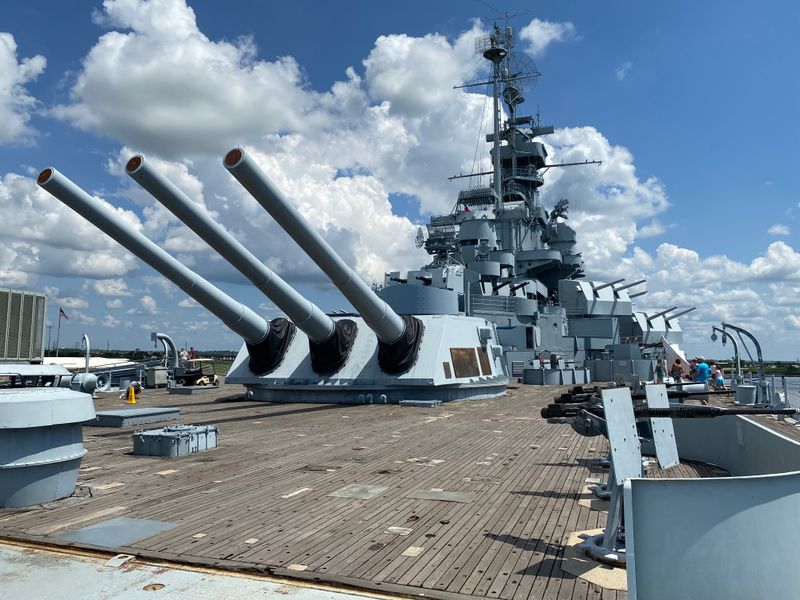
You feel the scale of naval history the moment USS Alabama looms into view. For sharp photos, arrive at sunrise when the steel turns coppery and shadows carve texture along the hull.
Step back to include the bow’s curve and the flag for context, then switch to a tighter shot through the anti aircraft guns to add story.
Inside the ship, light is scarce. Bump ISO, stabilize against bulkheads, and use doorways to frame sailors’ quarters or the radio room.
Outside, walk the pier for reflections and leading lines. The park also hosts aircraft like the A 12 Blackbird, perfect for contrast shots.
Weekdays are calmer, keeping decks clear. Mobile’s humidity can haze lenses, so carry a microfiber cloth.
History buffs will appreciate plaques detailing Pacific Theater service, and kids love the maze like corridors. Leave with a wide establishing shot, a human scale portrait, and an abstract rivet study.
2. Alaska – Denali (Mount McKinley)
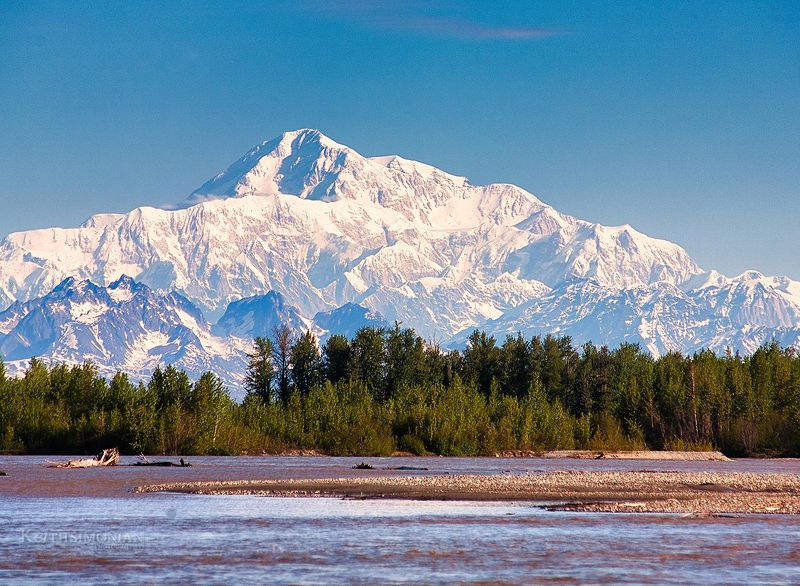
Denali rewards patience. Cloud cover often hides the summit, so build a two to three day window and watch forecasts.
Sunrise from Reflection Pond can deliver mirror calm water and alpenglow on the peak. Use a telephoto to compress layers of ridges, then switch to a wide lens to place hikers small against the massif.
In fall, the tundra turns crimson and gold, giving you natural saturation without filters. Respect wildlife distance rules, especially for moose and grizzlies.
A polarizer cuts glare from ponds and deepens the sky. Bus routes into the park provide safe access and changing perspectives.
Statistics back the wait: rangers note roughly one in three days offers a clear summit view. Pack for swift weather swings and mount your camera on a sturdy tripod in gusts.
Leave no trace on fragile tundra. Your gallery should balance grandeur, texture, and quiet moments with clouds skimming the crown.
3. Arizona – Grand Canyon
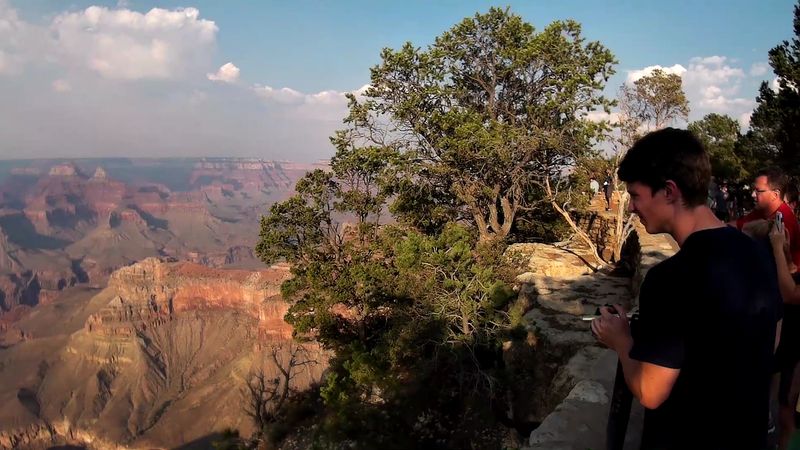
The Grand Canyon changes mood by the minute. Sunrise at Mather Point lights the temples while shadows carve depth, giving you drama without heavy editing.
Shift along the rim to avoid crowd clusters, or hike a short way down South Kaibab for fewer people and stronger leading lines. A graduated ND filter balances sky and canyon.
Midday is harsh but great for black and white textures of buttes and strata. Sunset from Hopi Point offers long sightlines west as colors smolder.
Safety first: stay behind railings and keep tripods stable in wind. Pack water even for short shoots.
Printique’s 2017 analysis ranked the Grand Canyon among the most Instagrammed US landmarks, reflecting its universal appeal. For variety, capture intimate details like juniper silhouettes, fossils near trail switchbacks, and condors riding thermals.
Leave with a sweeping panorama, a mid trail perspective, and a quiet rim vignette of light kissing stone.
4. Arkansas – Thorncrown Chapel
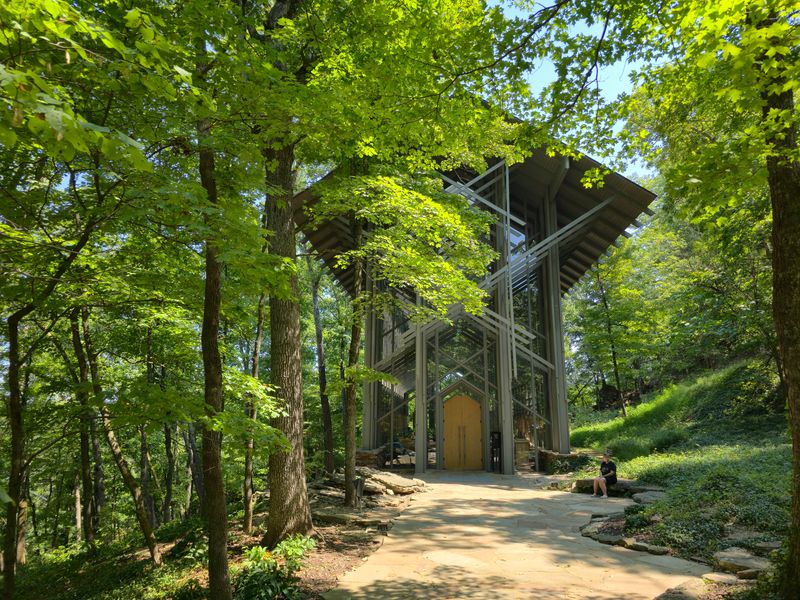
Thorncrown Chapel photographs like a forest cathedral. Arrive when dappled light paints the glass, usually mid morning, to blend architecture with Ozark greenery.
From center aisle, align your camera perfectly square to emphasize symmetry and the soaring lattice. A low ISO preserves detail in wood grain and window mullions.
Step outside for context shots where trees echo the structure’s verticals. Overcast skies work beautifully, muting glare and giving soft, even tones.
Use a polarizer sparingly to manage reflections without killing the chapel’s ethereal feel. Be respectful: it is an active spiritual space with quiet hours.
For composition, frame with foreground leaves or the stone path to create depth. Tripods are usually allowed off peak but ask first.
Short lenses keep lines straight if you stay level. Leave with three anchors: the perfect symmetry interior, a side profile immersed in trees, and a detail of crossing beams catching light.
5. California – Golden Gate Bridge
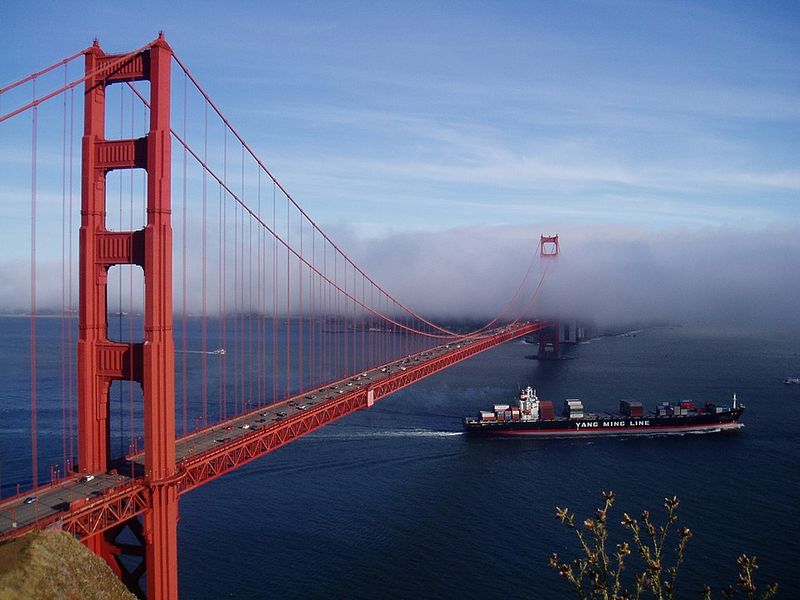
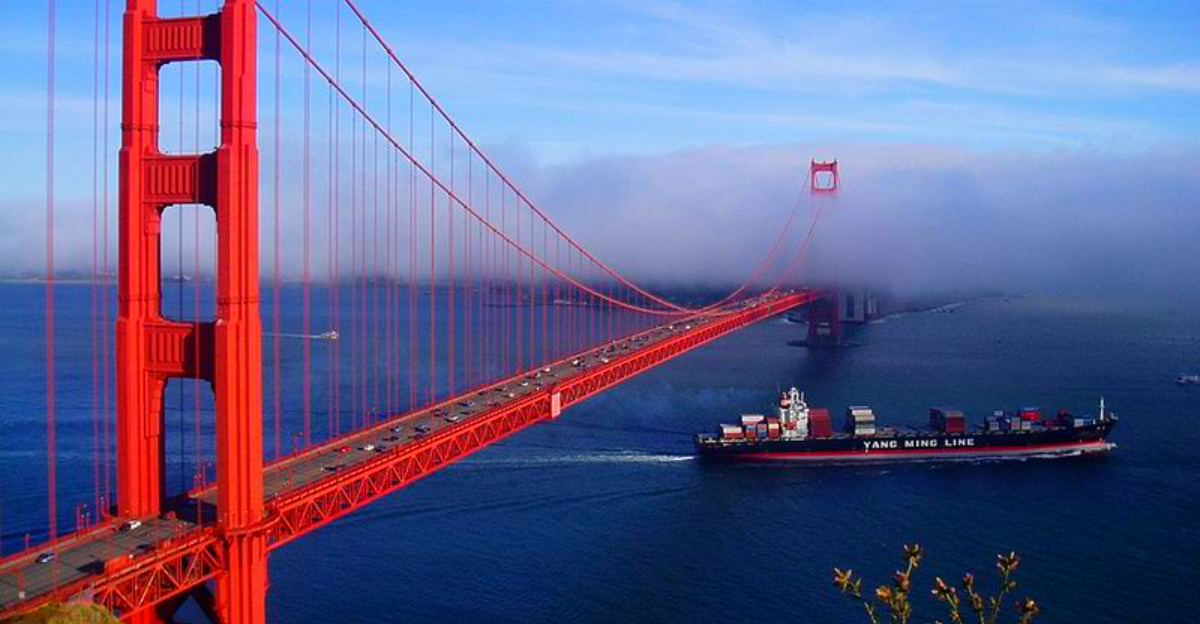
Nothing beats the Golden Gate with fog weaving between towers. For classic frames, hike to Battery Spencer at blue hour and use a long exposure for light trails across the deck.
Shift to Marshall’s Beach for a low tide reflection and sea soaked foreground rocks. A telephoto from Hawk Hill compresses towers with downtown glimmering behind.
Yelp’s 2022 photo ranking put California landmarks in force across the top 50, underscoring how often people shoot here. Wind can be fierce, so stabilize your tripod and keep a microfiber for salt spray.
Low fog days give that floating bridge look without editing tricks.
Vary your set: wide panorama, mid focal of a single tower, and detail of cables against a pastel sky. Respect cliff edges and watch sneaker waves.
For moody storytelling, include pedestrians or cyclists. When the fog lifts, grab a final frame of sun kissing International Orange paint.
6. Colorado – Maroon Bells
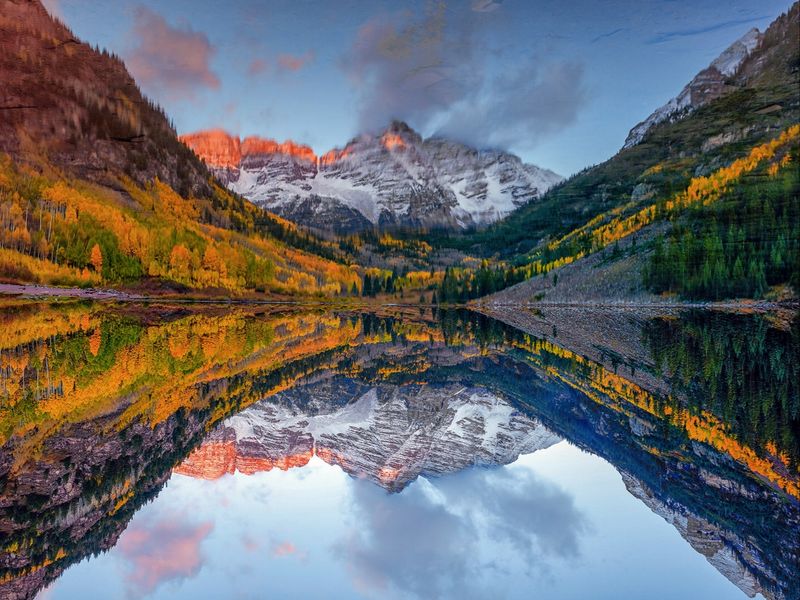
Maroon Bells is crowd worthy for a reason. Arrive an hour before sunrise, secure a lakefront spot, and keep still for glassy reflections.
A 2 to 5 second exposure blurs slight ripples without losing mountain detail. In fall, golden aspens frame the peaks, while summer brings wildflowers for a natural border.
Parking reservations are essential in peak seasons, or take the shuttle. Bring a graduated ND for the bright sky and a polarizer to manage glare.
After the postcard shot, walk the scenic loop for side angles where logs in the water create leading lines toward the bells.
For softer scenes, shoot after sunrise when crowds thin and the colors deepen. Abstract your set with closeups of aspen bark and lake textures.
Keep an eye on afternoon storms. A balanced gallery includes the reflection hero, a textured shoreline study, and a telephoto of striated rock catching late light.
7. Connecticut – Gillette Castle
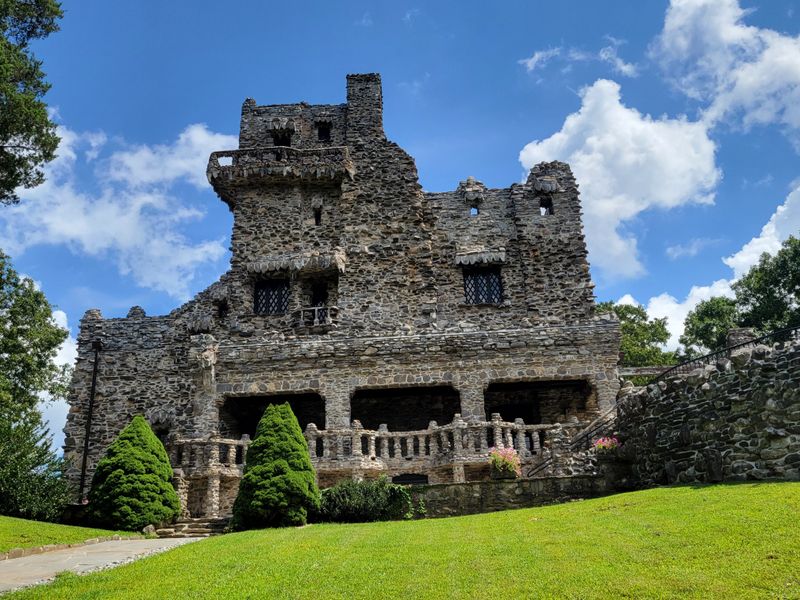
Gillette Castle feels part fortress, part theater set. Shoot the exterior at golden hour when the stone warms and shadows sculpt the turrets.
The Connecticut River overlook gives a sweeping backdrop, so place the castle off center to show landscape context. A 35mm lens keeps lines natural while letting you move freely.
Inside, look for William Gillette’s quirky woodwork and trick locks. Use window light for portraits and raise ISO to avoid flash glare on varnish.
Outside, autumn foliage frames the castle in saturated reds and oranges. A polarizer will tame leaf shine without over darkening windows.
Walk the trails for lower angles where the castle looms above trees. Include visitors to hint at scale.
Overcast days deliver moody medieval vibes. Capture three anchors: a wide hero from the lawn, an interior detail of handcrafted hardware, and a river overlook shot tying architecture to place.
8. Delaware – Cape Henlopen Lighthouse
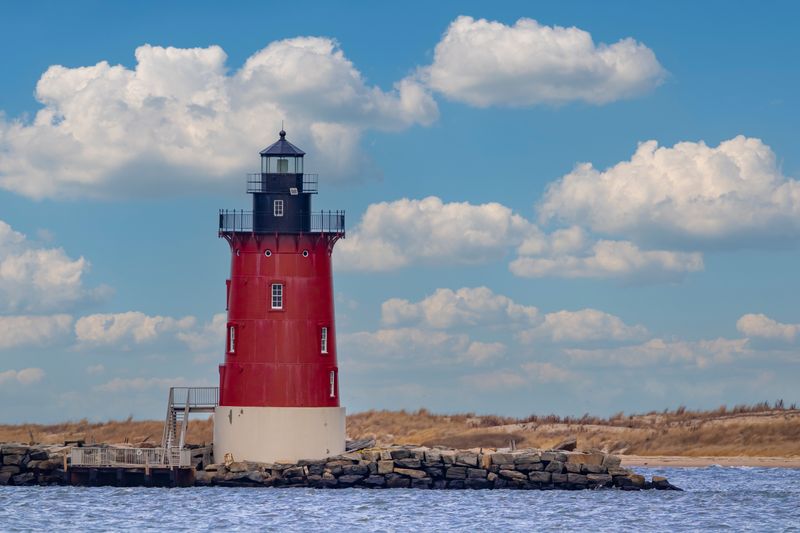
Cape Henlopen’s lighthouse history anchors Delaware’s coast. For a clean seascape, set up near dune grasses at sunset and layer foreground textures against the tower.
Keep horizons level and use a 2 stop graduated ND to balance sky and surf. Long exposures smooth the Atlantic and emphasize the beacon’s calm presence.
Walk the beach for silhouettes as gulls pass. If fog rolls in, embrace it for moody frames that simplify shapes.
A polarizer helps with water glare but rotate gently to avoid banding in wide skies. Tripods sink in sand, so use wide feet or a flat rock.
Weekdays feel quieter, giving clear sightlines. Compose a fisherman or biker on the trail for local life.
Leave with a triptych: crisp lighthouse profile, soft long exposure surf, and a detail of weathered fencing leading the eye toward the light. Pack lens wipes for salt haze and shifting winds.
9. Florida – South Beach (Art Deco District)
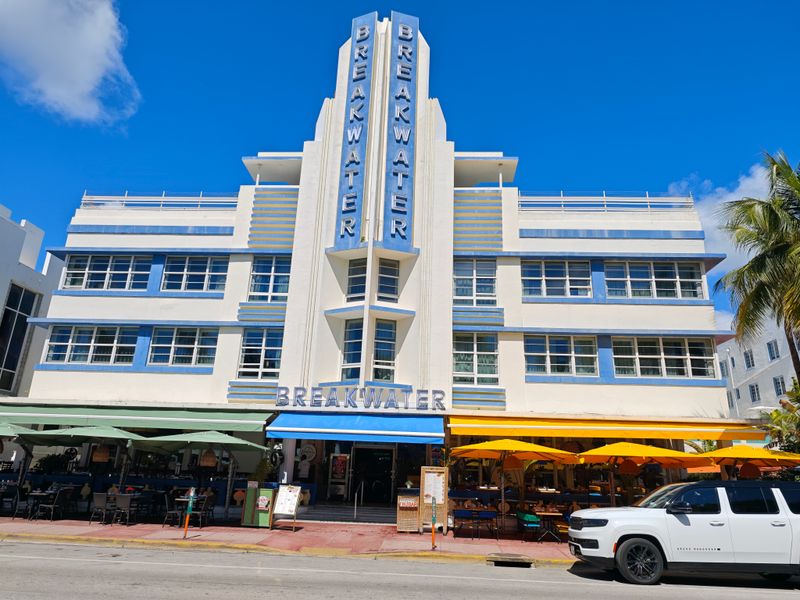
South Beach is color and geometry. Start pre dawn at a lifeguard tower for a quiet, candy toned sunrise with strong leading lines.
By blue hour, Ocean Drive glows in neon, perfect for handheld or short tripod exposures capturing palm silhouettes and vintage curves. After a brief rain, hunt reflections in puddles for neon doubles.
For daytime, shoot pastel facades with a circular polarizer to deepen skies. Keep verticals straight by staying level or correct in post.
Include vintage cars or cyclists for movement. The Art Deco Welcome Center offers context and exhibit style details.
Crowds build fast, so scout alleys and side streets for uninterrupted sightlines. Statistics wise, Miami routinely ranks among the most photographed US cities, and you will feel why.
Leave with a sunrise tower portrait, a neon drenched streetscape, and a detail of terrazzo signage or chrome trim catching sunlight.
10. Georgia – Savannah Historic District
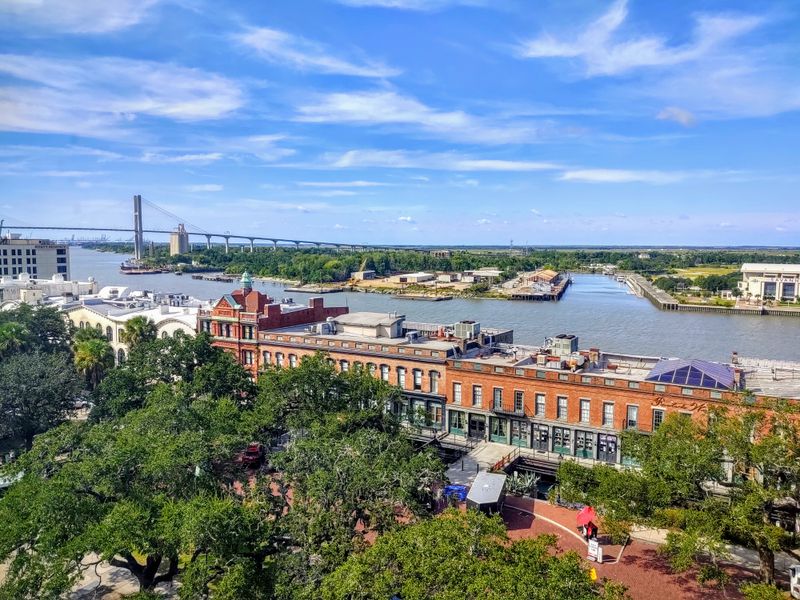
Savannah rewards early risers. At sunrise, mist drapes the live oaks and Spanish moss, turning every square into a film set.
Compose along Jones Street or Forsyth Park with the fountain as your anchor. Keep shutter speeds higher than usual because moss moves even in light breezes, softening details.
Seek wrought iron balconies, brick textures, and hidden gardens. A 50mm lens captures porches without distortion.
For cobblestones, crouch low so patterns lead into the frame. Golden hour lamplight warms pastel facades, no heavy filters needed.
Respect private property and step lightly on historic streets. Include a passing trolley or couple for scale and story.
For rainy days, reflections in worn bricks add mood. Wrap with three essentials: a moss tunnel, a square with fountain or monument, and a detail of ironwork casting lace like shadows on weathered walls.
11. Hawaii – Diamond Head
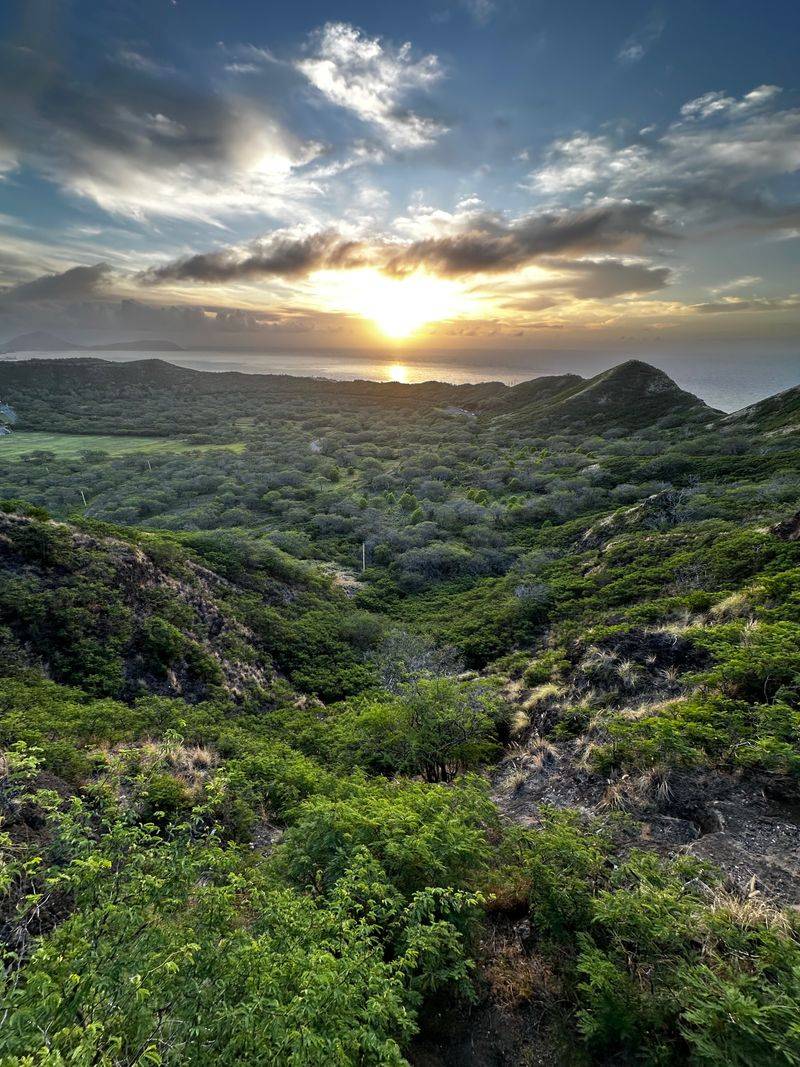
Diamond Head defines the Waikiki skyline. For classic frames, shoot sunrise from the beach as surfers paddle beneath a pastel rim.
Later, hike the crater trail for panoramic city views. Keep compositions clean, placing Diamond Head off center with palm fronds as a natural vignette.
A polarizer deepens the ocean without over darkening skin tones.
From Tantalus Lookout, a telephoto compresses the cone with Honolulu’s grid. Winds shift quickly, so stabilize and shade your lens.
Midday works for turquoise hues, while golden hour paints the crater in warm light. Watch sun angles to avoid harsh shadows on faces.
Balance your set with three shots: a beach level scene with surfers, a summit panorama, and a detail of lava rock textures. Hydrate on the hike and time your descent before heat builds.
Even simple smartphone shots shine here thanks to bold shapes, clear lines, and steady trade winds.
12. Idaho – Shoshone Falls
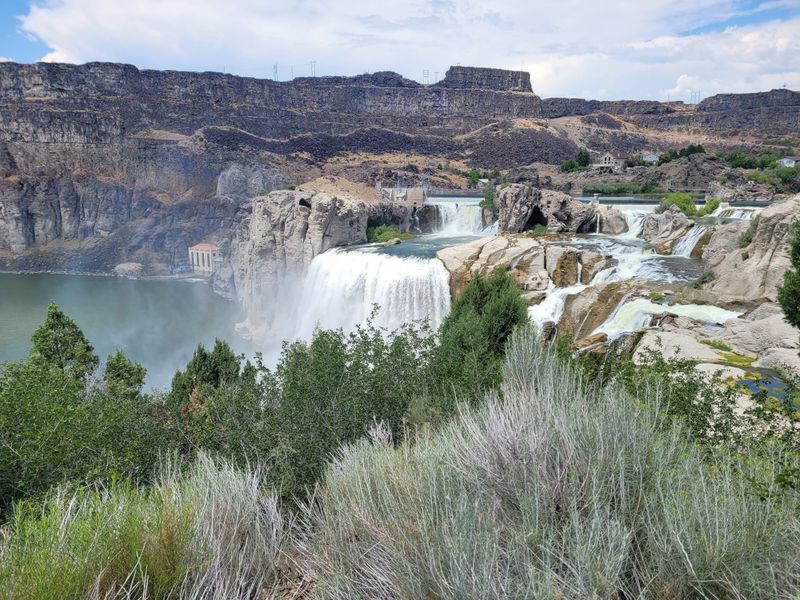
Shoshone Falls explodes with power in spring runoff. Aim for late morning when sun arcs to form rainbows in the mist.
Use a 3 to 6 stop ND filter for silky water, but also grab fast shutter shots to freeze individual torrents. From the main overlook, step laterally for different canyon wall backdrops.
In lower flow months, explore textures in exposed rock and the terraced cascade. Safety rails keep tripods stable, yet bring a lens cloth for spray.
A telephoto isolates chutes while a wide lens captures the amphitheater effect. Overcast skies amplify color without glare.
Arrive midweek to avoid crowds and secure clean compositions. For scale, include visitors on the platform or a distant kayak when conditions allow.
Finish with three anchors: a rainbow mist hero, a tight telephoto of thundering water, and a canyon wide showing the Snake River carving basalt.
13. Illinois – Cloud Gate (The Bean)
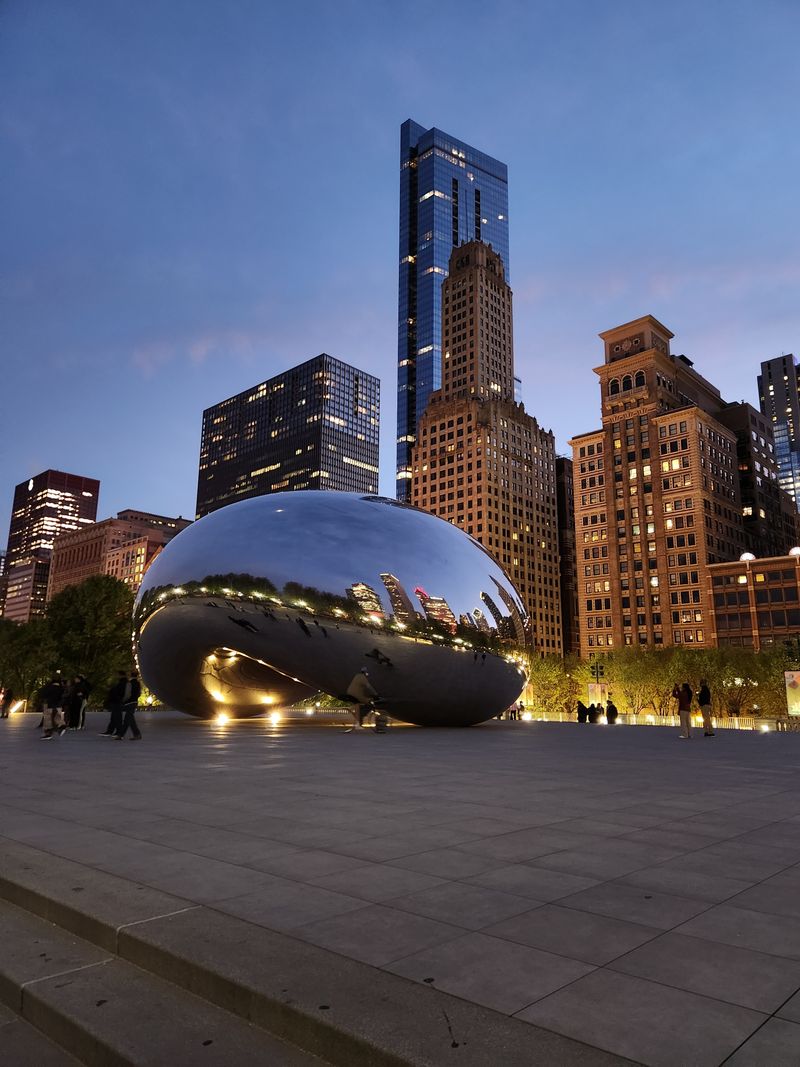
Chicago’s Cloud Gate is all about reflection play. Arrive at dawn to beat crowds and capture a near empty plaza.
Frame symmetrically, then step off center to distort skyline curves inside the stainless mirror. A microfiber cloth is essential after rain, when droplets speckle the surface and create unflattering highlights.
For portraits, stand subjects under the arch and shoot upward to wrap Chicago around them. Blue hour yields electric reflections with minimal noise if you stabilize.
Avoid polarizers that can cause uneven sky tones on mirrored surfaces.
Include a wide establishing shot, a tight crop of warped skyscrapers, and a human scale moment. Winter snow adds graphic contrast, while summer brings festivals and crowds for energy.
The nearby Crown Fountain offers water reflected faces for a second reflective theme, giving your set narrative continuity from abstract to playful.
14. Indiana – Indianapolis Motor Speedway
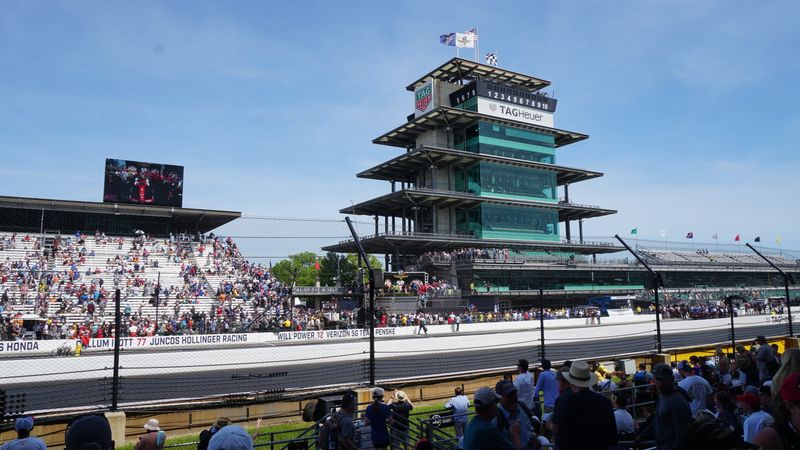
At the Indianapolis Motor Speedway, speed shapes your compositions. If attending the 500, pan at 1/60 to 1/125 to blur cars while keeping logos legible.
On non race days, shoot the Yard of Bricks at sunrise for crisp textures and lone track serenity. Angle low to let grandstands converge and amplify scale.
Inside the museum, raise ISO and use window light to avoid glare on polished cars. A short telephoto compresses pit lane chaos into graphic streaks on race day.
Ear protection is essential, and safety lines define where you can stand for motion shots.
Build a story: the quiet track morning, the kinetic race blur, and a detail of the bricks kissed by winners. Overcast makes sponsor colors pop.
Even smartphone burst mode can nail panning with practice. Leave with clean lines, controlled motion, and a sense of tradition crossing those famous bricks.
15. Iowa – Field of Dreams
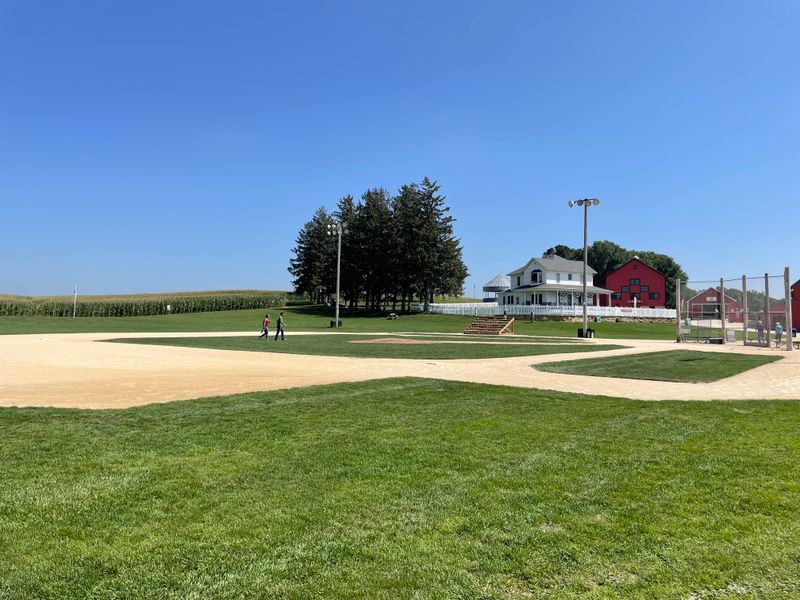
Field of Dreams pairs nostalgia with Midwest light. Arrive at golden hour when corn tassels glow and the infield dirt warms.
For the iconic look, frame the outfield with a corn edge and place a lone figure walking from the rows. Keep lines simple and let negative space carry the mood.
When mist drifts in at dusk, switch to a tripod for long exposures and soft, cinematic tones. A 35mm or 50mm lens captures intimacy without distortion.
Include the farmhouse or bleachers to root the scene in storytelling, and aim for clean horizons.
Events sometimes light the diamond, offering neon like night frames. Ask about access and respect private areas.
Leave with three shots: a golden corn edge wide, a misty diamond with glowing bases, and a closeup of stitched baseballs on worn wood for texture and memory in one frame.
16. Kansas – Monument Rocks
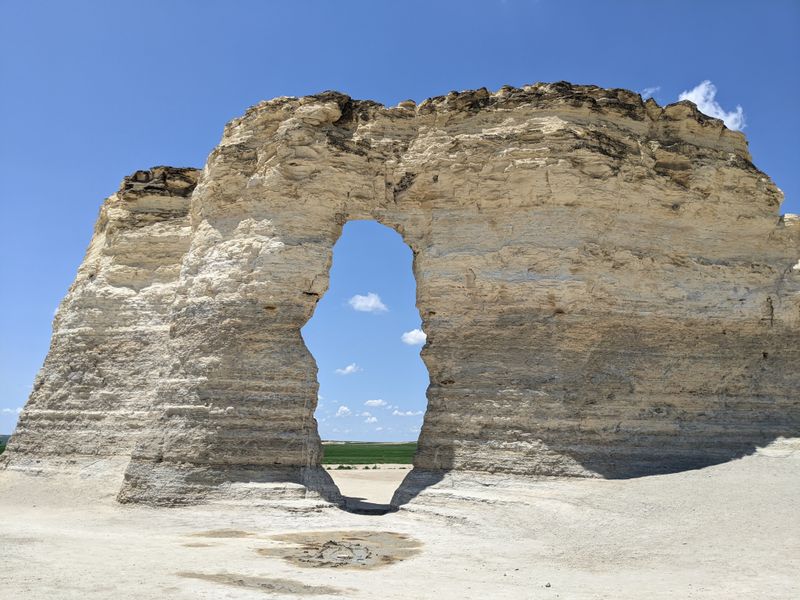
Monument Rocks rises from the prairie like a stone fleet. Sunset is king here, carving edges on chalk spires and arches.
Use a wide lens to exaggerate scale and include grasses as texture. Walk slowly to find windows in the rock that frame sky color.
Keep the horizon low for big sky drama.
Wind can whip dust, so protect gear and clean sensors later. Overcast converts the scene into a soft black and white study of form.
Avoid climbing the fragile formations. A polarizer helps with haze but watch for uneven skies at ultra wide angles.
Compose a silhouette through the keyhole arch, a leading line along vehicle tracks, and a closeup revealing fossil imprints if visible. Night shooters will love the Milky Way season, though check access rules.
The minimal landscape rewards restraint: simple lines, careful light, and a patient eye.
17. Kentucky – Churchill Downs
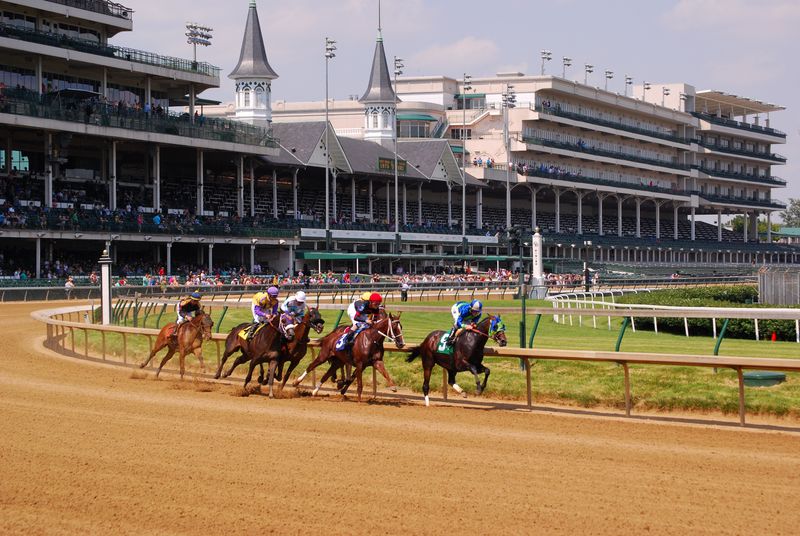
Churchill Downs combines tradition and motion. At dawn, horses on the track kick up golden dust, giving you cinematic backlight.
Use 1/1000 for crisp strides or pan at 1/60 to paint speed behind vibrant silks. The twin spires anchor your compositions, so keep them in frame as a signature element.
On Derby week, crowds add color and hats become portraits. Find elevated positions for clean angles over rails.
Indoors, raise ISO for stables and go for quiet moments between jockeys and horses. Ask before shooting behind the scenes.
Build a trio: a dawn training silhouette, a race day pan with spires, and a detail of worn leather tack or betting slips. Overcast days help avoid harsh contrast on glossy coats.
Safety first around animals. The result is movement, heritage, and the hum of a track that shaped American racing.
18. Louisiana – French Quarter
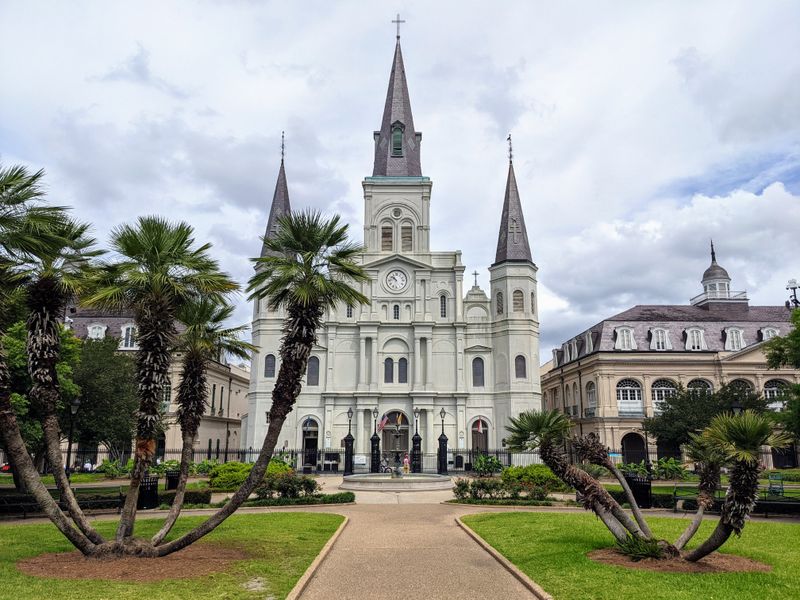
The French Quarter is texture and sound. Start at dawn for empty streets and crisp ironwork shadows on pastel walls.
As day warms, follow brass notes to street musicians and frame performances with balconies overhead. After a passing shower, puddles mirror neon for layered dusk scenes on Bourbon Street.
Work fast but respectfully around performers and residents. A 35mm lens suits tight sidewalks, while a short telephoto isolates musicians from bustling backgrounds.
Avoid heavy flash that flattens color. Gas lamps and signage give you natural glow.
Craft three keepers: a quiet balcony portrait, an energetic musician moment, and a rain reflection with neon. Night demands steady hands or a travel tripod.
Linger on Royal Street galleries for softer vignettes. The Quarter’s weathered patina and live soundtrack mean your photos carry mood straight out of camera.
19. Maine – Portland Head Light
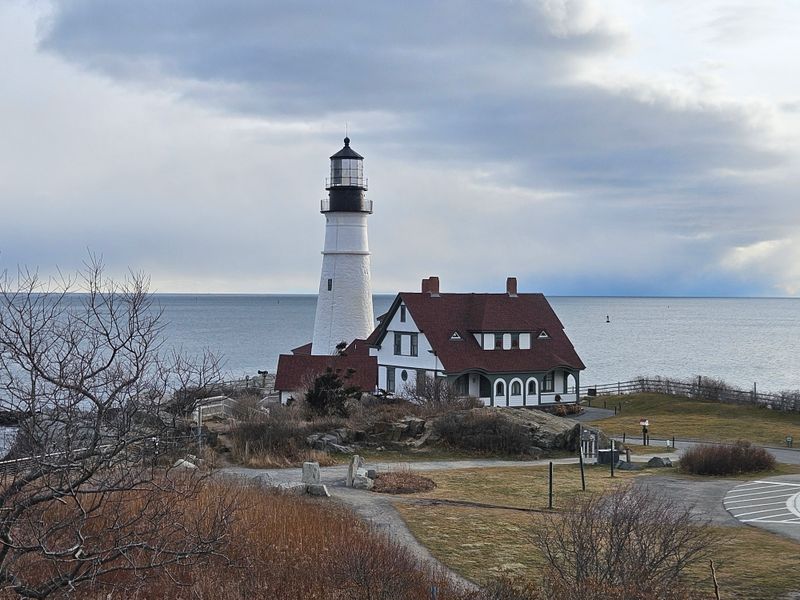
Portland Head Light is a masterclass in coastal composition. Arrive before sunrise to claim a rocky perch and watch the sky ignite.
Use foreground tidal pools for reflections and place the lighthouse by the rule of thirds. A 0.9 graduated ND balances sky to sea, and a 2 to 4 second exposure softens waves without losing structure.
Safety first on slick rocks. After sunrise, shift to Fort Williams Park paths for different angles with wildflowers in season.
Fog rolls can be magical, isolating the light while gulls streak through the frame. A polarizer tames glare on wet stone.
Capture three anchors: the hero sunrise with spray, a fog kissed minimal profile, and a detail of red roof against lichen covered rock. Even smartphone shots pop here thanks to strong geometry and contrast.
Pack extra cloths for sea spray and consider waterproof shoes.
20. Maryland – Fort McHenry
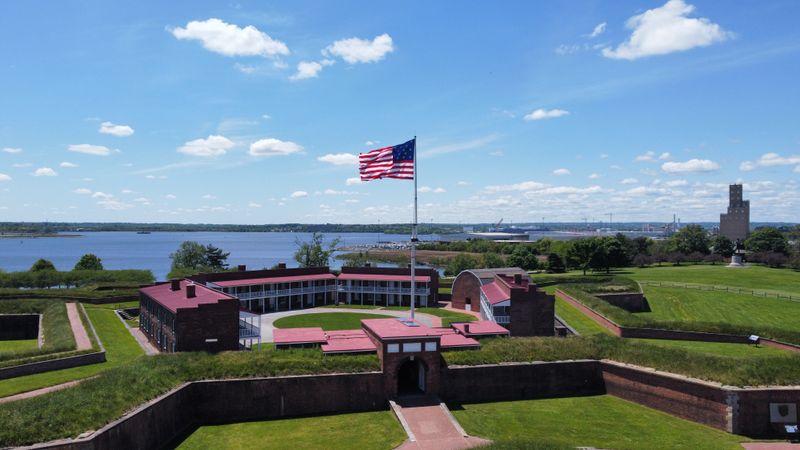
Fort McHenry ties imagery to anthem history. From the ramparts, angle your shot to suggest the star shaped layout and let the oversized flag dominate the upper third.
Golden hour warms the brick and defines cannon lines. Include Baltimore harbor in the distance to root the scene in place.
Inside the fort, use doorways for layered compositions. Rangers often raise or lower the flag, a perfect moment for storytelling frames.
Wind speed changes flag shape, so burst shoot to capture the perfect billow. A polarizer deepens blues on clear days.
Craft three essentials: flag in full wave above ramparts, an interior corridor with light slashing across brick, and a harbor contextual wide. Respect ceremony spaces.
Overcast adds solemn tone that fits the Star Spangled narrative, letting textures carry your frame with minimal edits.
21. Massachusetts – Freedom Trail
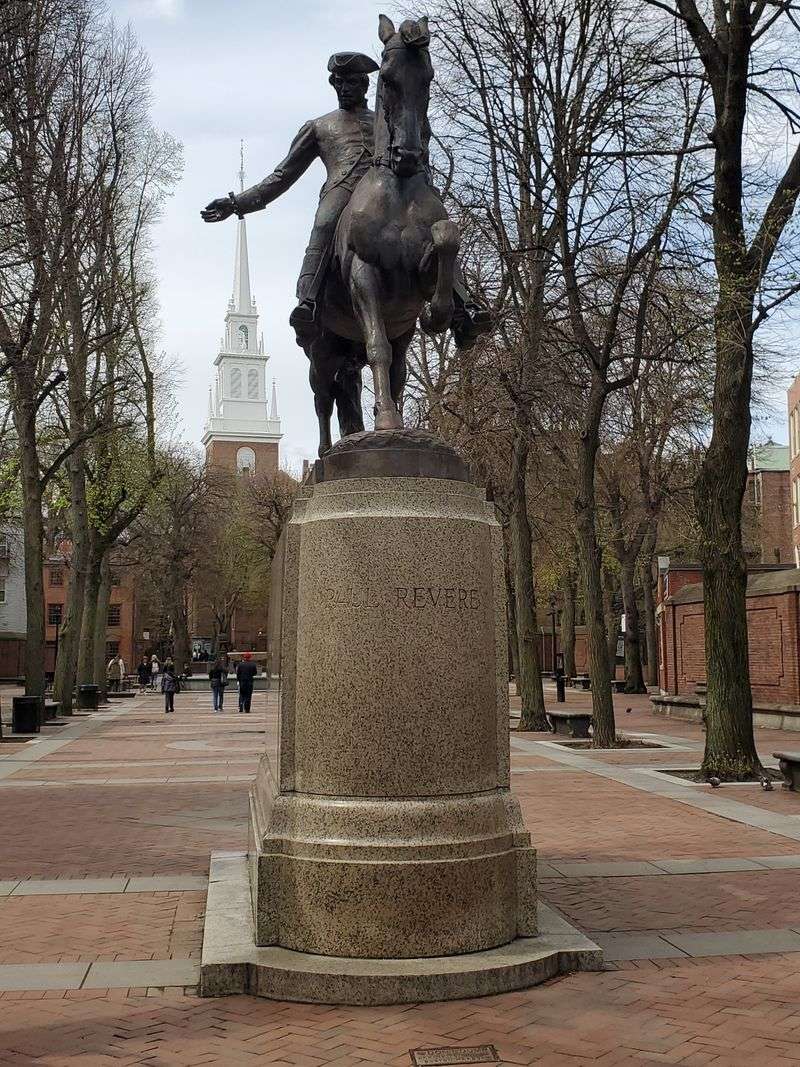
The Freedom Trail is a moving storyboard. Use the red brick line as a ready made leading line guiding viewers through Old North Church, Faneuil Hall, and beyond.
Shoot in fall for amber canopies over brick and granite. Early morning provides clear sidewalks and soft light that preserves detail on statues and plaques.
Vary focal lengths: wide for streetscapes, 85mm for portraits of guides in period dress. Museums often restrict tripods, so travel light.
Street performers by Quincy Market add energy, best captured at 1/250 to freeze gestures. A polarizer helps with window glare on storefronts.
Build a sequence: the brick line hero, a church steeple framed by leaves, and a candid of a guide interacting with visitors. Boston’s layered history rewards captions and closeups of inscriptions.
Keep compositions uncluttered and let the trail literally lead the eye.
22. Michigan – Mackinac Bridge
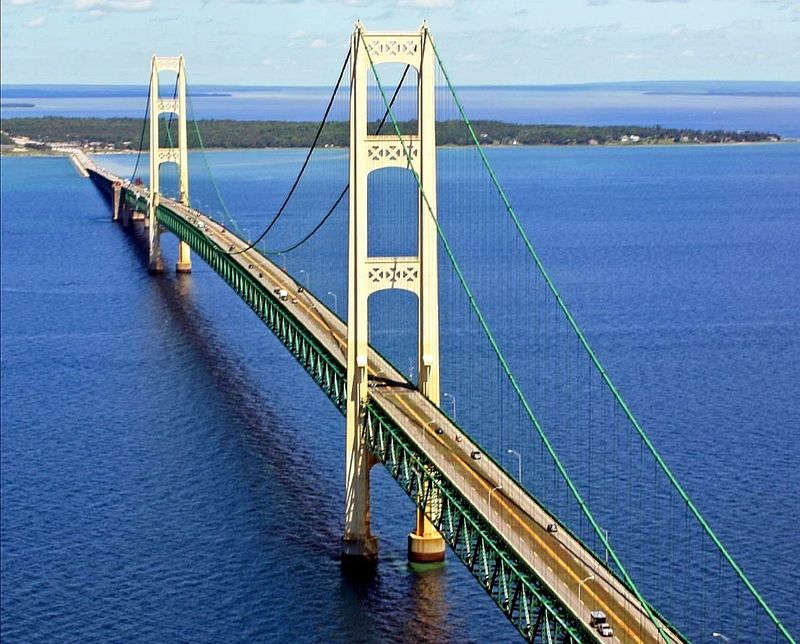
Mackinac Bridge is about length and light. From the Straits shoreline, use a long exposure to smooth water and let the green towers glow at sunset.
Include a lighthouse or passing freighter for scale. A mid telephoto compresses the spans into graphic arcs, while a wide lens from the beach emphasizes leading lines.
Wind can rock tripods, so add weight. Fog banks sweep quickly, giving moody layers against the deck.
Evening illumination pops after blue hour. Polarizers help cut glare but be careful with wide skies to avoid banding.
Collect three shots: a golden hour panorama, a compressed telephoto of repeating suspender cables, and a detail of rivets or deck texture from a safe overlook. Ferry rides yield fresh angles.
The bridge’s simplicity rewards careful horizons and patience as light shifts minute by minute.
23. Minnesota – Split Rock Lighthouse
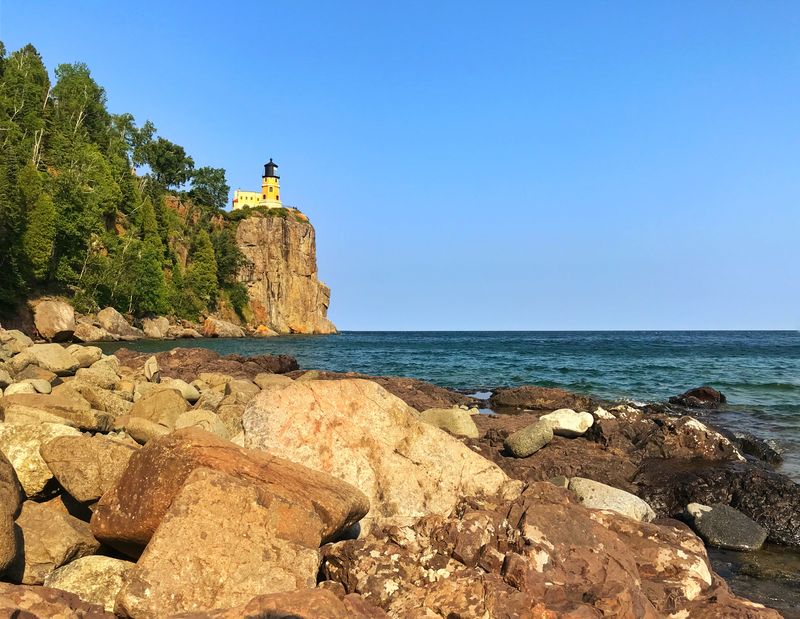
Split Rock Lighthouse owns the cliff top silhouette. Shoot from Pebble Beach with round stones as foreground texture, then climb the trail for elevated angles.
Side light at golden hour grazes the lighthouse and cliff, adding sculpted depth. A 2 to 4 second exposure softens Superior’s chop without losing rock definition.
In winter, ice formations give crystalline foregrounds. Mind footing and wear traction.
Fall birches glow yellow, perfect for framing. A polarizer controls glare on wet stones, but rotate slowly to avoid blotchy skies at wide angles.
Aim for a trio: the classic wide with cliff, a telephoto isolating the tower against sky, and a close detail of Fresnel lens or brickwork when interiors are open. Superior’s moods change fast, so plan multiple windows.
Even overcast brings Nordic drama that prints beautifully.
24. Mississippi – Vicksburg National Military Park
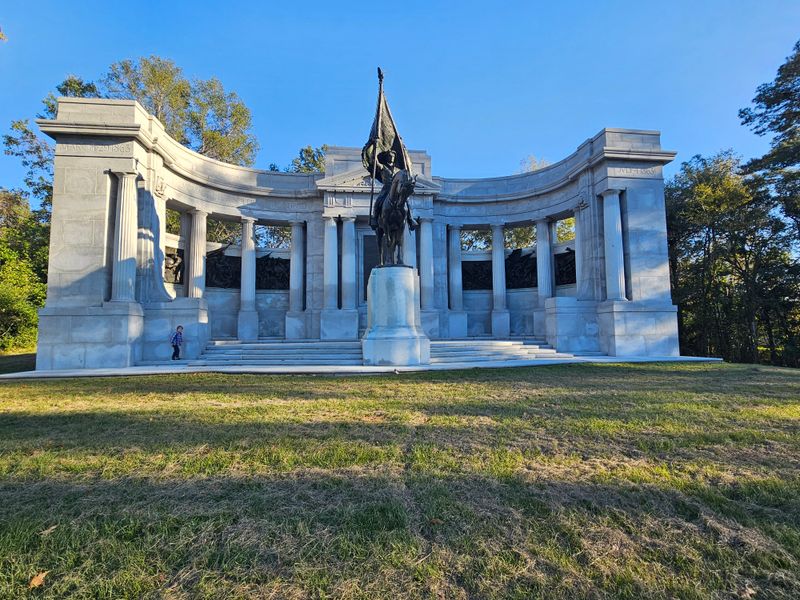
Vicksburg’s strength is atmosphere. Arrive before sunrise when fog drapes the rolling hills and cannon lines emerge like silhouettes.
Position a cannon barrel as a leading line toward a monument. Keep color natural and subdued to respect the site’s gravity.
A tripod helps in low light as mist lifts.
Walk to the USS Cairo for ironclad textures and museum context. Overcast days lend themselves to black and white, emphasizing form over spectacle.
Use a 50mm for human scale portraits against earthworks, and a wide lens to show trench layout.
Craft three images: a fogged cannon row, a monument framed by oaks, and a close detail of iron rivets on the Cairo. Tread lightly and follow park rules.
The result is quiet storytelling that honors history while delivering strong compositions through lines and layered morning light.
25. Missouri – Gateway Arch
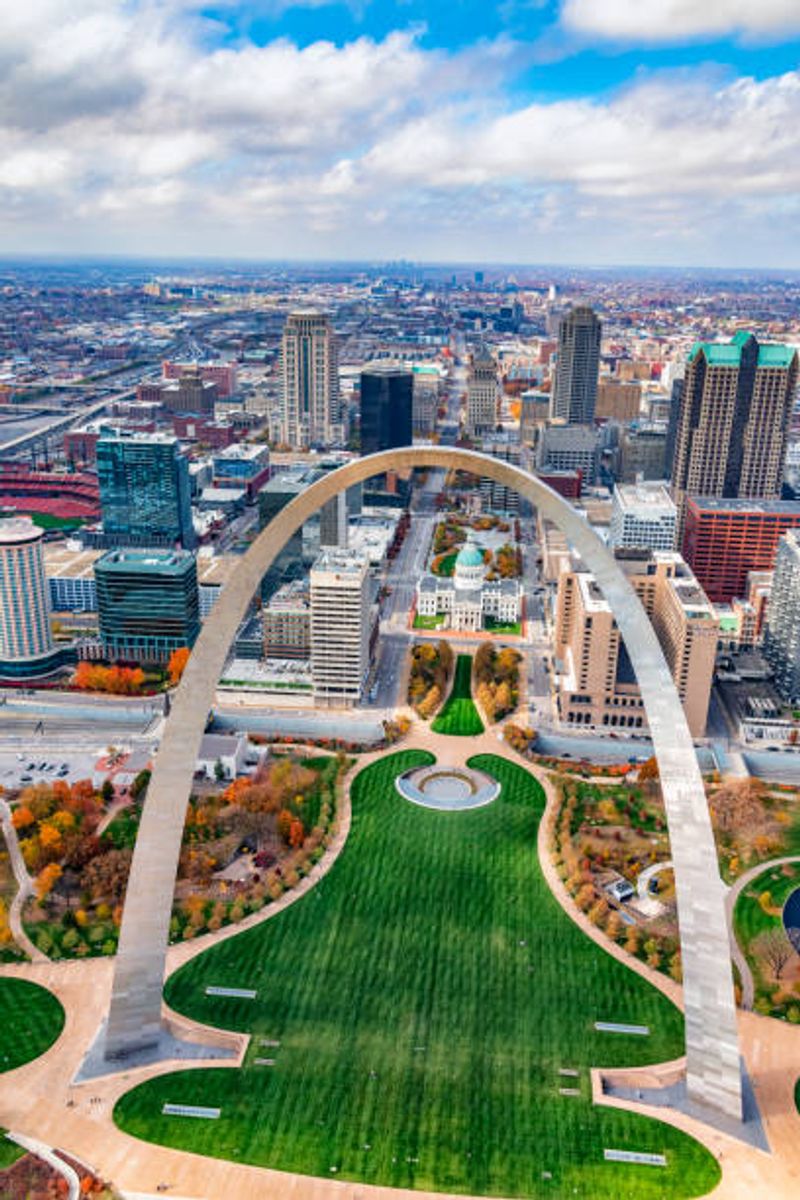
The Gateway Arch is minimal magic. Frame it with the Old Courthouse to connect past and present.
Blue hour delivers a perfect gradient that polishes stainless steel. Stand back with a wide lens and keep verticals straight to preserve the arch’s elegance.
On the riverfront, include reflections for a doubled curve effect.
Cloudy days turn the monument into graphic black and white. Consider lying low to exaggerate height with leading lines from paths.
A polarizer can complicate metal reflections, so use sparingly. Tickets to the top yield city grids best shot through clean glass with your lens hood blocking reflections.
Gather three anchors: classic courthouse alignment, river reflection at dusk, and an abstract panel of brushed steel with rivulets of rain. Simplicity sells the form, so clear clutter and let line, curve, and sky do the work.
26. Montana – Glacier National Park
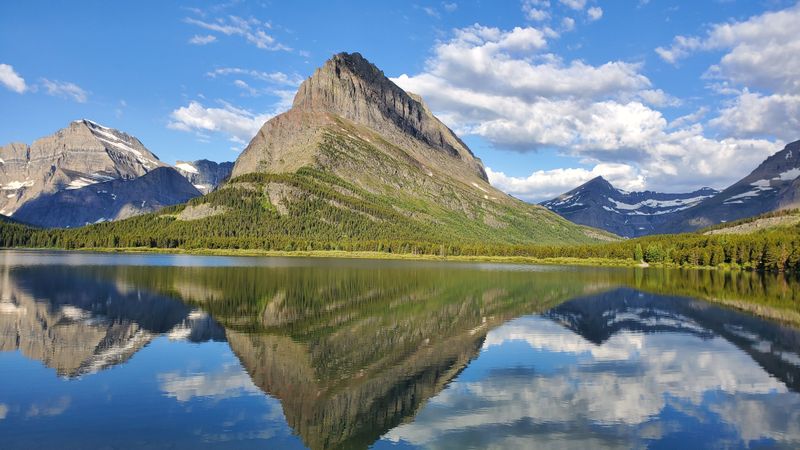
Glacier’s drama stacks in layers. Sunrise at Wild Goose Island paints peaks while St. Mary Lake mirrors the show.
Use a polarizer to cut glare, then rotate back to keep reflections. Along Going to the Sun Road, pullouts serve as ready viewpoints with wildflowers framing foregrounds in July.
Watch for goats and bears at safe distances.
Weather swings are fast. Pack layers and a microfiber for drizzle.
A mid telephoto compresses jagged ridges for epic scale. Overcast suits waterfall closeups without harsh contrast.
If smoke drifts in late summer, lean into silhouettes and warm tones.
Build a set: island panorama, alpine meadow with peaks, and a waterfall detail like Virginia Falls. Respect traffic and never stop in unsafe spots.
The park’s clarity and geology make filter free photos sparkle with minimal editing.
27. Nebraska – Chimney Rock
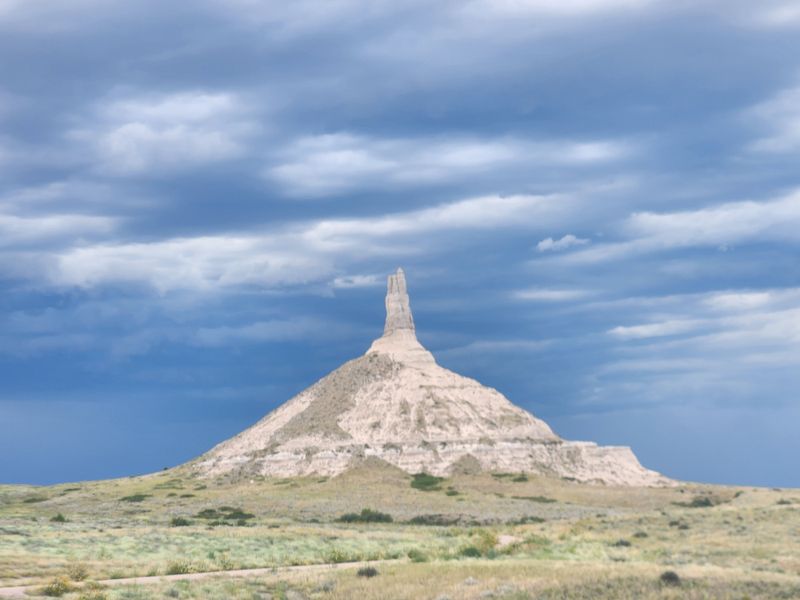
Chimney Rock stands like a stone compass on the plains. For storytelling, include remnants of wagon ruts or interpretive signs as subtle context.
Sunset side light sculpts the spire and stretches prairie shadows. Keep compositions clean with big sky and low horizon, and let clouds add motion overhead.
A telephoto emphasizes height against layered clouds, while a wide lens places the monument in its vastness. Wind can be strong, so stabilize your tripod.
Overcast converts the scene to a monochrome study, perfect for print.
Collect three frames: a wide Oregon Trail context, a telephoto silhouette at last light, and a close texture of weathered soil and grasses. The power here is restraint.
Minimal subjects, precise light, and a nod to travelers who crossed under this sentinel.
28. Nevada – Las Vegas Strip
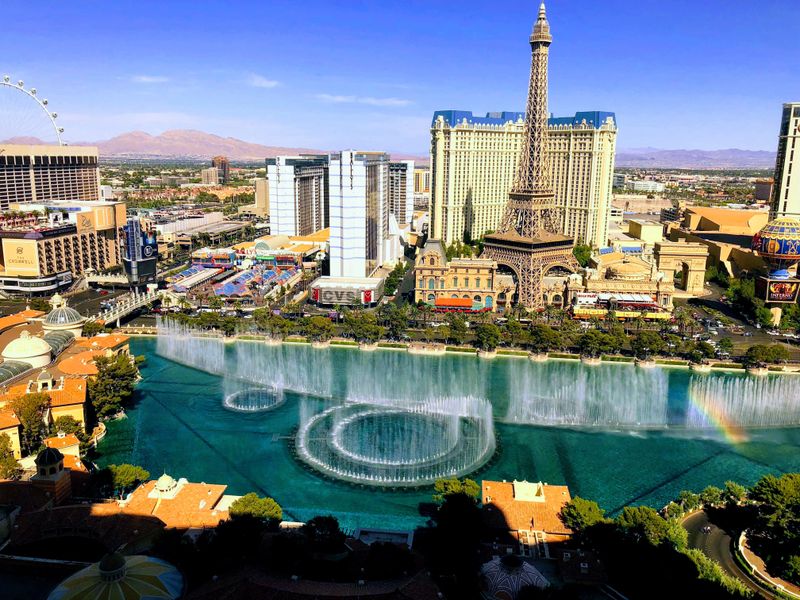
The Strip is kinetic neon. Blue hour balances sky and sign glow, giving rich color without clipping highlights.
From pedestrian bridges, shoot light trails at 2 to 6 seconds and let taxis stripe the frame. After a brief rain, reflections amplify signs for doubled drama.
Keep horizons clean despite visual chaos.
Stabilization is key because gusts whip between towers. Casinos often limit tripods, so use a clamp or fast lenses.
Grab architectural abstracts of glass facades, then wide scenes stacking icons. Night workers and street performers add human energy if you ask first.
Yelp’s 2022 top list included Vegas heavy hitters, mirroring how people constantly shoot here. Bag three anchors: a bridge light trail, a reflection scene, and an abstract neon detail.
The binary of glamour and grit makes honest, compelling frames.
29. New Hampshire – Old Man of the Mountain (historic site)
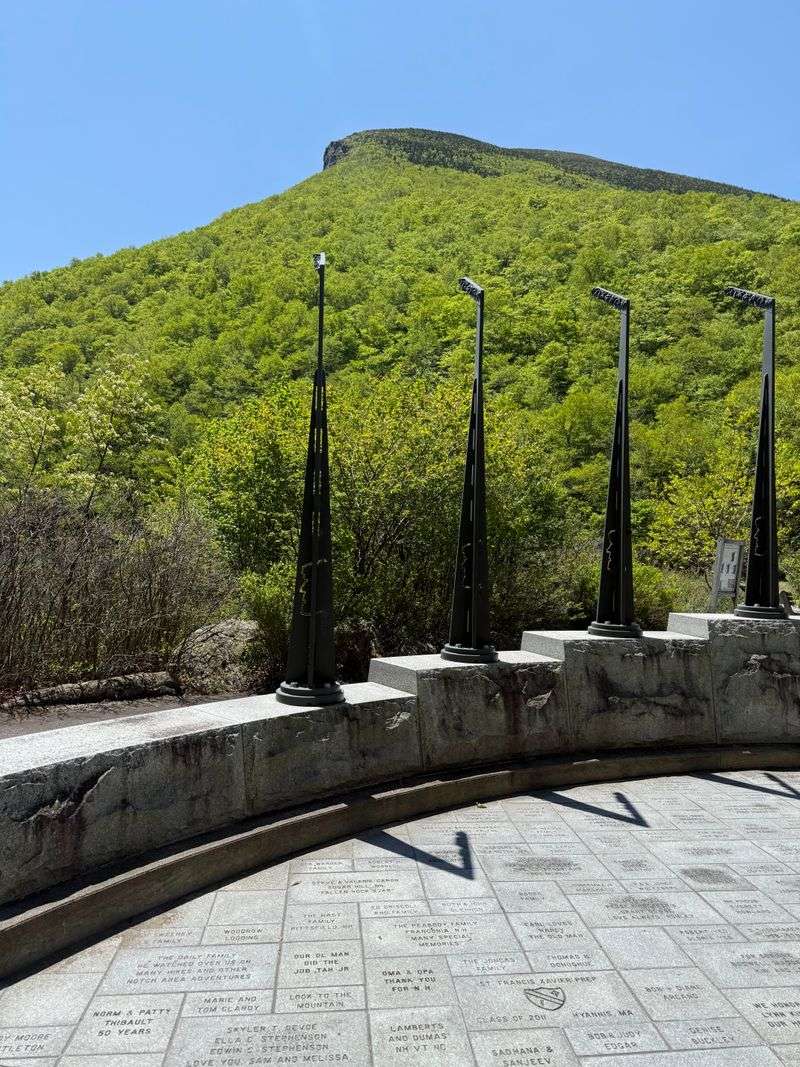
Though the Old Man collapsed in 2003, the site remains profoundly photogenic. Metal profile sculptures align into the iconic face when you stand on marked footprints.
Frame the White Mountains and Echo Lake to connect memory with landscape. Overcast suits the reflective mood and reduces glare on the water.
Use a medium focal length to compress the illusion. Include interpretive signage subtly to ground the story.
Walk the boardwalk for variations where trees frame the scene. Patience helps as visitors rotate through alignment spots.
Capture three: the aligned profile illusion, a lake reflection wide, and a close detail of the metal frames against sky. This is about honoring absence, so keep colors natural and compositions uncluttered.
The result reads like a quiet tribute rather than a pastiche.
30. New Jersey – Atlantic City Boardwalk
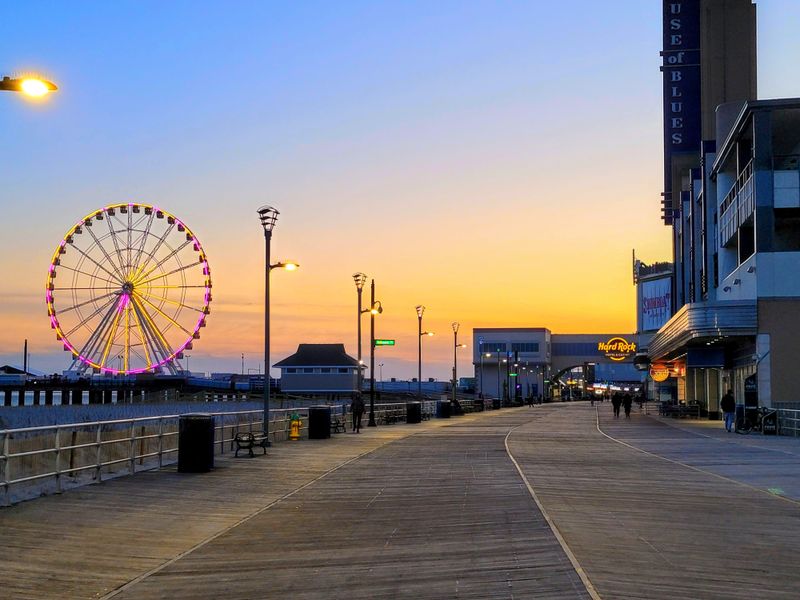
Atlantic City’s Boardwalk shines at sunrise when neon naps and color returns to the sky. Use the planks as leading lines toward a pier or ferris wheel.
Low tide gives wet sand reflections and quiet moods. A 24 to 35mm lens keeps context while avoiding heavy distortion.
Retro signs and saltwater taffy stands make playful closeups. After dark, handheld blue hour scenes capture glowing casinos and boardwalk performers.
Keep shutter high enough to freeze skaters and cyclists cruising the planks. A small LED can add a catchlight for portraits.
Leave with three: a sunrise boardwalk lead, a retro detail with texture, and a dusk neon comeback. Respect vendors and obtain permission for close portraits.
The mix of nostalgia and bright lights offers honest Americana without filters.
31. New Mexico – White Sands National Park
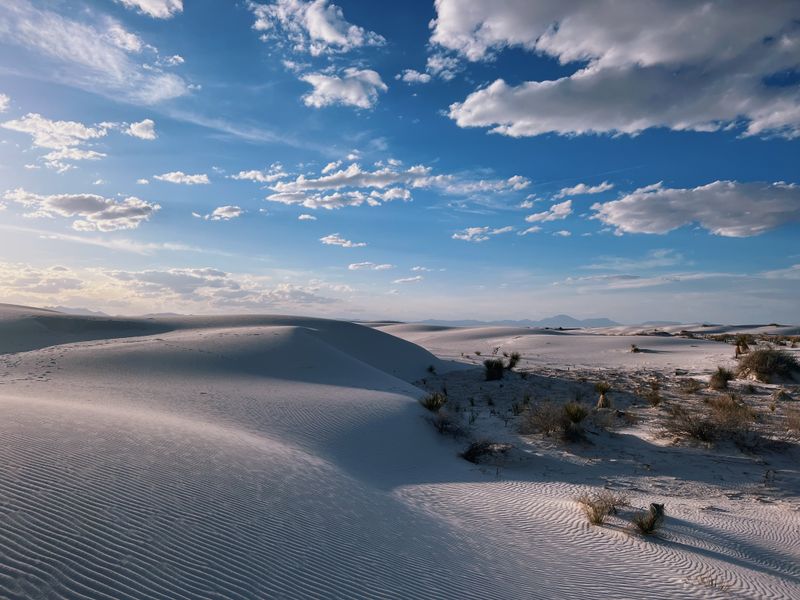
White Sands turns light into geometry. Shoot late afternoon as the sun rakes across dunes, carving blue shadows and golden crests.
Place a single yucca off center for scale and balance. Climb carefully to use footprints as intentional leading lines, or step off to preserve untouched patterns for a pristine look.
A polarizer helps but watch for uneven skies. Overexpose slightly to keep dunes bright without clipping.
Wind wipes footprints quickly, giving fresh canvases. Bring a rocket blower for grit in your gear and seal bags between shoots.
Build a set: a sweeping ridge line, a yucca portrait with wind lines, and a close abstract of ripples. Dusk brings pastel skies that mirror dune softness.
Minimalism wins here, so let line, light, and shadow do the talking.
32. New York – Statue of Liberty
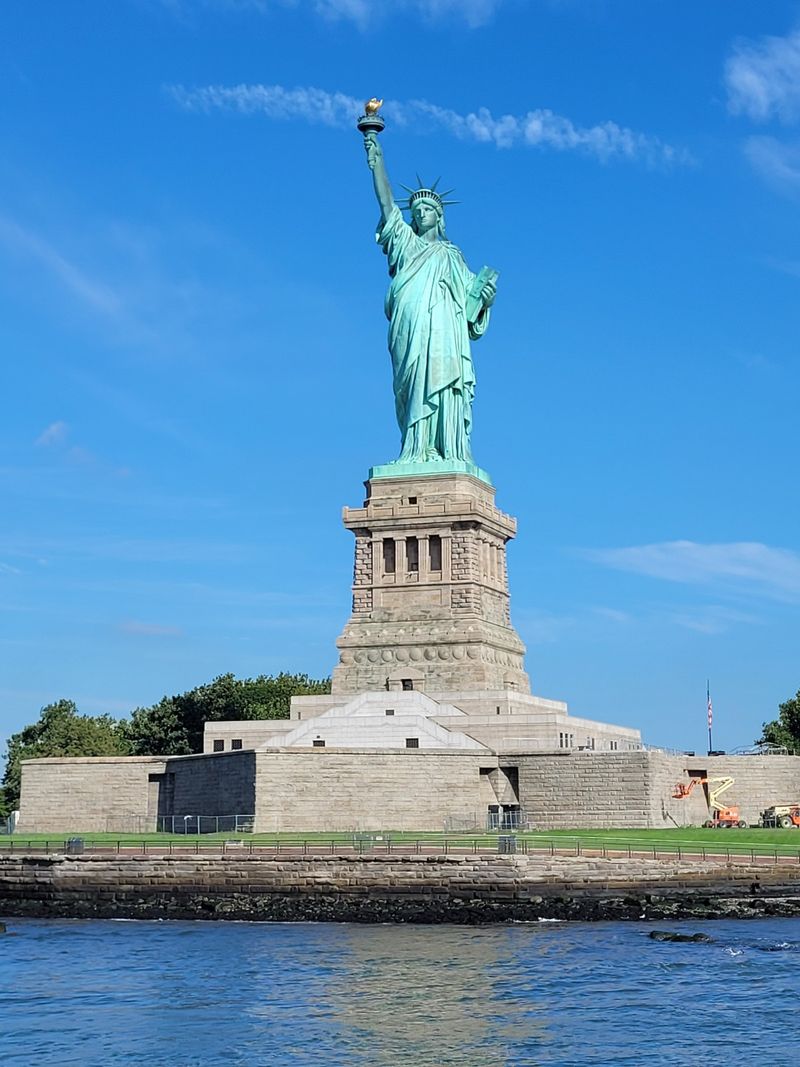
Lady Liberty reads differently from every angle. Ride the Staten Island Ferry for free skyline context, then book a closer cruise for dramatic telephotos of the torch.
Golden hour warms copper tones into earthy greens. Keep shutter high onboard and brace against rails for sharpness.
Include flag elements for context without overpowering the frame.
On Liberty Island, shoot upward from the pedestal base to emphasize height. For crowd free looks, aim for first boats.
Overcast works for detail studies of drapery folds. A polarizer reduces water glare but may darken uneven skies, so rotate carefully.
Printique’s study placed New York icons at the top by hashtags, and you will feel that pull. Grab three: ferry wide with skyline, tight torch and crown, and a silhouette at sunset.
Keep compositions clean and respectful of security boundaries.
33. North Carolina – Blue Ridge Parkway
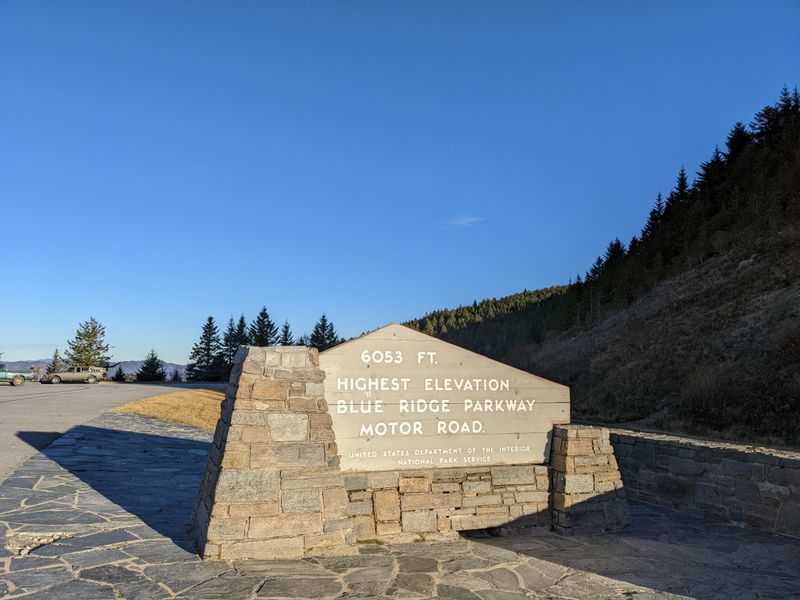
The Blue Ridge rewards patience and altitude. At sunrise, fog pools between ridges like waves.
Scout overlooks the day before and return early. Compose with the Parkway itself snaking as a leading line.
Autumn delivers saturated reds and golds, while spring offers misty greens and rhododendron blooms.
A telephoto flattens layers into graphic bands of blue. Long exposures smooth low clouds drifting through gaps.
Watch changing weather and keep gear dry in sudden showers. Overcast days give velvety tones perfect for prints.
Collect three: a road curve with guardrail leading into ridges, a compressed telephoto stack of mountains, and a close detail of leaves or frost catching first light. Traffic is light at dawn but stay safe in pullouts.
The Parkway’s rhythm renders filter free drama in any season.
34. North Dakota – Theodore Roosevelt National Park
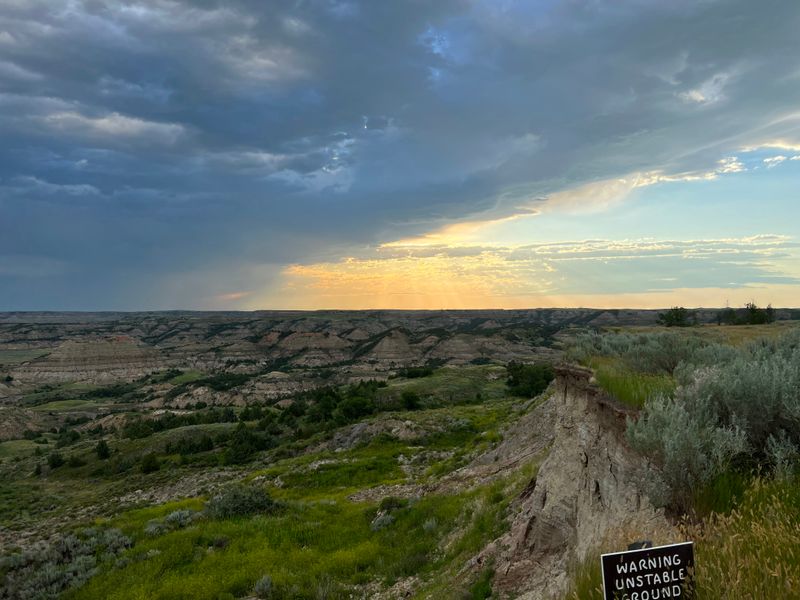
North Dakota’s badlands glow in low light. Golden hour paints striped buttes and sets bison coats ablaze.
Keep distance and a telephoto handy. Position the Little Missouri River as a serpentine leading line from overlooks on the North Unit.
Overcast works for fossil rich textures and prairie dog towns.
Dust and wind suggest a protective filter and regular cleanings. Frame a lone cottonwood against bands of clay for scale.
Night skies are dark here, inviting Milky Way arcs if you stay late. Tripods stabilize in soft ground with wider feet.
Craft three images: a bison herd against layered buttes, a river leading line panorama, and a close texture of bentonite clay cracked by sun. Respect wildlife and keep the scene natural.
The park’s quiet drama tells its own story.
35. Ohio – Rock & Roll Hall of Fame
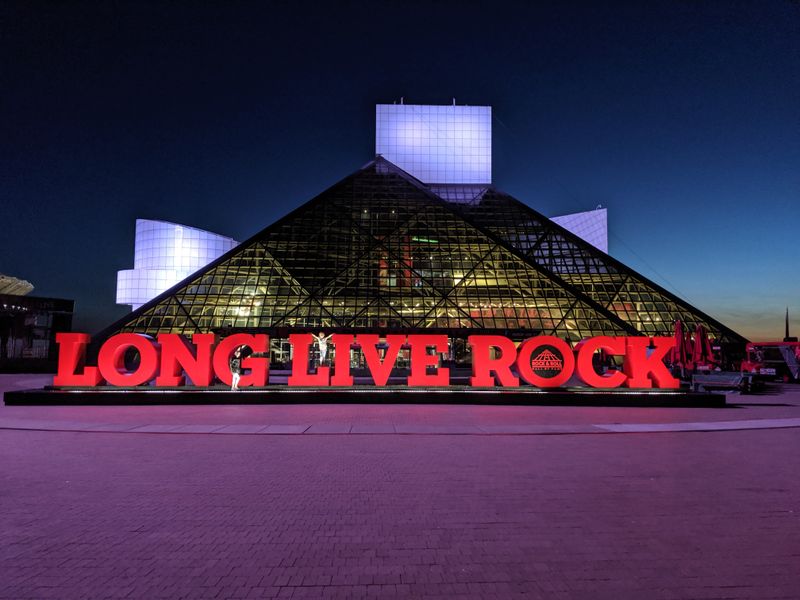
Cleveland’s Rock & Roll Hall punches with angles and light. Shoot at dusk when interior glow turns the glass pyramid electric.
Use a wide lens to catch Lake Erie reflections and nearby art. Long exposures smooth water and streak car lights.
Keep verticals straight to honor the geometry.
Inside, respect restrictions and go high ISO for memorabilia details. Seek reflections of guitars in glass cases for layered frames.
Street portraits of fans outside add energy and color. A polarizer helps manage water glare but can mute interior glow through glass.
Leave with three: an exterior blue hour hero, a reflection scene on the lake edge, and a tight iconic artifact shot. The building’s sharp forms need clean backgrounds and steady horizons.
Sound and light do the rest.
36. Oklahoma – Route 66 Signage
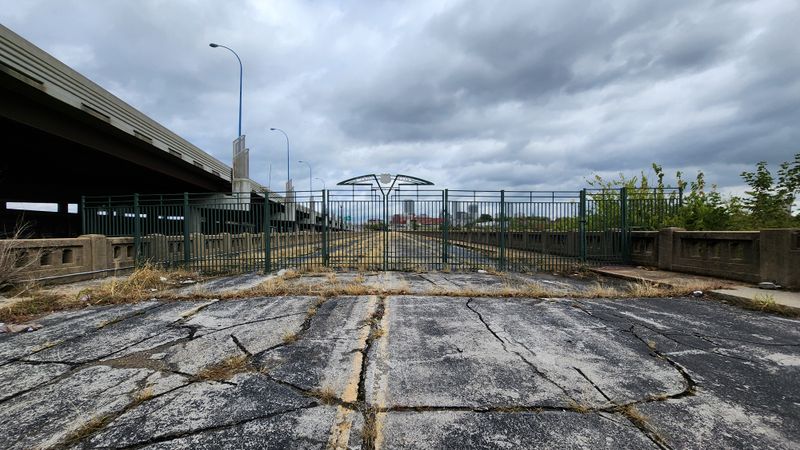
Oklahoma’s Route 66 stretches a museum of neon and chrome across open sky. Plan a dusk crawl from Arcadia to Tulsa, catching motel signs as they flicker on.
Frame big sky above a lonely pump or diner, then switch to shallow depth portraits of lettering and patina. Use a tripod for clean neon and avoid blown highlights.
Gas stations and museums offer permission friendly stops. Ask first for closeups.
Rain transforms asphalt into a neon mirror. Keep compositions simple and let typography sing.
Build a set: a wide roadside neon against sunset, a close letter detail with chipped paint, and a candid of a classic car if owners agree. The Mother Road’s magic is honest light and lived in textures, perfect without filters.
37. Oregon – Multnomah Falls
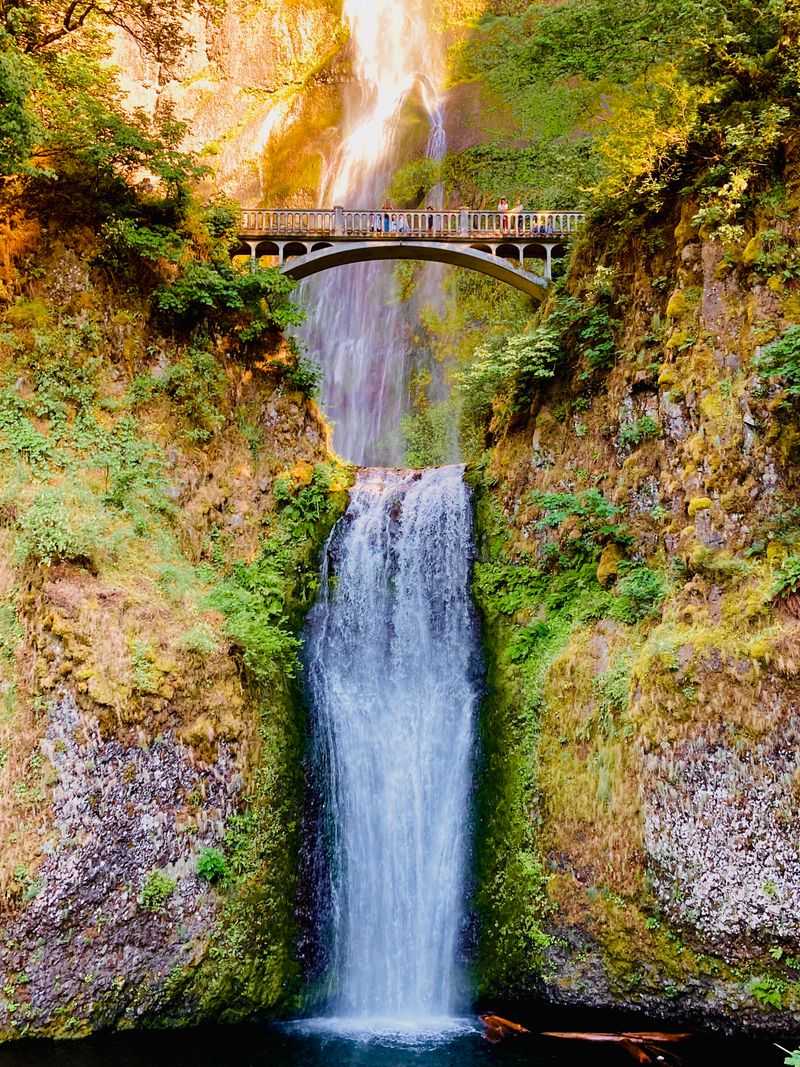
Multnomah Falls is elegance in layers. Overcast days are perfect, giving diffuse light that flatters water and moss.
From the base, align the falls and Benson Bridge for the classic frame. Use a 3 to 6 stop ND for silky flow.
Wipe lenses constantly as mist drifts.
Climb to the bridge for a mid level angle and consider a portrait with the cascade behind. Crowds build late morning, so arrive early or late.
A polarizer deepens greens but rotate carefully to avoid rainbow loss if one appears.
Capture three: the base hero shot, a bridge level perspective, and a close texture of ferns glistening with spray. Keep shutter fast for handheld people shots.
The gorge’s humidity will challenge gear, so pack dry bags and extra cloths.
38. Pennsylvania – Liberty Bell
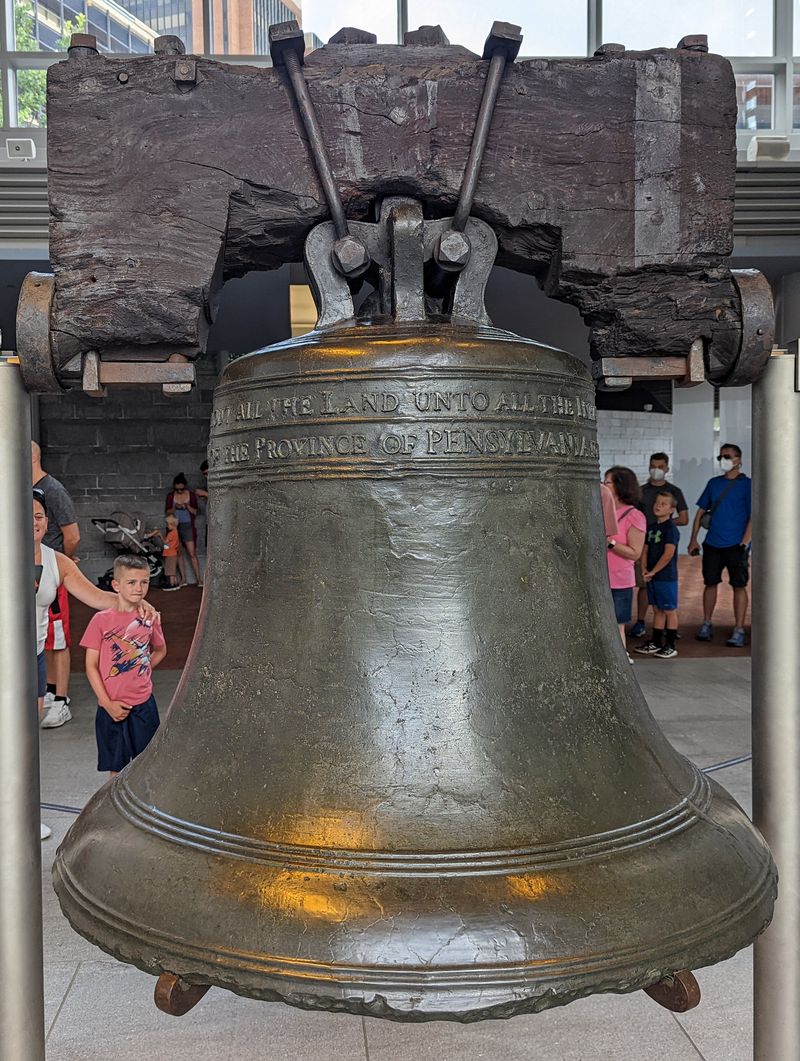
The Liberty Bell invites thoughtful framing. Position the crack facing camera with Independence Hall softly behind.
Natural light through the pavilion windows gives gentle contrast. Arrive early to manage reflections and crowds.
Keep ISO reasonable and brace on railings if tripods are restricted.
Include visitors at respectful distances to suggest scale and shared history. A polarizer may help with reflections but can darken unevenly across glass.
Details of the inscription make strong supporting shots. Avoid heavy saturation, letting bronze patina lead.
Anchor your set with three: a context shot aligning bell and hall, a tight crack detail, and a candid of visitors contemplating the artifact. Restraint and clean lines underscore the symbol’s weight without theatrics.
39. Rhode Island – Cliff Walk, Newport
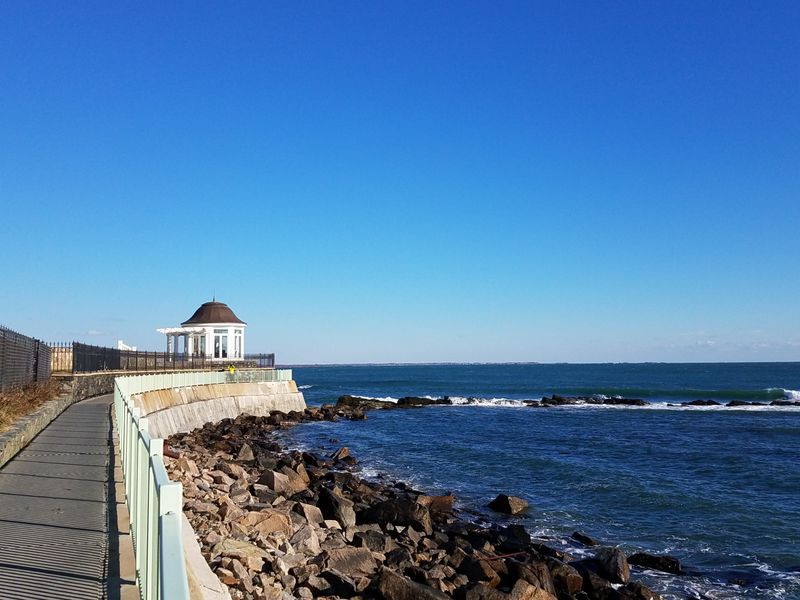
Newport’s Cliff Walk threads elegance and surf. Time golden hour to light both the mansions and the Atlantic.
Compose with the path as a leading line and waves exploding against rock for energy. A moderate wide lens keeps architecture and ocean in play without extreme distortion.
Watch footing on uneven stones.
Fog adds romance, softening mansion edges. Overcast favors detail shots of wrought iron gates and weathered shingles.
A polarizer manages water glare and deepens blues. Pack a wind layer for steady hands.
Gather three: a mansion plus surf hero, a path perspective with walkers for scale, and a detail of ornate railings kissed by sea spray. Newport rewards balance between grandeur and raw shoreline drama.
40. South Carolina – Rainbow Row
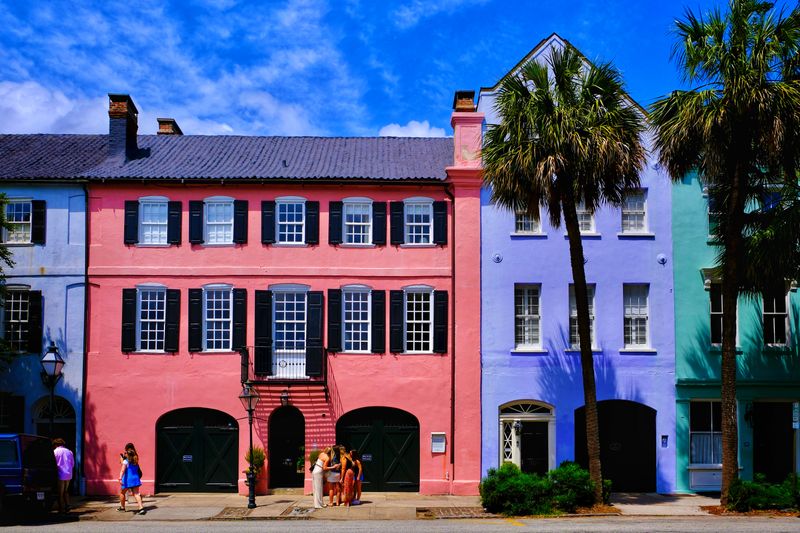
Rainbow Row is about color discipline. Show the palette without crowding the frame.
Early morning sidelight defines shutters and stucco while streets stay calm. Keep verticals straight and step back for crisp symmetry.
Include palms sparingly for rhythm and scale. Overcast also works, yielding creamy tones and soft shadows.
For variety, isolate door knockers and pastel window boxes. A 50mm lens keeps lines true.
Be courteous and quiet; these are private homes. Avoid blocking sidewalks and watch for cars sneaking into compositions.
Leave with three: a clean facade wide, a tight floral detail, and a candid of a cyclist gliding through for movement. Charleston’s hues are naturally photogenic, no filters required.
Simple, elegant, and evergreen.
41. South Dakota – Mount Rushmore
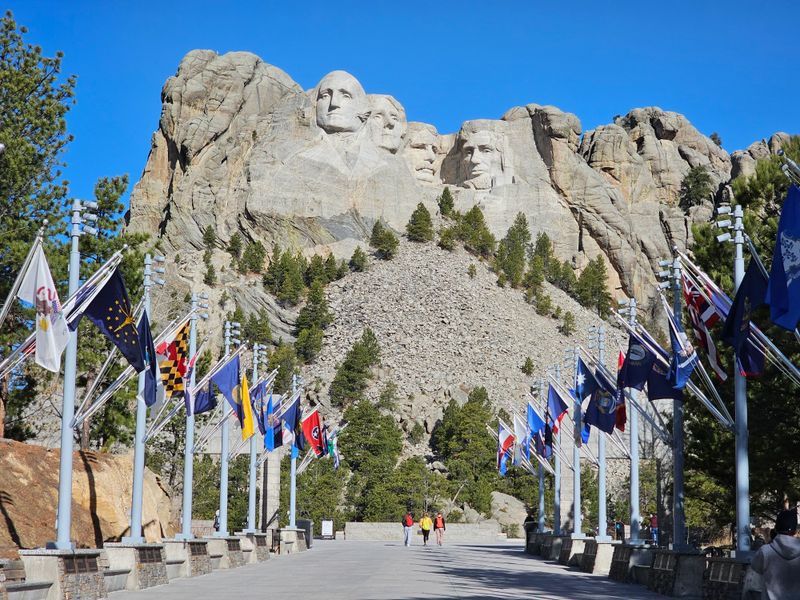
Mount Rushmore reads best in raking light. At sunrise, shadows carve the presidents’ features.
From the Grand View Terrace, anchor your shot with the Avenue of Flags for context. A telephoto isolates eyes and textures in granite.
Keep compositions respectful and balanced, avoiding gimmicks that trivialize the sculpture.
Haze can soften details, so a polarizer helps. Walk the Presidential Trail for changing angles under the faces.
Overcast shifts you to black and white textures, emphasizing chisel marks. Crowds gather mid morning, so arrive early.
Collect three: terrace context, telephoto detail, and a trail level composition framed by pines. Simplicity and tone control are your allies.
The monument’s gravity comes through in clean, well timed light.
42. Tennessee – Great Smoky Mountains National Park
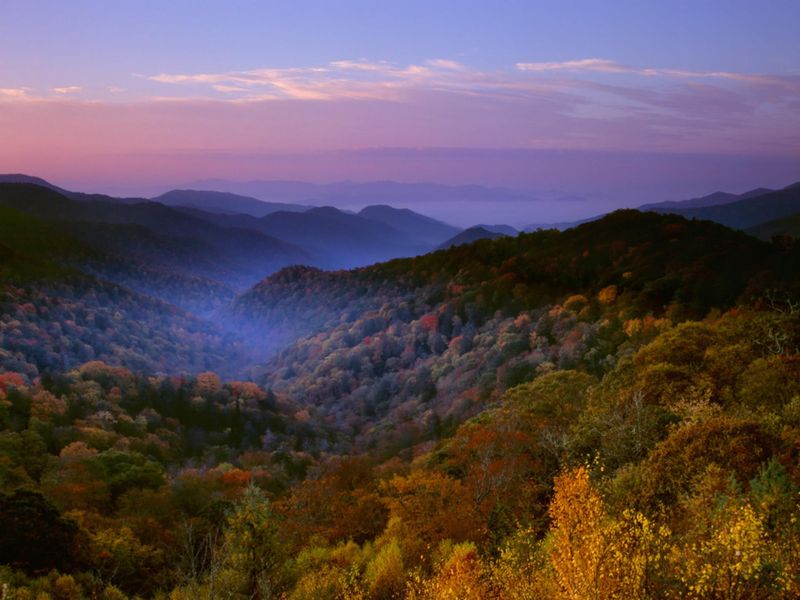
The Smokies earn their name each dawn. Fog breathes through folds of blue ridges, perfect for layered telephoto stacks.
Scout Newfound Gap or Clingmans Dome for sweeping views. A polarizer deepens greens in summer while spring wildflowers add foreground pop.
Keep tripods steady in winds at high overlooks.
After sunrise, roam Cades Cove for split rail fences and historic cabins. Use side light to carve textures in weathered wood.
Waterfalls like Laurel Falls favor overcast and a 2 to 4 second exposure for silk. Wildlife distance rules are strict, so bring reach.
Gather three: a sunrise ridge stack, a rustic fence leading line, and a waterfall detail framed by rhododendron. Patience and soft light do the heavy lifting in the Smokies’ timeless scenes.
43. Texas – The Alamo
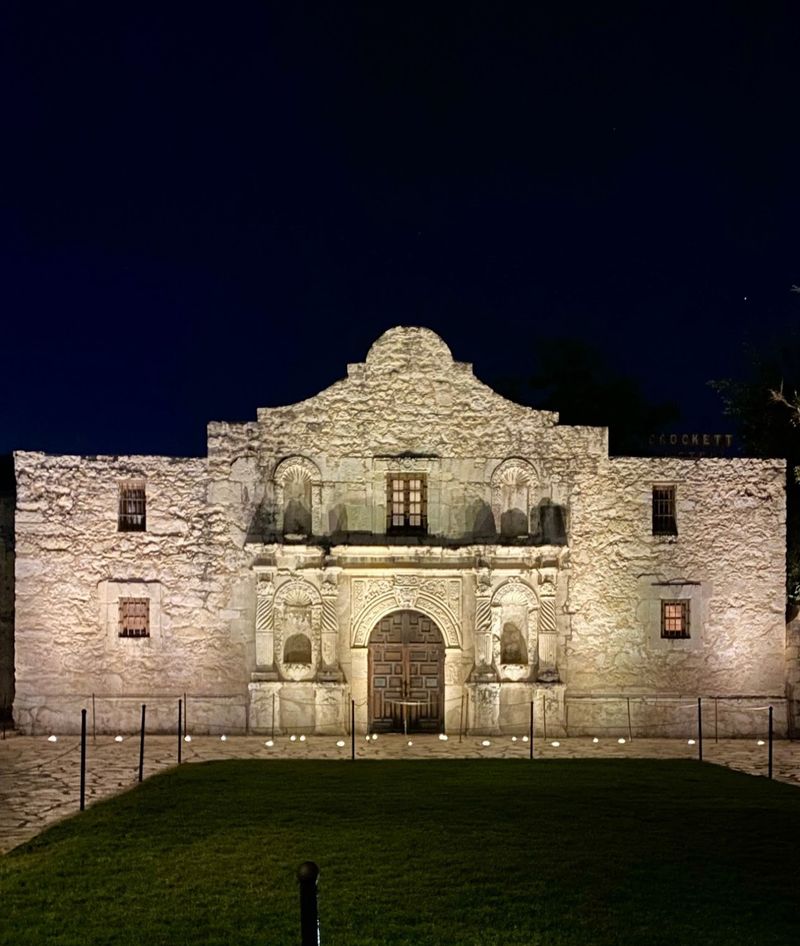
The Alamo’s facade rewards early light and restraint. Shoot at sunrise when limestone warms and crowds have not formed.
Include the Texas flag for context, but keep it subtle. A low angle through cactus plants creates depth without cluttering the mission’s clean lines.
Overcast days suit quiet, contemplative portraits of stone and wood doors.
Tripods may be limited, so brace against walls. Interior exhibits often restrict photography, so check signs.
Details matter: carved lintels, worn thresholds, and mission bells tell the story. Avoid heavy saturation to preserve a respectful tone.
Leave with three: a sunrise facade hero, a flag and mission context shot, and a tight texture of weathered stone. The site’s gravity comes through in simplicity and careful framing.
44. Utah – Delicate Arch
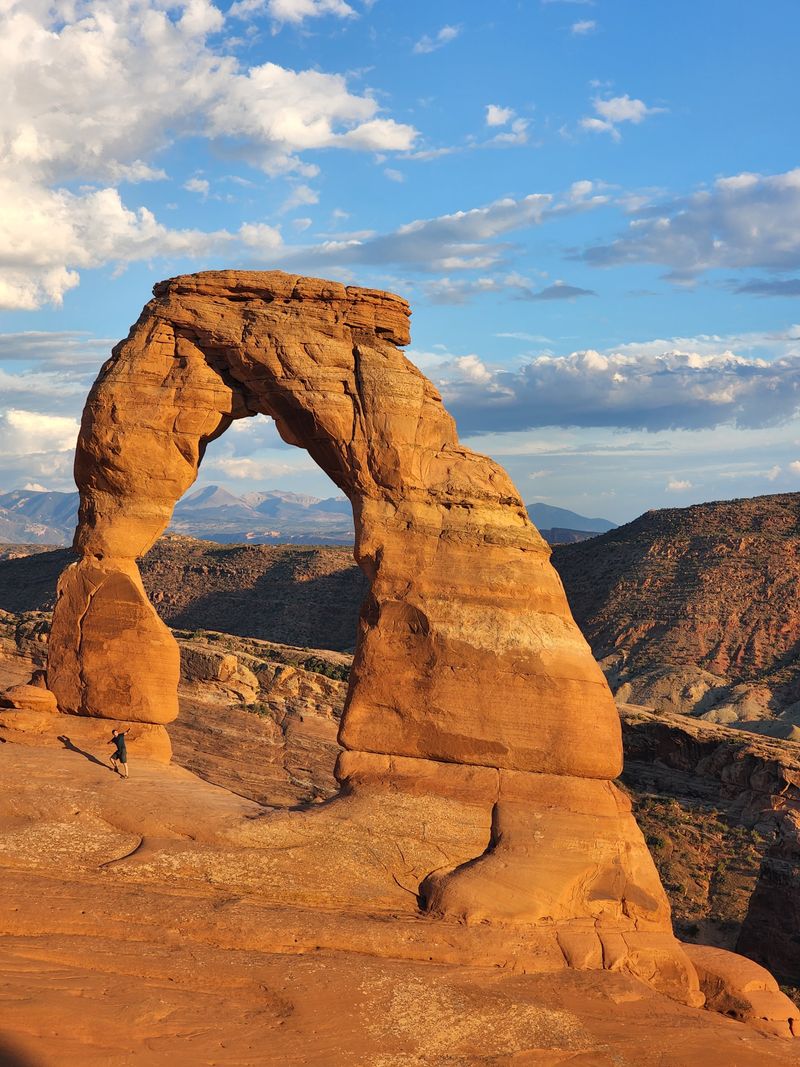
Delicate Arch is a pilgrimage. Start the hike 90 minutes before sunset to secure a spot on the bowl’s rim.
Place the La Sal Mountains through the arch and wait as sandstone ignites red. Include a hiker for scale, then shoot a clean frame without people if gaps appear.
A wide lens exaggerates the bowl’s curve.
Wind can gust, so keep gear close. Blue hour brings pastel magic after the crowd thins.
Winter snow on the La Sals adds contrast and prints beautifully. Bring headlamps for the hike back.
Take three: the classic arch with mountain window, a silhouette at blue hour, and a close texture of wind carved sandstone. Respect cliff edges and the cryptobiotic soil.
The scene’s geometry and color deliver wow without filters.
45. Vermont – Stowe Village
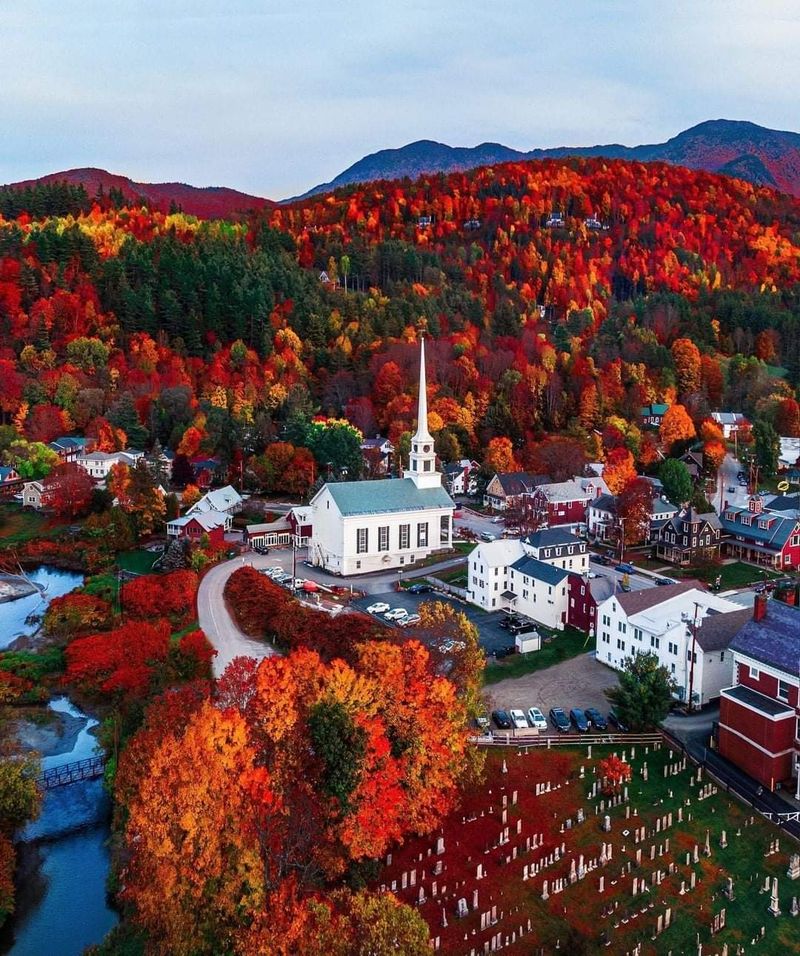
Stowe’s charm shifts with seasons. In fall, aim for the white steeple framed by blazing maples.
Use a moderate wide lens to include village rooftops and mountain backdrop. Early morning keeps streets quiet.
A polarizer manages glare on leaves and shop windows, giving saturated but natural tones.
Winter turns the scene storybook. Fresh snow on a covered bridge begs for clean, high key frames.
Keep exposures bright without clipping whites. Include a single pedestrian for scale and warmth.
Side streets deliver postcard angles without traffic.
Collect three: a foliage hero with steeple, a snowy covered bridge, and a shopfront detail of handmade signs or skis. Stowe excels at honest, cozy scenes that need little editing beyond careful exposure.
46. Virginia – Colonial Williamsburg
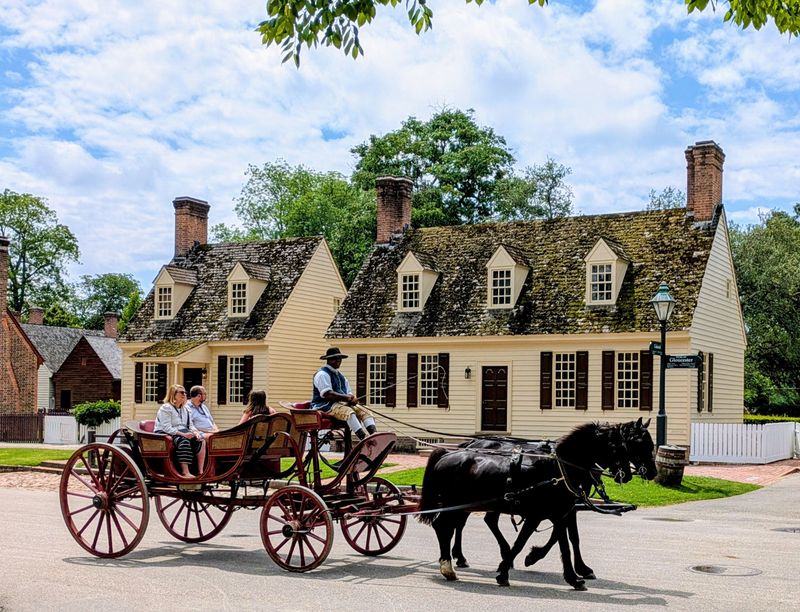
Colonial Williamsburg works as living theater. Time late afternoon for warm light on brick and clapboard.
Candidly frame reenactors as they move between shops, keeping backgrounds clean. A 50mm lens preserves natural perspective, while a short telephoto isolates moments without intruding.
Ask permission for closer portraits.
Horse carriages offer motion studies at 1/125 to hold wheels with a whisper of blur. Details of tools, looms, and signage enrich the narrative.
Overcast softens hats and fabric textures for balanced portraits.
Build three: a street wide with carriages, a portrait of a craftsperson by window light, and a detail of signage swinging above cobblestone. Respect guests and performers.
The result reads warm, human, and historically grounded.
47. Washington – Mount Rainier
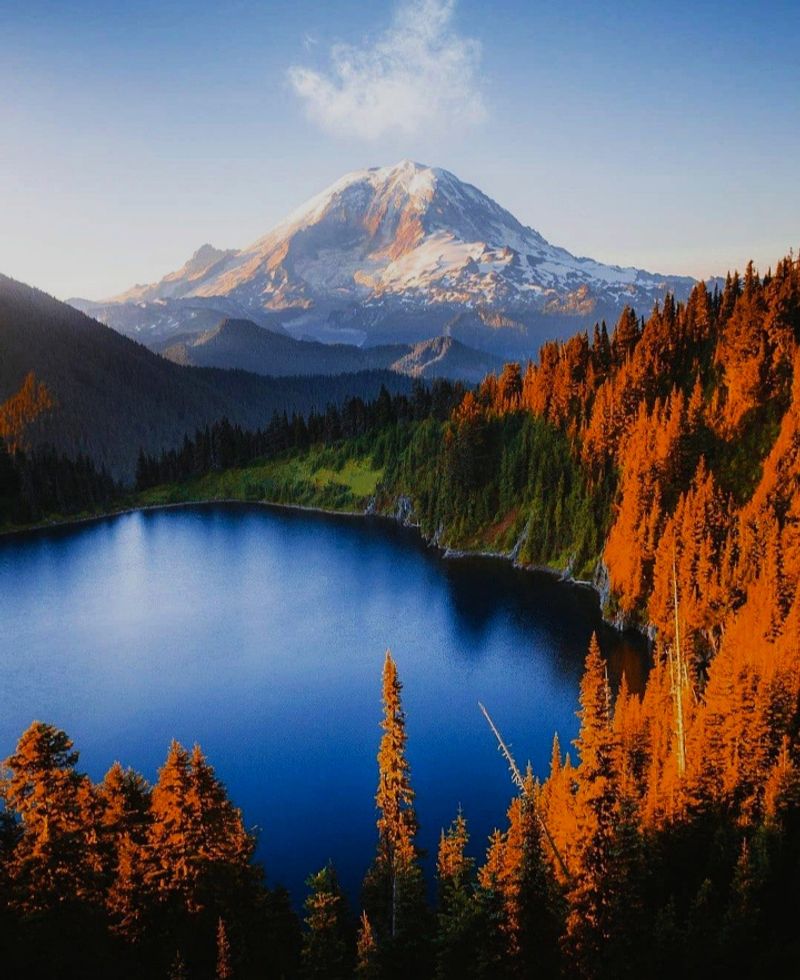
Rainier commands the frame. Sunrise at Reflection Lakes can deliver perfect mirror water and alpenglow on the glaciers.
Arrive early and step lightly to protect meadows. A 2 stop graduated ND balances sky.
Wildflowers peak late July to early August, creating a natural border of lupine and paintbrush.
Fog adds drama, but wait for brief windows revealing the summit. A polarizer manages glare on water and deepens greens.
Keep shutter higher if breezes ripple the reflection. Hike to Paradise for closer glacier textures and trail level compositions.
Collect three: a reflection hero, a meadow level flower lead, and a telephoto of crevasses catching first light. The mountain’s presence needs little help beyond patience and steady exposure.
48. West Virginia – New River Gorge Bridge
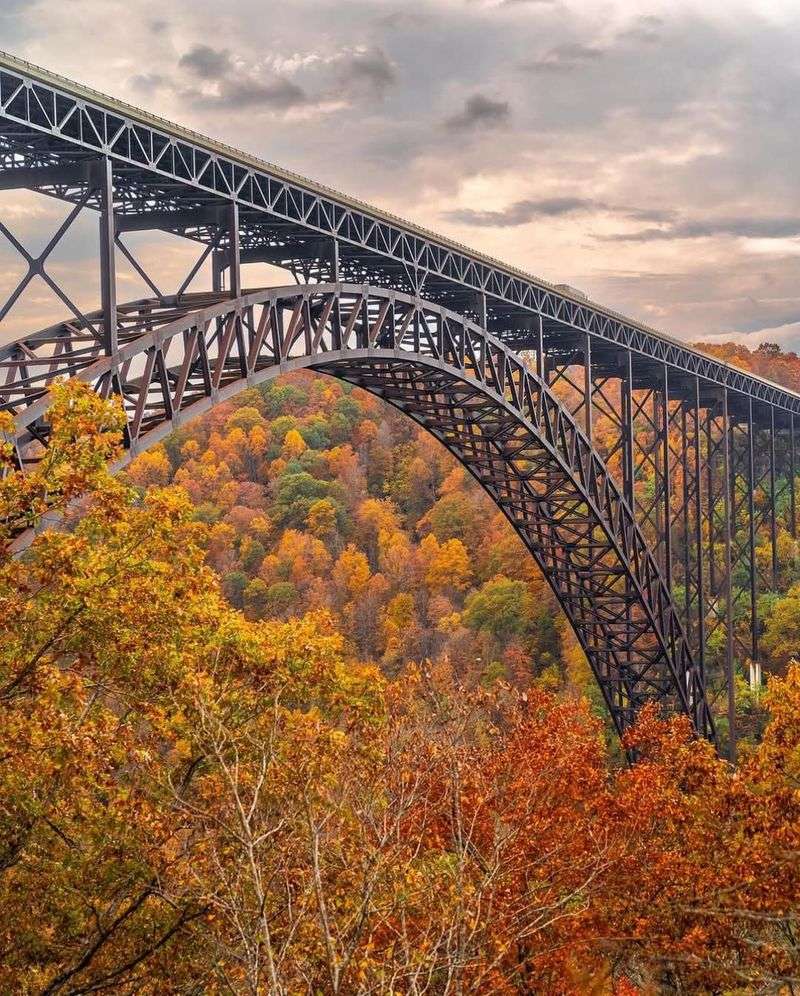
The New River Gorge Bridge is line and lift. From the Canyon Rim overlook, align the steel arch across a fog laced gorge at sunrise.
A telephoto compresses layers while a wide lens shows river sweep. Autumn sets the hills ablaze, framing the bridge in color.
Long exposures smooth fog drifts for ethereal motion.
Walk the boardwalks for shifting sightlines. Safety rails steady your composition in wind.
On Bridge Day, include rappellers or base jump visuals for energy and scale. Overcast supports moody black and white takes.
Grab three: a sunrise arch panorama, a compressed layer stack, and a detail of rivets and trusses. The span’s elegance rewards clean horizons and patient timing.
49. Wisconsin – Milwaukee Art Museum
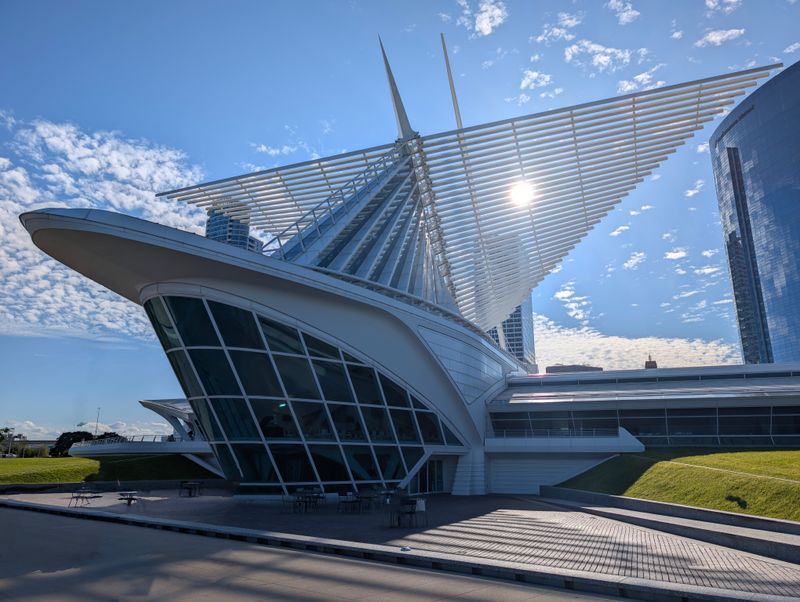
Santiago Calatrava’s design is a photographer’s playground. Arrive at sunrise when the wings open and light kisses the white ribs.
Keep lines precise and horizons clean. Reflections on the lakefront plaza add symmetry.
A 24mm lens covers scale without distortion if you stay level. Overcast transforms the building into a high key sculpture.
Inside, watch for repeating patterns and skylight shadows. Tripods may be limited, so bump ISO.
A polarizer can dull the sheen, so use sparingly. Blue hour outlines the wings against deep cobalt for a minimalist poster look.
Collect three: a frontal symmetry hero, a reflection wide, and an abstract of ribs and shadows. The building’s clarity thrives on disciplined framing and gentle light.
50. Wyoming – Grand Teton Range
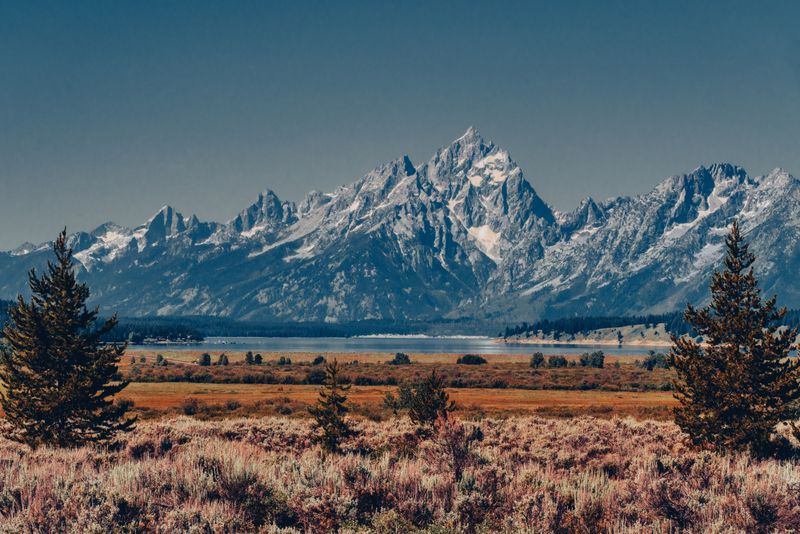
The Tetons rise abruptly, demanding bold frames. At Oxbow Bend, sunrise reflections put Mount Moran center stage.
A polarizer helps manage glare but rotate to preserve reflections. Schwabacher Landing adds beaver dams and serpentine water for foreground interest.
Keep distance from moose and elk, using telephoto reach.
Storm edges create dramatic light rays breaching clouds. After sunrise, move to Mormon Row for barns against the range.
Side light sculpts wood and grass. Afternoon thunderstorms are common, so watch radar and shelter fast.
Take three: an Oxbow reflection hero, a barn and peaks alignment, and a wildlife telephoto with layered mountains. The range’s geometry and quick changing light pay off with patient, clean compositions.



