America is filled with famous places, but some of its most important landmarks rarely fit neatly into vacation-brochure history. Long before interstate exits, park signage, or state lines, these places carried ceremony, law, memory, and identity for Indigenous nations whose relationships to the land continue right now.
What makes them compelling is not just age, but continuity: songs, prayers, seasonal practices, and cultural responsibilities still connect people to these sites. Keep reading, and you will see how geography becomes history, belief, community, and a living record that no textbook map can fully capture.
1. Bears Ears (Utah)
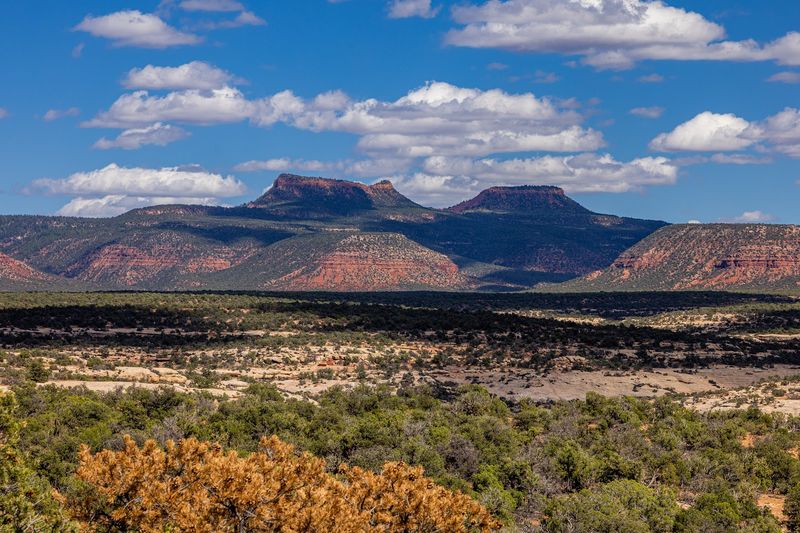
Two buttes changed the national conversation about sacred land without needing a billboard. Bears Ears is revered by the Navajo Nation, Hopi Tribe, Ute Mountain Ute Tribe, Pueblo of Zuni, and Ute Indian Tribe, which together helped shape protection efforts through the Bears Ears Inter-Tribal Coalition.
The area holds cliff dwellings, rock art, ceremonial sites, medicinal plant gathering areas, and routes tied to ancestral knowledge.
Federal debates over monument boundaries turned Bears Ears into a public lesson about who gets to define significance. For tribal communities, the answer was always clear: this is not empty scenery, but a living cultural landscape.
Its importance rests in ongoing prayer, stewardship, and memory, all anchored in a place where the past is not sealed off behind museum glass. That is why Bears Ears matters far beyond Utah today.
2. Oak Flat (Arizona)
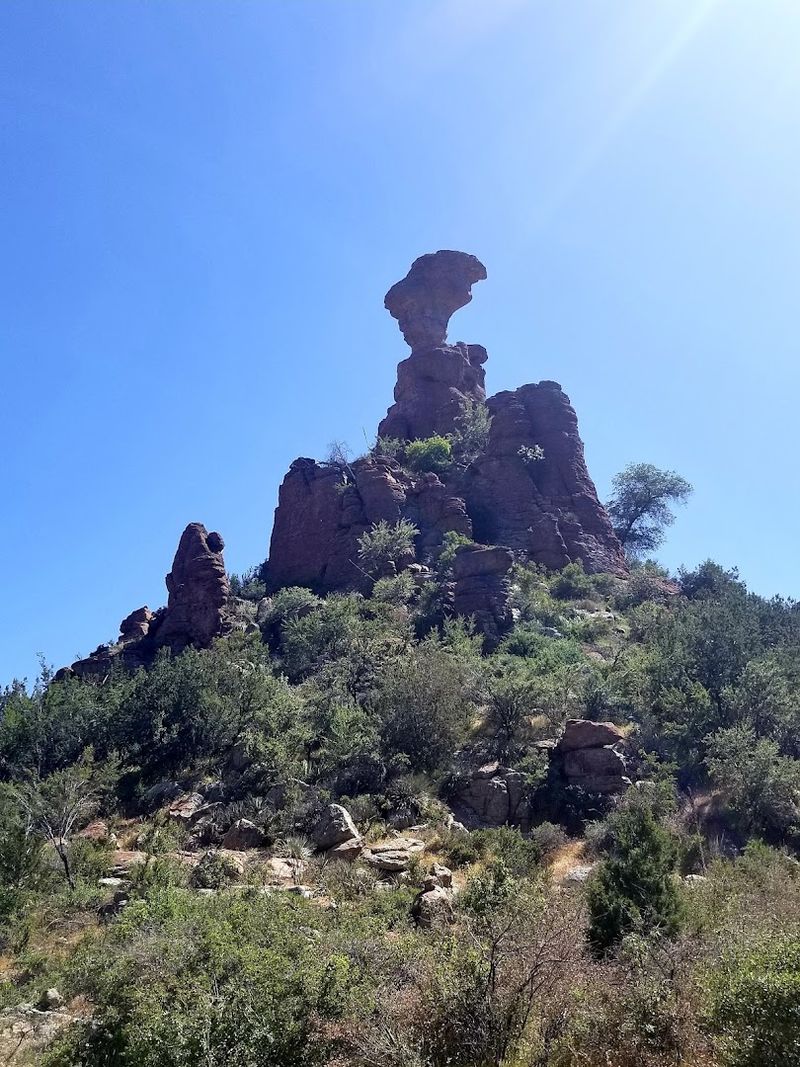
Few places make the phrase living sacred site feel as precise as Oak Flat. Known as Chi’chil Bildagoteel, this Arizona site is deeply important to Western Apache communities, especially for coming-of-age ceremonies for young women.
It is a place where spiritual practice, family continuity, and responsibility to future generations meet in real time, not as a historical reenactment.
Oak Flat has also become one of the clearest examples of why land debates are never only about land. Proposed mining activity drew national attention because what is at stake is ceremony itself, along with access to a place that cannot be relocated or replicated.
You can move infrastructure, but you cannot transfer sacred meaning to a backup location. Oak Flat matters because it shows how Indigenous religious freedom is tied directly to specific homelands.
3. Effigy Mounds (Iowa)
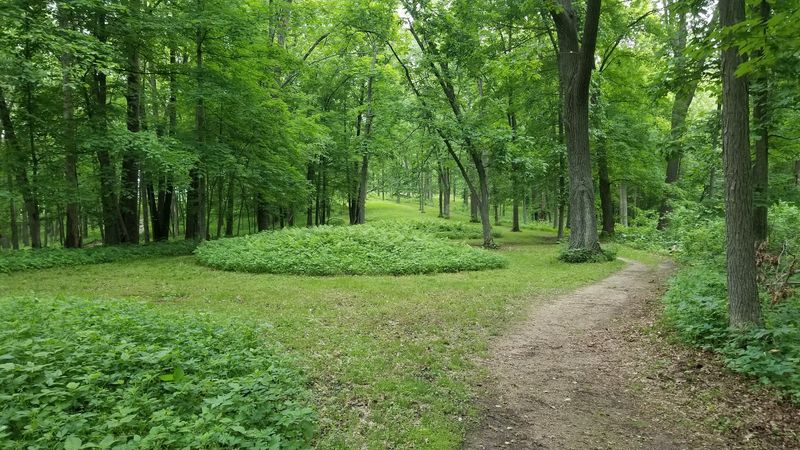
The landscape starts making shapes, and suddenly history looks far more intelligent than many old textbooks admitted. Effigy Mounds National Monument preserves prehistoric earthen forms, including bears and birds, built by Indigenous peoples more than a thousand years ago.
These earthworks are not decorative curiosities. They reflect ceremonial purpose, burial traditions, and a sophisticated relationship between geography, cosmology, and community identity.
Set along the Mississippi River bluffs, the site links spiritual meaning with placement on the land itself. Archaeologists can measure size and age, but tribal perspectives remind visitors that sacred significance does not end when a mound is mapped.
The site matters because it challenges outdated assumptions that Indigenous North America lacked monument building or intellectual complexity. Effigy Mounds quietly proves the opposite, showing an enduring tradition of design, reverence, and cultural memory written directly onto the earth.
4. Mount Graham (Arizona)
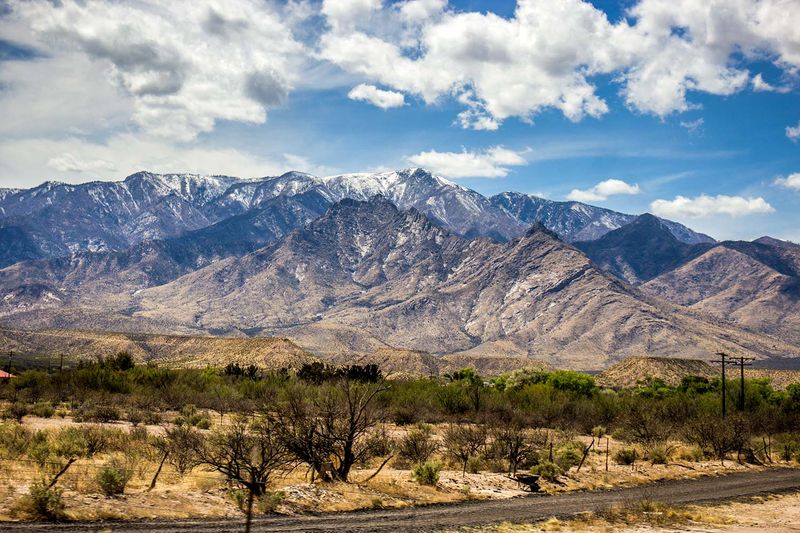
Some mountains function as geography, and some operate as prayer in elevated form. Mount Graham, known to Western Apache people as Dzil Nchaa Si An, is a sacred mountain tied to religious practice, origin knowledge, and the presence of spiritual beings within Apache tradition.
Its meaning comes not from scenic appeal alone, but from longstanding ceremonial relationships that continue into the present.
Public controversy around observatory construction highlighted a familiar tension between modern institutions and Indigenous religious rights. For Apache communities, the issue was not abstract heritage language.
It was direct access to a sacred place central to spiritual life. Mount Graham matters because it reveals how often Indigenous sacred geography has been treated as optional in planning decisions.
Yet for those who hold it sacred, the mountain remains essential, a place where cultural survival, ceremony, and ancestral knowledge are held together with remarkable persistence.
5. Medicine Lake Highlands (California)
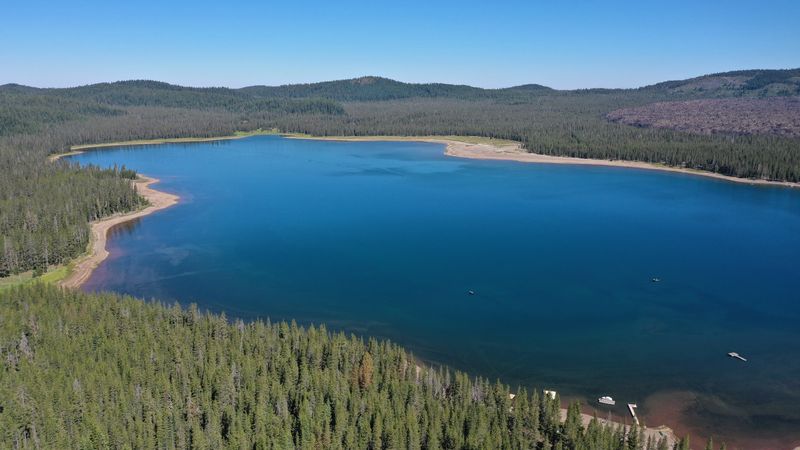
This volcanic landscape has never needed flashy branding to hold deep authority. The Medicine Lake Highlands in northern California are sacred to several tribes, including the Pit River, Modoc, Shasta, Karuk, and Wintu peoples.
The area is associated with prayer, healing, vision seeking, and ceremonial practice, with significance rooted in generations of cultural knowledge rather than recreational reputation.
Because the region includes lava beds, forests, and highland terrain, its sacred character reflects an interconnected landscape instead of one single postcard feature. That matters.
Indigenous sacred places are often networks of meaning, not isolated landmarks with a convenient gift shop nearby. Efforts to protect the highlands from energy development have underscored this point for decades.
Medicine Lake matters because it reminds us that spiritual geography can span whole ecosystems, and that respecting sacred land requires understanding relationships, not just boundaries drawn on an official map.
6. Black Hills (South Dakota)
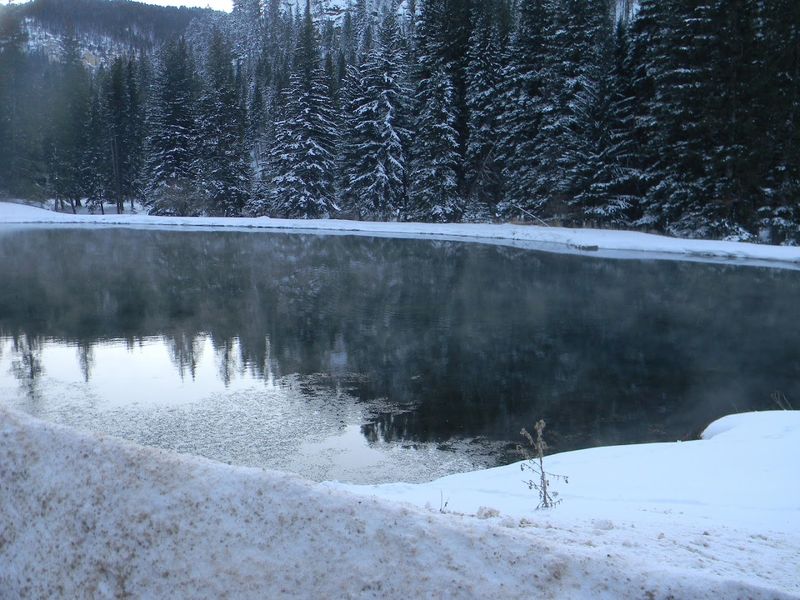
If any American landscape exposes the limits of simple real-estate thinking, it is the Black Hills. Known as Paha Sapa, this region is central to Lakota spiritual life and also deeply meaningful to other tribes, including the Cheyenne and Arapaho.
In Lakota tradition, the Black Hills are bound to creation, ceremony, and identity, making them far more than a scenic destination or a line on a legal survey.
The Hills also sit at the center of one of the nation’s most discussed land disputes, which is why their meaning is often misunderstood as merely political. It is cultural, spiritual, and historical first.
Sacred sites within the region, including Bear Butte, remain important for prayer and vision seeking. The Black Hills matter because they show that Indigenous land relationships involve belonging, obligation, and worldview.
Strip away that context, and you miss the entire point.
7. Devils Tower (Wyoming)
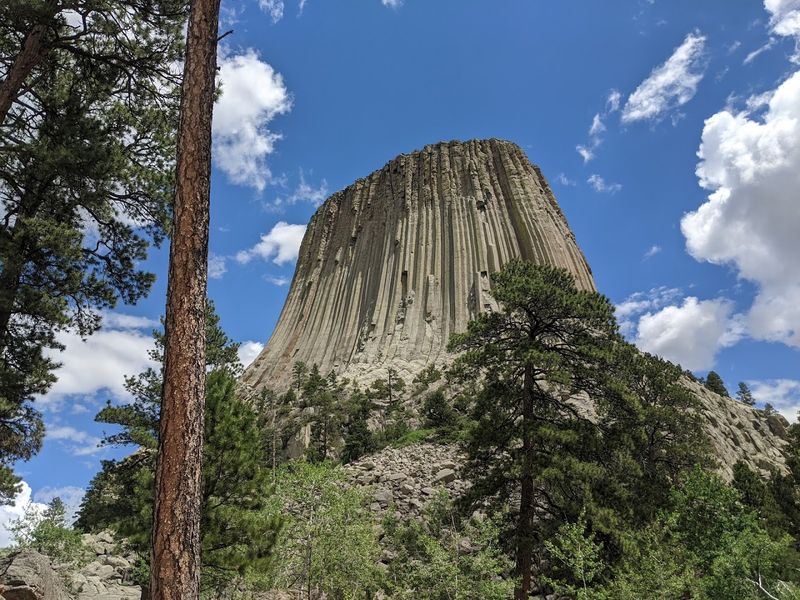
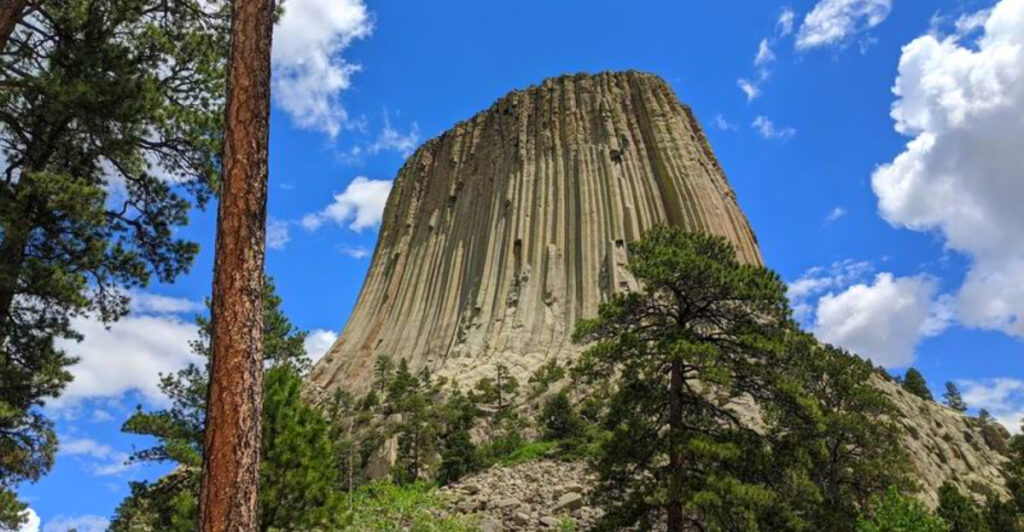
A single rock tower managed to become famous in pop culture, yet its deeper story is far older and far more important. Known to many tribes as Bear Lodge or Bear’s Tipi, Devils Tower holds sacred significance for Lakota, Cheyenne, Arapaho, Kiowa, Crow, and others.
Oral traditions connect the site to origin narratives, prayer, and ceremonial practice that continue today.
Visitors often arrive recognizing it from movies, which makes this place a useful reminder that landmark fame can flatten meaning. Around the tower, prayer ties placed by Native practitioners signal that the site is not a geological oddity awaiting clever captions.
It remains spiritually active. Seasonal requests that climbers avoid the site during ceremonial periods reflect an effort to balance recreation with respect.
Devils Tower matters because it asks the public to move beyond spectacle and understand sacred use as present tense, not historical footnote.
8. Canyon de Chelly (Arizona)
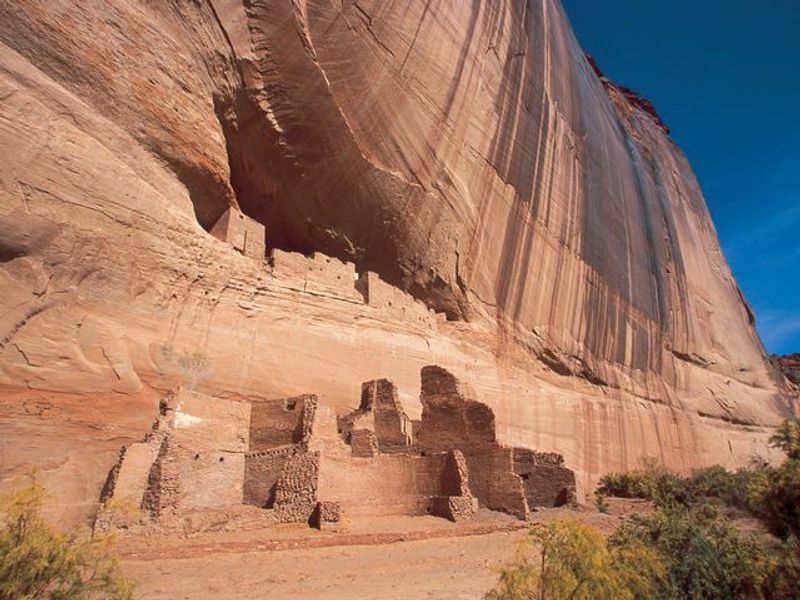
Here, sacred geography and everyday life share the same address. Canyon de Chelly, within the Navajo Nation, is both a dramatic landscape and a living homeland where Navajo families continue to reside, farm, and maintain ties to ancestral places.
Cliff dwellings and rock art connect the canyon to earlier Indigenous societies, while Navajo history and ongoing use keep the site rooted firmly in the present.
That continuity is what makes Canyon de Chelly especially important. It resists the common habit of treating Indigenous sites as frozen historical exhibits.
This is a place where spiritual meaning, family history, and land stewardship remain active parts of community life. The National Park Service manages the monument in partnership with the Navajo Nation, which already tells you this canyon requires a different framework than standard sightseeing.
Canyon de Chelly matters because it demonstrates that sacred landscapes can also be homes, workplaces, and repositories of enduring identity.
9. Pipestone National Monument (Minnesota)
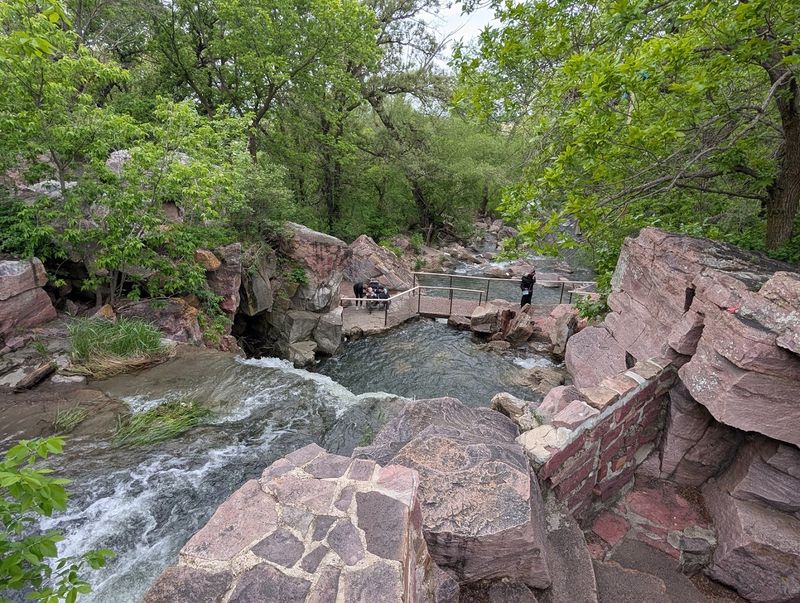
Not many places can claim that prayer tools from across the continent begin in their bedrock. Pipestone National Monument preserves quarries where tribes have long extracted catlinite, the soft red stone used to make ceremonial pipes.
For many Native nations, these pipes are sacred objects used in prayer, diplomacy, and community ceremony, which gives the quarry a significance far beyond raw material.
The site has been visited for generations by tribal members who continue quarrying under protected rules today. That continuity matters because it keeps the monument from becoming a static display about what once happened.
It is still a source, still a destination, and still part of spiritual practice. Pipestone also reflects intertribal connection, since people from many nations have traveled there over time.
It matters because it shows how one landscape can support sacred tradition, craftsmanship, and relationships extending well beyond its immediate region.
10. Serpent Mound (Ohio)
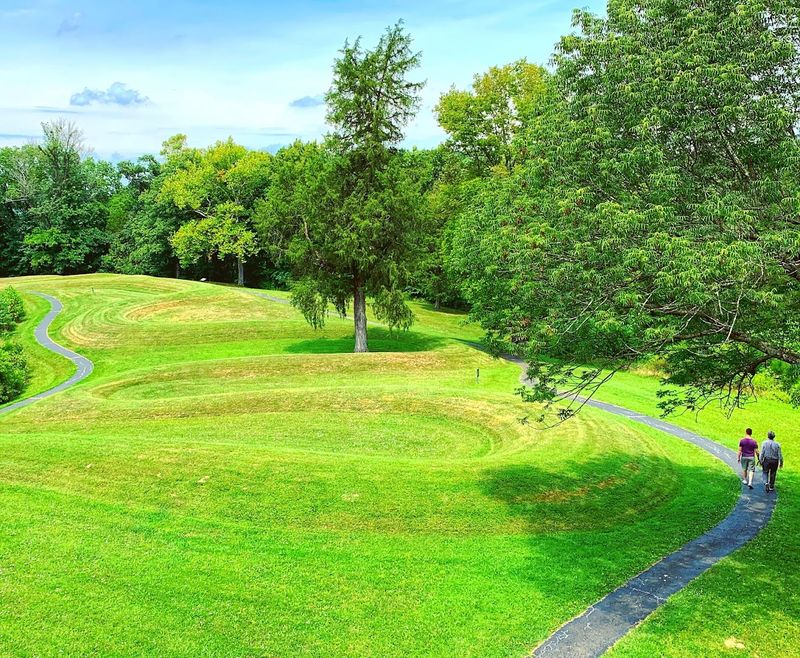
An enormous serpent stretched across a hilltop is one way to make sure historians keep asking questions. Serpent Mound in Ohio is one of North America’s most remarkable earthworks, extending more than 1,300 feet in a carefully shaped effigy form.
Its builders are still debated, but its ceremonial and astronomical significance has made it one of the continent’s most discussed Indigenous sacred sites.
What keeps Serpent Mound important is not just mystery, although it certainly has that covered. The earthwork reflects advanced planning, symbolic design, and likely connections to celestial events, showing that Indigenous knowledge systems integrated land and sky in precise ways.
Tribal communities and scholars continue to approach the site with respect for its ceremonial meaning. Serpent Mound matters because it disrupts old stereotypes about prehistoric North America and replaces them with something much more accurate: technical skill, spiritual intention, and cultural sophistication on a grand scale.
11. Glacier Region (Montana)
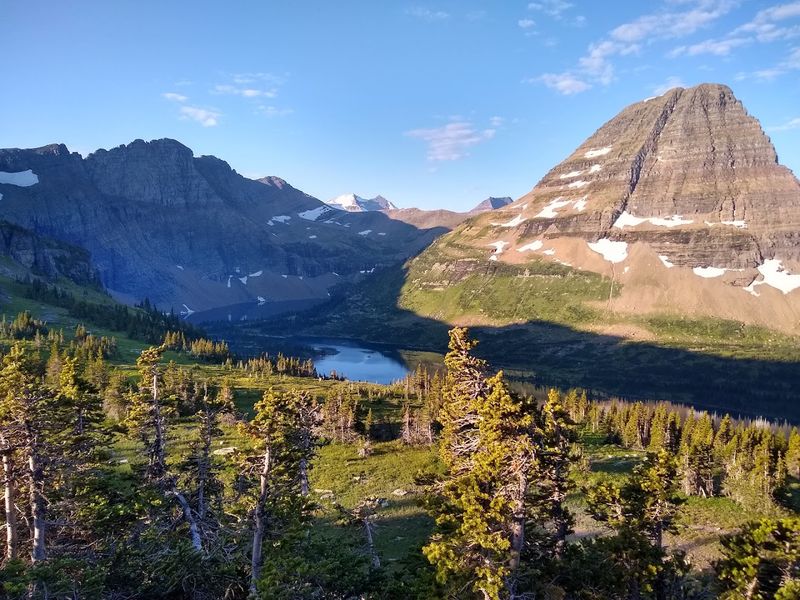
Those mountains carry far more than hiking statistics and postcard status. The Glacier region, especially areas bordering the Blackfeet Nation, holds deep spiritual meaning for the Blackfeet people, whose stories connect specific peaks, valleys, and passes to creation teachings, ceremonial knowledge, and encounters with powerful beings.
Before it became a national park destination, it was already a storied and sacred homeland.
What makes this region especially significant is the way sacred meaning is distributed across the landscape. It is not confined to one summit with a convenient plaque.
Trails, waters, and mountain features all participate in a larger cultural map. Federal park history often overshadowed Indigenous presence, but Blackfeet connections have never disappeared.
The Glacier region matters because it reminds visitors that national park status did not begin a place’s importance. It simply layered a newer story on top of a much older one that still deserves recognition and respect.
12. Mount Denali (Alaska)
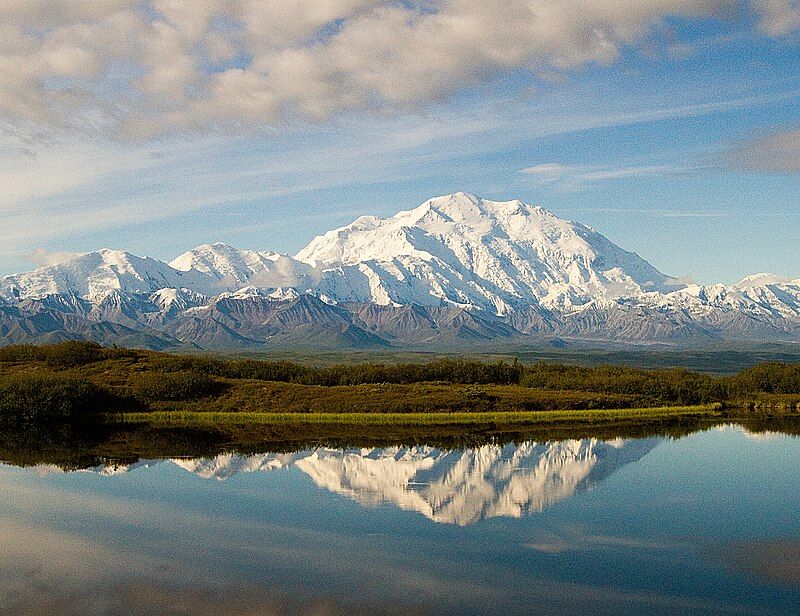
Even in a country full of oversized geography, Denali refuses to be ordinary. The tallest peak in North America has long held significance for Alaska Native peoples, including the Koyukon Athabascans, whose name Denali means the High One.
The mountain’s power in Native traditions is tied to respect, endurance, and a worldview in which land is not passive scenery but an active presence.
The modern naming debate gave many Americans a quick civics lesson in memory and language. Restoring the name Denali mattered because names shape public understanding of whose history is centered and whose is pushed to the margins.
Yet the mountain’s sacred meaning did not begin with official recognition. It was already established through Indigenous knowledge passed across generations.
Denali matters because it shows how language, geography, and cultural authority intersect. Sometimes one restored name can reopen an entire conversation that should have started much earlier.
13. Zuni Salt Lake (New Mexico)
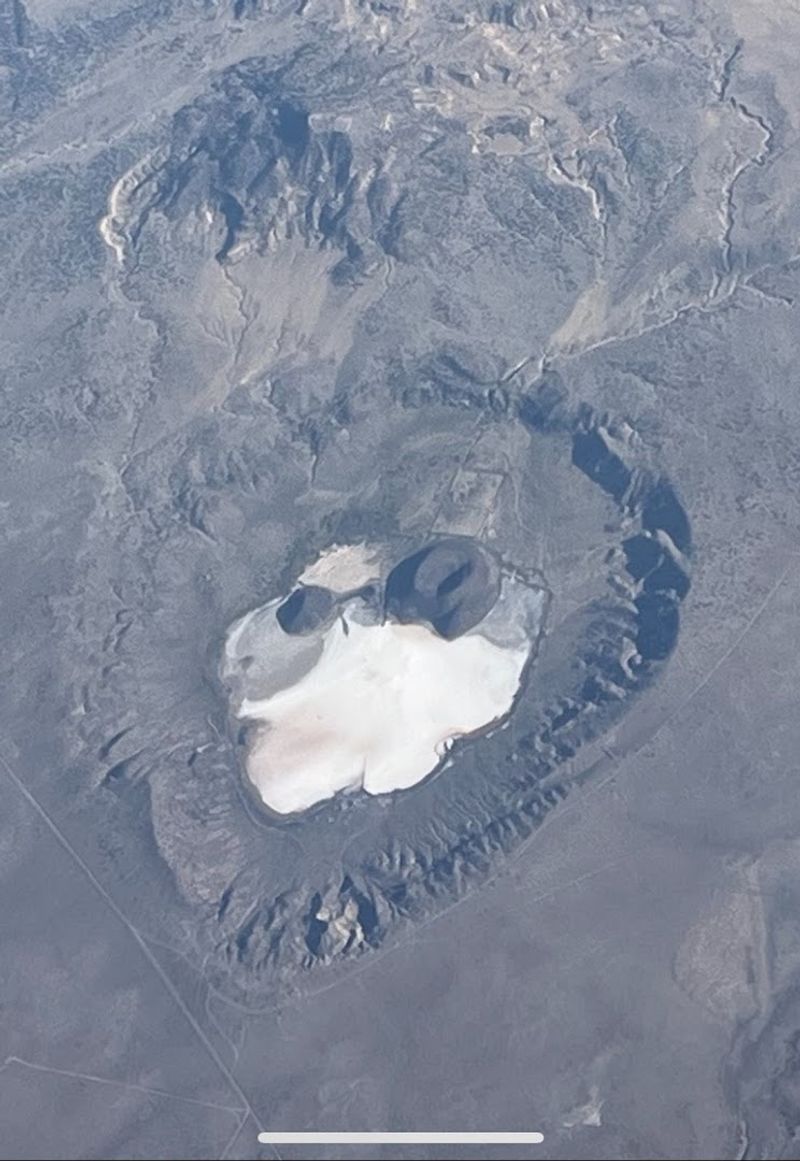
A lake devoted to salt might sound practical at first, until you learn how fully it is woven into sacred tradition. Zuni Salt Lake in New Mexico is central to the religious life and origin traditions of the Zuni people.
It is understood not simply as a resource, but as a place with profound ceremonial meaning, visited through established cultural protocols and reverence.
Salt from the lake has long been gathered for use, yet that activity is inseparable from spiritual responsibility. This is a key point often missed in modern discussions about land use.
Indigenous relationships to landscape do not split neatly into economic, ceremonial, and environmental categories. Zuni Salt Lake brings those dimensions together.
The site matters because it demonstrates how a place can sustain community materially and spiritually at the same time. Respecting it means recognizing that sacred value is not symbolic decoration layered onto land after the fact.
14. Havasu Canyon (Arizona)
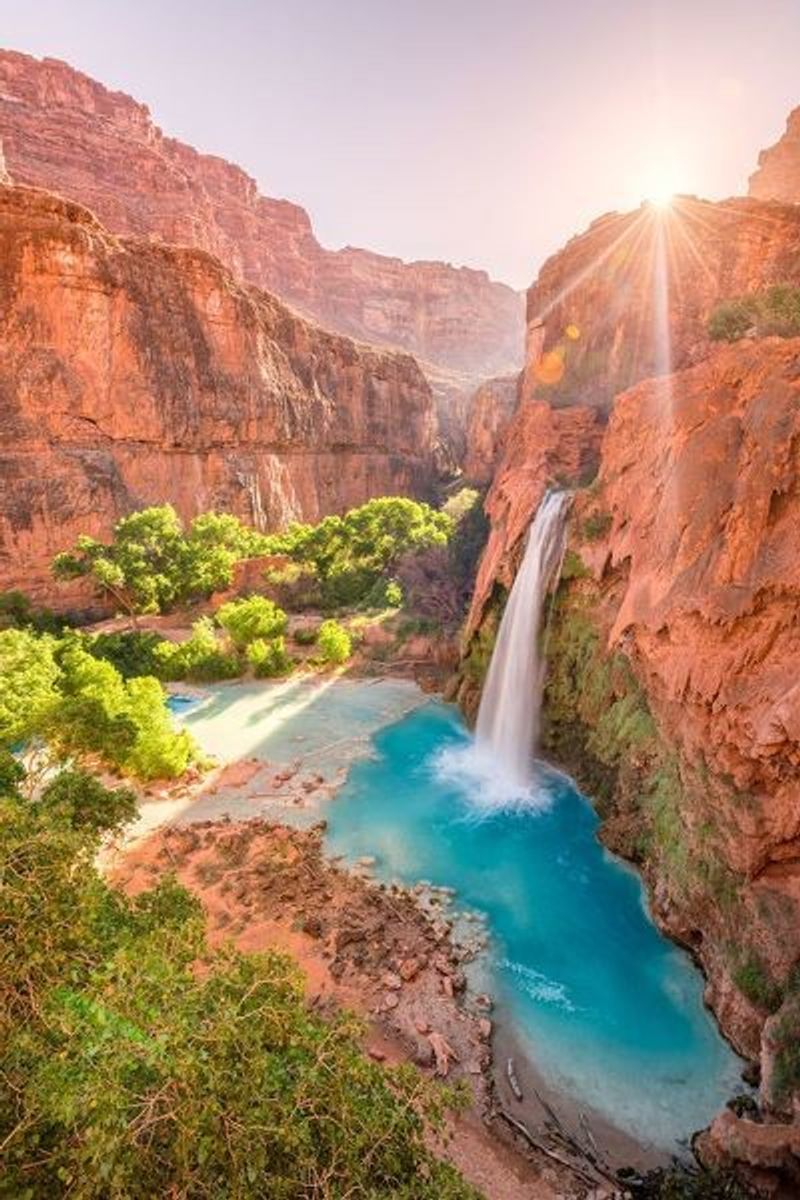
This canyon is often introduced through travel photos, which is a fast way to miss the actual story. Havasu Canyon is the homeland of the Havasupai Tribe, whose identity, community life, and cultural continuity are inseparable from the canyon and its waters.
The place is sacred not because outsiders find it beautiful, but because it is home in the deepest possible sense.
That distinction matters. Indigenous sacred sites are frequently reduced to scenery with excellent marketing, while the people connected to them are treated as background information.
Havasu Canyon reverses that perspective. It is a place of residence, tradition, and survival, where cultural practices are tied directly to land and water.
Management decisions, access questions, and environmental changes therefore carry consequences beyond tourism. Havasu Canyon matters because it reminds the public that homeland is not a poetic label.
It is a legal, cultural, and spiritual reality still lived every day.
15. Mauna Kea (Hawaii)
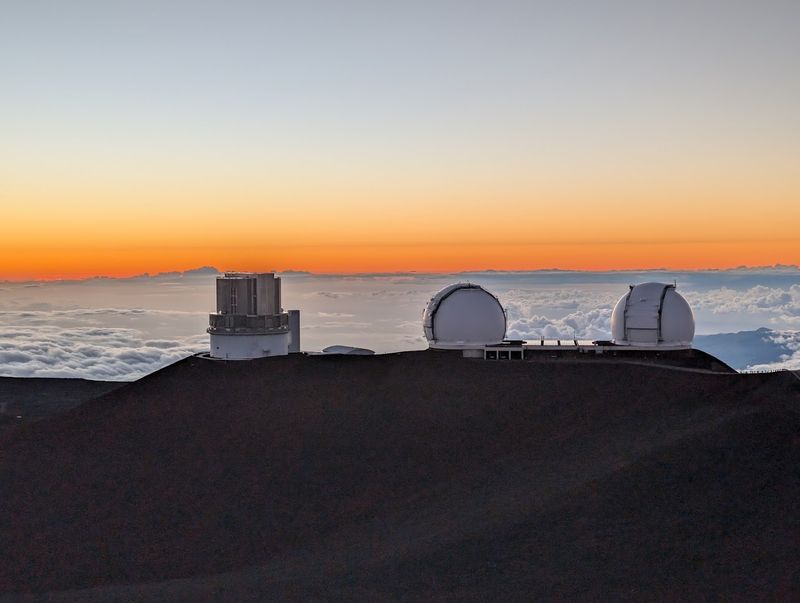
Few summits have sparked a broader public education on sacred land than Mauna Kea. For Native Hawaiians, the mountain is a revered place connected to creation, ancestry, and the meeting of earth and sky.
Its significance comes through chant, genealogy, ceremonial practice, and a cultural framework in which certain high places are understood as especially sacred and deserving of careful conduct.
Debates over telescope construction brought global attention, but Native Hawaiian protection efforts were never just about one project. They centered on stewardship, consent, and whether sacred places can be treated as open inventory for scientific ambition.
Mauna Kea matters because it reveals that modern innovation does not automatically outrank Indigenous responsibility to place. It also shows how language about progress can flatten cultural meaning if nobody stops to ask who bears the cost.
The mountain remains a symbol of continuity, reverence, and Indigenous authority.
16. Klamath River (California/Oregon)
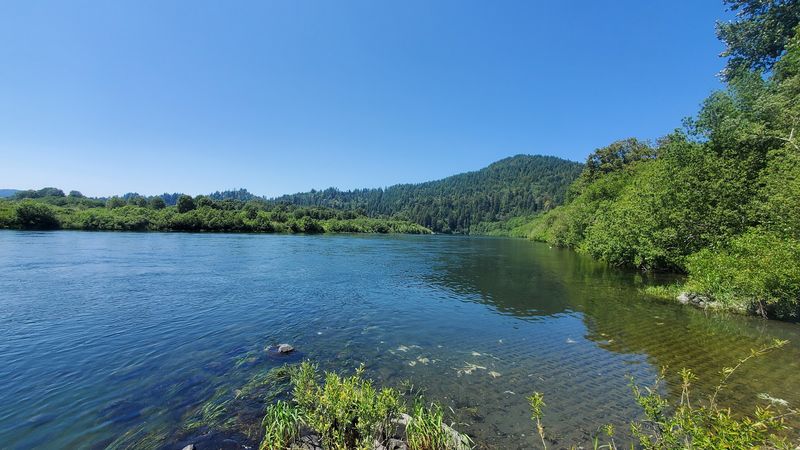
Rivers are often treated like infrastructure with fish attached, but the Klamath demands a better vocabulary. For tribes including the Yurok, Karuk, and Klamath peoples, the river is a living relation woven into ceremony, subsistence, and balance.
Sacred runs through this watershed in practical ways, from cultural responsibilities to seasonal traditions tied to salmon and ecological health.
That is why water policy here has never been just a technical debate about dams, flows, or resource management. For Indigenous communities, changes to the river affect ceremonial life, food systems, and inherited obligations to maintain reciprocity with the natural world.
Recent dam removal efforts have brought wider recognition to that perspective. The Klamath River matters because it shows that sacred places are not always fixed landmarks.
Sometimes they move, connect regions, and carry entire cultural systems along their course. Respect begins by recognizing the river as more than scenery or utility.
17. Acoma Pueblo (New Mexico)
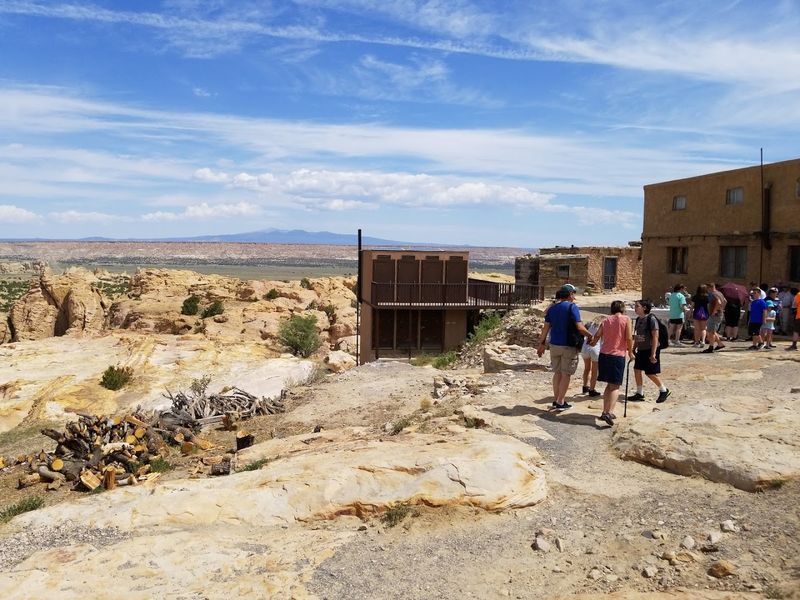
A city on a mesa has a way of making modern suburbs look uninspired. Acoma Pueblo, often called Sky City, is one of the oldest continuously inhabited communities in North America and remains deeply sacred to the Acoma people.
Its significance lies not only in its age, but in the way ceremony, architecture, kinship, and everyday life continue to share the same place.
That continuity makes Acoma Pueblo different from sites interpreted mainly through ruins or archaeological remains. The community has endured colonial pressure, religious disruption, and changing economies while maintaining important cultural traditions.
Visitors may focus on the dramatic setting, but the deeper story is governance, persistence, and community identity across centuries. Acoma Pueblo matters because it demonstrates that sacred places can also be functioning communities with living protocols, not museum environments preserved behind glass.
It stands as a reminder that Indigenous history remains ongoing, organized, and present tense.
18. Standing Rock (North Dakota & South Dakota)
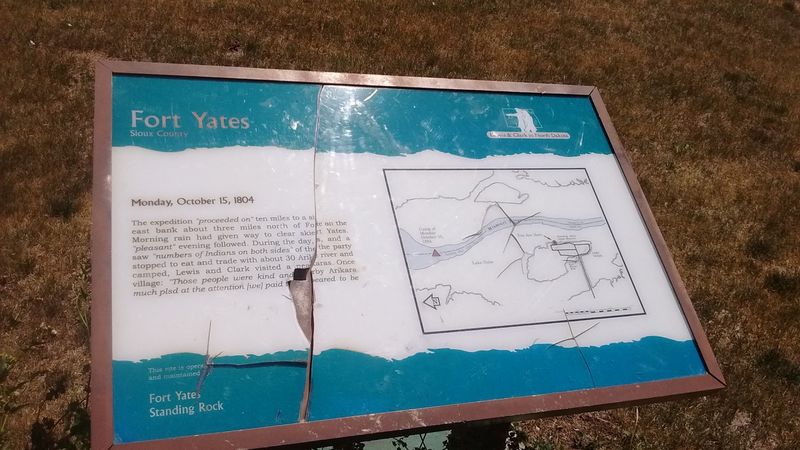
Sometimes a place becomes widely known only after the rest of the country finally notices what local communities already understood. Standing Rock is the homeland of the Standing Rock Sioux Tribe, and its lands and waters carry deep spiritual significance tied to identity, ceremony, and responsibility.
Public attention surged during resistance to the Dakota Access Pipeline, but the sacred importance of the area long predates national headlines.
What Standing Rock clarified for many observers was that water protection and cultural protection are not separate conversations. The phrase Mni Wiconi, meaning Water is Life, expressed a worldview in which land, spirituality, and community survival are inseparable.
That message resonated because it was grounded in lived Indigenous knowledge, not a temporary slogan. Standing Rock matters because it turned a local defense of sacred land into a broader civic lesson about sovereignty, stewardship, and why Indigenous voices must be central when the future of ancestral homelands is being decided.
Share this story