 Unearth The Voyage
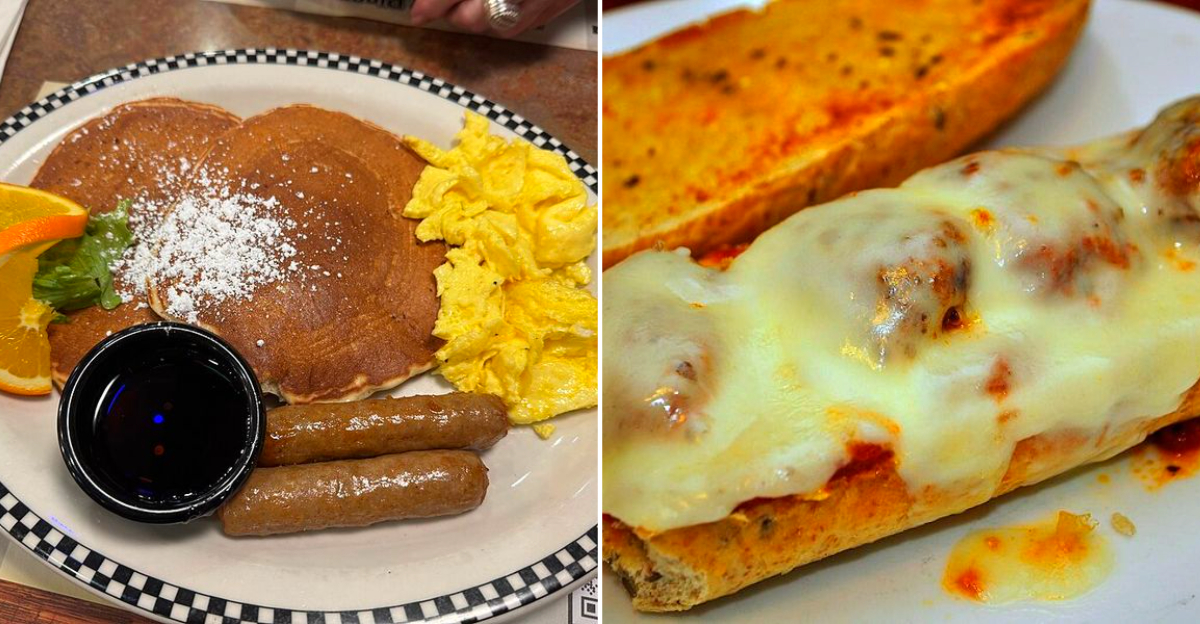
Cheap meals tell a surprisingly useful story about the United States. A plate under $10 can reveal how rail towns shaped diners, how immigration changed lunch counters, how postwar car culture boosted roadside food, and how working people built entire local traditions around speed, value, and comfort.
That is what makes this list fun to read: you are not just looking at affordable food, you are tracing regional habits, practical ingenuity, and a few stubborn classics that refused to get priced out of everyday life. Keep going, and you will see how these meals became small pieces of cultural memory, still doing exactly what they were designed to do – fill you up without much drama.
1. New York Slice and a Drink – New York
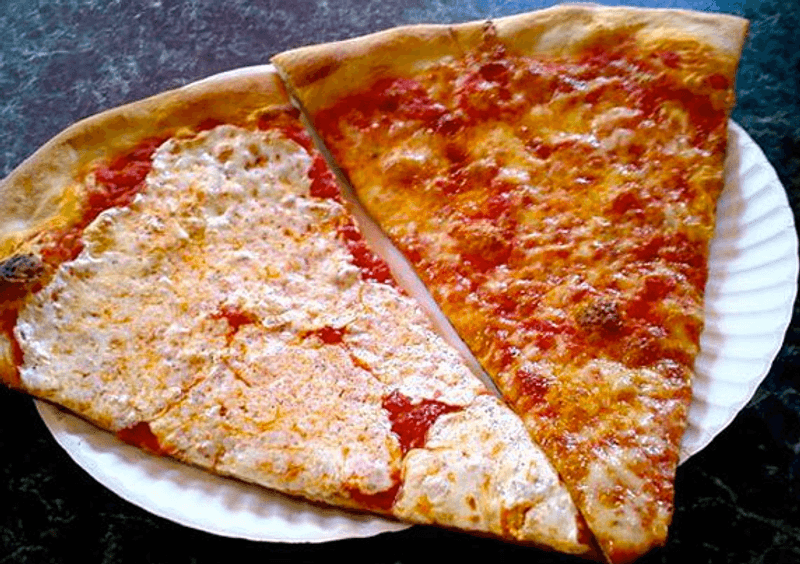
Few lunches advertise New York more clearly than a giant slice folded in half while you keep walking. The citys pizza culture grew from Italian immigrant bakeries in the early twentieth century, but the true slice economy took shape after World War II, when quick service mattered as much as flavor.
By the 1970s, a slice joint was part of the citys daily machinery. Office workers, cab drivers, students, and tourists all understood the deal: one wide slice, one drink, little waiting, and enough heft to count as a real meal without derailing your budget.
That formula still works because it solves a New York problem with New York efficiency. The crust stays portable, the cheese and sauce carry enough richness to feel complete, and the price point remains almost civic in spirit, a reminder that the city still leaves room for a lunch you can afford.
2. Taco Truck Combo – California & Southwest
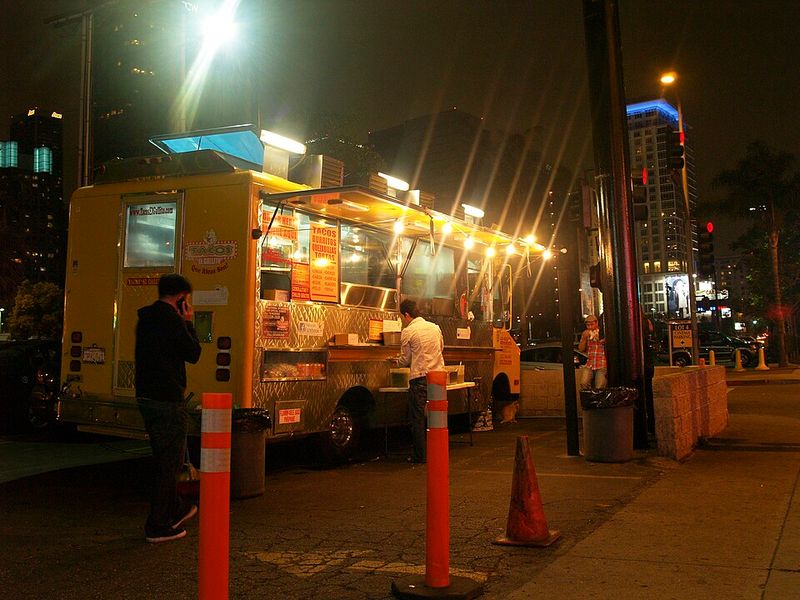
Some of the best budget meals in America now come from a format built for movement, long hours, and low overhead. Taco trucks spread across California and the Southwest through overlapping traditions of Mexican street food, migrant labor routes, and urban vending culture that expanded dramatically in the late twentieth century.
The standard combo stays brilliantly direct: two or three tacos, a warm tortilla base, chopped onions, cilantro, and a filling that does not need extra explanation. In Los Angeles, Phoenix, San Diego, and many smaller cities, this became a practical answer to lunch for workers, night crowds, and anyone who values speed over ceremony.
You feel the appeal immediately because the portions are honest and the assembly is disciplined. A good truck turns simple ingredients into a meal with real staying power, and its continued popularity says plenty about how regional food traditions can become everyday American basics without losing their roots.
3. BBQ Pulled Pork Sandwich – The South
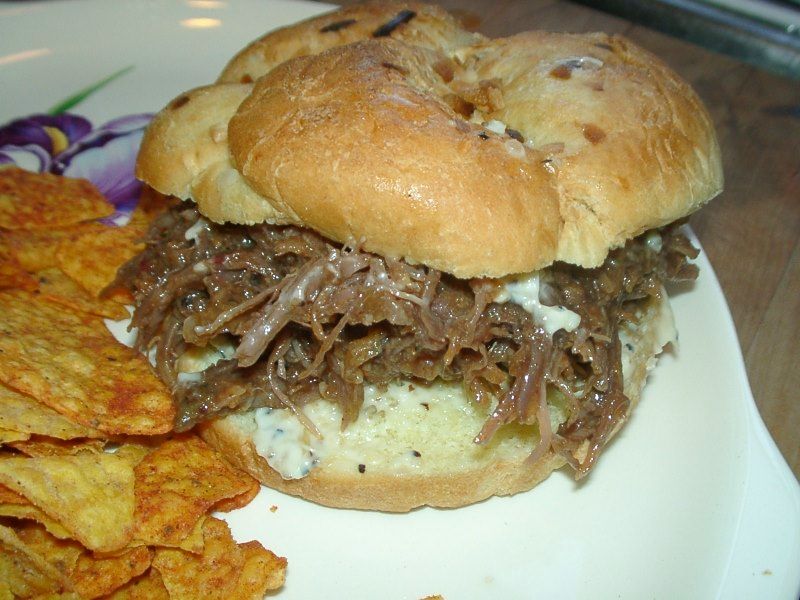
A soft bun stuffed with pulled pork is one of the Souths clearest examples of thrift turning into regional identity. Barbecue traditions developed over generations, but the sandwich version became especially useful in the twentieth century when roadside stands, lunch counters, and local pits needed a portable way to serve slow-cooked meat fast.
Pork made sense economically in many Southern communities, and shredding it stretched each batch while keeping every bite seasoned and tender. Add slaw, and the sandwich gains crunch, balance, and the kind of practical completeness that makes side dishes feel optional when money is tight.
It remains satisfying because it delivers a lot of labor for a low price. Someone spent hours tending the meat, yet you get the benefit in a format that is easy to carry, easy to eat, and still tied to church suppers, small-town fundraisers, and the stubborn regional pride of local barbecue styles.
4. Fried Chicken Plate – Southern U.S.
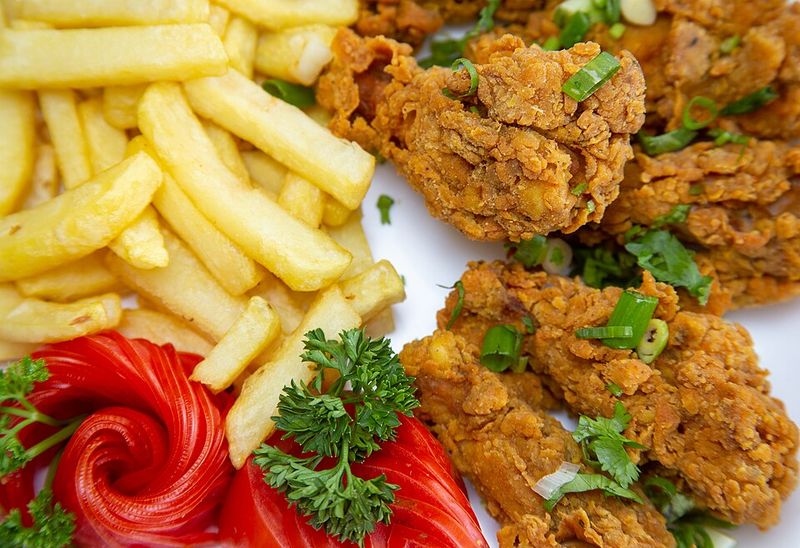
This plate has the rare talent of feeling generous even when the price stays modest. Fried chicken became deeply embedded in Southern foodways long before modern takeout counters, but the budget plate format took off through cafeterias, meat-and-three spots, gas station kitchens, and family restaurants that prized filling portions over fashionable presentation.
Its staying power comes from structure as much as flavor. A few pieces of chicken paired with mashed potatoes, gravy, biscuits, or another starch can satisfy for hours, which explains why the meal has long appealed to workers, church groups, students, and families trying to stretch a paycheck.
There is also a strong element of continuity here. Even when menus modernized, the fried chicken plate remained a reference point for value, portion size, and local standards of comfort, proving that one of the most dependable under-ten-dollar meals in America is still built on straightforward arithmetic and disciplined kitchen habits.
5. Cheesesteak Half (or Small) – Philadelphia
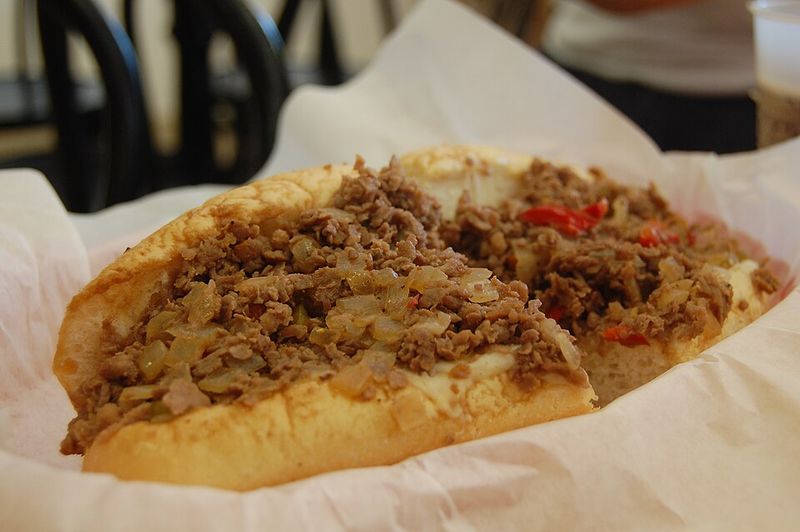
Philadelphia has many opinions, and the small cheesesteak proves that portion size is one of them. The sandwich emerged in the 1930s, then evolved into a city emblem through neighborhood shops that fed workers, late-night customers, and anyone who needed something hot, quick, and more substantial than a snack.
A half or small version keeps the essential mechanics intact: chopped steak, melted cheese, and a soft roll designed for maximum containment. It also reflects a familiar urban logic, where affordability matters as much as authenticity and where a reduced size can still deliver the exact texture and balance people came for.
What makes it satisfying is the concentration. There is very little filler, the bread does real structural work, and the whole thing feels tied to the citys lunch-counter history, when straightforward sandwiches helped define local identity without requiring fancy ingredients, long menus, or much patience from the person ordering.
6. Classic Diner Breakfast – Midwest
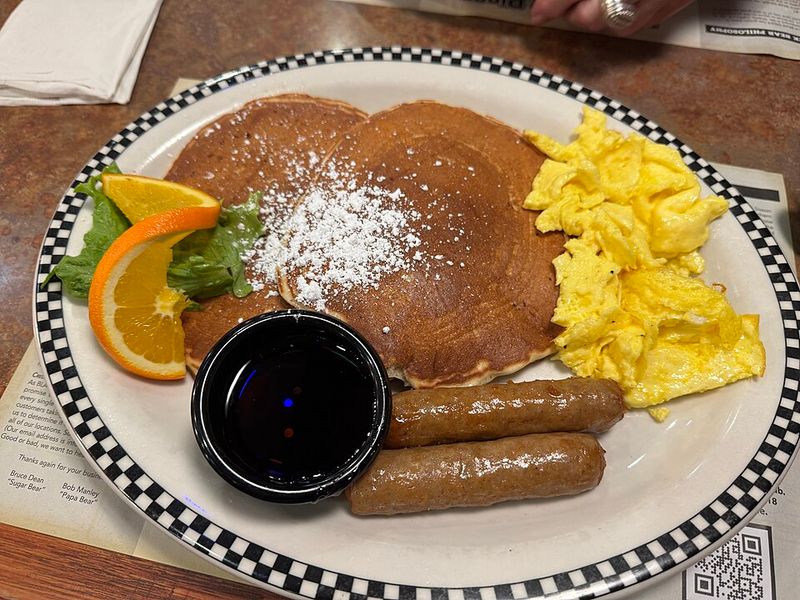
The beauty of this meal is how little it has changed since the railroad and factory decades made breakfast a practical institution. Diners expanded across the Midwest in the early twentieth century, serving workers who needed a fast, filling plate before long shifts, and eggs with potatoes became a dependable standard.
By the 1940s and 1950s, the formula was nearly fixed: toast for cheap bulk, hash browns for thrift, coffee for routine, and eggs because they cooked quickly. You still see that logic today when a modest counter in Ohio, Indiana, or Iowa offers a breakfast special that feels almost resistant to inflation.
What makes it satisfying is not novelty but engineering. For under ten dollars, you get protein, starch, caffeine, and a meal that still runs on diner mathematics, where regulars expect speed, servers know the shorthand, and nobody needs a glossary to order well.
7. Chili Bowl – Texas & Midwest
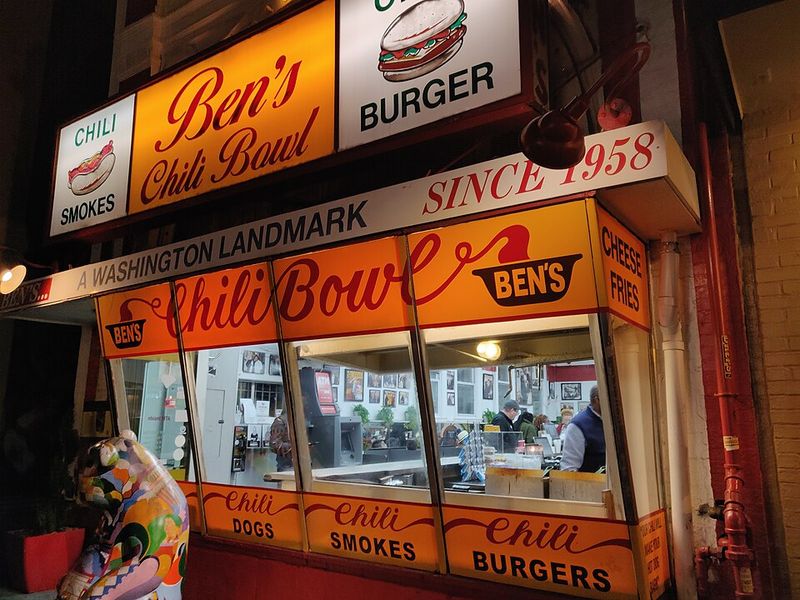
A bowl of chili has always been a useful argument for making humble ingredients work harder. Chili parlors flourished in Texas and parts of the Midwest during the late nineteenth and early twentieth centuries, offering affordable bowls built around meat, spices, beans in some regions, and a structure sturdy enough to feed laborers well.
By the middle of the twentieth century, chili had become diner food, school fundraiser food, game-day food, and practical cold-weather lunch all at once. Topped with onions, cheese, or crackers, it could be served fast, held warm, and priced low enough to attract regulars rather than one-time curiosity seekers.
You still feel that legacy in every inexpensive bowl. It is filling without needing much decoration, regionally specific without becoming exclusive, and flexible enough that each town insists it knows the right version, which may be the most American detail of all in a meal built on thrift and repetition.
8. Bánh Mì Sandwich – Vietnamese Spots Nationwide
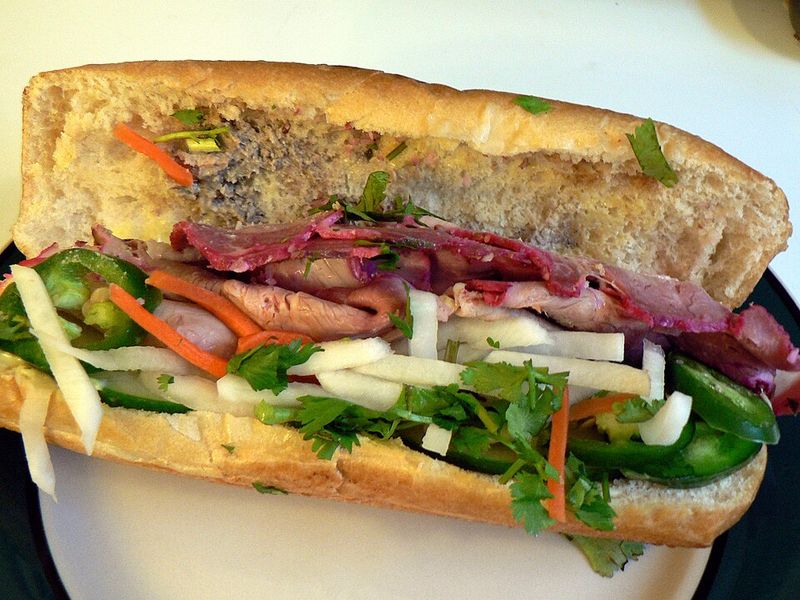
One of the smartest cheap lunches in America arrived through migration, adaptation, and sharp culinary efficiency. Banh mi developed from the French colonial baguette in Vietnam, then entered the American food landscape through Vietnamese communities after 1975, especially in California, Texas, and other growing immigrant hubs.
Its affordability is not accidental. A crisp loaf, pickled vegetables, herbs, and savory fillings create contrast and substance without depending on expensive portions, which helped make the sandwich popular first within communities and then far beyond them as diners caught on to its value.
That history matters because the sandwich represents more than a trend. At under ten dollars in many shops, banh mi remains a practical lunch tied to refugee enterprise, neighborhood bakeries, and the broader American story of immigrant food becoming local routine, all while keeping its balance of freshness, structure, and unapologetically efficient satisfaction.
9. Loaded Baked Potato – Idaho & Beyond
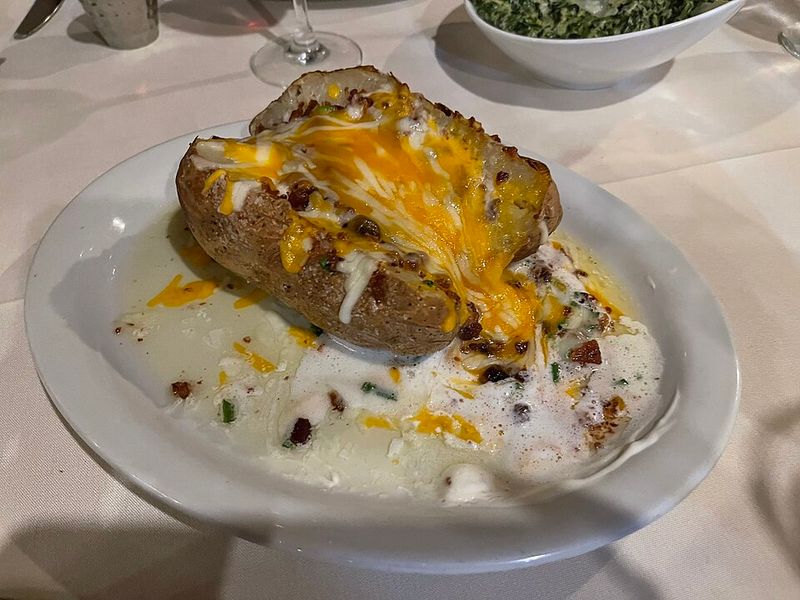
At some point, the baked potato quietly mastered the art of looking modest while acting like a full dinner. Potatoes have been central to American home cooking and cafeteria menus for generations, but the loaded version gained traction when steakhouses, diners, and casual chains realized one inexpensive base could carry a meal.
Idaho helped turn the potato into a symbol of agricultural pride, yet the dish spread nationally because it fit every budget instinct. Butter, sour cream, cheese, and optional bacon transformed a side item into a filling plate, and the format worked equally well in lunch counters, mall food courts, and family restaurants.
It remains satisfying because the proportions are so sensible. A large potato brings bulk, toppings add richness, and the whole package feels familiar without being dull, which is probably why this under-ten-dollar standby still survives in places where other budget meals disappeared under the pressure of smaller portions and bigger checks.
10. Hot Dog Combo – Chicago Style
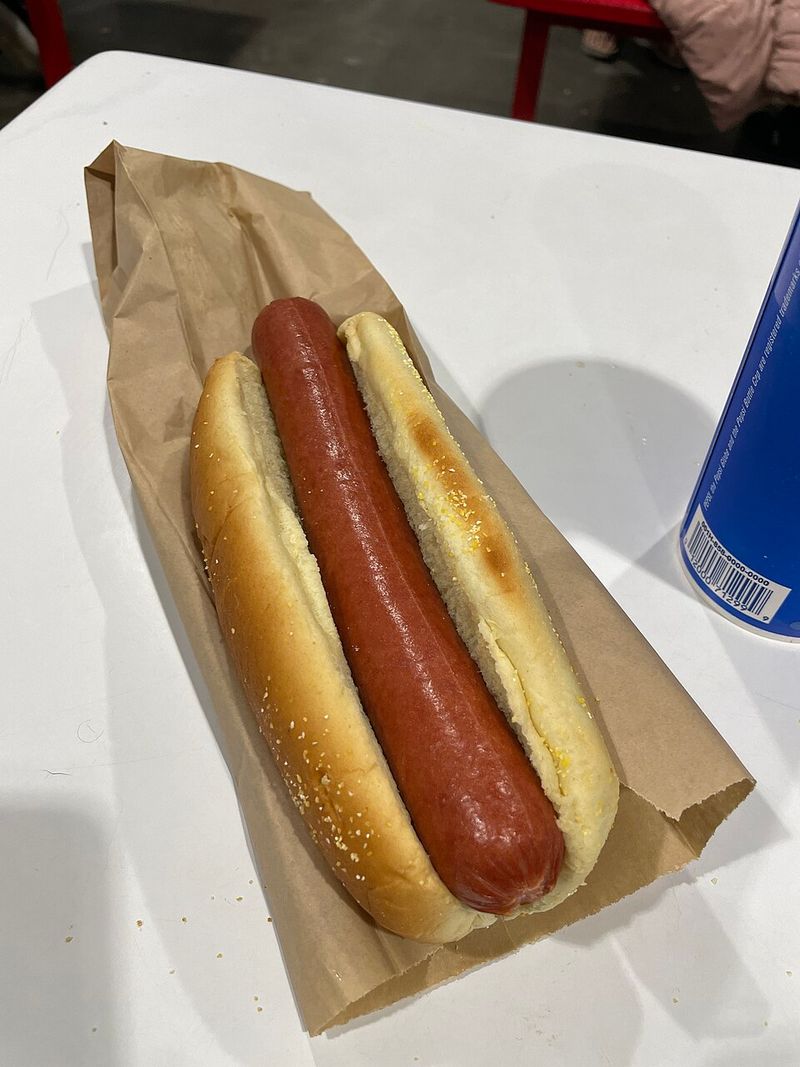
Chicago turned the hot dog into a civic document, and the combo meal still reads clearly. The citys version took shape in the Depression era, when vendors offered a cheap, complete street meal built around a beef hot dog and a stack of toppings that made economy feel almost extravagant.
The classic setup on a poppy seed bun, usually paired with fries or a drink, reflects a long tradition of lunch-counter practicality. It is fast, easy to carry, and carefully standardized, which helps explain why local stands have protected the formula so fiercely while keeping it accessible to office workers, families, and visitors.
What makes the combo satisfying is not just quantity but design. Each topping has a job, the bun keeps everything in bounds, and the side item rounds out the meal in a way that still honors the original mission of urban working-class food: feed people quickly, feed them well, and avoid charging nonsense prices.
11. Breakfast Burrito – Southwest
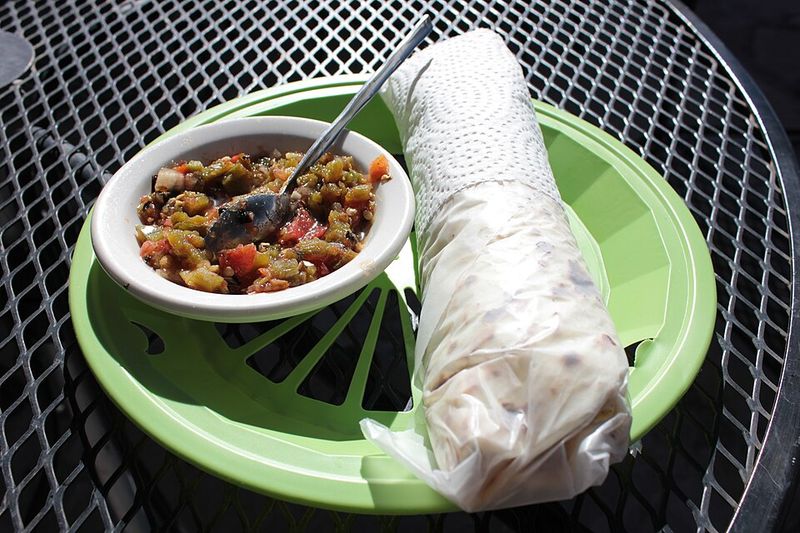
The breakfast burrito is what happens when portability wins the morning without sacrificing substance. Its rise in the Southwest reflects Mexican and New Mexican culinary traditions meeting modern commuter life, especially from the late twentieth century onward, when quick breakfast service became essential in growing car-centered cities.
Eggs, potatoes, cheese, and meat wrapped in a flour tortilla create a meal that travels well and keeps costs controlled. In places like New Mexico, Arizona, Colorado, and Texas, local shops turned it into a daily ritual for construction crews, students, office workers, and road trippers who needed breakfast to last beyond one stoplight.
It remains one of the best under-ten-dollar deals because it is dense without being complicated. The tortilla replaces plates and utensils, the filling can be scaled without losing character, and the whole package reflects a practical regional food culture that understands mornings are easier when one hand is free and lunch feels less urgent.
12. Meatball Sub (Half or Small) – Nationwide
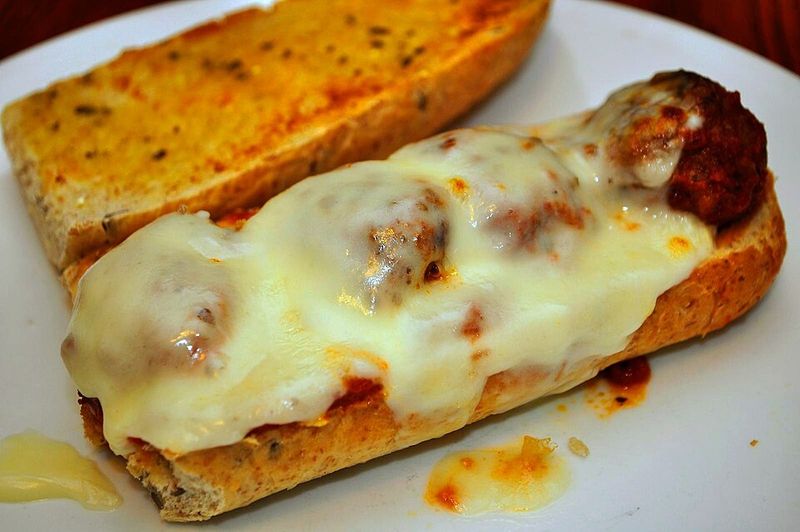
A small meatball sub manages to be messy, disciplined, and economical at the same time. Its roots trace back to Italian American cooking, but the sandwich became nationally common through pizzerias, delis, school lunch lines, and casual sub shops that understood sauce and bread could turn a modest filling into a complete meal.
The half-size version is especially persuasive for anyone watching cost. Meatballs stretch ground meat efficiently, marinara adds volume and moisture, and melted cheese gives the sandwich enough richness that even a smaller portion feels substantial rather than skimpy.
That is why it survives as a reliable under-ten-dollar choice in so many places. You get warmth, protein, starch, and a flavor profile Americans have treated as comfort food for decades, all packed into a format that fits the pace of modern lunch while still carrying traces of red-sauce restaurant culture and old neighborhood deli logic.
13. Rice and Beans Plate – Southern & Latin Spots
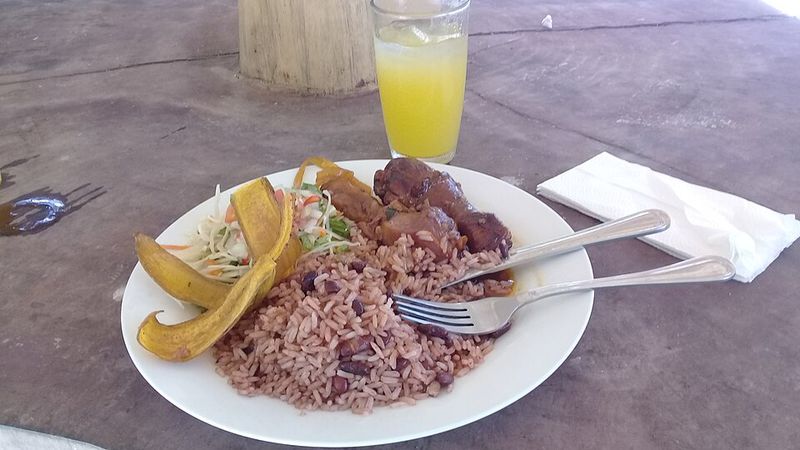
Nothing on this list explains affordable satisfaction more clearly than rice and beans. The pairing has deep roots across Latin America and the Caribbean, and in the United States it became a staple through Puerto Rican, Cuban, Dominican, Central American, Mexican, and Southern food traditions that valued nourishment, economy, and consistency.
Its strength lies in plain arithmetic and long history. Rice stores well, beans stretch far, and together they provide a meal that has sustained households, diners, cafeterias, and neighborhood restaurants for generations, often with seasoning styles that mark local identity more clearly than expensive ingredients ever could.
That makes the plate more than a budget fallback. At many Southern and Latin spots, it is still a deliberate choice, one tied to family cooking, migration, and everyday practicality, and it remains deeply satisfying because it delivers warmth, balance, and real staying power without pretending that good food has to be elaborate to matter.



