 Unearth The Voyage
On a freezing December night in 1776, a decision made on the banks of the Delaware River in New Jersey changed the course of American history forever. That exact stretch of riverbank is now a state park that draws history lovers, hikers, and curious families year-round.
The park sits quietly along the water, holding onto centuries of stories with walking trails, a museum, historic buildings, and open green space that feels both peaceful and significant. This article breaks down everything worth knowing before a visit, from the park’s most fascinating historical corners to the trails, the annual reenactment, and the practical details that make the trip run smoothly.
Where the Park Begins: Address, Location, and What to Expect at the Gate
Washington Crossing State Park sits at 355 Washington Crossing Pennington Road, Titusville, NJ 08560, right along the western edge of New Jersey where the Delaware River forms the border with Pennsylvania.
The park is open every day of the week, from 8 AM to 4:30 PM, which makes planning a visit straightforward no matter what day works best. On weekends, there is a small parking fee of five dollars per car for New Jersey residents and seven dollars for out-of-state vehicles.
Weekday visits typically have no entrance fee collected at the gate.
The park covers a large area with multiple parking lots spread throughout the grounds, so arriving early is helpful, especially near the river access points, which tend to fill up faster than other sections. The grounds are well maintained and clearly marked, making it easy for first-time visitors to get oriented quickly and start exploring without confusion.
The Night That Rewrote American History
Most people learn about the crossing of the Delaware River in a history class, but standing at the actual site where it happened adds a different weight to the story. On the night of December 25, 1776, General George Washington led approximately 2,400 Continental Army soldiers across the icy Delaware River from Pennsylvania into New Jersey.
The mission was bold and risky. Washington’s forces had suffered a series of setbacks, and morale across the Continental Army was low.
The surprise crossing led directly to the Battle of Trenton the following morning, a decisive victory that renewed confidence in the American Revolution at a critical moment.
That single night is widely credited with keeping the Revolutionary War effort alive. The park exists today as a direct tribute to that moment, preserving the landscape and the history so that the significance of what happened here is never forgotten or reduced to just a footnote.
The Visitor Center and the Film Every First-Timer Should Watch
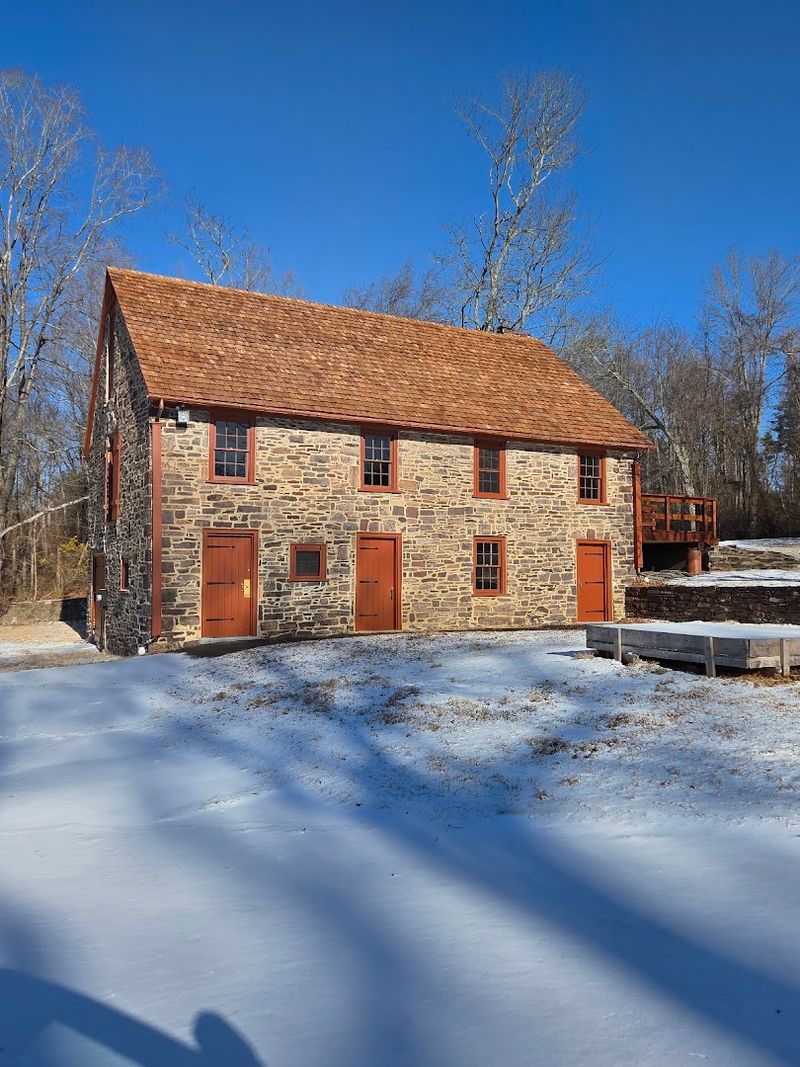
The visitor center on the New Jersey side of the park is a compact but well-organized space that packs a lot of information into a manageable experience. It houses a collection of historical artifacts connected to the 1776 crossing and the Revolutionary War period, giving context to everything else found throughout the park grounds.
The standout feature inside is a film called “Ten Crucial Days,” which walks through the events surrounding Washington’s crossing and the battles that followed. The film does a solid job of connecting the timeline of events in a way that sticks with viewers long after they leave the building.
Staff at the front desk are knowledgeable and can point out specific trails or suggest the best order for seeing the park’s main landmarks. A new visitor center is currently in development and expected to be completed in 2026, which will expand the interpretive experience significantly for future guests.
Trails That Cover Miles of Varied and Rewarding Terrain
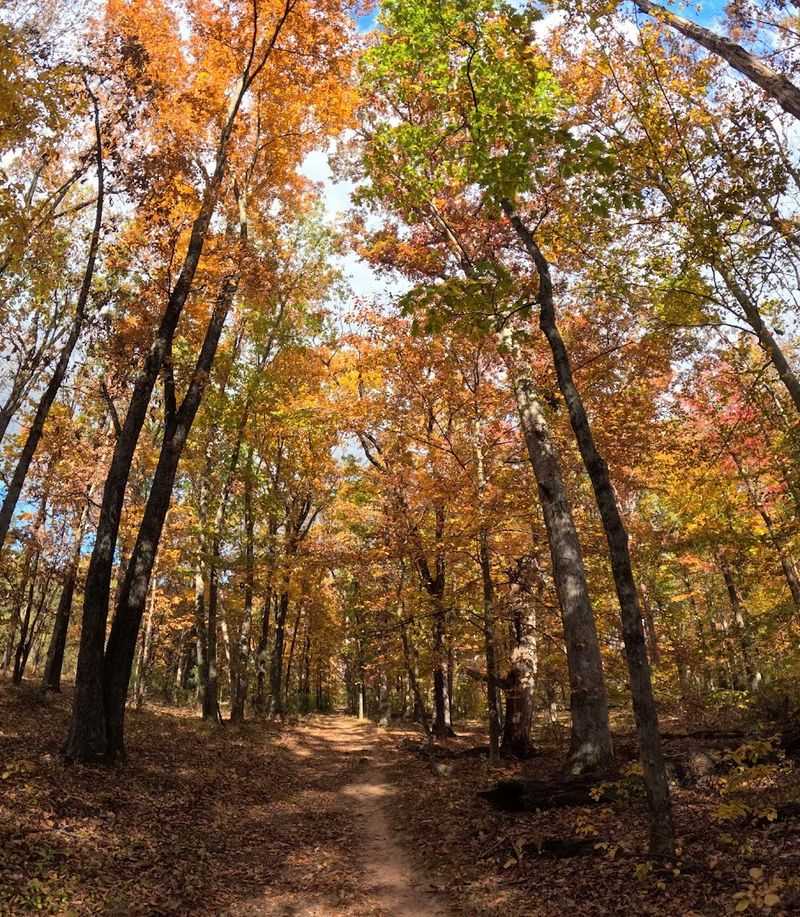
The trail network at Washington Crossing State Park is one of its strongest features, offering options that work for casual walkers, committed hikers, and everyone in between. Trails range from easy flat paths along the river to longer routes that wind through forested sections of the park.
The red trail leading to the Nature Center is a popular choice for families and those who want a manageable loop without too much elevation change. For hikers looking for more distance, the trails can extend to five miles or more, particularly when connecting to sections that run alongside the Delaware and Raritan Canal.
The Goat Hill Overlook entrance provides access to trails with notable viewpoints, and the All Trails app is frequently recommended for navigating this section of the park to make sure the overlooks are not missed. Trails are clearly marked, litter-free, and friendly for dogs as long as they stay on a leash.
The Delaware and Raritan Canal Path: A Long and Rewarding Walk
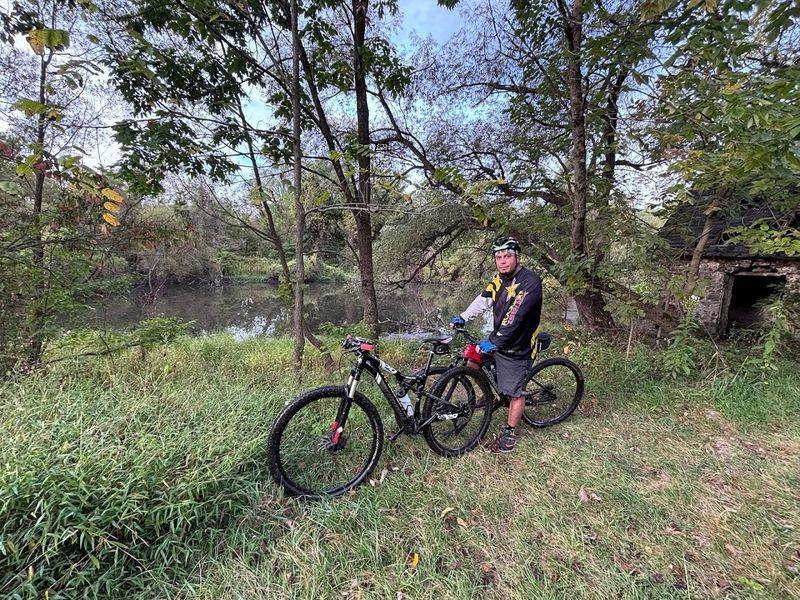
Running alongside the park and connecting to a much larger trail system is the Delaware and Raritan Canal path, a flat and well-maintained route that attracts walkers, joggers, cyclists, and anyone looking for a longer outing along the water. The canal path has a calm, unhurried character that makes it easy to spend several hours moving through the landscape.
From the park’s main area, access to the canal path is straightforward, and the route can be extended well beyond the park boundaries for those who want to cover serious distance. The towpath runs for miles in both directions and connects to other points of interest along the New Jersey side of the Delaware River.
In winter months, when the vegetation along the banks thins out, the open sightlines along the canal path create a different kind of appeal. The combination of flat terrain, water views, and historical surroundings makes this one of the more rewarding walking routes in central New Jersey.
The Annual Christmas Day Reenactment Worth Planning Around
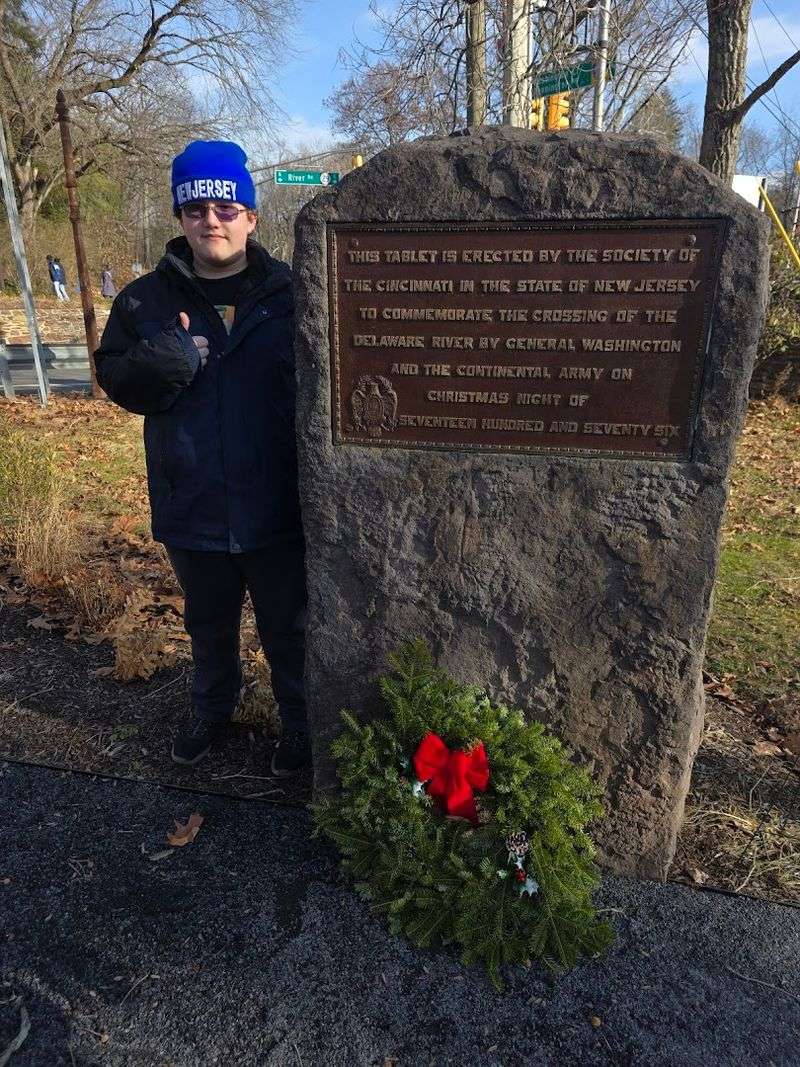
Every year on December 25, Washington Crossing State Park hosts a reenactment of the famous crossing that draws crowds from across the region. Actors dressed in period-accurate Revolutionary War uniforms recreate the events of that historic night, complete with cannon demonstrations and speeches that bring the moment back to life in a theatrical and educational way.
The actual river crossing portion of the reenactment is sometimes cancelled due to weather or river conditions, but even when that part does not take place, the ceremony on the grounds is a full and engaging event. The combination of historical costumes, cannon fire, and period-accurate detail makes it an experience that tends to leave a lasting impression.
Attending on Christmas Day requires planning ahead, as parking fills up quickly and the event draws a significant crowd. Arriving early is strongly recommended to secure a good spot and have time to explore the grounds before the main activities begin at the riverbank.
Picnic Areas, Playgrounds, and Family-Friendly Open Space
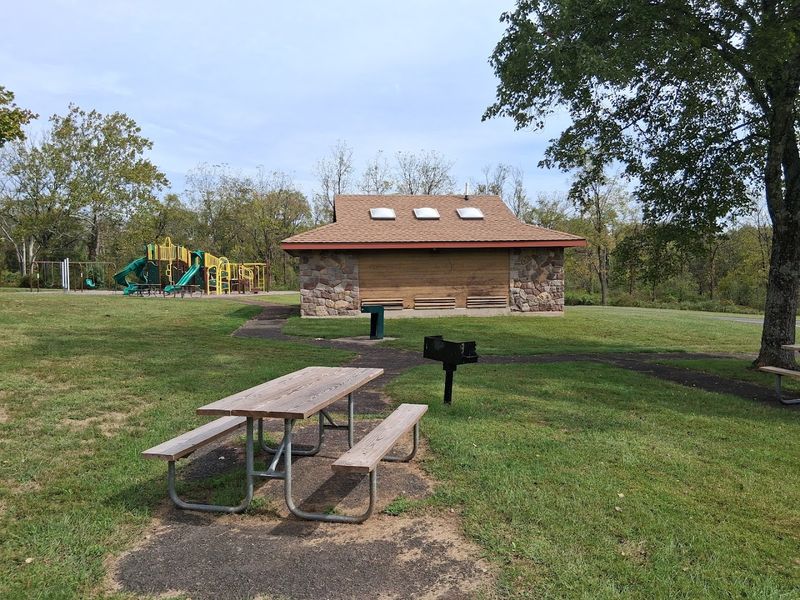
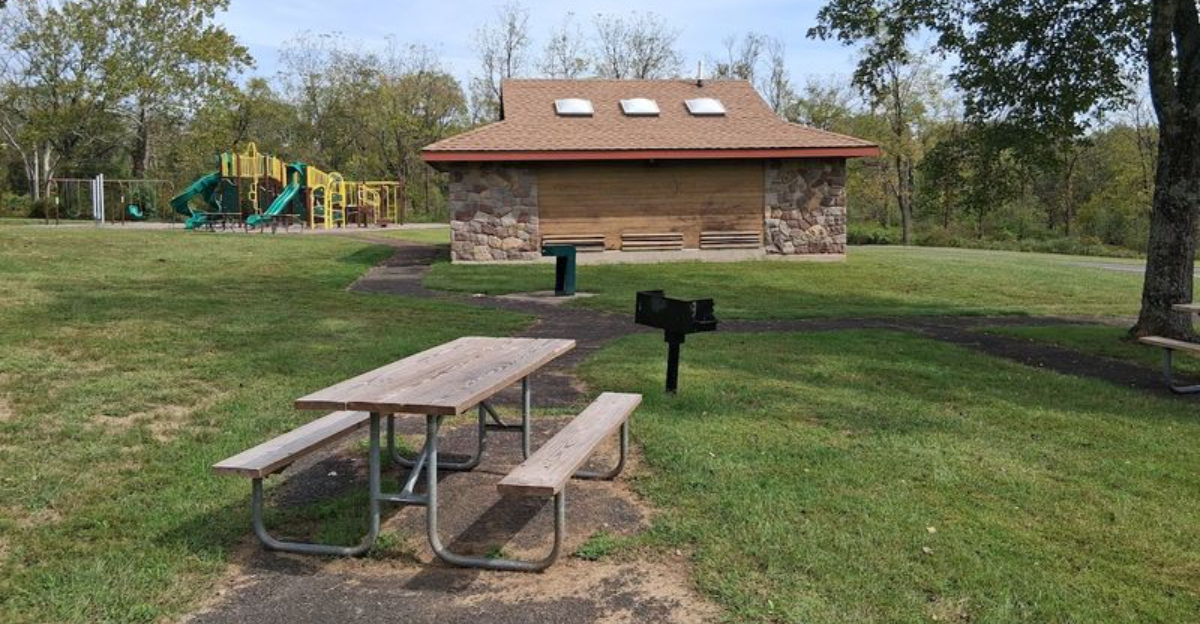
Beyond the history and the trails, Washington Crossing State Park is set up well for families who want a relaxed outdoor day without a strict agenda. The park has multiple picnic areas with tables and grills spread throughout the grounds, making it easy to pack a lunch and settle in for a few hours.
Two large playgrounds are available near the bathroom facilities, giving younger children a dedicated space to play while other members of the group walk trails or explore the museum. The bathrooms near the playground area are clean and accessible, which is a practical detail that matters when visiting with kids.
The park’s size means that different groups can spread out without feeling crowded, which is part of what makes it a comfortable destination for families of all sizes. The combination of historical education, outdoor activity, and open recreational space gives the park a well-rounded appeal that covers a wide range of ages and interests.
Crossing the Bridge: From New Jersey to Pennsylvania and Back
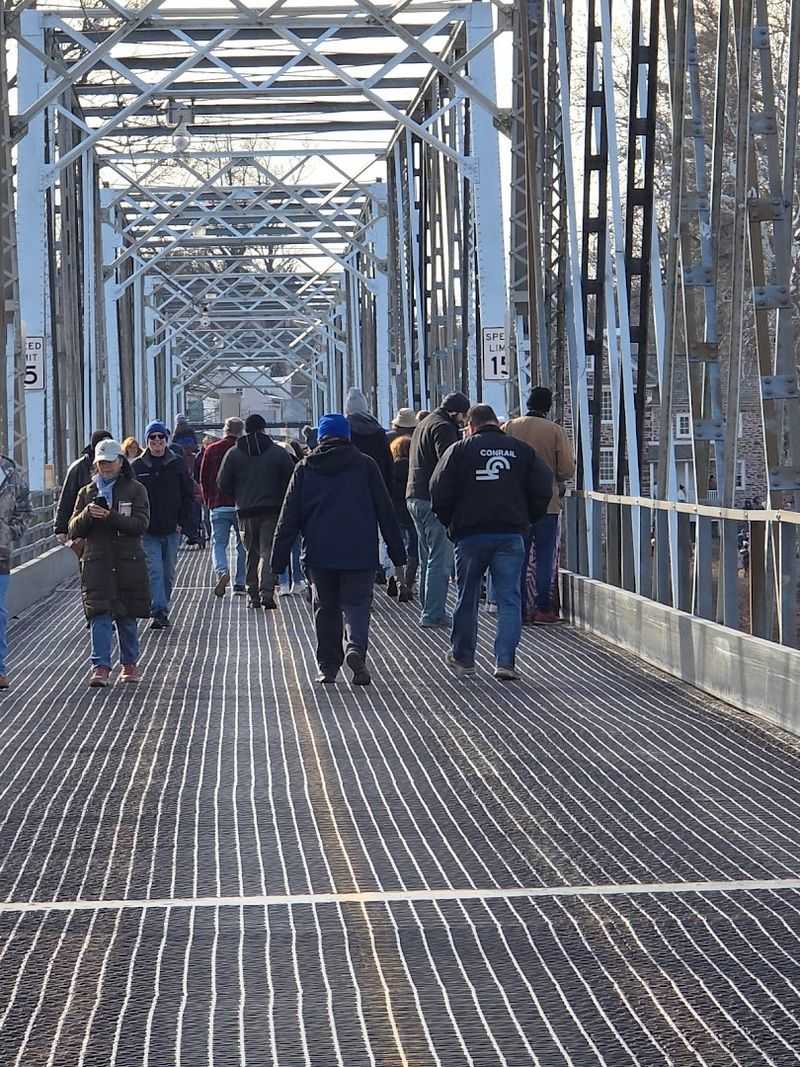
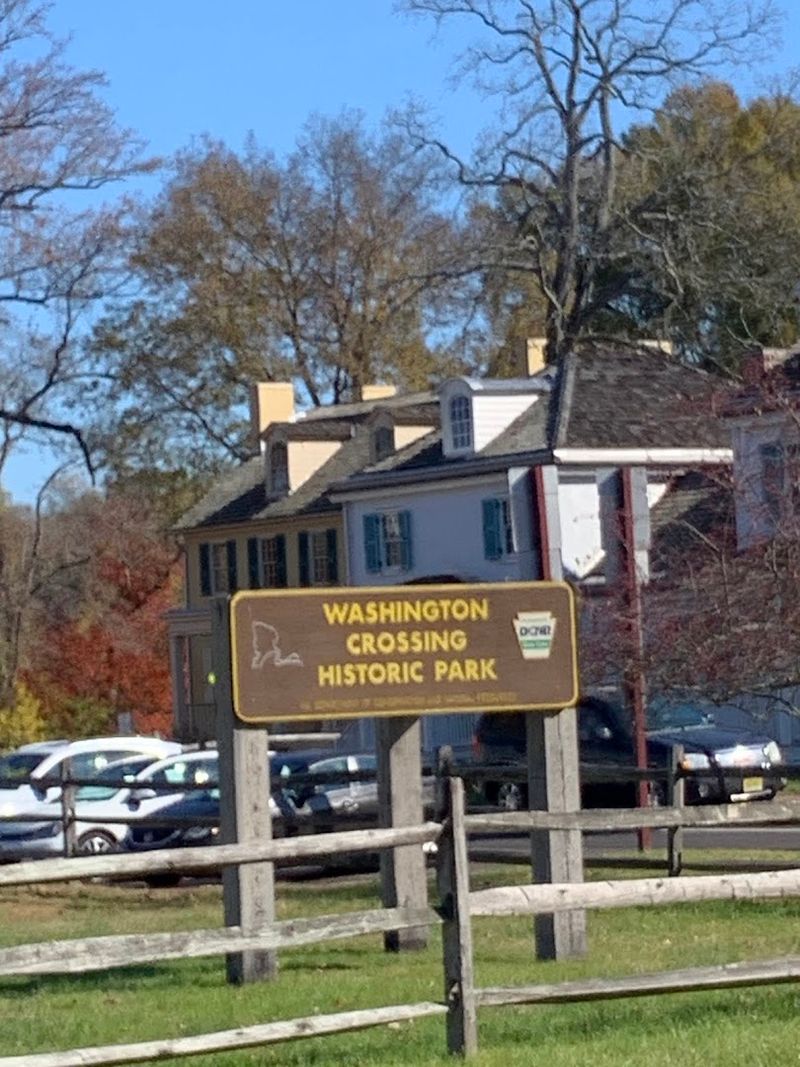
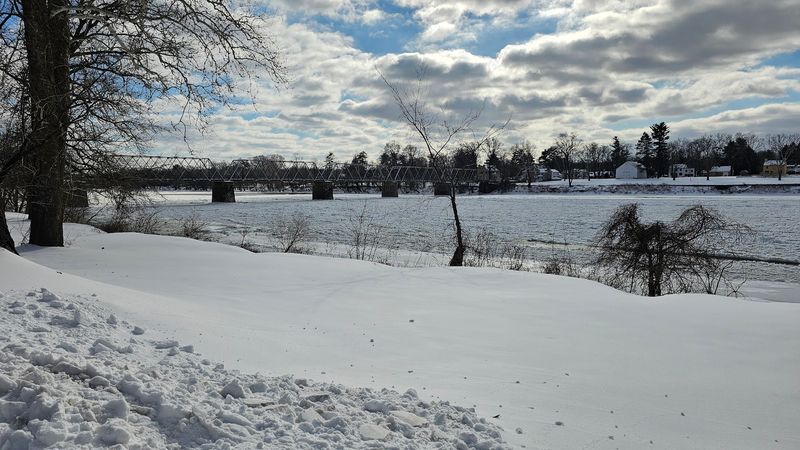
One of the more satisfying things to do at the park requires no trail map or museum ticket. A pedestrian bridge spans the Delaware River, connecting the New Jersey side of the park directly to Washington Crossing Historic Park on the Pennsylvania side, and the walk across takes just a few minutes.
The bridge gives a direct view of the river from above, which puts the scale of Washington’s 1776 crossing into a tangible perspective. The water moves steadily below, and the surrounding landscape on both banks has been preserved well enough that the view from the bridge feels connected to the history of the place.
On the Pennsylvania side, there is additional historical infrastructure to explore, including a tavern and restaurant within walking distance. The loop from the New Jersey parking area, across the bridge, into Pennsylvania, and back covers a little over three miles and is flat enough to be manageable for most ages.
Wildlife, Nature, and What Lives Along the Water’s Edge
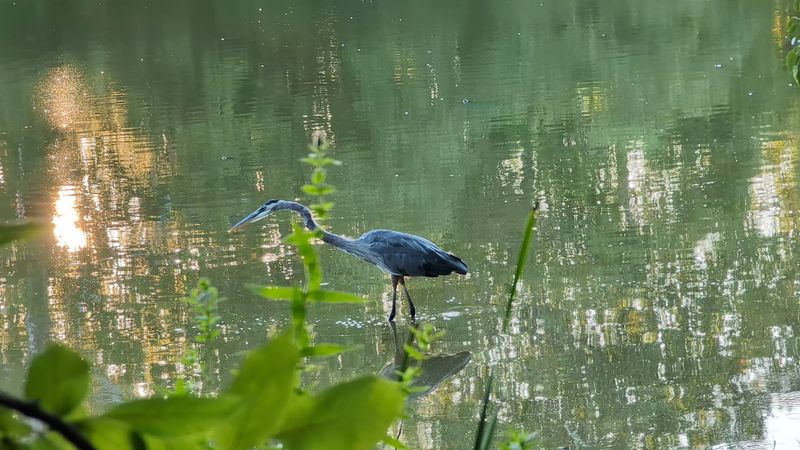
The park is not only a history destination. The natural environment along the Delaware River and the canal corridor supports a range of wildlife that makes the area worth exploring with a little extra attention to the surroundings.
Ducks and turtles are commonly spotted along the water, and the wooded sections of the park provide habitat for birds and other animals throughout the year.
The area around the lake within the park is known among photography enthusiasts for the variety of mushrooms that grow along the edges, particularly in the warmer months. A smaller wooded path near the lake adds a quieter, more secluded character to that section of the grounds.
The Nature Center on the park grounds serves as a resource for understanding the local ecosystem, offering information about the plants and animals that make their home in this part of New Jersey. It is a natural complement to the historical side of the park and worth a stop during any visit.
Seasonal Visits and the Best Times to Plan the Trip
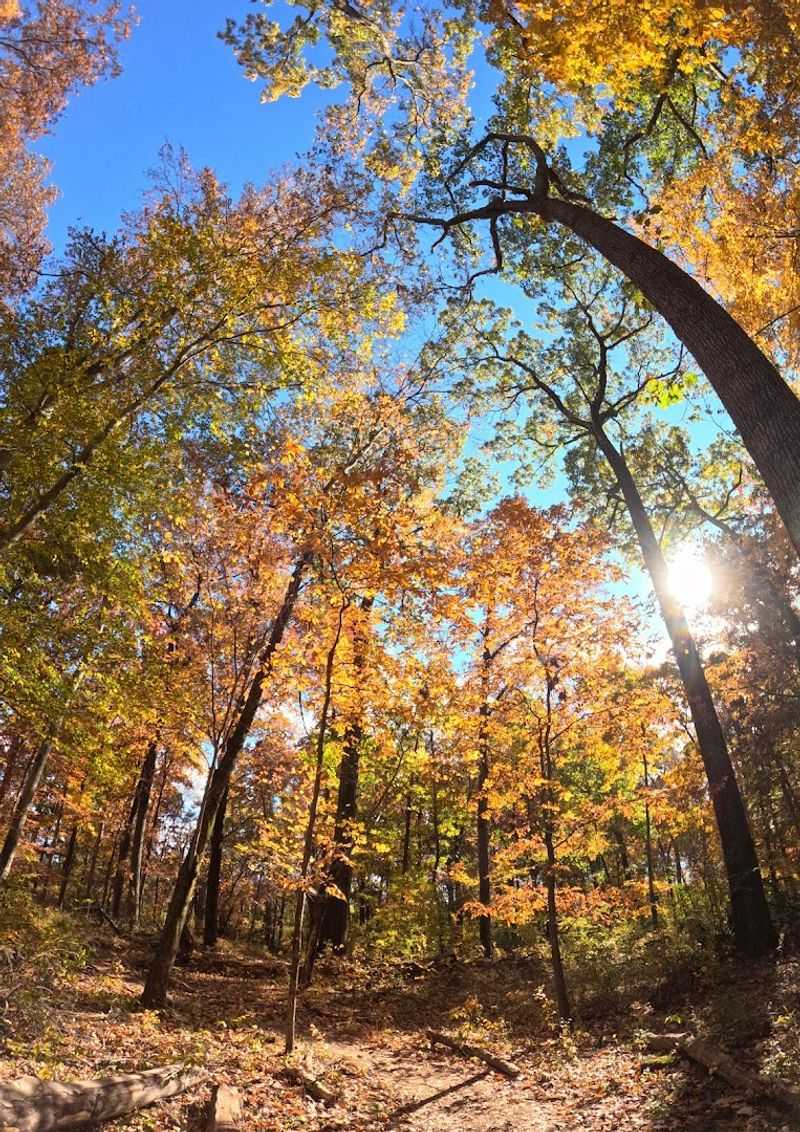
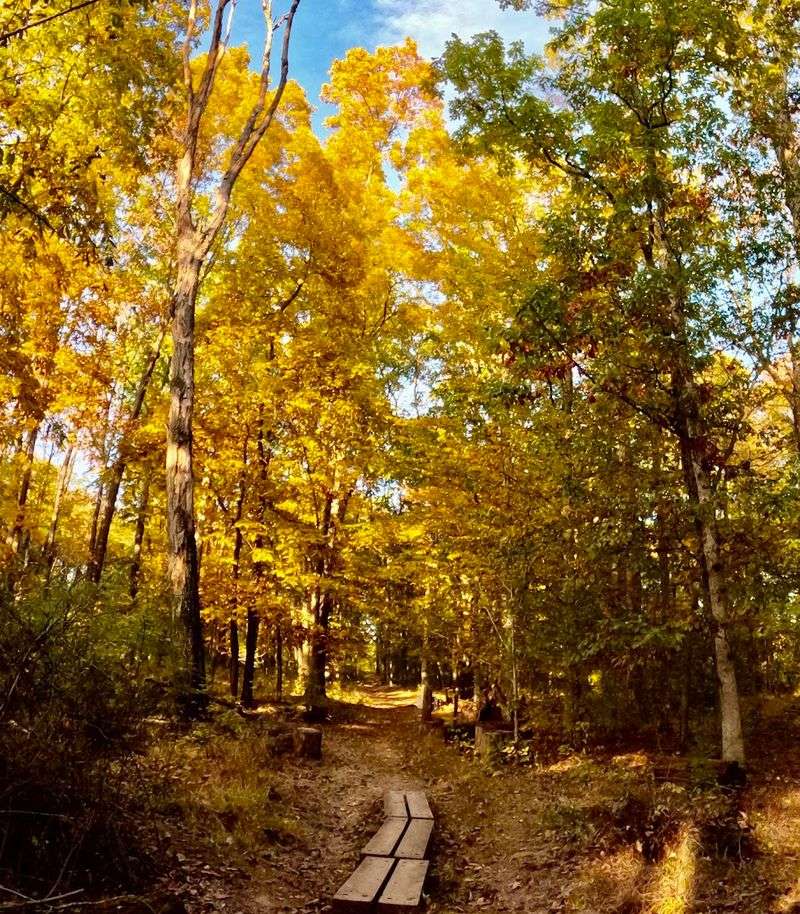
Washington Crossing State Park holds appeal across every season, though each time of year offers a noticeably different experience. Fall brings color to the wooded trails, and the cooler temperatures make longer hikes more comfortable.
The park remains active through autumn with steady foot traffic from families and outdoor enthusiasts.
Winter visits have their own draw, especially in the weeks leading up to the December 25 reenactment. The bare trees along the canal path open up longer sightlines, and the park takes on a quieter, more reflective character that suits the historical weight of the place.
Spring and summer bring more visitors, particularly on weekends when the playgrounds and picnic areas fill up and parking near the river can become competitive. Arriving early in the morning during peak season is the most reliable way to secure a good parking spot and have the trails to yourself for the first part of the day.
Parking Tips and Practical Details for a Smooth Visit
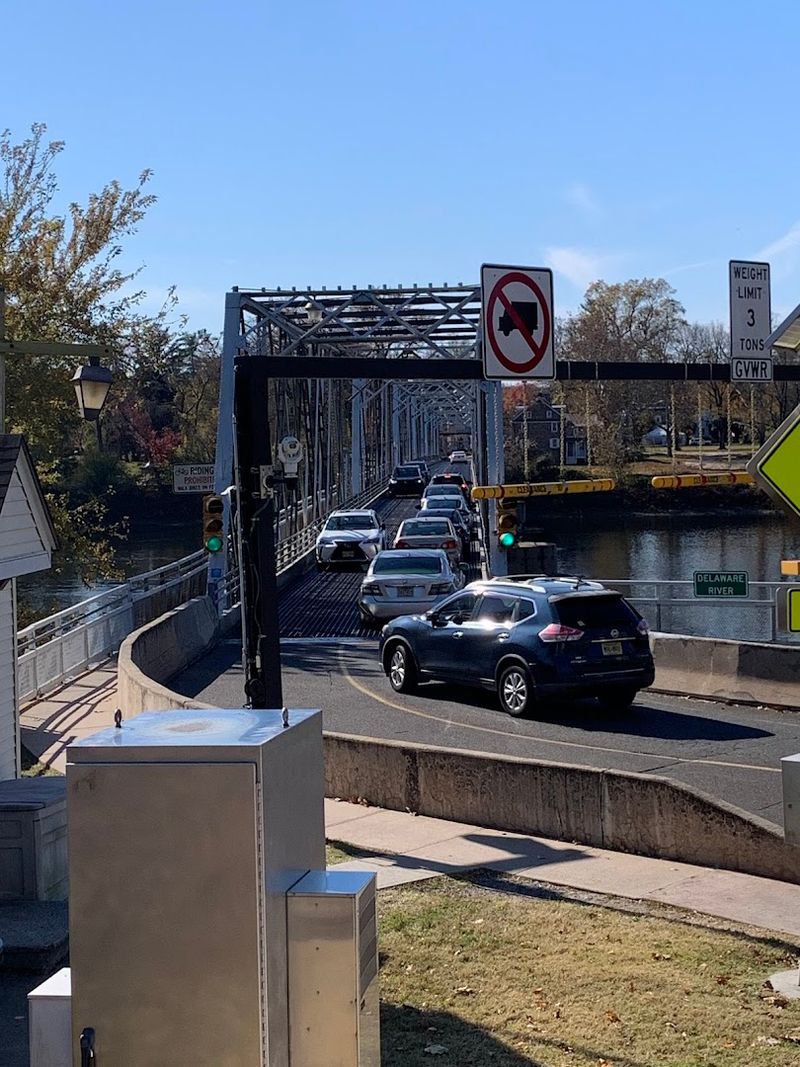
Navigating the parking situation at Washington Crossing State Park is easier with a few details in mind before arriving. The park has multiple lots spread across its grounds, and each one offers different proximity to the main attractions.
The lot near the museum is a reliable starting point and tends to be less crowded than the lots near the bridge and river access.
The entrance to the parking area off River Road requires turning at the traffic light near the tavern rather than going straight, which catches some first-time visitors off guard. Knowing that detail in advance saves time and frustration on arrival.
Parking near the bridge gets congested quickly on busy days, particularly when the weather is good and families are out in large numbers. The museum lot provides a calmer entry point and keeps the trail system and visitor center within easy walking distance.
Weekday visits avoid the weekend parking fee and typically offer a quieter overall experience.
Why This Park Stays With You Long After the Visit Ends
Some parks are pleasant for an afternoon and then fade from memory quickly. Washington Crossing State Park has a different staying power, rooted in the combination of genuine historical significance and a natural setting that holds its own independent of the history attached to it.
The trails cover enough ground to offer real exercise, the museum provides enough context to make the history tangible, and the river crossing point gives the whole experience an anchor that connects the modern visit to something that actually mattered. That combination is harder to find than it might seem.
A new visitor center is on the way, expected to be complete in 2026, which will deepen the interpretive experience further and likely attract even more visitors in the years ahead. For anyone who has not yet made the trip to Titusville, New Jersey, this park makes a compelling case that some of the most significant ground in American history is also some of the most worth walking.



