 Unearth The Voyage
New Jersey has a lot going for it in the world of baseball history, but tucked on a university campus in Little Falls, there is one spot that stands out from the rest. A legend played for the New York Yankees for nearly two decades, collected 10 World Series rings, and became one of the most quotable figures in American sports history.
That legend is Yogi Berra, and the museum built in his honor is a place that goes far beyond trophies and stats. Whether you are a die-hard Yankees supporter or simply someone who appreciates a great American story, this museum delivers something that feels personal, layered, and completely worth the trip.
Where to Find This Hidden Campus Gem
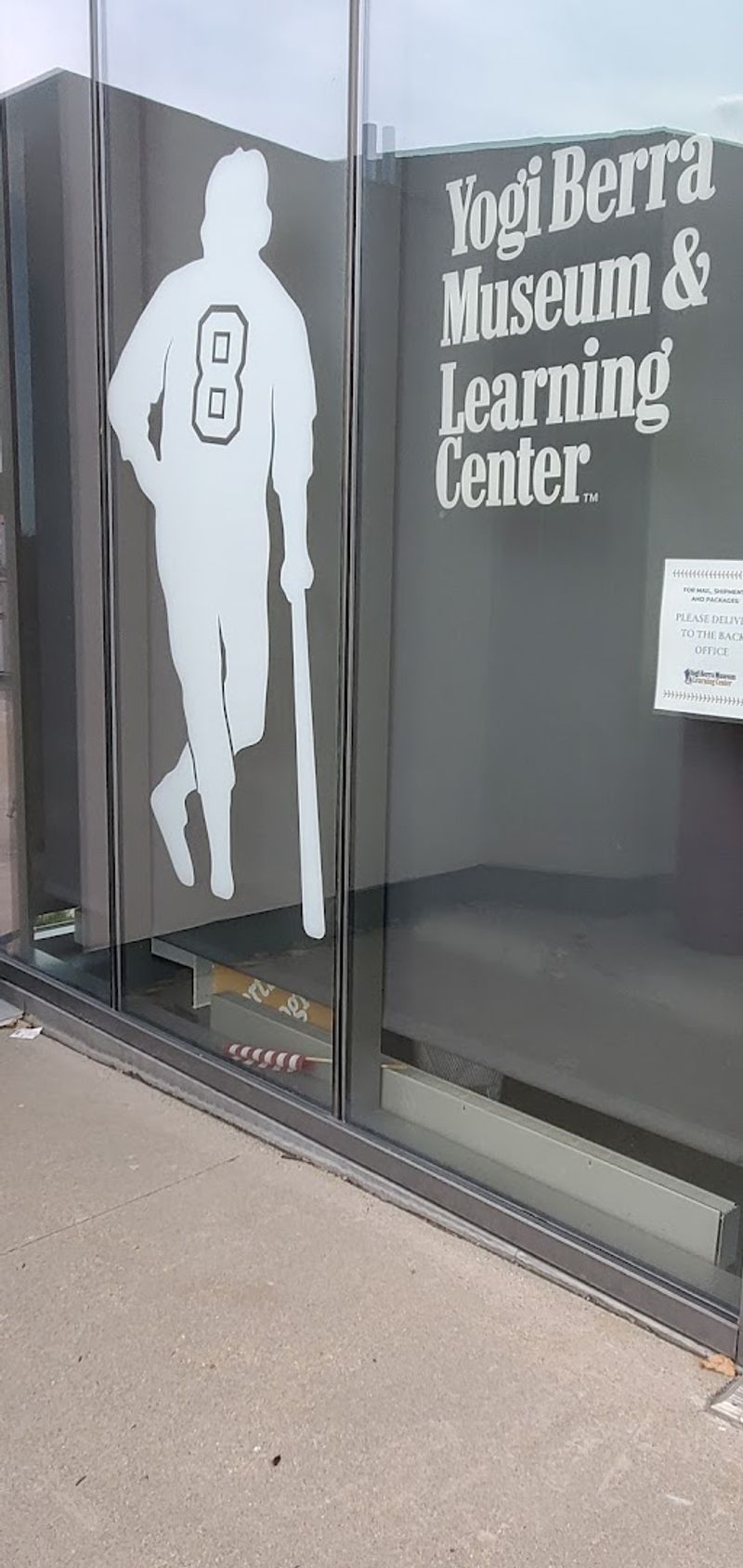
Right on the campus of Montclair State University, the Yogi Berra Museum sits at 8 Yogi Berra Drive, Little Falls Township, NJ 07424. It is not a flashy roadside attraction or a towering landmark, but that understated quality is actually part of its charm.
The museum is open Wednesday through Sunday from 12 PM to 5 PM, and it is closed on Mondays and Tuesdays. Parking is available in a commuter lot directly across the street, with clear signage pointing museum guests to the right spots, and there is no parking fee.
First-time visitors are sometimes surprised to find themselves on an active university campus, so knowing that ahead of time makes the arrival much smoother. The building is fully accessible for those with mobility needs, and the layout inside is easy to move through without feeling rushed or crowded.
The Man Behind the Museum
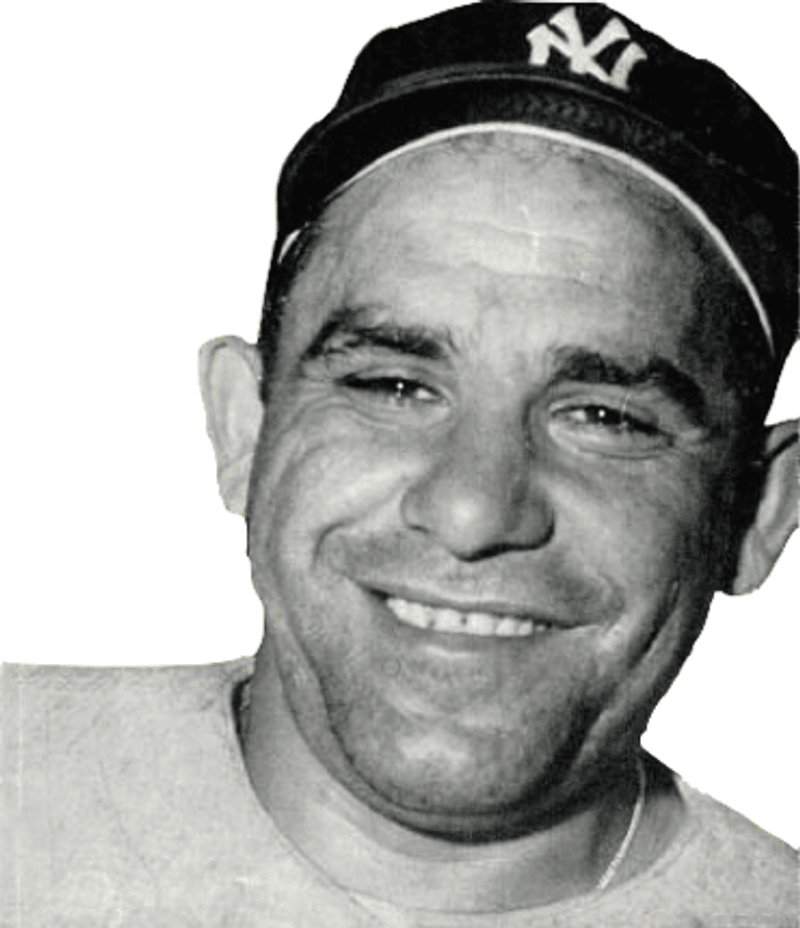
Lawrence Peter Berra, known worldwide as Yogi, was one of the most decorated players in Major League Baseball history. He spent the bulk of his career as a catcher for the New York Yankees, earning 10 World Series championships, a number that no other player in history has matched.
Beyond the rings and records, Yogi was known for his warmth, his humor, and his remarkable ability to connect with people from all walks of life. He grew up in a working-class Italian-American neighborhood in St. Louis, Missouri, and never lost that salt-of-the-earth quality even as his fame grew.
The museum does not just celebrate the athlete. It honors the full person, including the devoted husband, the proud father, and the community figure who believed in giving everyone a fair chance.
That complete picture is what makes this place feel different from a typical sports hall of fame.
A Collection That Tells a Full Story
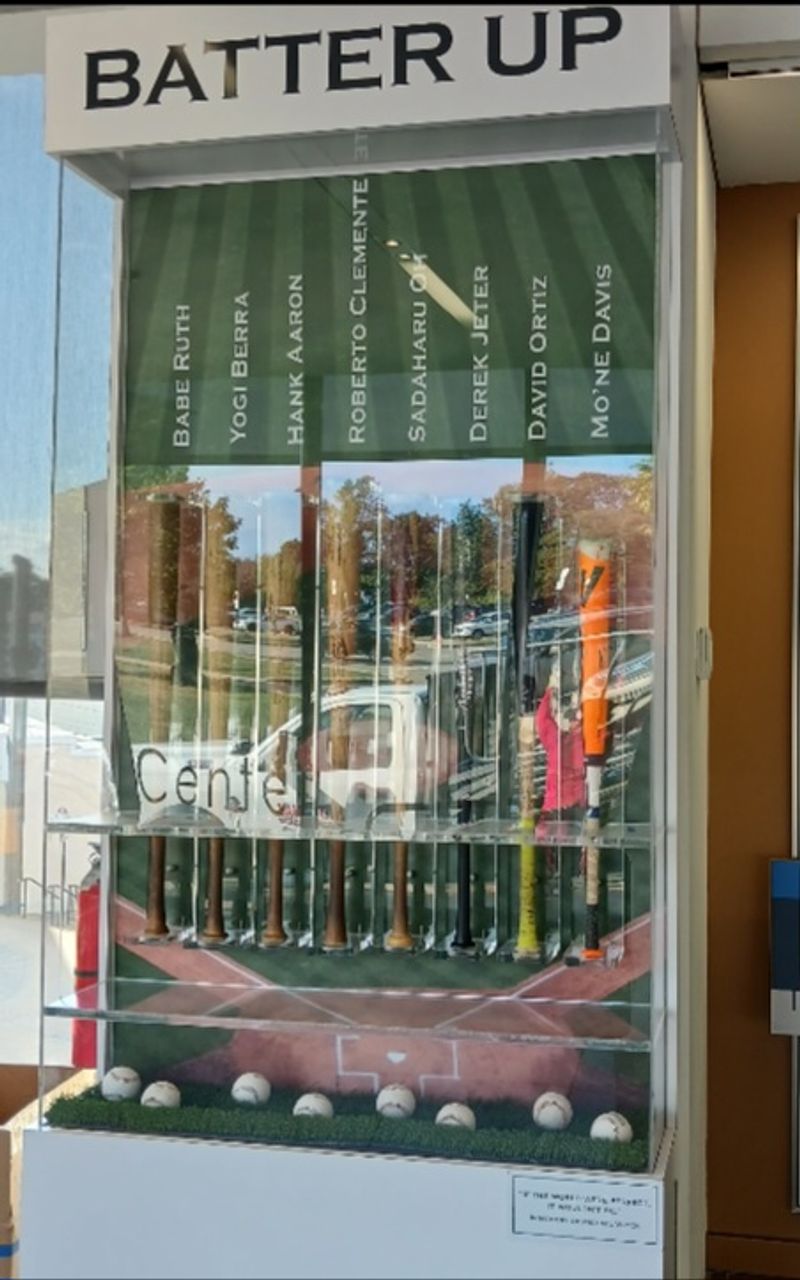
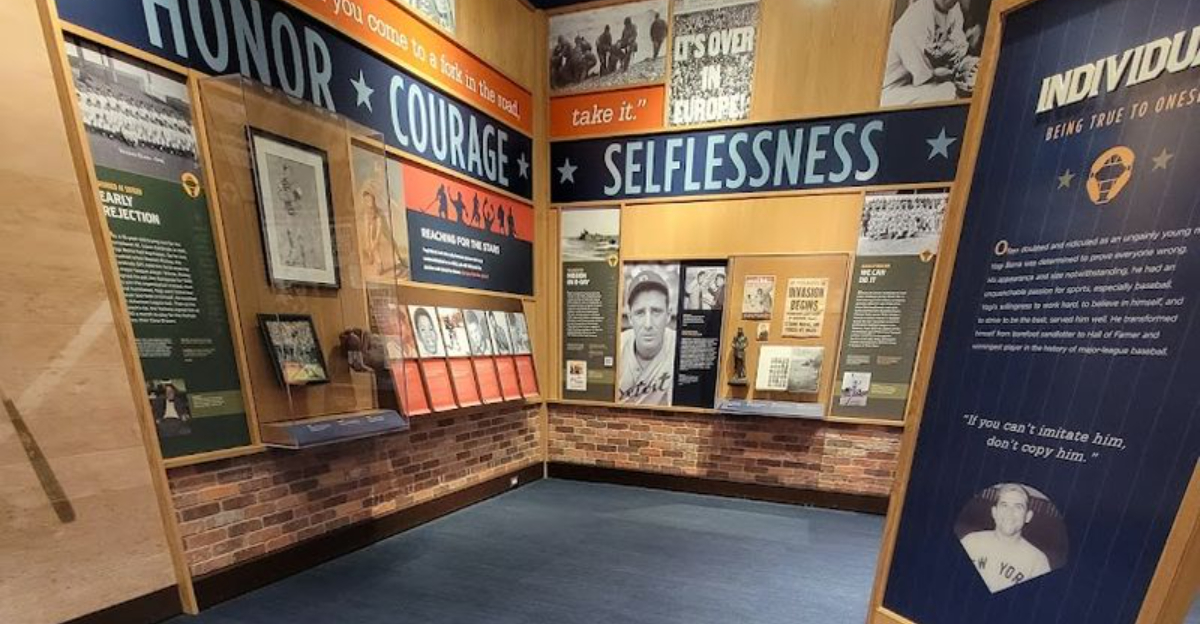
The exhibits inside the Yogi Berra Museum are packed with authentic memorabilia that spans his entire career. World Series rings, game-used bats, catcher’s mitts, pocket watches, and signed photographs are displayed throughout the space in a way that feels curated and thoughtful rather than overwhelming.
One of the more striking displays places Mo’ne Davis’s bat alongside one that belonged to Babe Ruth. That kind of cross-generational pairing captures something essential about who Yogi was: someone who valued the game itself over any era or status.
The museum is compact, but the density of meaningful objects means that taking your time through each case rewards the careful observer. Most guests report spending around an hour to an hour and a half inside, which is just enough time to absorb everything without feeling rushed.
Every corner holds something worth stopping for.
The Theatre and the 23-Minute Film
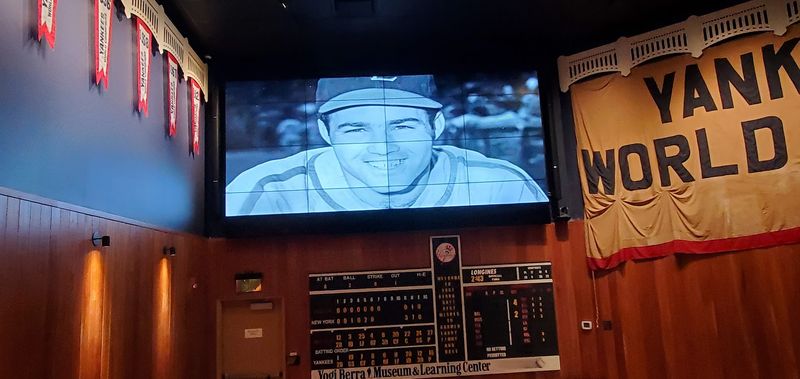
Inside the museum, there is a dedicated theatre space where guests can watch a 23-minute documentary film about Yogi Berra’s life. The film covers his upbringing, his baseball career, his military service, and his personal life in a way that gives real context to everything else on display.
For those who arrive knowing little about Yogi beyond a few famous quotes, the film is an excellent starting point. For longtime fans, it serves as a warm and well-produced reminder of just how much ground one person covered in a single lifetime.
The theatre itself is comfortable and well-suited for groups of all ages, including school classes and families with younger children. Educators have used the film as a springboard for discussions about World War II, perseverance, and the history of professional baseball in America.
Watching it before touring the exhibits is a solid strategy that helps everything click into place.
Love Letters and the Personal Side
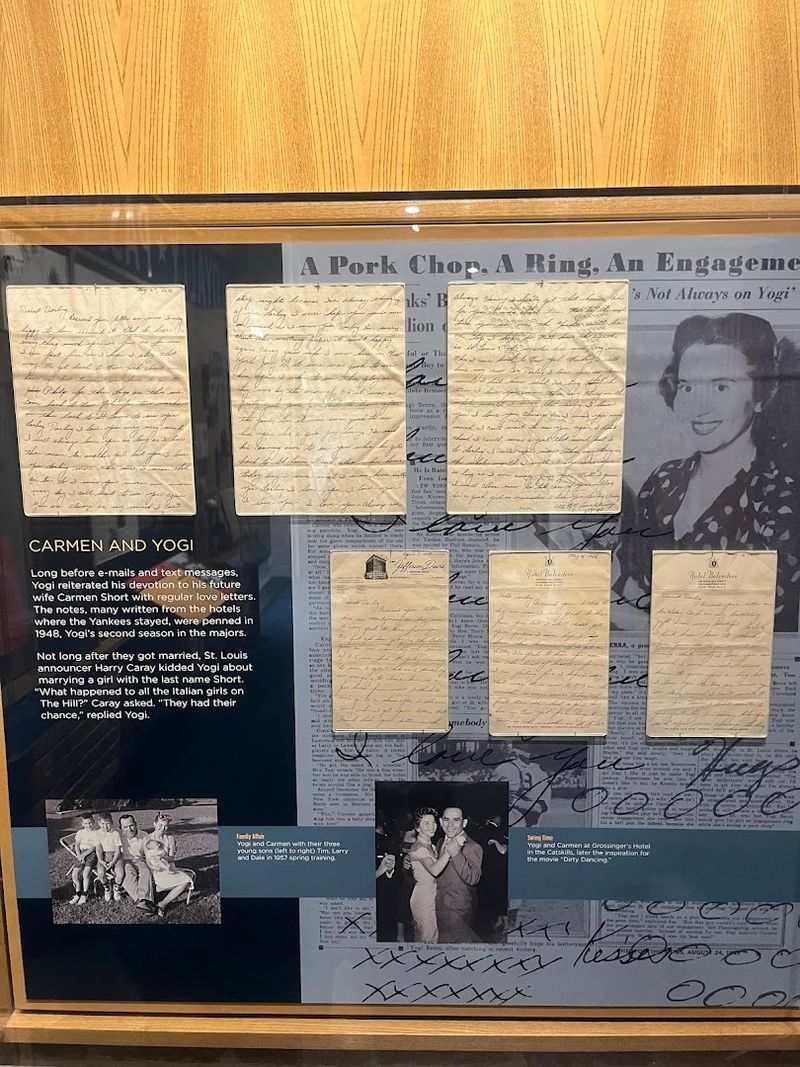
One of the most talked-about sections of the Yogi Berra Museum has nothing to do with home runs or championships. It is the collection of love letters exchanged between Yogi and his wife, Carmen, displayed alongside family photographs that show a side of him most casual fans never knew existed.
The letters are tender, genuine, and completely at odds with the tough-guy image that professional athletes often project. Reading them, or even just looking at the photographs, makes it clear that Yogi considered his family his greatest achievement, well above any ring or record.
This part of the museum tends to resonate deeply with guests who are not particularly interested in baseball. The story of a devoted partnership, told through handwritten words and candid family pictures, is universal in a way that box scores and batting averages simply are not.
It is one of those unexpected moments that stays with you long after you leave.
Famous Catchphrases on Display
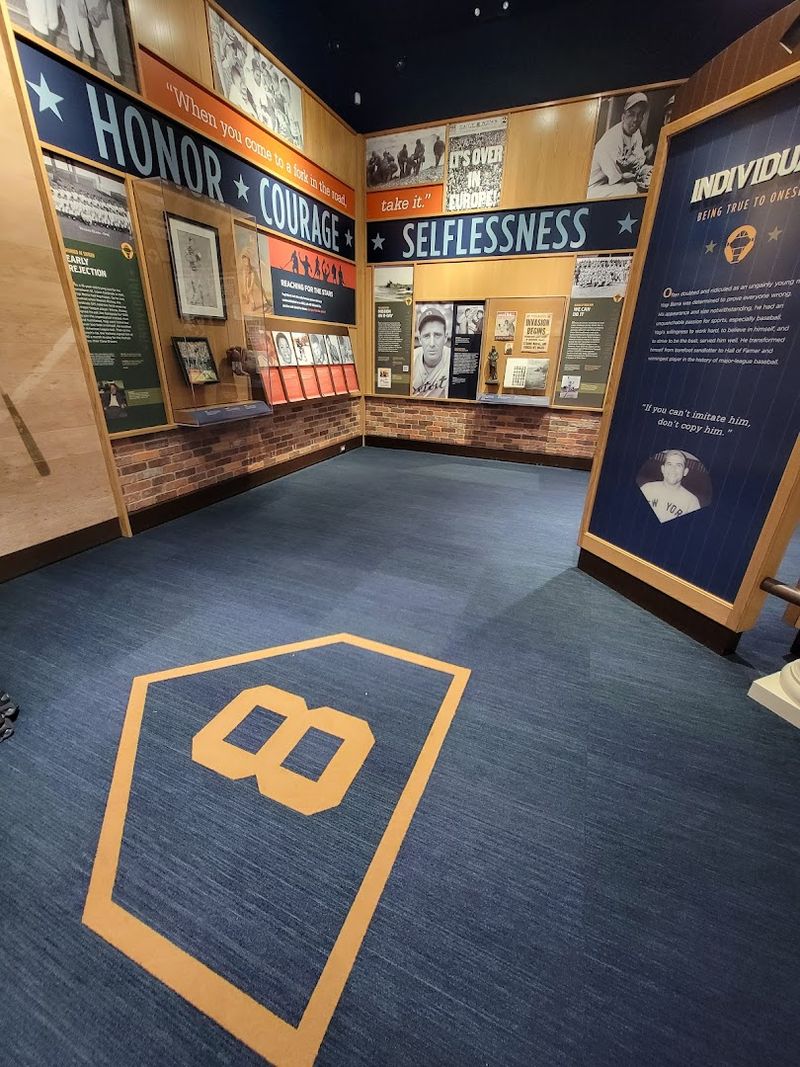
Yogi Berra may be the only baseball player whose words are quoted as often as his statistics. Phrases like “It ain’t over till it’s over” and “When you come to a fork in the road, take it” have taken on a life far beyond the baseball diamond, appearing in business books, motivational speeches, and everyday conversation.
The museum leans into this legacy with displays that highlight his most famous sayings, known as Yogi-isms, in a way that is both celebratory and genuinely fun. The context provided alongside each quote helps explain where it came from and why it resonated so widely.
For younger guests, these displays are often the entry point that makes the rest of the museum click. When a 10-year-old recognizes a phrase they have heard an adult use, and then learns it came from a baseball catcher from New Jersey, the connection between history and everyday life becomes very real, very fast.
The Bronze Statue Outside
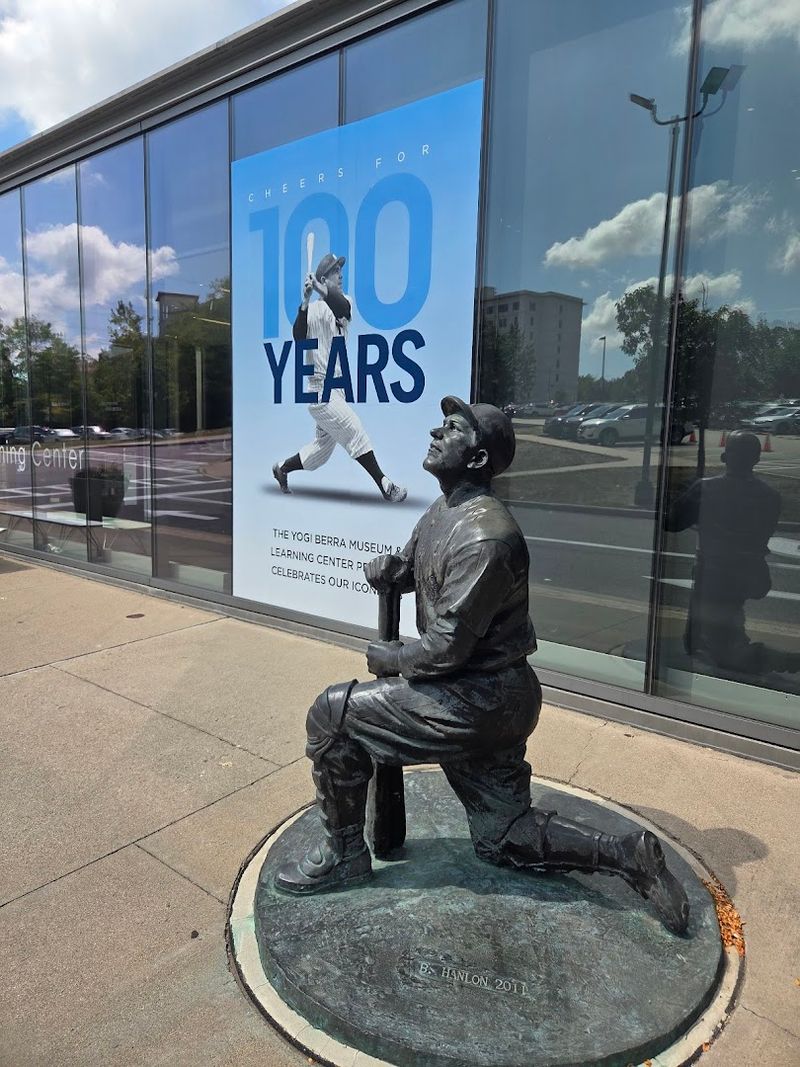
Outside the museum, a bronze statue of Yogi Berra stands as a welcoming landmark for guests arriving on campus. The statue captures him in a characteristic pose and serves as one of the most photographed spots associated with the museum.
Many guests make a point of stopping for a photo with the statue before heading inside, and it has become a small ritual for fans visiting for the first time. The statue’s placement in front of the building, with Yogi Berra Stadium visible nearby, gives the whole area a sense of intentional tribute that feels earned rather than decorative.
The outdoor area around the museum is worth a few minutes of exploration on its own. The stadium next door adds a layer of context that reminds you this is a place where baseball was actually played, not just remembered.
The combination of the living campus and the historical exhibits makes the whole setting feel active and alive.
Yogi Berra Stadium Next Door

Right next to the museum stands Yogi Berra Stadium, a baseball facility that once served as a minor league ballpark and continues to host collegiate and amateur games. The stadium’s presence adds an athletic energy to the museum visit that you do not get at most indoor-only sports exhibits.
From certain vantage points inside the museum, guests can see out toward the stadium, and there is a balcony area that overlooks the field, though access to that balcony is not always available to the public. Even from a distance, the view reinforces the idea that this location was chosen for a reason.
The stadium and museum together create a campus destination rather than a single stop. For baseball-focused families or school groups, spending time in both spaces makes for a well-rounded outing that covers both history and the sport itself.
It is the kind of pairing that turns a short visit into a full afternoon.
Great for School Groups and STEM Connections
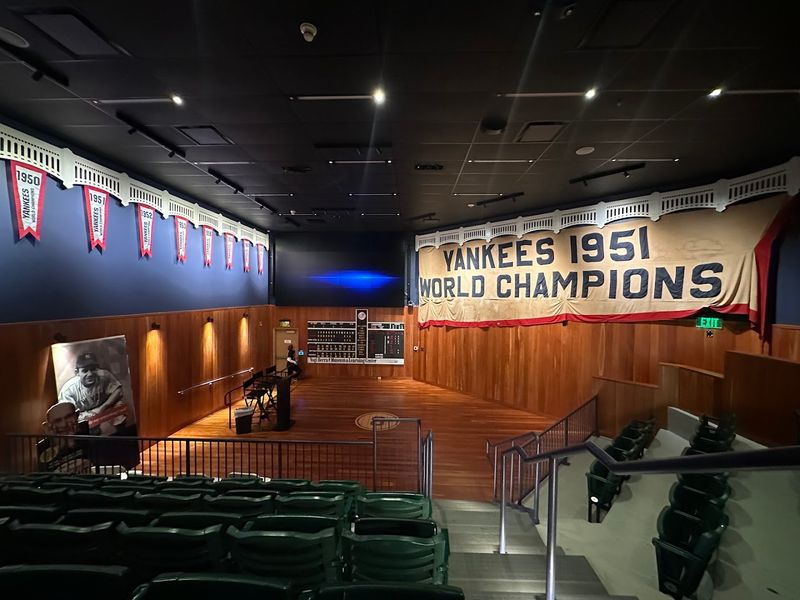
The Yogi Berra Museum has built a reputation as an effective field trip destination, particularly for elementary and middle school students. Educators who have brought classes here consistently highlight the way the staff connects baseball mechanics to broader STEM concepts.
One example that stands out involves linking a pitcher’s stride to the physics of power generation, a concept that makes biomechanics tangible for kids who might otherwise tune out during a science lesson. The museum’s approach to education is hands-on and conversational, which keeps younger guests engaged throughout the visit.
Children who arrive with no particular interest in baseball frequently leave having learned something that surprises them, whether it is a fact about World War II, a lesson about perseverance, or a new appreciation for how the game works. The museum has managed to make its content relevant across multiple subjects, which is no small accomplishment for a single-subject institution.
Pitching Screen and Interactive Fun
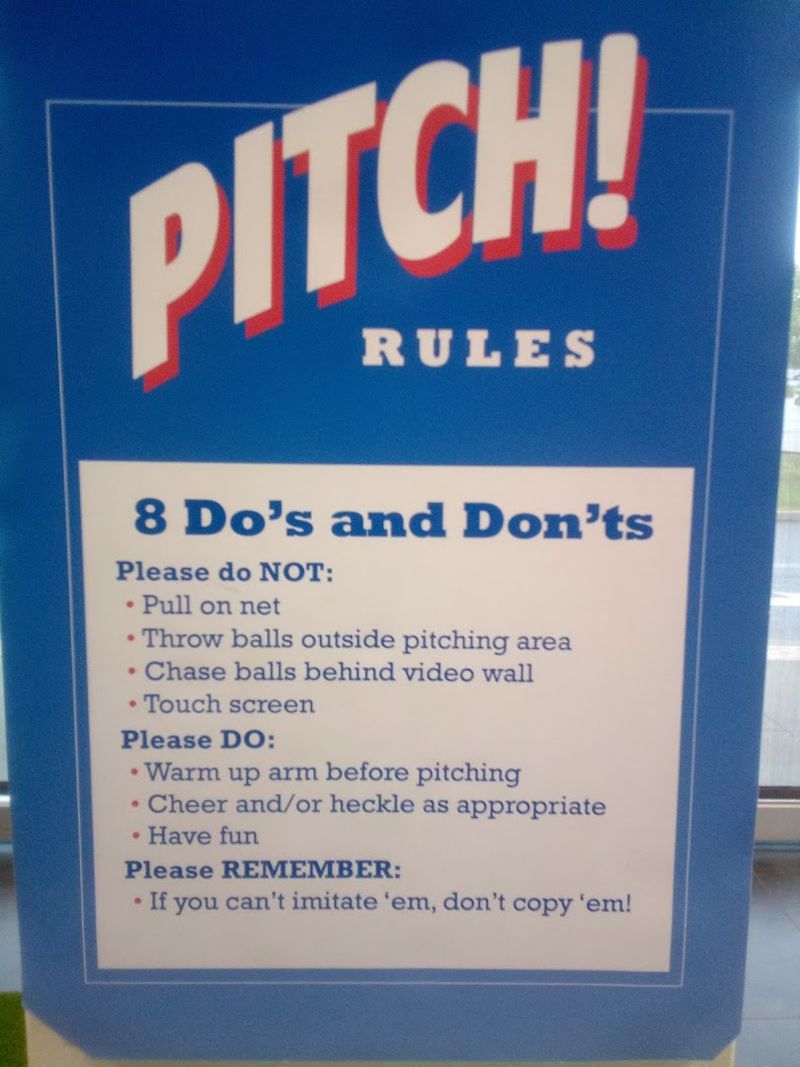
Not everything at the Yogi Berra Museum is behind glass. The museum includes an interactive pitching screen where guests can throw baseballs and get a feel for the physical side of the game.
It is one of the features that consistently draws enthusiasm from younger guests.
The pitching activity breaks up the exhibit-browsing experience in a way that feels natural rather than gimmicky. After walking through displays of rings, bats, and photographs, having a chance to physically engage with the sport adds a layer of participation that keeps energy levels up, especially for kids who learn better by doing.
Groups that visit together, whether families, school classes, or friend groups, tend to get competitive at the pitching screen in a lighthearted way that adds to the overall enjoyment of the trip. It is a small feature in a small museum, but it punches well above its size in terms of the fun it generates for guests of all ages.
Planning Your Visit: What to Know Before You Go
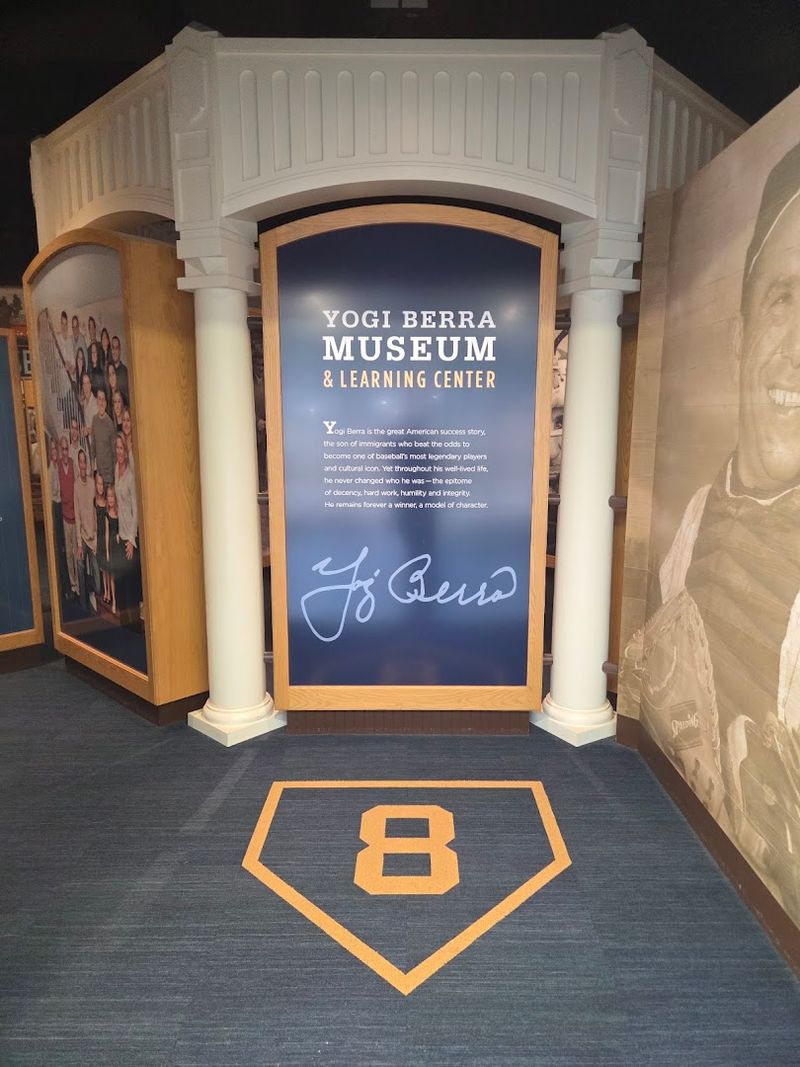
The museum is open Wednesday through Sunday, with hours running from 12 PM to 5 PM each of those days. Monday and Tuesday are closed, so planning around the weekly schedule is the first step to a successful trip.
The website at yogiberramuseum.org has up-to-date information on admission, special events, and any schedule changes.
Veterans receive free admission, which is a meaningful policy given Yogi’s own military service. The museum is small enough that a single visit covers everything, but the depth of the exhibits makes the time fly faster than expected.
Most guests comfortably spend between one and two hours inside.
Free parking is available in the commuter lot across the street, with museum-specific signage to guide first-timers. The campus setting can catch people off guard if they are not expecting it, but once you know you are heading to Montclair State University, navigation becomes straightforward.
It is a low-stress outing with a high return on curiosity.



