 Unearth The Voyage
Off Panama’s coast in 2025, something alarming happened: the ocean stopped its seasonal rhythm. Every year, powerful winds pull cold water from the deep to the surface, feeding fish and cooling reefs. This time, that critical process failed, and scientists are calling it a warning sign. What does this mean for our oceans and the communities that depend on them?
1. What scientists mean when they say the ocean breathes
Ocean breathing sounds strange, but it refers to upwelling, a natural process driven by wind. When winds push surface water away from shore, cold water from the deep rises to replace it.
That deep water carries nutrients that feed tiny organisms called plankton. These plankton form the foundation of the ocean food web, supporting everything from small fish to whales.
Upwelling happens in short, powerful bursts each season, making it a lifeline for marine ecosystems around the world.
2. The hotspot: the Gulf of Panama
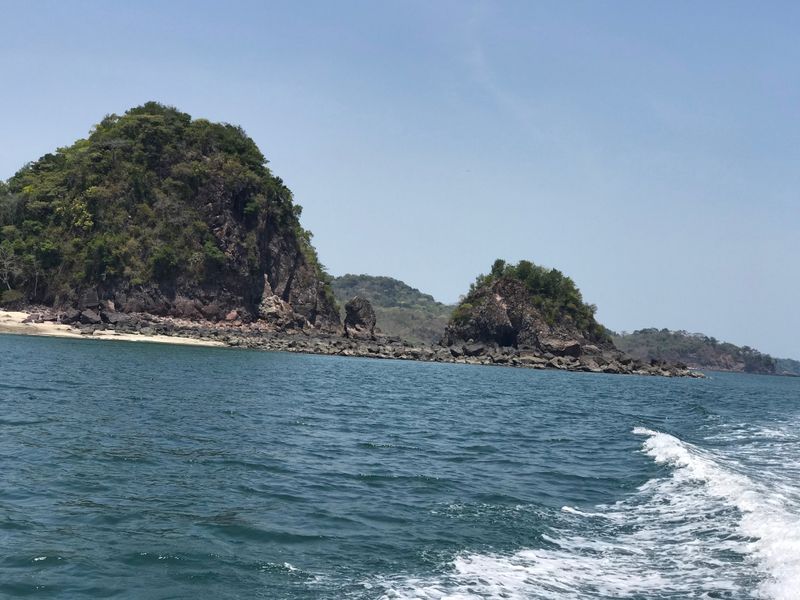
Panama’s Gulf sits at a crossroads where ocean currents and weather patterns collide. Small changes in wind or temperature can trigger big effects across the entire region.
Because the area is so sensitive, scientists consider it an early-warning system for larger climate shifts. What happens here can hint at what might occur elsewhere.
Tropical zones like this one are tightly connected to global weather systems, making them critical spots to watch for environmental changes.
3. The usual rhythm is surprisingly predictable
For at least four decades, researchers have tracked a reliable pattern. Between January and April, seasonal winds arrive like clockwork, triggering upwelling along Panama’s coast.
This consistency has allowed fishermen to plan their seasons and marine life to sync their breeding cycles. The predictability made the system seem stable and unchanging.
Scientists relied on this steady rhythm to understand how tropical oceans work, making the 2025 disruption all the more shocking and unexpected.
4. What changed in 2025: the upwelling basically failed
In 2025, the usual upwelling process simply didn’t happen as expected. Researchers documented an unprecedented suppression, meaning the ocean behaved in ways never recorded before.
Instead of cold water rising and nutrients spreading, warm surface water stayed in place. The system that had worked for decades suddenly broke down.
This failure wasn’t a small hiccup but a major deviation that alarmed scientists worldwide, signaling that something fundamental had shifted in the ocean’s behavior.
5. The temperature clue that tipped everyone off
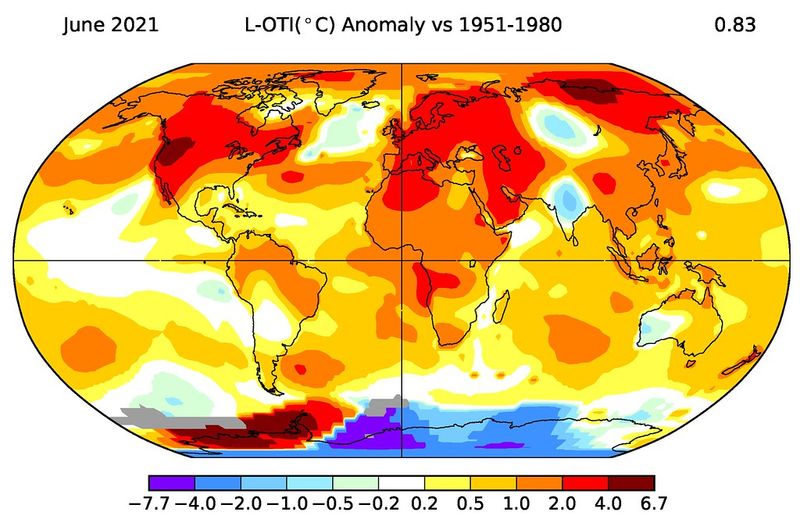
Temperature readings told the story clearly. The usual cold season arrived 42 days late, a delay that immediately caught researchers’ attention.
When the cooling finally started, it lasted only 12 days instead of the typical 66 days. Minimum temperatures also stayed much warmer than historical records showed.
These dramatic differences made it obvious that the upwelling system had fundamentally failed, providing concrete evidence that something unprecedented was happening beneath the surface.
6. The food-web signal faded: chlorophyll dropped

Satellites orbiting Earth spotted a missing ingredient: chlorophyll. This green pigment in plankton normally explodes in concentration when upwelling brings nutrients to the surface.
In 2025, that bloom never appeared. Field observations confirmed what satellites detected: phytoplankton, the base of the ocean food chain, were scarce.
Without these microscopic plants, the entire ecosystem lost its foundation, threatening everything from tiny shrimp to large predatory fish that depend on this seasonal feast.
7. It’s not that the wind was weak—it wasn’t frequent
When researchers examined wind data, they discovered something surprising. The winds that did blow were nearly as strong as usual, so strength wasn’t the problem.
The real issue was frequency. Northerly winds appeared 74% less often than normal, meaning long gaps stretched between wind events.
Those gaps allowed surface water to warm and stagnate, preventing the repeated pushes needed to keep upwelling going. Frequency, it turned out, mattered more than anyone expected.
8. Why frequency matters more than you’d think
Upwelling isn’t like flipping a switch once. It requires repeated wind events to keep surface waters moving away, creating space for deep water to rise continuously.
When winds blow only occasionally, the ocean settles back into layers. Warm water floats on top, trapping cold water below, and the mixing stops.
Think of it like stirring soup: one stir doesn’t keep it mixed. Frequent stirring prevents settling, just as frequent winds prevent ocean stratification and keep nutrients flowing.
9. A big atmospheric suspect: the ITCZ (the planet’s tropical weather belt)
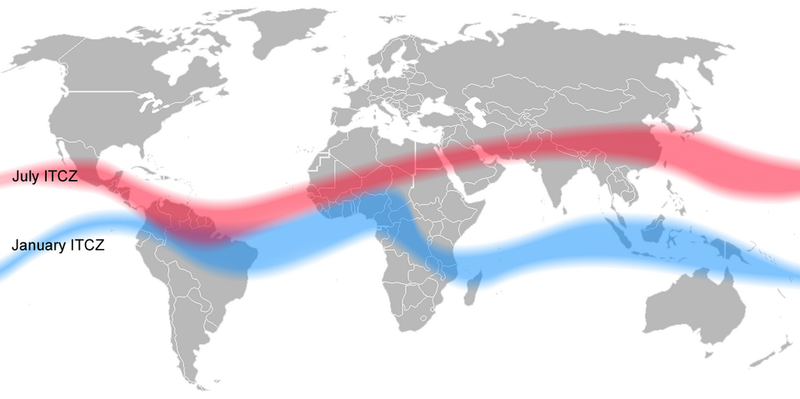
Scientists point to a massive weather system called the Intertropical Convergence Zone, or ITCZ. This belt of clouds and storms circles the planet near the equator, controlling tropical rainfall and winds.
During the 2024 to 2025 La Niña event, the ITCZ shifted in unusual ways, disrupting normal wind patterns over Panama.
Researchers stress that the exact mechanism isn’t fully understood yet, but the ITCZ’s behavior clearly played a role in suppressing the winds that drive upwelling.
10. The chain reaction in the water column: mixing stalled
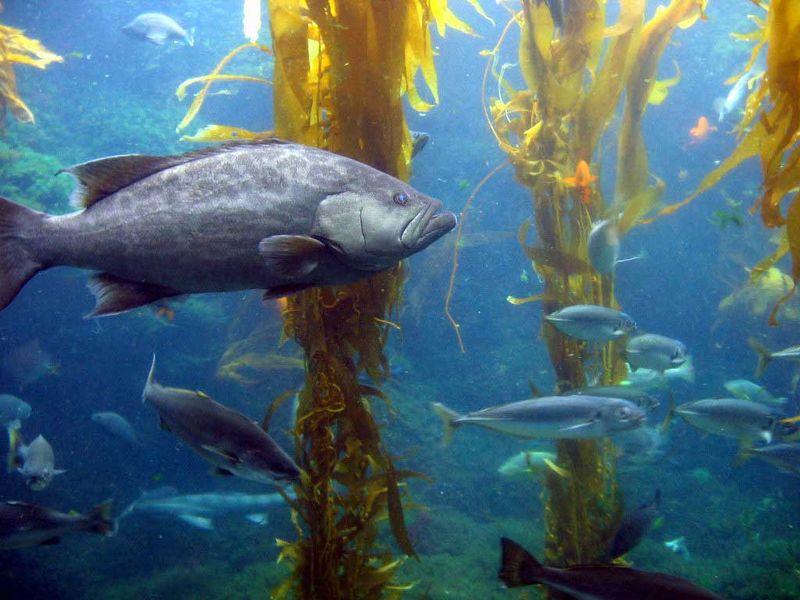
With warm surface water refusing to budge, a barrier formed in the water column. Cold water packed with oxygen sat trapped below, unable to reach the surface.
Field observations documented this stratification, showing distinct temperature layers that normally would mix together during upwelling season.
Oxygen levels matter because marine life needs it to survive. When mixing stalls, surface waters can become oxygen-depleted while deeper reserves remain locked away, creating hostile conditions for fish and other creatures.
11. Fisheries felt it fast
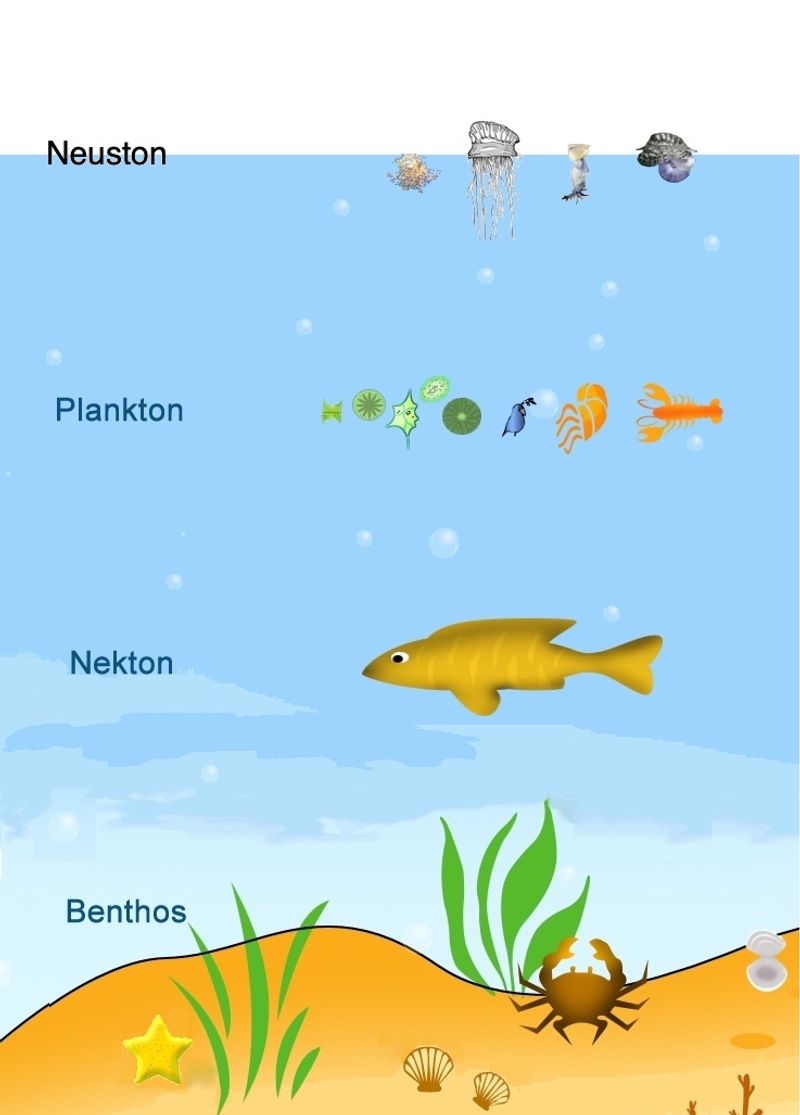
When plankton numbers dropped, fish populations followed quickly. Small pelagic species that form the backbone of regional fisheries declined, leaving fishermen with empty nets.
These fish depend on the seasonal nutrient surge to feed and reproduce. Without it, their numbers crashed, affecting livelihoods and food security for coastal communities.
The impact climbed the food chain rapidly, demonstrating how a disruption at the base of the ecosystem can ripple through every level, hitting humans hardest and fastest.
12. Coral reefs lost a natural cooling shield
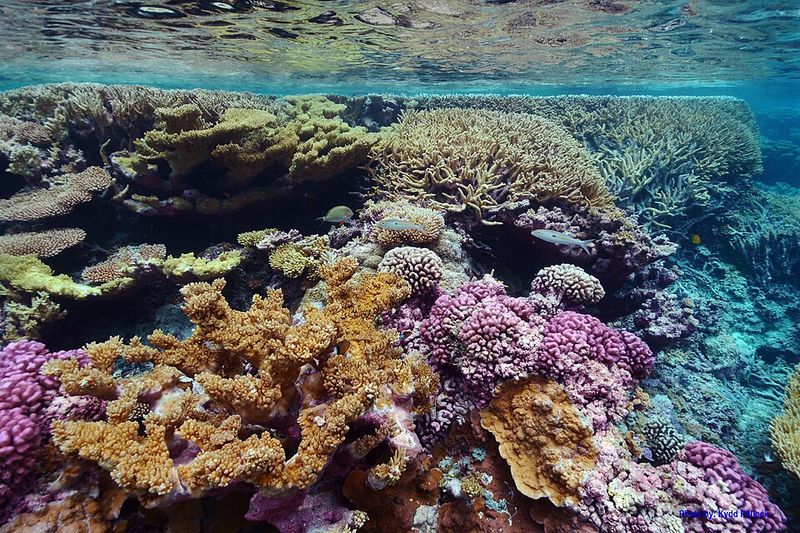
Coral reefs rely on seasonal upwelling as a natural air conditioner. Cold water from the deep provides relief during warm months, preventing heat stress.
In 2025, that cooling shield vanished. Reefs faced prolonged heat exposure without their usual break, leading to intensified and more widespread bleaching early in the year.
Bleached corals can recover if temperatures drop, but extended heat stress often kills them. Without upwelling’s protective effect, Panama’s reefs faced a survival crisis unlike previous years.
13. The uncomfortable truth: the tropics are under-monitored
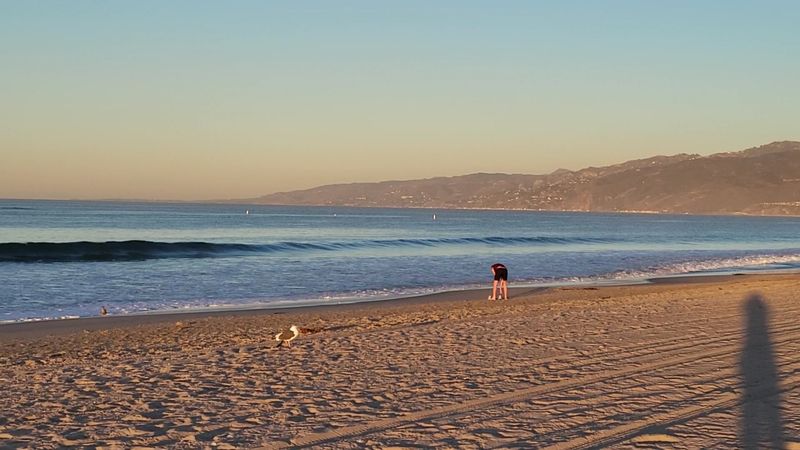
Many tropical upwelling zones lack the dense sensor networks found in places like California or the Humboldt Current. Fewer instruments mean slower detection of major shifts.
Scientists warn that limited coverage creates blind spots, allowing dangerous changes to develop unnoticed until they’re already causing damage.
Better-studied systems have decades of detailed data and real-time monitoring. Tropical regions deserve the same attention, especially as climate change accelerates and makes early warning systems more critical than ever.
14. Why this matters beyond Panama

Tropical upwelling systems may be small in area, but they punch far above their weight. They support major fisheries, influence how oceans absorb carbon, and shape coastal climates.
Researchers argue that better observing systems and improved climate models are critical for catching future failures early. Tools like NOAA’s Coral Reef Watch and NASA’s Earth observation datasets help monitor stress signals.
What happened in Panama could happen elsewhere. Understanding and preparing for these shifts may be essential for protecting ocean health and human communities worldwide.



