 Unearth The Voyage
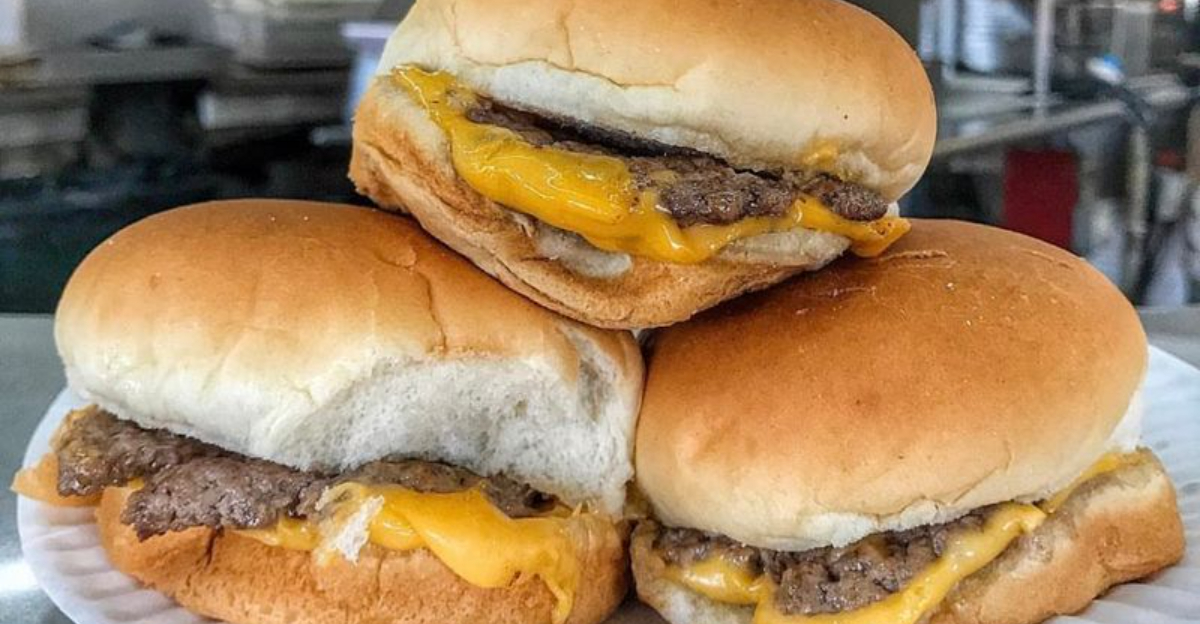
There is a small, round building on a busy stretch of road in Jersey City, New Jersey, that has been quietly serving burgers since before most people’s grandparents were born. No flashy signs, no trendy decor, no online ordering.
Just a counter, a grill, and a menu that has barely changed in decades. Theis place has earned a reputation that stretches far beyond its zip code.
The story of this diner is tied to the 1939 New York World’s Fair, and the building itself still carries that old-world character. People drive out of their way just to sit at that counter and order the special: three cheeseburger sliders, fries, and a drink.
For a spot that looks like it belongs in a black-and-white photograph, it has no trouble drawing a crowd in the age of social media.
A Jersey City Address With a World’s Fair Past
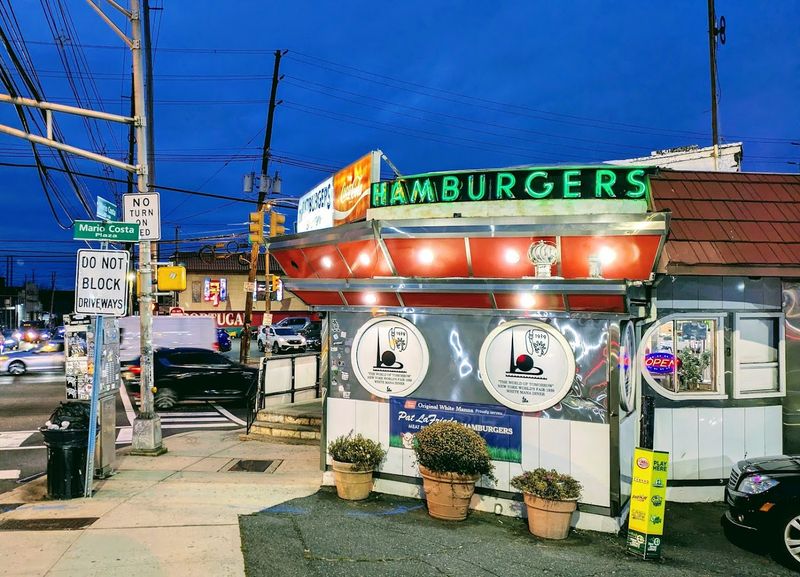
The address is 470 Tonnelle Ave, Jersey City, NJ 07307, and the building that stands there is more than just a diner. White Mana Diner traces its origins back to the 1939 New York World’s Fair, where it was originally featured as a futuristic concept for fast food service.
After the fair closed, the structure was relocated and eventually set up on Tonnelle Avenue, where it has been operating ever since. The round, compact design was part of a vision for streamlined, efficient dining, and that spirit never really left.
Tonnelle Avenue today is a busy, commercial stretch surrounded by auto shops, fast food chains, and construction traffic. The diner sits right in the middle of it all, looking every bit as out of place and perfectly at home as it always has.
It is the kind of address that tells a story before you even walk through the door.
The Building That Time Forgot
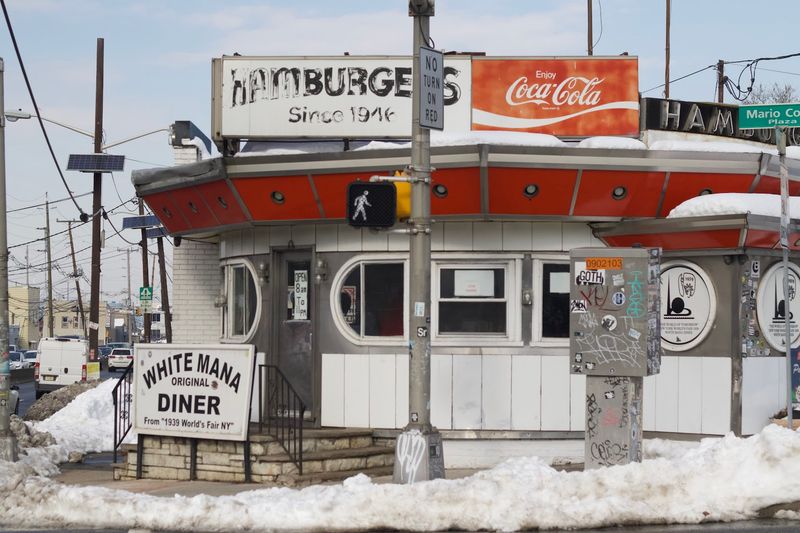
The structure itself is a conversation starter. The round, compact design of the White Mana Diner building reflects the mid-century modernist thinking that was popular during the World’s Fair era.
It was meant to look like the future, and somehow it still looks remarkable today.
The exterior has not been dramatically updated, and that is exactly the point. The vintage signage, the curved walls, and the general no-frills presentation give the building a character that no renovation could improve.
It fits the neighborhood in a way that feels accidental but completely right.
For anyone who appreciates architecture with a backstory, this building is worth stopping to look at before even going inside. It is a physical piece of New Jersey history parked between a Dunkin and an auto shop, holding its ground without apology.
Buildings like this do not get built anymore, which makes this one all the more worth noticing.
Inside the Time Capsule
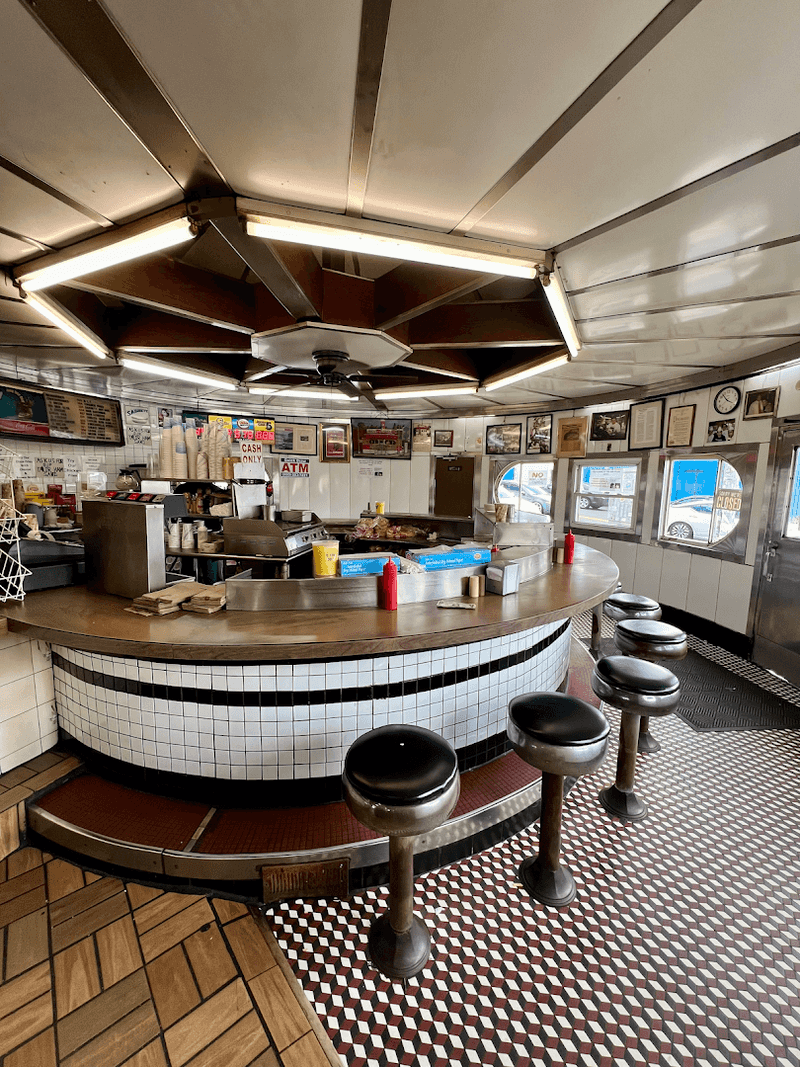
The interior of White Mana Diner is compact, counter-style, and completely unchanged from what you might expect a diner to look like several decades ago. There are stools along a narrow counter, and that is essentially the setup.
No booths, no table service, no background music competing for attention.
The walls, the fixtures, and the general layout all carry the same energy as the building’s exterior. Nothing has been modernized for the sake of trends, and regular visitors consistently point to that unchanged quality as one of the most appealing things about the place.
There is something grounding about a space that refuses to follow whatever is currently fashionable. The inside of White Mana feels like a pause button was pressed sometime around the 1960s and nobody ever released it.
For people who find that kind of authenticity rare and refreshing, the interior alone justifies the trip to Jersey City.
The Special That Keeps People Coming Back
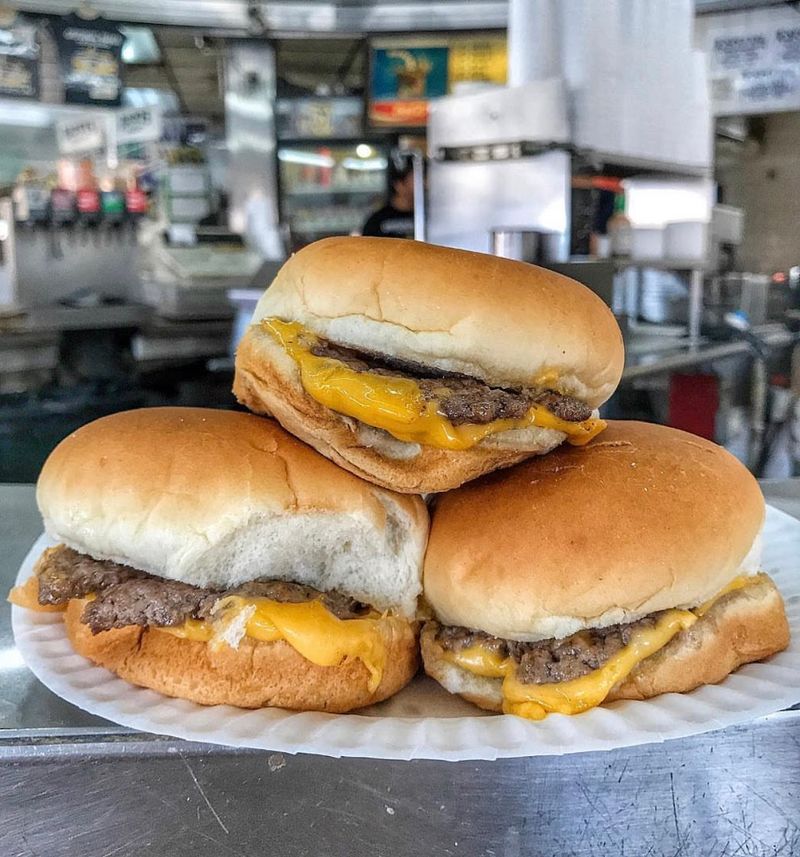
The most talked-about item on the menu at White Mana Diner is the special: three cheeseburger sliders, shoestring fries, and a drink, all for around ten dollars. That price point, combined with the no-frills presentation and the counter seating, makes the whole experience feel like a throwback to a different era of American dining.
The sliders are small, cooked fresh on the grill right in front of the customer, and come standard with onions. The patties are thin and pressed flat, which is the style that defines this kind of old-school slider burger.
It is a simple formula that has not needed adjusting in decades.
For the price and the portion, the value is hard to argue with. Three burgers, a side, and a drink for ten dollars in the current economy is the kind of deal that people mention almost as often as they mention the burgers themselves.
That combination is a big part of the diner’s ongoing appeal.
Cash Only, No Exceptions
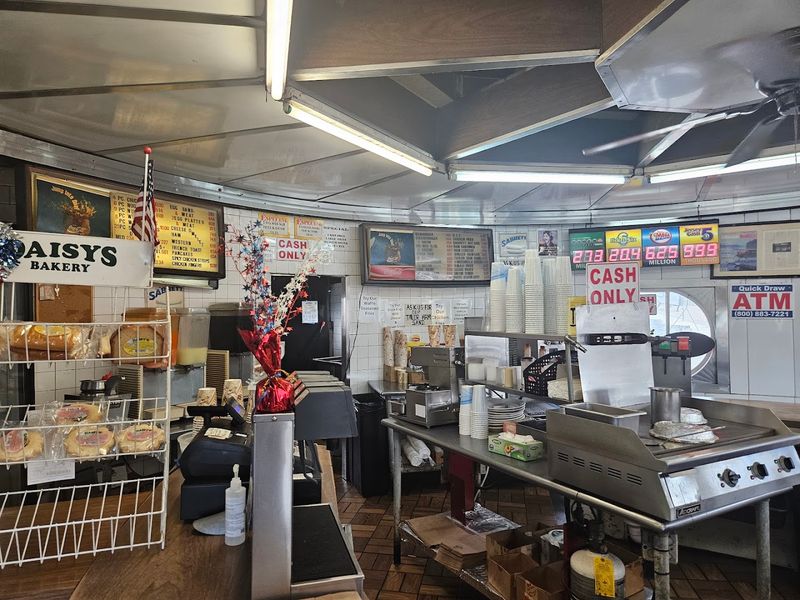
One of the most practical things to know before heading to White Mana Diner is that it operates on a cash-only basis. There is no card reader at the counter, and the staff will direct customers to a nearby ATM if they arrive without cash on hand.
This is not a new policy, and it is unlikely to change anytime soon.
For a diner that has been doing things the same way since the World’s Fair era, accepting only cash fits the overall philosophy. The menu is simple, the space is small, and the transaction is straightforward.
There is a certain logic to keeping the payment method just as uncomplicated.
First-time visitors who are used to tapping a card for everything should plan ahead. Stopping at an ATM before arriving saves time and avoids any awkward moments at the counter.
The burgers are absolutely worth the extra step of finding a few bills before the visit.
Hours That Work for Night Owls
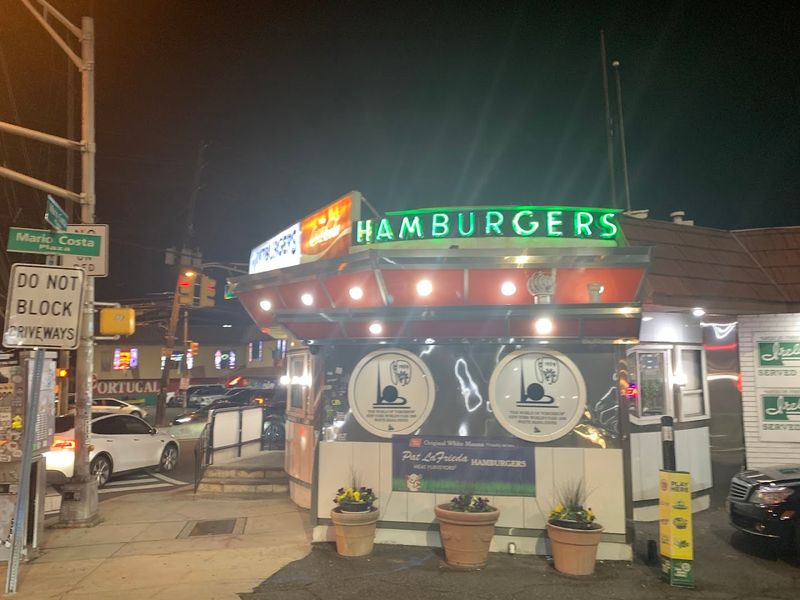
White Mana Diner is open every day of the week from 8 AM to 11 PM. That schedule makes it accessible for a wide range of visits, from a morning stop before work to a late-night burger run after a long day.
The consistent hours across all seven days remove any guesswork about when to show up.
The 11 PM closing time is a notable feature for a diner of this style and size. Late-night dining options in the area are not always abundant, and White Mana fills that gap with a menu that works at any hour.
Whether it is a breakfast plate in the morning or a slider order close to closing time, the kitchen is ready.
Parking is available nearby, and the location on Tonnelle Avenue is easy to access from multiple directions. The combination of late hours, convenient parking, and a quick-service format makes this a practical stop regardless of what time the craving hits.
The Burger That Built the Reputation
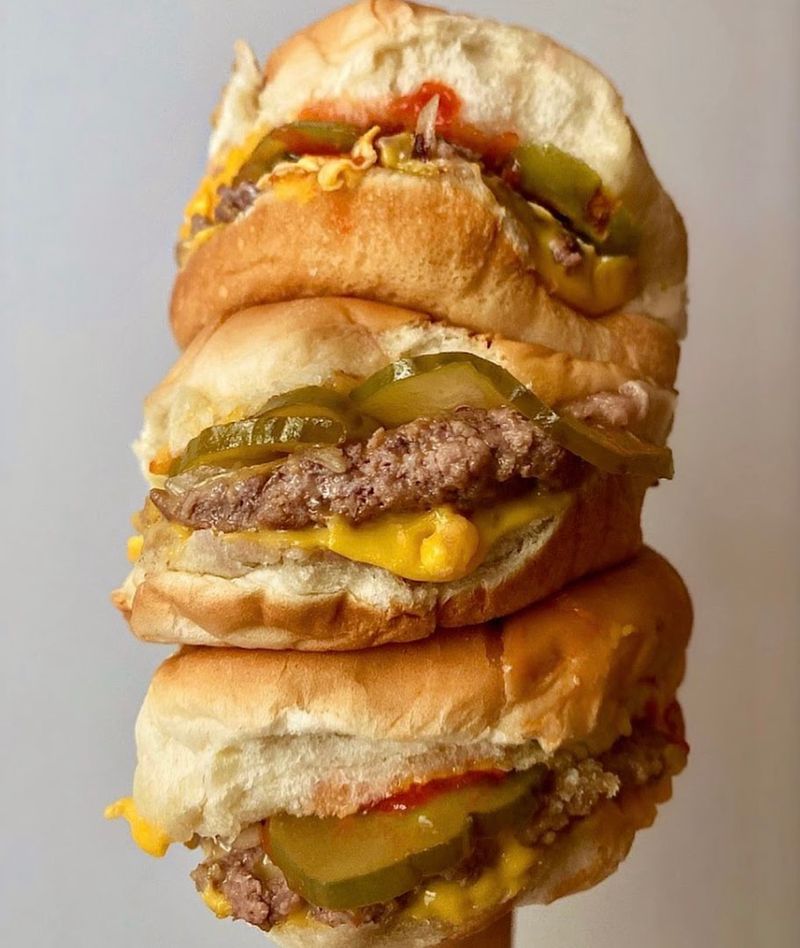
The burgers at White Mana Diner are slider-style, thin, and cooked on a flat-top grill with onions pressed into the patty. This is not the thick, stacked, Instagram-ready style of burger that has dominated the food scene in recent years.
It is the older, simpler version that defined American fast food before fast food became an industry.
The patties start as small balls of ground beef that get pressed flat on the grill, which creates a crispy edge while keeping the inside moist. The onions cook into the meat rather than sitting on top of it, which changes the overall character of the burger in a way that makes the combination work as a unit.
This style of smash burger has seen a major revival in recent years, but White Mana was doing it long before the trend caught on. The diner did not adapt to the trend; the trend caught up to the diner, which says something about the staying power of a well-executed simple idea.
What the Neighborhood Adds to the Experience
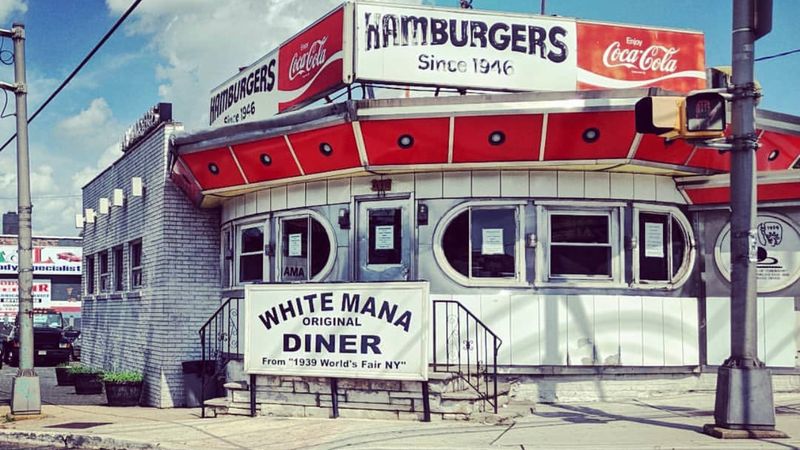
The stretch of Tonnelle Avenue where White Mana Diner sits is not a tourist district. It is a working commercial strip with mechanics, tile shops, and heavy truck traffic.
The surroundings are functional and unglamorous, which makes the diner’s presence feel even more deliberate and earned.
There is no curated neighborhood experience to frame the visit. No boutique shops nearby, no artisan coffee spots on the corner.
The diner exists in its original context, surrounded by the kind of everyday commerce that was there when the building first arrived decades ago.
That setting actually reinforces the authenticity of the place. White Mana was not positioned in a trendy neighborhood to attract a certain crowd.
It has always been a working-class diner in a working-class area, and that consistency is part of what makes the visit feel genuine. The neighborhood is not an obstacle to the experience; it is part of the experience itself.
Regulars, Road-Trippers, and Everyone Between
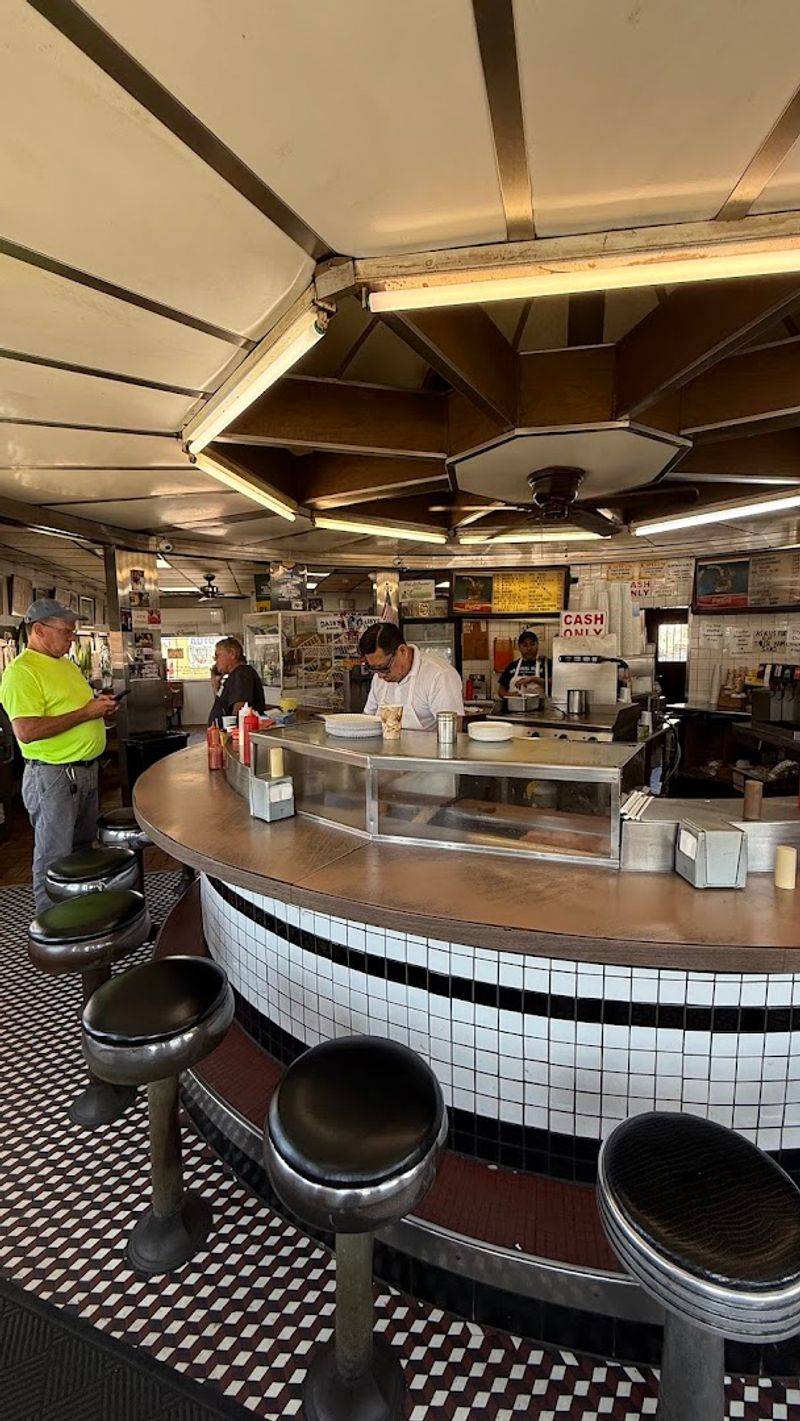
The customer base at White Mana Diner spans a wide range of backgrounds and motivations. Some people have been coming for years as part of a regular routine.
Others drive in from neighboring towns or stop while passing through on a road trip, having heard about the place through word of mouth or social media.
The counter setup naturally creates a communal atmosphere where people end up sitting close together and occasionally talking. There is no table for two tucked in a quiet corner.
Everyone faces the grill, and everyone is essentially sharing the same space. That layout tends to produce casual conversations that would not happen in a more formal setting.
First-time visitors who arrive with high expectations based on years of built-up hype sometimes find the experience more straightforward than they anticipated. The diner is not trying to exceed expectations with complexity or presentation.
It is doing exactly what it has always done, and for the right kind of customer, that is more than enough.
Why This Diner Still Matters
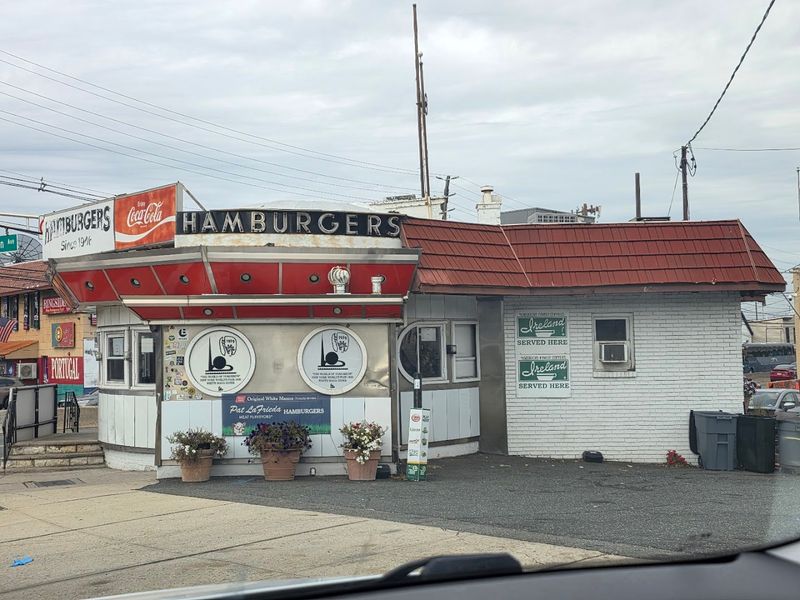
White Mana Diner has been operating on Tonnelle Avenue for decades, and the fact that it is still there, still serving the same menu, still cash-only, still unchanged, is itself a kind of statement. Most businesses that refuse to modernize do not survive.
This one has, and the reasons are worth considering.
The combination of genuine history, an affordable menu, and a consistent product has created a loyalty that advertising money cannot replicate. People return because the experience matches what they remember, and they bring others because the story of the place is easy to share and hard to forget.
In a food landscape where new concepts open and close within months, a diner that has been running since the World’s Fair era represents something genuinely rare. White Mana is not trying to be relevant.
It simply is relevant, because it stayed true to what it was from the beginning, and that kind of consistency tends to outlast almost everything else.



