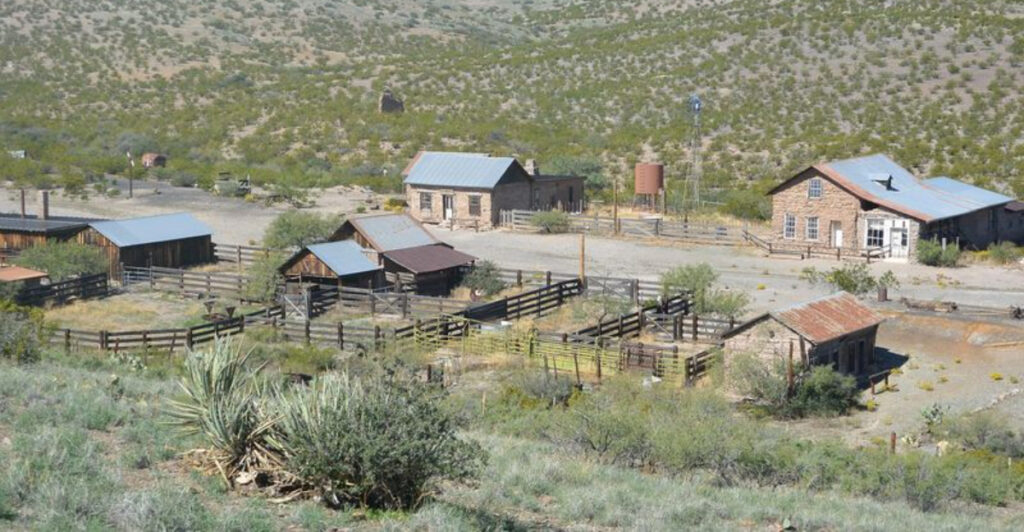
Somewhere in the high desert of southwestern New Mexico, a town that once buzzed with miners, outlaws, and stagecoaches still stands almost exactly as it was left behind. The buildings are original, the stories are real, and the family that owns the land has been keeping it alive for generations.
This is not a theme park or a Hollywood set. What waits at the end of that dusty road off the interstate is one of the most authentic slices of the American frontier you will ever walk through, and once you hear the history, you will understand why people drive hours just to spend an afternoon here.
A Town That Existed Before Tombstone
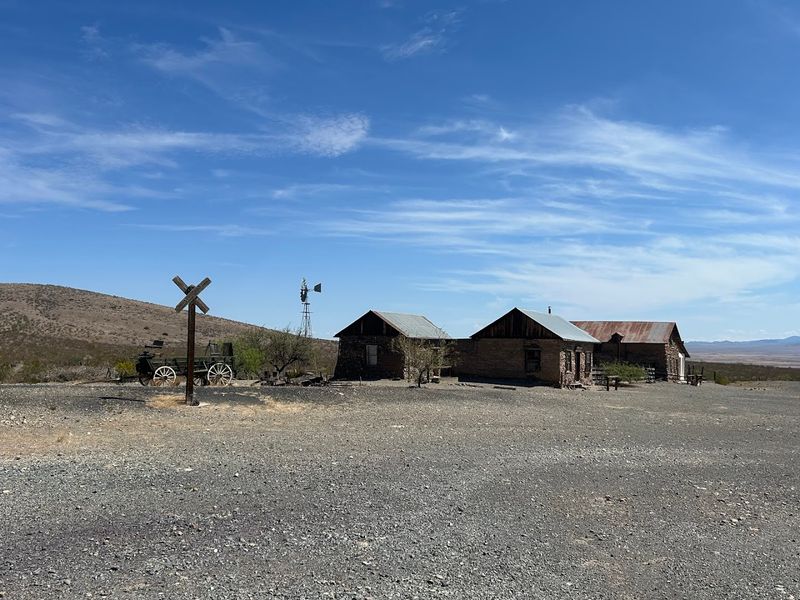
Most people associate the wild frontier with Tombstone, Arizona, but Shakespeare was already a thriving settlement before Tombstone ever appeared on a map. The area was first developed in the late 1860s as a mining camp, initially called Mexican Springs and later Grant before taking the name Shakespeare in 1879.
Silver and gold discoveries drew thousands of fortune seekers into this remote corner of New Mexico. At its peak, the town had hotels, saloons, a stage stop, a general store, and a population hungry for wealth and adventure.
The boom-and-bust cycle that defined so many western towns hit Shakespeare hard more than once. Each time the mines played out, people drifted away.
What they left behind, though, was not rubble. The buildings held together through the decades, waiting for the right family to step in and preserve them for the long haul.
The Family That Refused to Let It Disappear
The Hill family purchased Shakespeare in 1935, and the land has stayed in family hands ever since. That kind of long-term private stewardship is rare for a property with this much historical weight.
The current owner and guide, known to visitors as Dave, grew up surrounded by this history and clearly carries it as a personal responsibility.
Dave leads tours himself and brings an energy that no hired actor could replicate. His knowledge runs deep because the stories are his family stories.
He talks about the people who lived here the way someone might talk about distant relatives, with specific detail and genuine feeling.
Visitors regularly note that his passion for preservation is obvious in every corner of the property. Restoration work is ongoing, and Dave sometimes has to step away from scheduled tours to focus on that work, which is exactly why calling ahead before your visit is strongly recommended.
Buildings That Have Not Been Staged or Faked
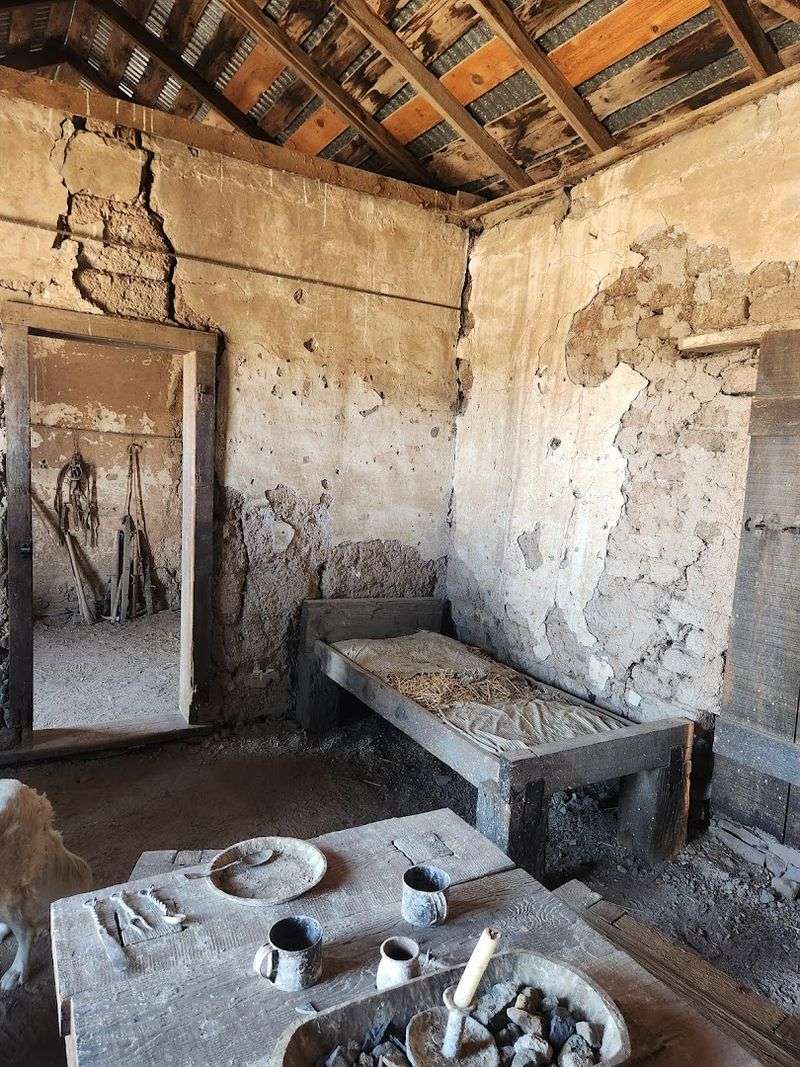
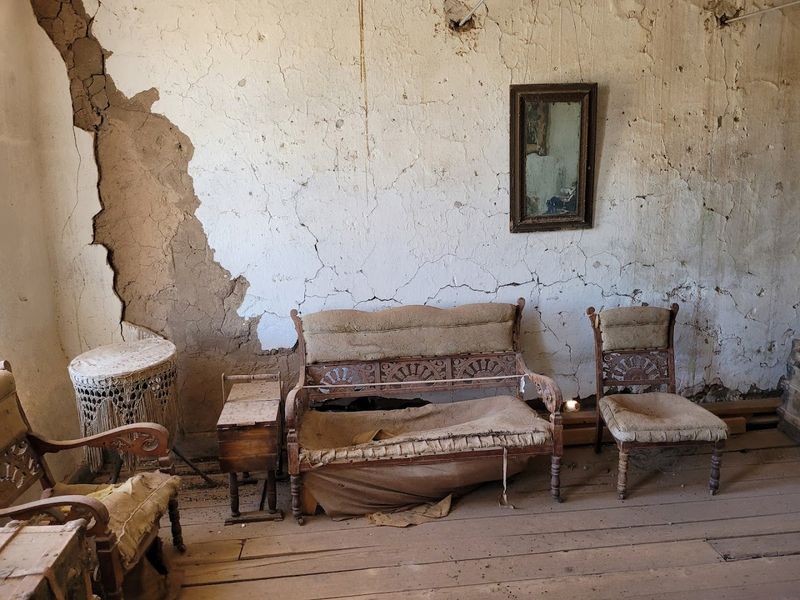
One of the first things you notice on the tour is that nothing here has been dressed up for tourists. The buildings are original structures, not reconstructions, and the contents inside them reflect actual use rather than careful staging.
Dust, weathered wood, and rusted metal tell the real story.
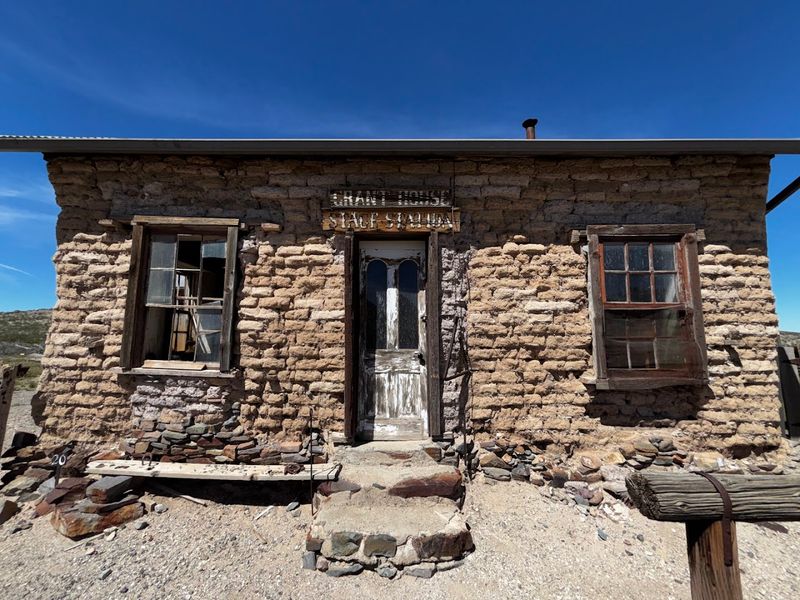
Several structures remain standing, including the stage stop, the hotel, and the general store area. Each one holds artifacts and architectural details that have survived more than a century of desert weather and neglect followed by careful preservation.
Walking through these spaces gives you a physical sense of what daily life looked like in a remote frontier settlement. The floors creak in the right places.
The light comes through windows at angles that feel unchanged. Nothing about the experience feels manufactured, and that authenticity is exactly what separates Shakespeare from the kind of western attractions that lean on costumes and gift shop candy.
The Blacksmith Shop That Deserves Its Own Museum
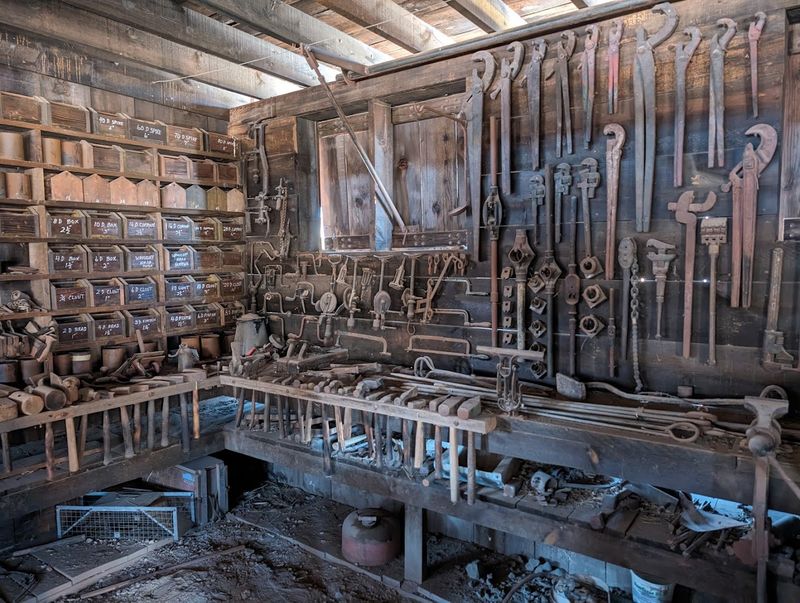
Among all the structures at Shakespeare, the blacksmith shop tends to stop visitors cold. The sheer number of original tools packed into that space is staggering.
Rusted implements hang from walls, crowd shelves, and cover every surface in a density that feels like a working shop frozen mid-task rather than a display.
A blacksmith was essential to any frontier town. Horses needed shoes, wagon wheels needed repair, and mining equipment needed constant maintenance.
The tools here represent all of that labor, and the variety is remarkable for a site that never had a formal curator sorting and labeling everything.
The shop has been described by visitors as worthy of being a standalone museum, which is high praise considering how much else there is to see on the tour. If you have any interest in craft history, trade, or frontier technology, plan to spend extra time in this building because it rewards slow, careful looking.
The Vault That Guards Something Extraordinary
Tucked inside one of the buildings is something visitors do not expect: a serious, heavy-duty vault that would look at home in a bank. Inside that vault sits the Jim Emanuel Western Collection, a preserved assemblage of pistols, rifles, saddles, and related frontier artifacts that represents years of careful collecting and curation.
Photography is not allowed inside the vault, which actually makes the experience more memorable. You are forced to look carefully and absorb what you see rather than stare through a lens.
The collection is extensive and the quality of preservation is exceptional.
The firearms alone tell a layered story about frontier technology, trade routes, and the practical realities of life in the Southwest during the 1800s. The saddles and leather pieces add another dimension.
Dave guides visitors through the collection with context that transforms a room full of old objects into a coherent narrative about the people who owned and used them.
Famous and Infamous Names That Passed Through
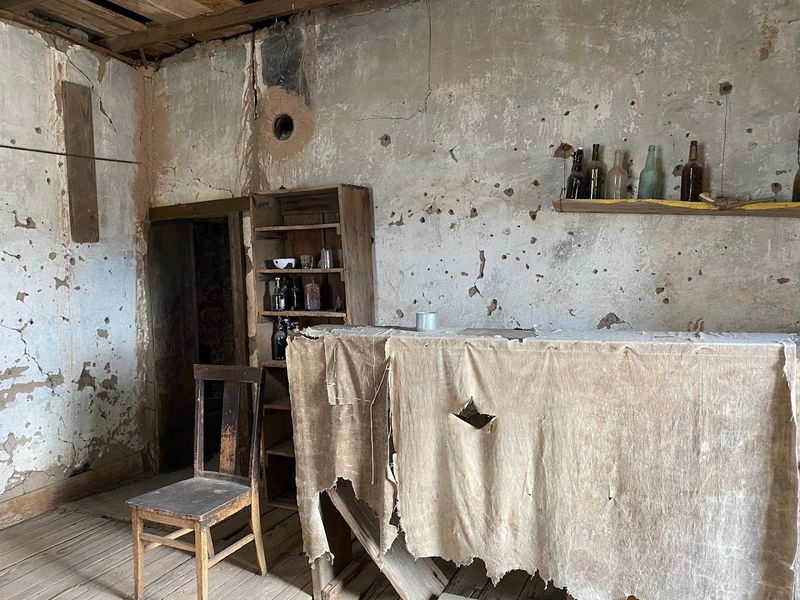
Shakespeare’s history includes some genuinely notable characters from the frontier era. Billy the Kid reportedly spent time in the area, and the town witnessed several violent episodes that made it into regional historical records.
The rough reputation of the place was earned honestly during its mining boom years.
The stage stop that still stands on the property was a legitimate stop on the Butterfield Overland Mail route, which means travelers, mail carriers, and a wide cast of frontier figures moved through this exact location. That connection to a major 19th-century transportation network gives Shakespeare a significance beyond just its mining history.
Dave shares these stories during the tour with the kind of detail that comes from years of research and family oral history. The accounts are not polished into legend.
They stay close to what is documented, which makes them feel more real than the dramatized versions you find in tourist-friendly frontier attractions elsewhere in the Southwest.
What the Tour Actually Looks and Feels Like
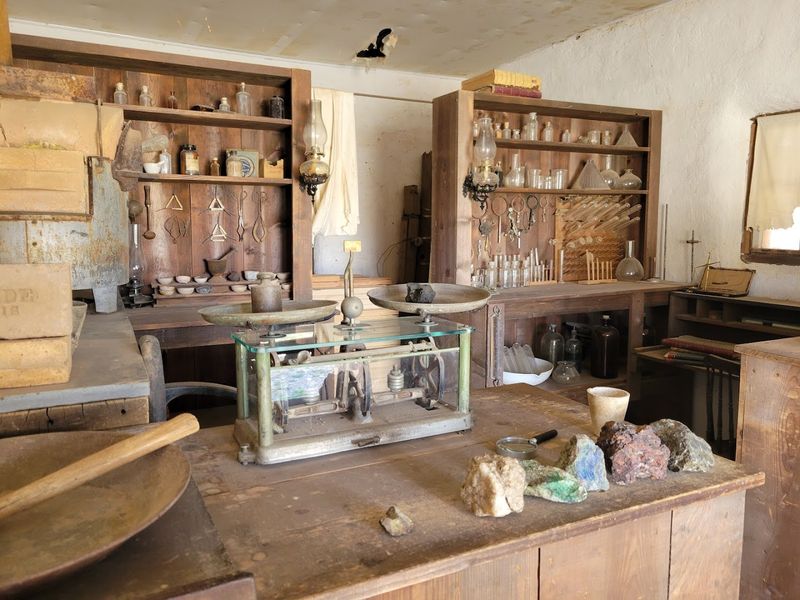
Tours at Shakespeare run about an hour and a half to two hours, which is longer than most visitors expect. The pace is unhurried, and Dave or another knowledgeable guide walks you through each building with stories and historical context woven together naturally.
You are not handed a pamphlet and sent off alone.
Groups tend to be small, and on some days you may be the only visitors on your tour. That one-on-one dynamic makes the experience feel like a private lesson from someone who genuinely knows the subject.
Questions are welcomed, and the guides answer them thoroughly rather than deflecting to a brochure.
Admission runs fifteen dollars for adults and seven dollars for children, which is genuinely reasonable for what you receive. The tour covers multiple buildings, the vault collection, the blacksmith shop, and considerable historical ground.
Wear comfortable shoes because the terrain is uneven and the ground is dry, hard-packed desert earth.
The Harvest Host Connection for RV Travelers
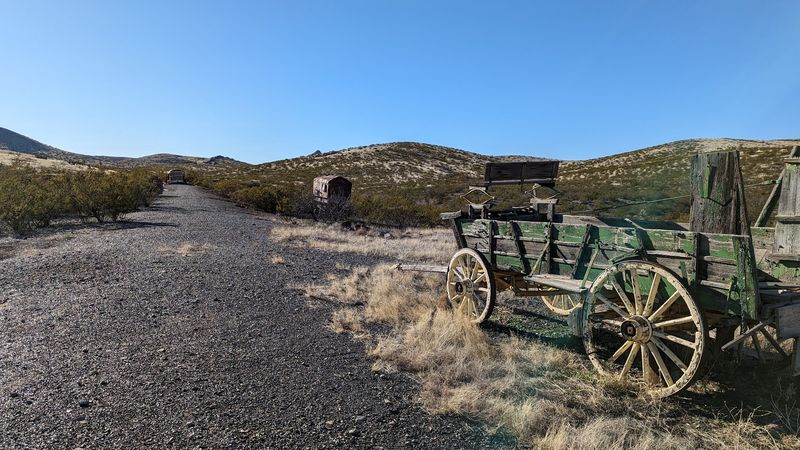
Shakespeare Ghost Town is a listed Harvest Host location, which means RV travelers who are members of the program can stay overnight on the property. The site offers plenty of space for rigs of various sizes, and the dirt road leading in is well-maintained enough for larger vehicles, though some washboarding keeps the approach slow and easy.
Spending a night here adds an entirely different layer to the experience. The desert sky after dark in Hidalgo County is remarkably clear, and the quiet around the old buildings takes on a different quality once the tour visitors have gone home for the day.
The views of the surrounding mountains and open desert from the property are genuinely impressive in every direction. RV guests who have stayed report that the combination of the historical setting and the natural landscape makes it one of the more memorable overnight stops in the entire Southwest region.
Planning Your Visit So Nothing Goes Wrong
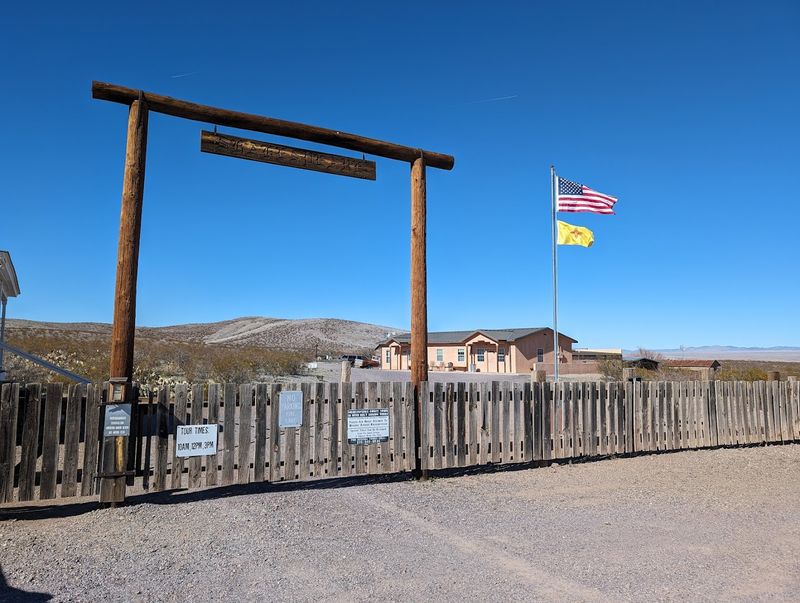
The single most important piece of advice for visiting Shakespeare is to call ahead. The property is privately run by a small family operation, and if no tours are booked, Dave may be off-site working on restoration projects or handling other responsibilities.
The phone number is 575-542-9034, and emailing through the website is also an option.
Tours are scheduled at 10 AM, noon, and 2 PM, Tuesday through Sunday. Arriving between scheduled times means you may not be able to access anything beyond the gated entrance.
One visitor who arrived at 10:30 without an appointment found the gate closed and only saw the schoolhouse from the road.
Summer heat in this part of New Mexico can be intense, so visiting in spring or fall is more comfortable. Bring water regardless of the season.
There is no concession stand or vending machine on site, and the nearest town services are back in Lordsburg along Interstate 10.
Why This Place Stays With You After You Leave
Most tourist attractions fade quickly from memory. Shakespeare tends to stick.
The combination of genuine history, unaltered physical spaces, and a guide who tells stories with real personal investment creates an experience that feels more like a conversation than a tour.
Visitors who grew up reading about the Old West often say they left Shakespeare feeling like they finally understood what that era actually looked like on a practical, human level. Not the movie version.
The real version, with hard work, isolation, and communities built on fragile economic foundations.
The fact that one family has kept this place intact and accessible for nearly ninety years is its own remarkable story layered on top of everything else. Shakespeare Ghost Town is not famous in the way that Tombstone or the Grand Canyon is famous, but the people who find it tend to rank it among the most meaningful stops they have ever made in the American Southwest.
Where Shakespeare Ghost Town Actually Sits
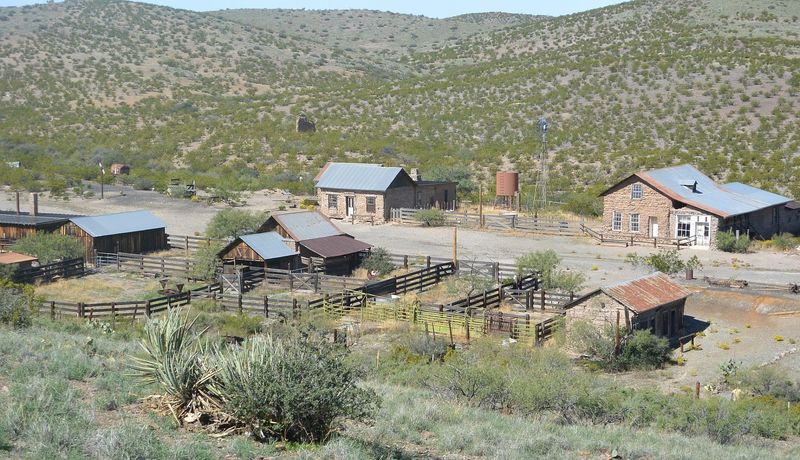
The address is NM-494, Lordsburg, New Mexico 88045, just a few miles south of Interstate 10 in Hidalgo County. Shakespeare Ghost Town sits quietly in the Pyramid Mountains foothills, surrounded by open desert scrubland and wide sky.
The drive in is on a well-maintained dirt road, and the scenery alone sets the mood before you even reach the gate.
Lordsburg is a small town in the southwestern corner of New Mexico, closer to Arizona than to Albuquerque. Shakespeare itself predates many famous frontier settlements, which surprises most visitors who arrive expecting something minor.
The site is privately owned and operated, which means your visit feels personal rather than corporate. You can reach the owners at 575-542-9034 or visit shakespeareghostown.com to plan your trip.
Tours run Tuesday through Sunday from 10 AM to 3 PM, with scheduled times at 10 AM, noon, and 2 PM.
Share this story