 Unearth The Voyage
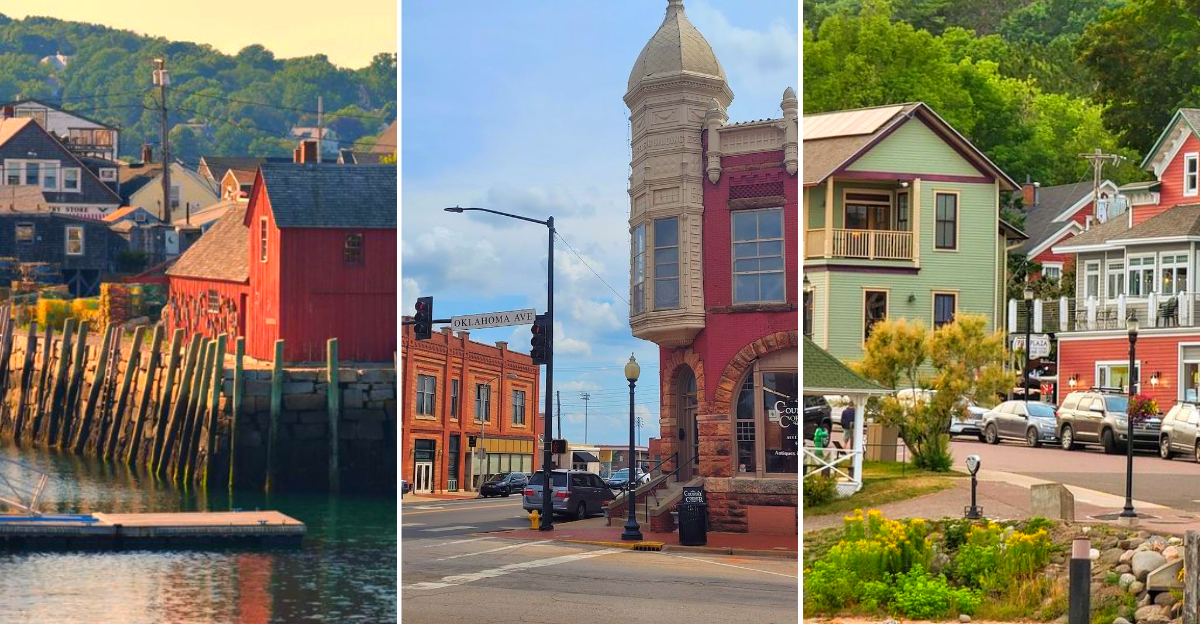
Some places just feel different the moment you arrive. Every state has a town that seems to gather everything people love about it into one walkable stretch, with old storefronts, long-held traditions, and streets shaped by decisions made decades ago.
But these places are more than just charming stops. They quietly tell bigger stories about shipping booms, railroad ambitions, courthouse deals, tourism waves, and the choices communities made about what to keep and what to change.
What you will find ahead is not just a travel list. It is a look at fifty places that still hold onto something real, where daily life, history, and habit blend together in a way that feels familiar even if you have never been there before.
And once you see which places made the list, you might start wondering which one feels most like your version of home.
1. Alabama – Fairhope
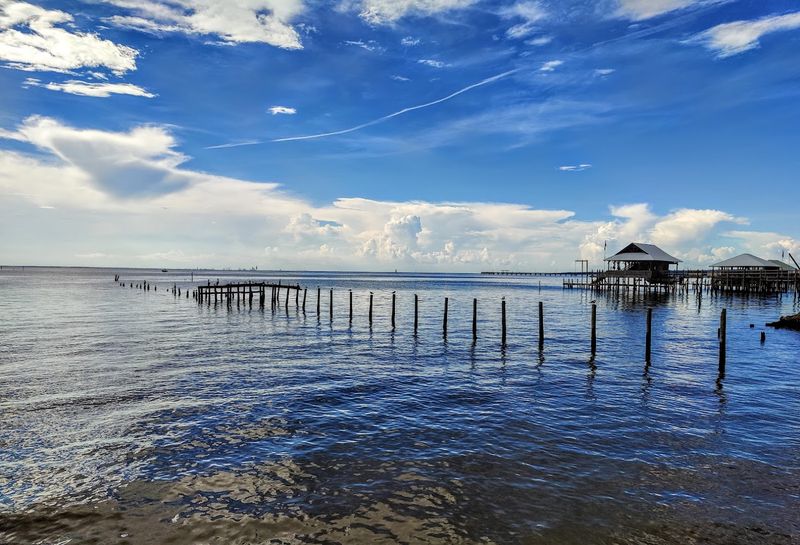
Some towns seem to have been drafted by a very opinionated civic club, and Fairhope fits that bill. Founded in 1894 as a single-tax colony, it began as a social experiment shaped by reformers who wanted land use to support the common good.
That unusual origin still gives the town a thoughtful layout, active public spaces, and a strong local identity. You can trace its homey pull through bayfront parks, independent shops, and a tradition of community-minded planning.
2. Alaska – Sitka
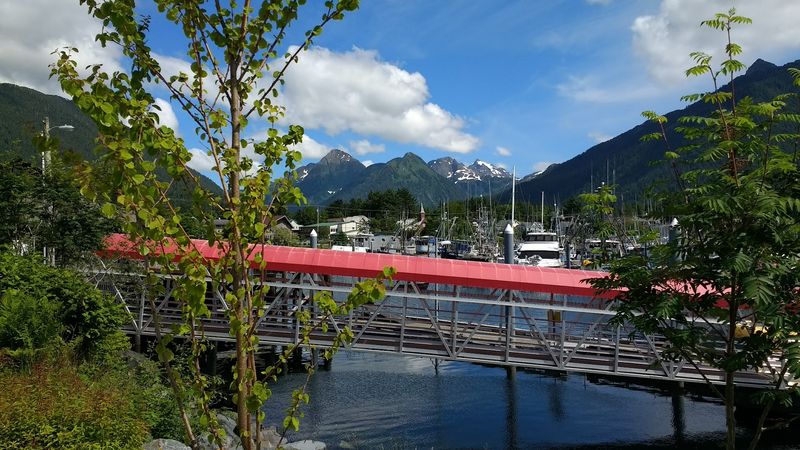
If any American town carries multiple passports in its past, it is Sitka. Once the capital of Russian America, it still shows that layered history through Saint Michael’s Cathedral, Tlingit heritage, and a waterfront shaped by maritime trade.
After the 1867 transfer of Alaska to the United States, Sitka remained a cultural crossroads instead of a historical footnote. That blend of Indigenous continuity, fishing economy, and old civic landmarks makes everyday life here feel deeply rooted.
3. Arizona – Bisbee
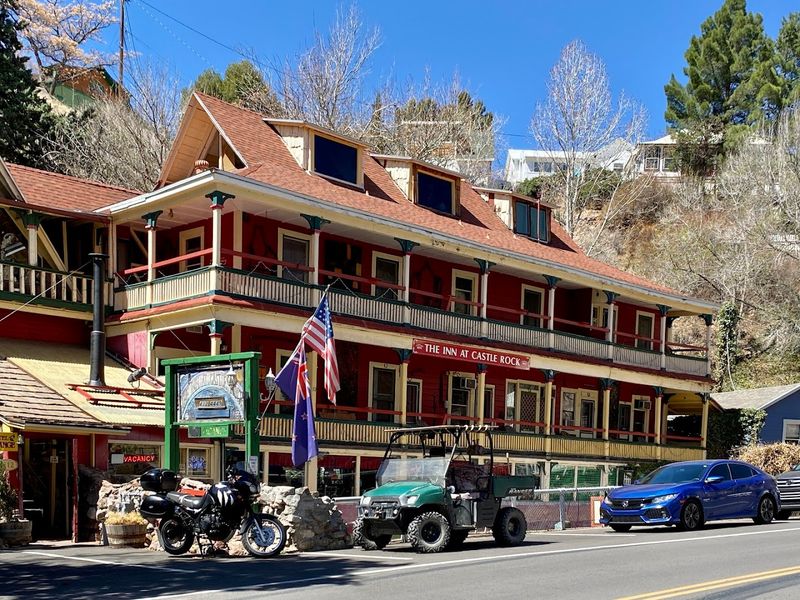
Gravity and copper built Bisbee into one of the West’s oddest success stories. In the late nineteenth century, mining money carved a dense hillside town with brick blocks, boarding houses, and stair-stepped neighborhoods that still look pleasantly unconcerned with suburban rules.
When the mining era faded, artists, preservationists, and stubborn locals kept the place from turning into a ghostly museum piece. That practical reinvention gives Bisbee its warmth, with history visible in every incline and storefront.
4. Arkansas – Eureka Springs
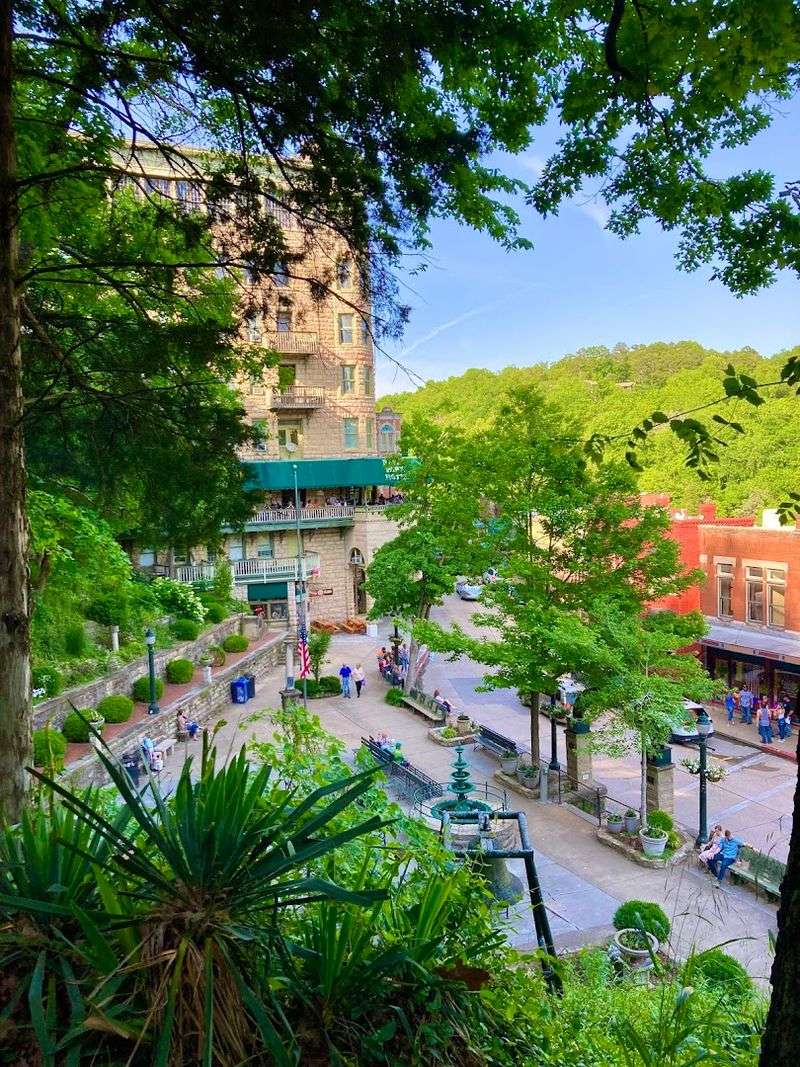
A town with no street grid and plenty of confidence usually earns attention, and Eureka Springs does. It surged in the 1880s as a spa destination built around spring-water claims, then developed into a Victorian hillside community full of hotels, cottages, and tightly packed commercial blocks.
Because the terrain discouraged standard expansion, the historic core stayed unusually intact. That physical continuity, paired with long-running tourism and independent businesses, makes Eureka Springs feel lived-in rather than staged for a postcard.
5. California – San Luis Obispo
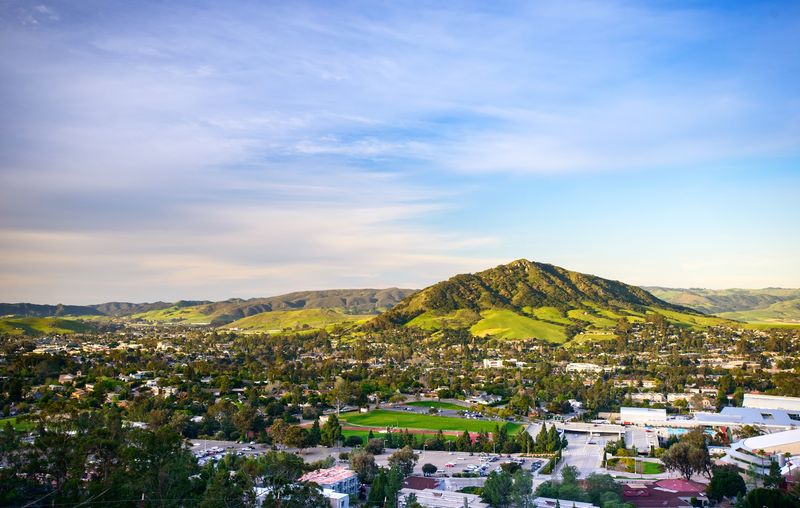
Few places wear three centuries of California history as casually as San Luis Obispo. Founded around Mission San Luis Obispo de Tolosa in 1772, it grew from Spanish colonial roots into an agricultural hub, railroad stop, and university town with unusual continuity.
The result is a downtown where civic buildings, storefronts, and public rituals still interact instead of competing. Weekly markets, preserved architecture, and a strong regional identity help the city feel dependable in a state famous for reinvention.
6. Colorado – Fort Collins
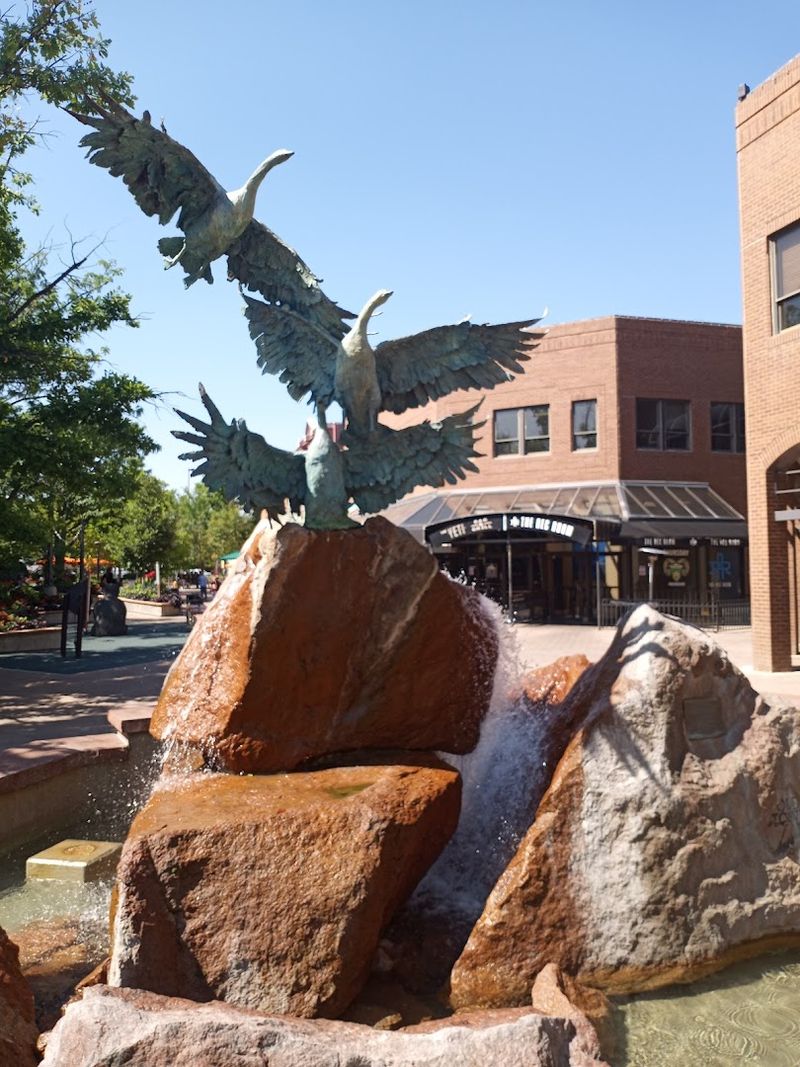
Fort Collins has the neat trick of feeling organized without feeling overly polished. Established as a military outpost in 1864 and later shaped by agriculture and Colorado State University, it developed a downtown of sturdy brick blocks that rewarded preservation over wholesale replacement.
Old Town became a model for how a Western city could modernize while keeping its nineteenth-century core useful. That balance of campus energy, local business, and civic pride gives it an easy hometown credibility.
7. Connecticut – Essex
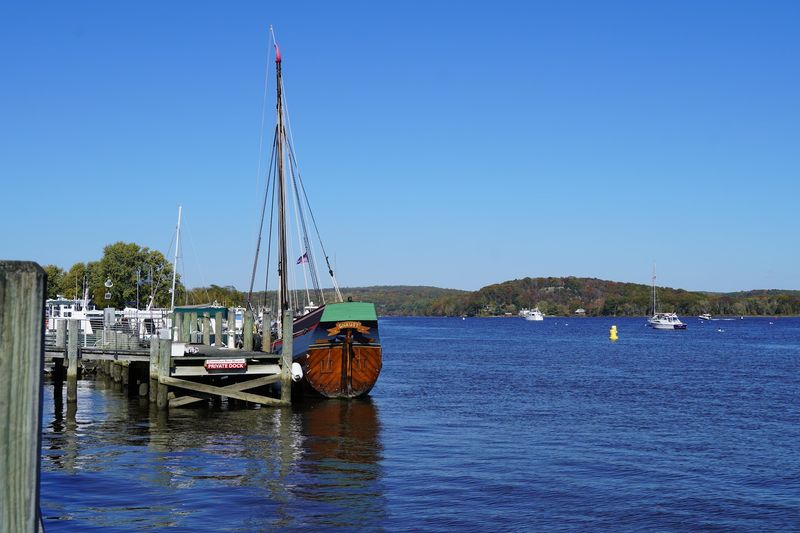
Essex looks like the kind of place that kept its records in excellent order, and that turns out to be true. This Connecticut River town prospered through shipbuilding and maritime trade, especially in the eighteenth and nineteenth centuries, leaving behind a remarkably coherent village center.
Even the famous British raid of 1814 became part of a long civic memory rather than the whole story. Today, preserved homes, museums, and waterfront traditions make Essex feel steady, social, and unmistakably New England.
8. Delaware – Lewes
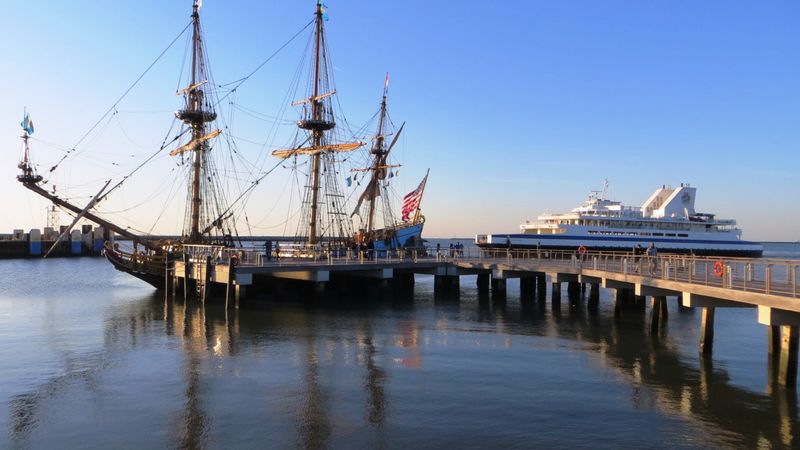
History arrived early in Lewes and never really left the front porch. Founded in 1631 near the site of the Dutch settlement of Zwaanendael, it carries colonial, maritime, and military layers that give this small coastal town unusual depth.
Its role as a bay port and gateway near Cape Henlopen shaped both commerce and daily routine for generations. Walkable streets, old homes, and a continued connection to water make Lewes feel practical, familiar, and comfortably seasoned.
9. Florida – Mount Dora
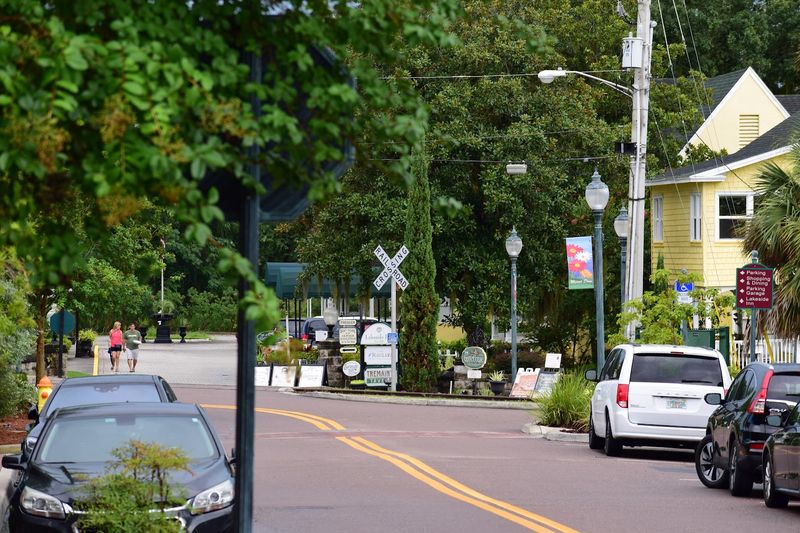
Florida has no shortage of flashy reinventions, which is why Mount Dora feels pleasantly contrarian. Developed in the late nineteenth century as a lakefront retreat and later known for citrus, inns, and antique culture, it kept a compact downtown that resisted anonymous sprawl.
The town’s appeal comes from continuity more than spectacle. Early twentieth-century buildings, community festivals, and a habit of preserving local character give Mount Dora the kind of everyday friendliness many Florida places traded for speed.
10. Georgia – Dahlonega
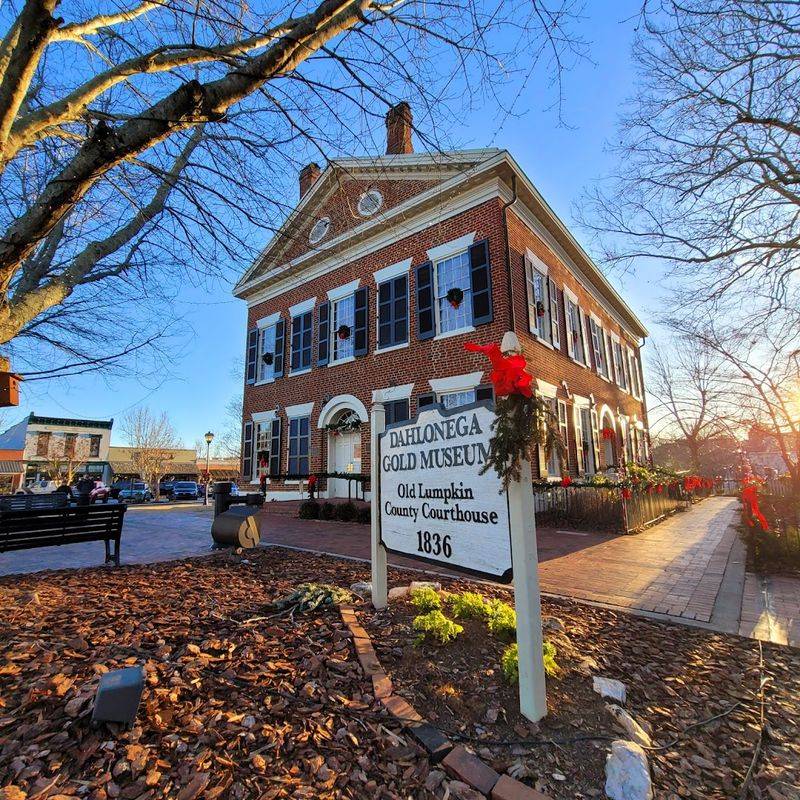
Before California grabbed the headlines, Dahlonega had already started a gold rush. The 1828 discovery of gold in north Georgia transformed this mountain settlement, and the public square that grew around the courthouse remains the town’s civic anchor.
Later, the arrival of North Georgia College added an educational layer that kept Dahlonega from becoming a single-industry relic. Gold history, mountain traditions, and an active downtown combine here in a way that feels welcoming rather than performative.
11. Hawaii – Hanalei
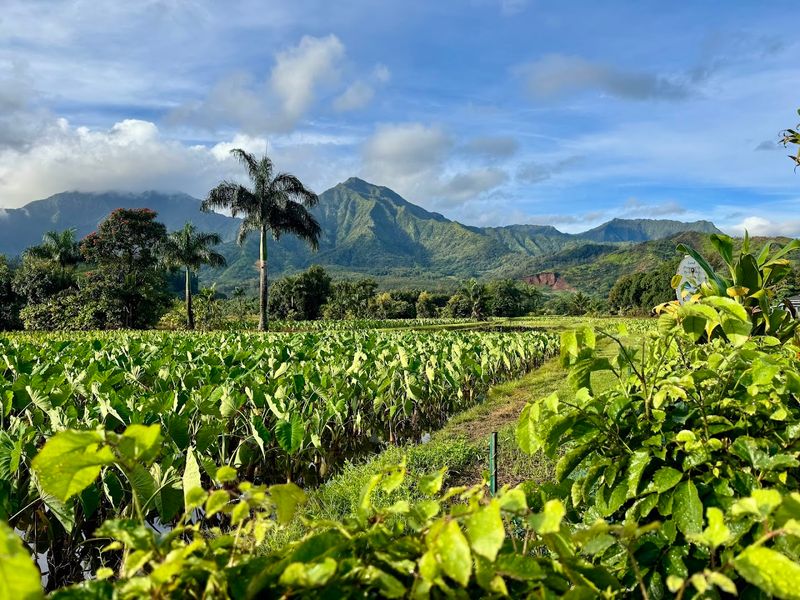
Hanalei makes rural history feel like a living system instead of a souvenir category. On Kauai’s north shore, the town developed through taro cultivation, ranching, rice production, and later tourism, all while remaining tied to Native Hawaiian land use and local family networks.
Its scale matters as much as its scenery. Modest commercial buildings, agricultural traditions, and a continued relationship to the valley help Hanalei feel grounded, which is not always easy in places that visitors instantly decide are paradise.
12. Idaho – Sandpoint
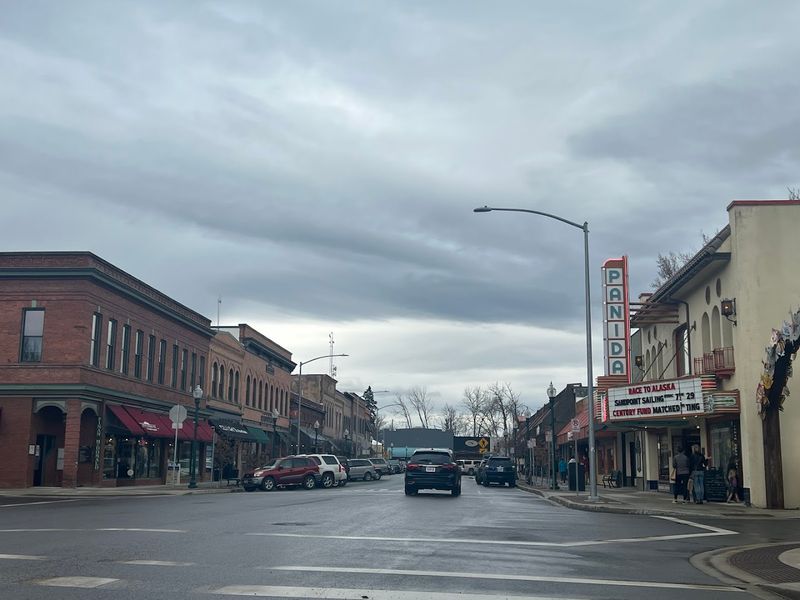
Sandpoint has the sturdy confidence of a place that learned early how geography could pay the bills. Positioned near Lake Pend Oreille and important rail routes, it grew in the late nineteenth century through timber, transportation, and regional trade.
That working-town foundation still shapes its character even as recreation now draws new attention. Historic commercial blocks, lake access, and a downtown that remains locally useful make Sandpoint feel like a real community first and a destination second.
13. Illinois – Galena
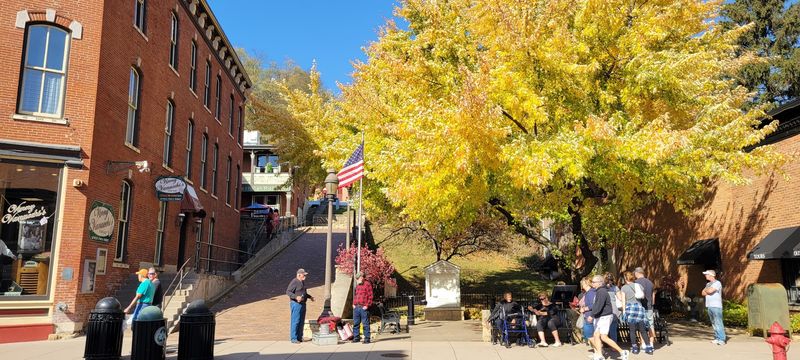
Galena once had enough lead mining money to build a downtown that still looks impressively overqualified. In the early nineteenth century, the town became a major river port and commercial center, producing fortunes, elegant homes, and a main street full of substantial brick architecture.
Its later economic slowdown accidentally protected that built environment from excessive redevelopment. Add in the Ulysses S.
Grant connection and strong preservation efforts, and Galena feels like a town that kept its paperwork, manners, and front facades in order.
14. Indiana – Nashville
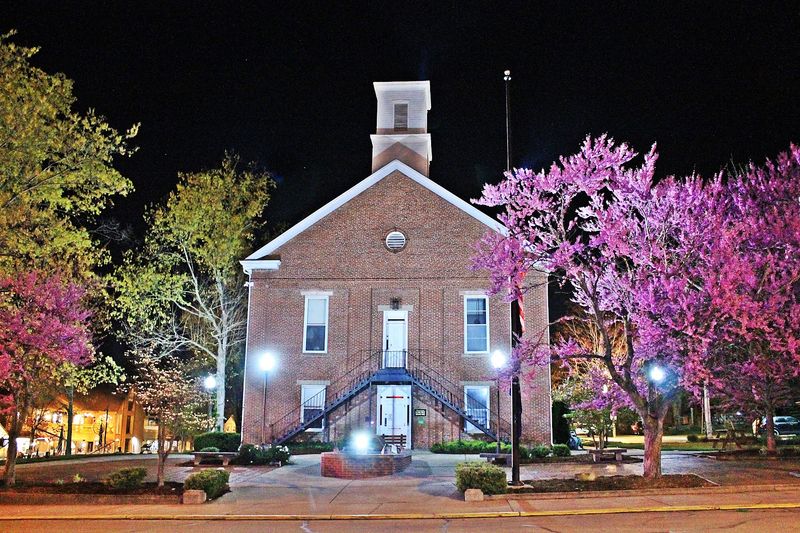
Nashville, Indiana, proves a small town can reinvent itself without misplacing its core personality. Founded in the nineteenth century as a county seat, it became nationally known in the early twentieth century through the Brown County Art Colony, which drew painters and cultural attention.
That artistic chapter layered onto an existing courthouse-town framework rather than replacing it. Today the mix of regional crafts, older civic buildings, and hill-country traditions gives Nashville a rooted feel that extends beyond weekend tourism.
15. Iowa – Decorah
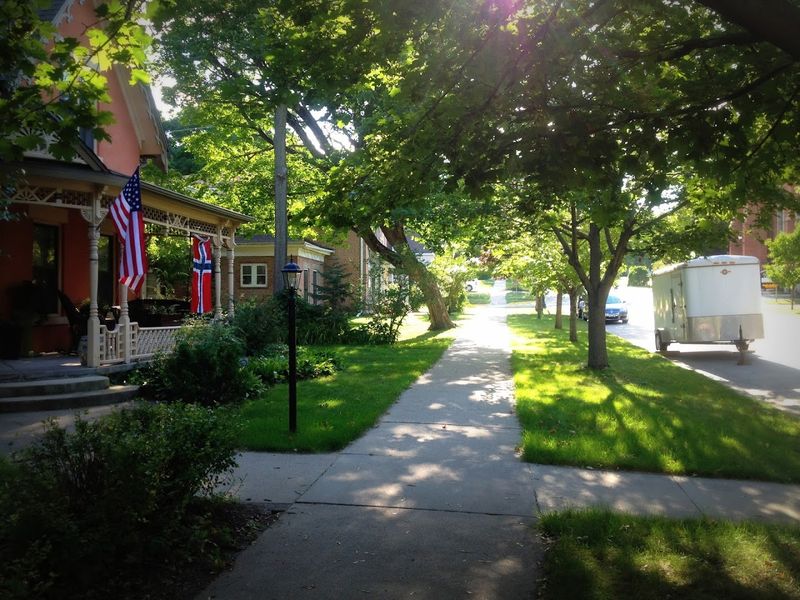
Decorah carries its heritage with admirable precision and very little fuss. Settled heavily by Norwegian immigrants in the nineteenth century, it developed institutions, churches, and community traditions that still give the town a distinct identity within Iowa’s broader agricultural landscape.
Luther College added intellectual and cultural continuity, while the downtown remained a practical center rather than an abandoned backdrop. Museums, festivals, and familiar Midwestern routines make Decorah feel like one of those rare places where history still handles everyday errands.
16. Kansas – Lindsborg
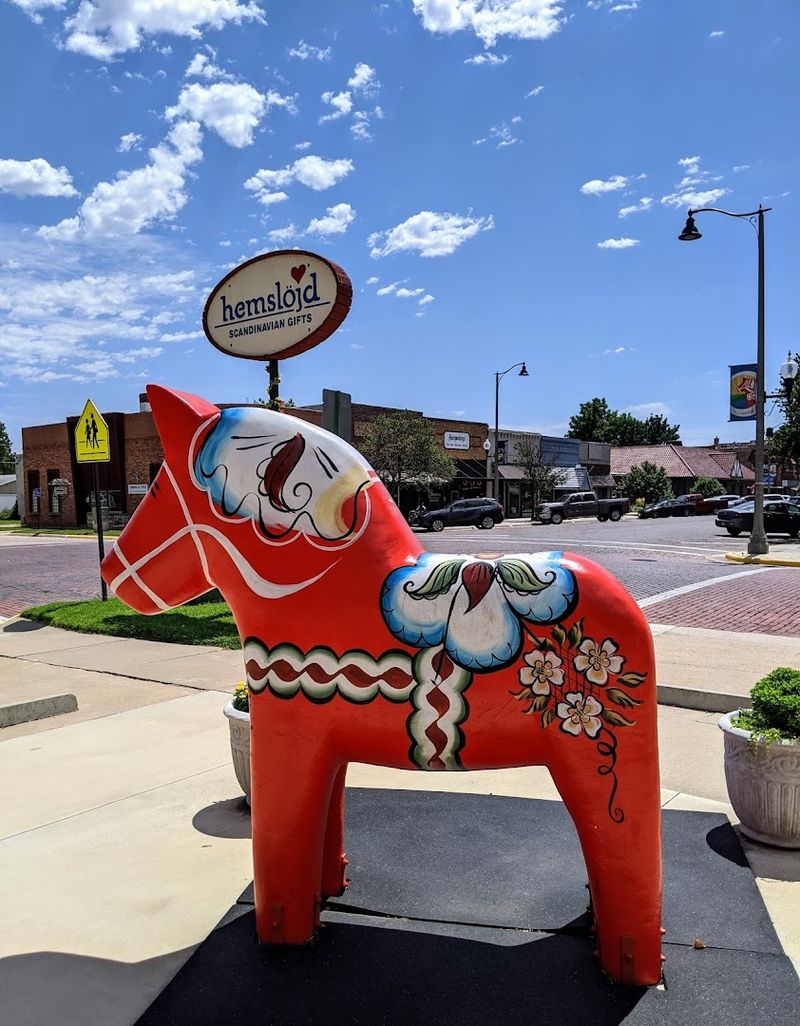
Lindsborg wears its Swedish heritage so clearly that the town reads like a civic agreement. Founded by Swedish immigrants in 1869, it preserved language traditions, festivals, church life, and decorative customs while also functioning as a practical prairie community.
That combination matters. The town is not heritage in a display case, but a place where ethnic memory shaped schools, businesses, and public celebrations across generations.
With Bethany College and a lively main street, Lindsborg feels distinctly personal and surprisingly durable.
17. Kentucky – Midway
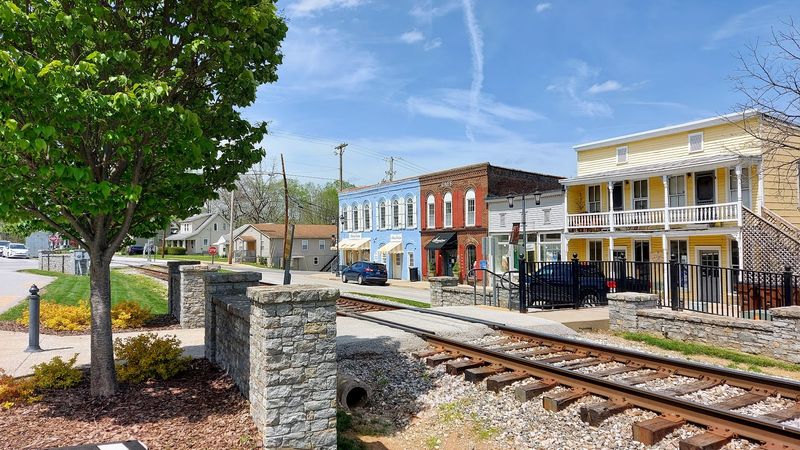
Midway practically announces its origins in the name and the town plan. Established in 1835 between Lexington and Frankfort, it became Kentucky’s first railroad town, with tracks running directly through the commercial center and shaping business for generations.
That unusual arrangement still gives the place a strong sense of purpose. Historic storefronts, surrounding horse country, and a downtown that developed around movement rather than isolation make Midway feel intimate, active, and a little more interesting than the average postcard village.
18. Louisiana – Covington
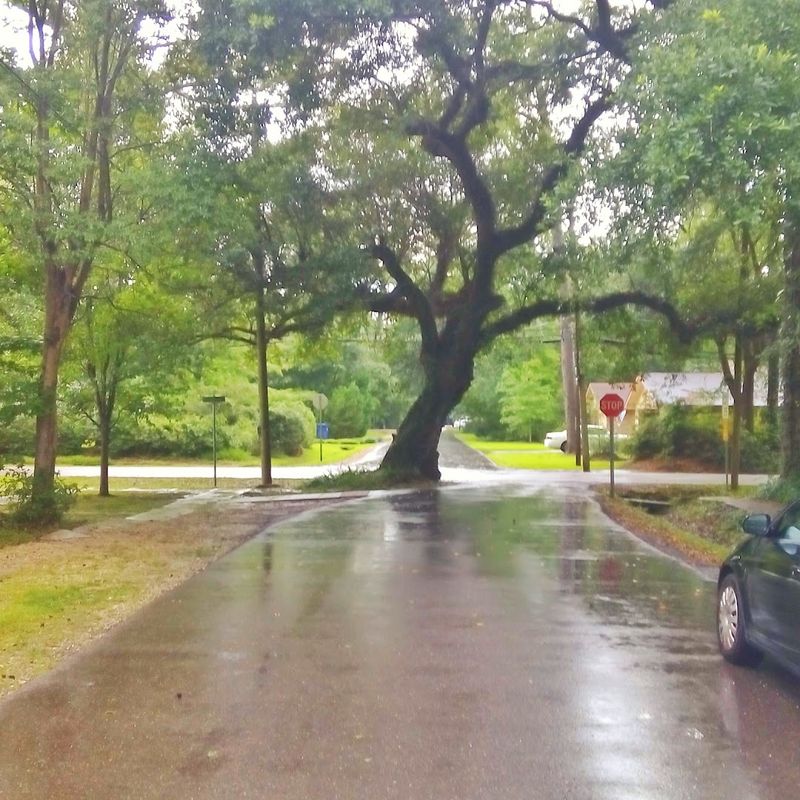
Covington earned its place by serving as a practical counterweight to larger Louisiana cities. Founded in 1813 on the Northshore of Lake Pontchartrain, it developed through river commerce, trade routes, and later as a healthy retreat destination connected to New Orleans.
Its built environment reflects that long, useful history more than any single boom. Old commercial structures, civic buildings, and a walkable center support a town identity that feels settled and communal, with enough regional character to stay memorable without trying too hard.
19. Maine – Camden
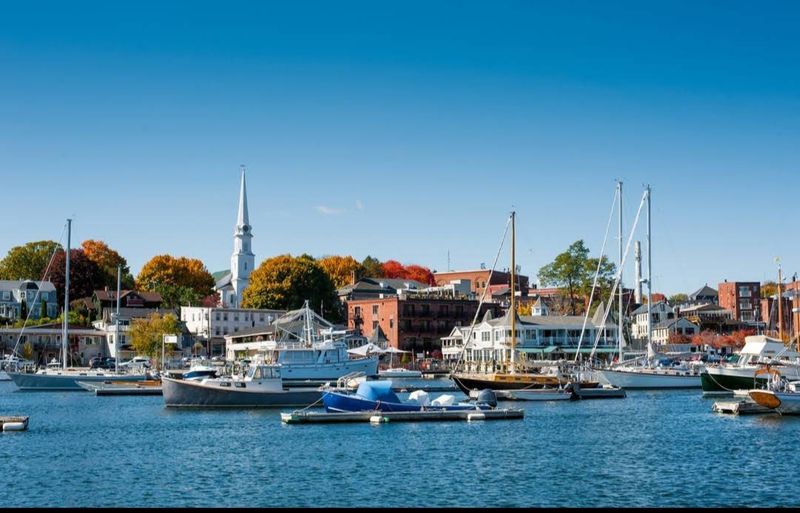
Camden makes maritime history look less like nostalgia and more like municipal infrastructure. In the nineteenth century, it prospered through shipbuilding, coastal trade, lime production, and later tourism, all of which left a downtown scaled to real commerce rather than fantasy.
The harbor remains central, but the town’s appeal comes from continuity between working waterfront traditions and civic preservation. Inns, storefronts, public spaces, and long-established homes help Camden feel like a place people maintain because they actually intend to stay.
20. Maryland – St. Michaels
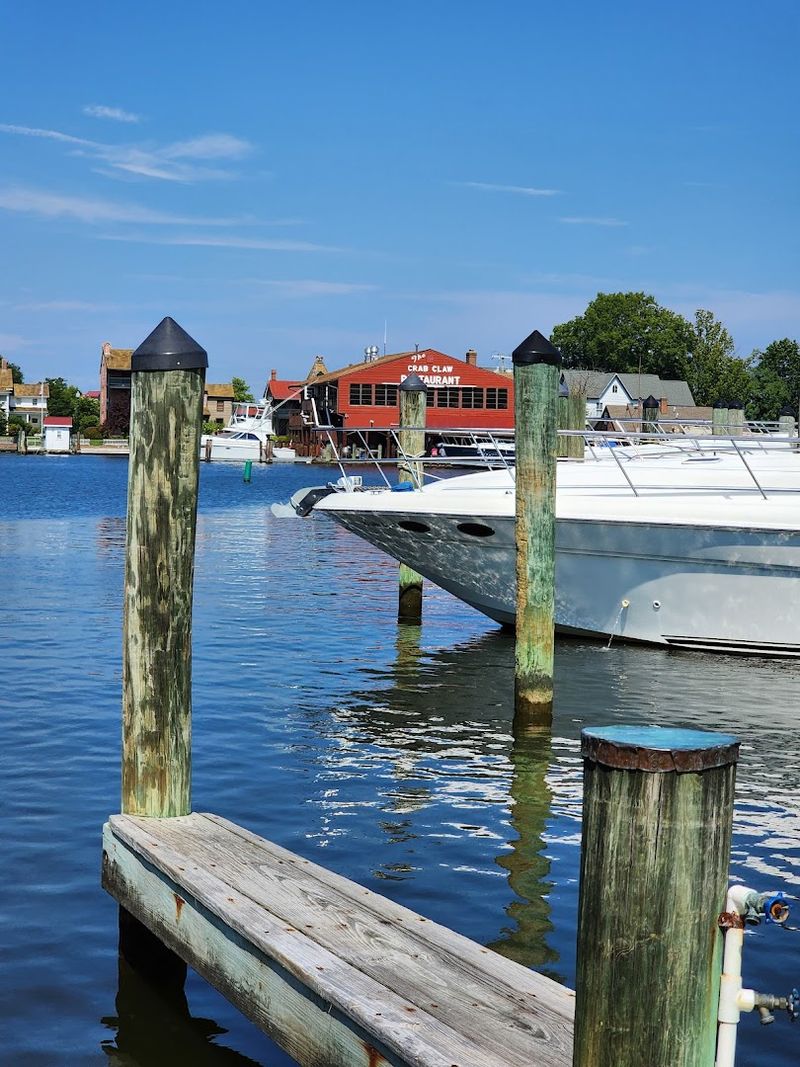
St. Michaels has spent centuries proving that a small Chesapeake town can hold an impressive historical resume. Founded in the colonial era and shaped by shipbuilding, oystering, and bay commerce, it developed a waterfront culture that still defines local rhythms.
The town is also famously linked to the War of 1812, which adds a memorable civic anecdote without overwhelming everything else. Maritime museums, preserved houses, and steady main street life give St. Michaels a homey confidence that feels earned.
21. Massachusetts – Rockport
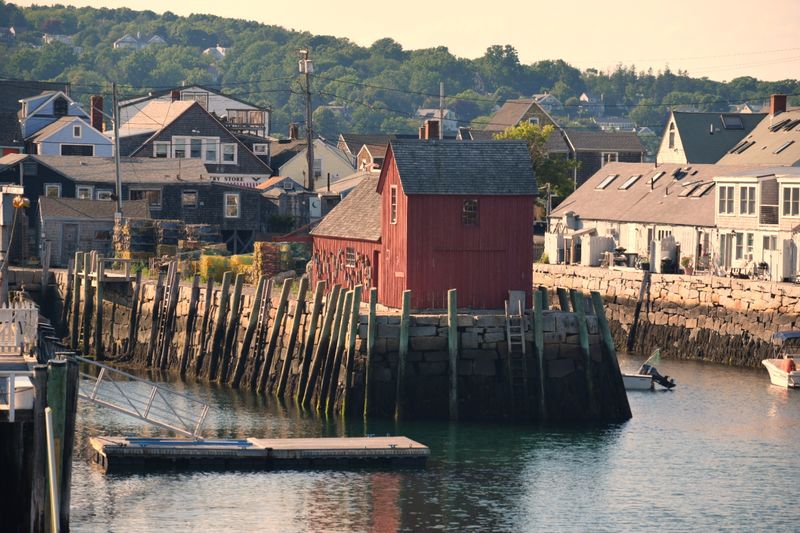
Rockport turned granite and fishing into a town identity, then added artists without losing balance. Incorporated in 1840 after separating from Gloucester, it built its economy on quarrying and maritime work before becoming a well-known art colony in the twentieth century.
That sequence matters because the creative reputation rests on an older working-town framework. Modest scale, durable architecture, and a harbor still central to local memory make Rockport feel less like a performance and more like an inhabited New England village.
22. Michigan – Petoskey
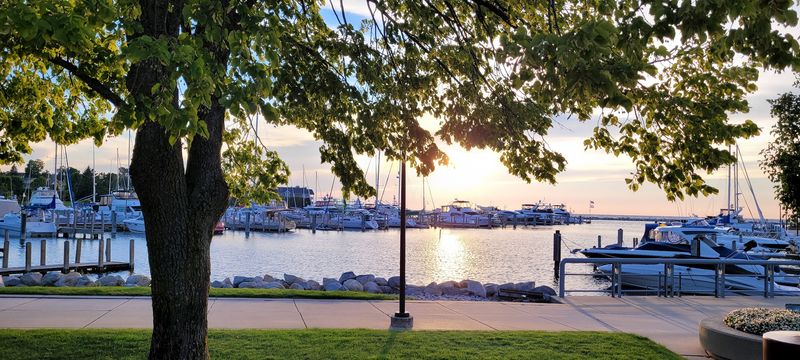
Petoskey has the rare gift of feeling both resort-like and deeply local, which took time to assemble. It grew in the late nineteenth century as a rail-linked vacation destination, but its story also includes Odawa history, regional trade, and a sturdy commercial district.
The Gaslight District remains central because preservation kept it functional rather than frozen. Add lakefront access, historic hotels, and generations of seasonal returnees, and Petoskey feels like the kind of place that remembers your habits even if you have been away.
23. Minnesota – Grand Marais
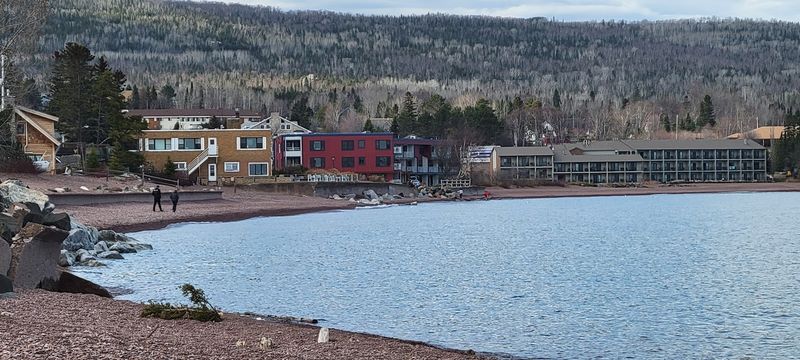
At the far edge of Lake Superior, Grand Marais built a town identity around endurance and exchange. It developed from an Ojibwe homeland into a fishing, fur trade, and harbor community, then later became a center for artists, outdoor travelers, and small business owners.
Its compact downtown still serves everyday needs, which helps the history stay visible. The harbor, local institutions, and strong regional culture give Grand Marais a lived-in credibility that keeps it from feeling like a scenic idea instead of a real town.
24. Mississippi – Ocean Springs
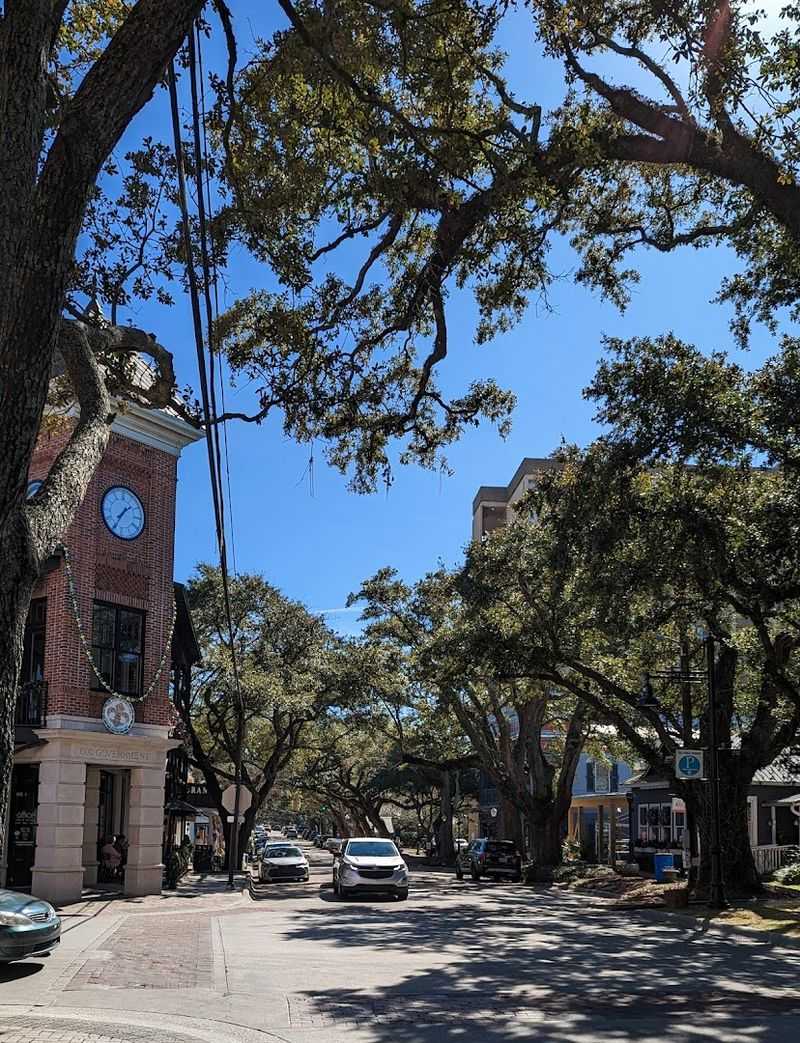
Ocean Springs has managed to be coastal, artistic, and historically grounded without turning into a caricature. Founded in 1699 during the French colonial period, it carries one of the oldest European settlement stories on the Gulf Coast, later shaped by shipping and tourism.
In the twentieth century, its arts community and walkable downtown gave it a strong civic personality. That long timeline, paired with a scale people can actually use, makes Ocean Springs feel approachable, neighborly, and very hard to fake.
25. Missouri – Hermann
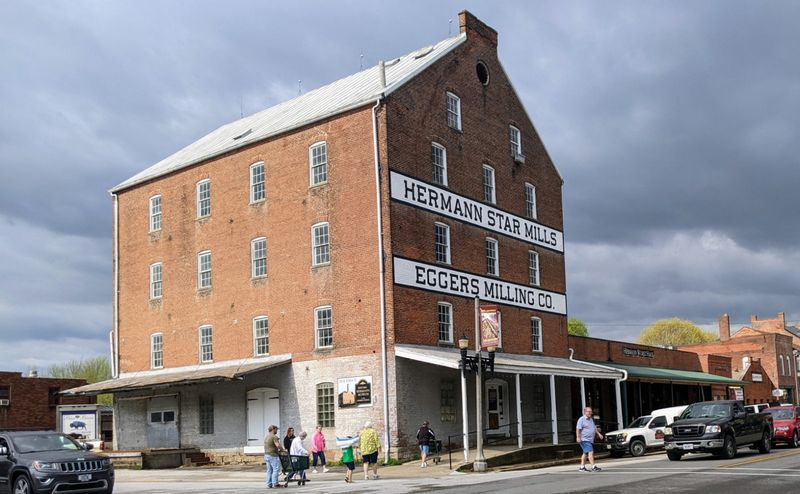
Hermann shows what happens when immigrant planning and geography agree to cooperate. Founded in the 1830s by German settlers along the Missouri River, it developed a distinctive townscape of brick buildings, hillside houses, churches, and agricultural traditions shaped by central European customs.
Its wine heritage gets attention, but the deeper story is cultural persistence. Language, festivals, foodways, and preservation all helped Hermann retain a coherent identity, making it feel less like a themed destination and more like a place with inherited habits.
26. Montana – Whitefish
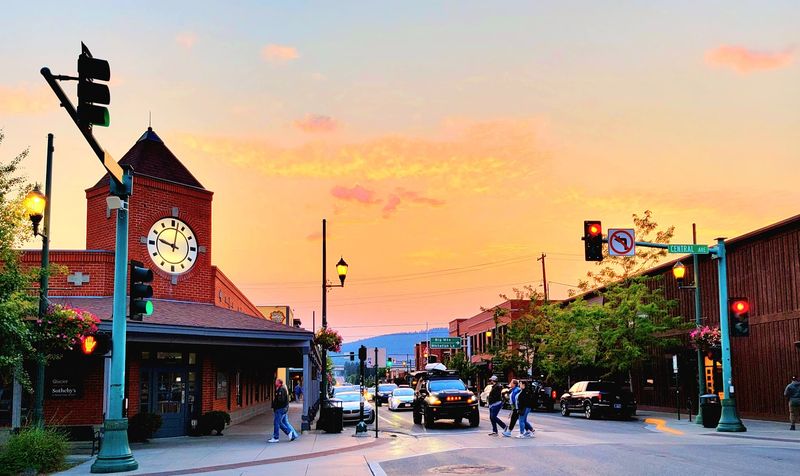
Whitefish started with rails and timber before recreation became the headliner. Founded in the early twentieth century and closely tied to the Great Northern Railway, it grew as a transportation and logging town with the kind of downtown that had to be useful in all seasons.
Tourism later expanded the economy, but the town kept visible links to its working origins. Historic depots, local businesses, and strong access to surrounding landscapes give Whitefish a settled feel that goes beyond ski-season enthusiasm.
27. Nebraska – Seward
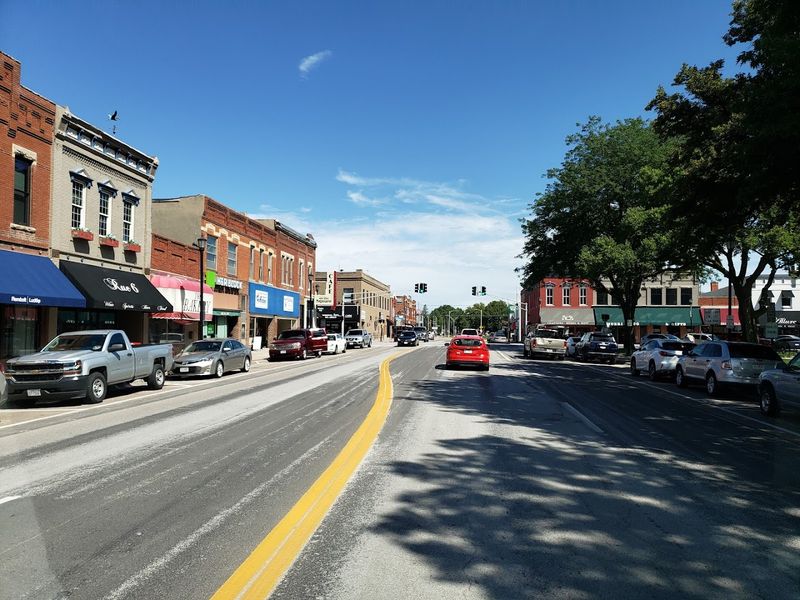
Seward’s biggest claim to fame is patriotic, but its hometown appeal comes from older civic habits. Established in 1868 and strengthened by railroads, county government, and Concordia University, it developed a courthouse-centered community that still functions as a social anchor.
The famous Fourth of July celebration is important, yet it works because it grows from a real local structure. Brick storefronts, educational institutions, and long-running traditions make Seward feel like a town that knows exactly how to gather people.
28. Nevada – Genoa
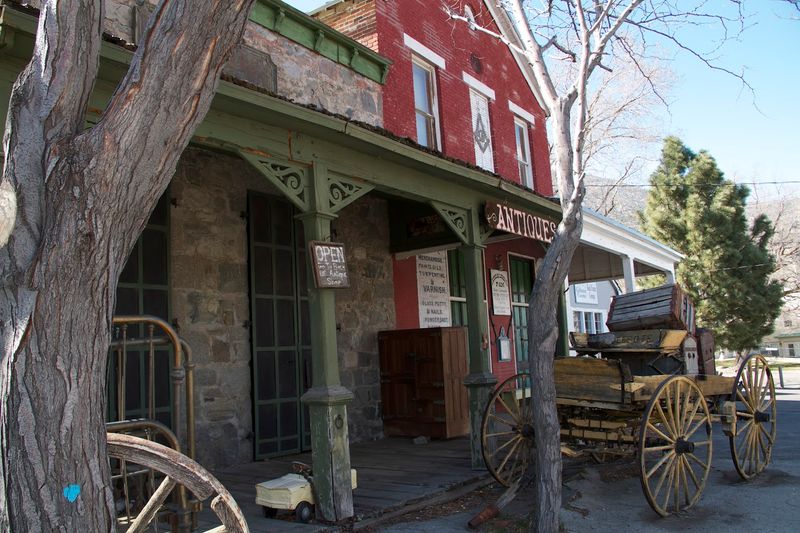
Genoa carries itself like a town that remembers being first, because in many ways it was. Founded in 1851, it is Nevada’s oldest permanent settlement, beginning as a trading post and service center for emigrants, ranchers, and nearby mining activity.
That frontier origin still shapes the compact townscape and civic memory. Rather than chasing a larger identity, Genoa kept a human scale, preserved important buildings, and stayed connected to Carson Valley life, which gives it an unusually dependable sense of place.
29. New Hampshire – Hanover
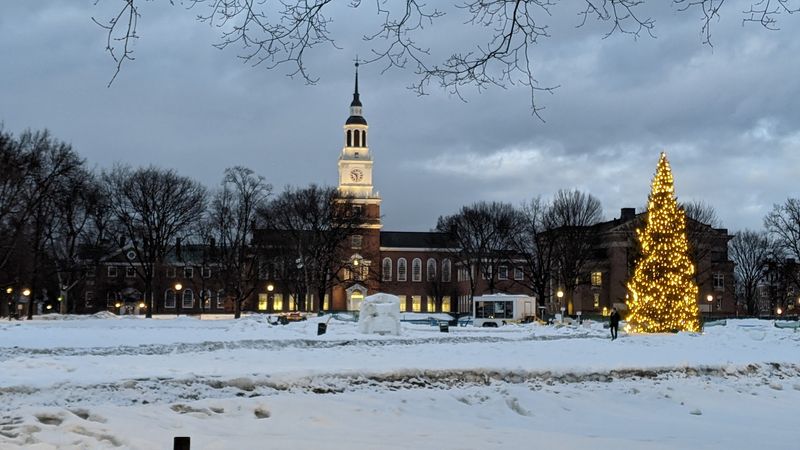
Hanover feels like a college town that never forgot it was also a New England village. Chartered in 1761 and later shaped decisively by Dartmouth College, it developed around a green, compact streets, and institutions that tied learning to civic life.
That relationship between town and campus gives Hanover unusual continuity across generations. Bookstores, public events, historic buildings, and a walkable center create the kind of everyday intellectual energy that can still feel warmly familiar instead of intimidating.
30. New Jersey – Cape May
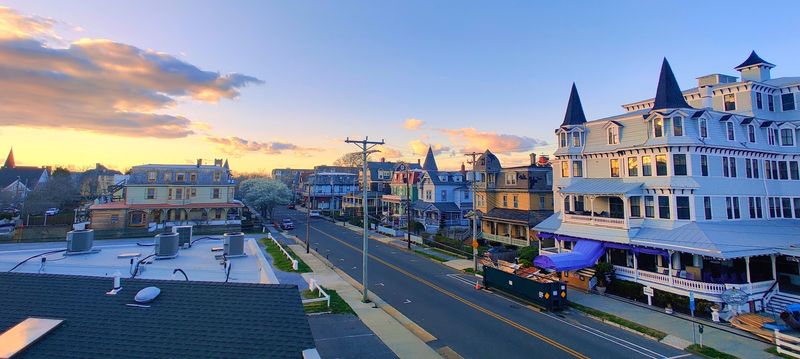
Cape May has enough Victorian architecture to make urban planners quietly emotional. After an 1878 fire, the town rebuilt as one of America’s most cohesive late nineteenth-century seaside resorts, leaving behind blocks of hotels, cottages, and porches with uncommon architectural unity.
Yet the place works because history is matched by civic upkeep. As a long-running resort and residential community, Cape May kept its scale, streets, and local institutions intact, which helps it feel like a genuine town and not just a decorative set.
31. New Mexico – Silver City
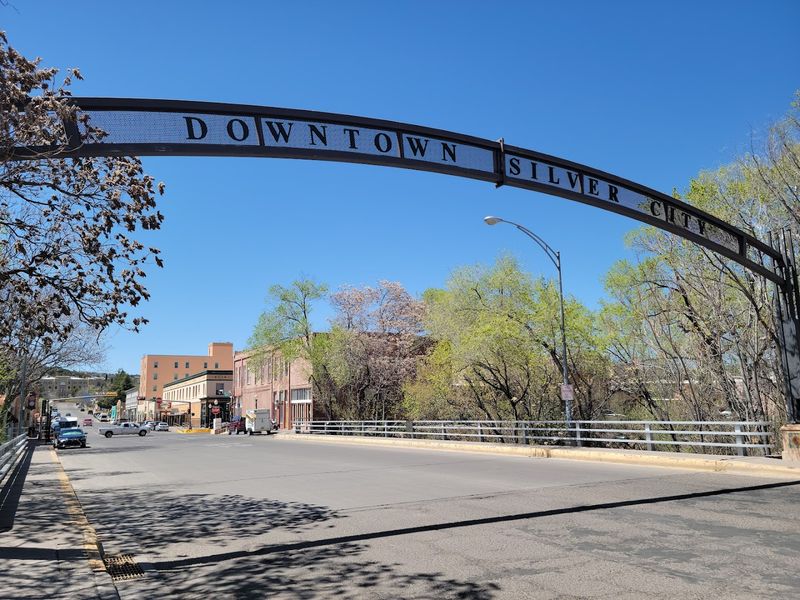
Silver City earned its name honestly, then discovered it had other talents. Founded after silver strikes in the 1870s, it became a mining center with the rough efficiency common to boomtowns, but later developed a more layered identity through education, arts, and preservation.
The downtown still shows that evolution in its mixed architecture and adaptable streetscape. Because the town learned to outlast mining’s dominance, Silver City feels grounded, useful, and refreshingly resistant to the myth that Western places need only one story.
32. New York – Skaneateles
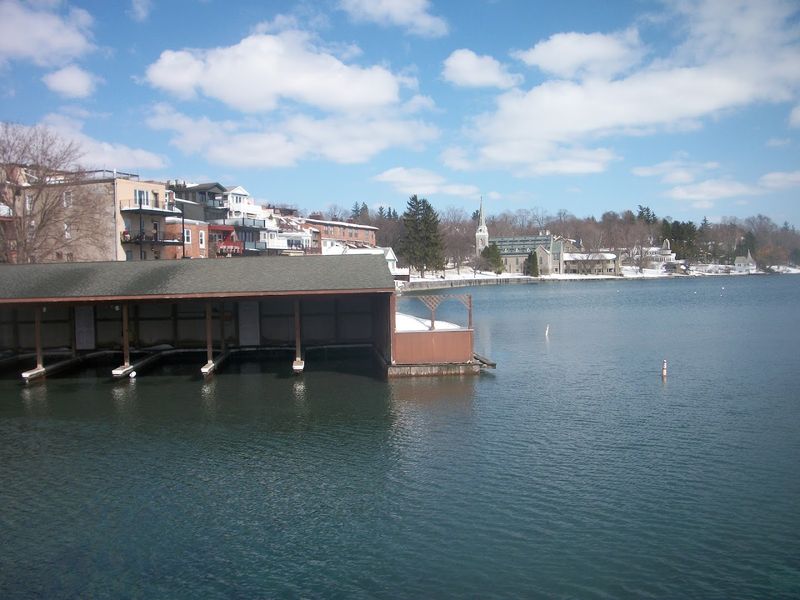
Skaneateles somehow manages to be elegant without becoming aloof, which is a difficult municipal skill. Incorporated in 1833 on one of the Finger Lakes, it grew through water-powered industry, regional trade, and later tourism, while keeping a refined but workable village center.
Its connection to the lake shaped both economy and identity, from mills to summer visitors. Historic homes, orderly streets, and businesses that still serve locals give Skaneateles a polished yet dependable feel that reads very much like home.
33. North Carolina – Beaufort
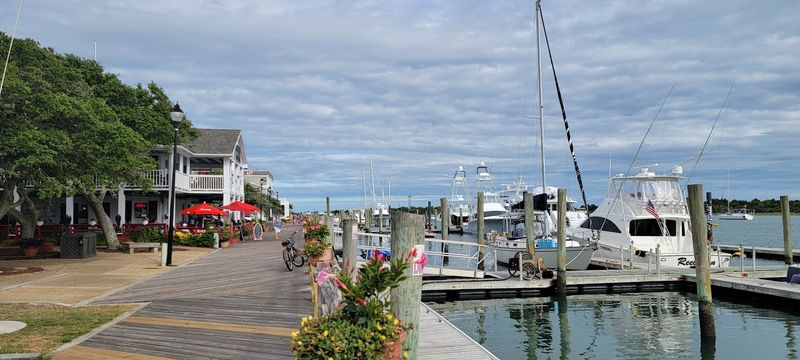
Beaufort has spent three centuries proving that a seaport can stay small and still matter. Founded in 1709, it ranks among North Carolina’s oldest towns, with a history shaped by maritime trade, boatbuilding, fishing, and long contact with Atlantic commerce.
Its historic district remains persuasive because the waterfront and streets still connect daily life to that earlier economy. Preserved homes, maritime institutions, and a scale suited to walking make Beaufort feel intimate, established, and pleasantly free of unnecessary fuss.
34. North Dakota – Medora
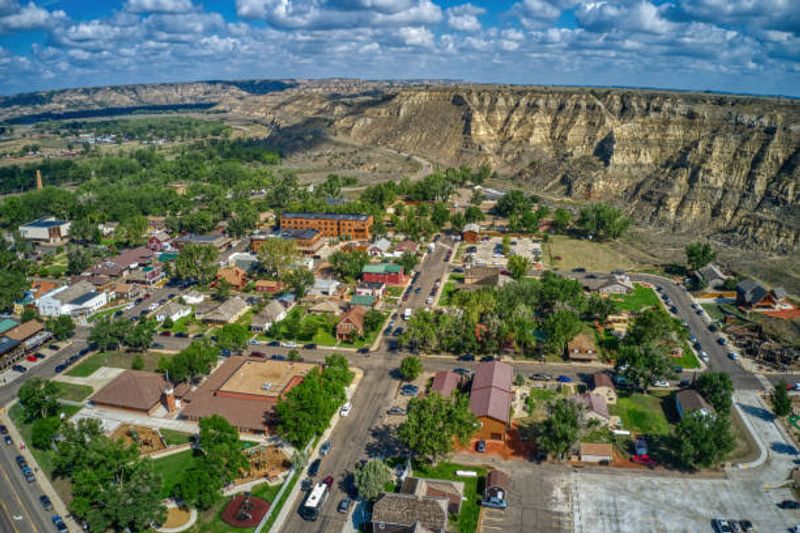
Medora feels like a frontier town that read the fine print and decided to stick around. Founded in 1883 during the cattle era and later tied to the young Theodore Roosevelt’s ranching years, it became a memorable outpost in the North Dakota badlands.
That biography could have turned purely theatrical, but the town retains real historical anchors. Railroad history, western buildings, and a close relationship to nearby public lands give Medora a durable identity that feels communal as much as symbolic.
35. Ohio – Yellow Springs
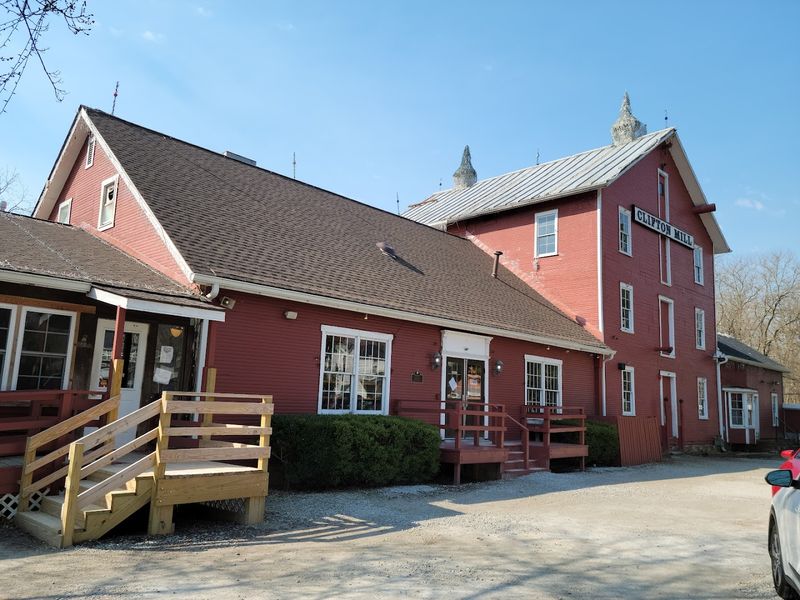
Yellow Springs built its reputation by refusing to become ordinary, and that is part of its comfort. The village grew around nineteenth-century health springs and Antioch College, then developed a long tradition of reform-minded culture, small business independence, and civic engagement.
That history gave the town an identity broader than any single era. A walkable downtown, active public life, and institutions shaped by education and debate make Yellow Springs feel homey in a distinctly Ohio way, with a little extra personality.
36. Oklahoma – Guthrie
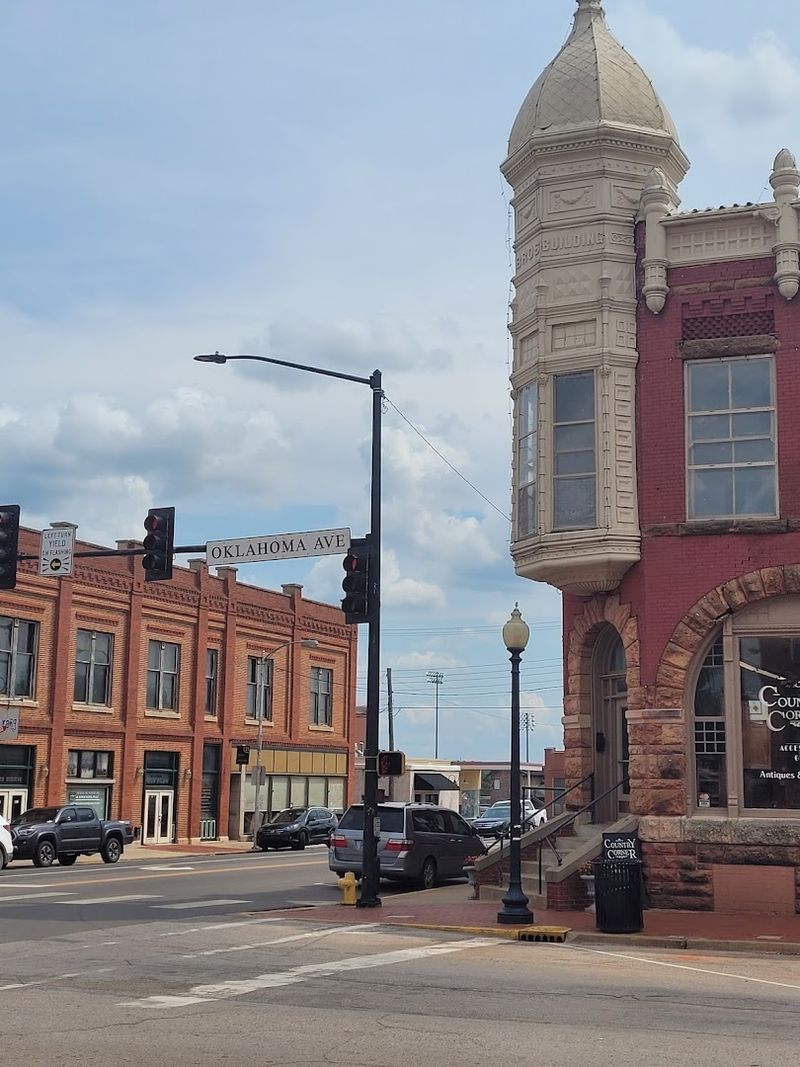
Guthrie arrived fast and then had the good sense to keep the paperwork visible. Born from the 1889 Land Run, it quickly became Oklahoma Territory’s capital, producing an unusually large collection of Victorian and commercial buildings in a remarkably short period.
When the state capital moved to Oklahoma City in 1910, Guthrie’s core avoided the kind of redevelopment that erases context. Today, that preserved streetscape gives the town a strong everyday identity built on institutions, architecture, and territorial memory.
37. Oregon – Ashland
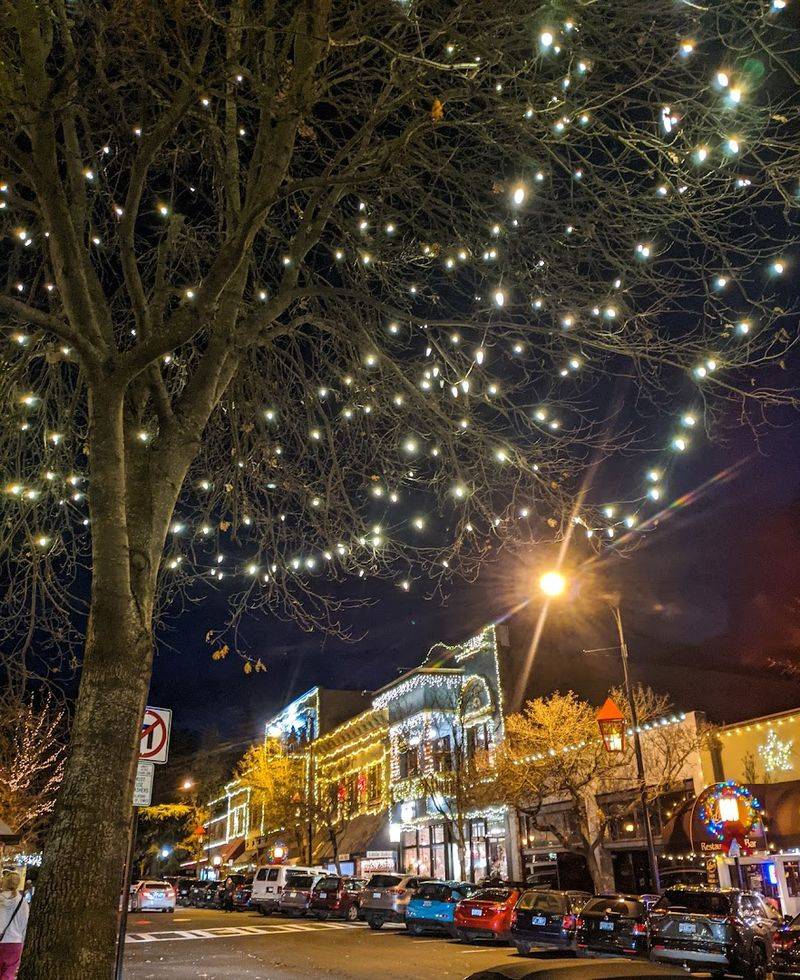
Ashland has the unusual confidence of a place that knows culture can be basic infrastructure. Established in the nineteenth century as a milling and rail community, it later transformed through Southern Oregon University and the Oregon Shakespeare Festival into a town where the arts shape daily life.
Importantly, the older downtown never became secondary to that reputation. Parks, historic blocks, and civic traditions remain central, giving Ashland a lived-in quality that balances literary fame with the reassuring routines of an actual hometown.
38. Pennsylvania – Jim Thorpe
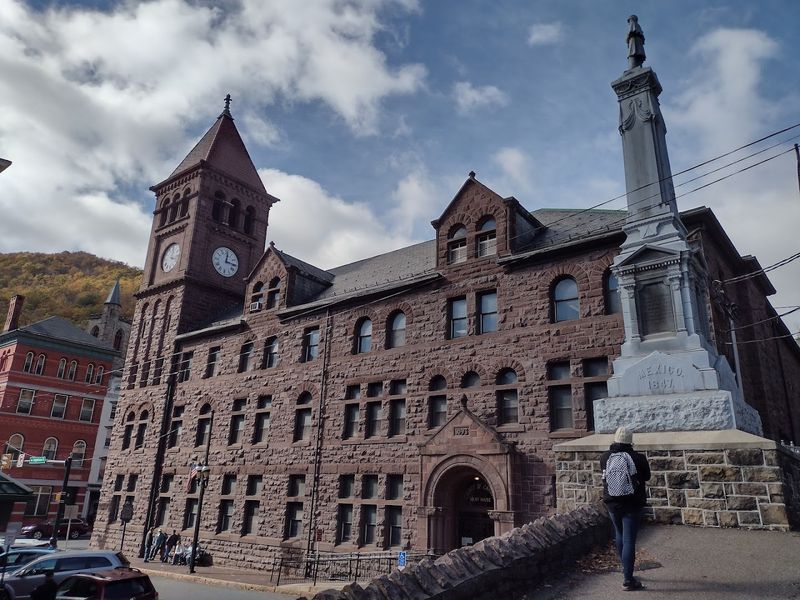
Jim Thorpe looks like industrial ambition accidentally built a mountain village with excellent taste. Originally founded as Mauch Chunk, it prospered through anthracite coal and rail transport, becoming one of Pennsylvania’s most architecturally striking towns in the nineteenth century.
The later renaming added a famous identity twist, but the deeper appeal remains the preserved urban fabric. Mansions, commercial blocks, and transportation history all survive in close quarters, which makes the town feel connected, memorable, and surprisingly intimate for such a dramatic setting.
39. Rhode Island – Bristol
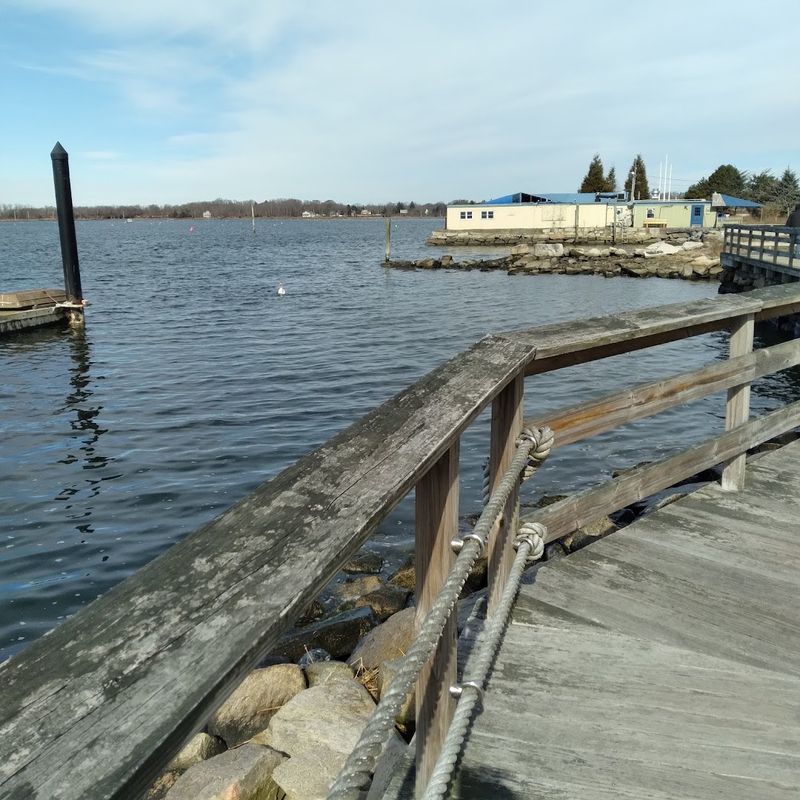
Bristol has been celebrating civic ritual longer than many places have kept a straight street line. Founded in 1680, it became an important port and mercantile town, later known nationally for hosting one of the country’s oldest continuous Fourth of July celebrations.
That tradition matters because it sits within a broader history of waterfront commerce, notable houses, and institutional continuity. The harbor, the parade route, and the historic center all work together, making Bristol feel both ceremonial and deeply lived-in.
40. South Carolina – Travelers Rest
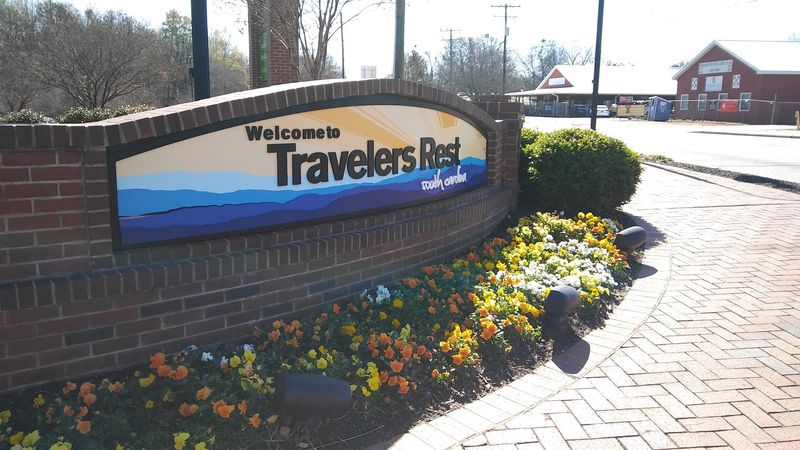
Travelers Rest owes its very name to movement, which makes its settled character more impressive. The town developed as a stopping point in the foothills between the coast and mountains, later gaining railroad links and new energy from modern trail-based revitalization.
That layered identity gives the place a useful kind of continuity. It has served travelers for generations, yet it also built local routines around commerce, churches, and community gatherings, creating a hometown feel that does not depend on being frozen in time.
41. South Dakota – Spearfish
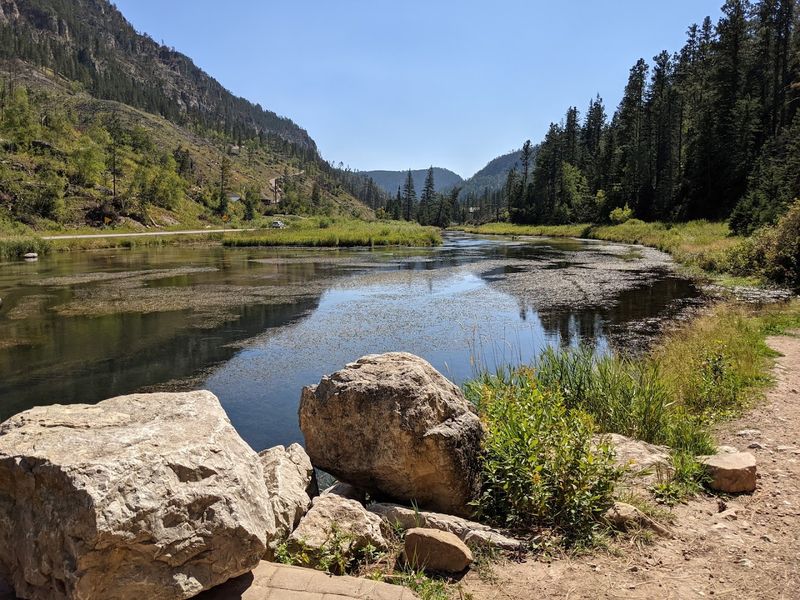
Spearfish carries Black Hills history with a practical streak that keeps sentiment in check. Founded in 1876 during the rush for regional opportunity, it grew through trade, agriculture, quarrying, and education, eventually becoming a stable service center rather than a temporary boomtown.
Its downtown still reflects that durable role. Historic buildings, nearby state university influence, and long ties to the surrounding canyon and plains economy make Spearfish feel welcoming in a straightforward, no-theatrics kind of way.
42. Tennessee – Jonesborough
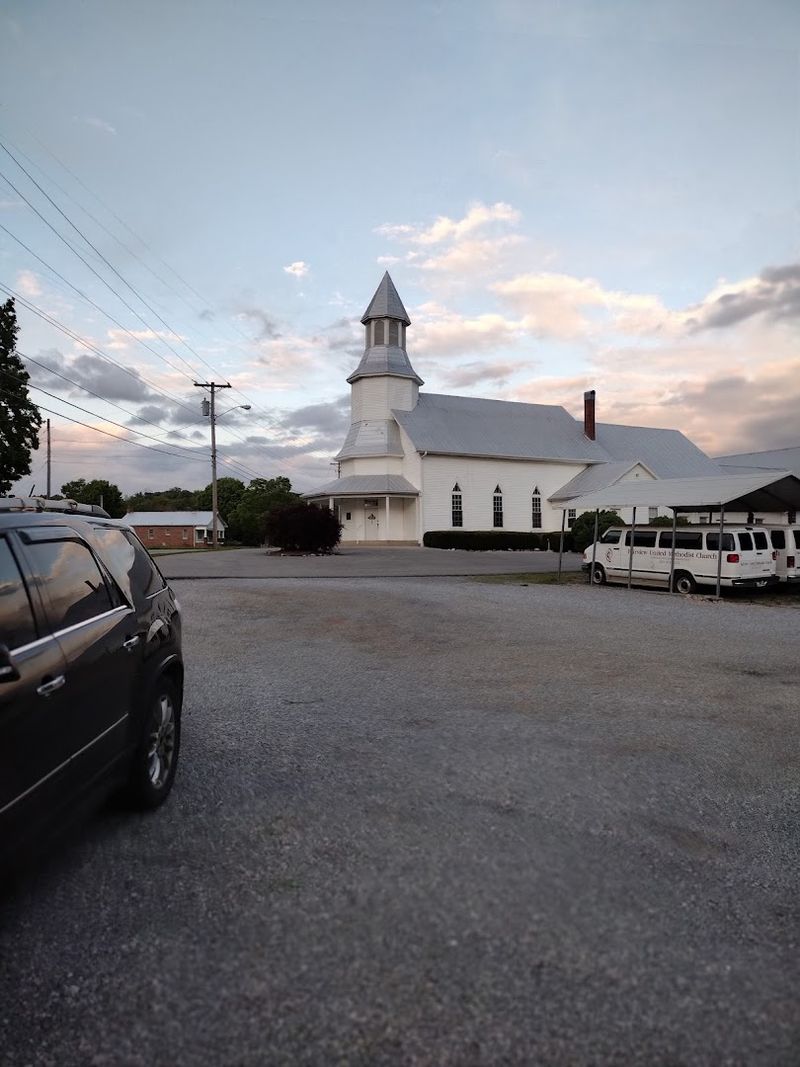
Jonesborough was old before Tennessee was even a state, and it carries that distinction well. Established in 1779, it is the state’s oldest town, with a history rooted in frontier governance, early commerce, and later a national reputation for storytelling traditions.
The preservation of its Main Street and public buildings keeps that long timeline visible without excessive polishing. Add Appalachian regional identity and active local institutions, and Jonesborough feels like a place where historical memory still participates in ordinary community life.
43. Texas – Fredericksburg
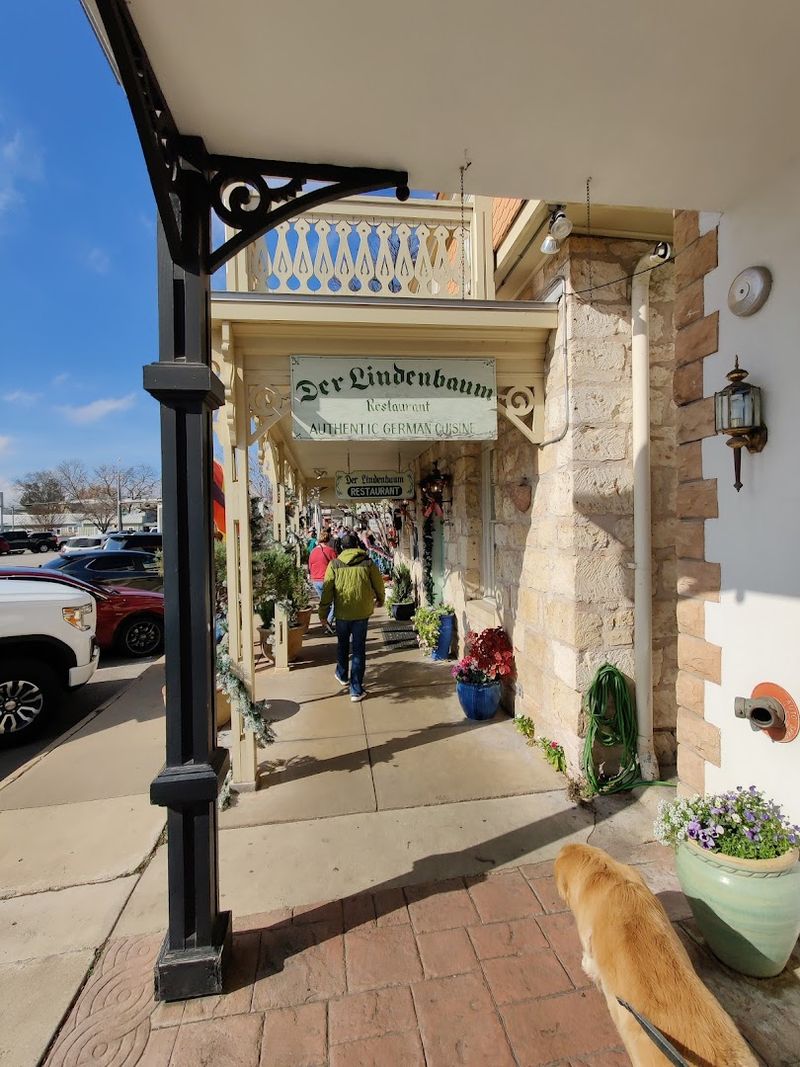
Fredericksburg combines Texas frontier history with German settlement patterns in a way that remains unusually legible. Founded in 1846 by German immigrants, it developed distinctive architecture, church life, food traditions, and a Main Street built to support commerce in the Hill Country.
Its later tourism growth did not erase that framework. Museums, historic houses, and long-standing businesses still express how immigrant culture adapted to Texas conditions, giving Fredericksburg a homey steadiness beneath the popularity and polished shop windows.
44. Utah – Springdale

Springdale has the tricky job of sitting beside a national park without becoming merely its parking lot. Settled by Mormon families in the nineteenth century, it began as a farming community and gradually evolved into the gateway town for Zion’s growing visitor economy.
That transition changed local business, but not the town’s basic relationship to land and scale. Historic roots, a small commercial core, and continued community identity help Springdale feel grounded even as the wider world keeps arriving with hiking shoes.
45. Vermont – Woodstock
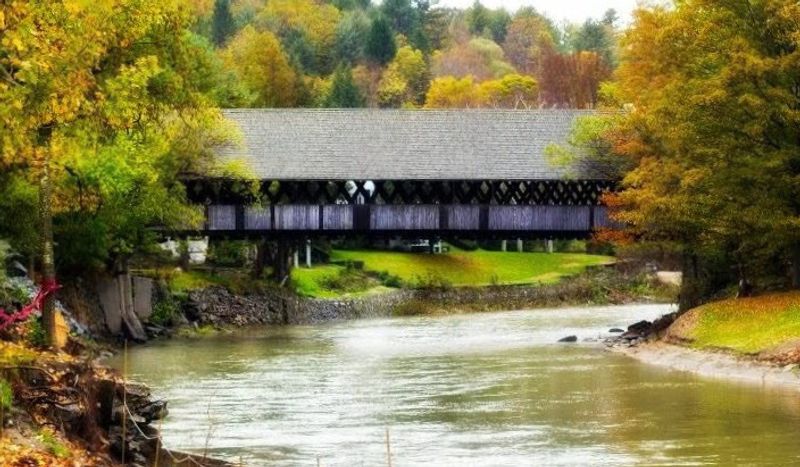
Woodstock is so orderly it almost seems to have been negotiated into existence. Chartered in 1761 and later shaped by agriculture, small industry, and civic-minded preservation, it developed a village center that still functions as one of New England’s clearest visual arguments for continuity.
The green, the public buildings, and the surrounding farms all support a coherent local identity. Because the town remained invested in stewardship instead of constant expansion, Woodstock feels deeply familiar even to first-time visitors.
46. Virginia – Lexington
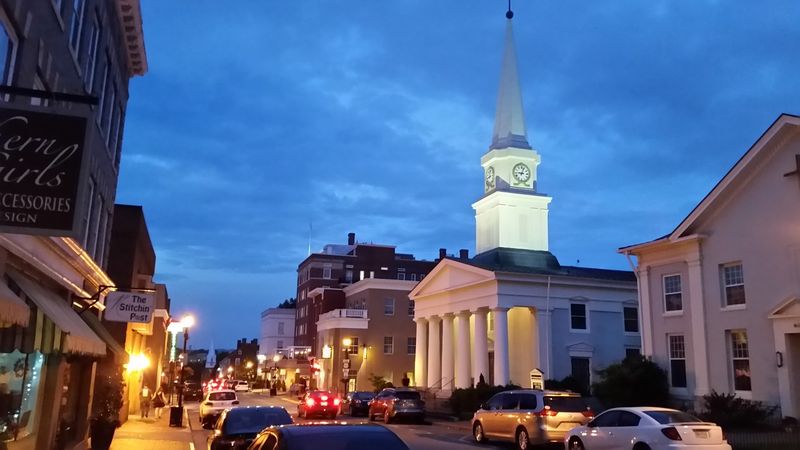
Lexington feels like a town where civic institutions arrived early and decided to stay in close conversation. Founded in 1778, it developed through trade, education, and military academies, with Washington and Lee University and Virginia Military Institute shaping both economy and architecture.
That academic presence gave the town steady purpose across changing eras. Brick streets, historic homes, and a walkable center in the Shenandoah Valley make Lexington feel formal in the best sense, but still warm enough to count as home.
47. Washington – Port Townsend
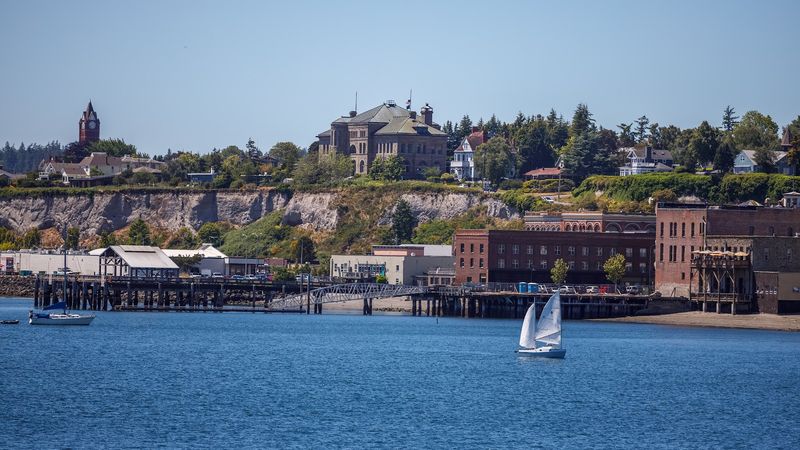
Port Townsend was built with grand expectations, and surprisingly, that still works in its favor. Envisioned in the nineteenth century as a major Puget Sound port, it accumulated impressive Victorian commercial buildings and homes even after larger economic dreams shifted elsewhere.
Because development slowed before the historic core disappeared, the town kept an architectural record of maritime ambition. Shipyards, festivals, and a lively waterfront continue the story, giving Port Townsend a civic personality that feels both textured and genuinely inhabited.
48. West Virginia – Lewisburg
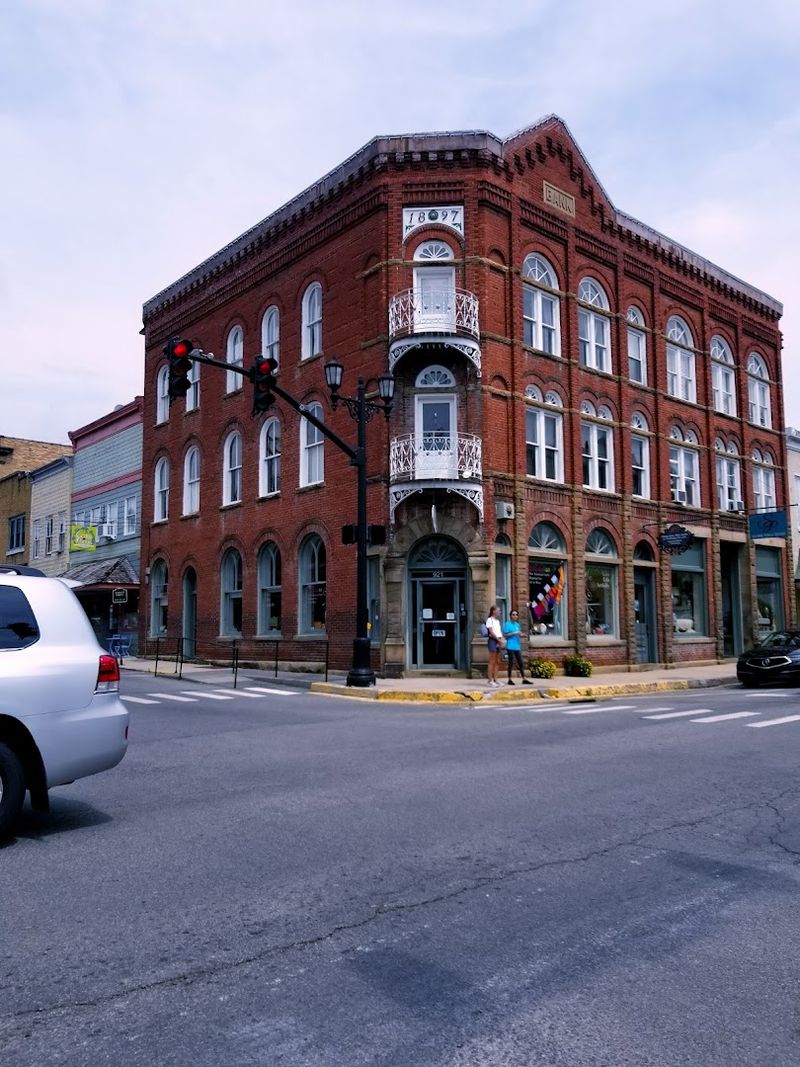
Lewisburg has the kind of downtown that suggests people took permanence seriously. Founded in the late eighteenth century, it developed as a regional market and legal center in the Greenbrier Valley, later adding schools, churches, and commercial blocks that still frame daily activity.
Its appeal comes from that institutional density more than from any single landmark. Preservation, local arts, and an active main street give Lewisburg a settled confidence that feels especially meaningful in a state full of dramatic geography and shifting economies.
49. Wisconsin – Bayfield
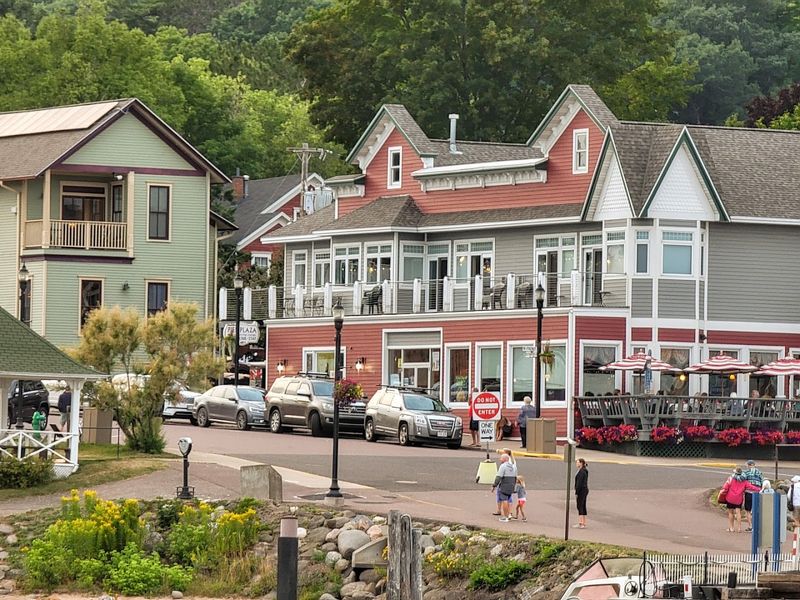
Bayfield may be small, but it carries regional history with surprising range. On the shore of Lake Superior, it grew through fishing, lumber, brownstone quarrying, fruit farming, and lake transport, then evolved into the gateway for the Apostle Islands.
That economic variety helps explain why the town feels substantial rather than seasonal. Historic buildings, harbor activity, orchards, and a compact main street create a community identity that remains practical, neighborly, and strongly tied to the upper Midwest landscape.
50. Wyoming – Lander
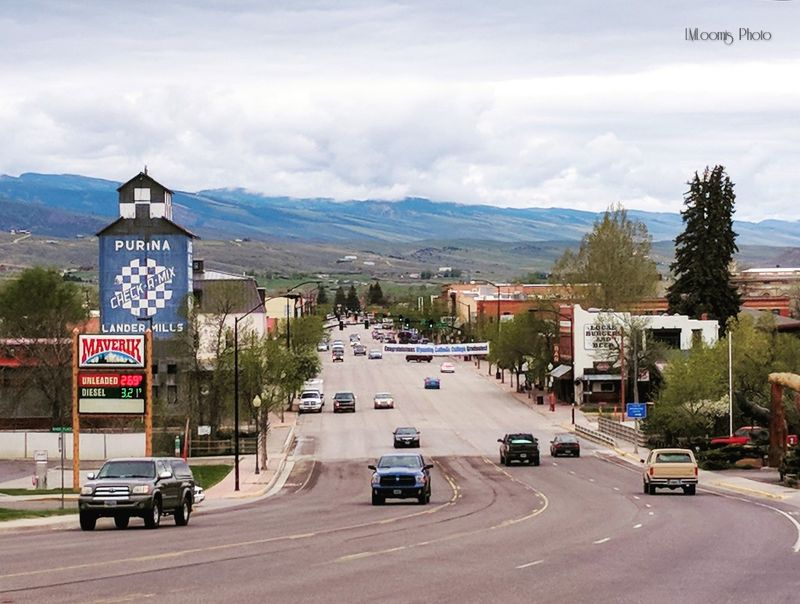
Lander feels like the kind of Western town that preferred competence over mythology. Established in the late nineteenth century as a supply and ranching center near the Wind River region, it became an important service hub for agriculture, transportation, and public administration.
Its downtown still reflects that practical heritage. Historic storefronts, courthouse functions, and ties to nearby outdoor landscapes give Lander a grounded character that avoids grandstanding, which may be exactly why it feels so convincingly like home.



