 Unearth The Voyage
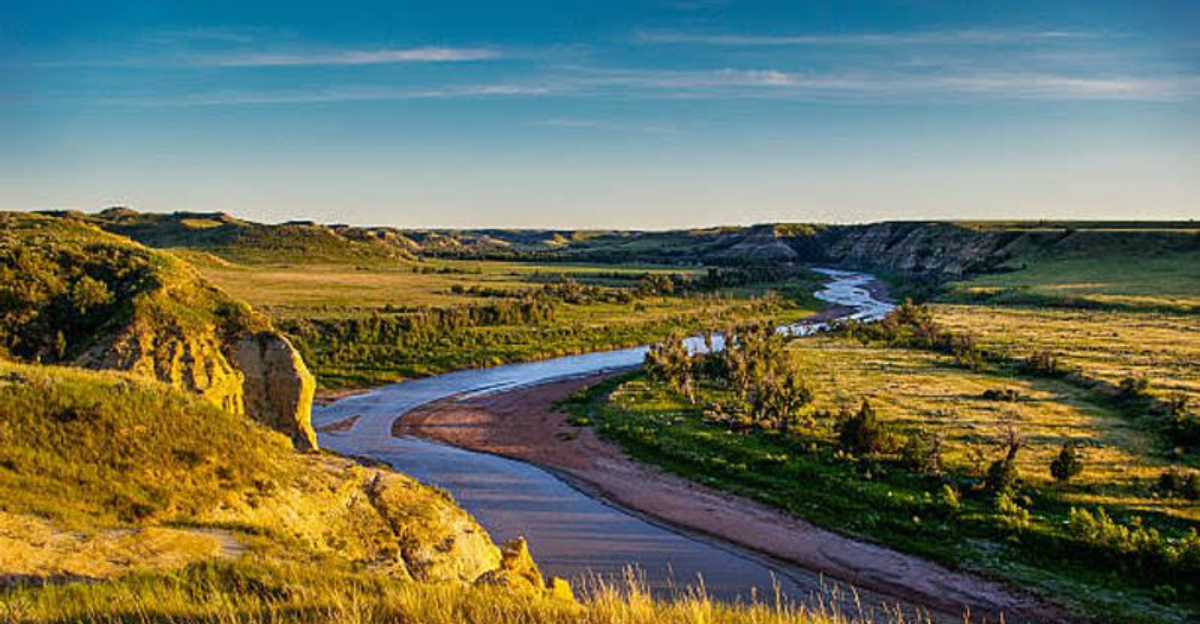
Think bears roam everywhere in the United States? Not quite. A surprising number of states see only wandering visitors, and one stands alone as truly bear-free. Let’s explore where you can hike, road trip, and explore without planning for ursine neighbors, and why these landscapes keep bear populations from settling.

Indiana keeps bear talk simple. You might hear about a young black bear crossing a cornfield or padding along a wooded creek, but those moments are brief. Bears that appear are usually passing through from Michigan or occasionally Kentucky, and there is no sign of breeding dens or settled territories.
If you love quiet hikes, this works in your favor. Trailheads near mixed hardwoods promise birds, deer, and foxes, not ursine surprises. Wildlife managers monitor sightings, educate landowners on securing trash, and reinforce that these visitors are temporary.
You still prepare smartly. Keep food sealed on camping trips, give any large wildlife plenty of space, and report unusual encounters. In practice, your odds of seeing a bear here are slim. Indiana’s patchwork of farms, suburbs, and small forests simply does not support a resident population, leaving the Hoosier State a place of rare, fleeting bear stories.

Illinois has history with bears, but the present is different. Most reports stem from wandering black bears dropping in from Wisconsin or Missouri, then moving on. Without a continuous belt of dense forest and mountains, the state does not offer the refuge, denning sites, or solitude that long term bear populations need.
You can hike forest preserves with confidence. Keep snacks stowed and stay aware, but expect deer, coyotes, and osprey rather than big paw prints. Naturalists stress basic coexistence tips for rare passersby, like securing grills and garbage, which also helps raccoons and opossums.
If a bear does appear in the news, curiosity spikes fast. Wildlife officers track routes, post reminders, and let the animal drift back to better habitat. For everyday adventures along the Prairie State’s trails, the reality is simple. Illinois sees occasional visits, not a resident bear community.

Rhode Island is tiny and busy, and that matters. Black bears need connected forests, secluded den sites, and room to roam. Here, development clips corridors, traffic divides habitat, and the coastal mosaic leaves only narrow green ribbons, making long term bear residence unlikely.
You can wander coastal trails, watch ospreys, and picnic beside salt marshes without planning for bears. Occasional reports from neighboring states remind everyone that wildlife does not see borders, but local landscapes tend to push those travelers onward. Rangers focus on typical urban wildlife issues instead.
For you, that translates to easygoing outings. Secure food anyway, keep dogs leashed near sensitive habitats, and enjoy the ocean breeze. While bears pass through now and then, Rhode Island’s scale and development patterns prevent a sustained population, keeping the Ocean State effectively bear free in day to day life.

Louisiana’s wildlife story is rich, yet bears remain scarce in daily life. Historically, black bears roamed bottomland hardwoods, but habitat loss and hunting pressures drastically reduced numbers. Today, suitable forests are fragmented, flood regimes are engineered, and urban corridors complicate movement.
If you are paddling bayous or birding cypress swamps, you plan more for alligators, wading birds, and mosquitoes. Occasional bear reports surface, but a stable, widespread wild population is not part of the routine experience. Land restoration projects help countless species, though bear recovery remains limited by connectivity.
Practically, your trips revolve around standard precautions. Store food securely at camps, respect posted closures, and enjoy the soundscape of frogs and night herons. While the state’s heritage includes bears, the present landscape keeps them rare. Visitors usually move along, and resident populations struggle to take hold across Louisiana’s patchwork habitats.

Oklahoma sits at an ecological crossroads. Grasslands stretch wide, woodlands break into fragments, and urban corridors slice through potential travel routes. Bears require dense cover and secure den sites, and these landscapes, while beautiful, make it difficult for a resident population to settle.
When you hike the cross timbers, you are more likely to find turkeys, bobcats, and whitetail deer. A bear might wander in from neighboring regions, then drift out again, leaving few tracks and little chance of staying. Wildlife agencies keep tabs on sightings and encourage sensible food storage just in case.
For everyday outings, you can relax. Respect private lands, plan water stops, and watch the horizon change color at sunset. Oklahoma’s open, transitional character provides great views and memorable storms, but not the continuous forest canopy bears prefer, keeping long term residency off the table.
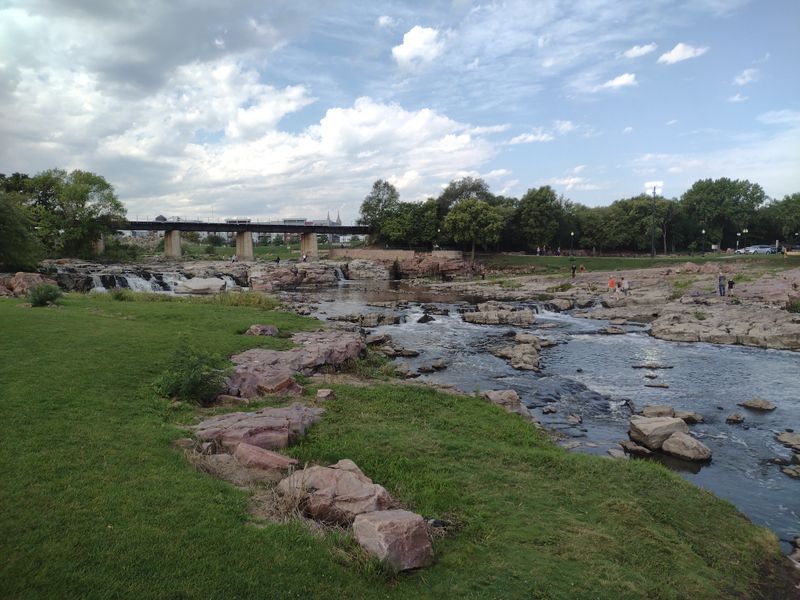
South Dakota’s broad prairies dominate the map. While the Black Hills introduce forested pockets, they are isolated and bounded by open country. Bears prefer expansive, connected forests with secluded denning options, and those conditions are limited here.
When you head for the trails, you plan for bison jams, pronghorn sightings, and dramatic skies. Bear sign is rare, and confirmed residents are not part of the regular wildlife mix. Agencies emphasize general wildlife etiquette and fire safety rather than bear canister mandates seen elsewhere.
It is freeing for family trips and road wanderers. Keep food sealed to deter smaller scavengers, carry layers for swift weather shifts, and enjoy open range vistas. Without dense, continuous habitat, South Dakota does not offer a stronghold for bears, leaving only the chance of a stray traveler moving on through the windswept grass.
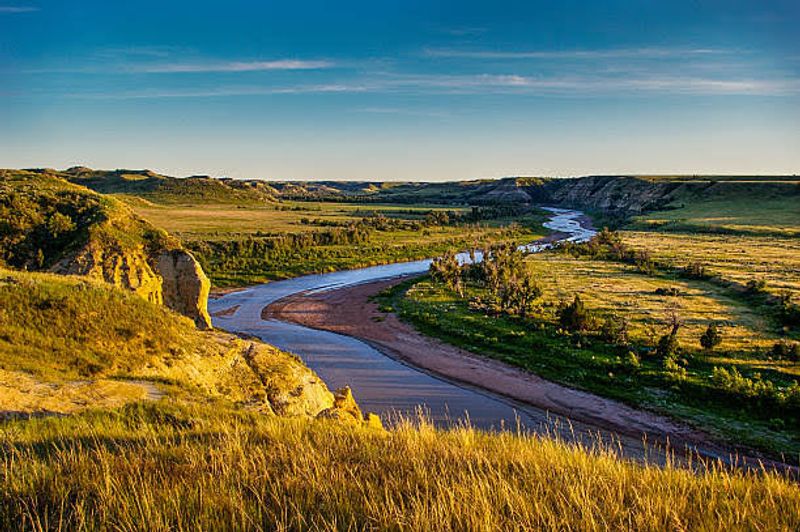
North Dakota’s landscape is wide open. With prairie dominating and forests confined to riparian ribbons and shelterbelts, the cover needed for bears is scarce. Denning options are limited, human presence is widespread, and long winter exposure complicates survival without dense refuge.
On the trail or along gravel section roads, you will meet hawks, pheasants, and mule deer more than anything else. A wandering bear from the north is possible but not likely to linger. Managers emphasize responsible trash handling, which helps curb raccoon raids and keeps camps tidy.
The effect for you is straightforward. Plan for wind, weather, and long miles, not bear canisters. The Peace Garden State offers stunning skies and prairie blooms but does not support a resident bear population, making sightings exceptional and temporary when they do occur across this open country.
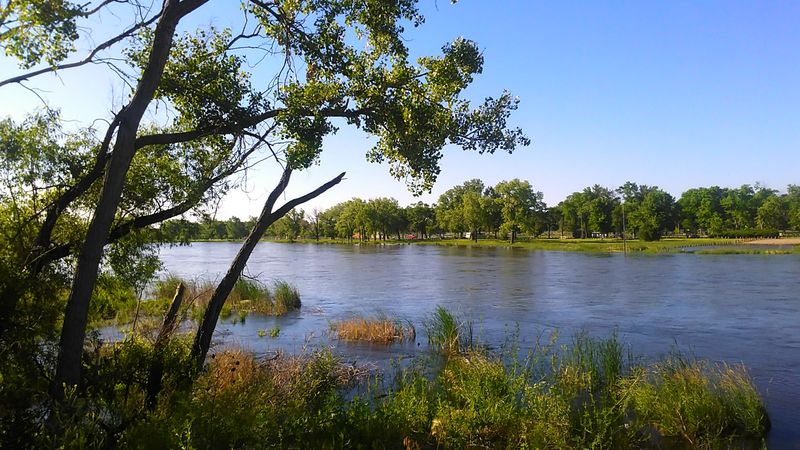
Nebraska is prairie first, forest second. That balance matters for bears, which need thick cover, calories, and secure denning. The state’s wooded ribbons along rivers cannot easily support a breeding population, so sightings tend to be lone wanderers taking advantage of seasonal food before moving on.
When you camp near cottonwoods or hike the sandhills, you prepare for wind shifts and passing thunderstorms. Your food storage routine is still smart practice, protecting against raccoons and opportunistic coyotes. Rangers track rare bear reports, but closures for bear activity are not part of the usual playbook.
You can explore with calm expectations. Listen for meadowlarks, watch the light roll over grass waves, and leave no trace in fragile dune country. Nebraska’s open terrain keeps bears on the edges of possibility, not permanence, making encounters curiosities rather than common trail concerns.

Kansas wears its grasslands proudly. Flint Hills, wheat fields, and scattered woodlots define a landscape where bears struggle to hide, den, and establish family ranges. Without deep, connected forests, the odds of a self sustaining population are low.
When you walk prairie trails, your checklist fills with grassland birds, snakes warming on rocks, and distant coyotes. A rare visitor might wander through, but the stage does not invite a long stay. Wildlife guidance focuses on drought awareness, fire safety, and general food storage, not specialized bear procedures.
You travel light and stay aware. Keep scented items secured, respect private gates, and savor summer storms building on the horizon. Kansas remains a plains stronghold rather than an ursid refuge, leaving bears on the periphery and your adventures centered on wind, sky, and tallgrass whispers.

Iowa’s heartland identity shines through farms, towns, and riparian greens. That mosaic supports lots of wildlife, but bears are not among the regulars. Fragmented woods and busy roads interrupt the deep cover and quiet den sites bears prefer, making residency unlikely.
Cycling the trails or hiking state parks, you watch for eagles, river otters, and deer. Bear stories pop up occasionally, usually tied to a traveler from Minnesota or Wisconsin. Those animals rarely linger, and managers guide them back toward suitable habitat while reminding residents to secure attractants.
For your weekend plans, it keeps things simple. Pack snacks, store trash well, and enjoy rolling hills without scanning every shadow for a large silhouette. Iowa’s landscape works for people and many species, but it does not anchor bears, keeping encounters rare and short lived.

Delaware is compact, coastal, and well traveled by people. Bears need quiet, connected refuge, and here the corridors are shallow and frequently interrupted. Sightings do happen, typically tied to movement from Pennsylvania or Maryland, but there is no resident population holding territory.
As you explore state parks and bays, you plan for mosquitoes, tides, and shorebirds. Rangers emphasize basic food security, pet leashes, and respect for sensitive dunes and marsh grasses. Bear specific protocols are uncommon because encounters usually pass within days.
That makes for relaxed day trips and beach campouts. Keep coolers closed, stash trash, and enjoy osprey dives against a bright horizon. Delaware’s charm runs on estuaries and easy access, not on deep forest seclusion, leaving bears as temporary visitors at most and absent for most residents’ daily routines.
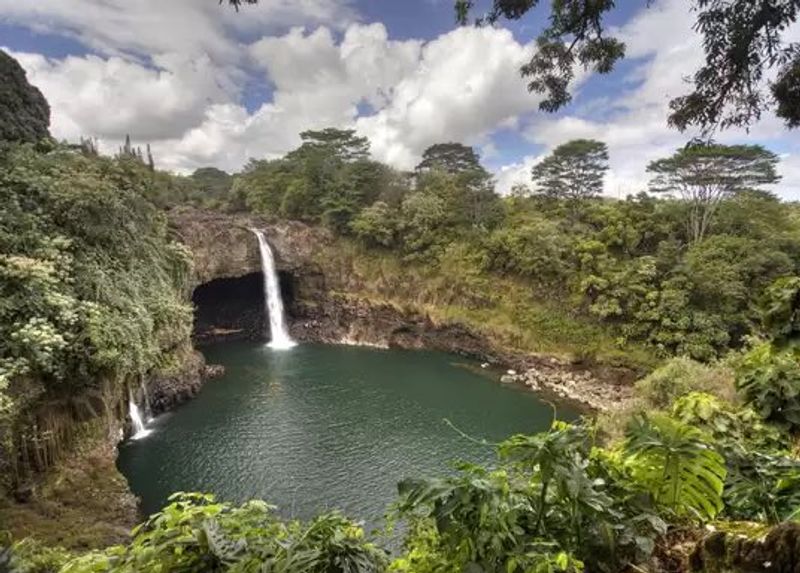
Hawaii stands alone in the United States as truly bear free. Its islands evolved without native bear species, and the ocean moat prevents natural colonization. That isolation shapes everything from trail routines to campground planning, where you focus on weather, terrain, and invasive species prevention rather than bear storage.
When you hike volcanic ridges or wander coastal lava fields, your attention goes to footing, sun, and sudden showers. Wildlife encounters center on birds, reef fish, and tropical invertebrates. Rangers stress biosecurity and respectful stewardship of fragile native ecosystems, not bear awareness.
For you, it is refreshingly simple. Pack water, reef safe sunscreen, and respect closures protecting endangered species. Hawaii is the only U.S. state where wild bears do not roam at all, making it the definitive bear free destination and a unique contrast to mainland adventures where ursine neighbors shape backcountry habits.



