Most people driving through Glassboro, New Jersey are just passing through on their way somewhere else. But tucked along a quiet street in the heart of town, there is a small museum that holds a surprisingly big story about the region’s industrial past.
South Jersey was once one of the most important glassmaking areas in the entire country, and this little museum is one of the few places that actually tells that story properly. This museum packs local history, rare artifacts, and knowledgeable guides into a compact space that rewards curious visitors with far more than they expected from a quick stop between errands.
The Town That Was Built Around Glass

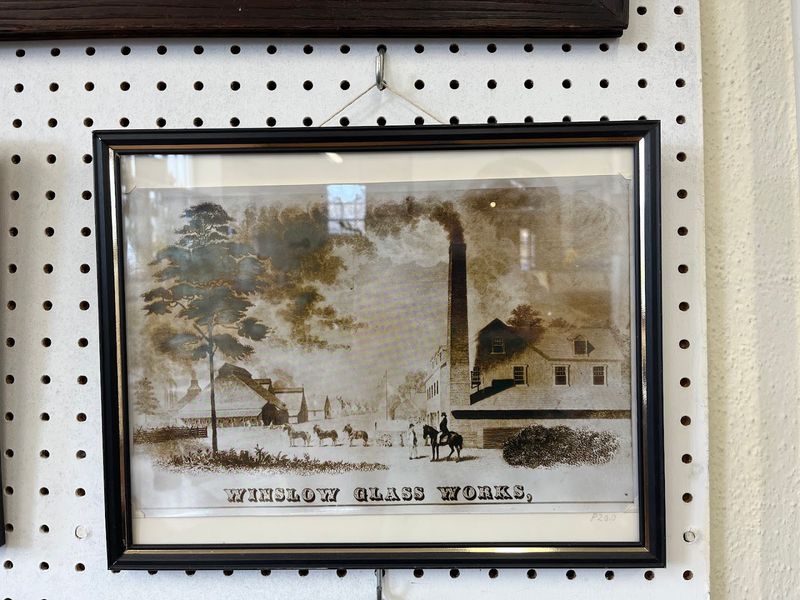
Glassboro did not get its name by accident. The town grew directly out of the glassmaking industry that took root in South Jersey in the late 18th century, and for a long stretch of American history, this region was a central hub for glass production in the United States.
The combination of dense forests for fuel, abundant silica sand, and proximity to waterways made South Jersey an ideal location for early glassworks. Factories multiplied across the region, and entire communities formed around them.
Glassboro itself was established in 1779 when a glassworks was built there, and the town essentially grew up around that industry. Understanding that origin changes how you see the whole town when you walk around it today.
The museum exists to make sure that foundational story does not get buried under time, and it does that job with clarity and real depth that goes well beyond what most small local museums attempt.
Free Admission and a Volunteer Heart
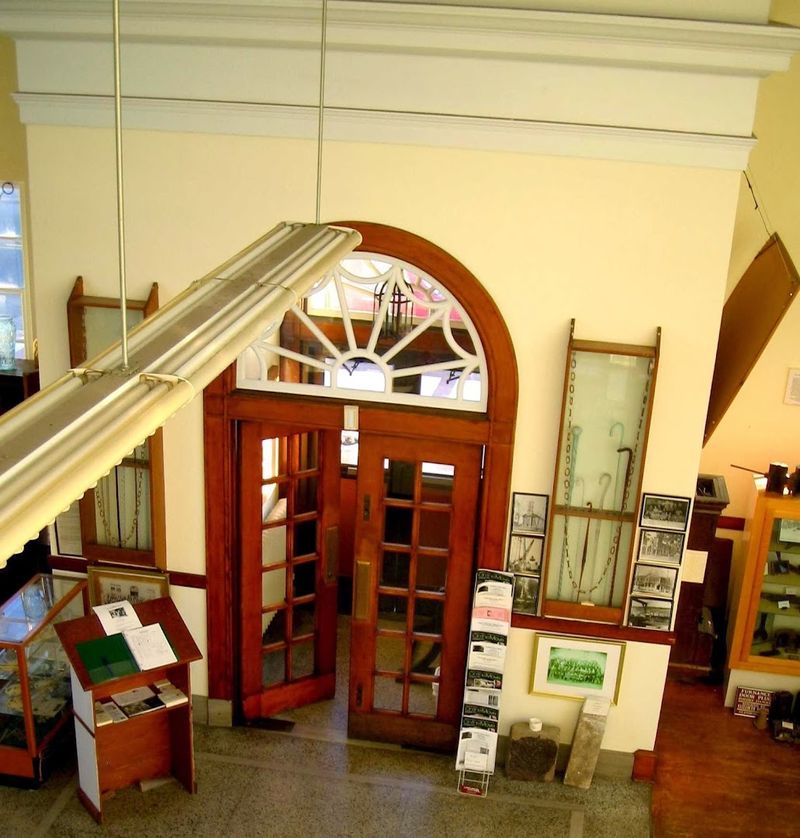
Here is a detail that tends to surprise first-time visitors: getting into the Heritage Glass Museum costs nothing. Admission is completely free, which makes it an easy addition to any afternoon plan without the usual mental math about whether it is worth the ticket price.
The museum is entirely volunteer-run, which is a significant part of its character. The people who open the doors and walk guests through the collection are there because they genuinely care about this history, not because it is a job requirement.
That enthusiasm is noticeable and it shapes the whole experience of being there.
Because the operation depends on volunteer availability, the hours are limited and have shifted over time. Currently the museum is open Wednesdays from 11 AM to 2 PM, Thursdays from 5 to 8 PM, and Saturdays from 11 AM to 2 PM.
Checking the schedule before visiting is a smart move to avoid making a trip for nothing.
What Is Actually Inside the Collection
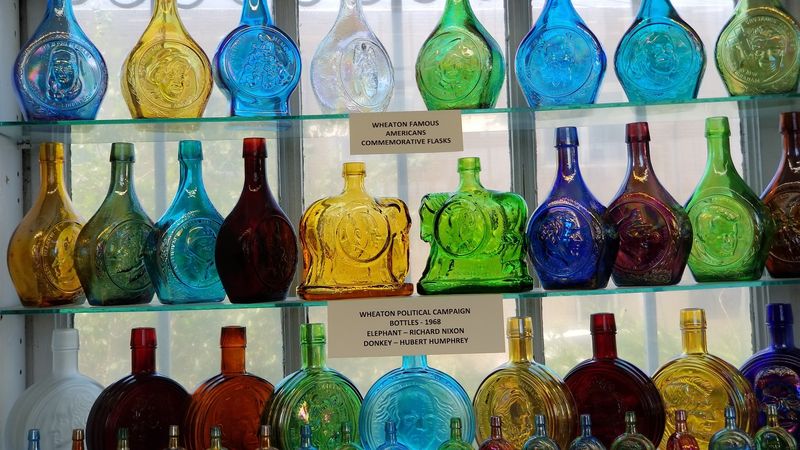
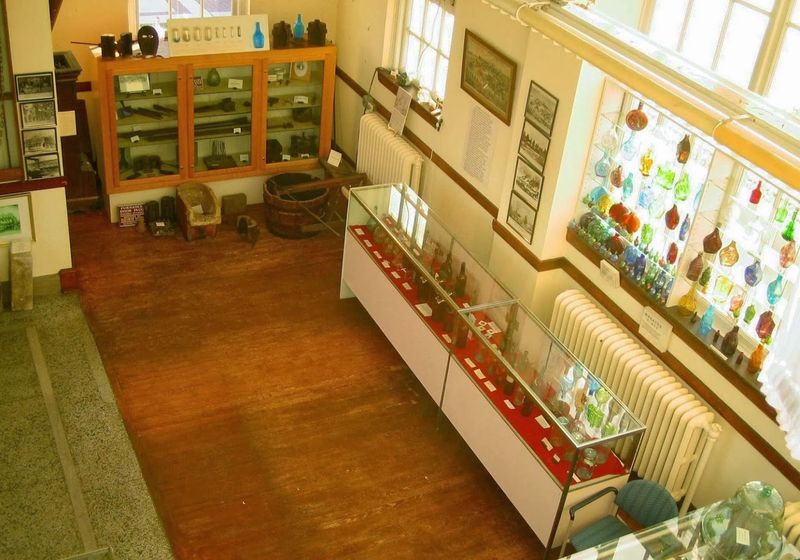
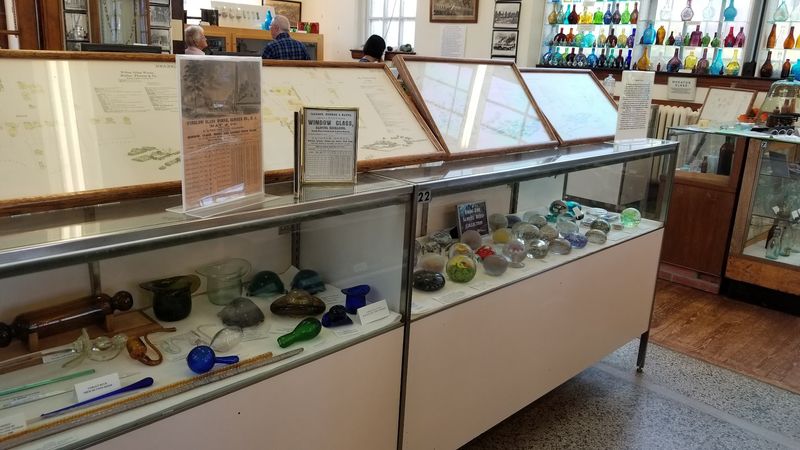
The collection inside the Heritage Glass Museum covers a wide range of glasswork tied to the South Jersey region. Antique bottles, art glass, commemorative pieces, and examples of industrial glassware fill the display cases and tell the story of how the craft evolved over centuries.
Many of the artifacts on display are pieces that were actually produced in local glassworks, which gives them a direct connection to the town and region rather than being generic examples pulled from anywhere. That specificity matters when you are trying to understand local history rather than just glass history in general.
Presidential bottles are among the more distinctive items in the collection. These commemorative glass pieces were made to mark historical figures and events, and they serve as a reminder that glassmaking was not purely industrial.
Artistry was always part of the work, and the museum makes sure that creative dimension of the craft gets the attention it deserves alongside the factory history.
Art Glass That Deserves a Closer Look
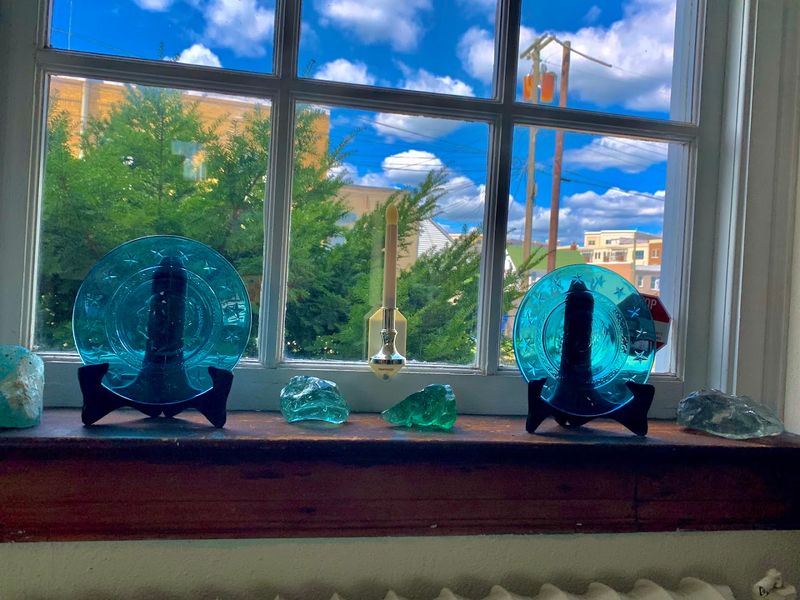
Art glass from South Jersey has a distinct character that collectors have prized for generations. The region’s glassmakers developed techniques and styles that set their work apart, and the Heritage Glass Museum holds a solid representation of that artistic tradition within its compact display space.
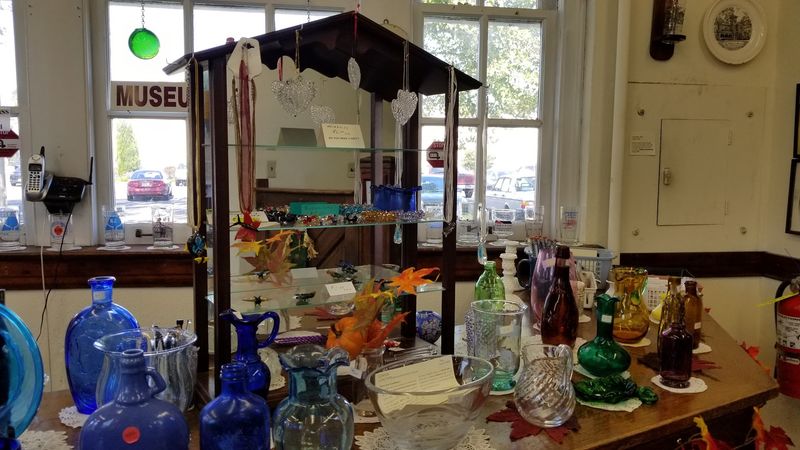
On a sunny day, the colored glass pieces in the collection take on a different quality altogether as light passes through them. The blues, ambers, greens, and reds that define South Jersey glass shift and brighten depending on where you are standing and how the light hits.
It is the kind of detail that turns a routine look at artifacts into something more visually engaging.
Even people who do not consider themselves particularly interested in glass tend to pause in front of these pieces. There is something about handmade colored glass that communicates craft in a direct and immediate way that photographs or descriptions simply cannot replicate as effectively as standing in front of the real thing.
The Guides Who Know Their Stuff
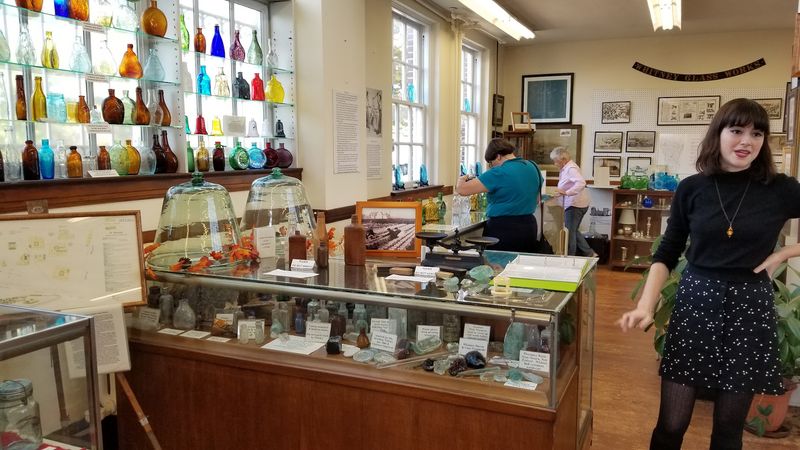
One of the consistent strengths of the Heritage Glass Museum is the quality of the people who run tours and explain the collection. The volunteer docents bring genuine knowledge to the role, and the depth of information they share goes well beyond the labels on the display cases.
Guides walk guests through the history of specific glassworks, explain manufacturing techniques, and connect individual artifacts to broader stories about the region’s development. That context makes the objects in the cases feel like evidence of a real world rather than just old things behind glass.
The conversational format works well in a small space. Because the museum is compact and the groups are kept manageable, there is room for questions and back-and-forth that a larger institution rarely allows.
Knowledgeable, approachable guides in a small setting can deliver a more memorable experience than a massive exhibit with no one to explain what you are actually looking at.
A Museum That Punches Above Its Size
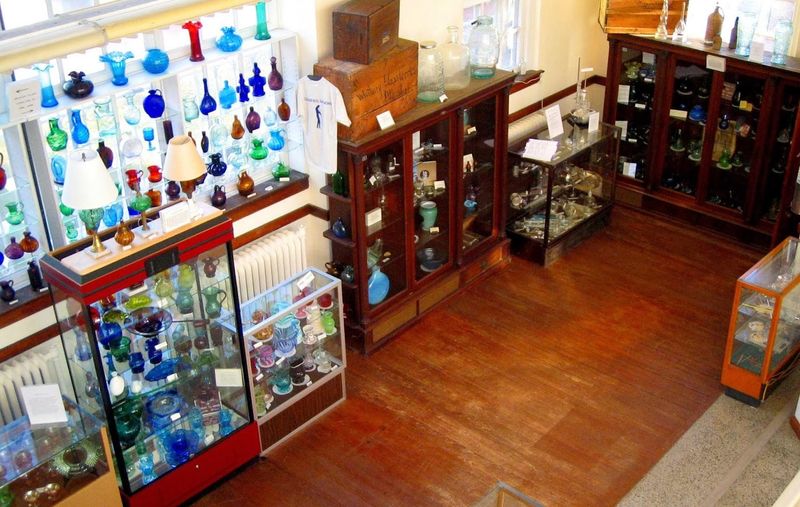
Square footage is not the measure of a good museum, and the Heritage Glass Museum makes that point convincingly. The space is small, but the density of information and the quality of the artifacts packed into it give the visit a substance that outlasts the brevity of the tour.
Local history museums often struggle with the question of how much story to tell and how to tell it without overwhelming or boring guests. This one manages the balance well.
The narrative moves from the founding of the local glass industry through its growth and eventual decline, with enough specific detail to feel educational without turning into a lecture.
The building itself is approaching its centennial, and the museum has used that milestone as a reason to refresh exhibits and rotate new pieces into the collection. That ongoing curatorial effort means there is a reason to return even if you have already visited, which is not something every small local museum can honestly claim.
The Glassboro Connection That Most People Miss
Most people associate Glassboro with Rowan University, which dominates the town’s identity today. Fewer know that the town existed for over a century before the university arrived, and that its original reason for being was entirely built around glass.
The name Glassboro is itself a piece of living history that most residents and students pass by without thinking twice about. The museum actively works to close that gap in local awareness, and it draws a mix of longtime residents, students, and curious travelers who stumbled onto it while looking for something to do nearby.
Understanding the glass industry history also reframes the broader story of South Jersey’s development. The region was not just farmland and shore towns.
It had a significant industrial chapter that shaped its economy and geography for generations. The Heritage Glass Museum holds that chapter open for anyone who takes the time to walk through the door, and the story it tells is more layered than the town’s current reputation suggests.
Planning a Visit Without Surprises
The limited hours at the Heritage Glass Museum are the one detail that requires some advance planning. The museum is closed Monday, Tuesday, and Friday, and the open windows during the week are relatively short.
Wednesday and Saturday hours run from 11 AM to 2 PM, while Thursday hours extend from 5 to 8 PM.
The Thursday evening slot is a useful option for anyone who cannot make a midday visit work during the week. It also makes the museum a realistic add-on to an evening in Glassboro rather than requiring a dedicated daytime trip.
The museum’s website at heritageglassmuseum.org is the best place to confirm current hours before heading out. Because the operation is volunteer-dependent, hours have shifted over time and checking ahead prevents the frustration of an unnecessary trip.
Free parking is available nearby for the first 30 minutes, which is generally more than enough time to complete a full visit and feel satisfied with what you covered.
Why South Jersey Was the Glass Capital
South Jersey’s dominance in American glassmaking during the 18th and 19th centuries was not a coincidence. The region had a rare combination of natural resources that made it almost uniquely suited to the industry at the time.
Silica sand, which is a primary ingredient in glass, was abundant in the coastal plain soils of South Jersey. Dense pine forests provided the wood fuel that early furnaces required in enormous quantities.
And the network of rivers and bays made it possible to ship finished goods to markets in Philadelphia and New York with relative efficiency.
Towns like Glassboro, Millville, Salem, and Bridgeton all developed significant glassmaking operations during this era. The Heritage Glass Museum focuses specifically on the Glassboro area, but it places that local story within the wider regional context so that visitors leave understanding why this corner of New Jersey mattered so much to American industrial history during that period.
Rotating Exhibits Keep Things Fresh
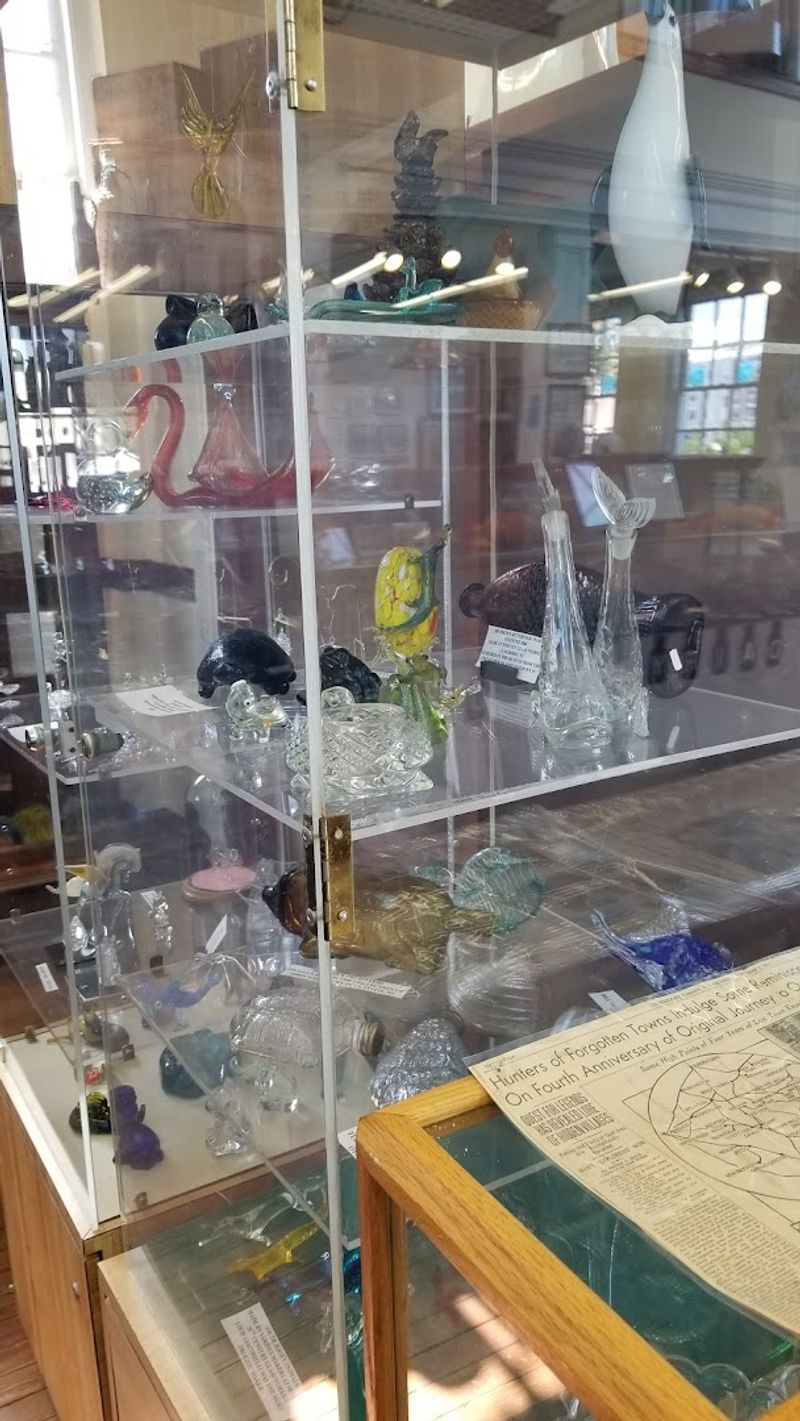
A static collection that never changes gives people little reason to return, and the Heritage Glass Museum has been thoughtful about that challenge. The team rotates exhibits periodically, introducing new pieces and retiring others to keep the collection feeling current and worth revisiting.
The museum noted a specific exhibit rotation tied to the 100th anniversary of its building, which signals that the curatorial effort is tied to meaningful milestones rather than just arbitrary reshuffling. That kind of intentional programming gives the institution a sense of forward momentum that small museums do not always project.
For regular visitors or people with a deep interest in South Jersey glass, the rotation policy means a second or third visit can yield genuinely new discoveries. The core narrative stays consistent, but the specific artifacts and stories highlighted shift over time.
That approach respects both the depth of the subject and the loyalty of the people who come back more than once to engage with it.
A Perfect Pairing With a Downtown Lunch Stop

Glassboro’s downtown has the kind of compact, walkable layout that makes it easy to combine a museum visit with lunch nearby. The Heritage Glass Museum sits right in the center of town, within easy reach of the restaurants and cafes that line the surrounding streets.
The museum’s hours on Wednesday and Saturday mornings line up naturally with a late-morning arrival, a walk through the collection, and then a relaxed lunch before heading home. The Thursday evening hours work equally well as a post-dinner or pre-dinner cultural detour depending on your preference.
This pairing is part of what makes the museum such a practical addition to a regular outing rather than a major expedition. It does not demand an entire day or a long drive from most of South Jersey and Philadelphia.
Spending an hour at the museum and then finding a good spot nearby for lunch turns a routine errand day into something that actually feels worth remembering when the week is over.
What Makes It Different From Larger Museums
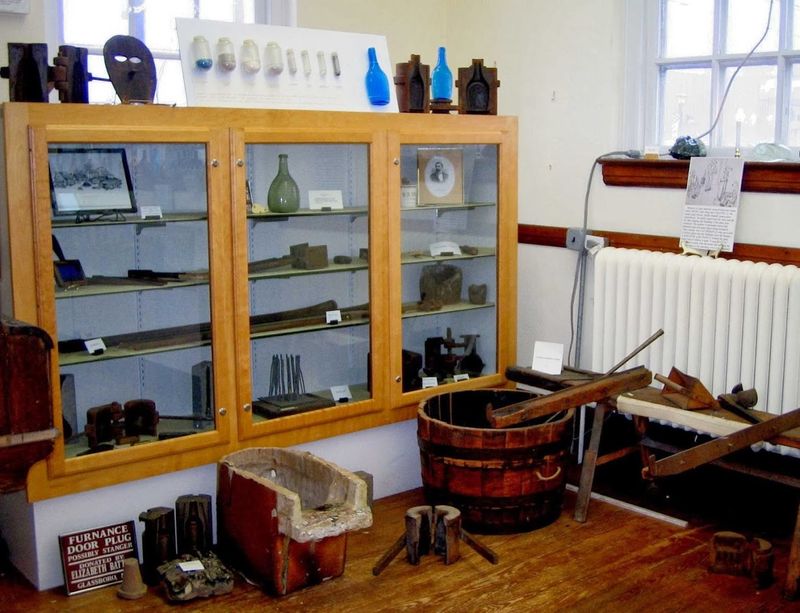
Large museums have scale, resources, and name recognition working in their favor. What they often cannot offer is the kind of direct, personal engagement that a small volunteer-run museum delivers almost automatically by virtue of its size and format.
At the Heritage Glass Museum, the ratio of guides to guests stays manageable, which means the experience feels more like a conversation than a presentation. Questions get real answers, tangents are welcome, and the pace adjusts to the group rather than following a fixed script.
That intimacy is harder to manufacture in a big institution and it tends to make information stick in a way that passive exhibit-browsing does not always achieve. People who visit this museum often leave knowing specific facts, names, and stories about South Jersey glass history that they can actually recall and repeat later.
That retention is the real measure of whether a museum did its job, and by that standard, this one consistently delivers beyond what its modest size might lead you to expect.
The Building Itself Has a Story to Tell
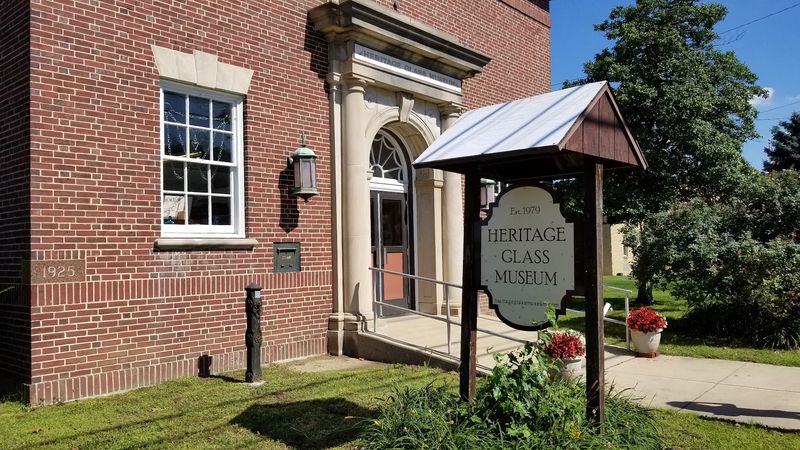
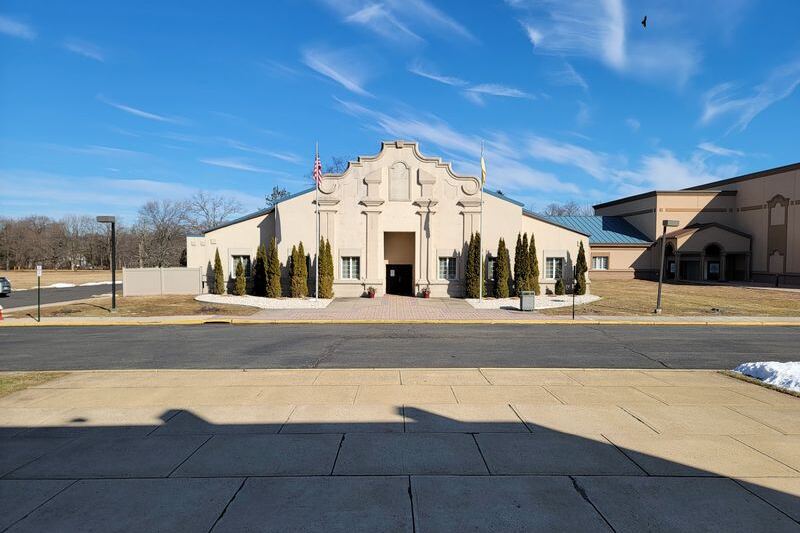
The Heritage Glass Museum is housed in a building that is approaching its 100th anniversary, which adds a layer of historical texture to the visit before you even step inside. The structure is part of Glassboro’s downtown fabric and reflects the architectural scale of the early 20th century commercial buildings that once lined similar streets across small American towns.
The museum has acknowledged this milestone explicitly, using the centennial as a hook for exhibit updates and programming. That kind of institutional self-awareness about the building’s own history is a nice touch that connects the physical space to the broader story being told inside it.
Old buildings used as museums carry a different energy than purpose-built cultural spaces. There is a continuity between the container and the contents that reinforces the sense that you are engaging with something genuinely rooted in place and time.
The building at 25 High St E is not just a backdrop for the collection. It is part of the story itself.
Why This Stop Is Worth Adding to Your Next Outing
There are plenty of things to do in South Jersey on a free afternoon, but few of them offer the combination of local history, free admission, and a genuinely knowledgeable guide in the space of an hour or less. The Heritage Glass Museum hits all three of those marks consistently.
The museum works well for people who are new to the area and want to understand where they have landed, and it works equally well for longtime residents who have never quite gotten around to exploring the industrial history that literally named their town.
The limited hours mean you have to be a little deliberate about planning a visit, but that small effort is repaid quickly once you are inside. Glassboro has more going on beneath its surface than most passersby realize, and this museum is one of the clearest windows into that depth.
Sometimes the most interesting part of a regular outing is the unexpected stop that turns out to be the part you remember longest.
Where the Story Begins: Finding the Museum on High Street
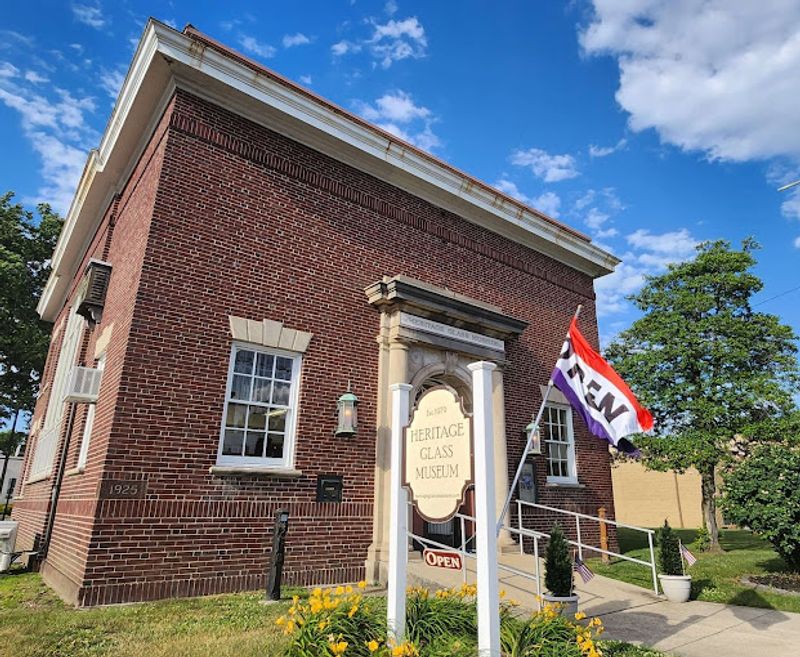
A town called Glassboro should probably have a glass museum, and sure enough, it does. The Heritage Glass Museum sits at 25 High St E, Glassboro, NJ 08028, right in the downtown area where parking is easy to find and the surroundings feel walkable and low-key.
Glassboro is a small college town in Gloucester County, in the southern part of New Jersey, roughly between Philadelphia and the Jersey Shore. It is not a place most tourists have circled on a map, which is exactly what makes the museum feel like a genuine find rather than a manufactured attraction.
The building itself is modest and easy to miss if you are not looking for it. But once you know what is inside, the unassuming exterior starts to feel fitting for a place that quietly holds one of the more fascinating chapters of South Jersey history.
Share this story