 Unearth The Voyage
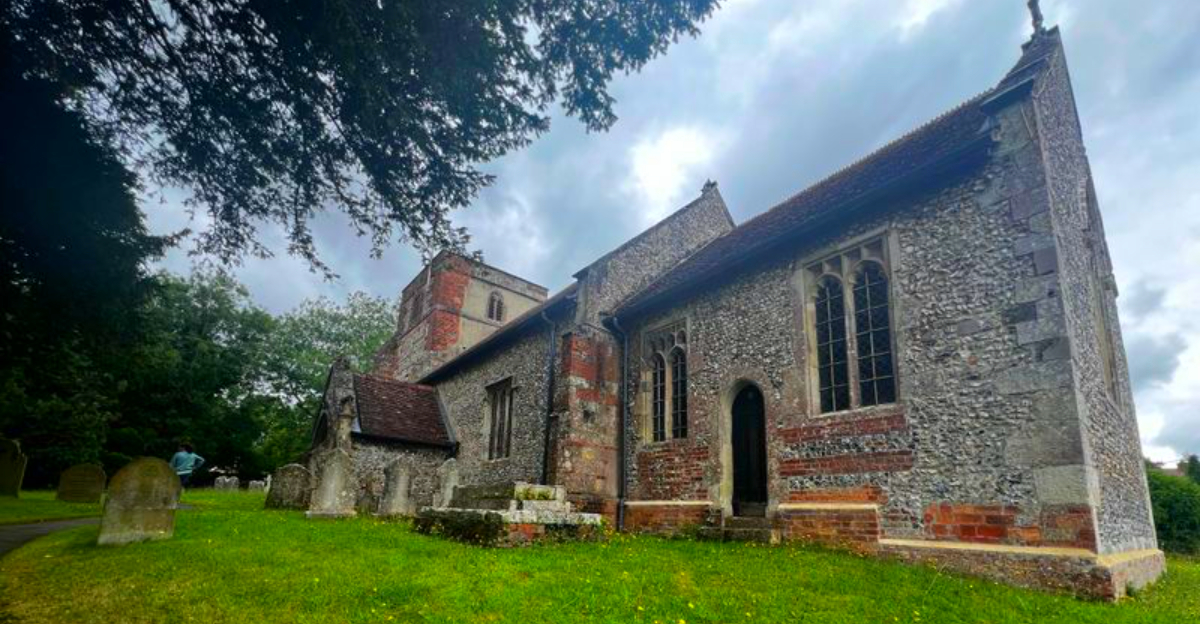
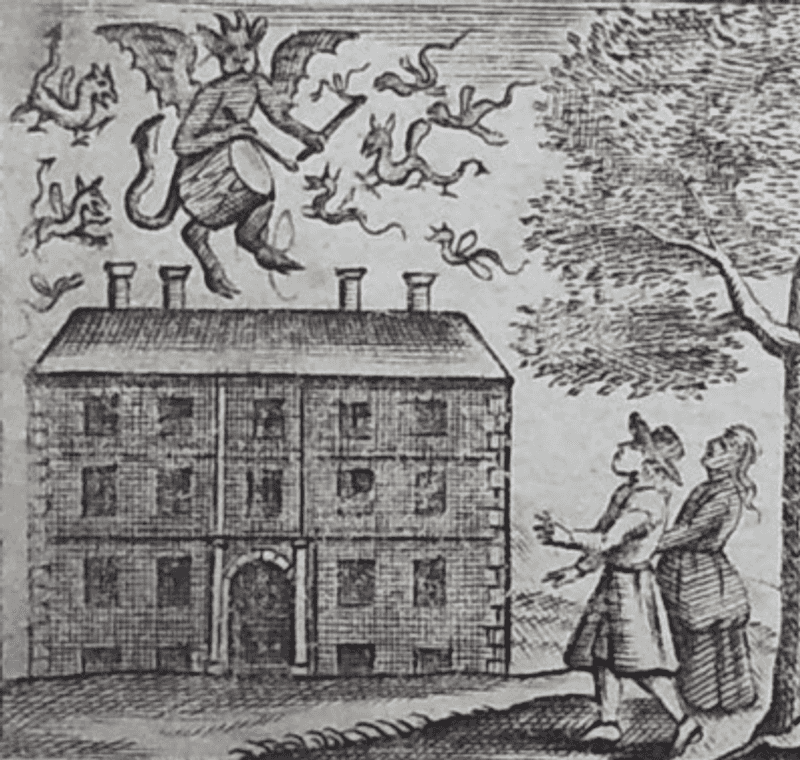
The Phantom Drummer of Tedworth still unsettles readers centuries after the final beat faded. In a quiet English village, sharp military rhythms echoed through a family home with no visible source, moving from room to room and defying every attempt to stop them.
This was not a tale whispered long after the fact. The events were recorded in the 17th century by a respected clergyman and philosopher, then argued over by skeptics and believers who could not agree on what, or who, was responsible.
When sound itself becomes relentless and intentional, fear spreads quickly. The Tedworth Drummer shows how a single disturbance can fracture an entire town’s sense of safety – and why the mystery still refuses to settle.
Setting the Stage: A Quiet Village Shaken

Tedworth was not the sort of place that expected headlines. Fields rolled toward hedgerows, church bells paced the week, and gossip rarely traveled faster than the market cart.
Then a drumbeat arrived without a drummer, and everything familiar felt newly dangerous.
You can picture the narrow lanes and close knit neighbors, each person certain they knew everyone else’s business. That certainty collapsed as soon as the tapping began within John Mompesson’s home.
In a village where night meant quiet, the beat cut like a blade.
People looked for obvious answers. A loose shutter, a mischievous youth, a stray animal trapped in a wall.
Yet the rhythm refused simple fixes, changing tempo and pattern like a trained drummer practicing. The longer it persisted, the more it felt like a presence.
Tedworth’s comfort turned brittle. When sound ignores walls, you start to doubt doors, locks, even daylight.
The Confiscated Drum: A Spark With Consequences

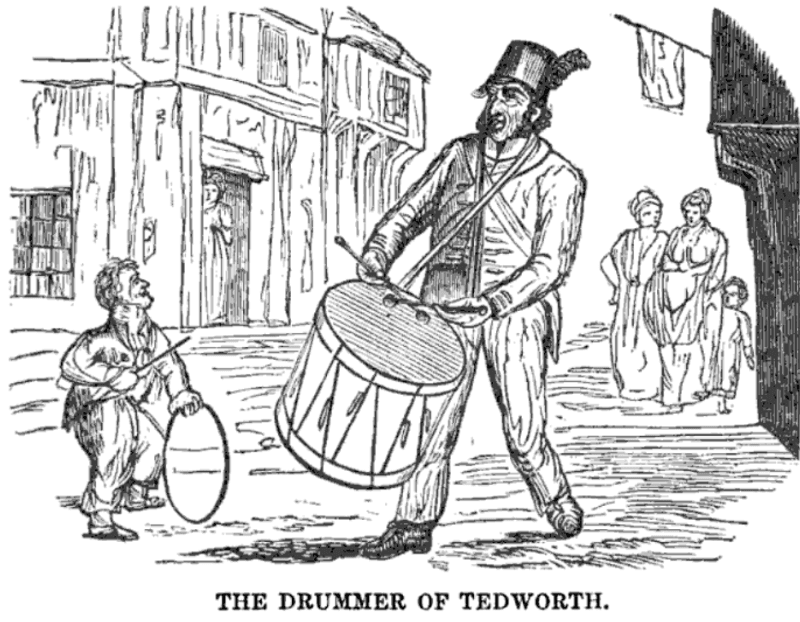
Before the haunting, there was an official decision. John Mompesson, a magistrate, confiscated a drum from a traveling performer named William Drury.
It seemed routine, a matter of vagrancy and order, the sort of paperwork that makes trouble disappear.
Instead, the trouble got louder. Soon after, drumming erupted in Mompesson’s house, as if the confiscated instrument had returned as an echo with a temper.
Neighbors connected the dots fast, because stories love a villain and a motive.
Drury reportedly warned Mompesson he would never have peace until the drum was restored. You can feel how a town would seize on that threat once the beats began stalking the halls at night.
Cause and effect felt neat, even if proof was messy. Whether revenge or coincidence, the sequence hardened into legend.
A single act of authority can ripple, and here it rippled like sticks on taut skin.
Escalation: From Taps to Terror

At first it was fingertip taps, the kind you could blame on settling wood. Then rolls and paradiddles arrived, tightening like a snare pulled to battle readiness.
The rhythms developed character, accelerating, halting, and striking when quiet felt most precious.
Weeks in, the disturbances broadened. Beds shook as if lifted by invisible hands.
Furniture slid, and scratches rasped from inside walls where nothing lived. Even hardened visitors admitted the cadence felt disciplined, not random.
That discipline is what turned noise into menace. Patterns imply intention, and intention implies agency you cannot see.
You might talk to it, bargain, or scold, but how do you reason with sound? When the house became a drum, sleep became negotiation.
Every night rehearsed a siege, and the family learned how long minutes stretch when you wait for the next strike. Terror, here, kept time.
Witnesses Arrive: Curiosity Meets Fear
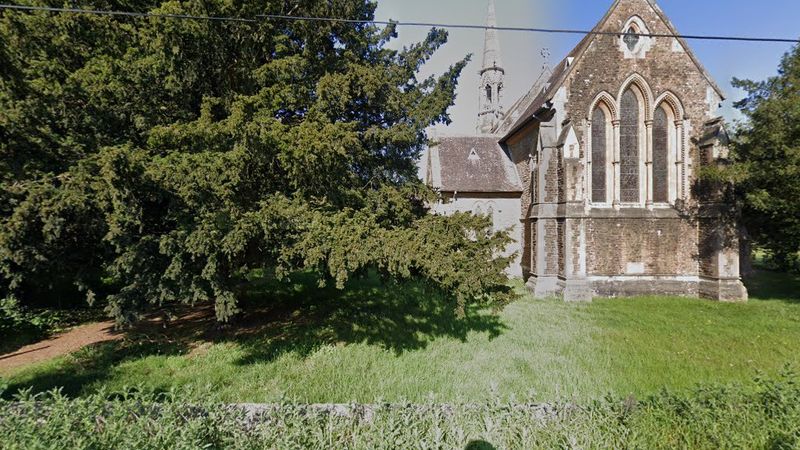
Word spread faster than any drumroll. Neighbors came first, then clergy, then gentlemen scholars eager to test nerves against the unknown.
Many heard the beats firsthand. Some swore the sound paused when addressed, then resumed with a mocking flourish.
Testimony piled up. Visitors tried experiments, moving rooms, posting watchers, praying aloud.
The drumming followed anyway. A few left before dawn, deciding belief was cheaper than bravery.
Curiosity became a civic event, and that carries pressure. When a room fills with expectation, every creak is magnified.
Yet multiple independent ears agreed on details: timing shifts, patterns like military practice, and a knack for appearing just when hope faded. No tidy demonstration exposed wires or accomplices.
The effect was theatrical without visible stagecraft. You can imagine the doorway conversations afterward, where laughter sounded forced and no one volunteered to spend the next night.
Joseph Glanvill: The Case That Would Not Let Go
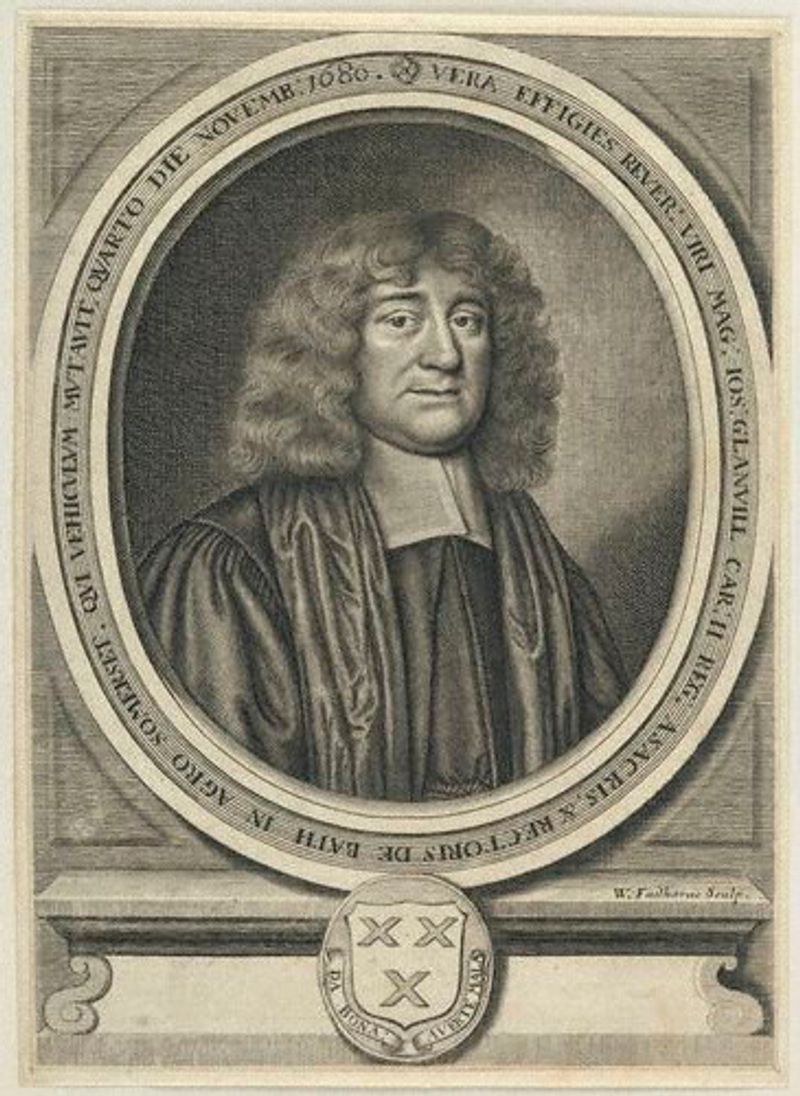
Joseph Glanvill, philosopher and clergyman, did what good investigators do. He listened, he cataloged, and he returned to the facts even when the facts were noisy.
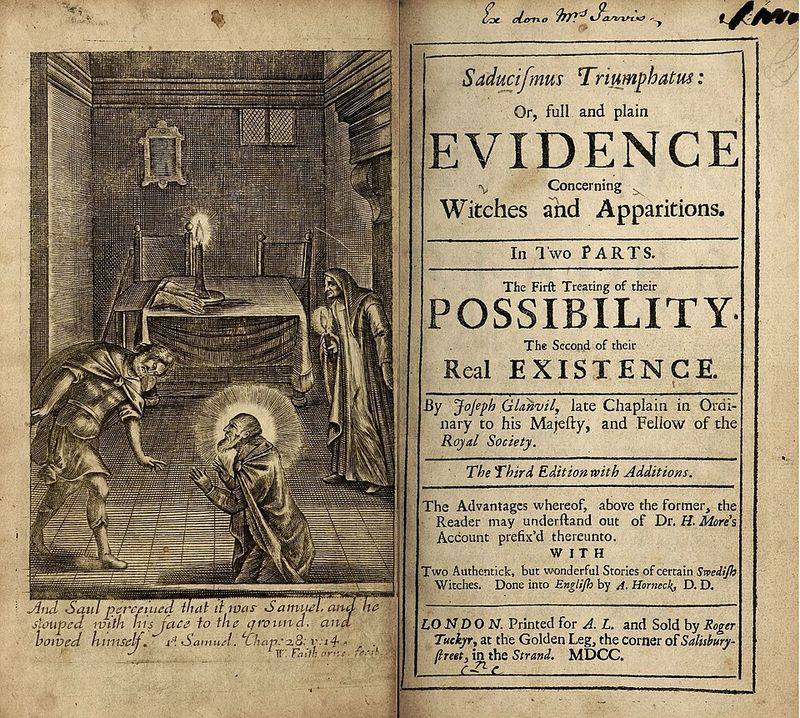
His later work, Saducismus Triumphatus, helped make the case famous far beyond Wiltshire.
Glanvill treated the haunting as evidence for spirits at work in the human world. That position challenged fashionable skepticism, but he wanted observations, not gossip.
He leaned on repeated reports, consistent features, and the palpable distress of the family.
You can quibble with his conclusions, but not his persistence. He gave the case narrative shape and preserved details others would have lost.
In a century wrestling with science and superstition, he tried to make inquiry serve belief. Whether you agree or not, his pages are why the beats still echo.
Without his pen, the drummer might have faded to a footnote.
Suspect and Motive: William Drury’s Shadow
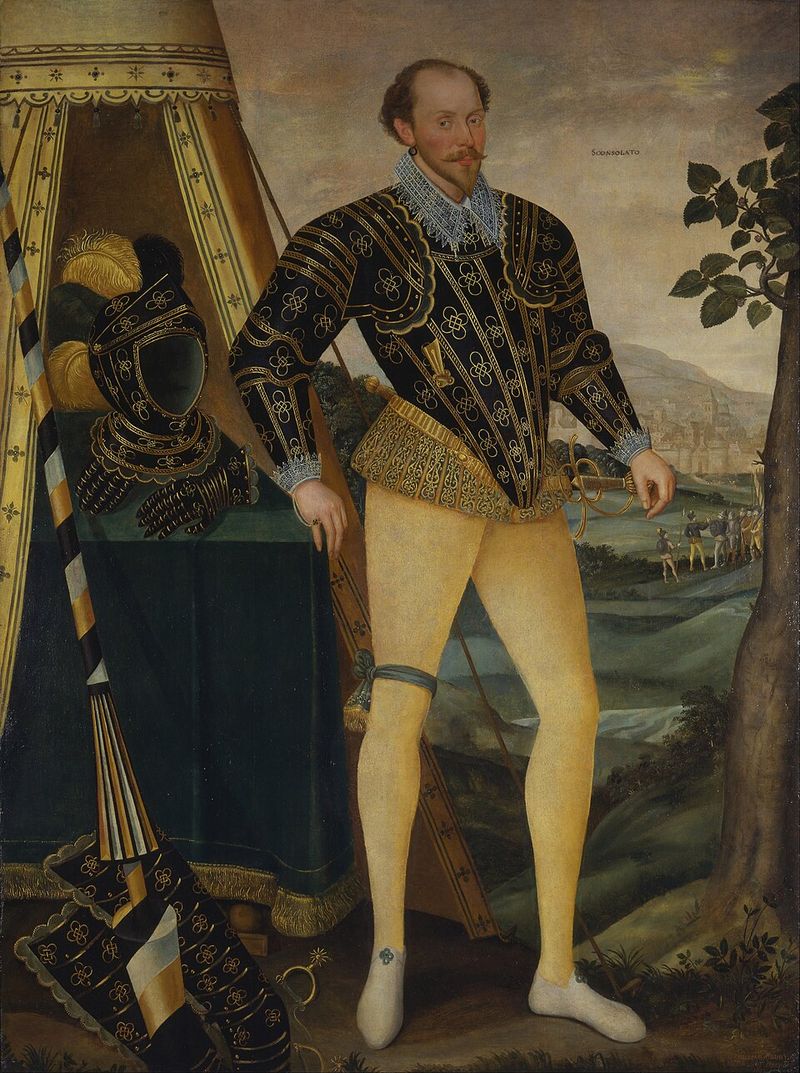
William Drury never quite leaves the room. The confiscated drum and the timing made him the convenient suspect.
Later reports claim he confessed while imprisoned, vowing Mompesson would find no peace until the drum returned.
Confessions, though, can be slippery things. Motives shift depending on who holds the quill.
Was it revenge, bravado, or a story sharpened by retelling? Even now, sources conflict on whether he died, repented, or bragged.
What you can hold is the psychological power of a named antagonist. Fear prefers a face.
Once Drury’s name hardened into lore, every knock sounded like his signature. True or not, that narrative simplified chaos, giving neighbors lines to repeat and pass along.
In that sense, Drury’s shadow beats as loudly as any drum. You do not need proof when a story fits the rhythm people already hear.
Natural Causes vs. Supernatural Claims
Skeptics went hunting for vermin, drafts, and mischief. Houses move.
Wood cracks. Rats drum with their feet.
Each theory handled a piece, but not the orchestration. Accents arrived on cue.
Rhythms resembled training exercises, not random scurry.
Believers answered with witchcraft or poltergeists, speaking the language of the 1660s. They saw intention and message, even malice.
When beds lifted, that sealed it for many. Intelligently timed sound feels personal.
Modern minds might add acoustic anomalies, pranks with hidden resonators, or crowd contagion. Psychologists note how expectation amplifies noise, while historians warn against present day certainty.
The truth may sit between mice and specters: layered causes, social pressure, and a single committed trickster. You do not need a ghost if enough people share a script.
You also do not need a rat if fear is perfectly tuned.
The Psychology of Sound You Cannot Escape
Sound is intrusive in ways light is not. You can close your eyes but not your ears.
A rhythmic signal, especially with military precision, hijacks attention and keeps the nervous system primed. No wonder sleep broke first.
Studies today show that persistent nighttime noise increases stress hormones and fragments sleep. The WHO estimates at least 1 in 5 Europeans are regularly exposed to harmful traffic noise, a modern echo of relentless disturbance.
Translate that to a village, add superstition, and the effect multiplies.
When noise appears intelligent, your brain assigns agency. Suddenly you are negotiating with air.
That perceived agency can escalate fear, group contagion, and even psychosomatic sensations like bed shaking. The Tedworth case reads like a primer on how sound sculpts belief.
You do not need to see a figure when your body is already braced for a strike.
Data Points: Separating Legend From Pattern
Legends thrive on highlights. Patterns live in the dull bits between.
Pull the Tedworth threads and you see spikes of activity tied to visitors, Sundays, and family movements. That clustering hints at social triggers rather than random chaos.
Modern surveys suggest about 28 percent of Americans report at least one paranormal belief, a cue that interpretive frames are primed. When multiple witnesses crowd a tense space, conformity pressures boost agreement.
The more ears in a room, the less anyone trusts their own.
Consider the duration: nearly two years, then silence. Mechanical hoaxes strain over long timelines, yet group narratives can sustain themselves until fatigue or novelty fades.
The stop reads like a social switch flipping. Data cannot close the case, but it can lower the fog.
Ask when, who, and under what conditions the beats grew bold. Patterns rarely haunt without help.
Case Study: The Night The Rhythm Answered Back
One often repeated scene features visitors challenging the noise. Speak if you hear us.
Stop. Resume.
The beats obliged, pausing for a breath, then returning with crisp defiance. You can feel the drop in stomachs when silence proved them right.
Could timing bias explain it? People issue commands constantly in tense rooms.
Some will coincide with random lulls. Confirmation arrives, the misses vanish in memory.
Yet accounts insist on repeated responsiveness, which is harder to shrug off.
Here is the practical takeaway: protocol matters. If you want answers, pre register commands, time stamp every event, and run blinded cues from another room.
Lacking that, you are negotiating with coincidence. The Tedworth experimenters had courage but not control.
Their fear became part of the instrument, and the instrument played them.
After the Silence: What Endings Mean

The beats stopped without apology. No final confrontation, no exorcism finale, just ordinary mornings that felt extraordinary because nothing thumped.
Endings like that frustrate storytellers and delight skeptics. Mystery evaporates best in daylight.
Rumors tried to clean up the edges. Drury confessed.
Drury died. The house calmed after a return, or a prayer, or simply time.
Each version delivers closure tailored to the teller’s belief.
In investigations, cessation can be the most honest data point. Hoaxes exhaust.
Crowds disperse. Families adapt and refuse to feed the phenomenon.
Or, if you prefer spirits, perhaps whatever message it had to bang out was delivered. Either way, the absence of noise speaks volumes.
Relief is not a theory, but it is a result.
Why The Phantom Drummer Still Resonates
The Tedworth Drummer endures because it hits a human weak spot. Sound reaches us deeper than we admit.
A beat can marshal an army, lift a parade, or haunt a bedroom. When you cannot locate the source, you fill the gap with meaning.
This story sits where folklore, psychology, and early science overlap. It inspired later writers and even concept art for Disney’s Haunted Mansion, proof that a good rhythm travels.
Glanvill’s pages gave it stamina. Your curiosity keeps it in shape.
The practical value is not just spooky. It reminds you to measure, to document, and to ask how context molds experience.
If a noise unnerves your home or team, build protocols, not legends. But also, listen.
Sometimes the pattern you deny is the pattern you need to notice. Either way, the beat teaches.



