 Unearth The Voyage
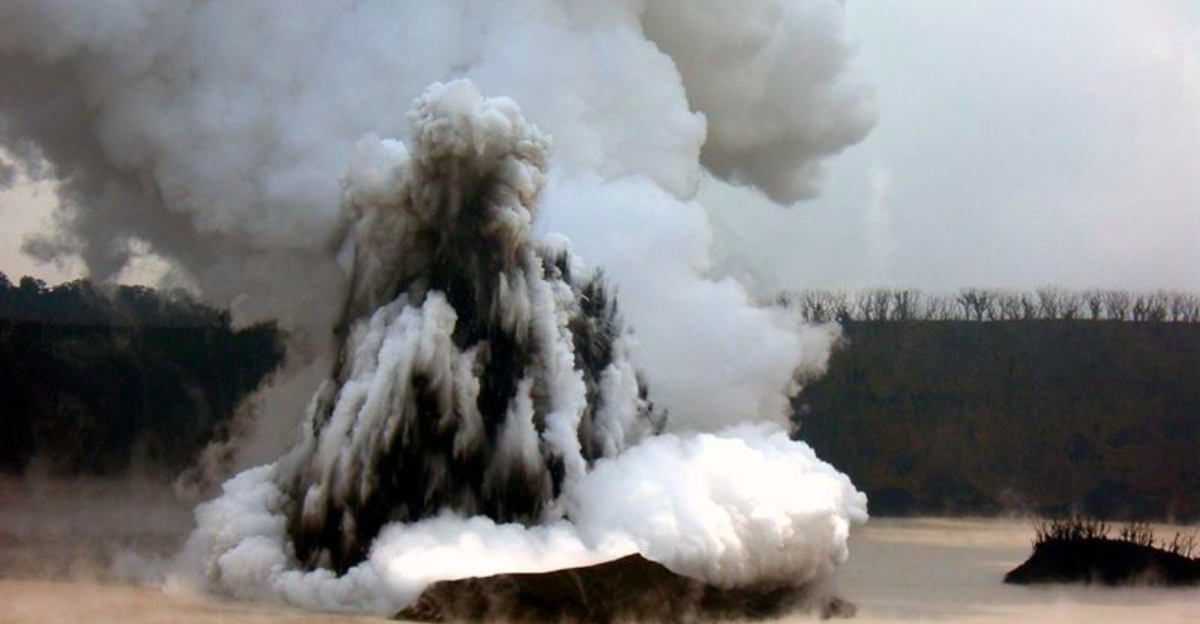
Imagine waking up to find dark particles drifting from the sky, coating your home, your plants, and everything you touch. This isn’t some science fiction story but the reality for people living on Ambae, a remote volcanic island in Vanuatu.
The “black snow” that falls here comes from Mount Ambae, also called Manaro Voui, an active volcano that occasionally reminds everyone that paradise can be unpredictable. What makes this phenomenon so fascinating is how it transforms daily life in ways most of us could never imagine.
Snow Falls Where Snow Should Be Impossible
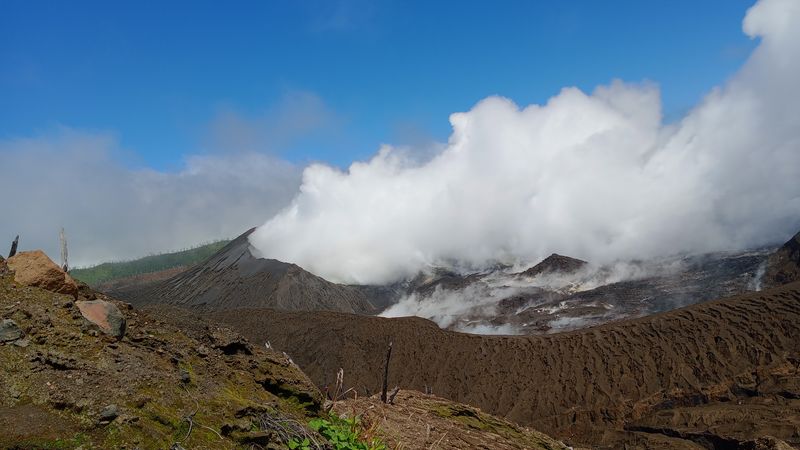
Picture a tropical island where coconut palms sway in warm breezes and the ocean sparkles under endless sunshine. Snow seems completely out of place in such a setting.
Yet on Ambae, this bizarre phenomenon actually happens.
The island sits in the South Pacific, far from any frozen tundra or winter storms. Temperatures here stay warm year-round, making the appearance of falling white particles seem impossible.
But what drifts down isn’t frozen water at all.
Instead, fine volcanic ash from Mount Ambae creates a snowlike effect as it blankets the landscape. The contrast between tropical warmth and this strange precipitation creates an eerie, unforgettable sight.
Locals have adapted to this reality, but visitors find it deeply unsettling.
Children who’ve never seen real snow sometimes mistake the ash for it at first glance. The illusion breaks quickly when they touch the gritty, dark particles.
This phenomenon shows how volcanic activity can transform even the most predictable climates into something extraordinary and strange.
It’s a Place Associated With Beaches, Not Blizzards
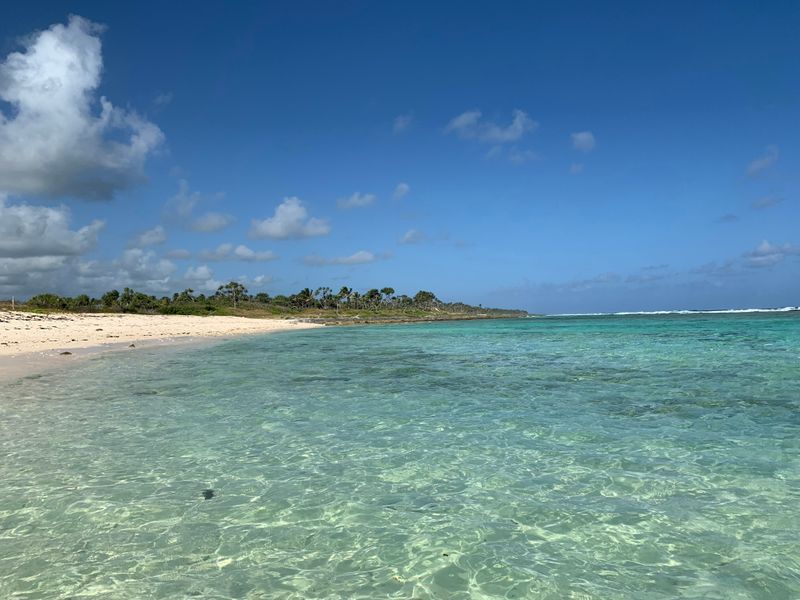
When travelers dream of Vanuatu, they envision pristine beaches with turquoise waters and soft white sand. Ambae fits that picture perfectly under normal circumstances.
The island’s coastline offers stunning views and peaceful moments that define tropical paradise.
Brochures and travel websites showcase sunny days, swaying hammocks, and snorkeling adventures. Nobody expects to see dark particles covering beach umbrellas and coating the sand.
The contrast between expectation and reality can be jarring for newcomers.
Local tourism once thrived on the island’s natural beauty and welcoming communities. Traditional dances, fresh seafood, and volcanic lake hikes attracted adventurous visitors.
But volcanic eruptions have complicated this idyllic image.
The beaches remain beautiful, but they now tell a more complex story. Dark ash lines the shore after eruptions, creating stark patterns against pale sand.
Ocean waves still roll in rhythmically, but the landscape bears visible marks of volcanic activity that remind everyone of nature’s dual personality.
The First Signs Are Easy to Miss
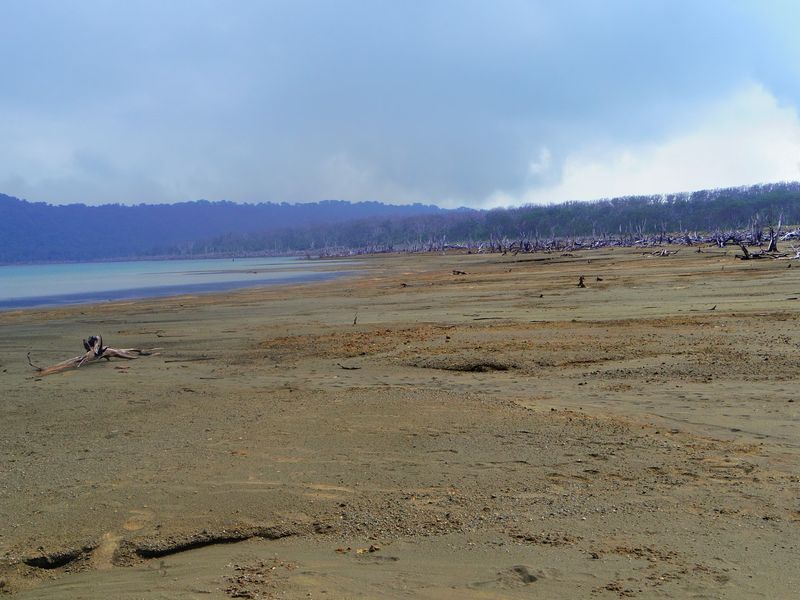
Volcanic eruptions don’t always announce themselves with dramatic explosions or rivers of lava. Sometimes they begin quietly, with subtle changes that people barely notice.
On Ambae, the initial signs often slip past residents focused on daily routines.
The air might feel slightly heavier than usual, but not enough to cause alarm. A faint smell drifts on the breeze, easily dismissed as smoke from cooking fires.
Plants might droop a bit more than expected, but tropical weather can be unpredictable anyway.
Surfaces develop a thin coating of dust that seems unremarkable at first. People wipe it away without much thought, assuming it’s just normal dirt.
The ground takes on a darker hue, but the change happens gradually enough to avoid immediate concern.
Only when these small signs persist and intensify do people realize something unusual is happening. By then, the volcano has already begun its work.
This gradual onset makes preparation difficult and catches communities off guard when the ash fall becomes impossible to ignore.
People Initially Dismiss It
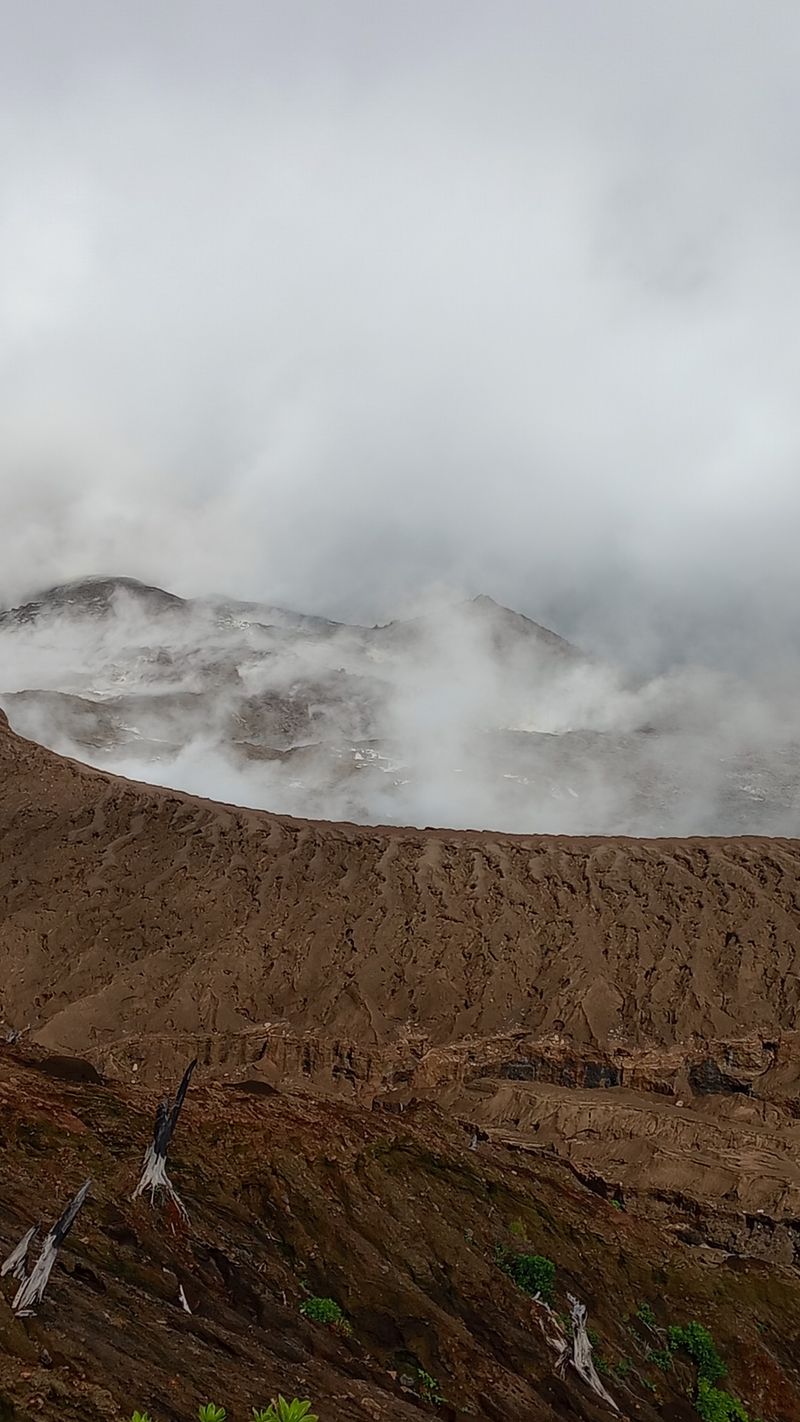
Human nature tends toward optimism and denial when faced with potential threats. Ambae residents, accustomed to living near an active volcano, often downplay early warning signs.
They’ve seen minor eruptions before and life always returned to normal.
When dark particles first appear, many assume they’re looking at ordinary dust blown from distant areas. Perhaps someone is burning brush nearby, or strong winds have carried debris from another part of the island.
Logical explanations come easily.
Families continue their routines without interruption. Children attend school, farmers tend crops, and fishermen head out to sea.
Surfaces get wiped clean during regular household chores, and the matter receives little discussion.
This initial dismissal isn’t foolishness but rather a coping mechanism developed over generations. Constant worry about volcanic activity would make daily life unbearable.
Only when the ash fall persists for days does the collective mood shift from dismissal to concern, forcing everyone to acknowledge that this time might be different from past experiences.
But It Keeps Coming Back
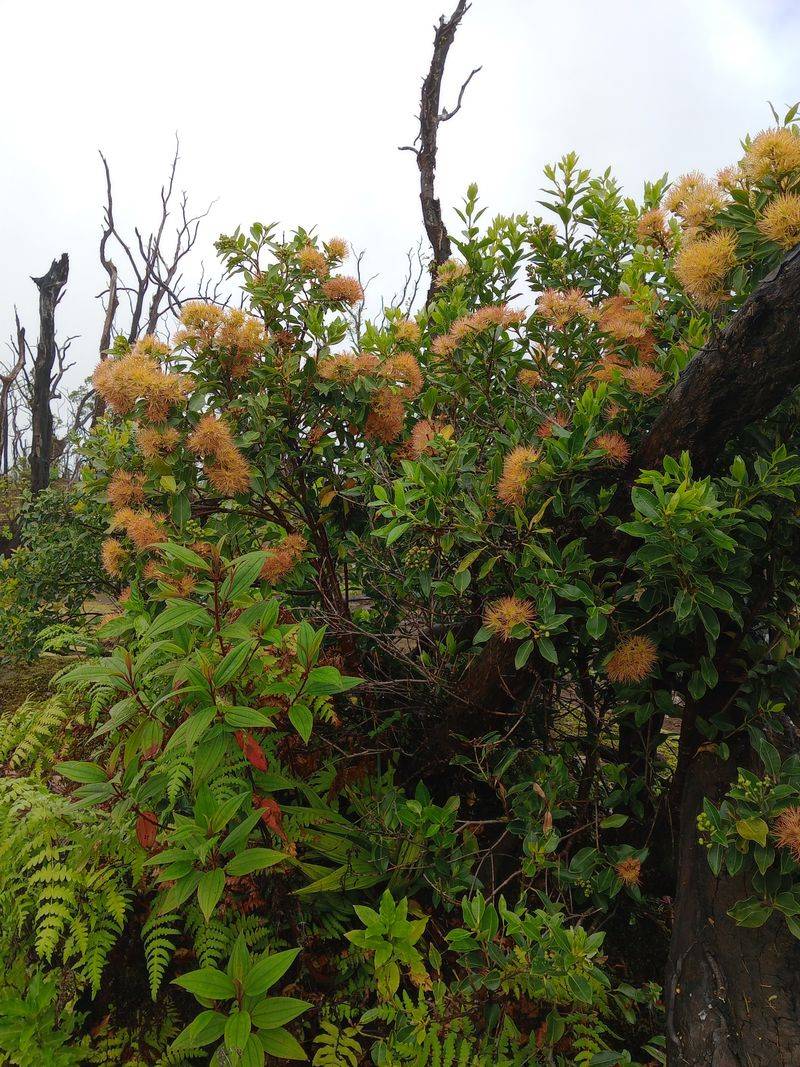
The most unsettling aspect of volcanic ash fall isn’t the initial appearance but its relentless persistence. Ambae residents clean their homes thoroughly, sweeping away every trace of dark particles.
By the next morning, everything is covered again.
This cycle repeats day after day, wearing down even the most optimistic spirits. Roofs that were scrubbed clean yesterday look dirty again today.
Water containers require constant filtering and cleaning to remain usable.
The psychological toll of this endless battle becomes significant over time. People realize they’re not dealing with a single event but an ongoing situation with no clear end date.
Energy spent on cleaning could be used for other important tasks.
Children ask when the ash will stop, and parents struggle to provide reassuring answers. The uncertainty creates stress that affects entire communities.
Unlike a storm that passes in hours or days, volcanic ash fall can continue for weeks or months, fundamentally disrupting life and forcing difficult decisions about whether to stay or evacuate.
The Snow Falls Quietly and Gently
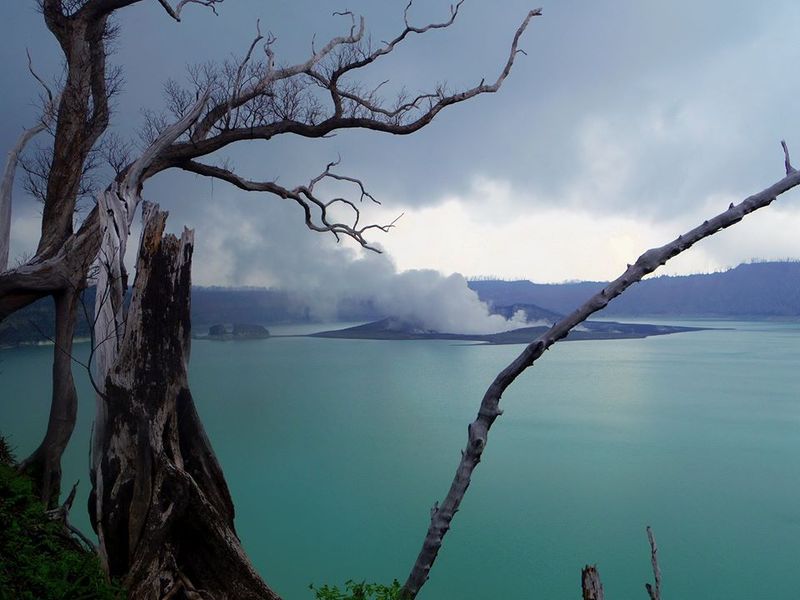
Unlike violent volcanic explosions with roaring sounds and dramatic displays, the ash fall on Ambae often occurs with eerie silence. Fine particles drift downward slowly, creating an almost peaceful scene that belies the disruption they cause.
From a distance, the sight can appear almost beautiful.
The particles float on air currents like snowflakes, swirling gently before settling. There’s no thunder, no rumbling, no obvious danger signals.
This quiet descent makes the phenomenon feel surreal and dreamlike.
Photographers have captured haunting images of this silent snowfall, showing dark particles suspended in tropical air. The visual contrast between gentle falling motion and dark coloring creates striking compositions.
Yet living through it feels far different from viewing pictures.
The silence adds to the psychological impact because it removes the expected warning signs of danger. Humans instinctively react to loud noises and sudden movements.
A quiet threat that accumulates gradually proves harder to process emotionally, making the experience more disturbing for those who must endure it day after day without respite.
Up Close, It Feels Wrong
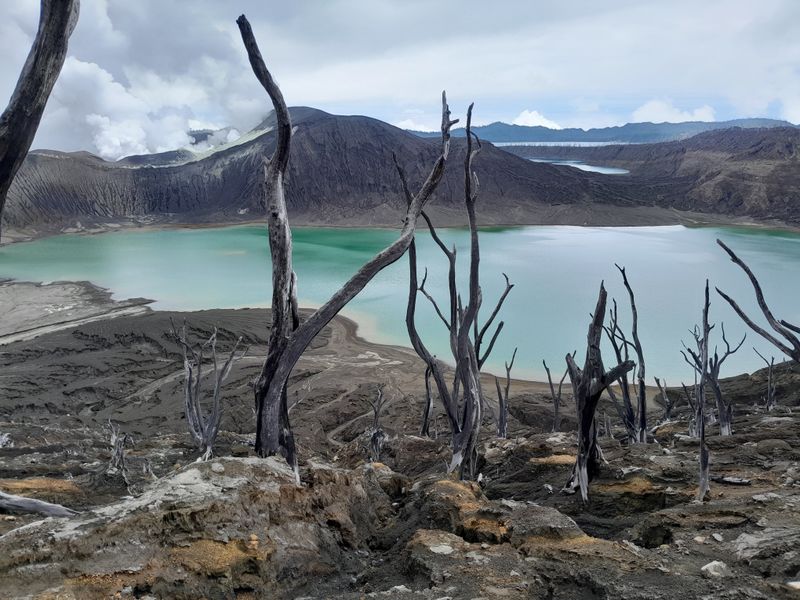
What appears peaceful from afar becomes uncomfortable when experienced directly. Breathing the ash-filled air irritates lungs and throats, causing coughing and discomfort.
Each breath reminds residents that something is fundamentally wrong with their environment.
Water sources take on a gritty texture and strange taste. Even after filtering, the liquid doesn’t feel quite right.
Cooking becomes challenging when ingredients need extra washing and preparation to remove ash contamination.
Crops struggle under the weight of accumulated particles. Leaves that should be vibrant green appear gray and wilted.
Gardens that once provided food now require constant attention just to keep plants alive.
The tactile experience of volcanic ash differs greatly from regular dust. It feels grittier, almost abrasive against skin.
Clothing becomes stained and difficult to clean properly. Every surface in homes develops a coating that resists simple wiping, requiring serious scrubbing to remove.
These physical sensations create constant reminders that life has become abnormal and difficult in ways that pictures cannot capture.
Jokes Quickly Turn Into Concern
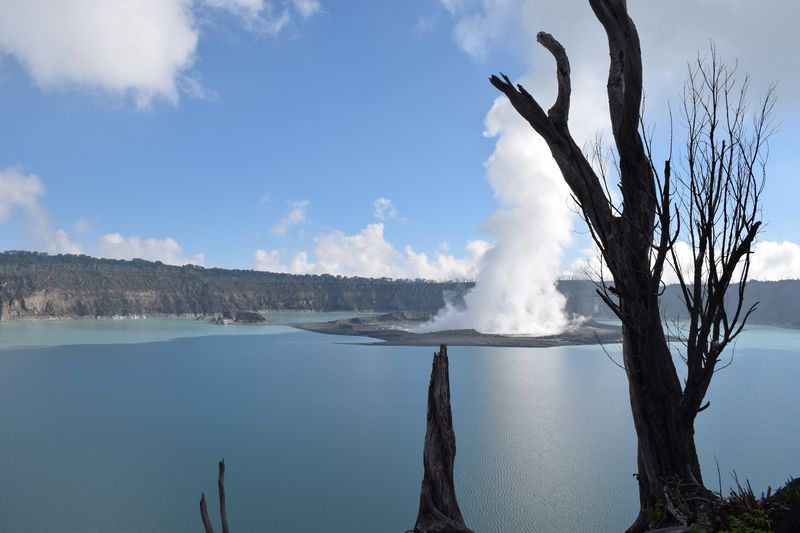
Human beings often use humor to cope with unusual situations. When ash first appeared on Ambae, some residents made light of it.
Jokes about tropical snow and unexpected winter weather helped ease initial tension. Laughter provided temporary relief from worry.
Children played in the ash, pretending to have snowball fights. Adults took photos and shared them with relatives on other islands.
The novelty factor made the experience feel almost entertaining for a brief period.
But humor has limits when reality becomes harsh. As ash accumulation continued and health problems emerged, jokes stopped feeling appropriate.
The situation transformed from quirky novelty to serious crisis requiring action and support.
Community meetings shifted from lighthearted discussions to emergency planning sessions. Government officials began organizing evacuations.
Aid organizations started coordinating relief efforts. The transition from amusement to alarm happened surprisingly quickly, teaching everyone that what begins as curiosity can rapidly evolve into genuine danger requiring immediate attention and resources to protect vulnerable populations from ongoing volcanic activity.
It Covers Everything
The comprehensive nature of volcanic ash coverage becomes overwhelming quickly. Roofs accumulate thick layers that add weight to structures never designed to bear such loads.
Some buildings risk collapse if ash isn’t removed regularly, adding physical labor to already stressed communities.
Roads disappear under gray-black blankets that reduce visibility and make travel dangerous. Vehicles struggle through ash drifts, and walking becomes treacherous on slippery surfaces.
Transportation networks that connect communities face serious disruption.
Garden plants vanish beneath the coating, unable to photosynthesize properly. Fruit trees stop producing, and vegetable gardens fail.
Food security becomes a pressing concern as local agriculture suffers severe damage.
Water collection systems, crucial for island communities, become contaminated. Rain tanks fill with ash-laden water that requires extensive filtering.
Natural springs and streams carry volcanic particles that make water unsafe for drinking without treatment. Even indoor spaces aren’t safe as fine ash infiltrates through cracks and gaps, coating furniture, floors, and belongings despite best efforts to seal homes against intrusion.
Everyday Life Becomes Harder
Simple tasks that once required minimal thought now demand significant effort and time. Washing food involves multiple rinses to remove ash particles.
What used to take minutes now consumes much longer, using precious water resources that are themselves compromised.
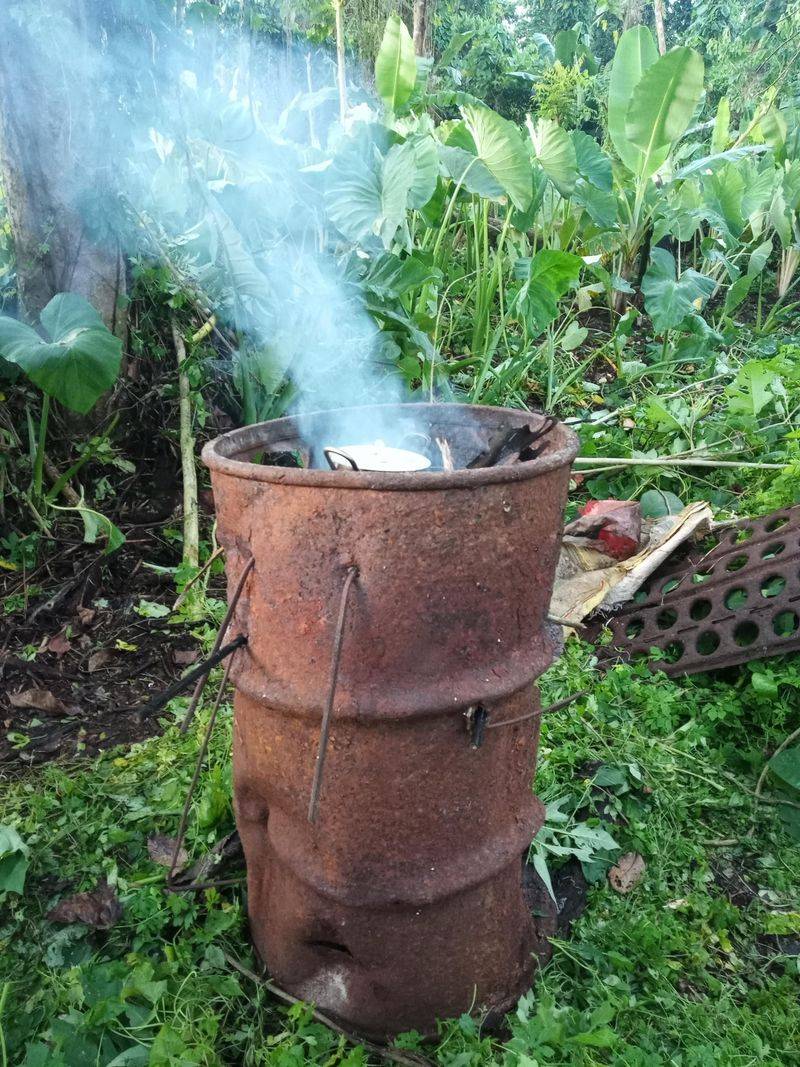
Collecting water becomes a major undertaking requiring filtration systems and constant vigilance. Families must boil and strain water before using it for drinking or cooking.
The extra steps add hours to daily routines already disrupted by other ash-related challenges.
Taking deep breaths outdoors becomes impossible without coughing. People wear masks and scarves to filter air, but these measures provide only partial protection.
Children and elderly residents suffer most from respiratory complications caused by ash inhalation.
Laundry that once dried quickly in tropical sun now requires indoor drying to prevent ash contamination. Hanging clothes outside means they’ll need rewashing.
These accumulated inconveniences drain energy and morale, making each day feel like an exhausting obstacle course where basic survival tasks consume time and resources that should be available for work, education, and community life.
The Constant Presence Is the Worst Part
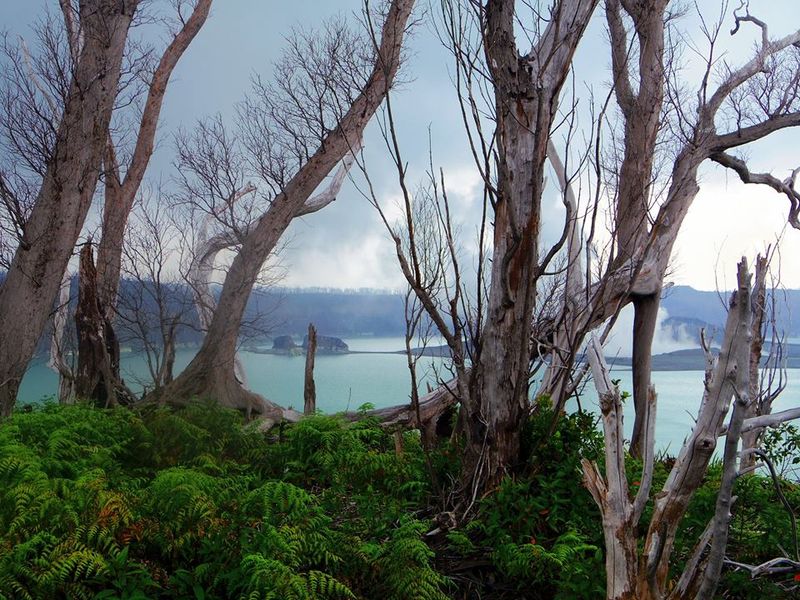
Physical challenges are difficult, but the psychological burden of unending ash fall proves even harder to bear. Residents can’t escape or take breaks from the problem.
Opening eyes each morning means facing another day of the same relentless coverage.
The lack of control creates helplessness and anxiety. Unlike problems that can be solved through effort or planning, volcanic activity follows its own timeline.
People must simply endure until the volcano decides to stop erupting.
Sleep becomes difficult when worry about roof collapse or health problems intrudes on rest. Dreams feature ash and evacuation scenarios.
Mental health suffers as stress accumulates without relief.
Children sense adult anxiety and develop their own fears. Schools close due to unsafe conditions, disrupting education and social connections.
Normal childhood experiences become impossible when playing outside means exposure to harmful particles. The constant presence of ash transforms from physical inconvenience to existential threat that colors every aspect of life, making it impossible to maintain normalcy or optimism when each day brings the same gray-black reminder of vulnerability.
Photos Don’t Tell the Whole Story
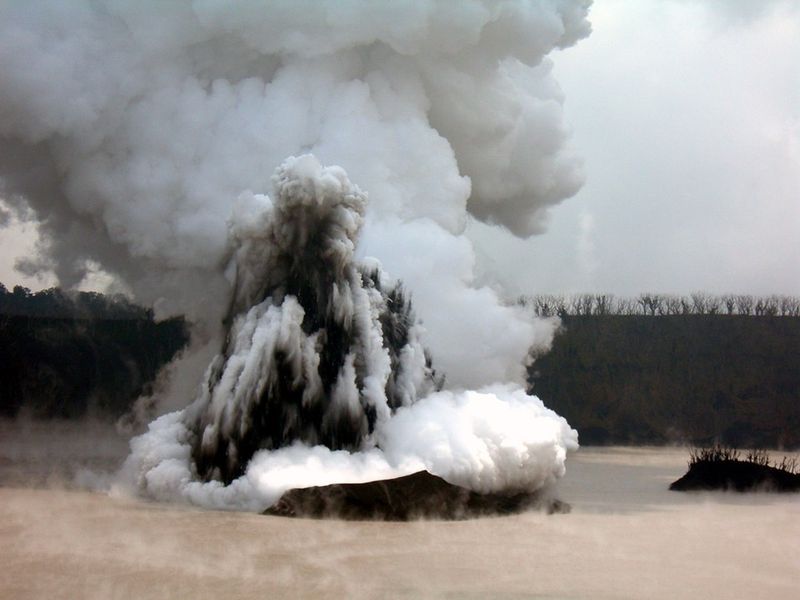
Social media and news outlets have shared striking images of Ambae’s black snow phenomenon. The photographs look dramatic and fascinating, attracting thousands of views and shares.
Viewers marvel at the unusual sight from the safety and comfort of their own homes.
But images capture only visual aspects, missing the smell of sulfur that hangs in the air. They can’t convey the gritty feeling of ash between teeth or the burning sensation in lungs after breathing contaminated air.
Two-dimensional pictures fail to communicate three-dimensional suffering.
The aesthetic appeal of falling ash photographs creates a disconnect between viewer perception and resident reality. What appears beautiful or interesting in pictures represents daily hardship and potential danger for those actually living through it.
This gap in understanding can affect aid efforts and public sympathy.
Videos provide slightly more context but still sanitize the experience. The exhaustion, fear, and frustration don’t translate through screens.
Only by listening to resident testimonies and understanding the cumulative impact can outsiders begin to grasp what life under volcanic ash truly means for Ambae’s population.
This Happens on the Island Nation of Vanuatu
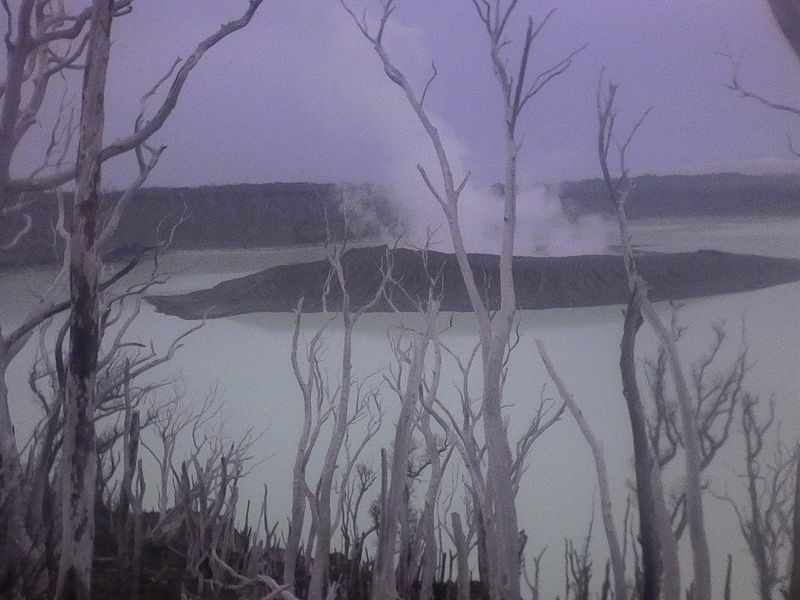
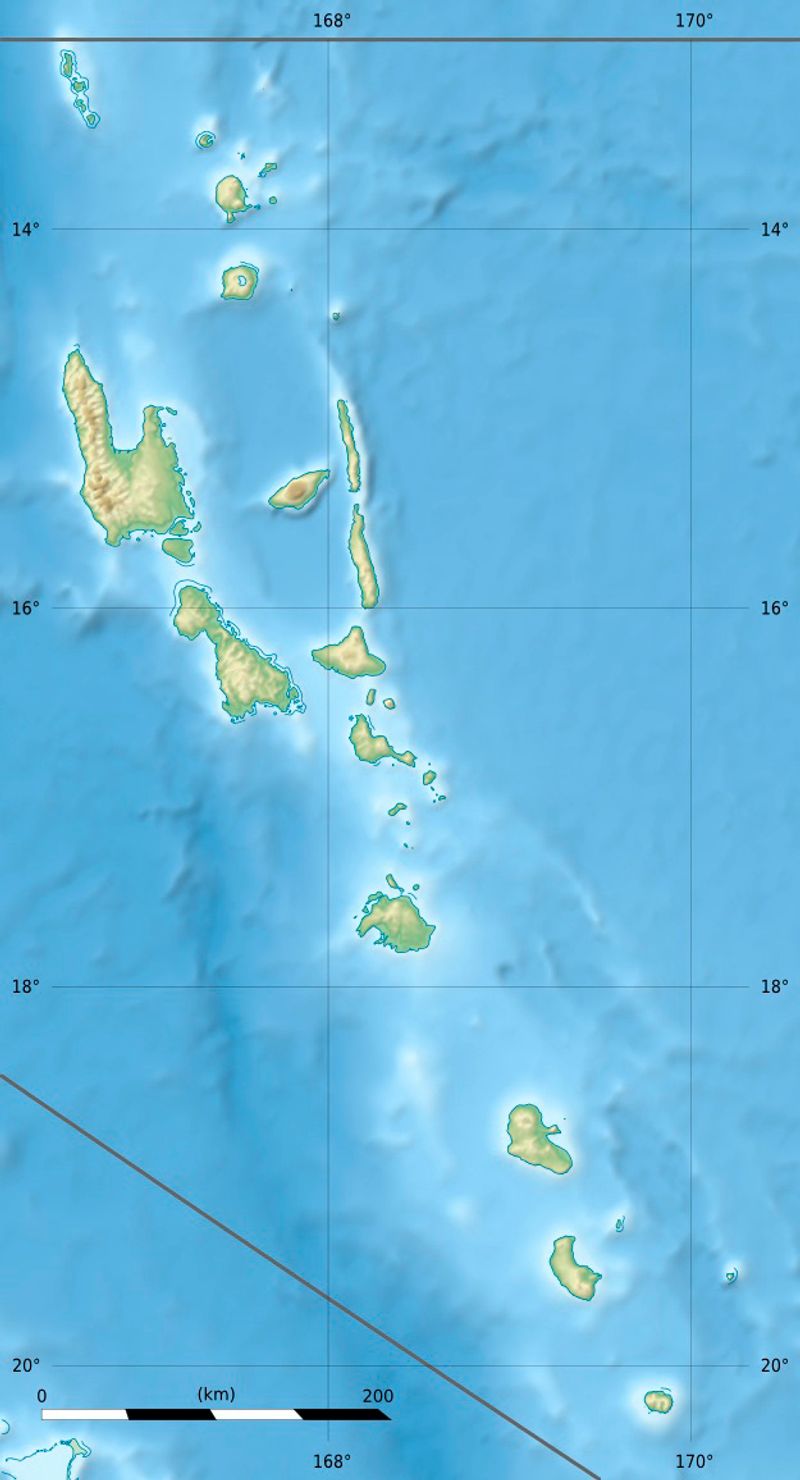
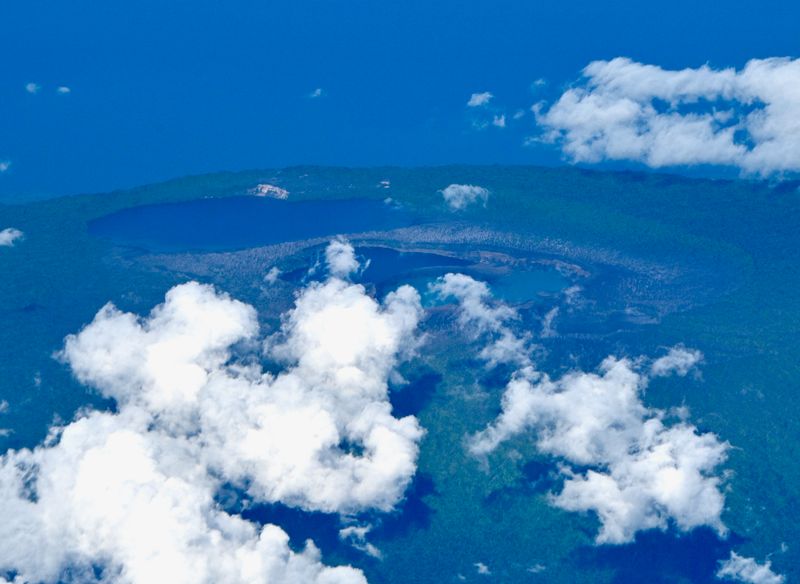
Ambae sits within Vanuatu, a Y-shaped chain of approximately 80 islands scattered across the South Pacific Ocean. The nation lies about 1,750 kilometers east of Australia and north of New Zealand.
Its remote location means help and resources must travel significant distances during crises.
Vanuatu’s total population hovers around 300,000 people spread across multiple islands. Ambae itself hosts roughly 10,000 residents who call the volcanic island home.
The nation’s economy depends heavily on agriculture, fishing, and tourism, all sectors vulnerable to volcanic disruptions.
The country sits along the Pacific Ring of Fire, a zone of intense seismic and volcanic activity. Several of Vanuatu’s islands feature active volcanoes, making eruptions a recurring challenge.
Ambae’s Mount Manaro Voui represents just one of multiple volcanic threats the nation faces.
Vanuatu gained independence from joint British and French colonial rule in 1980. The young nation continues developing infrastructure and emergency response capabilities.
Geographic isolation and limited resources make disaster management particularly challenging when volcanic eruptions, cyclones, or earthquakes strike these beautiful but vulnerable islands.
The Black Snow Is Actually Volcanic Ash
The mysterious black snow falling on Ambae consists of volcanic ash, not frozen precipitation. This ash forms when magma fragments during eruption, creating tiny rock particles and volcanic glass shards.
These fragments get blasted into the atmosphere where wind currents carry them across the island.
Volcanic ash differs significantly from wood ash or regular dust. The particles have sharp, angular edges that can damage lungs, eyes, and machinery.
Under microscopes, ash reveals jagged glass-like structures capable of scratching surfaces and causing abrasions.
The dark color comes from the chemical composition of Ambae’s volcanic rock, which contains minerals that appear black or dark gray. As ash falls and accumulates, it creates the snowlike appearance that gives this phenomenon its dramatic nickname.
Scientists classify volcanic ash by particle size. The finest particles can remain airborne for extended periods, traveling far from the eruption source.
These tiny fragments pose the greatest health risks because they penetrate deep into lungs. Understanding ash composition helps authorities make decisions about evacuations and safety measures to protect island populations from ongoing volcanic activity.
Nature Reminds Everyone Who’s in Control
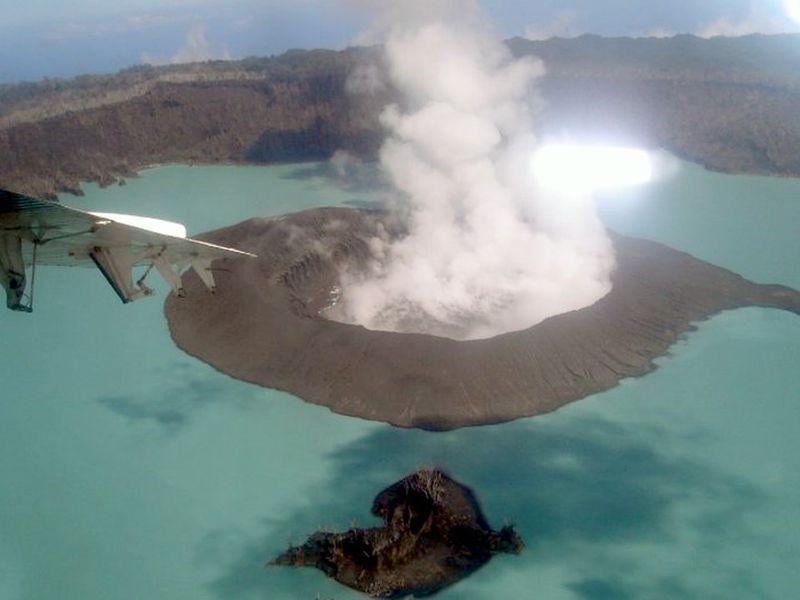
Mount Ambae’s eruptions deliver a humbling message about human limitations. Despite technological advances and modern infrastructure, people remain vulnerable to natural forces beyond their control.
The volcano operates on geological timescales that ignore human schedules and needs.
Ash damages crops carefully planted and tended by farmers who depend on successful harvests. Months of agricultural work can be destroyed in days, threatening food security.
Water sources that communities have used for generations become contaminated, requiring expensive treatment or alternative supplies.
Respiratory problems affect the most vulnerable populations first. Children struggle to breathe properly, and elderly residents face serious health complications.
Medical facilities on remote islands lack resources to treat large numbers of ash-related illnesses simultaneously.
Evacuation becomes necessary when conditions deteriorate beyond tolerance. Families abandon homes and possessions, seeking refuge on other islands.
The displacement creates refugee situations requiring humanitarian assistance. These harsh realities strip away illusions of control, reminding everyone that even in tropical paradise, nature ultimately sets the rules and humans must adapt or relocate when volcanic forces assert themselves across the landscape.



