Death can come in many forms, but some causes are so uncommon that most doctors will never encounter them in a lifetime of practice. From brain-eating amoebas to falling icicles, the world holds some truly bizarre and startling ways a person can die.
These rare causes are not myths or horror stories; they are medically documented events backed by real research. Understanding them helps us appreciate just how unpredictable life can be, and how far modern medicine has come in protecting us.
1. Brain-Eating Amoeba (Naegleria fowleri)
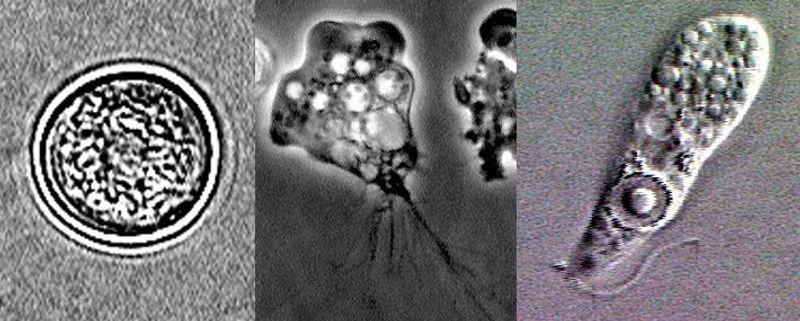
Lurking in warm freshwater lakes, rivers, and hot springs, Naegleria fowleri is a single-celled organism with a terrifying ability. Once it enters the body through the nose, usually during swimming, it travels directly to the brain.
The infection it causes, called primary amebic meningoencephalitis, destroys brain tissue rapidly.
Globally, only a handful of cases are reported each year, making it extraordinarily rare. In the United States, fewer than 10 infections occur annually on average.
However, the survival rate is devastatingly low, with less than 5% of patients surviving.
Scientists are actively researching treatments, and early experimental drugs have shown some promise. Avoiding warm, stagnant freshwater during hot months is currently the best prevention.
Wearing a nose clip while swimming in natural bodies of water can also significantly reduce risk of exposure.
2. Rabies from Organ Transplants

Most people know rabies comes from animal bites, but a far stranger transmission route exists. A tiny number of documented cases worldwide involve patients receiving organs from donors who unknowingly carried the rabies virus.
The recipients developed fatal rabies infections after their transplants, shocking the medical community.
These cases are extraordinarily rare because donor screening is thorough and rigorous. However, rabies can be difficult to detect in early stages, particularly when a donor shows no obvious symptoms before death.
Once symptoms appear in recipients, the outcome is almost always fatal without immediate intervention.
Medical authorities worldwide have since tightened protocols to reduce this already minimal risk. Clusters of transplant-related rabies cases have been reported in Germany and the United States.
These events, though tragic, have led to meaningful improvements in how donors are evaluated before their organs are accepted for transplantation.
3. Fatal Caffeine Overdose
Caffeine is the world’s most widely consumed stimulant, found in coffee, tea, energy drinks, and chocolate. For the vast majority of people, it is perfectly safe in normal amounts.
But in rare cases involving concentrated caffeine powders or high-dose supplements, it can become lethal.
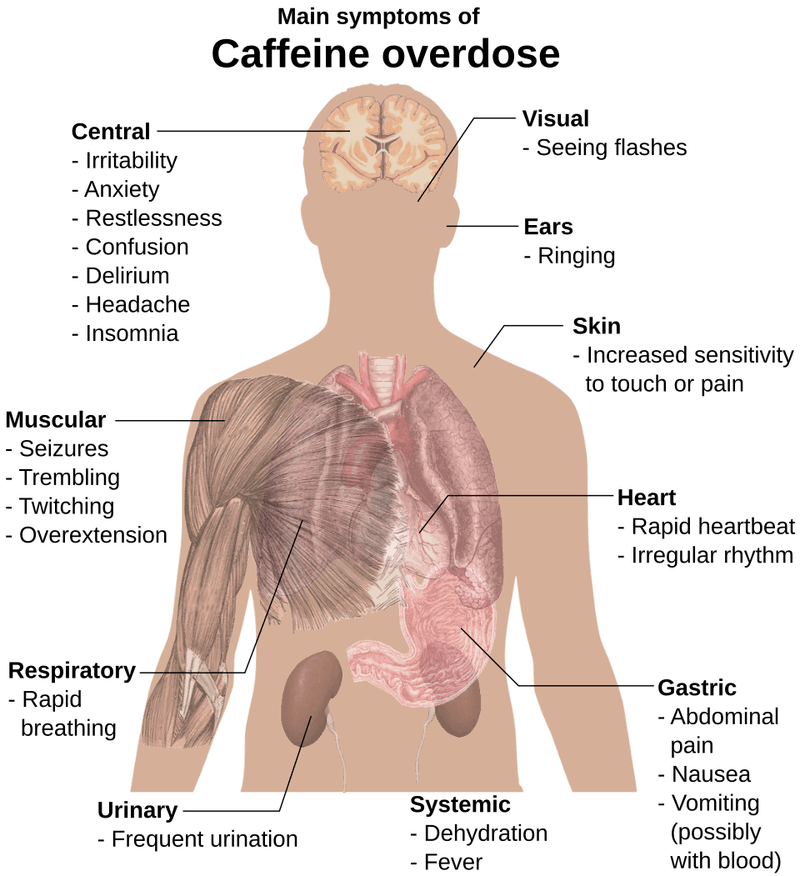
The human body can handle caffeine well up to moderate doses, but extremely high amounts overwhelm the heart and nervous system. Symptoms of severe toxicity include rapid heart rate, seizures, and dangerously low potassium levels.
Death can follow if emergency treatment is not received quickly enough.
Several young adults have died after accidentally consuming pure caffeine powder, which is far more potent than any beverage. Just one teaspoon of pure caffeine powder equals roughly 28 cups of coffee.
Regulatory agencies in several countries have restricted sales of ultra-concentrated caffeine products in direct response to these documented fatalities.
4. Lightning Strike Indoors
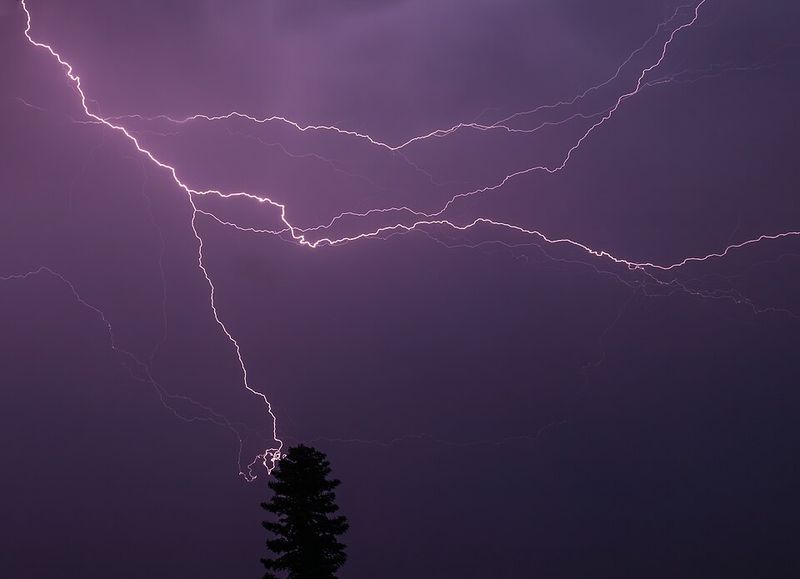
Getting struck by lightning is already a rare event, but being struck while inside a building takes that rarity to another level entirely. Indoor lightning deaths are documented, though they represent only a fraction of all lightning fatalities reported each year.
They typically occur when lightning travels through plumbing, electrical wiring, or windows.
Corded phones, metal pipes, and electrical outlets have all served as indirect conductors during storms. People have been injured or killed while talking on landlines, washing dishes, or standing near windows during intense thunderstorms.
Modern buildings with proper grounding systems greatly reduce this already small risk.
The CDC recommends staying away from windows, avoiding contact with plumbing, and not using corded electronics during thunderstorms. While indoor lightning deaths are rare, they serve as a reminder that no location is completely immune during a severe electrical storm.
Awareness and simple precautions can make a real difference.
5. Vending Machine Crush Accidents
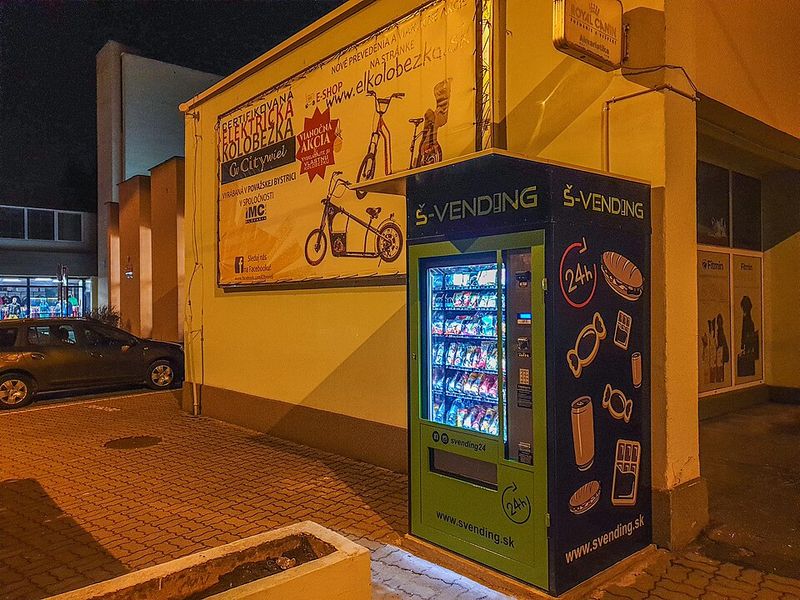
It sounds almost impossible, but people have died after being crushed by falling vending machines. These accidents are extremely rare compared to other accidental deaths, yet they are documented in medical and safety literature.
They most commonly happen when someone rocks or tilts a machine trying to free a stuck item.
Vending machines can weigh anywhere from 400 to over 900 pounds, making them genuinely dangerous if they tip over. The majority of victims in recorded cases were young men, often attempting to shake products loose.
The force of a machine that size falling forward is more than enough to cause fatal injuries.
Consumer safety organizations have responded by requiring anti-tipping brackets and warning labels on modern machines. Despite these measures, isolated incidents still occur around the world.
The lesson here is straightforward: if a vending machine takes your money, walk away and contact the operator rather than fighting back.
6. Death from Falling Coconuts
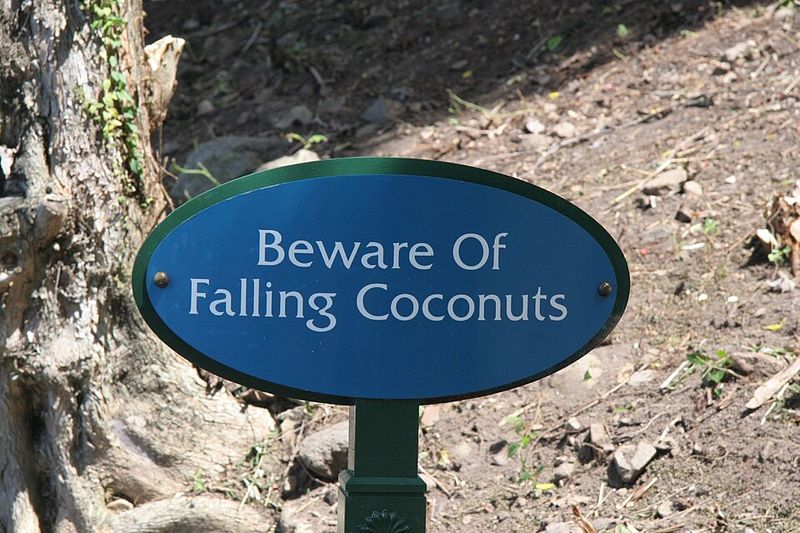
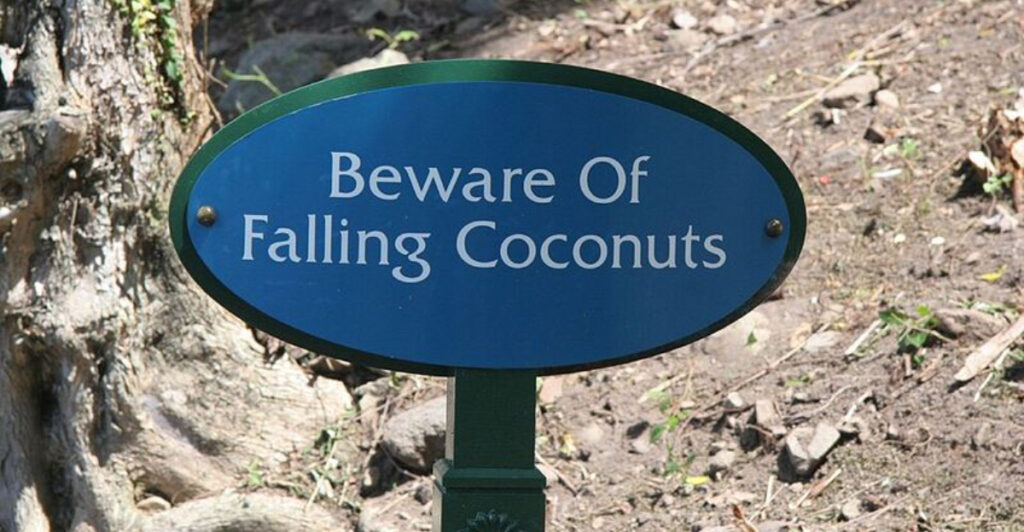
Coconuts falling from tall palm trees might sound like a joke, but they are a genuine source of fatal head injuries in tropical regions. A mature coconut can weigh up to four pounds and fall from heights of 80 feet or more.
At that speed and weight, the impact can cause serious skull trauma.
A widely circulated statistic once claimed coconuts kill more people than sharks each year. While that specific figure has been debated, documented cases of coconut-related deaths do exist, particularly in parts of Southeast Asia and the Pacific Islands.
These incidents are rare but real.
Some resorts and public parks in tropical areas have taken preventive steps by trimming palm trees regularly or placing warning signs beneath them. Wearing a helmet in high-risk areas is an option, though rarely practiced.
Staying aware of your surroundings near tall palms is the simplest form of protection available.
7. Cold-Induced Anaphylaxis
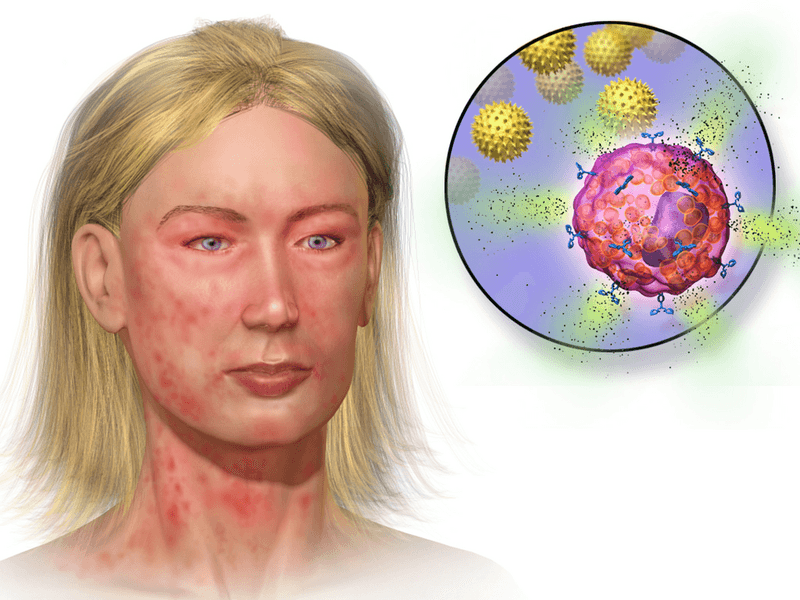
Most people associate allergic reactions with food, insect stings, or medications. Cold-induced anaphylaxis is different and far stranger.
It is a severe allergic response triggered simply by exposure to cold temperatures, cold water, or even cold food and drinks.
The condition, known as cold urticaria, affects a small portion of the population. In most cases, it causes hives or itching when the skin is exposed to cold.
But in rare and extreme situations, the reaction escalates into full anaphylaxis, a life-threatening event involving a dangerous drop in blood pressure and difficulty breathing.
Deaths from cold anaphylaxis have been reported in individuals who jumped into cold swimming pools or lakes without knowing they had the condition. Carrying an epinephrine auto-injector is critical for anyone diagnosed with cold urticaria.
Diagnosis typically involves a simple ice cube test conducted under medical supervision, making it detectable before a fatal event occurs.
8. Cervical Artery Dissection After Neck Manipulation

A sudden or forceful twist of the neck, whether from a chiropractic adjustment, a sports injury, or even an awkward movement, can occasionally cause a tear in a cervical artery. This tear, called a cervical artery dissection, can lead to a blood clot forming and traveling to the brain.
The result can be a stroke, and in rare cases, death.
Vertebral artery dissection is the more commonly documented type linked to neck manipulation. Young, otherwise healthy individuals have experienced strokes following routine chiropractic neck adjustments, sparking ongoing medical debate about the procedure’s safety.
The risk is considered very low, but not zero.
Neurologists and spine specialists often recommend gentler, evidence-based treatments for neck pain as a precaution. Patients with certain underlying vascular conditions face higher risk and should discuss this openly with any practitioner before treatment.
Awareness of this rare complication has led to better screening and informed consent practices across many clinics.
9. Lawn Dart Fatalities
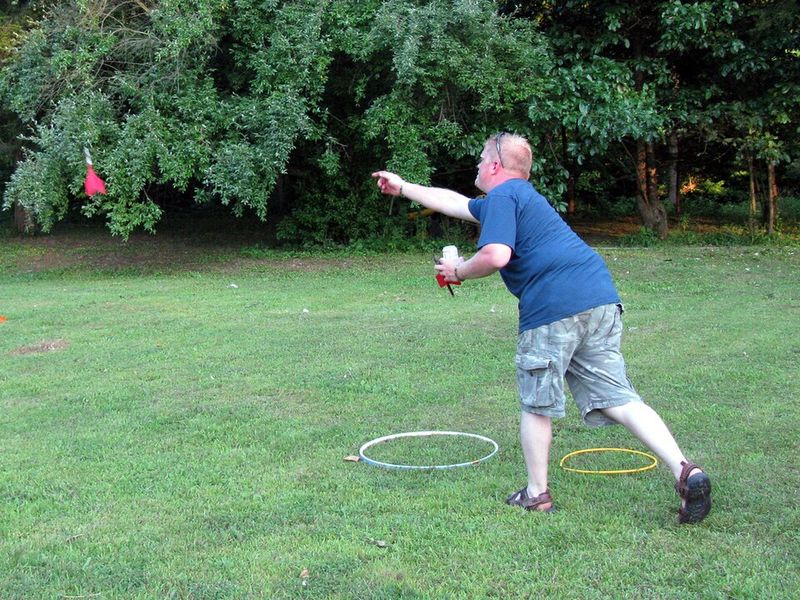
Lawn darts, also known as Jarts, were a popular backyard game in the 1970s and 1980s. The game involved throwing large, heavy metal-tipped darts through the air toward a target ring on the ground.
What seemed like harmless fun turned out to carry a very real, if rare, risk of serious injury and death.
Several fatalities were documented, mostly involving children who wandered into the path of a thrown dart. The most high-profile case involved a seven-year-old girl in California whose death in 1987 prompted her father to campaign successfully for a nationwide ban.
The U.S. Consumer Product Safety Commission banned the sale of lawn darts in 1988.
Canada followed with a similar ban shortly afterward. Despite the bans, some sets still exist in private collections and occasionally surface at garage sales.
The story of lawn darts is a clear example of how a seemingly simple recreational product can have unexpectedly deadly consequences in rare circumstances.
10. Fatal Deer Collisions

Car accidents involving deer are actually quite common in rural areas of North America, especially during autumn mating season. But deaths caused directly and specifically by deer, whether through a vehicle collision or an actual physical attack, are statistically quite rare when viewed individually.
Most deer-vehicle crashes result in property damage rather than human fatalities.
According to the Insurance Institute for Highway Safety, deer-related crashes cause roughly 200 deaths per year in the United States. While that number sounds significant, it represents a tiny fraction of overall traffic fatalities.
Direct attacks by deer on humans are even rarer, though bucks during rut season can become aggressive and have injured people.
Drivers are advised to stay alert at dawn and dusk when deer are most active, use high beams on empty rural roads, and brake firmly rather than swerving if a deer appears. Swerving often causes more serious accidents than a direct collision would have.
11. Escalator Entrapment Accidents

Escalators carry billions of people safely every year, and modern safety systems have made fatal accidents extraordinarily uncommon. Yet documented cases of escalator entrapment deaths do exist, usually involving loose clothing, shoelaces, or soft footwear like flip-flops getting caught in the moving steps or side panels.
These incidents, while rare, are real.
Children and elderly passengers face slightly higher risk due to reduced awareness or slower reaction times. Crocs-style shoes and baggy pant hems have been specifically linked to entrapment incidents in safety reports.
Escalator machinery is powerful enough that once caught, the force can cause severe injury before the mechanism stops.
Most modern escalators are equipped with emergency stop buttons and automatic safety sensors. Regular maintenance and public awareness campaigns have made these machines far safer over the decades.
Holding handrails, keeping clothing tucked in, and avoiding soft-soled shoes are simple habits that make an already safe experience even safer for everyone.
12. Airplane Turbulence Fatalities
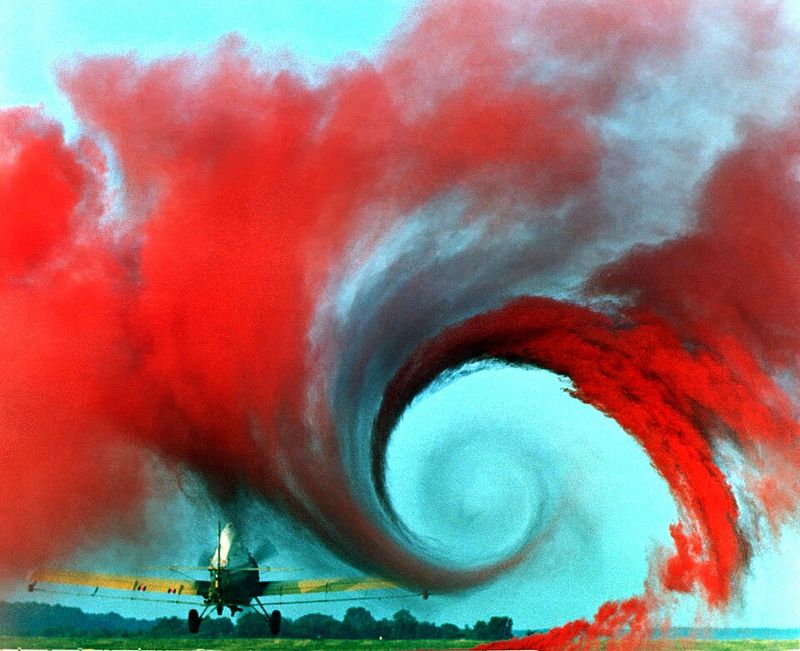
Commercial aviation is one of the safest forms of transportation ever developed. Deaths caused purely by turbulence, without any other contributing factor like a crash, are genuinely rare events.
Most turbulence injuries involve passengers or flight attendants who were not wearing seatbelts when the aircraft encountered rough air.
Between 1980 and 2008, the FAA recorded 234 turbulence-related injuries among U.S. carriers, with three fatalities. Fatal outcomes typically involve passengers being thrown forcefully against the ceiling or overhead structures.
Unbelted passengers in their seats and standing flight attendants are at the greatest risk during unexpected severe turbulence.
Clear-air turbulence is particularly unpredictable because it cannot be detected by radar or seen visually. Airlines and meteorologists are working on better detection tools to give pilots more warning time.
The simplest advice remains unchanged: keep your seatbelt fastened whenever you are seated, even when the seatbelt sign is off.
13. Venomous Spider Bites in Developed Countries

Spiders have a fearsome reputation that far exceeds their actual danger to humans, especially in developed nations. Thanks to modern antivenoms, improved emergency care, and better public health infrastructure, deaths from spider bites in countries like the United States, Australia, and the United Kingdom are extraordinarily uncommon today.
In the U.S., the black widow and brown recluse are the two species most associated with medically significant bites. Yet confirmed deaths from spider bites in the country average fewer than seven per year, and many of those involve individuals with underlying health conditions or delayed treatment.
Australia, famous for its dangerous wildlife, recorded zero confirmed spider bite deaths between 2000 and 2016.
Antivenom has transformed previously life-threatening bites into manageable medical events. Shaking out shoes, checking bedding, and wearing gloves in storage areas remain practical habits in regions where venomous spiders are present.
Most spider bites, even from dangerous species, cause far less harm than their reputation suggests.
14. Falling Icicle Deaths

In cities that experience harsh winters, icicles forming along rooftops and building ledges are a familiar sight. What many people do not fully appreciate is that large icicles can weigh several pounds and fall with enough force to cause fatal head injuries.
While rare, documented deaths from falling icicles have occurred in Russia, Canada, and parts of northern Europe.
Russia in particular has recorded multiple icicle-related fatalities each winter season, leading city authorities in places like St. Petersburg to employ teams of workers specifically tasked with removing dangerous ice formations from buildings. The problem is most acute in urban areas with tall, older structures where ice accumulates heavily.
Pedestrians are advised to stay away from the edges of buildings after freezing rain or rapid temperature changes. Warning signs and temporary barriers are sometimes placed on sidewalks below high-risk structures.
Wearing a sturdy hat outdoors in icy conditions provides some protection, though the best approach is simply situational awareness.
15. Sand Hole Collapse on Beaches

Every summer, families dig holes and tunnels in beach sand as a fun recreational activity. What most people do not realize is that dry sand behaves very differently from soil, and deep holes can collapse suddenly and without warning.
Sand hole collapses have killed children and adults alike, and the deaths are faster than most people expect.
A study published in the American Journal of Emergency Medicine found that sand hole collapses caused more beach-related deaths in the United States than shark attacks over the same period studied. The walls of a deep sand hole can give way in seconds, burying a person up to their neck or completely.
Rescue is extremely difficult because the sand compresses tightly around the body.
Safety experts recommend never digging holes deeper than knee height and never allowing children to enter tunnels dug in sand. Beach lifeguards in some areas now actively discourage deep digging.
Awareness of this quiet hazard could genuinely save lives during an otherwise carefree summer outing.
Share this story