 Unearth The Voyage
Retirement is supposed to be the reward at the end of a long working life, but choosing the wrong place to settle down can turn that dream into a daily headache. From soaring insurance costs to scorching summer heat, some popular destinations look far better on a brochure than they do after a few years of actually living there.
Many seniors discover too late that low taxes or warm winters come with hidden trade-offs that quietly erode comfort, savings, and peace of mind. Here are ten places where retirees often end up wishing they had looked a little closer before signing on the dotted line.
1. Miami, Florida
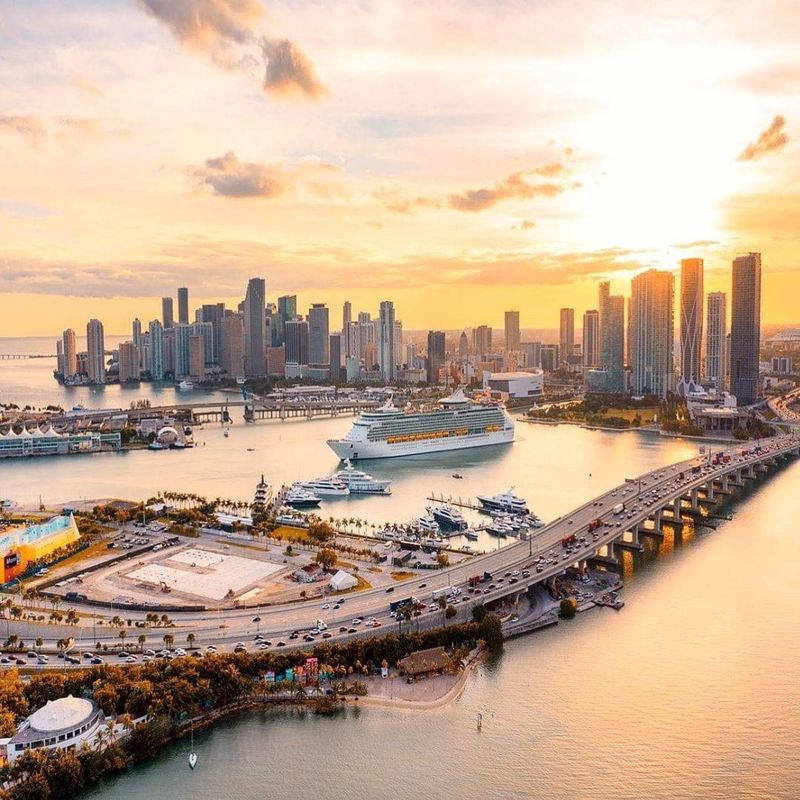
Miami has long sold the dream of warm winters, ocean breezes, and a vibrant social scene, but the financial reality can sting fast. Housing prices in South Florida have climbed sharply, and condo association fees in many buildings run into the hundreds or even thousands of dollars each month.
Then comes the insurance problem. Homeowners insurance in Florida has become one of the most expensive in the nation, driven by hurricane risk and a volatile private market.
Flood insurance, required separately through FEMA, adds another layer of cost that many buyers do not fully price in before moving.
On top of that, Florida ranked just 39th in the Commonwealth Fund’s 2025 state health system scorecard. For retirees who expect frequent doctor visits and specialist care, that ranking can translate into real frustrations.
Miami’s glamour is real, but so is the financial pressure that comes with it.
2. Naples, Florida
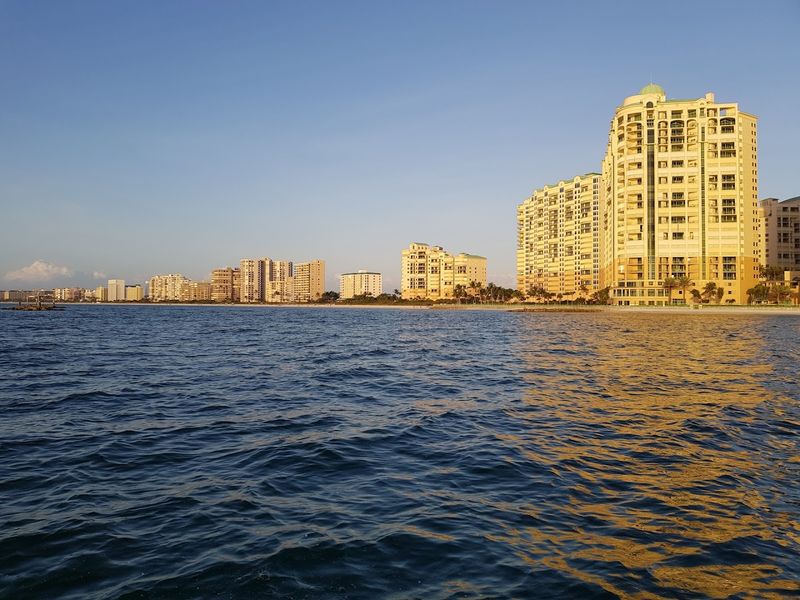
Naples consistently tops lifestyle rankings for retirees, and it is easy to see why at first glance. The beaches are beautiful, the restaurants are excellent, and the golf courses seem endless.
But the buy-in is steep, and the ongoing costs can quietly overwhelm even well-prepared budgets.
Storm exposure is a serious concern in Southwest Florida. After Hurricane Ian in 2022, many homeowners discovered their coverage fell far short of actual repair costs.
Association fees in gated communities can rival monthly mortgage payments, and seasonal price inflation makes everyday groceries and services noticeably more expensive during peak months.
Florida officials have pointed to efforts to stabilize the insurance market, but premiums in coastal counties remain among the highest in the country. Retirees who move to Naples expecting low-stress living sometimes find themselves spending more time managing property costs than enjoying the lifestyle they came for.
3. Phoenix, Arizona

Arizona’s dry heat sounds manageable until you actually live through a Phoenix summer. Temperatures regularly exceed 110 degrees Fahrenheit from June through September, and the heat does not let up much at night.
For retirees who planned on outdoor walks, gardening, or golf, those months can feel like being under house arrest.
The CDC notes that adults 65 and older are among the most vulnerable to heat-related illness, including heat exhaustion and heat stroke. Heat.gov and Arizona health authorities have both flagged the state’s growing need for extreme-heat preparedness infrastructure, particularly for older residents living alone.
Arizona also ranked 34th in the Commonwealth Fund’s 2025 health system scorecard, meaning access to quality care is not as strong as in top-ranked states. Cooling bills spike dramatically during summer, adding financial strain on top of physical discomfort.
The desert lifestyle has real appeal, but the heat is not just a minor inconvenience.
4. Scottsdale, Arizona
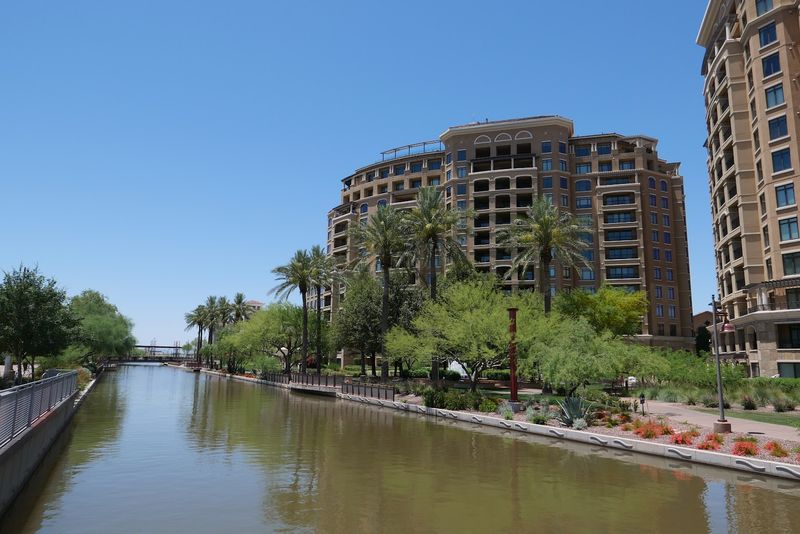
Scottsdale markets itself as a premier retirement destination, and on a mild January afternoon it absolutely delivers. The golf courses are world-class, the dining scene is strong, and the master-planned communities offer plenty of amenities.
The problem is that Scottsdale is still in the Sonoran Desert, and summer does not care about your HOA’s pool hours.
Car dependency is another issue that creeps up on retirees over time. Almost everything in Scottsdale requires driving, and as mobility becomes more limited with age, that reliance on a vehicle can shift from a minor annoyance to a genuine daily obstacle.
Public transit options are limited compared to most major metro areas.
Cooling costs in summer are significant, and the same insurance pressures affecting Phoenix apply here. Retirees who visit during a pleasant winter week sometimes make the mistake of mentally discounting the summer months entirely.
By July, those months are impossible to ignore.
5. Las Vegas, Nevada

Nevada’s tax structure is genuinely appealing to retirees. There is no state income tax, property taxes are relatively low, and the cost of living outside the tourist corridor can seem reasonable.
But taxes are only one part of the retirement equation, and Las Vegas stumbles on a critical one: healthcare.
Nevada ranked 46th out of 50 states in the Commonwealth Fund’s 2025 health system performance scorecard. That is not just a statistic; it reflects real shortages in primary care providers, longer wait times, and gaps in chronic disease management.
KFF data also identifies widespread primary care shortage areas across Nevada, which matters far more once regular specialist visits become routine.
The desert heat rivals Phoenix in intensity, and the entertainment-driven culture of Las Vegas does not naturally cater to the slower pace many retirees prefer. The tax savings can lose their appeal quickly when healthcare access becomes a daily concern.
6. Henderson, Nevada
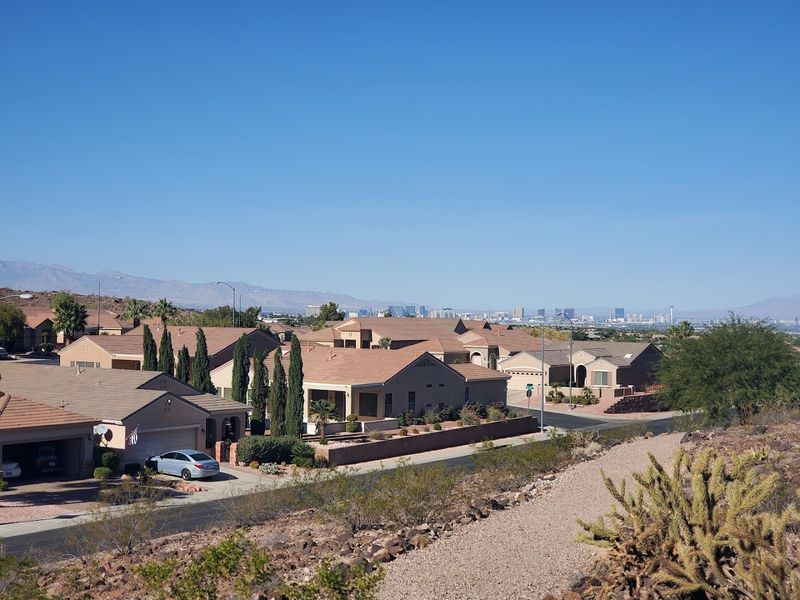
Henderson gets pitched as the sensible, quieter alternative to Las Vegas, and compared to the Strip, it genuinely is calmer. The neighborhoods are tidier, the demographics skew older, and many communities are built specifically with retirees in mind.
But Henderson is still Nevada, and that means the same structural challenges follow you there.
Healthcare access is tied to the broader state system, which ranked 46th nationally in 2025. Finding a primary care physician who is accepting new patients can take months, and specialist availability is not much better.
When chronic conditions require consistent management, those gaps stop being theoretical.
Desert heat in Henderson is just as punishing as in Las Vegas during summer, and car dependence is nearly total. The tax advantages that drew you there start to look less impressive when air conditioning bills climb and healthcare options feel thin.
Affordability is real, but comfort and access are part of the retirement math too.
7. New Orleans, Louisiana
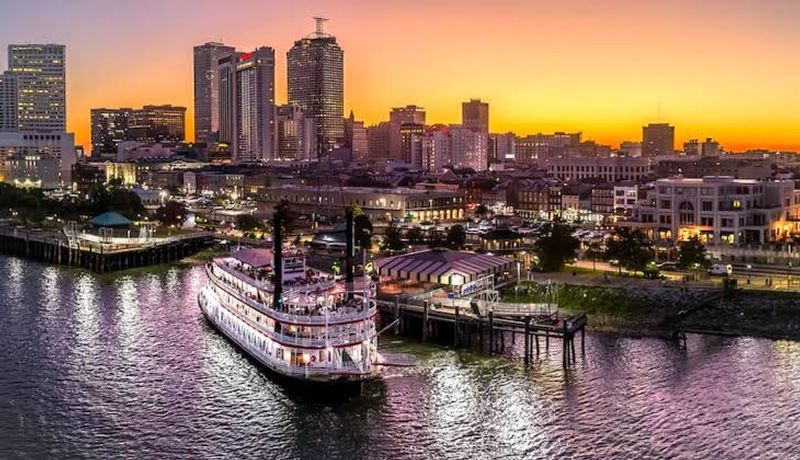
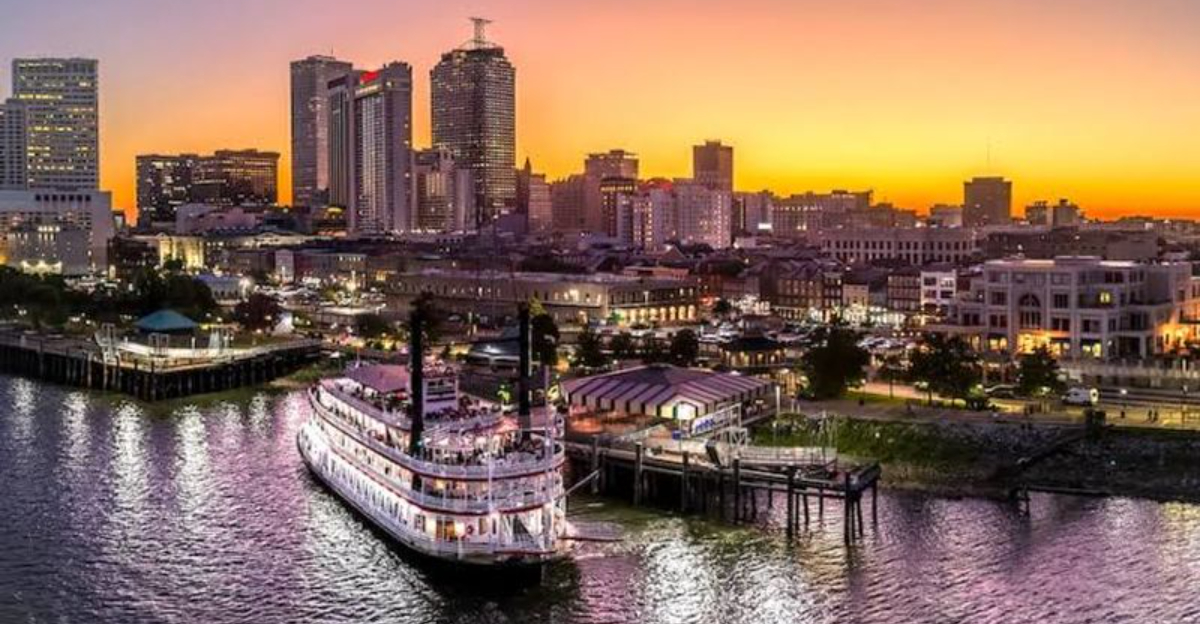
Few American cities match New Orleans for culture, food, music, and sheer personality. Retiring there sounds romantic, and for some people it genuinely works.
But New Orleans demands a high tolerance for unpredictability, and that is not always what retirees are looking for after decades of working life.
Louisiana ranked 41st in the Commonwealth Fund’s 2025 health system scorecard. Flooding is not just a historic memory; it is an ongoing reality in many neighborhoods, and standard homeowners insurance policies do not cover flood damage.
FEMA’s Risk Rating 2.0 framework now prices flood insurance based on individual property risk, which means some homes carry surprisingly high premiums.
The Louisiana Department of Insurance reminds residents that separate flood coverage is essential but often underestimated until after a storm. Humidity, heat, and a slower pace of infrastructure recovery after disasters round out the challenges.
New Orleans is a wonderful place to visit, but retiring there requires clear-eyed preparation.
8. Gulf Coast Communities in Louisiana
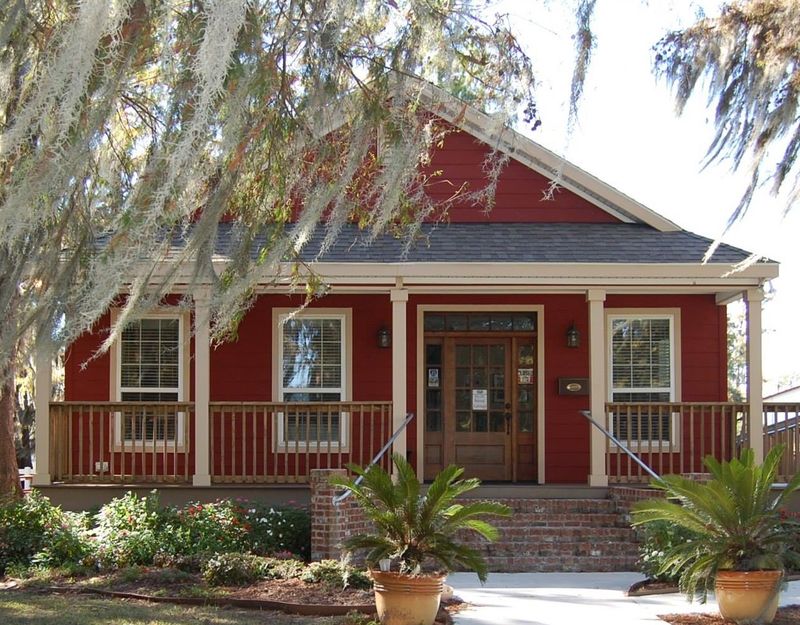
Water views and lower home prices draw retirees to Louisiana’s Gulf Coast communities every year. Compared to Florida or California coastal living, the entry cost can seem like a bargain.
But the price tag on the home is only the beginning of the financial story in this part of the country.
Flood exposure along the Louisiana Gulf Coast is among the highest in the nation. Storms do not just cause immediate damage; they create months of recovery headaches, contractor shortages, and temporary displacement that can be exhausting for older adults.
Insurance uncertainty compounds the problem, as some private insurers have pulled back from the region entirely.
Louisiana’s own insurance guidance makes clear that standard homeowners coverage does not protect against flood damage, yet many buyers still underestimate this distinction until after they have moved in. The cultural warmth of these communities is genuine, but long-term financial and physical resilience requires more planning than many retirees initially expect.
9. Houston-Area Coastal Suburbs, Texas
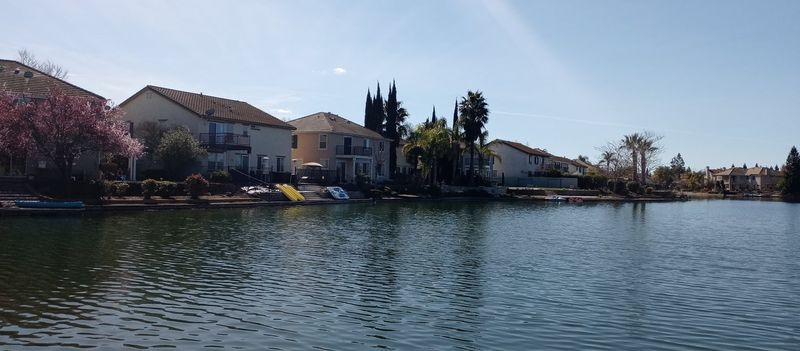
Texas has no state income tax, and that headline benefit pulls a lot of retirees in. But a closer look at the full cost picture reveals some important offsets.
Texas ranked last, 50th, in the Commonwealth Fund’s 2025 state health system scorecard, making it the weakest-performing state in the country for healthcare quality and access.
Property taxes in Texas are among the highest effective rates in the nation, according to Tax Foundation data. For retirees on fixed incomes, those annual bills can create real budget pressure, especially as home values rise.
Some exemptions exist for seniors, but they do not eliminate the burden entirely.
In coastal suburban areas around Houston, flood risk adds another layer. Harvey in 2017 left a lasting mark on how residents think about storm vulnerability, and FEMA flood maps have been updated to reflect elevated risk in many neighborhoods.
The no-income-tax appeal is real, but it does not tell the whole story.
10. Inland Southern California, Including Palm Springs-Type Desert Areas
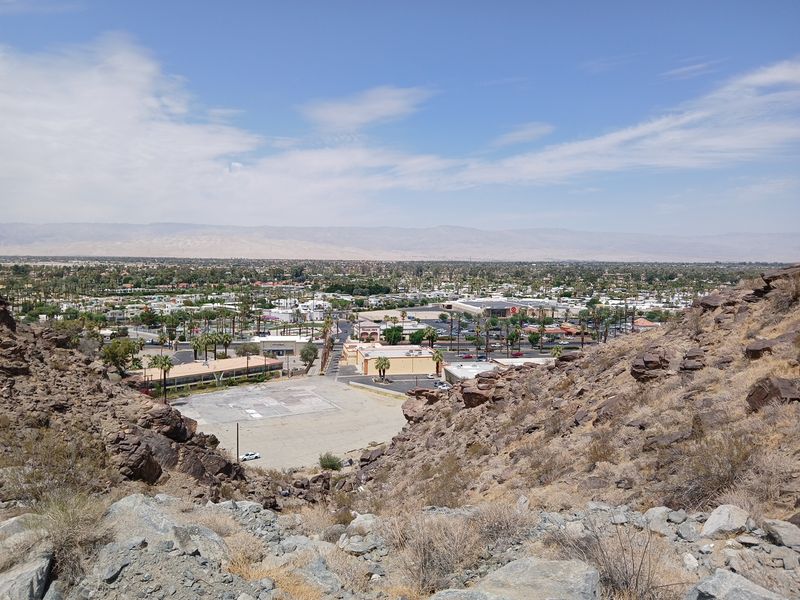
Inland Southern California has a certain cinematic appeal for retirees. The scenery is dramatic, the sun is nearly constant, and communities like Palm Springs carry a legacy of glamorous leisure.
But the climate in these desert valleys is not just warm; it is intensely hot for a significant portion of the year.
The California Department of Aging has specifically warned that older adults face elevated risk during heatwaves, and inland Southern California regularly sees temperatures between 100 and 120 degrees Fahrenheit during summer months. That is not a brief heat spike; it is a sustained seasonal reality that can last from late spring through early fall.
Add California’s broadly high regional cost of living, and the financial math gets complicated quickly. Housing, groceries, utilities, and healthcare costs in California consistently rank above the national average.
Retirees who fell in love with Palm Springs in February sometimes find the full-year experience harder to embrace than they anticipated.



